
Now Reading: SpaceX Prepares for Potentially Milestone Starship Flight 12 Launch in Mid-May
-
01
SpaceX Prepares for Potentially Milestone Starship Flight 12 Launch in Mid-May

SpaceX Prepares for Potentially Milestone Starship Flight 12 Launch in Mid-May

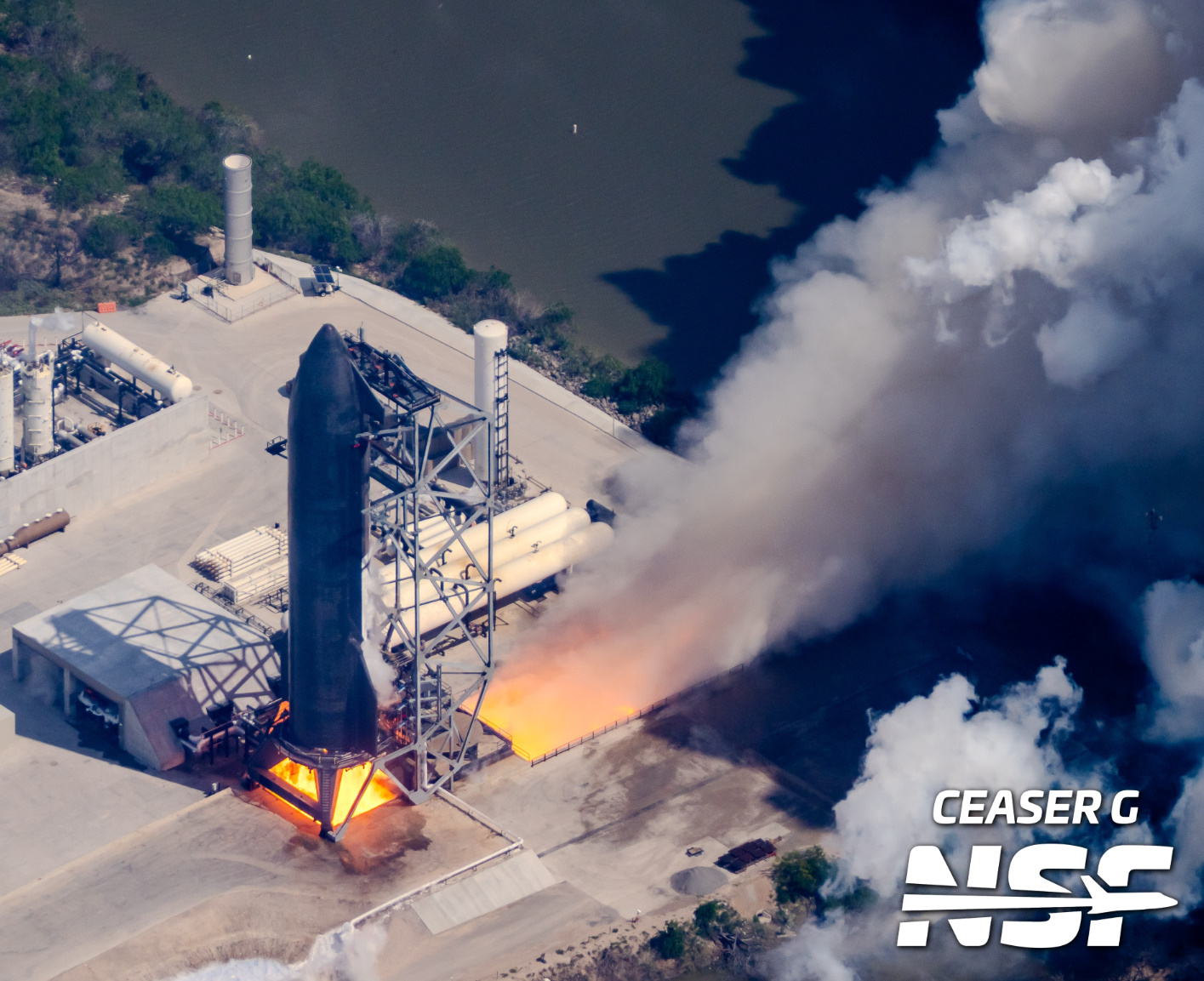

SpaceX is gearing up for the imminent launch of its Starship with Flight 12, potentially taking to the skies as early as May 12, based on recent notifications outlining a series of launch windows. These windows stretch from May 12 to May 18, offering afternoon launch opportunities that begin around 5:30 p.m. Central Time (22:30 UTC). This upcoming flight will see the upgraded Version 3 Starship and Super Heavy rocket take off from Orbital Launch Pad 2 at the company’s Starbase facility in Boca Chica, Texas.
This launch comes approximately 211 days after the previous Flight 11, closing in on this record 212-day gap that occurred between earlier flights. Given that the first launch opportunity is a mere 11 days away as of May 1, SpaceX’s timeline appears ambitious, especially considering the technical challenges that have previously delayed launches.
Flight 12 will chart a revised trajectory that tightens the flight path south of central landmasses, avoiding significant air traffic routes. Instead of moving north over Cuba and neighboring islands, the new route will navigate between Jamaica and Cuba, then curve between St. Vincent and Grenada, minimizing potential risks to populated areas.
According to information shared via the CADENA Operational Information System, the launch advisory confirms the northernmost export plan for May 12, 22:30 UTC, proposing a flight profile that remains focused on suborbital testing with a targeted splashdown in the Indian Ocean. This mission continues SpaceX’s iterative approach to testing critical components, including the heat shield performance, with plans for booster recovery still in development and not on the agenda for this particular flight.
The preparations for Flight 12 have been intense. Joe Petrzelka, Vice President of Starship Engineering, has labeled the Version 3 booster as one of the most ambitious projects his team has undertaken. Recent footage from SpaceX shows the assembly of critical components like the methane and LOX tanks on Booster 19, showcasing intricate structural designs essential for the rocket’s operations.
However, the path to this upcoming launch has not been without its challenges. Booster 19 experienced a LOX tank rupture in earlier testing phases, and issues arose during propulsion tests that led to engine replacements. A recent static fire test for the 10-engine configuration was aborted just short of its mark due to malfunctions related to the pad’s water deluge system. Teams are now preparing for another round of static fire testing, aiming to confirm successful modifications.
As the clock ticks down to May, attention is turning to SpaceX’s capability to deliver a seamless testing sequence. Preparatory efforts at the launch pad have included extensive rehearsals of key systems to ensure a smooth takeoff. Flight 12 also marks the first flight of the Block 3 configuration, which comes equipped with taller tanks and enhanced Raptor 3 engines to support future missions, including potential contributions to NASA’s Artemis program.
With ongoing tests and preparations underway, anticipation is mounting at Starbase as the company strives to reclaim its flight schedule. While SpaceX has yet to issue a definitive “go” or “no-go” for the proposed launch, the series of public notifications and active hardware tests suggest that the team is moving swiftly toward a return to the skies.










Related Posts


Stay Informed With the Latest & Most Important News
Previous Post
Next Post



Advertisement
-
 01Two Black Holes Observed Circling Each Other for the First Time
 -
 02From Polymerization-Enabled Folding and Assembly to Chemical Evolution: Key Processes for Emergence of Functional Polymers in the Origin of Life
 -
 03Astronomy 101: From the Sun and Moon to Wormholes and Warp Drive, Key Theories, Discoveries, and Facts about the Universe (The Adams 101 Series)
 -
 04True Anomaly hires former York Space executive as chief operating officer
 -
 05Φsat-2 begins science phase for AI Earth images
 -
 06Hurricane forecasters are losing 3 key satellites ahead of peak storm season − a meteorologist explains why it matters
 -
 07Binary star systems are complex astronomical objects − a new AI approach could pin down their properties quickly