Curiosity Navigation Curiosity Home Mission Overview Where is Curiosity? Mission Updates Science Overview Instruments Highlights Exploration Goals News and Features Multimedia Curiosity Raw Images Images Videos Audio Mosaics More Resources

Curiosity Navigation Curiosity Home Mission Overview Where is Curiosity? Mission Updates Science Overview Instruments Highlights Exploration Goals News and Features Multimedia Curiosity Raw Images Images Videos Audio Mosaics More Resources
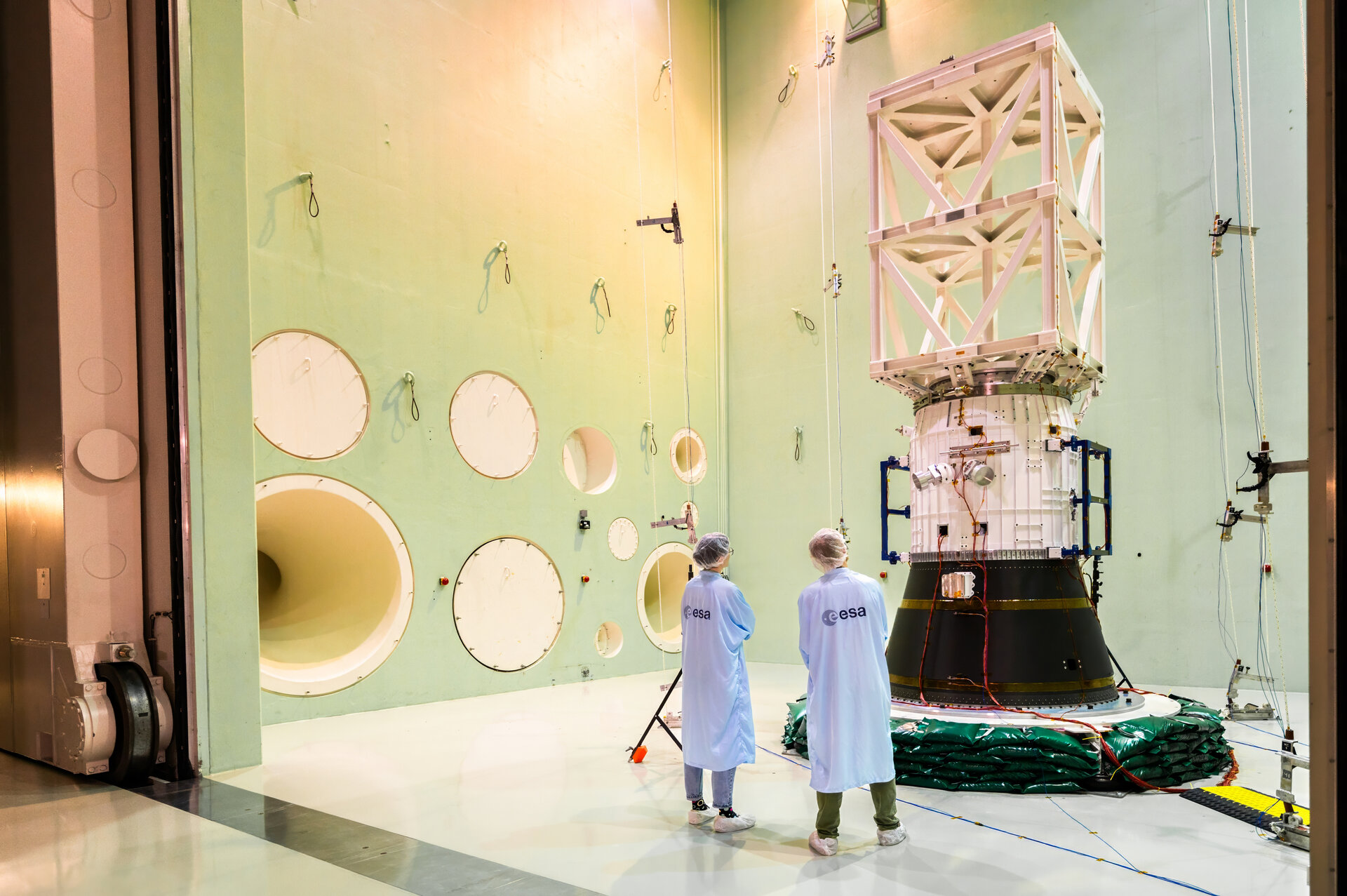
Enabling & Support 10/04/2025 1220 views 29 likes A part of the orbital module for the European Space Agency’s reuseable spacecraft Space Rider has finished its mechanical tests at the
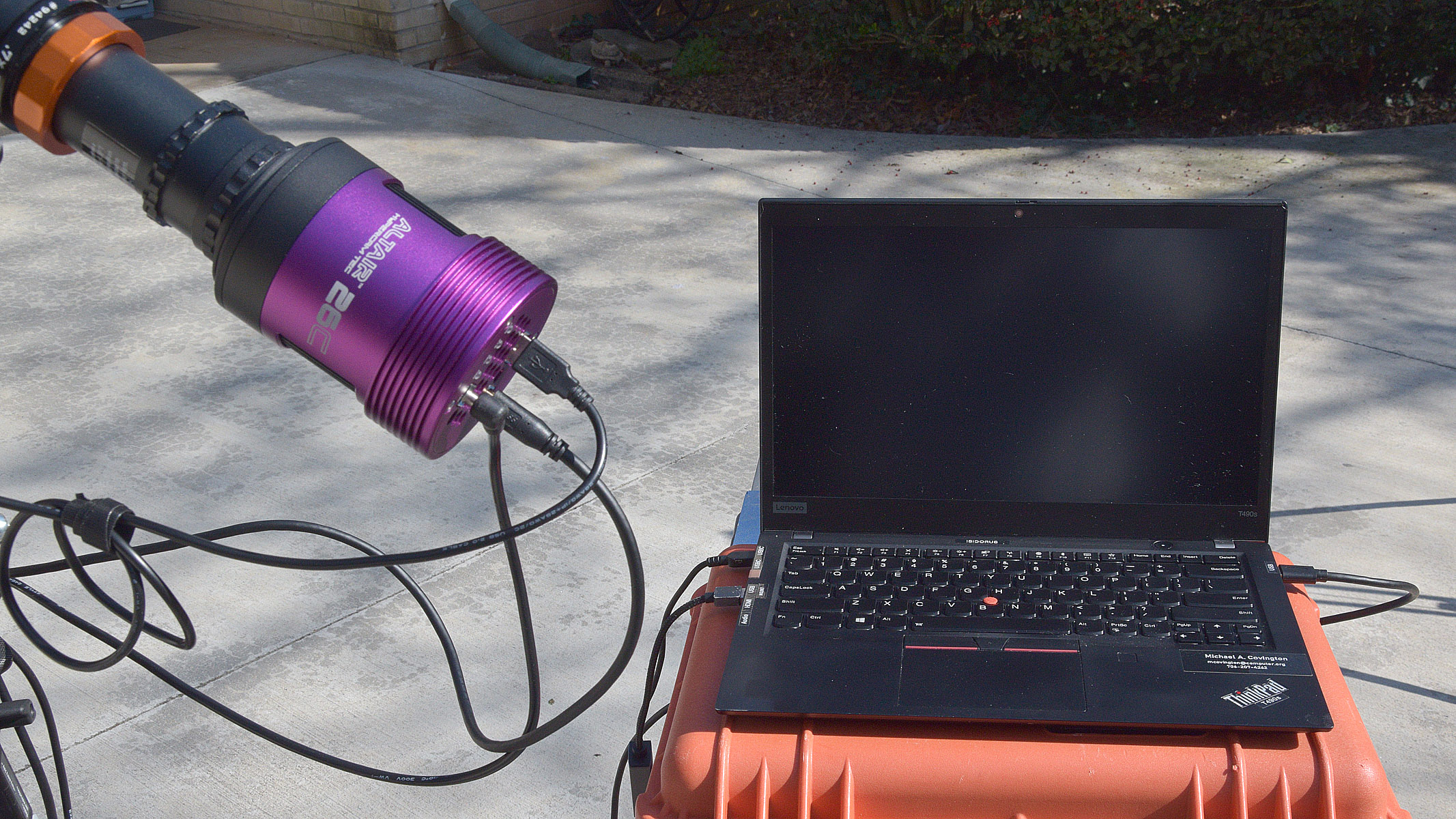
Altair Hypercam 26C APS-C Colour TEC: Key Specs Sensor: Sony IMX571 (6224 × 4168, 26 MP, 23.4 × 15.7 mm) Pixel size: 3.76 µm ADC: 16-bit Cooling: Thermoelectric Interface: USB
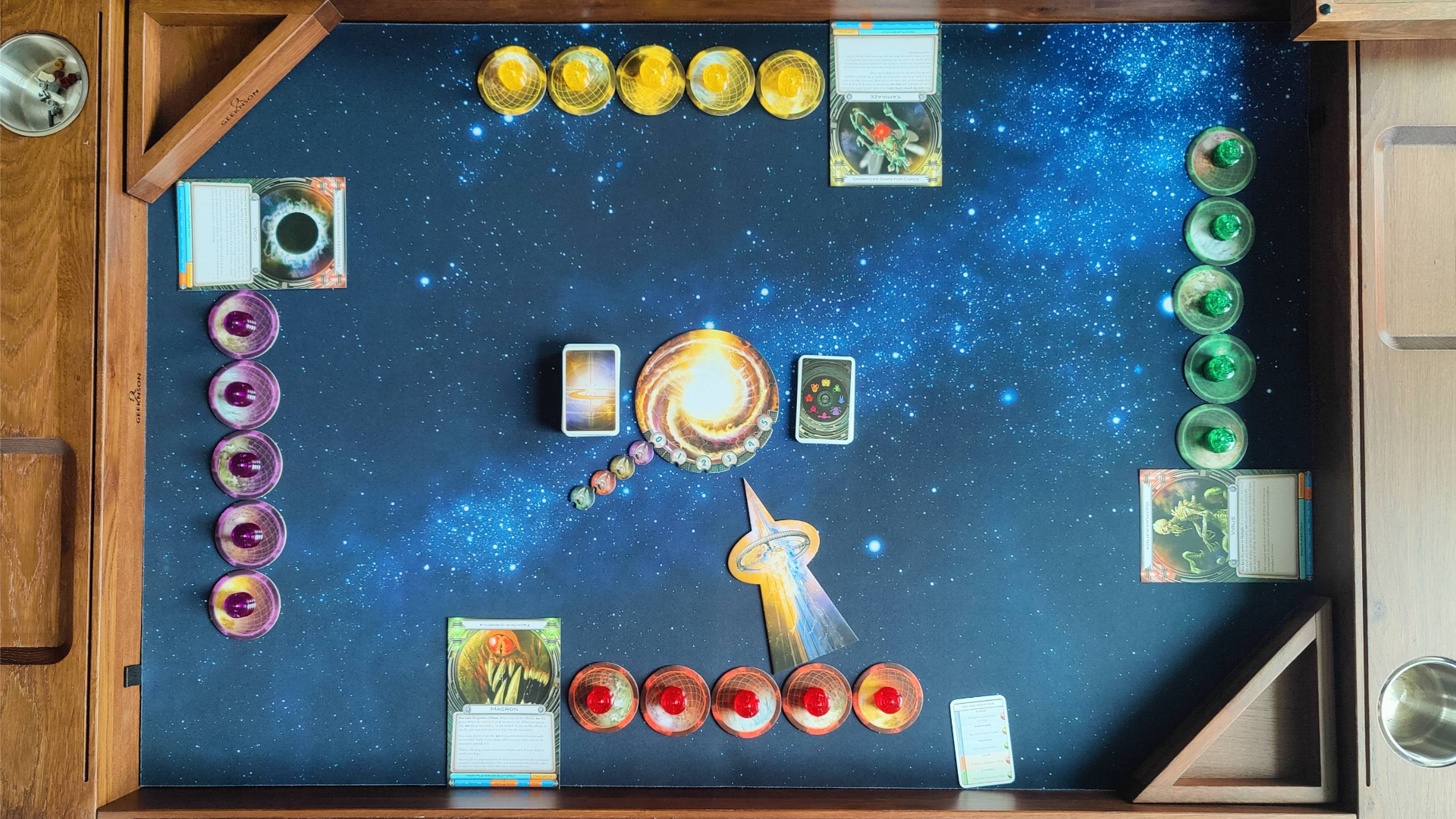
Essential Info Price: $69.99/£69.99 Publisher: Fantasy Flight Games Type: Strategy Players: 3-5 Recommended age: 14+ Time per game: 1-2 hours Complexity: 5/10 Cosmic Encounter is a veteran of the space
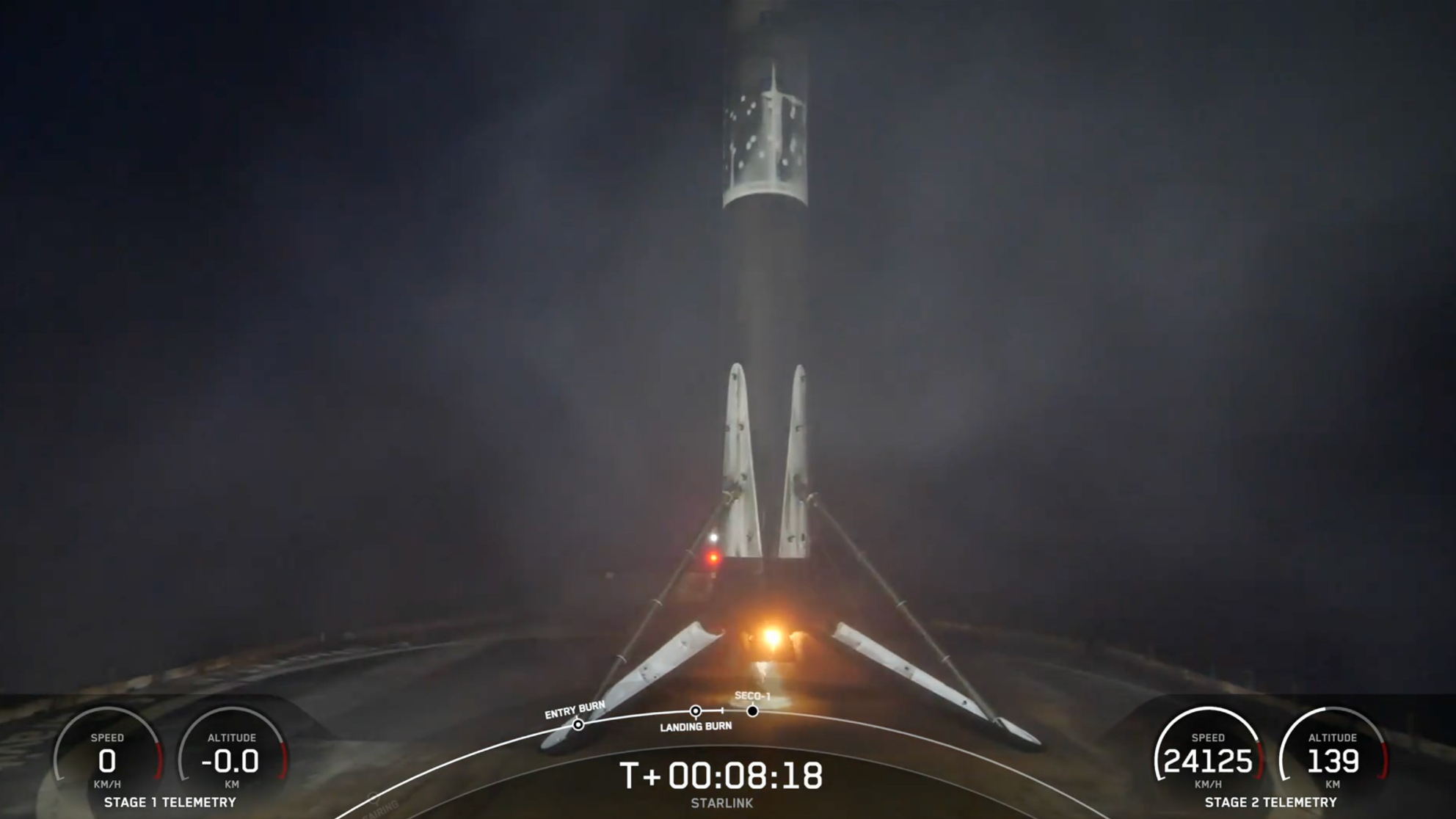
SpaceX sent another batch of its Starlink internet satellites to orbit from Florida’s Space Coast this morning (May 10), its second launch in a little over six hours. A Falcon
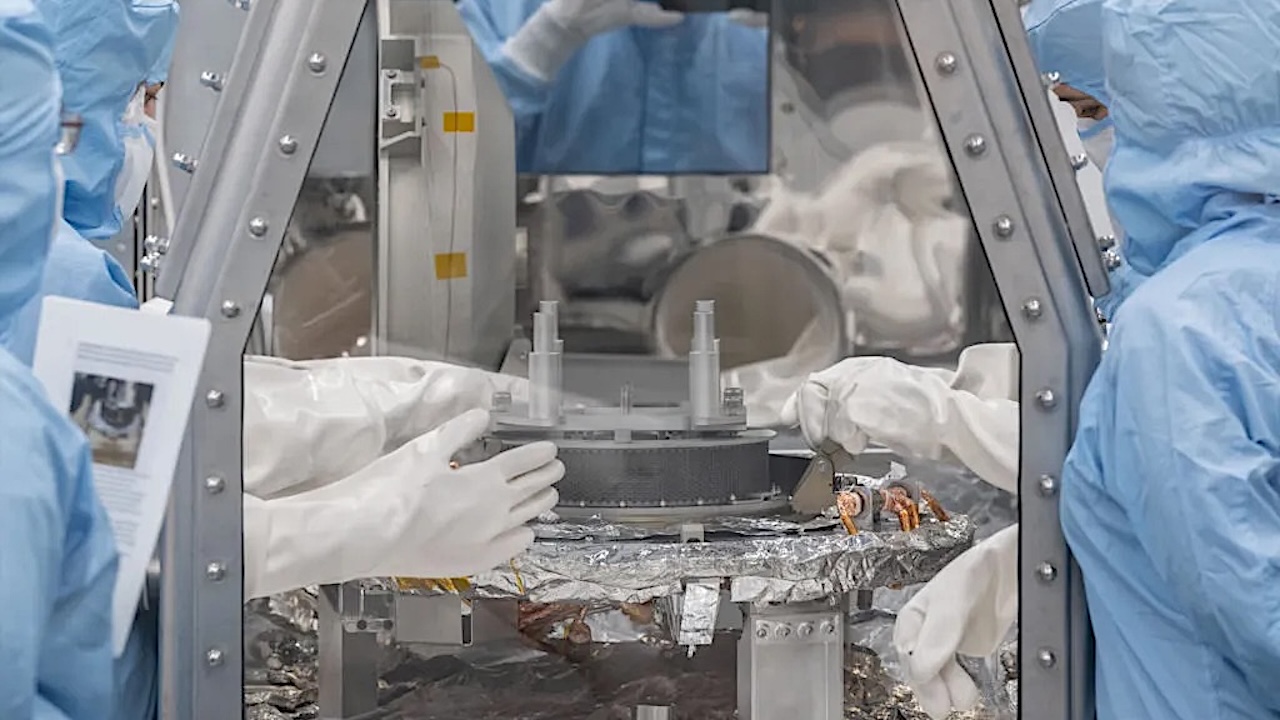
Astromaterials curation team at NASA’s Johnson Space Center continues to collect the bonus asteroid Bennu particles located outside the OSIRIS-REx TAGSAM (Touch-and-Go Sample Acquisition Mechanism) head.– NASA Bacteria are frequently

4 min read Preparations for Next Moonwalk Simulations Underway (and Underwater) Spectrum is a shared resource. Since the discovery of radio waves and the invention of the telegraph, humanity has
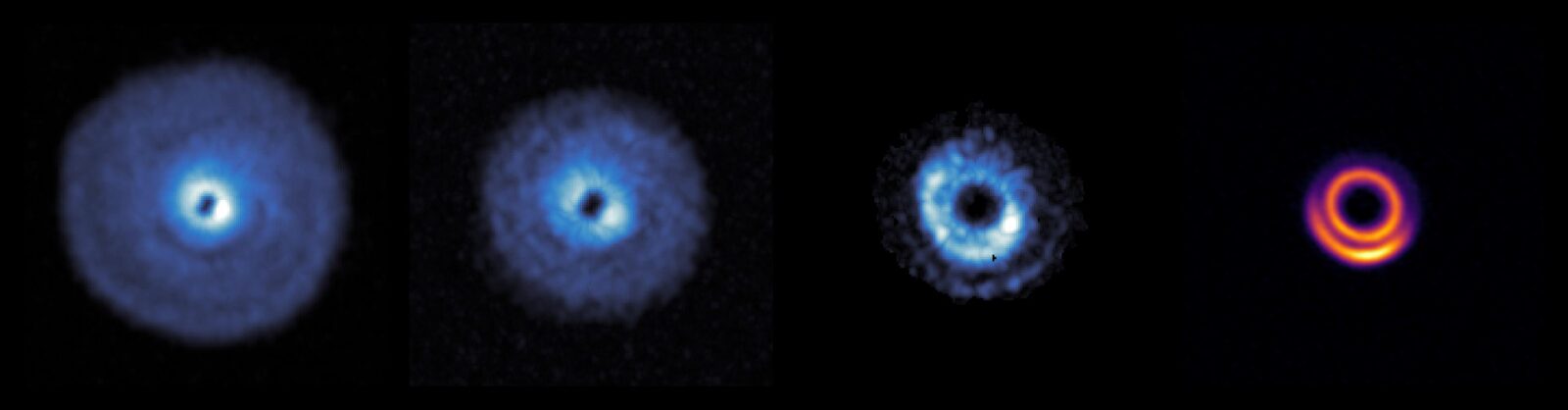
Astronomers have captured the sharpest, most detailed images yet of young solar systems where planets are just beginning to take shape. Exquisite snapshots released on Monday (April 28) provide a
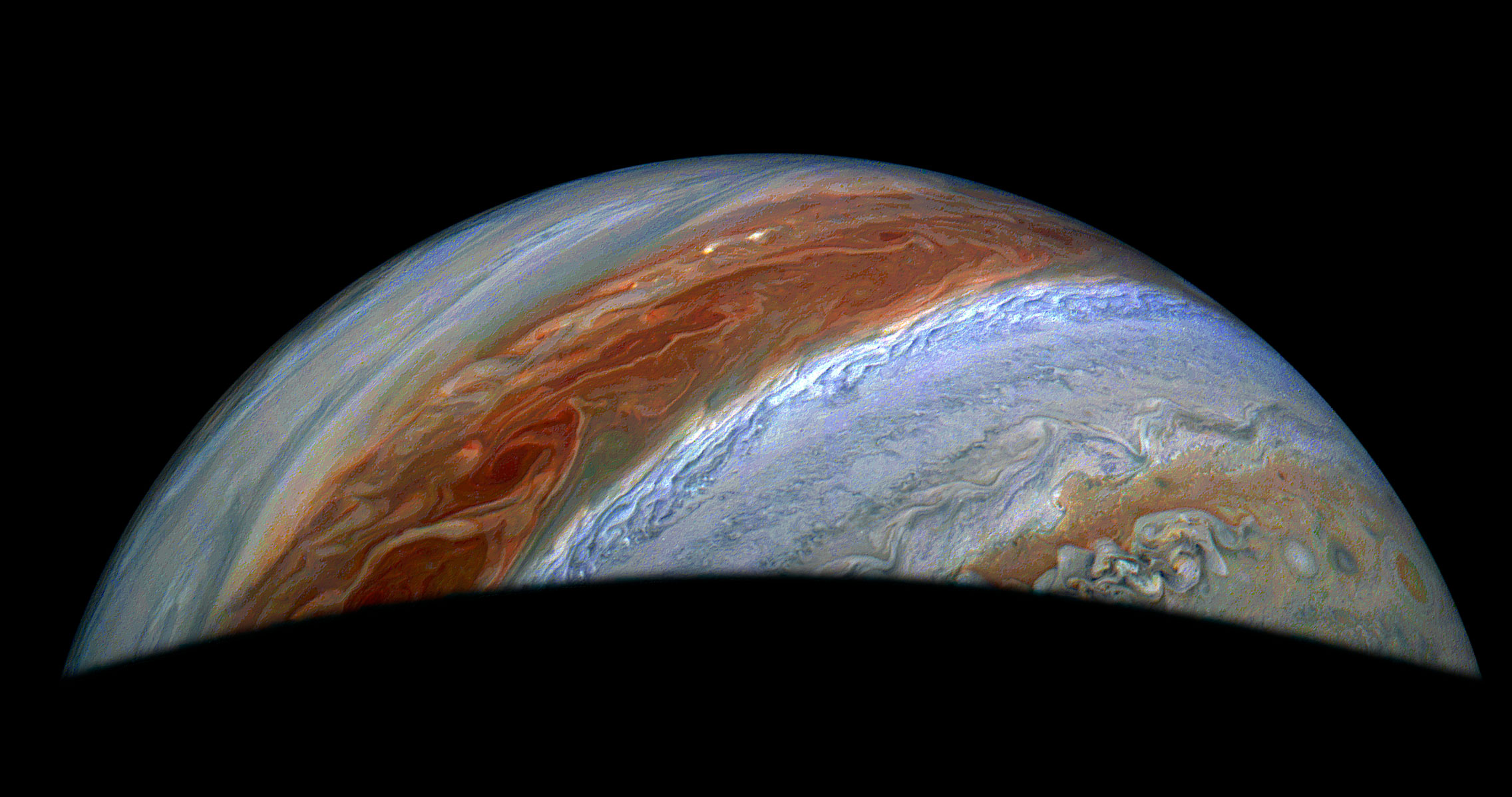
A flurry of new discoveries from NASA’s Juno mission Jupiter have taken us beneath the surface of the gas giant’s volcanic moon, Io, and into the world of cyclones playing
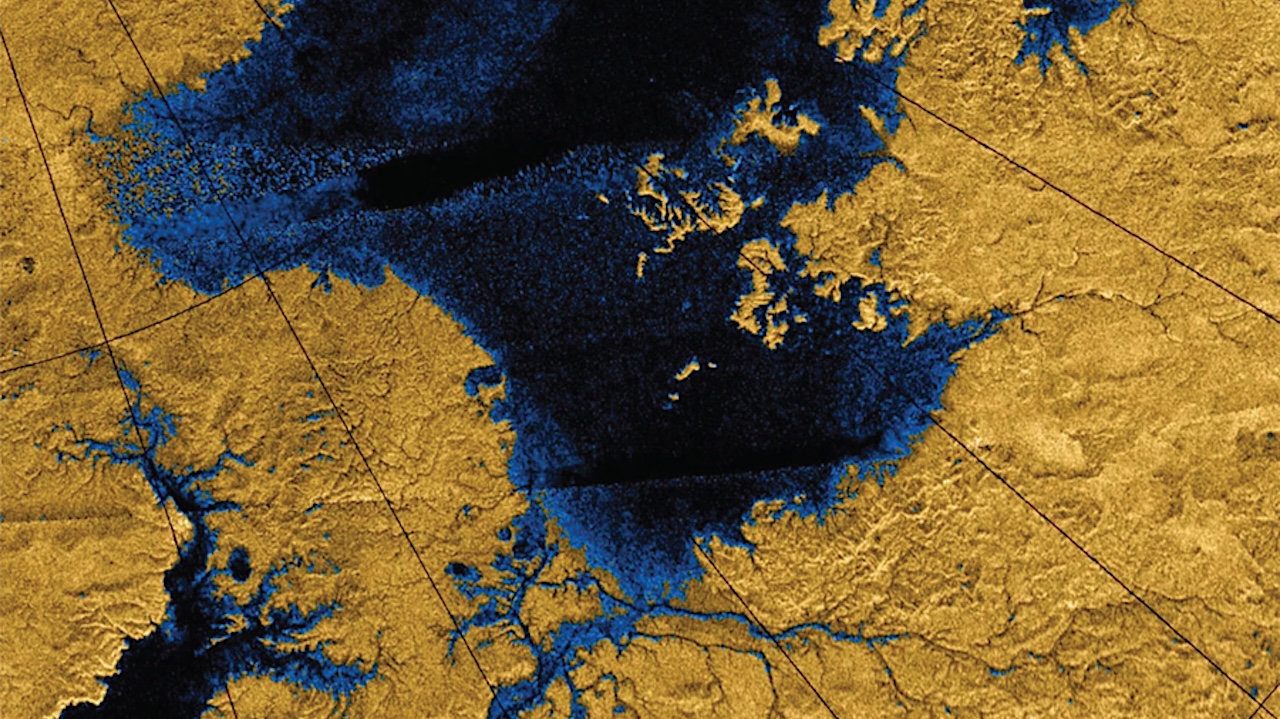
Images from the Cassini mission show river networks draining into lakes in Titan’s north polar region. Credits:I mage: NASA/JPL/USGS For scientists who want to learn about the geological history of