Curiosity Navigation Curiosity Home Mission Overview Where is Curiosity? Mission Updates Science Overview Instruments Highlights Exploration Goals News and Features Multimedia Curiosity Raw Images Images Videos Audio Mosaics More Resources

Curiosity Navigation Curiosity Home Mission Overview Where is Curiosity? Mission Updates Science Overview Instruments Highlights Exploration Goals News and Features Multimedia Curiosity Raw Images Images Videos Audio Mosaics More Resources
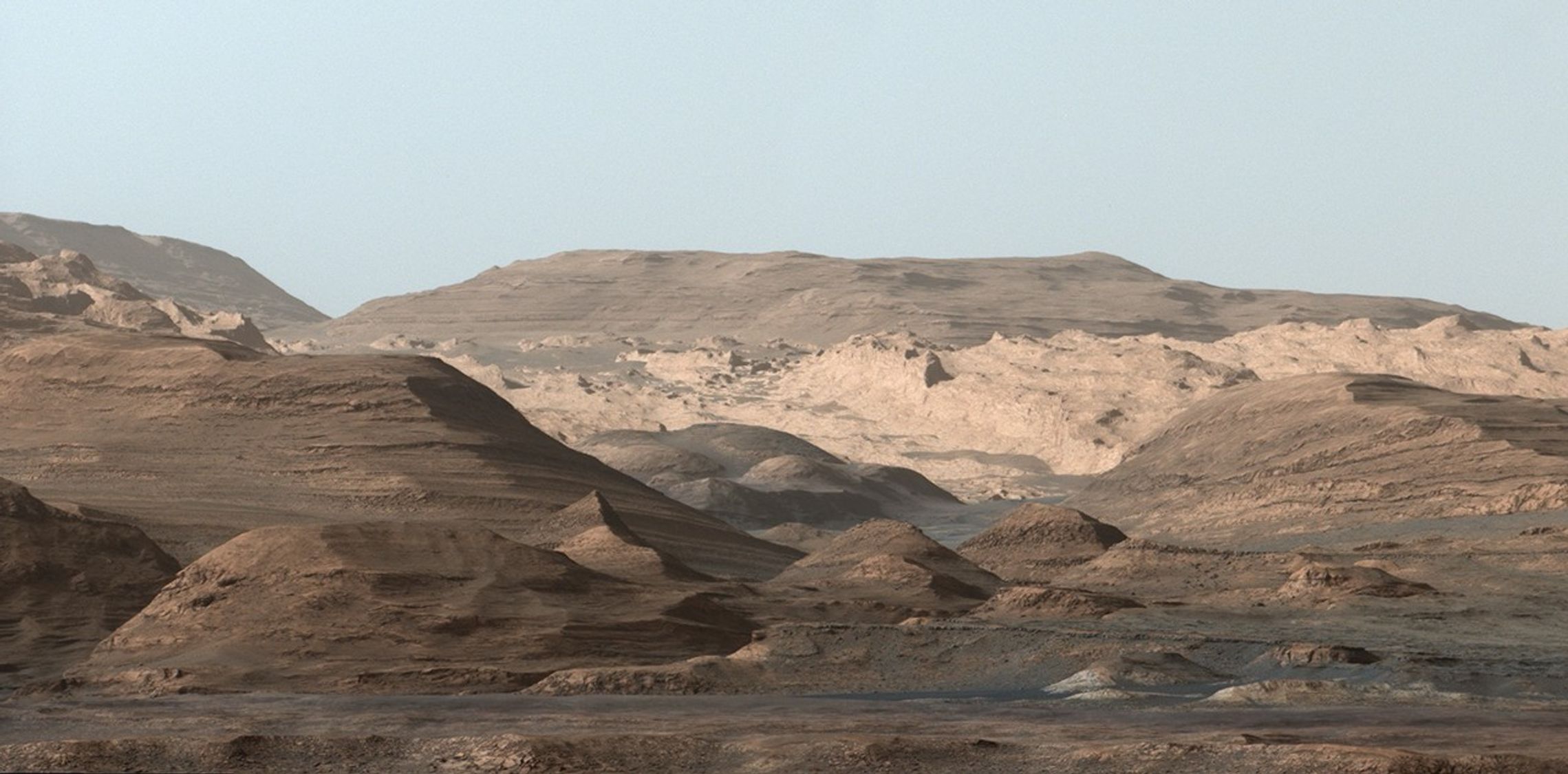
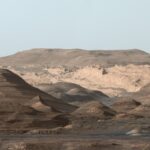
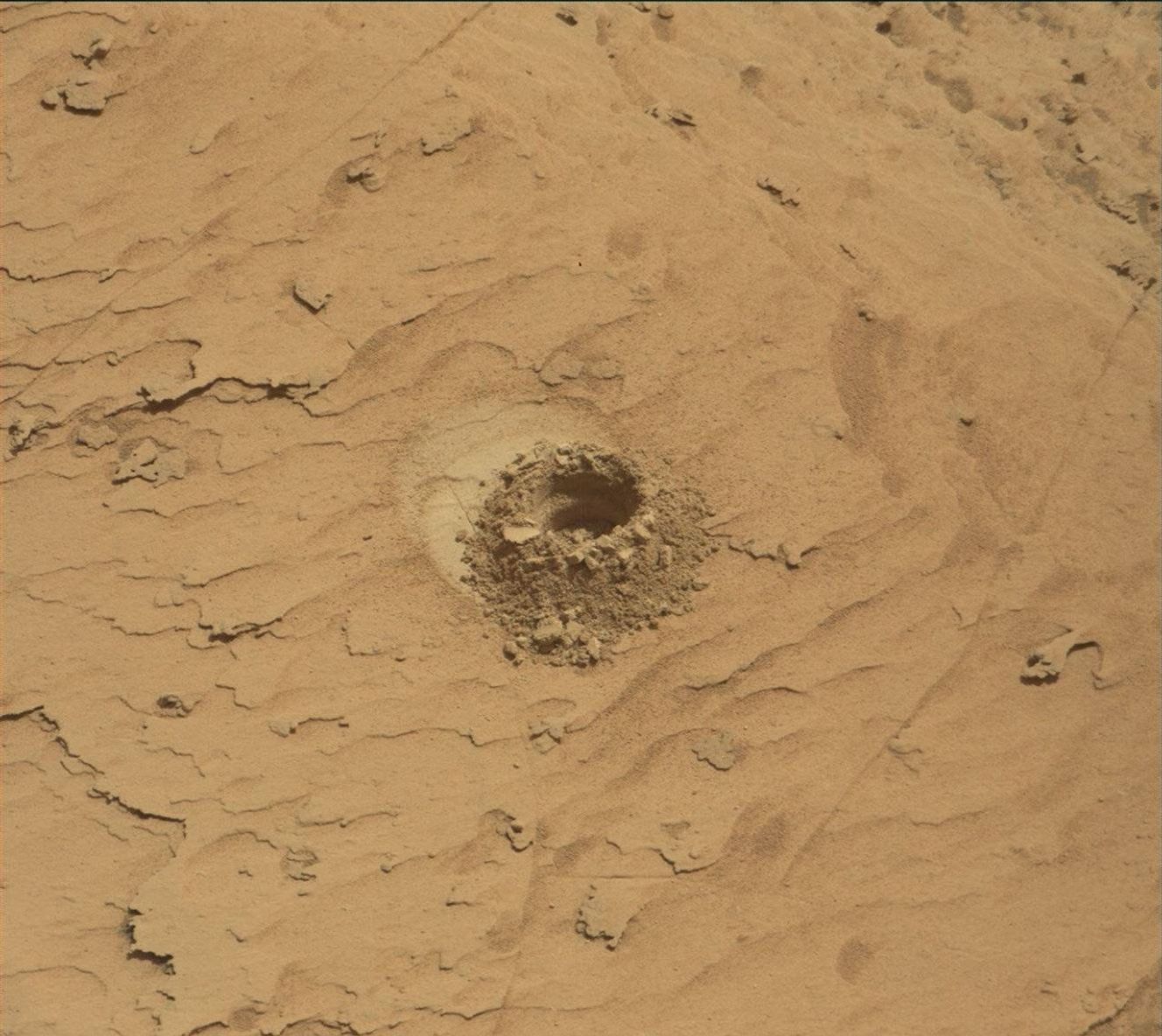
5 Min Read NASA Uses Mineralogical Marker to Understand Ancient Martian Climate This composite image looking toward the higher regions of Mount Sharp was taken on September 9, 2015, by
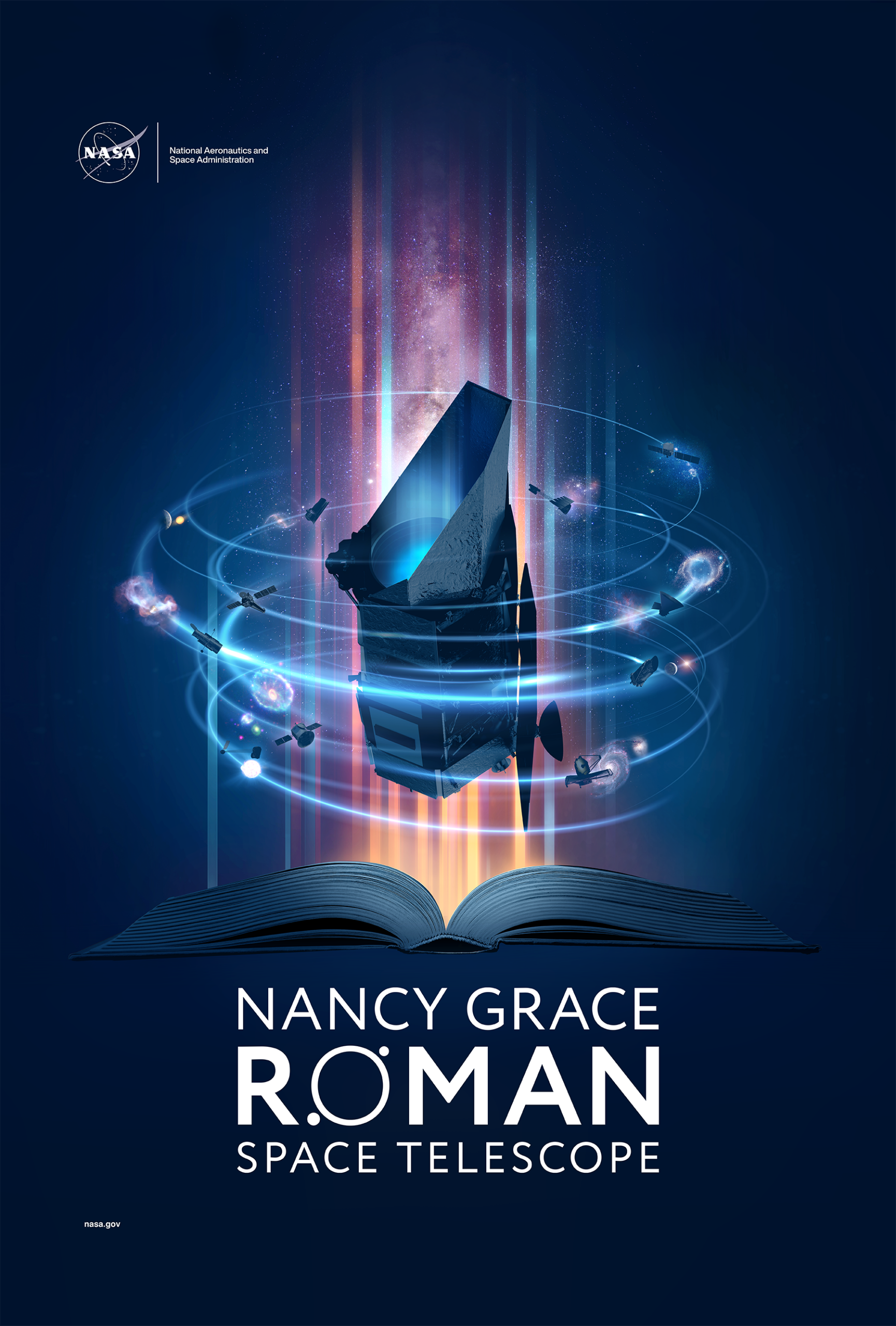
NASA/Jenny Mottar Downloads Print high resolution PDF May 28, 2026 PDF (144.47 MB) Print high resolution image May 28, 2026 PNG (45.60 MB) Smaller image for web view May 28,
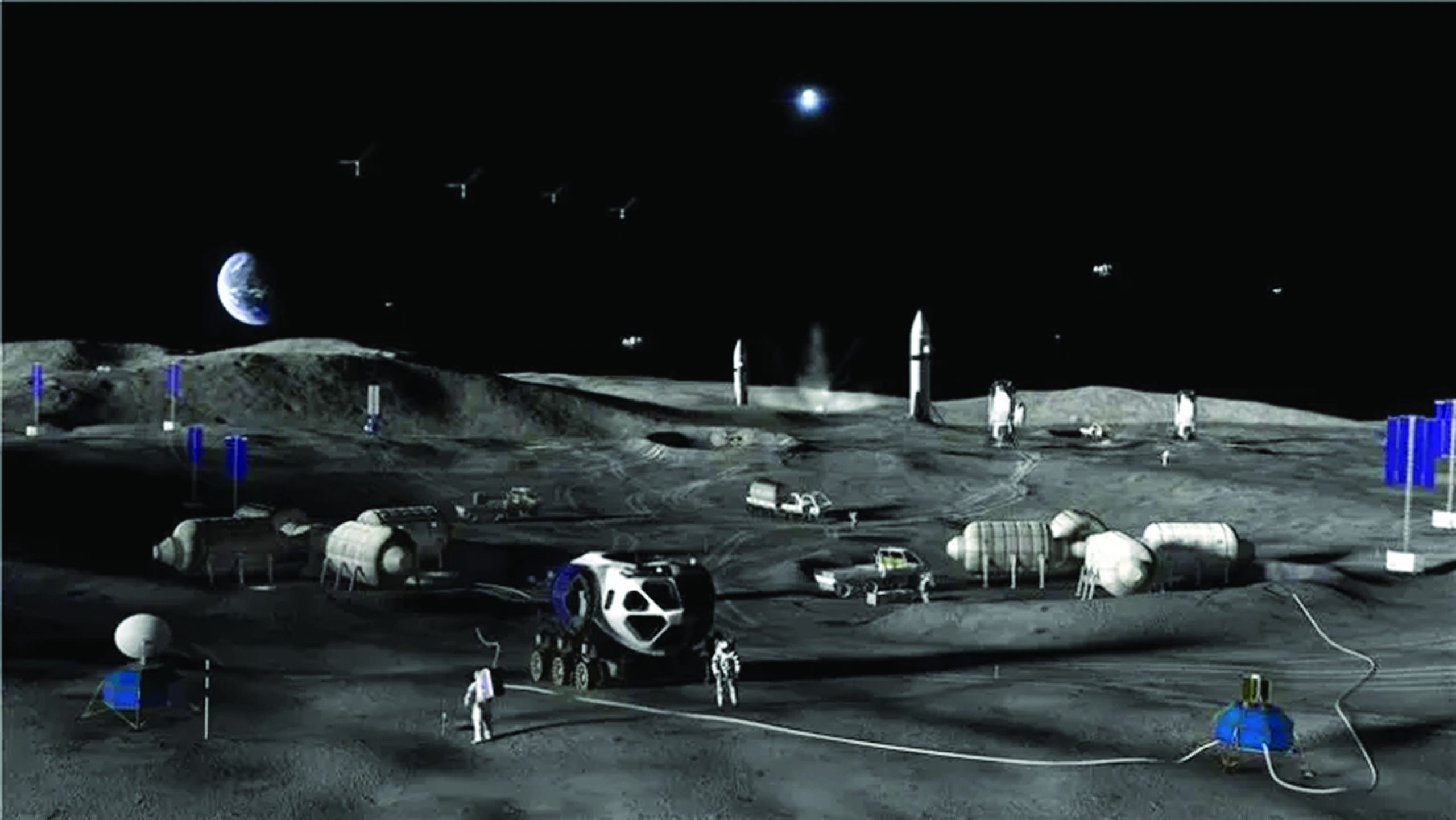
In December 1972, Gene Cernan and Harrison Schmitt spent 75 hours on the lunar surface during Apollo 17. They drove a rover, conducted three spacewalks and collected samples across the

Kenny Heckle, lead, mechanical operations, Launch Equipment Test Facility at NASA’s Kennedy Space Center in Florida, poses for a photograph on Monday, May 26, 2026. Heckle is among the first
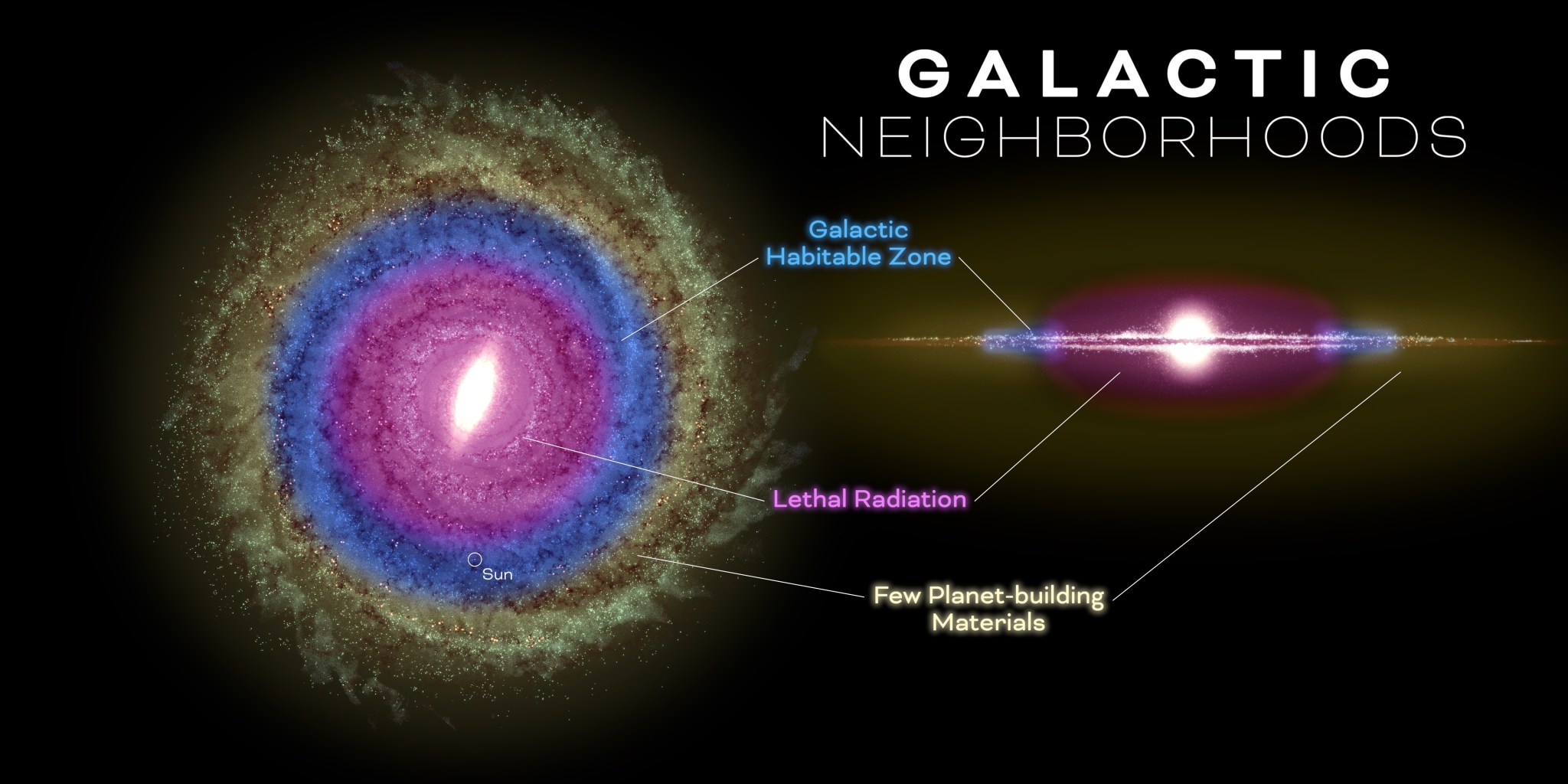
NASA’s Nancy Grace Roman Space Telescope is poised to make a major leap in the hunt for worlds outside our solar system, known as exoplanets. Scientists expect the mission to
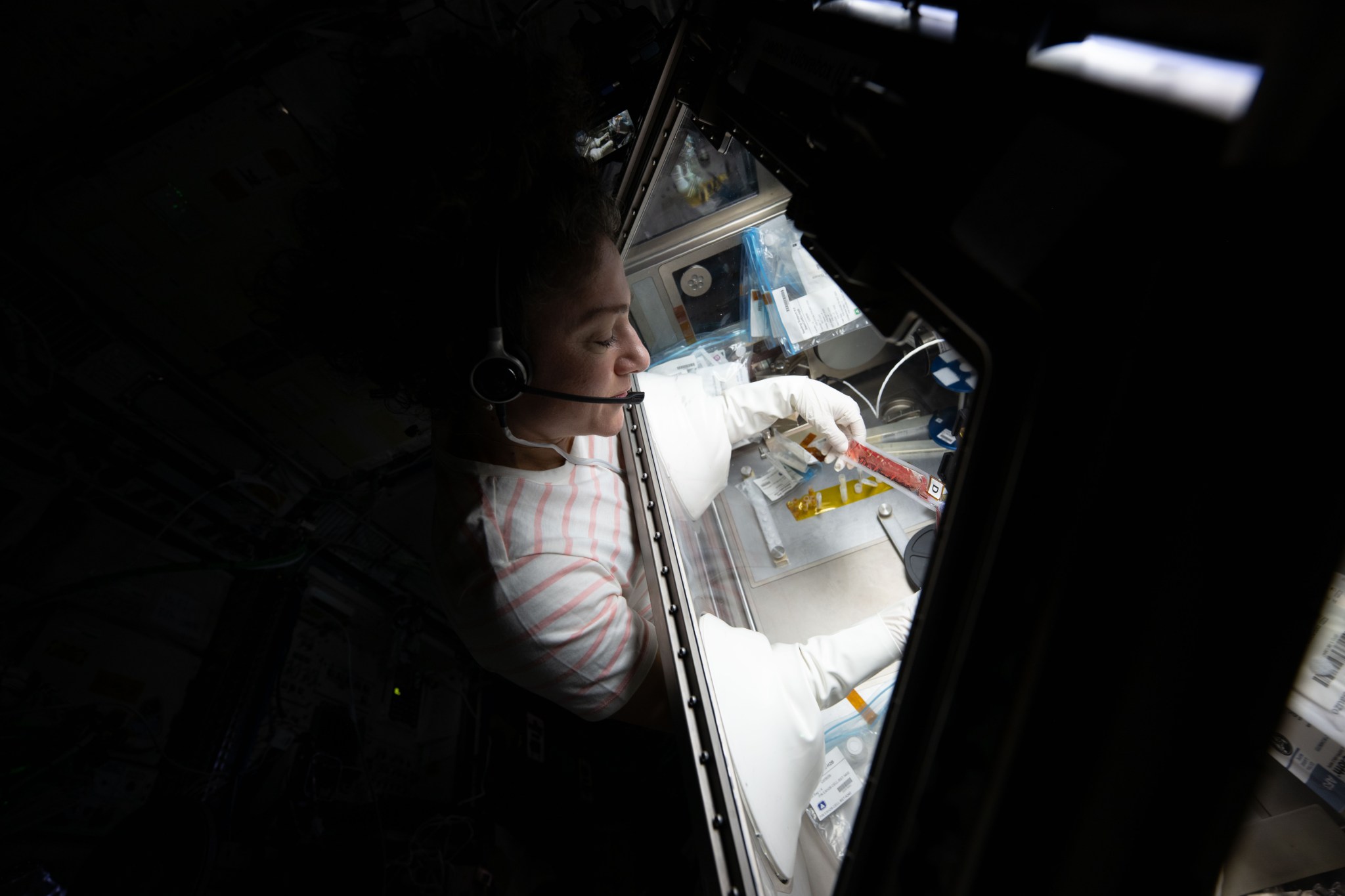
NASA astronaut Jessica Meir works on InSPA-StemCellEX-H2 inside the Life Sciences Glovebox. Microgravity samples will be frozen and returned to Earth for further analysis of stem cell expansion in space.
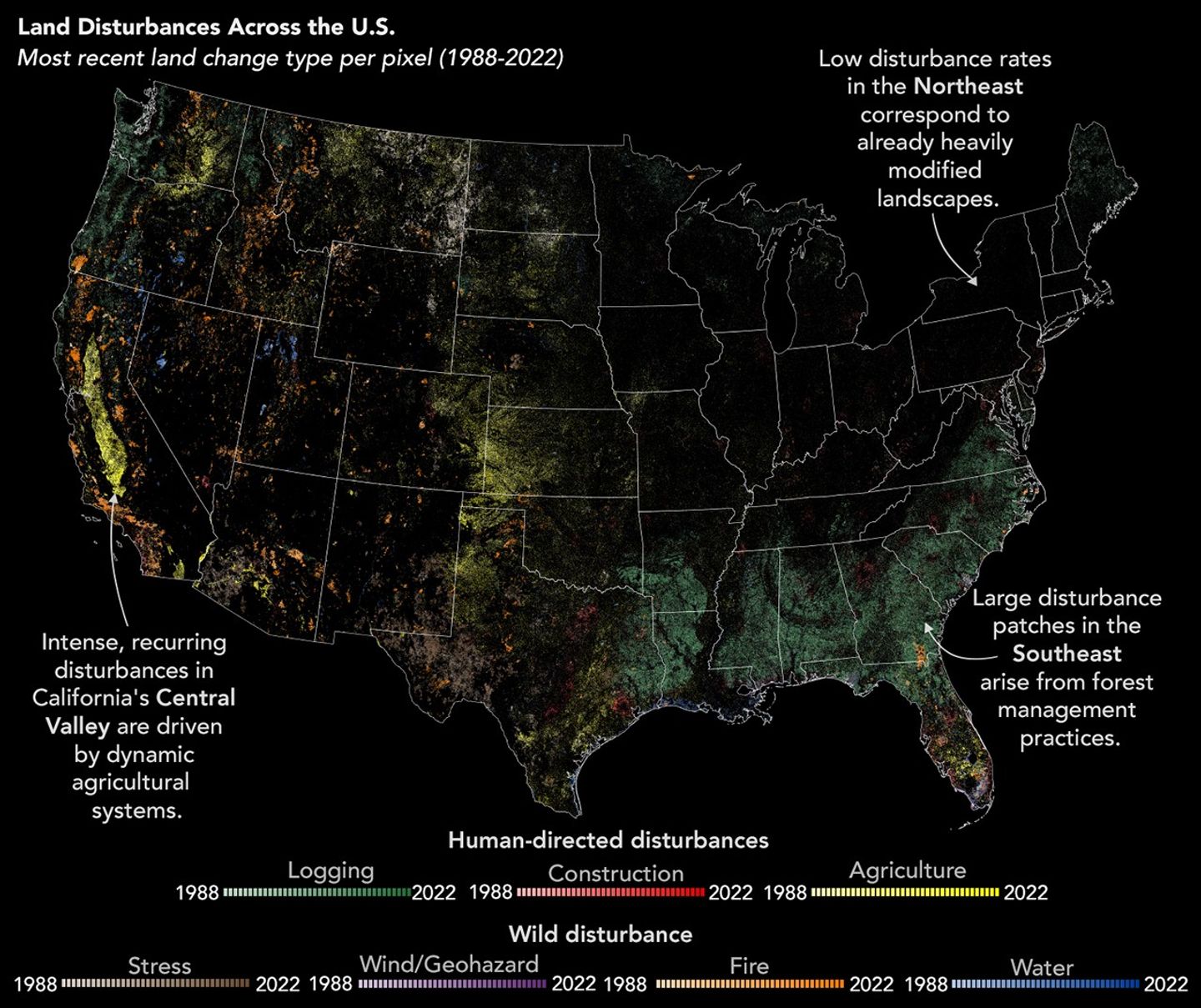
Earth Observatory Science Earth Observatory A Shift in What’s Shaping… Earth Earth Observatory Image of the Day EO Explorer Topics All Topics Atmosphere Land Heat & Radiation Life on Earth
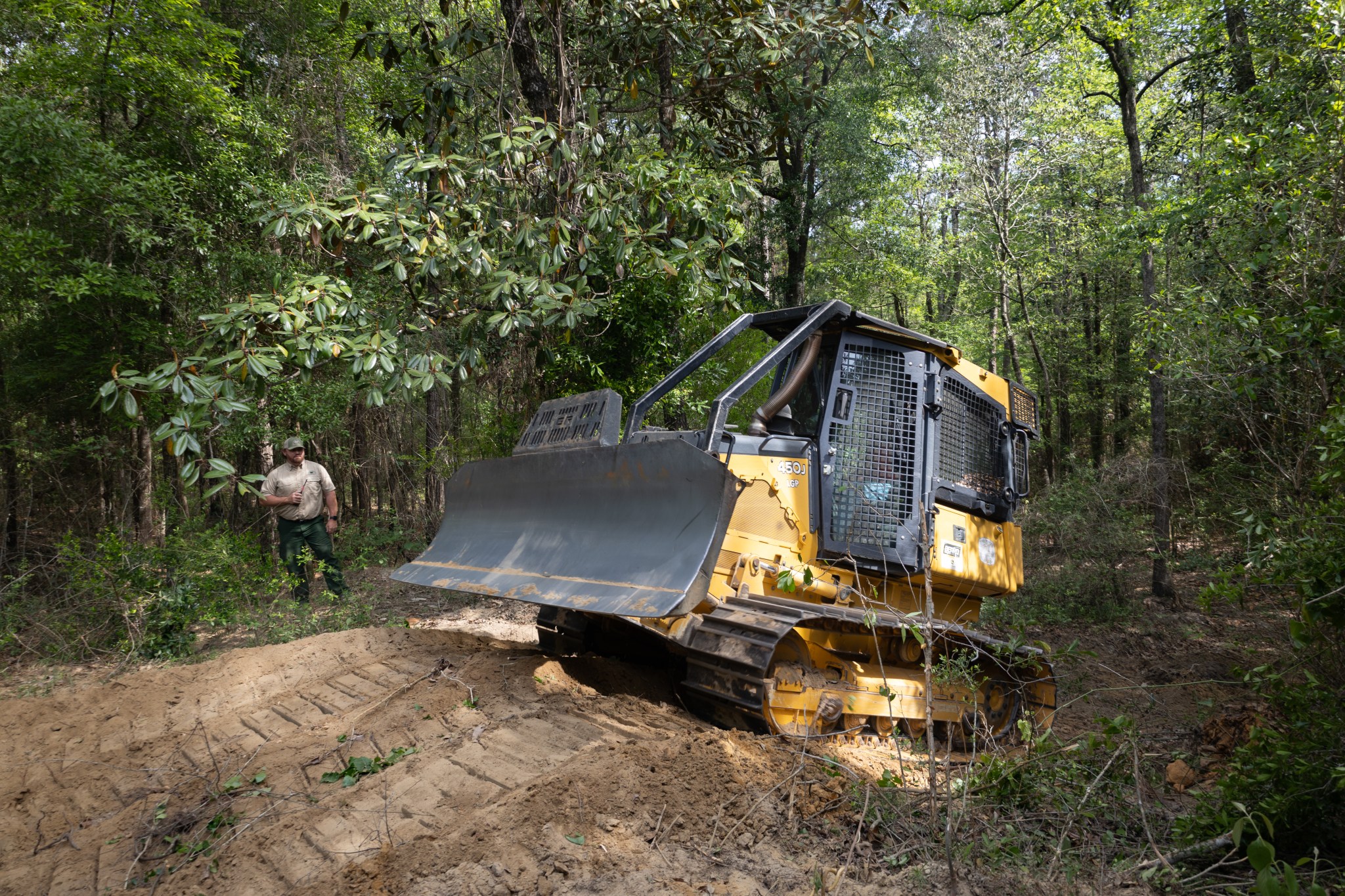
5 min read Preparations for Next Moonwalk Simulations Underway (and Underwater) Alabama Forestry Commission wildland firefighter Jason Berry teaches NASA Wildland Fires Technology Program Manager Teresa Kauffman how to drive
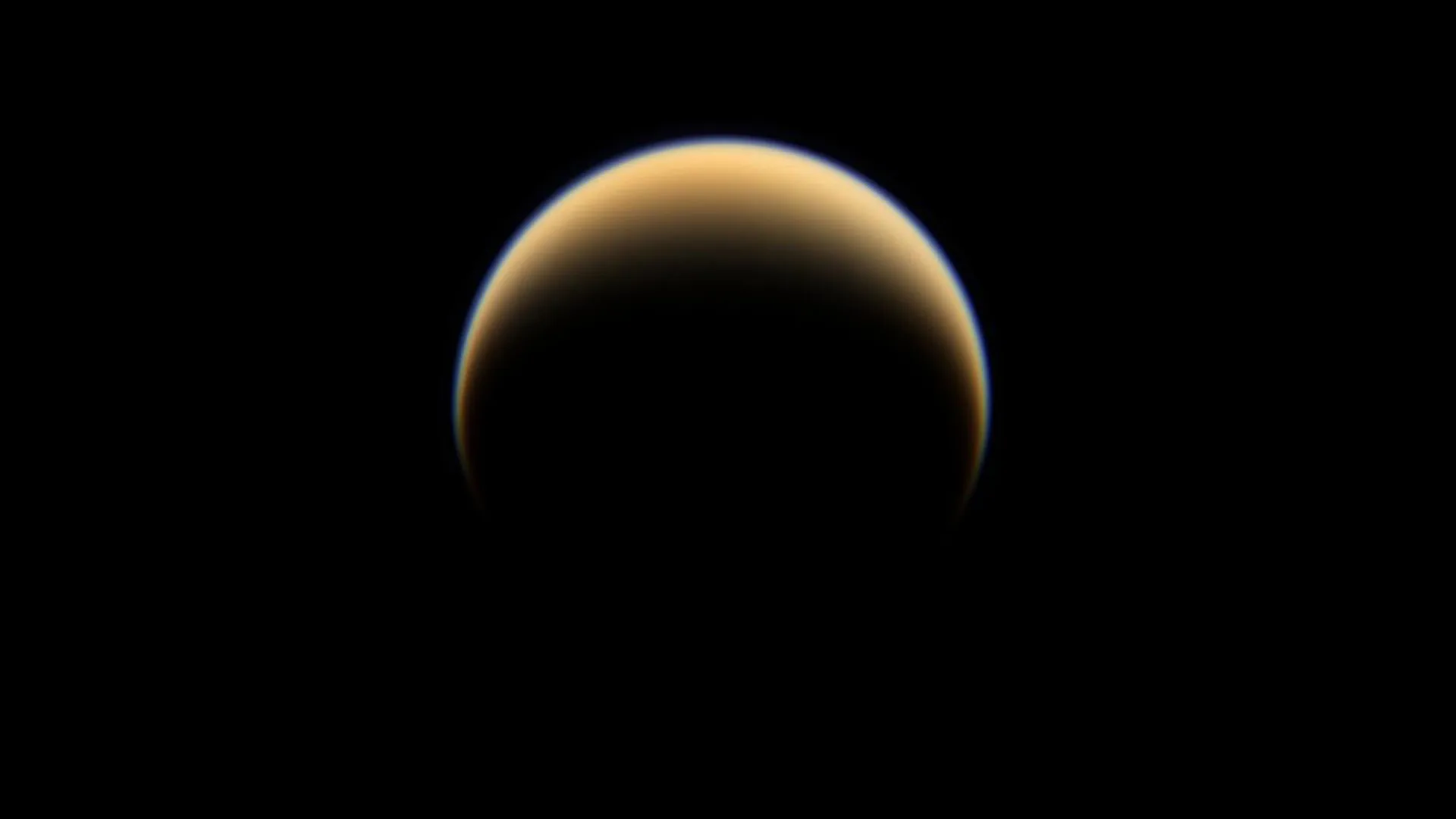
Where will humans go after Mars? Is Mars the end of the line or is it a steppingstone to somewhere else? If we “moon-to-Mars,” do we then “Mars-to-somewhere else?” These