
Using the James Webb Space Telescope (JWST), an international team of astronomers has discovered a new Type II supernova. The newly detected supernova, named SN Eos, exploded when the universe

Hot Posts1009- Page
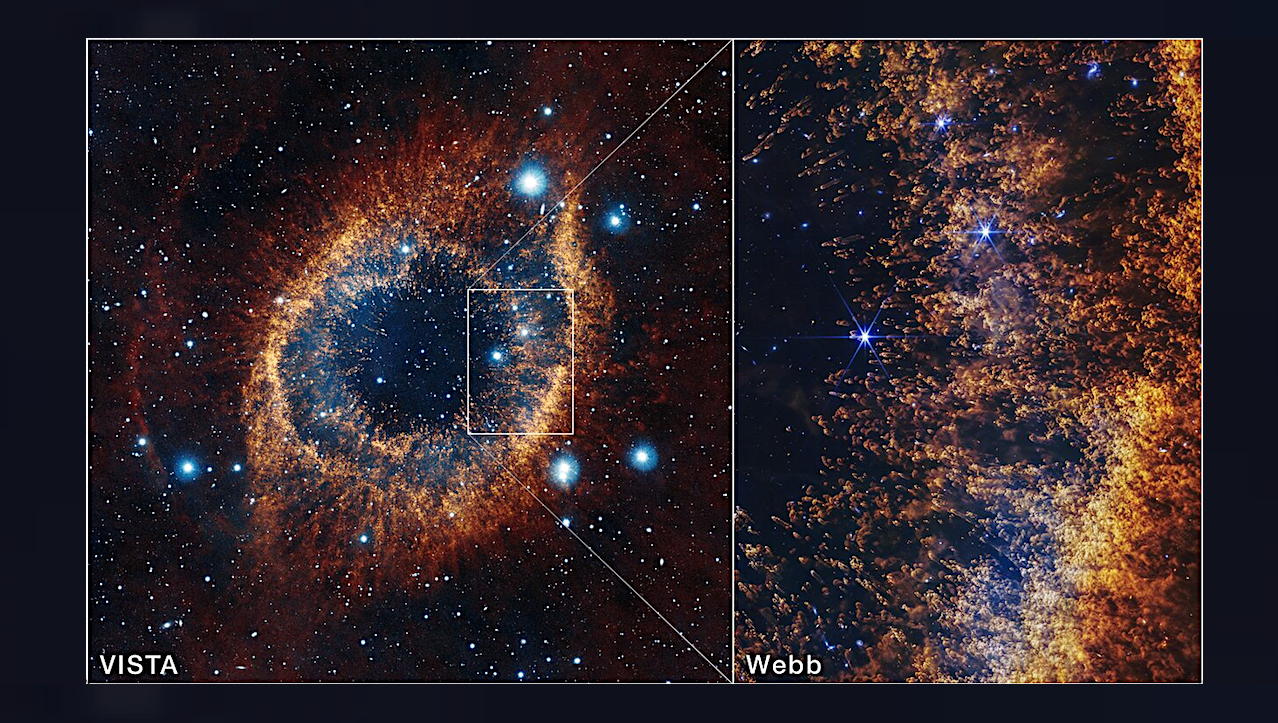
This image of the Helix Nebula from the Visible and Infrared Telescope for Astronomy (left) shows the full view of the planetary nebula, with a box highlighting the smaller field
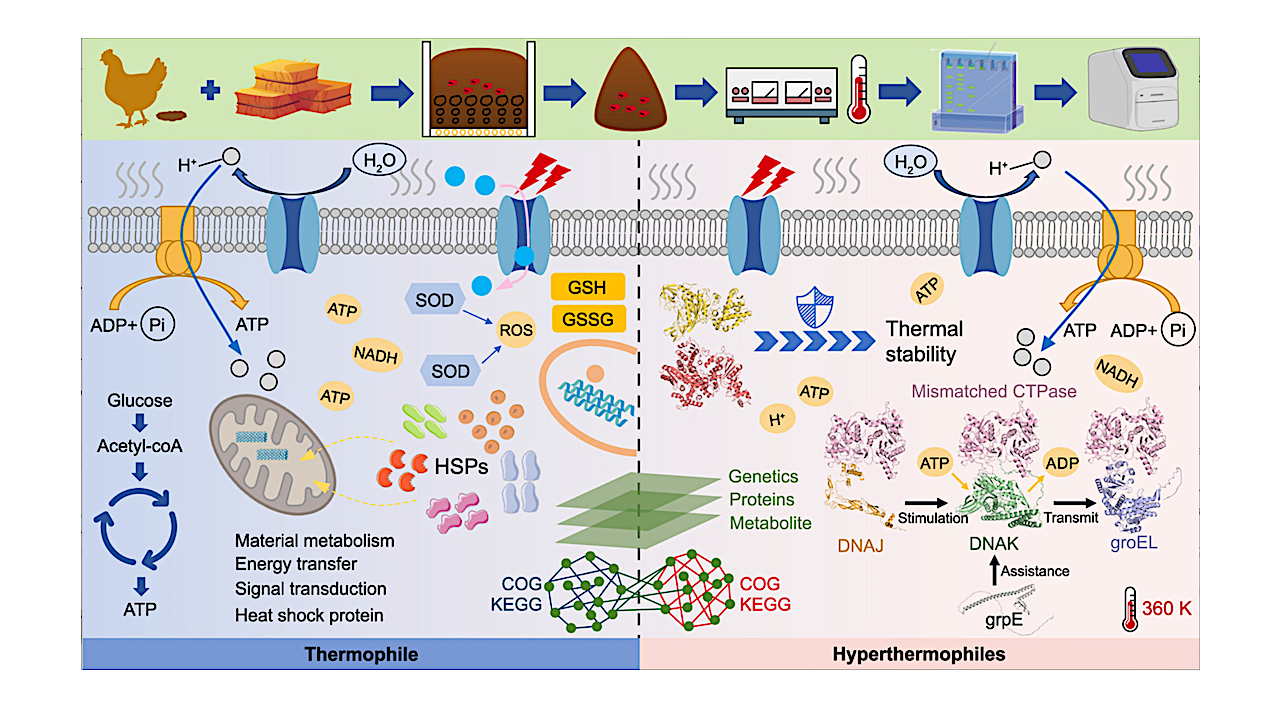
Chaperone-assisted protein remodeling enables microbial survival under extreme composting heat. During hyperthermophilic composting, microbial communities endure temperatures approaching 87 °C by activating a network of heat shock proteins that stabilize

Earth Observatory Earth Earth Observatory Image of the Day EO Explorer Topics All Topics Atmosphere Land Heat & Radiation Life on Earth Human Dimensions Natural Events Oceans Remote Sensing Technology
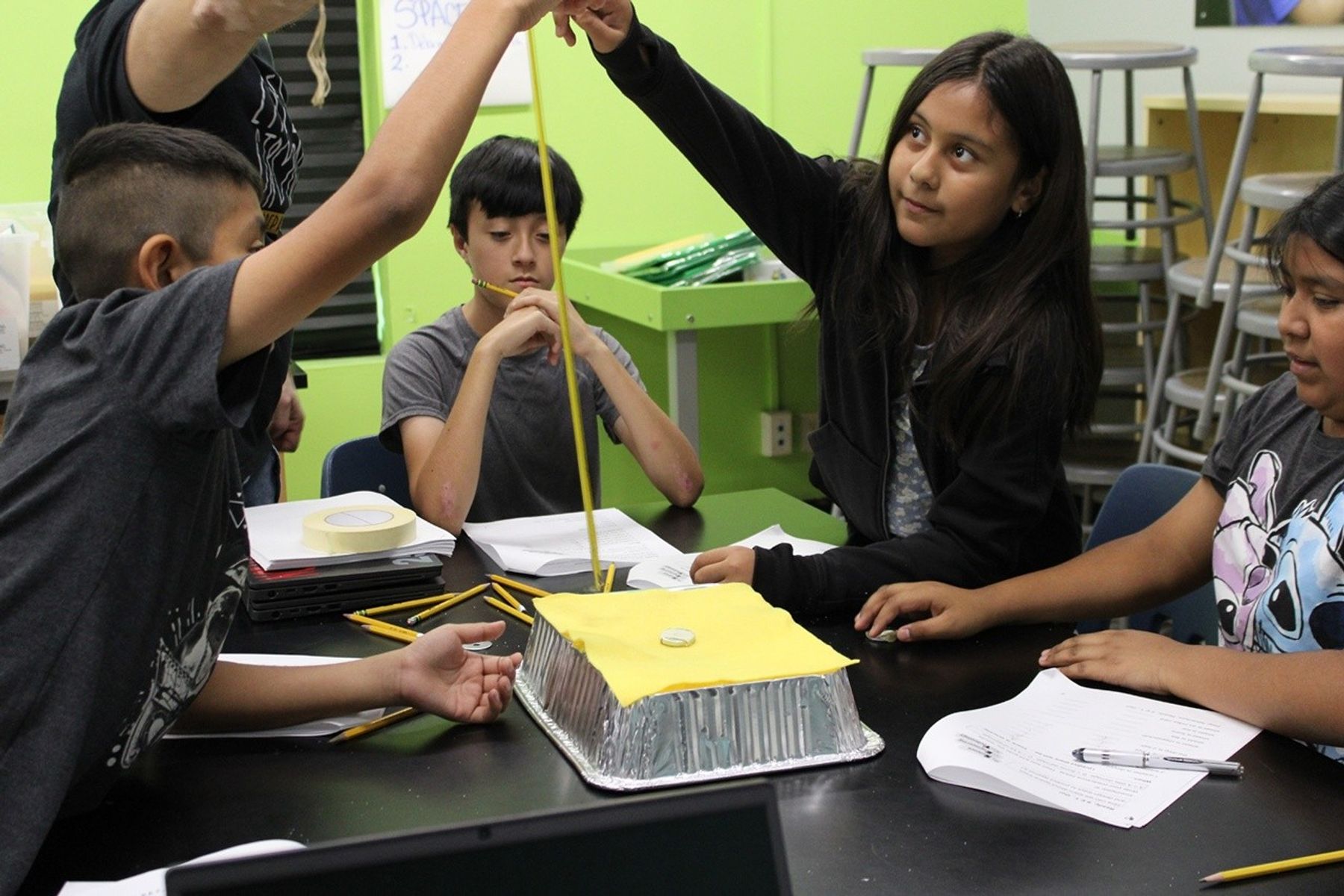
Explore This Section Science Science Activation PLANETS Units Have Landed –… Overview Learning Resources Science Activation Teams SME Map Opportunities More Science Activation Stories Citizen Science 4 min read
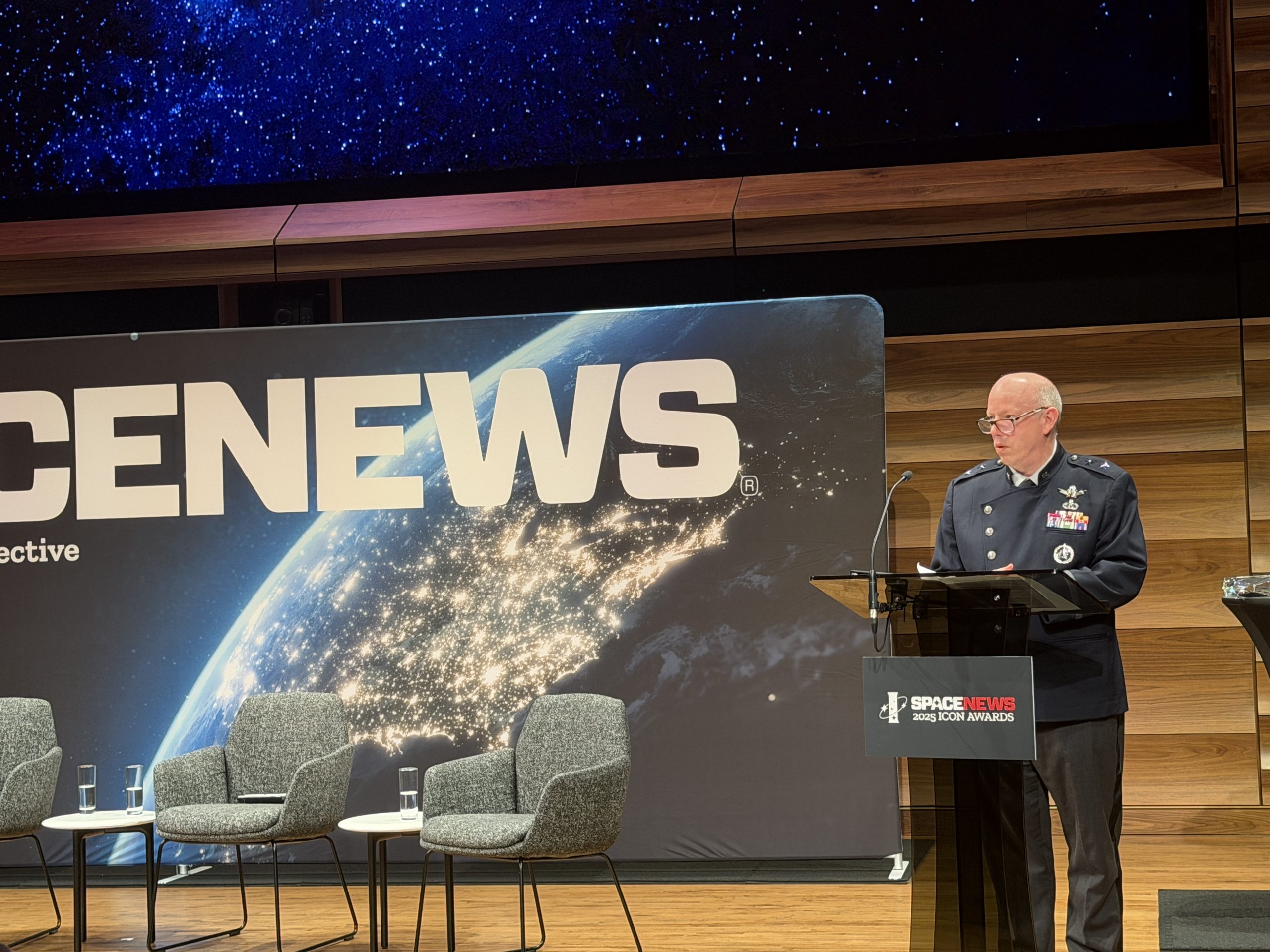
WASHINGTON — Maj. Gen. Stephen Purdy, the U.S. Space Force’s top acquisition officer, told an audience of space industry executives Dec. 2 that the Pentagon’s future in orbit will depend
An international team led by the University of Oxford has identified one of the largest rotating structures ever reported: a “razor-thin” string of galaxies embedded in a giant spinning cosmic
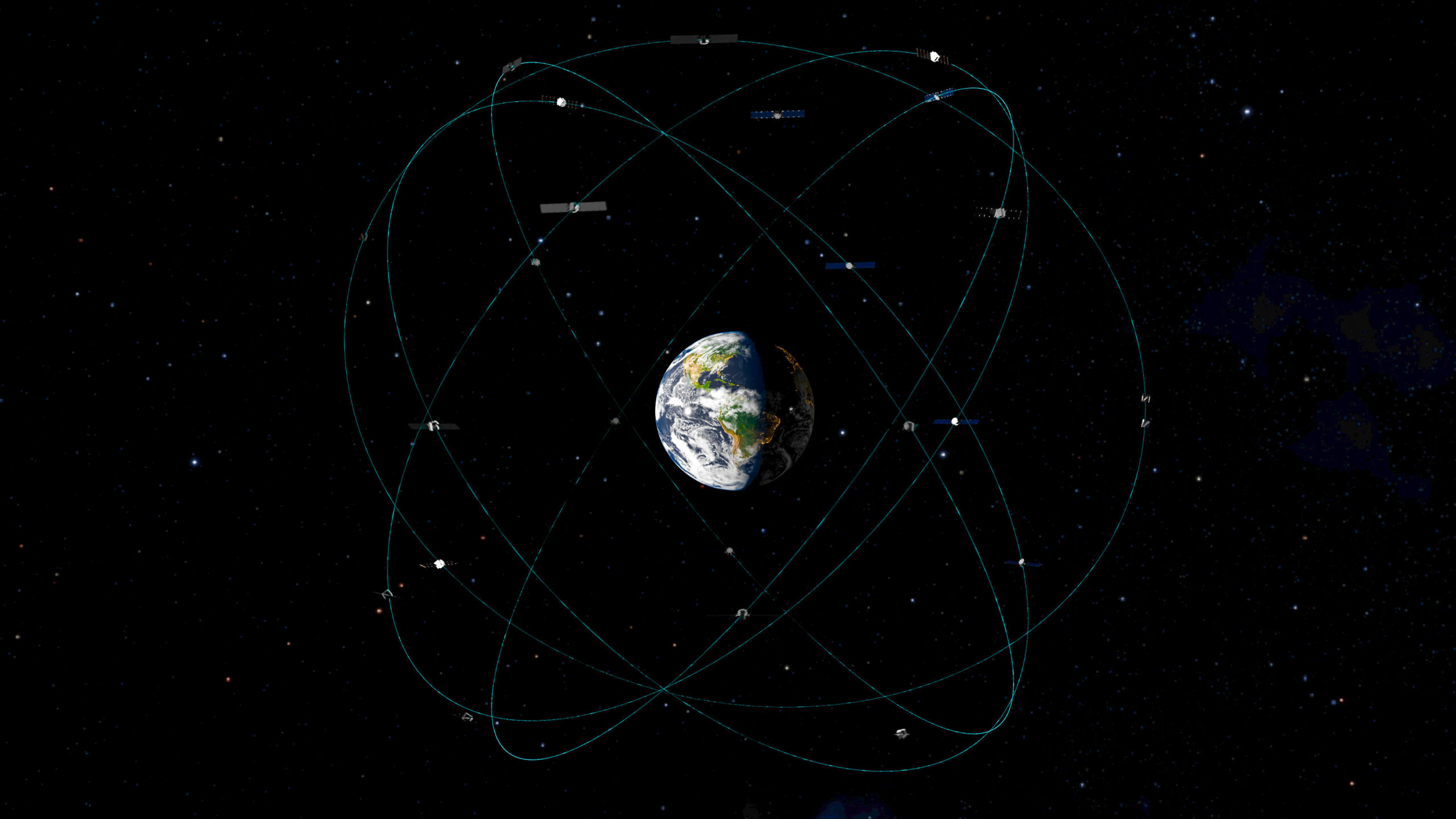
WASHINGTON — The U.S. Space Force has ended an exploratory effort to add smaller, lower-cost navigation satellites to bolster the Global Positioning System, shelving a program that had been identified
To land on the right foot on the Red Planet, European engineers have been dropping a skeleton of the four-legged ExoMars descent module at various speeds and heights on simulated
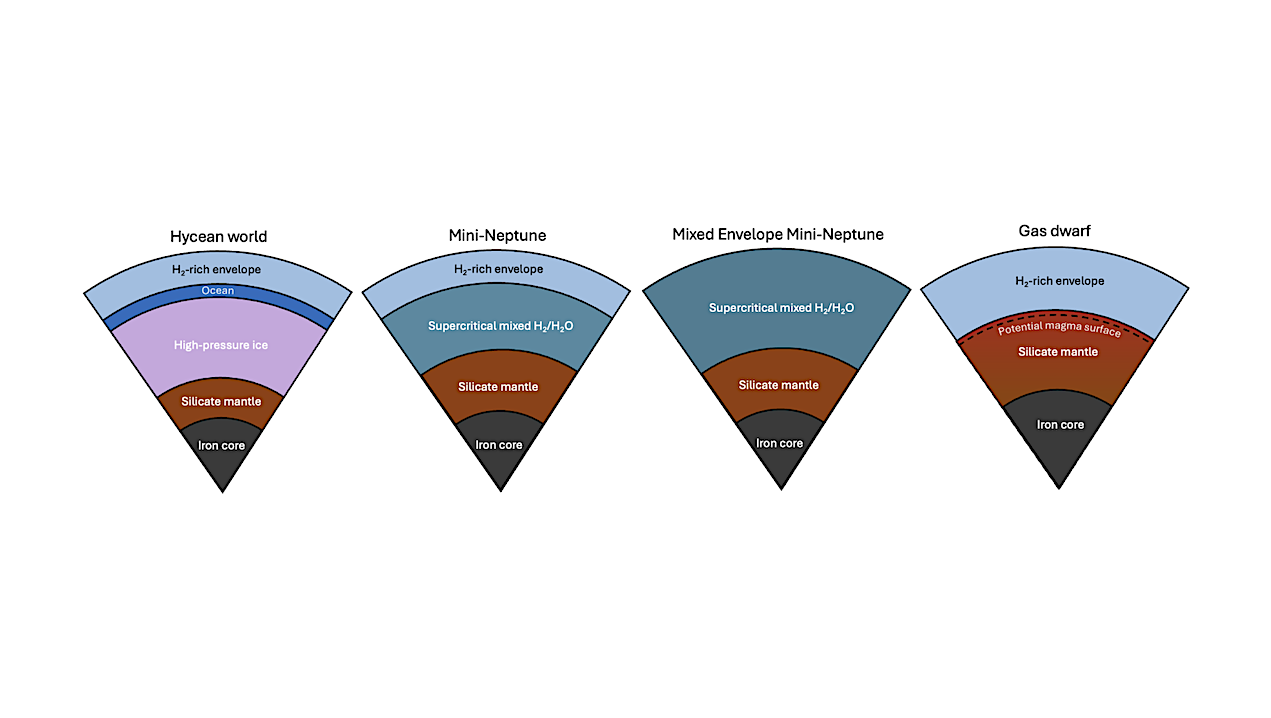
Examples of interior scenarios consistent with the bulk properties of TOI-270 d, spanning different atmospheric temperature structures and water mass fractions. The thickness of the layers are not to scale.
Advertisement
Popular Now
-
 01Two Black Holes Observed Circling Each Other for the First Time
 -
 02From Polymerization-Enabled Folding and Assembly to Chemical Evolution: Key Processes for Emergence of Functional Polymers in the Origin of Life
 -
 03Astronomy 101: From the Sun and Moon to Wormholes and Warp Drive, Key Theories, Discoveries, and Facts about the Universe (The Adams 101 Series)
 -
 04True Anomaly hires former York Space executive as chief operating officer
 -
 05Φsat-2 begins science phase for AI Earth images
 -
 06Hurricane forecasters are losing 3 key satellites ahead of peak storm season − a meteorologist explains why it matters
 -
 07Binary star systems are complex astronomical objects − a new AI approach could pin down their properties quickly
Scroll to Top