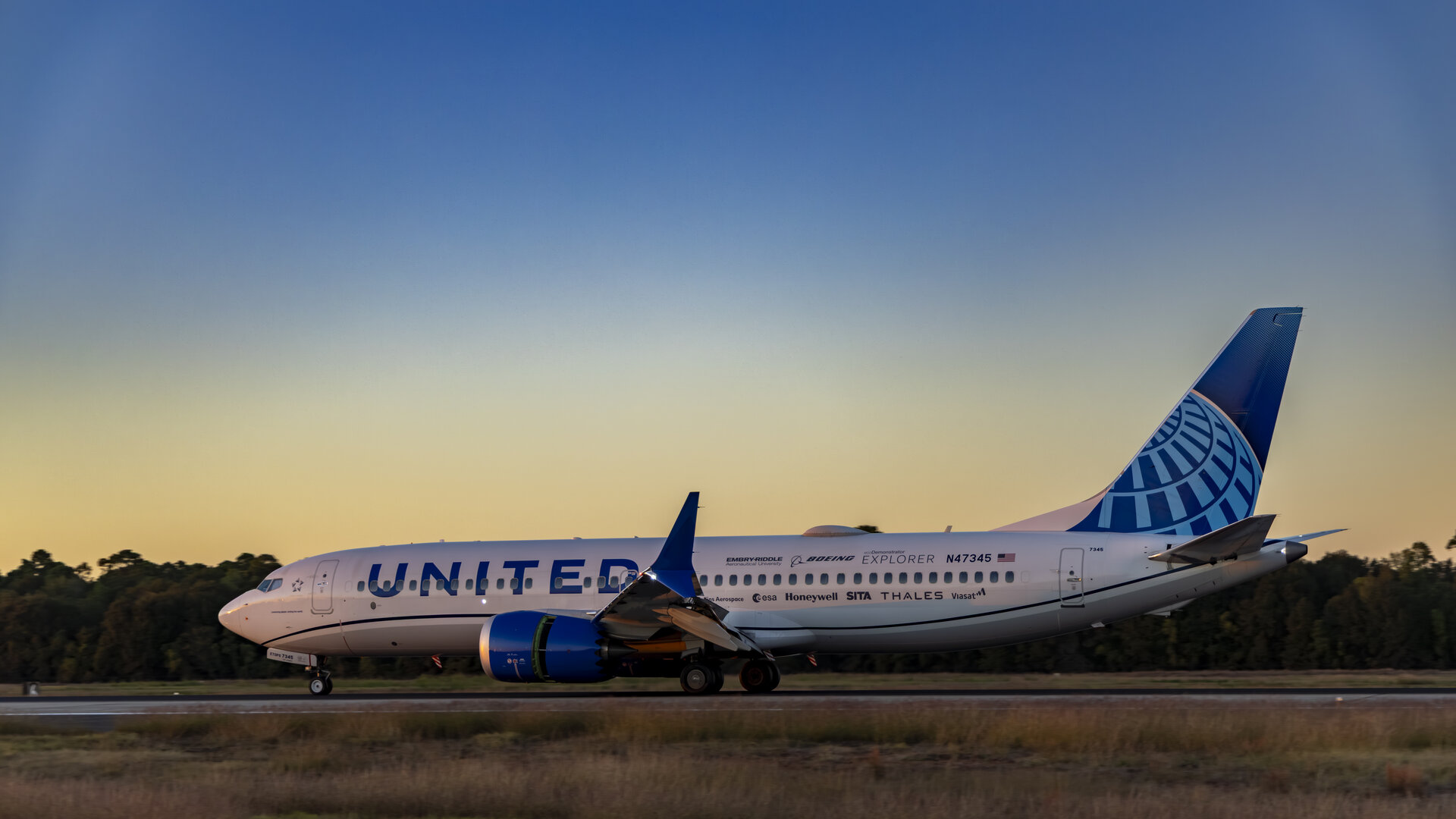
Applications 11/12/2025 71 views 1 likes Air travellers will shrink their carbon footprint while reducing flight delays worldwide, thanks to a collaboration between the European Space Agency (ESA), satellite operator

Applications 11/12/2025 71 views 1 likes Air travellers will shrink their carbon footprint while reducing flight delays worldwide, thanks to a collaboration between the European Space Agency (ESA), satellite operator
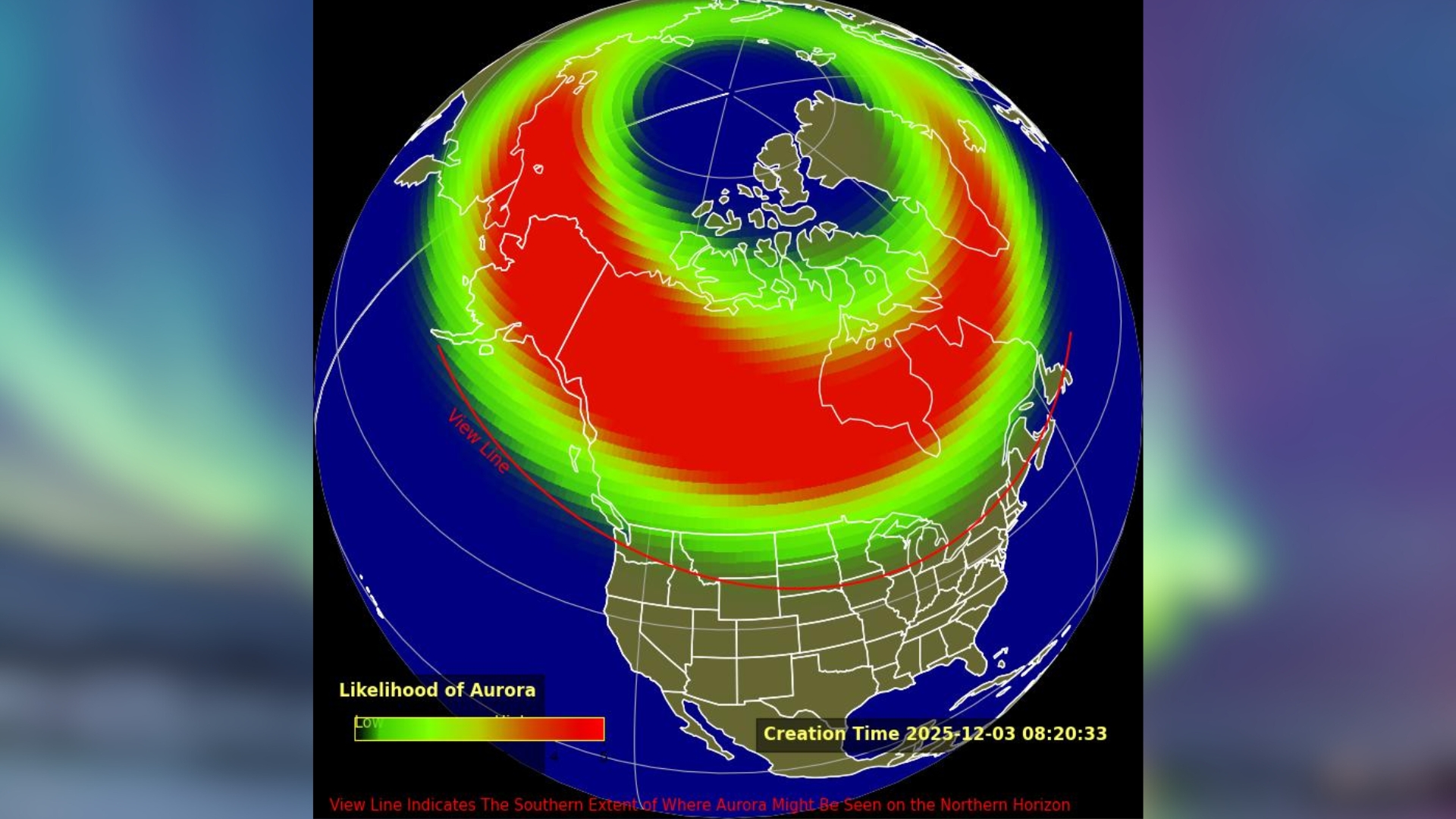
The northern lights could light up skies across the U.S. tonight, as a high-speed solar wind stream from a coronal hole and an incoming coronal mass ejection (CME) are forecast
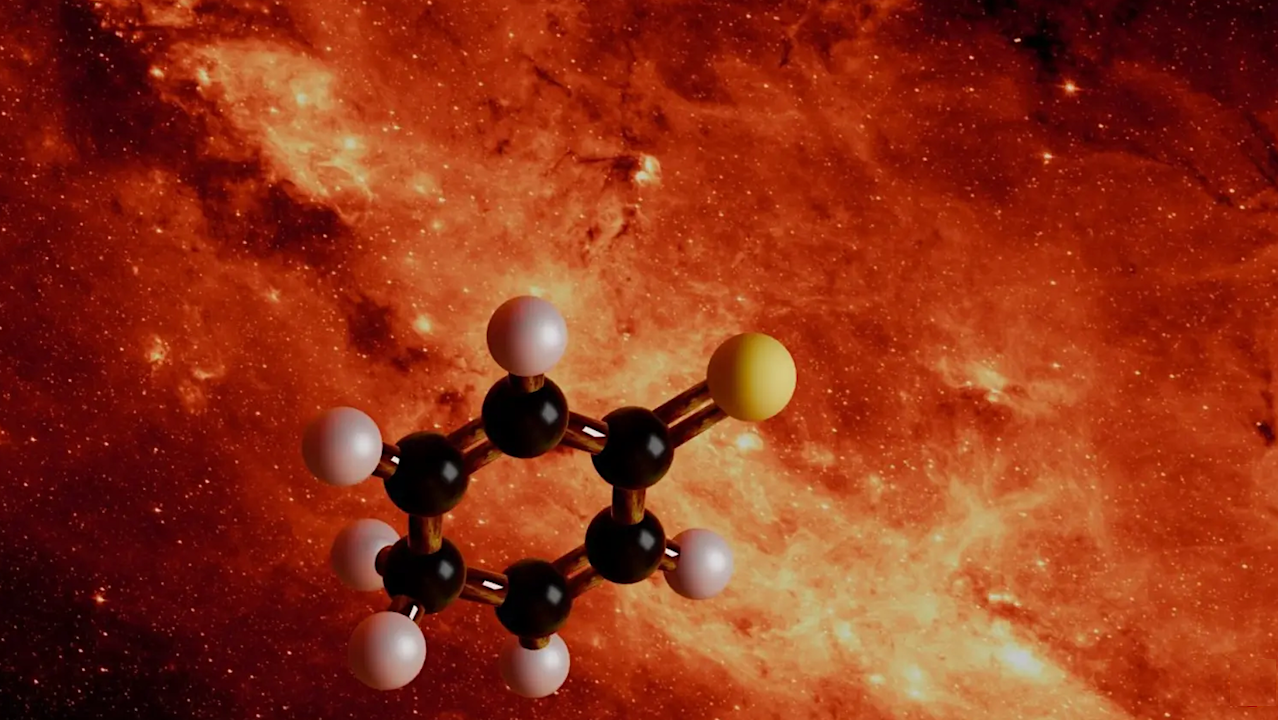
In the heart of our Galaxy, scientists discovered the first sulfur-bearing six-membered ring molecule hiding in an interstellar cloud. © MPE/ NASA/JPL-Caltech Researchers at the Max Planck Institute for Extraterrestrial
After more than 10 years in orbit, the first Copernicus Sentinel-2 satellite, Sentinel-2A, is still finding new ways to contribute to Earth observation. With its younger siblings, Sentinel-2B and Sentinel-2C,
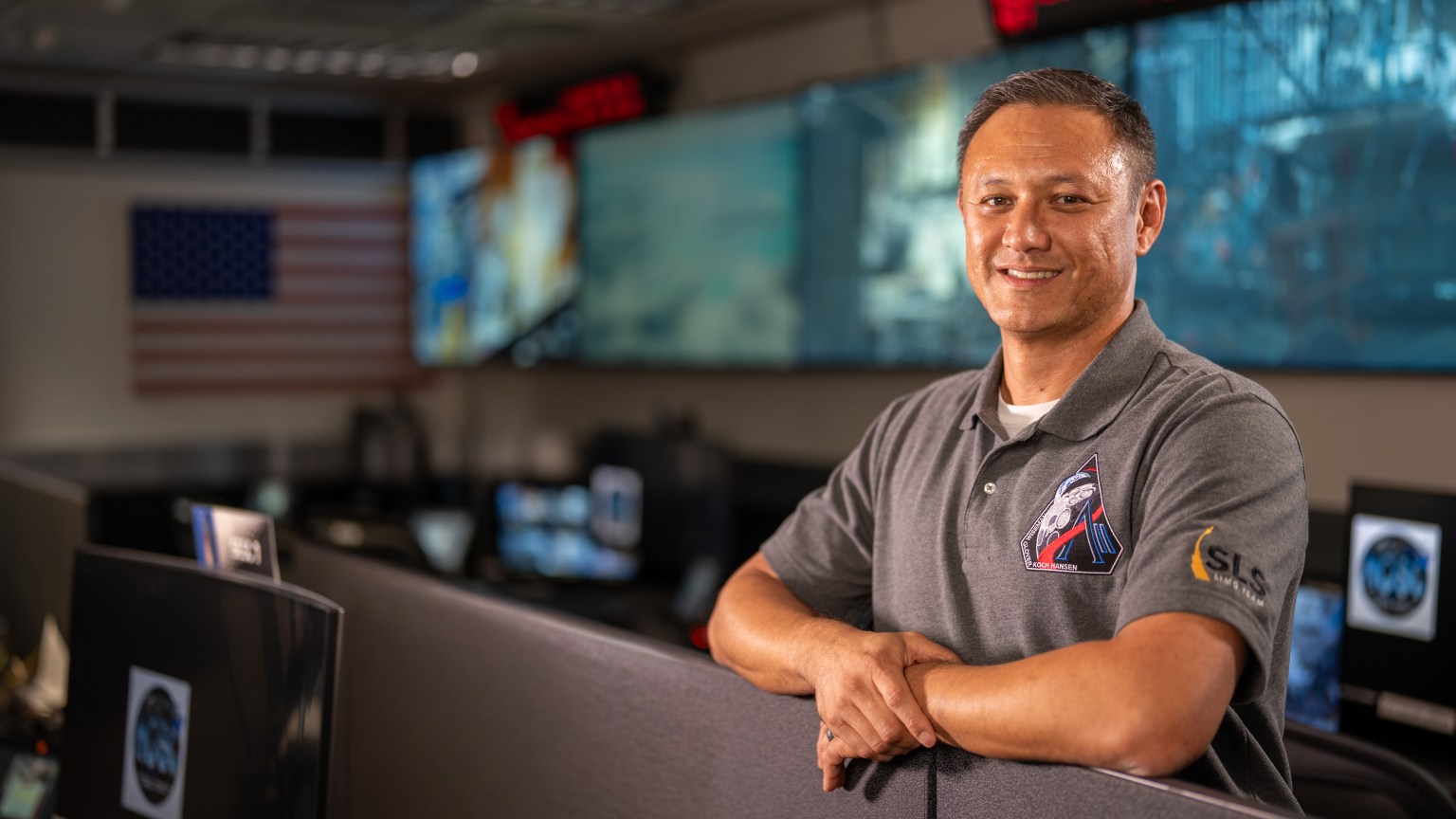
3 Min Read I Am Artemis: Doug Parkinson NASA’s Doug Parkinson is the Launch Integration and Mission Operations lead for the SLS (Space Launch System) Program. Credits: NASA/Brandon Hancock Doug
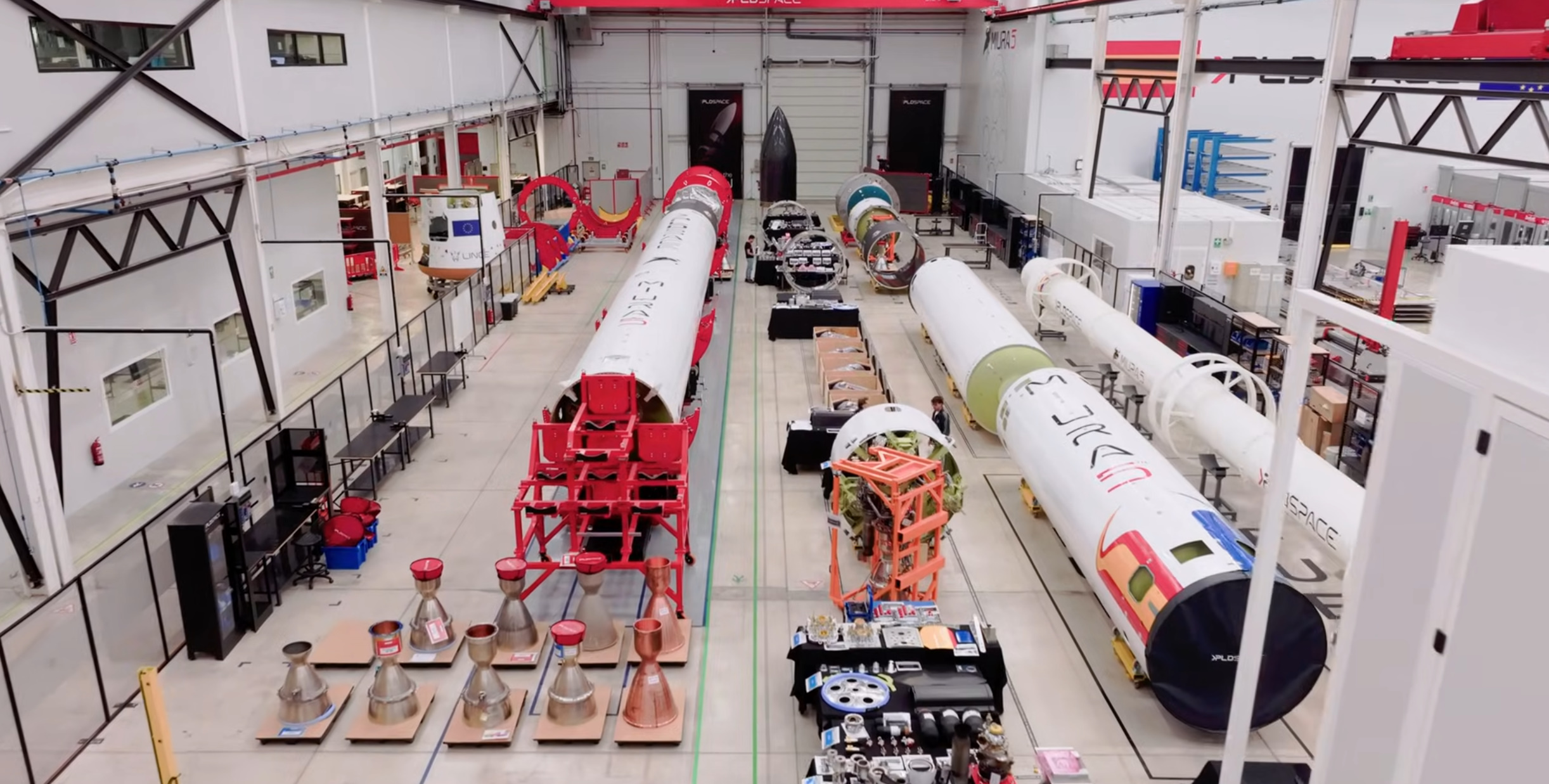
PLD Space, an innovative private aerospace firm based in Spain, has shared a promising update on the development of its Miura 5 orbital launch vehicle. The company is progressing steadily
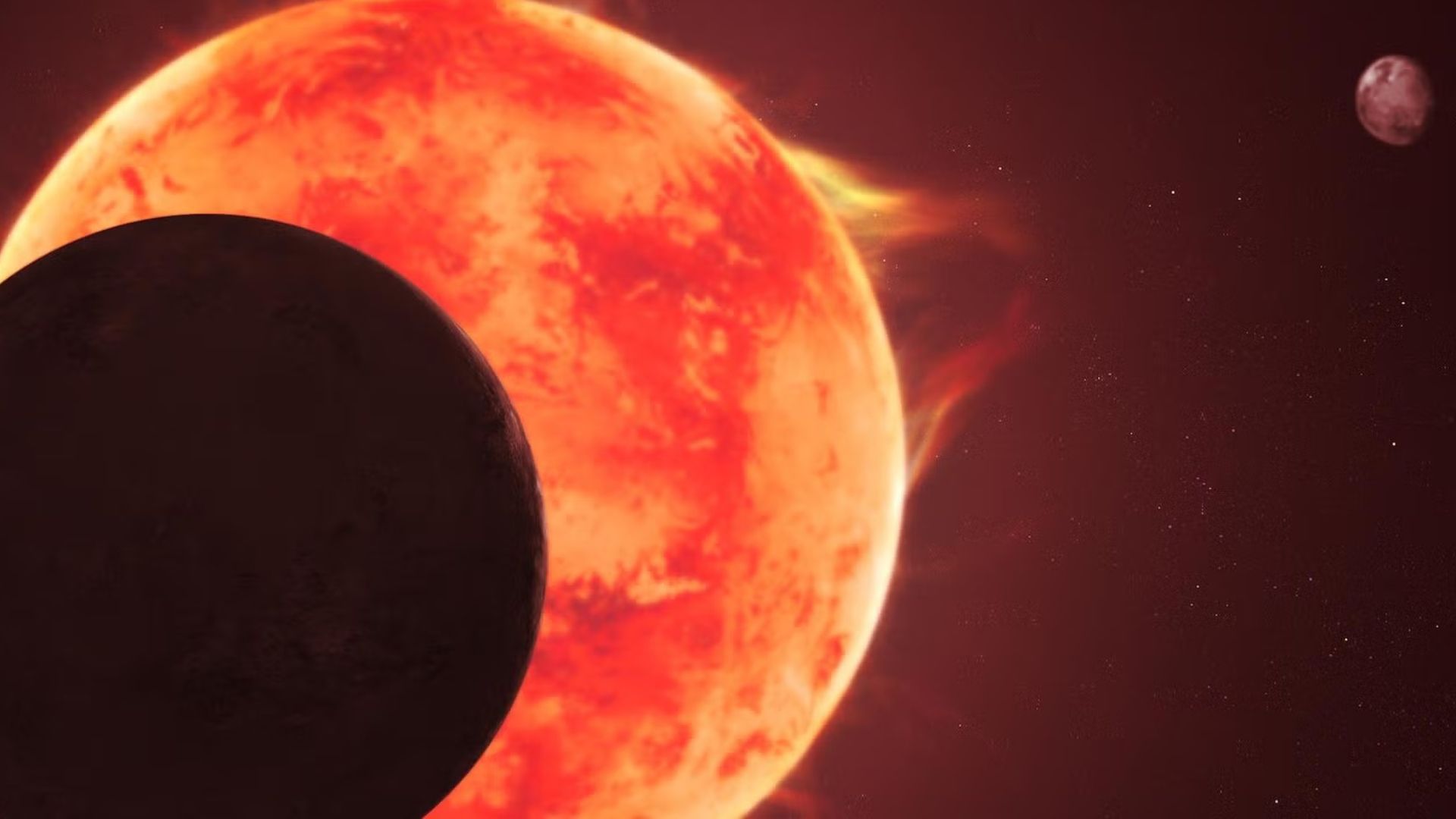
Frequent flares from the nearby star TRAPPIST-1 could offer new clues in the search for habitable planets beyond Earth. TRAPPIST-1 is an ultracool red dwarf, located about 40 light-years away
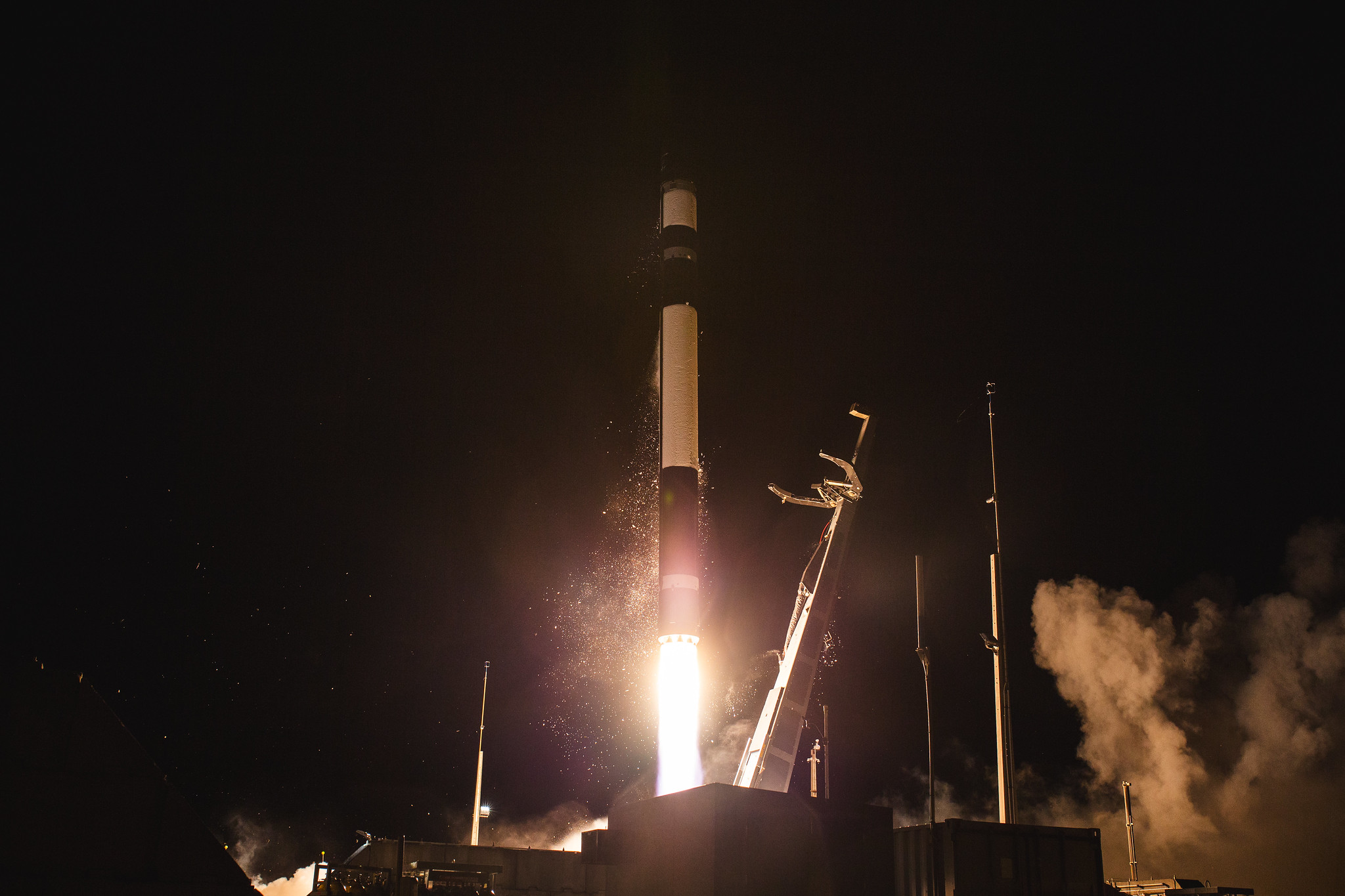
WASHINGTON — A Rocket Lab Electron launched the first satellites for a new constellation being developed by Open Cosmos that will use spectrum previously assigned to Rivada Space Networks. The
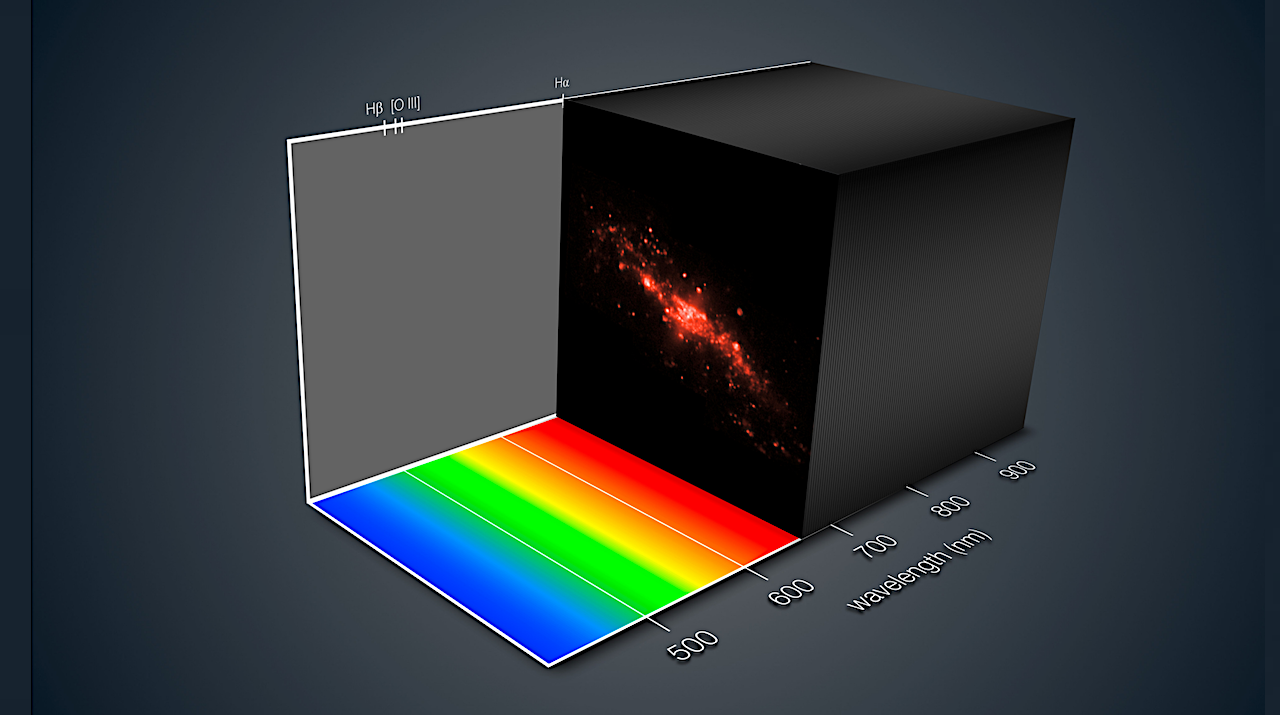
An example of a three-dimensional cube depicting the spatial dimensions and a visible spectral dimension. A 3D cube is one of the main data products from an Integral Field Spectrograph.
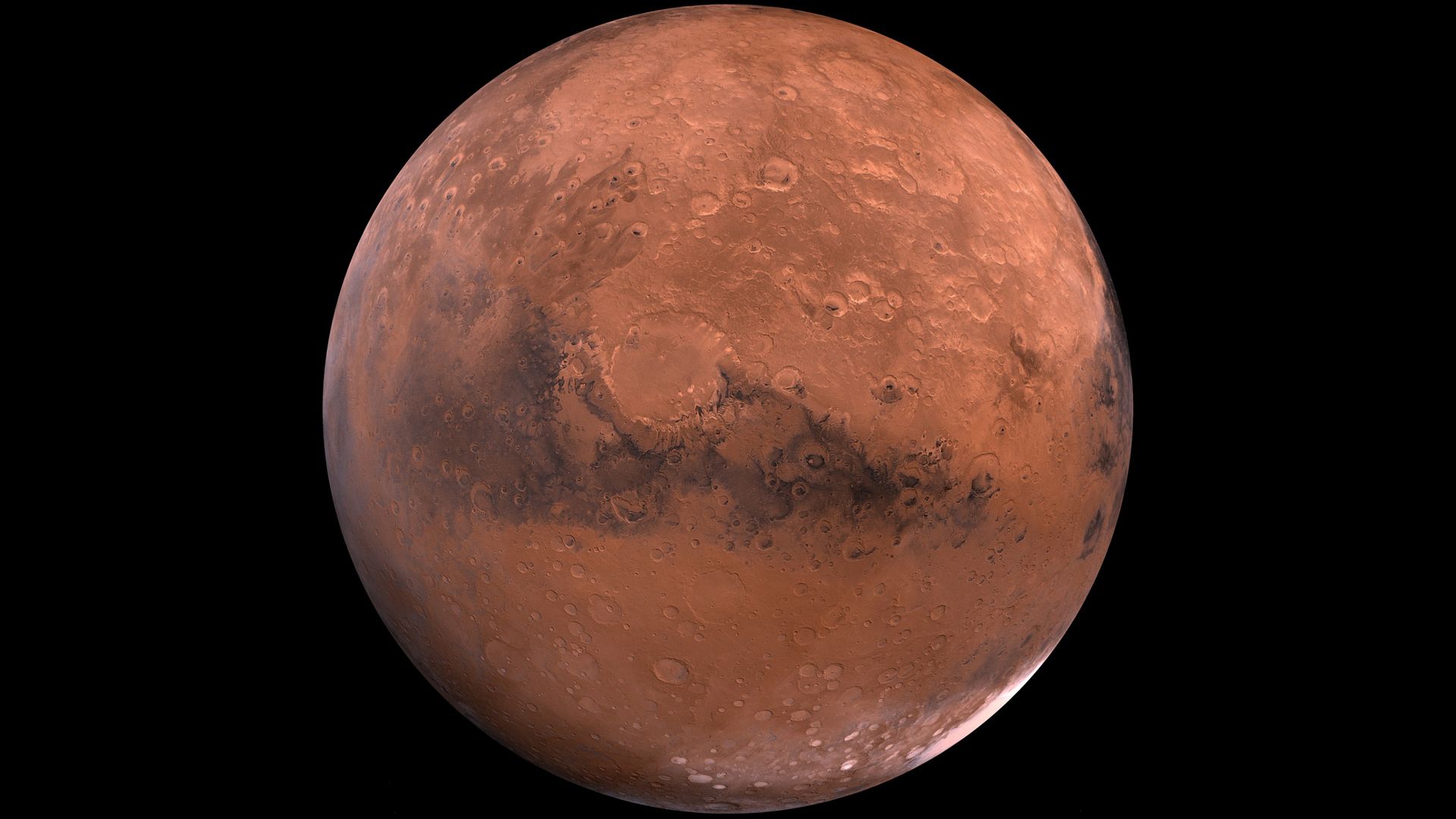
Time passes, on average, 477 millionths of a second faster per day on Mars than on Earth thanks to the impact of Albert Einstein’s theory of general relativity. Scientists say