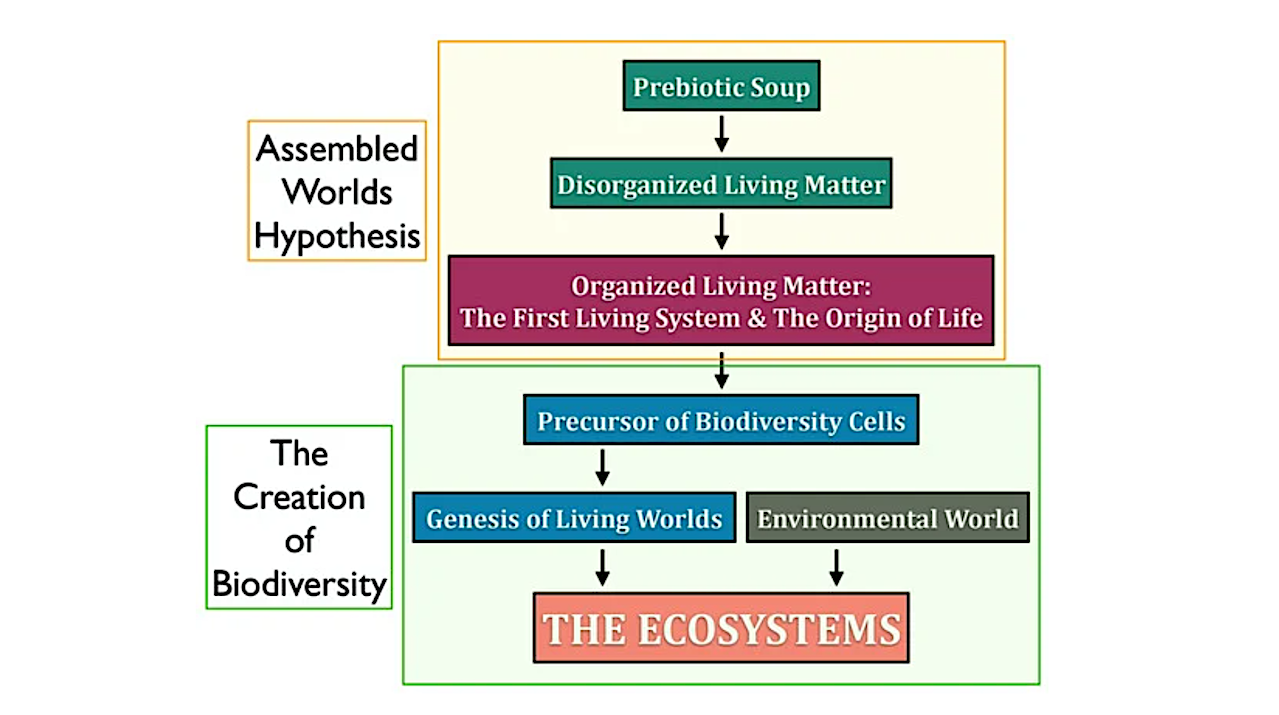
From the prebiotic soup to the creation of biodiversity. The transition from a prebiotic soup to the emergence of the first living system—initiating the life process—is partially explained by the

From the prebiotic soup to the creation of biodiversity. The transition from a prebiotic soup to the emergence of the first living system—initiating the life process—is partially explained by the
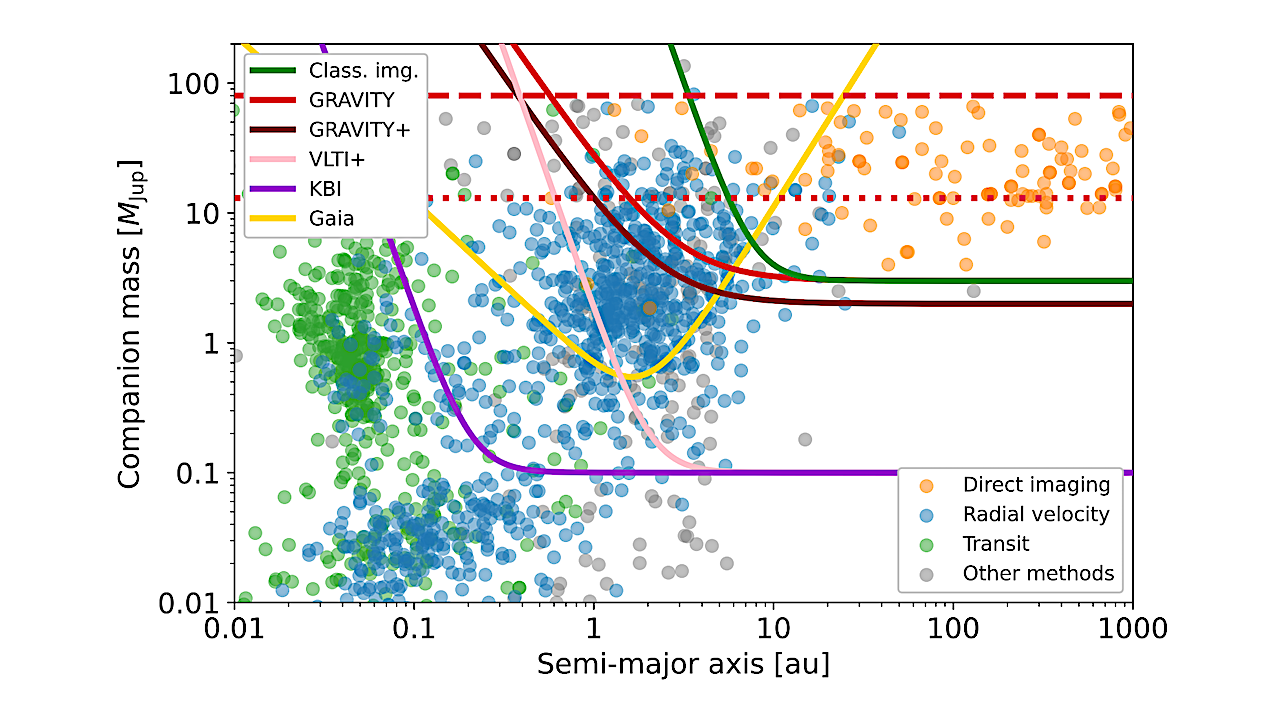
Currently known exoplanet population color-coded by detection technique in the companion mass vs. semi-major axis plane. The detection limits of various facilities are overlaid with solid lines. The boundary between
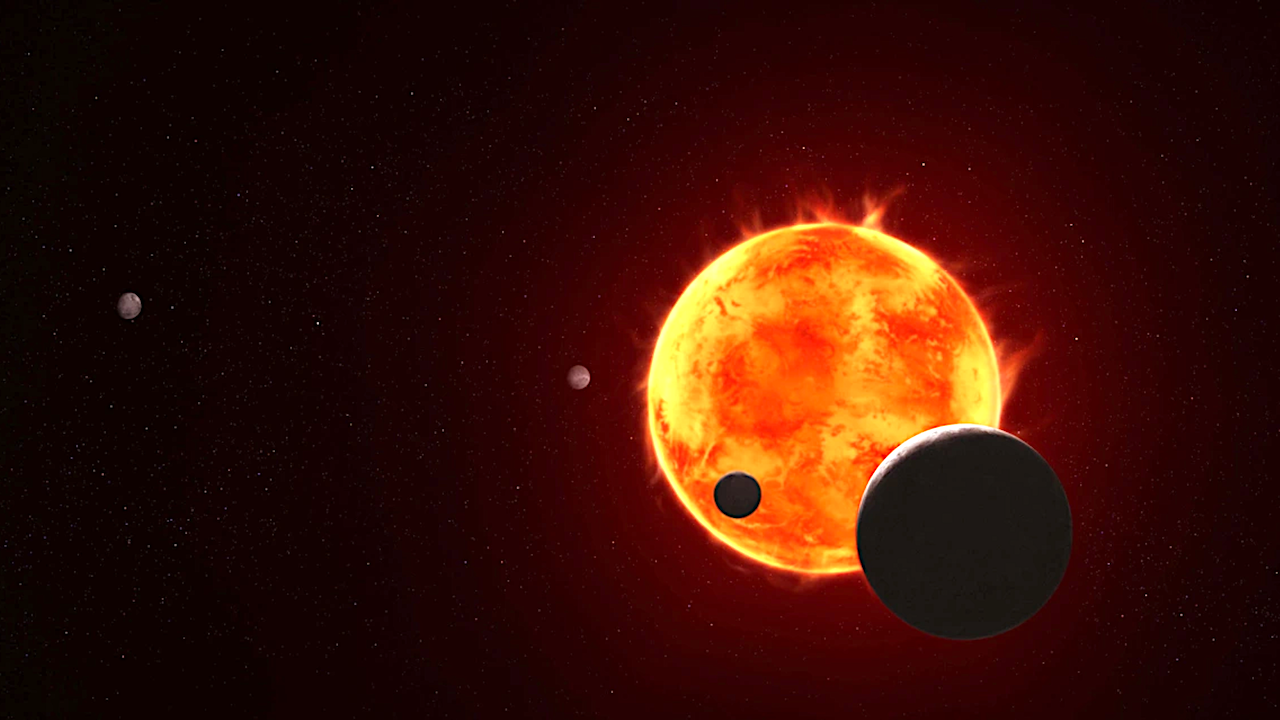
Located about 39 light-years from Earth, the TRAPPIST system resembles a miniature version of our solar system: The star, an ultracool red dwarf, and all its planets would comfortably fit
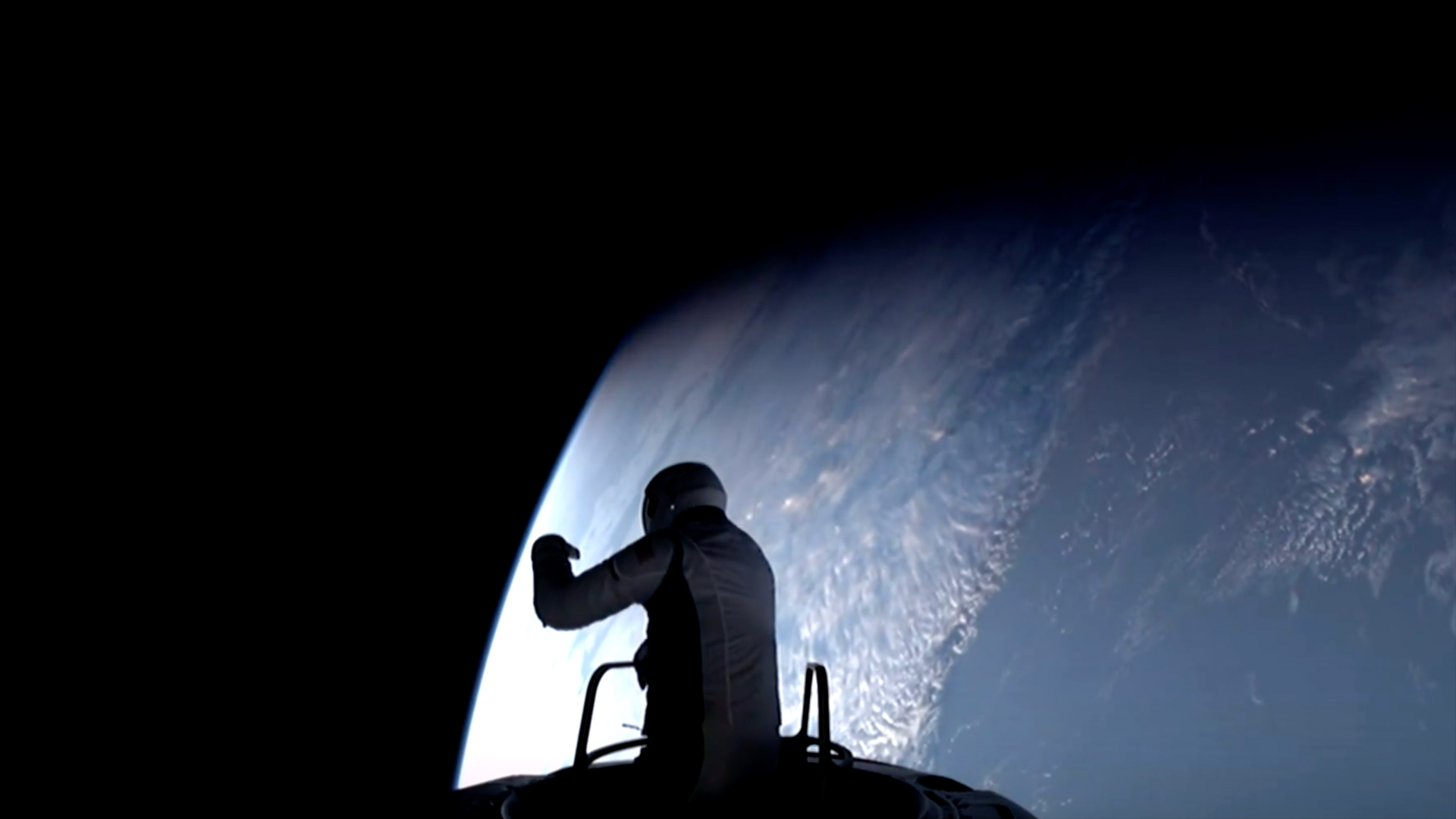
NASA may finally be on the cusp of regaining official leadership as the Senate votes on Trump’s (re)nominated pick for the head of the space agency today. Jared Isaacman, billionaire
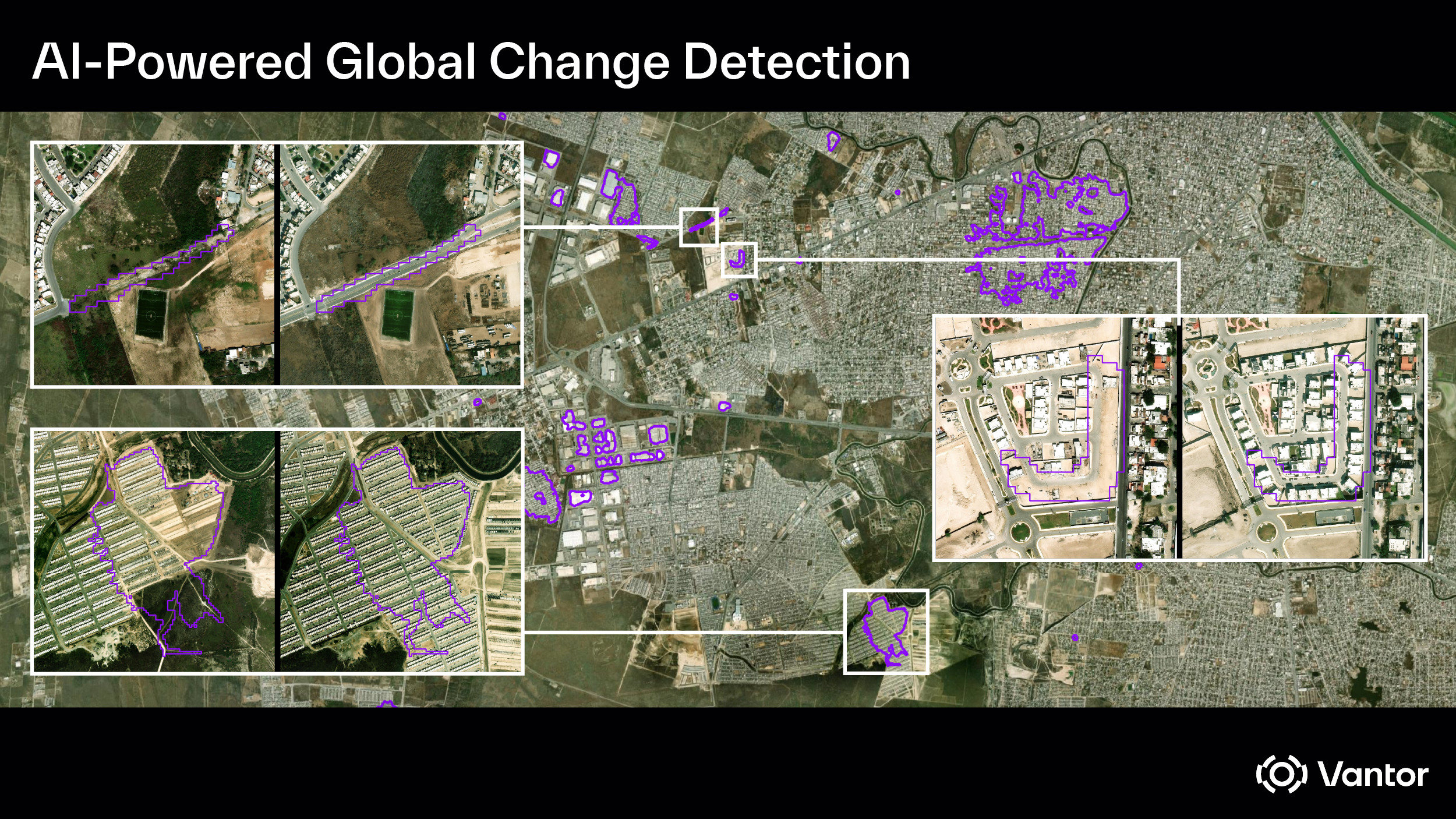
WASHINGTON — Vantor, a commercial Earth observation satellite operator, said Feb. 5 it won a $5.3 million contract from the National Geospatial-Intelligence Agency to detect and deliver automated insights on
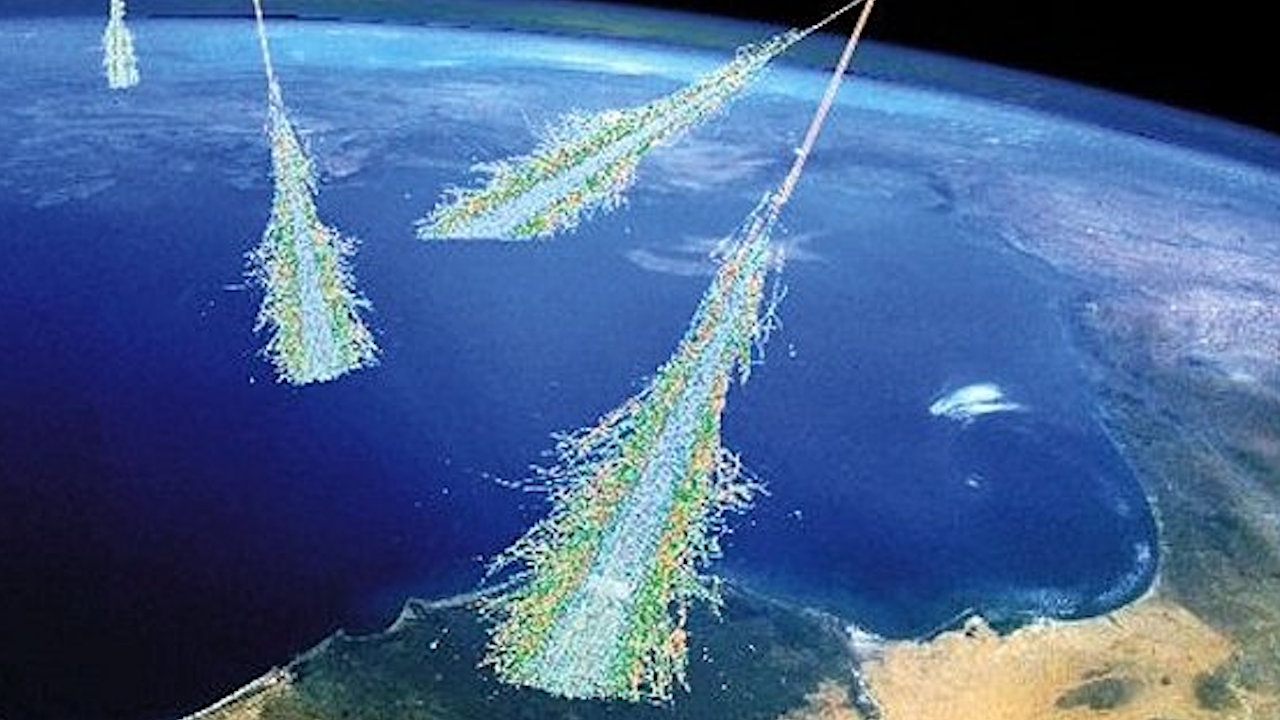
Air showers ensuing from very-high-energy cosmic rays can enter Earth’s atmosphere from multiple directions. Credit: Simon Swordy/NASA The exploration of cosmic rays, which are high-energy particles originate from space and
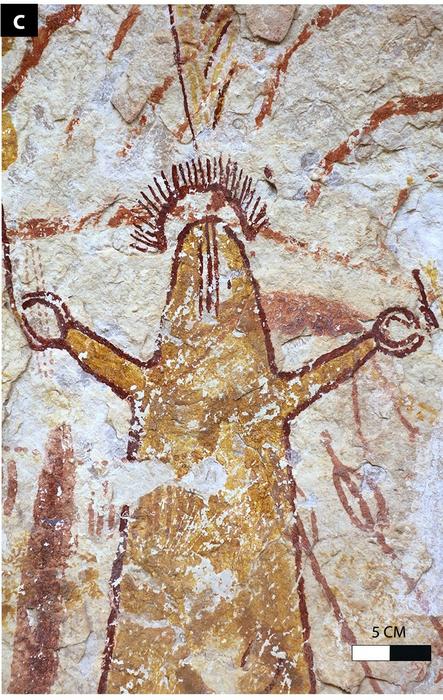
Archaeologists often seek to understand ancient cultures by studying images left behind on rock faces. While these images vary widely, they’re a global phenomenon. In fact, petroglyphs and painted murals
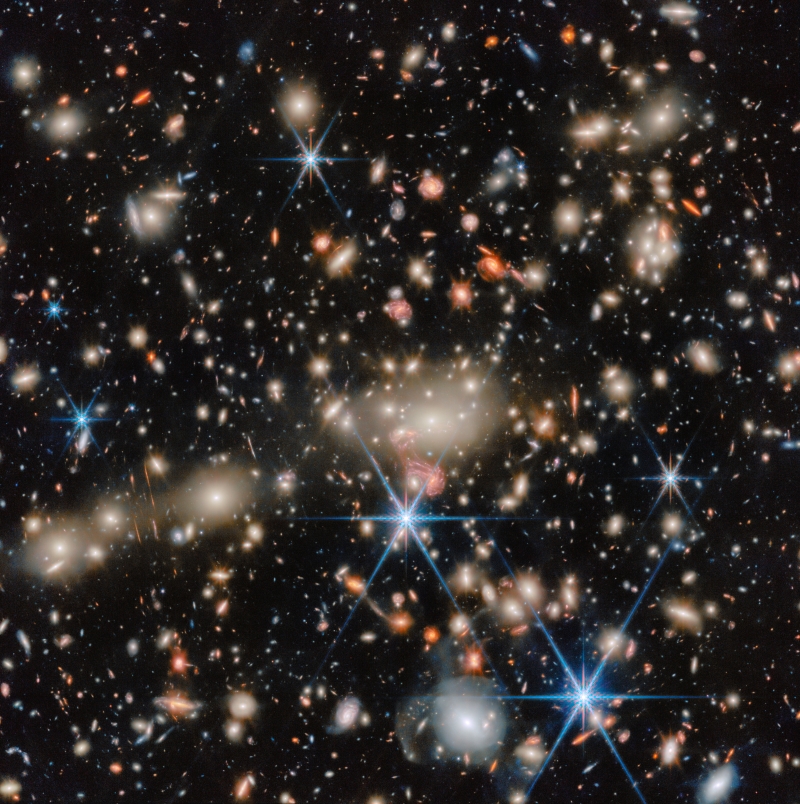
This new James Webb Space Telescope image shows the galaxy cluster MACS J1149.5+2223, or MACS J1149 for short. It’s located about 5 billion light-years away in the constellation Leo the
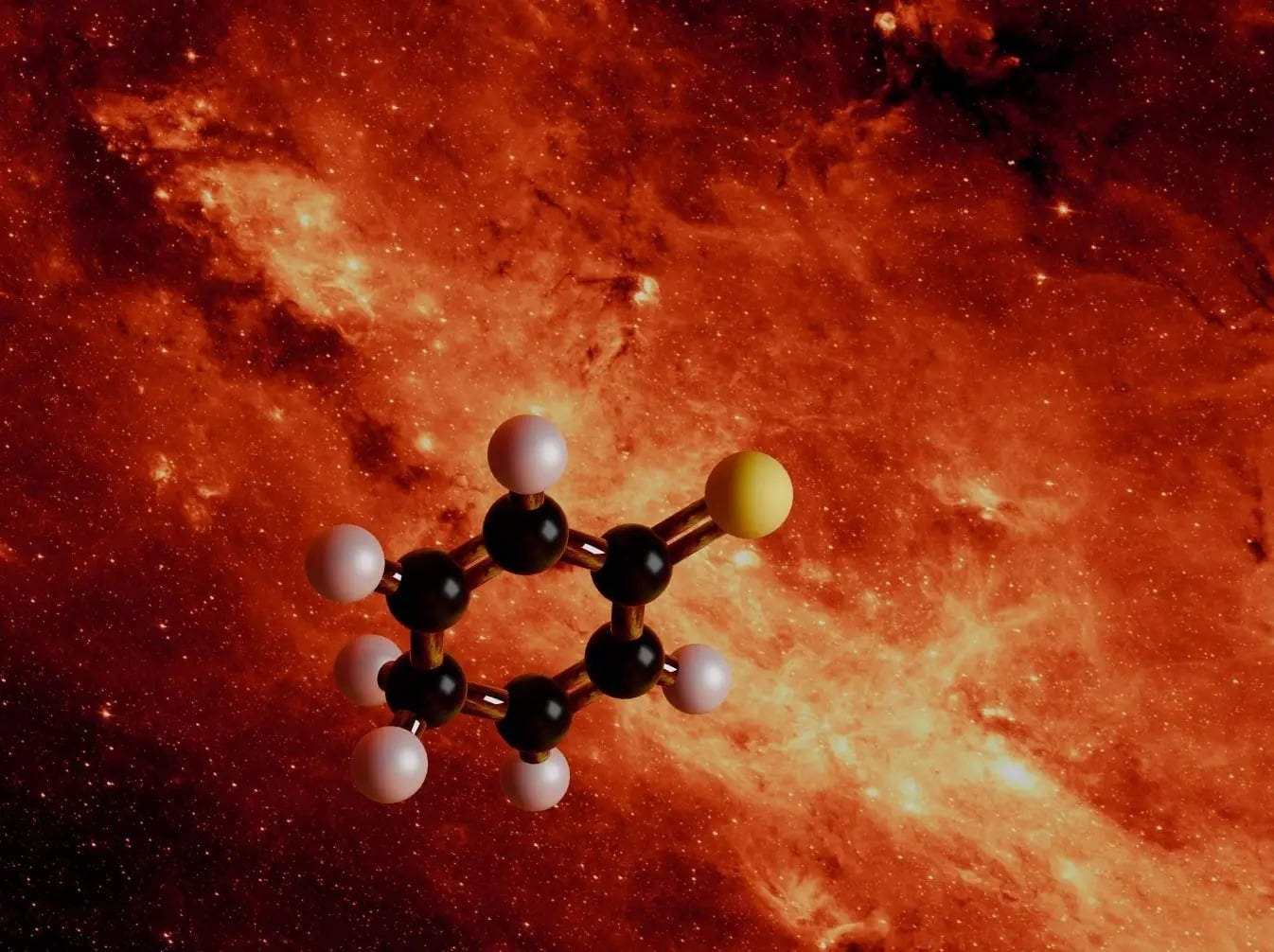
For the first time, a complex, ring-shaped molecule containing 13 atoms—including sulfur—has been detected in interstellar space, based on laboratory measurements. The discovery closes a critical gap by linking simple
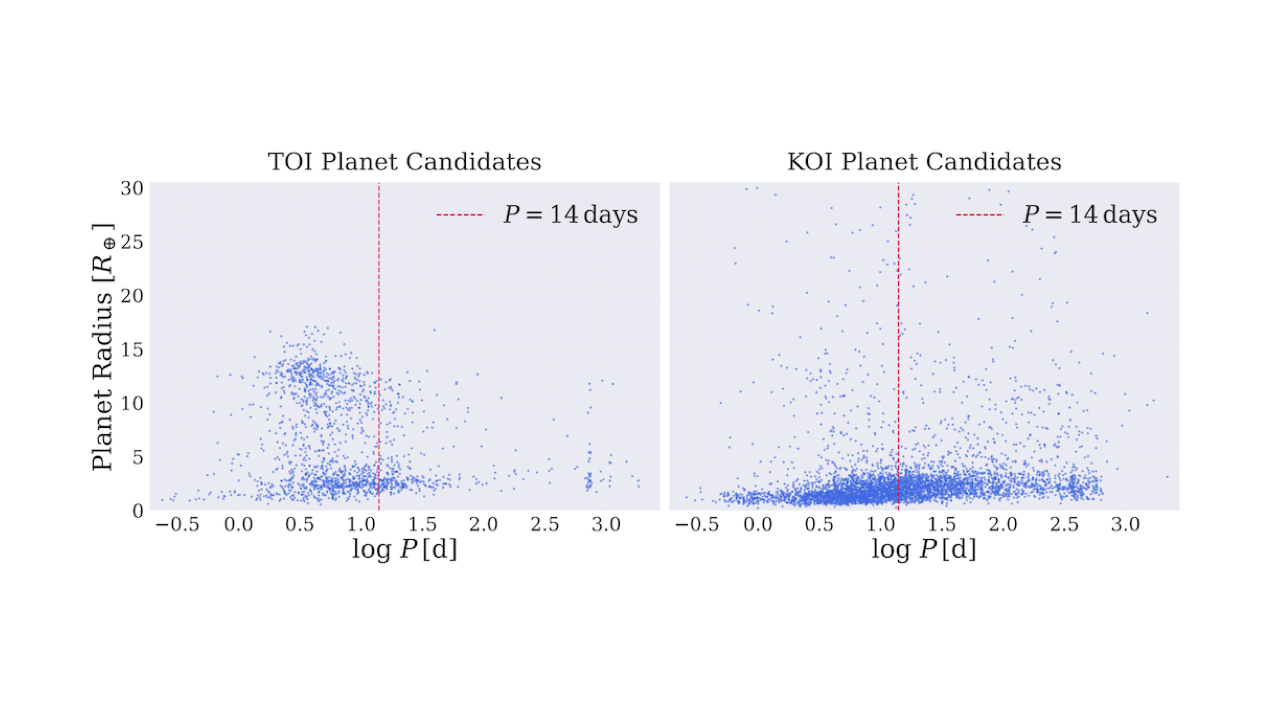
Side-by-side comparison of TOI (left) and KOI (right) radius vs orbital period. The red dashed line marks the 14-day orbital period. TOI detected more giant planets with shorter orbital periods,