NASA Science Mission Directorate NASA’s Science Mission Directorate (SMD) will hold a virtual community meeting with Associate Administrator Nicky Fox and her leadership team at 12:00 p.m. Eastern on Thursday,

NASA Science Mission Directorate NASA’s Science Mission Directorate (SMD) will hold a virtual community meeting with Associate Administrator Nicky Fox and her leadership team at 12:00 p.m. Eastern on Thursday,
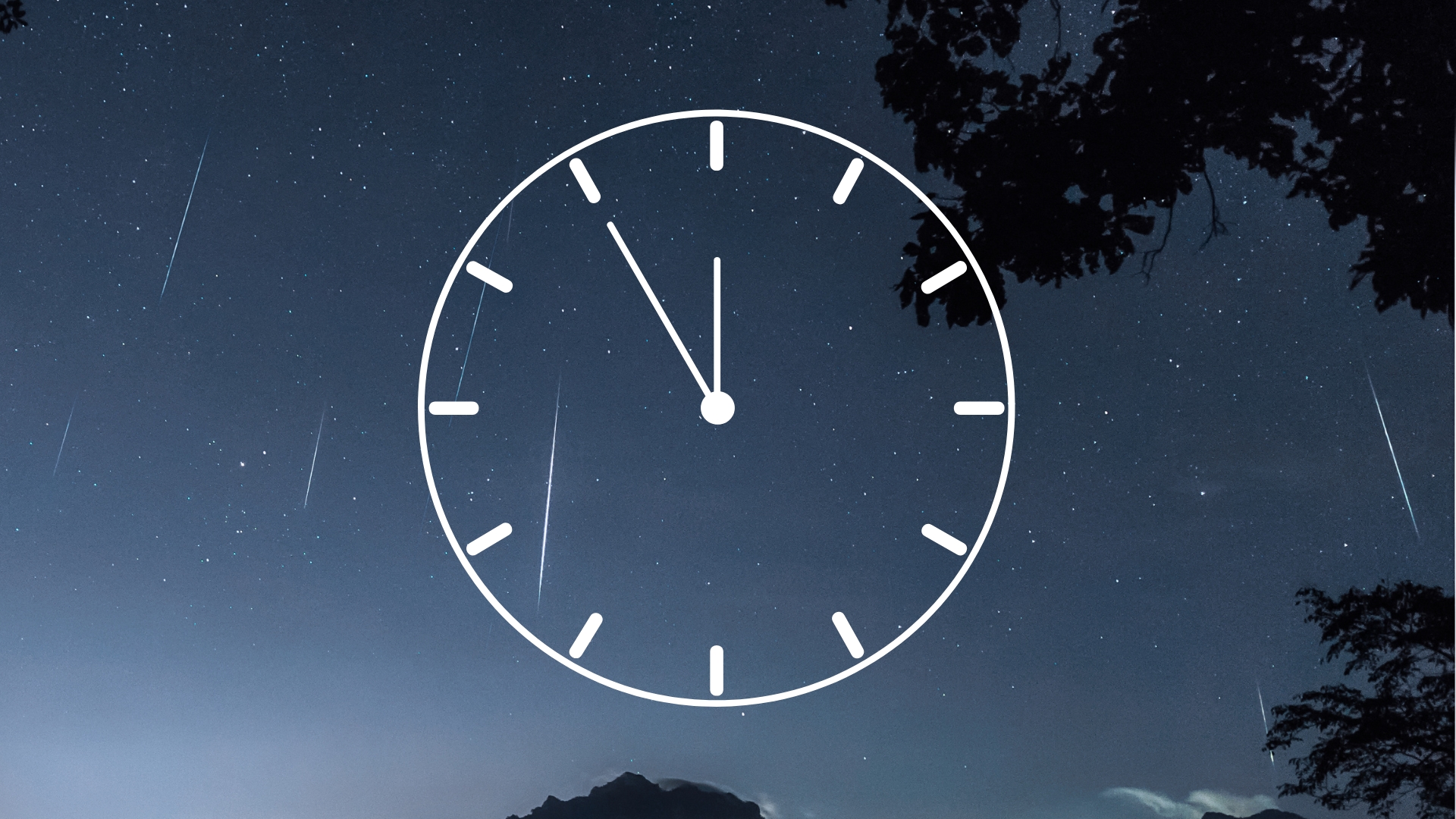
The Lyrid meteor shower is active between April 16 and April 25, and peaks on April 22. During the peak, Earth passes through the densest part of the debris stream
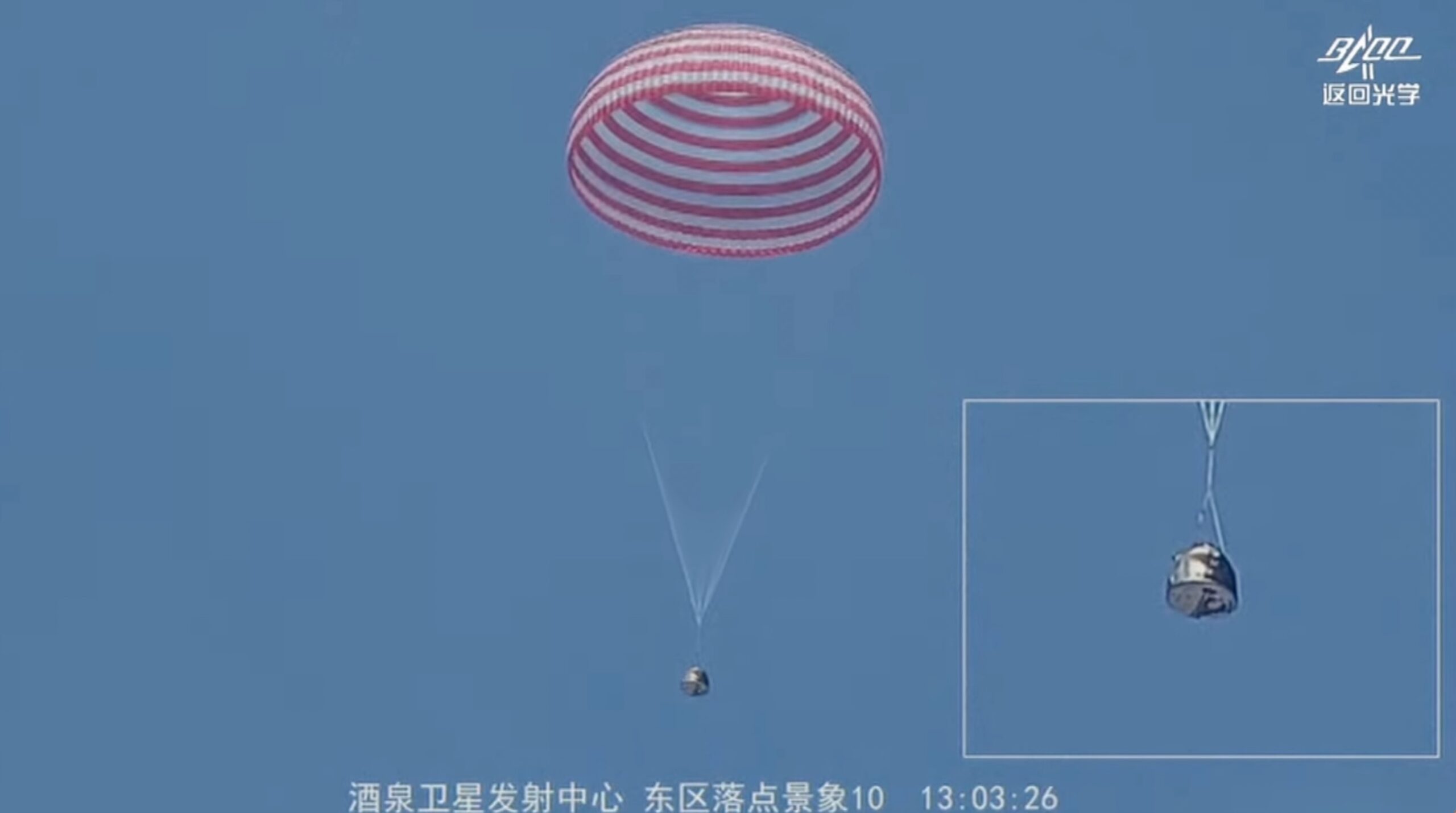
China’s three-person Shenzhou 19 mission came home on Wednesday (April 30) after six months in orbit. The Shenzhou 19 spacecraft — carrying astronauts Cai Xuzhe, Song Lingdong and Wang Haoze
Headquarters General Counsel Iris Lan Deputy General Counsel Bryan R. Diederich (Acting) Director of Legal Operations Christine Pham (Acting) Associate General Counsel for Commercial and Intellectual Property Law Practice Group,

Star Wars Day, May 4th (‘May the 4th be with you’) is just around the corner. The major online retailers have big discounts on the best Lego Star Wars sets

Join our newsletter to get the latest military space news every Tuesday by veteran defense journalist Sandra Erwin. A weekly newsletter that explores the rapidly evolving intersection of space exploration

Let’s be honest, “Black Mirror” and its often-cynical take on human nature, technology, video games, movies, space travel, multiple dimensions, digital toys, and alternate realities is not for the faint
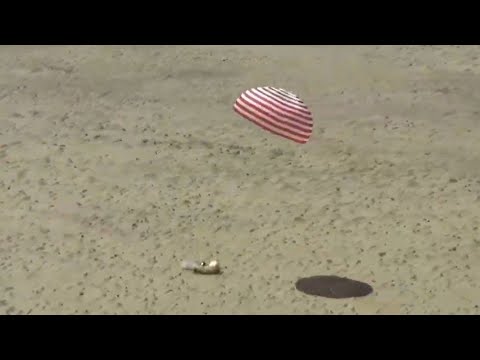
HELSINKI — China’s three Shenzhou-19 mission astronauts are safely back on the ground following a six-month-mission aboard the Tiangong space station. Astronauts Cai Xuzhe, Song Lingdong and Wang Haoze touched
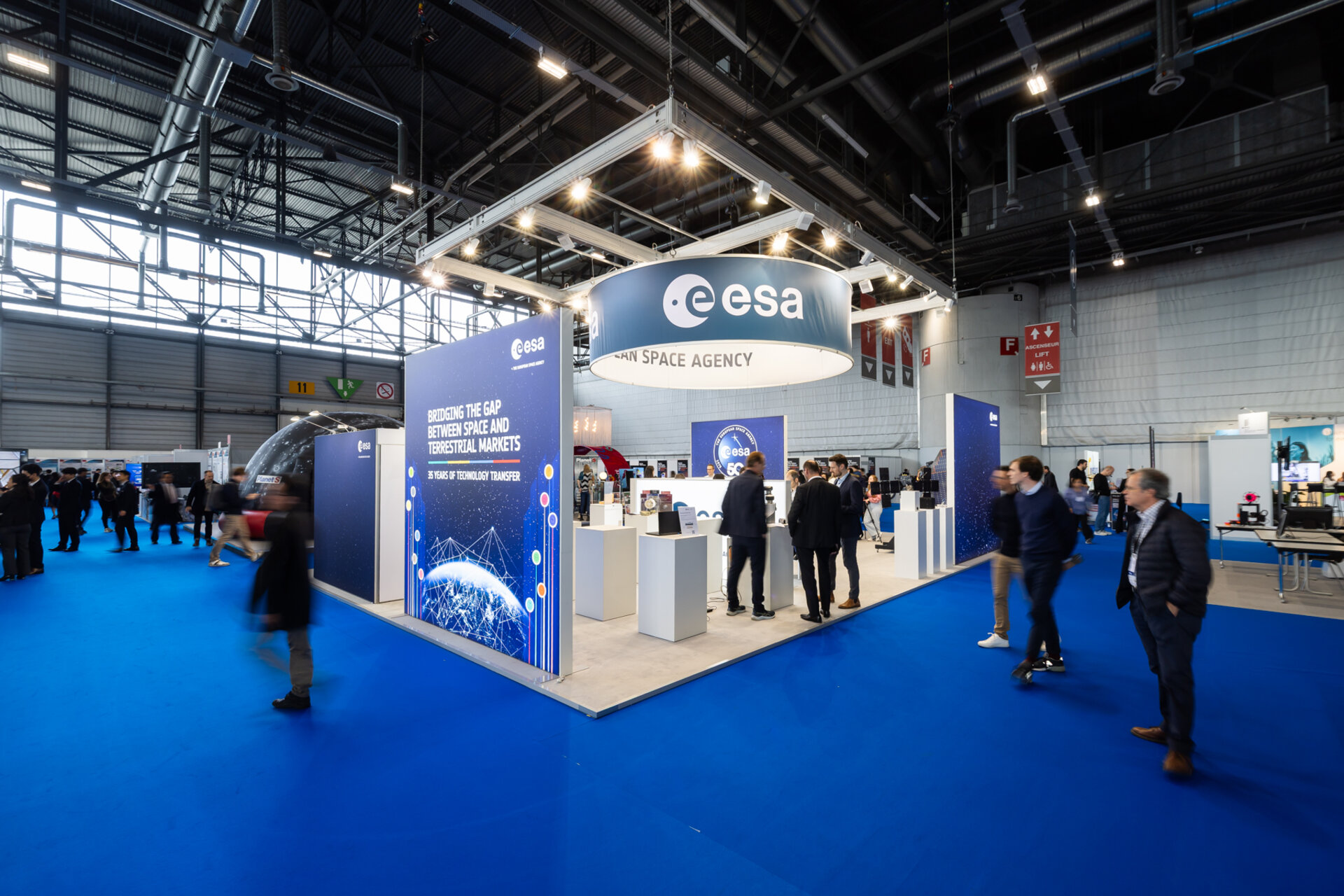
Agency 16/04/2025 268 views 10 likes Each year, cutting-edge technologies developed by the European Space Agency (ESA) for its complex missions and scientific discoveries find new life in applications used
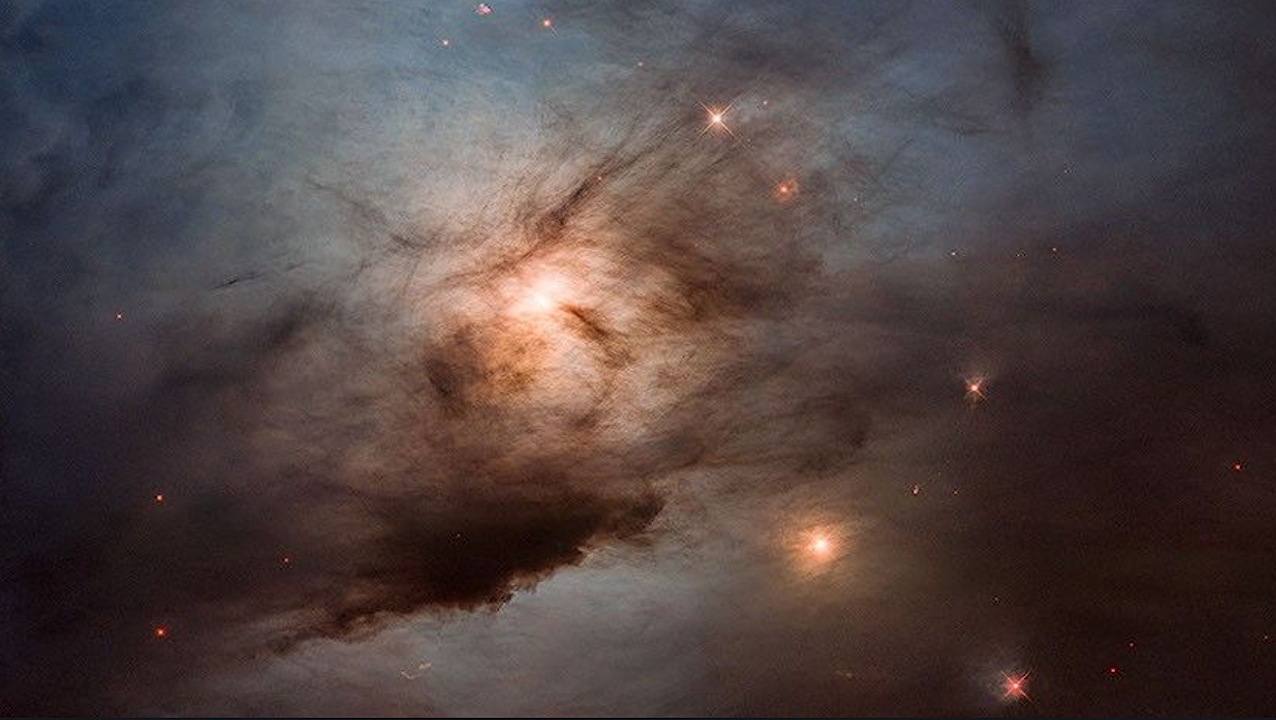
Photo of Nebula NGC 1333. The James Webb telescope detected interstellar ice there, which could be the origin of stars and planets. The study shows that this ice was apparently