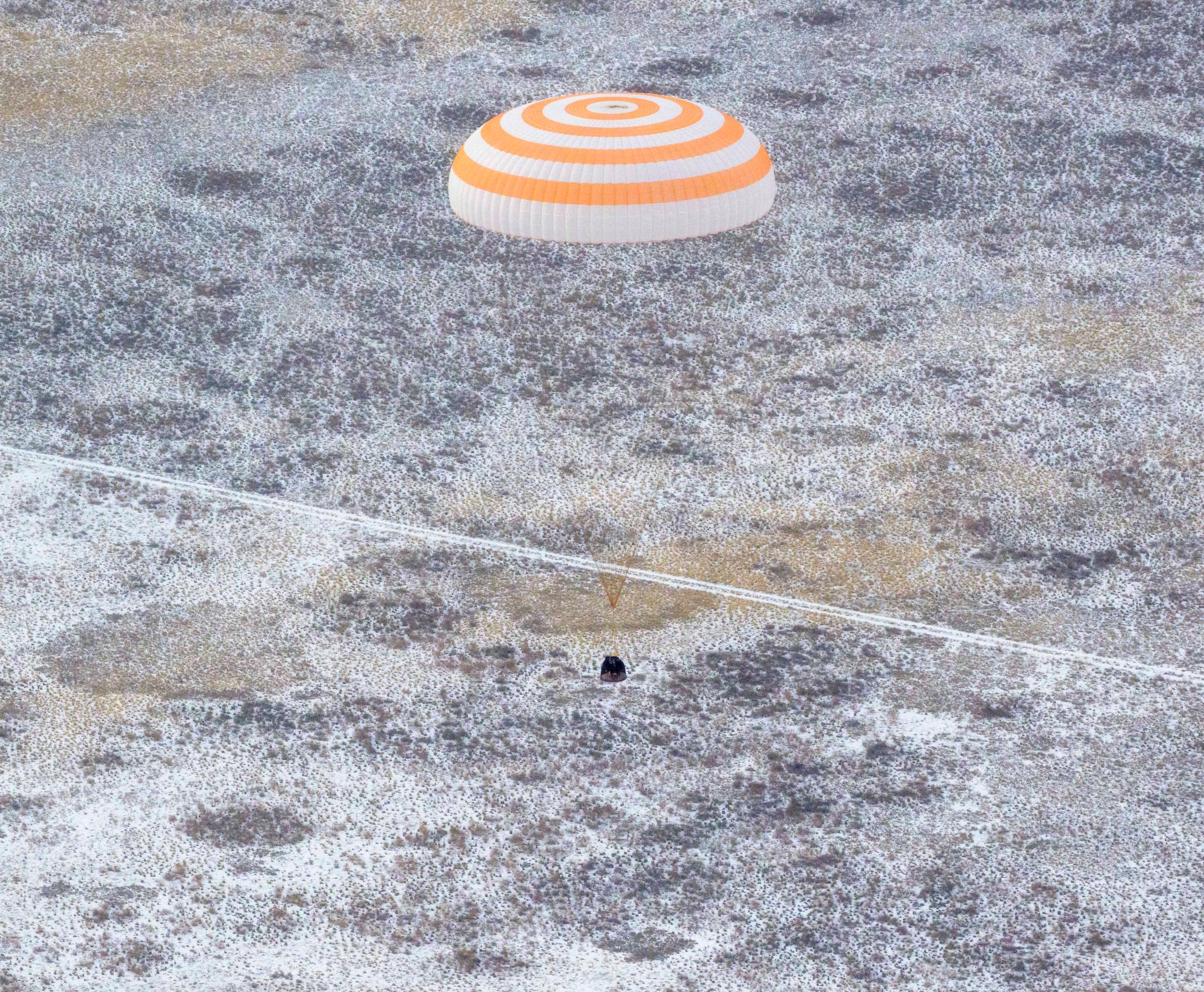
The Soyuz MS-27 spacecraft is seen as it lands in a remote area near the town of Zhezkazgan, Kazakhstan, with Expedition 73 NASA astronaut Jonny Kim, and Roscosmos cosmonauts Sergey

The Soyuz MS-27 spacecraft is seen as it lands in a remote area near the town of Zhezkazgan, Kazakhstan, with Expedition 73 NASA astronaut Jonny Kim, and Roscosmos cosmonauts Sergey
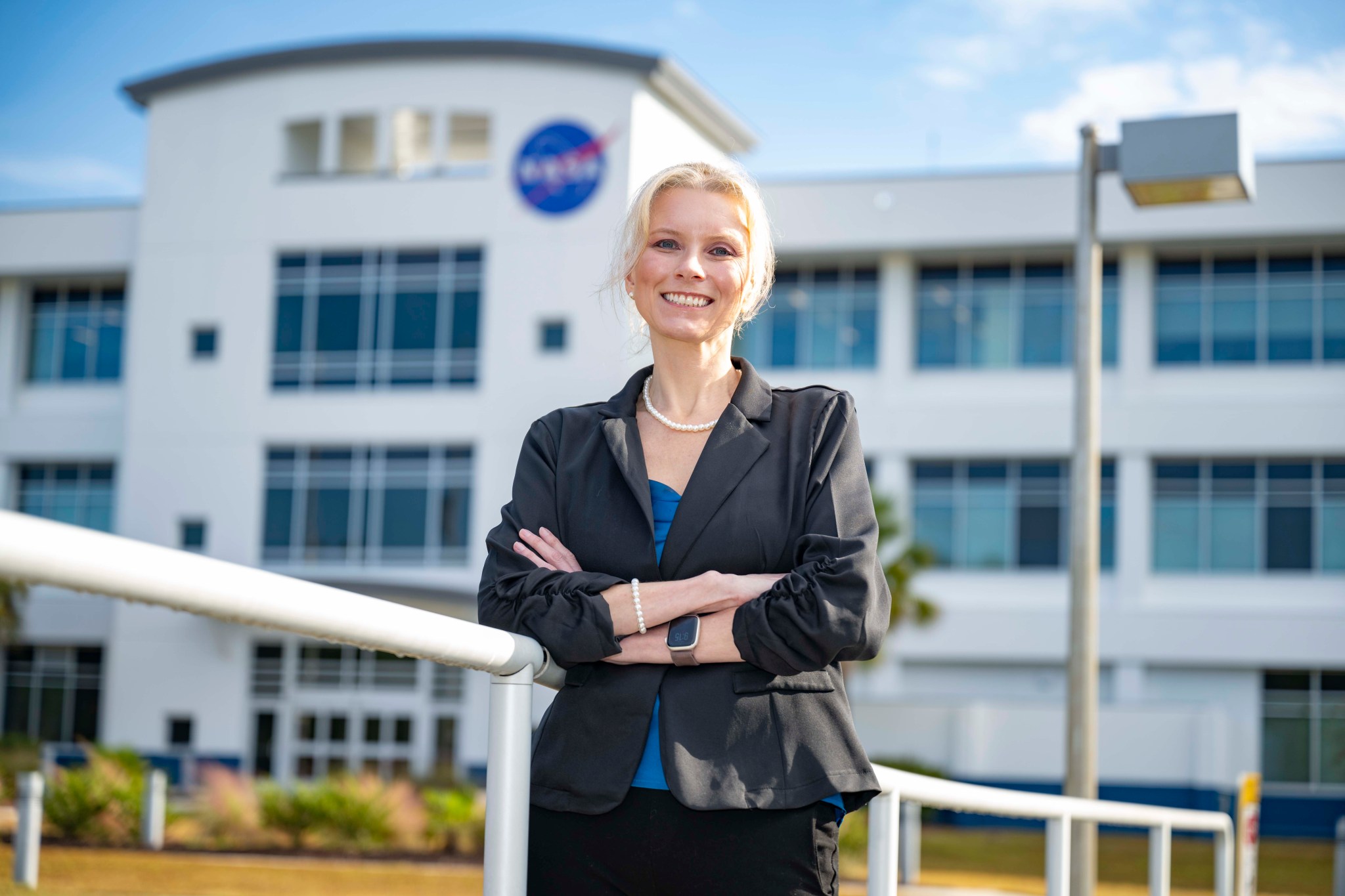
Michelle Hoehn is a cost accountant at NASA’s Stennis Space Center, where her work contributes to NASA’s Artemis program that will send astronauts to the Moon to prepare for future
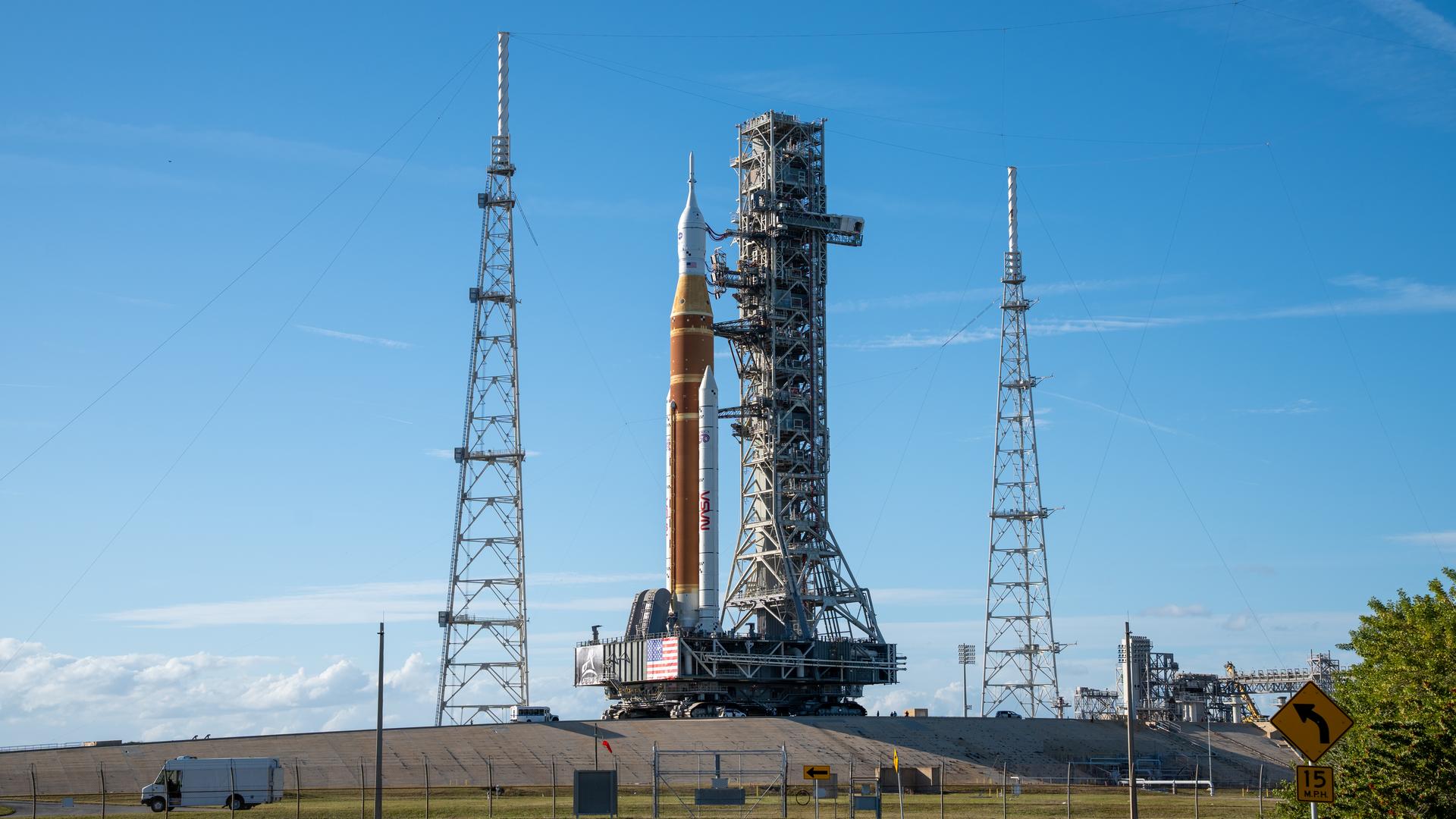
This image shows NASA’s SLS (Space Launch System) and Orion spacecraft rolling out of the Vehicle Assembly Building at NASA’s Kennedy Space Center. NASA’s massive crawler-transporter, upgraded for the Artemis
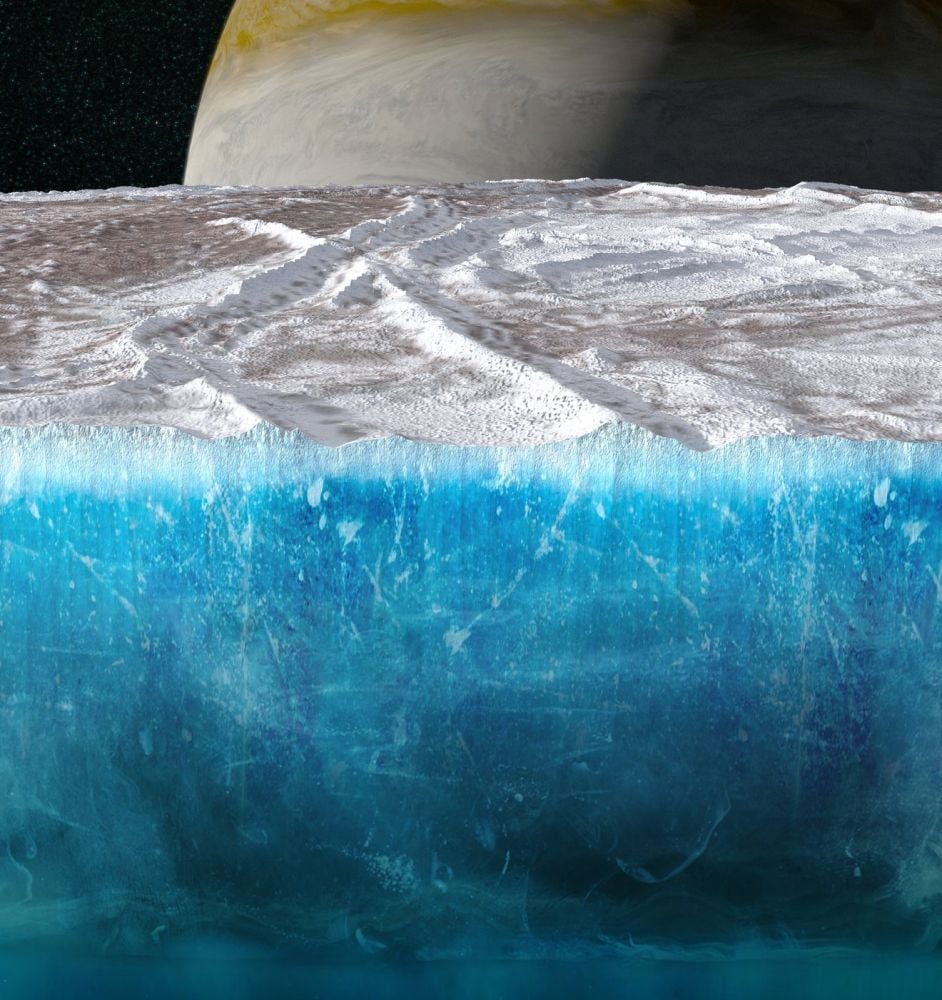
Jupiter’s icy moon Europa is a tantalizing target in the search for habitability in our Solar System. Its thick, global ice sheet overlies a warm, salty, chemically-rich ocean. But for
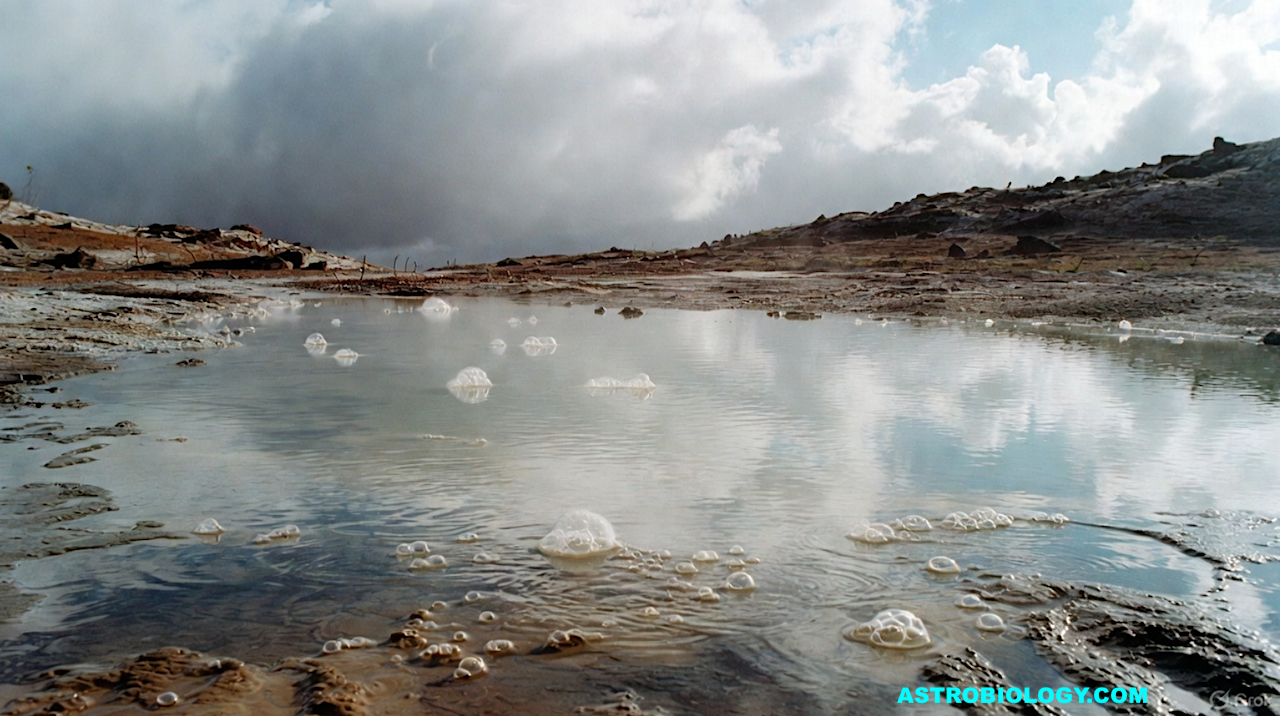
Toward Process-Driven Research in Astrobiology – Grok via Astrobiology.com Biological activity has shaped environments across Earth with varying degrees of impact throughout geological time, which complicates efforts to distinguish signs
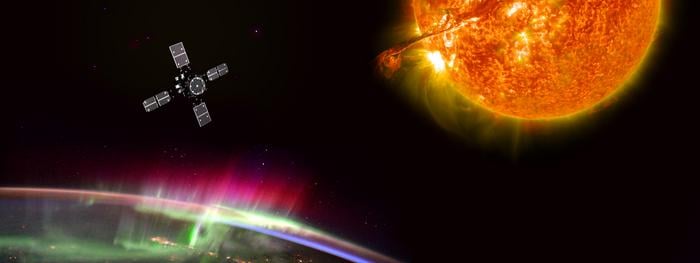
A powerful geomagnetic superstorm is a once a generation event, happening once every 20-25 years. Such an event transpired on the night of May 10/11, 2024, when an intense solar
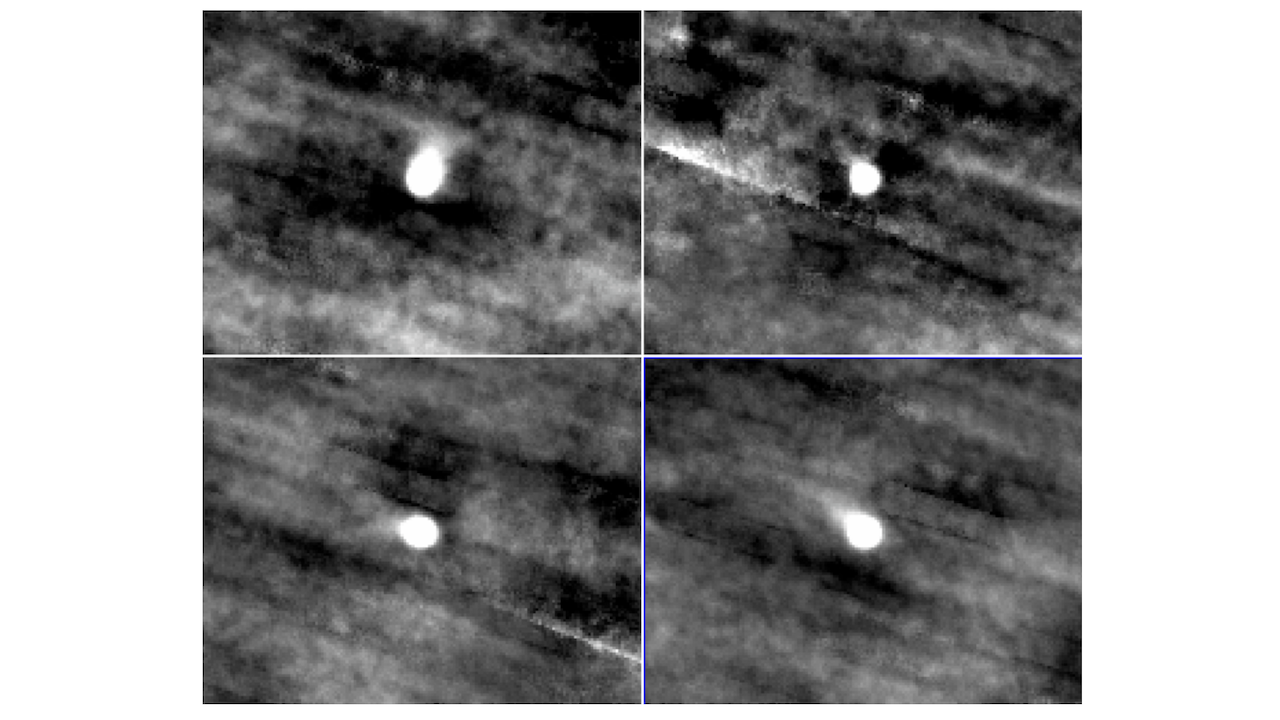
A Southwest Research Institute (SwRI) project is using data from NASA’s Polarimeter to Unify the Corona and Heliosphere (PUNCH) spacecraft to track the interstellar comet 3I/ATLAS. It tracked it for
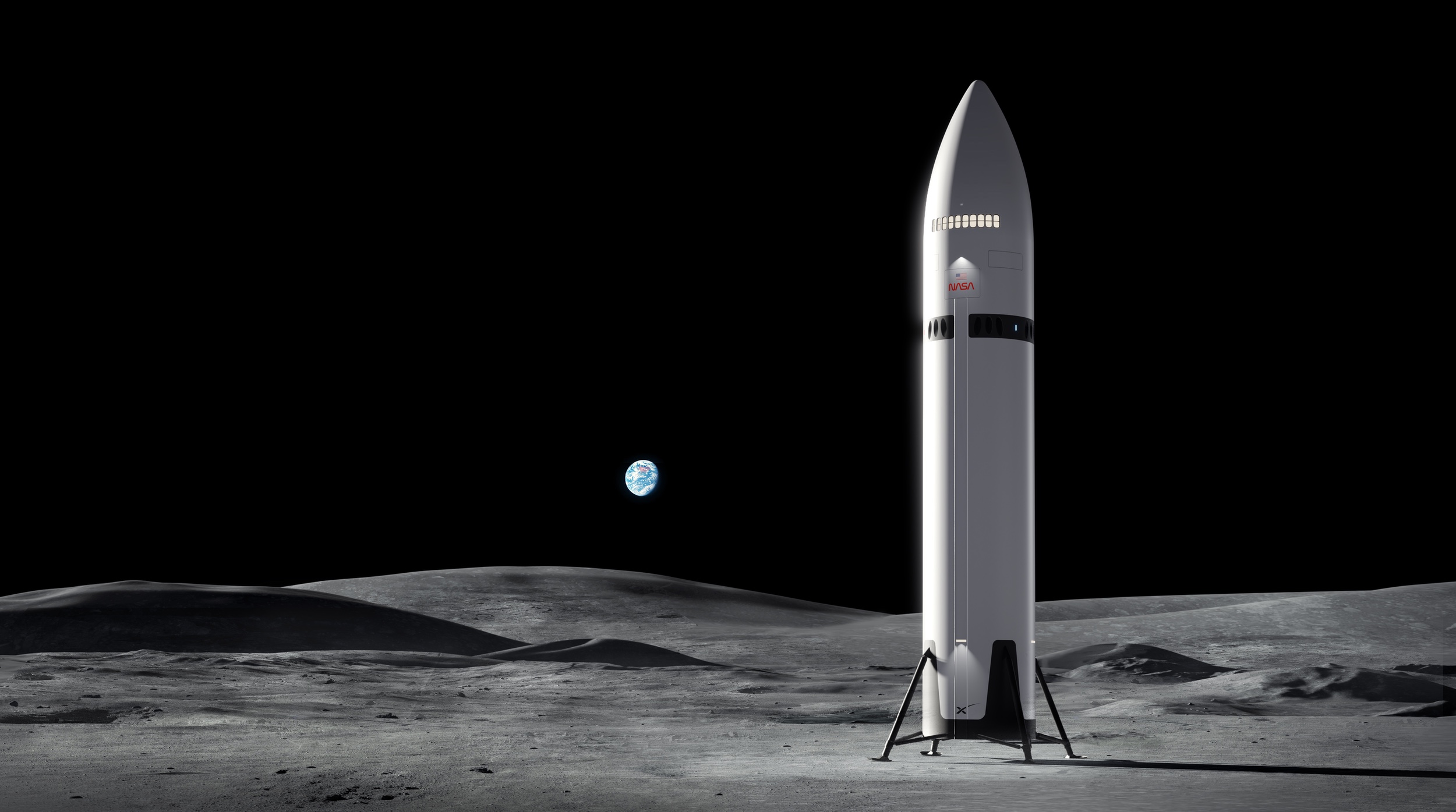
WASHINGTON — A NASA authorization bill the House Science Committee is scheduled to take up this week would require closer scrutiny of lunar lander and spacesuit development for the Artemis
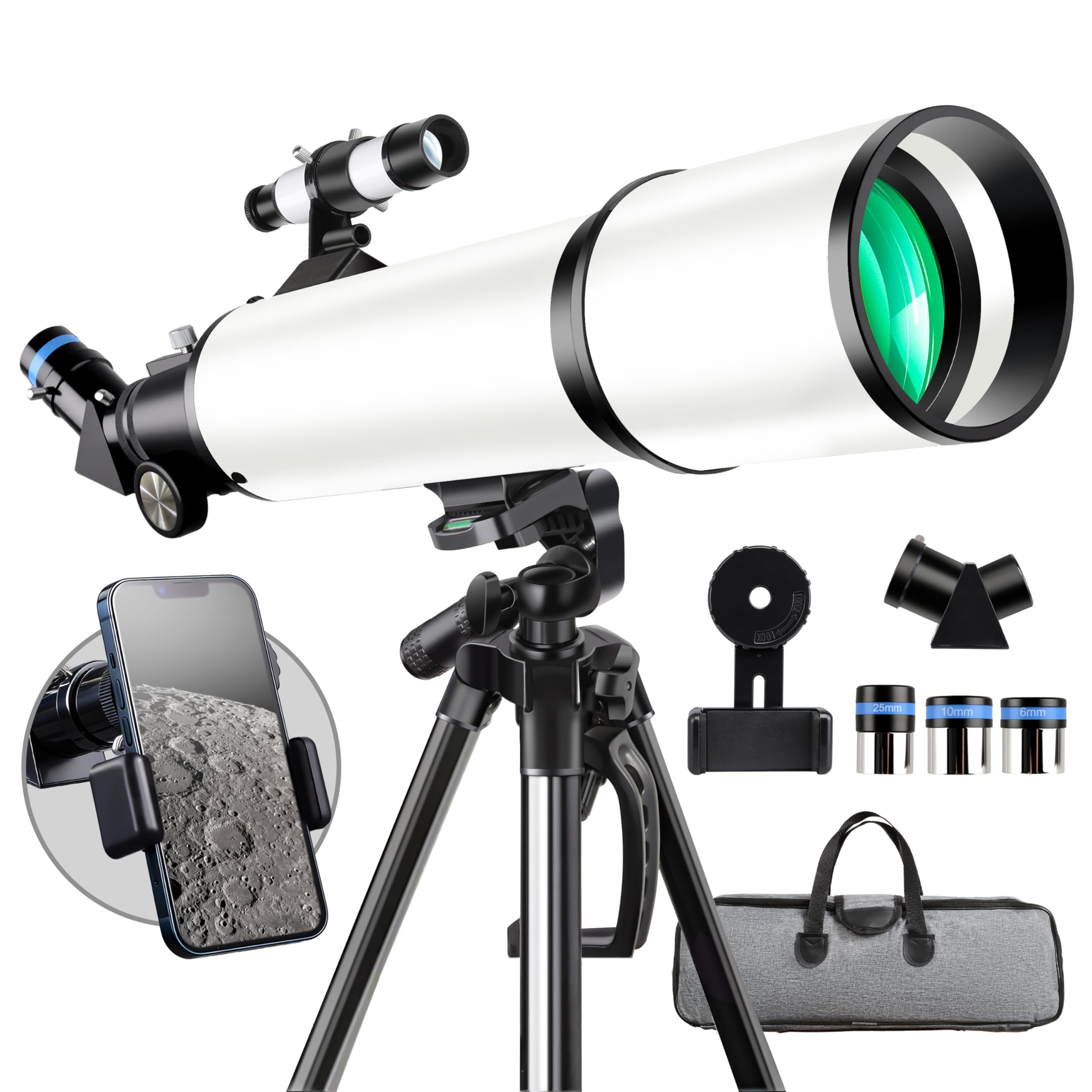
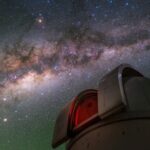
If you’re a stargazer or simply someone who revels in the beauty of the natural world, the GALAEYES telescope is an exciting adventure waiting to unfold. Design meets function in
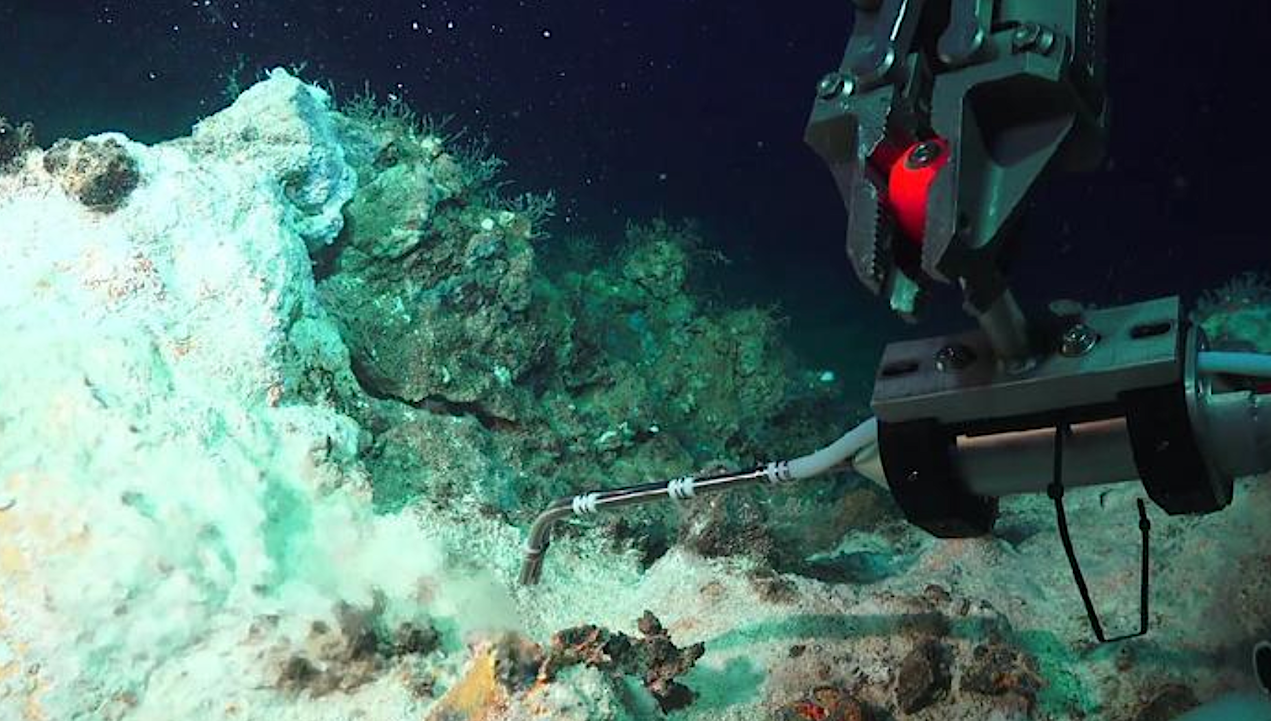
Sampling fluids of 180 degree Celsius at the White Sealhound structure. Photo: MARUM – Center for Marine Environmental Sciences, University of Bremen The study identifies three major vent areas —