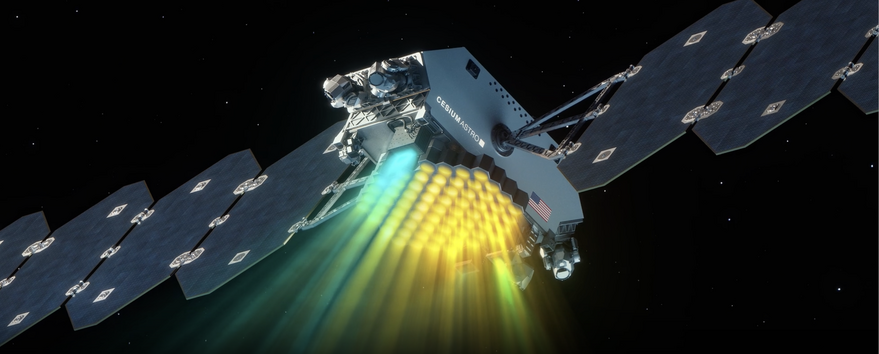
SAN FRANCISCO – CesiumAstro is preparing for rapid expansion thanks to an influx of cash announced Feb. 2: $270 million in equity and $200 million in debt financing. CesiumAstro raised

SAN FRANCISCO – CesiumAstro is preparing for rapid expansion thanks to an influx of cash announced Feb. 2: $270 million in equity and $200 million in debt financing. CesiumAstro raised
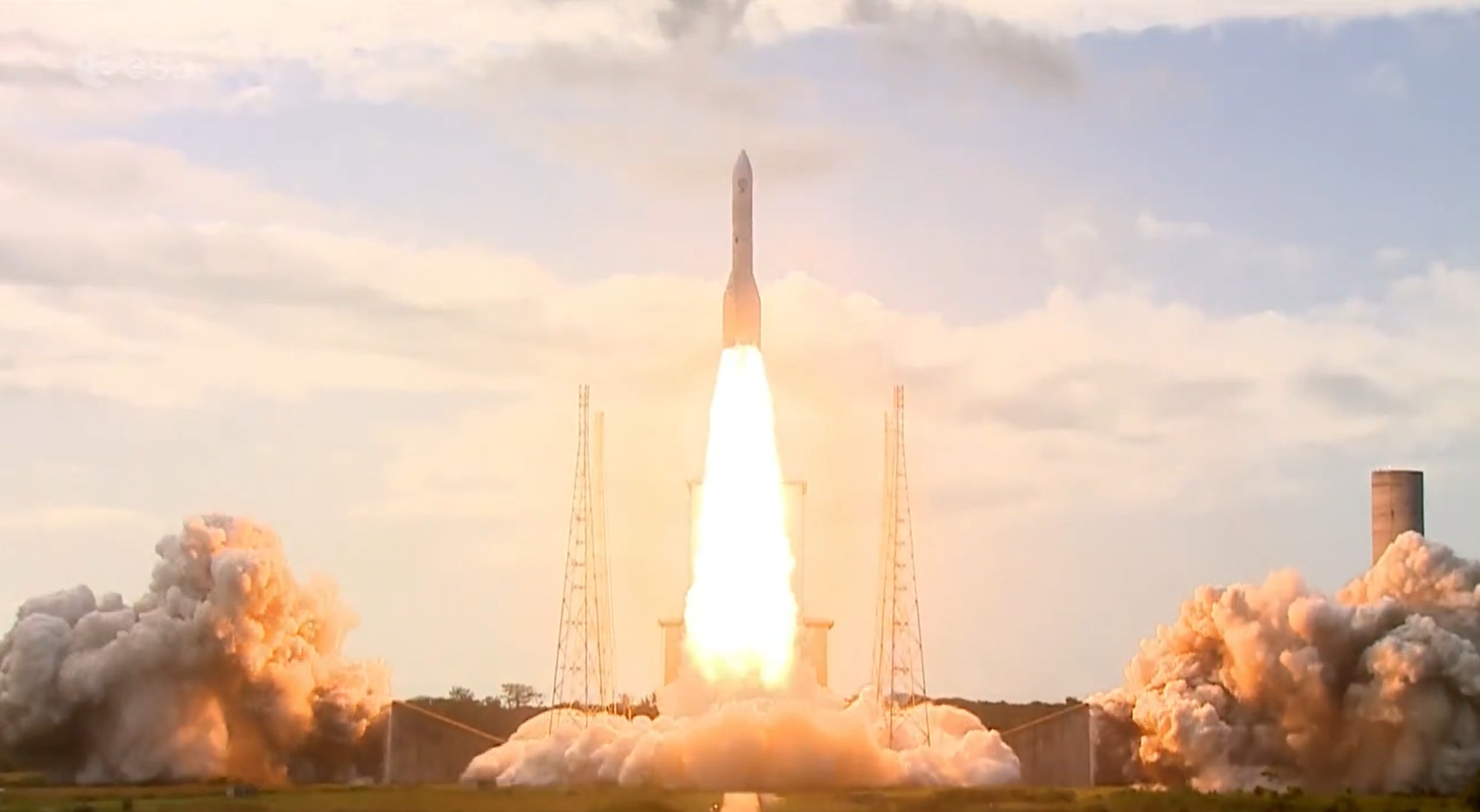
Germany’s top intelligence officials made waves last year by calling for the creation of a European spy network to lessen Europe’s dependence on American intelligence. After Washington’s sudden freeze of
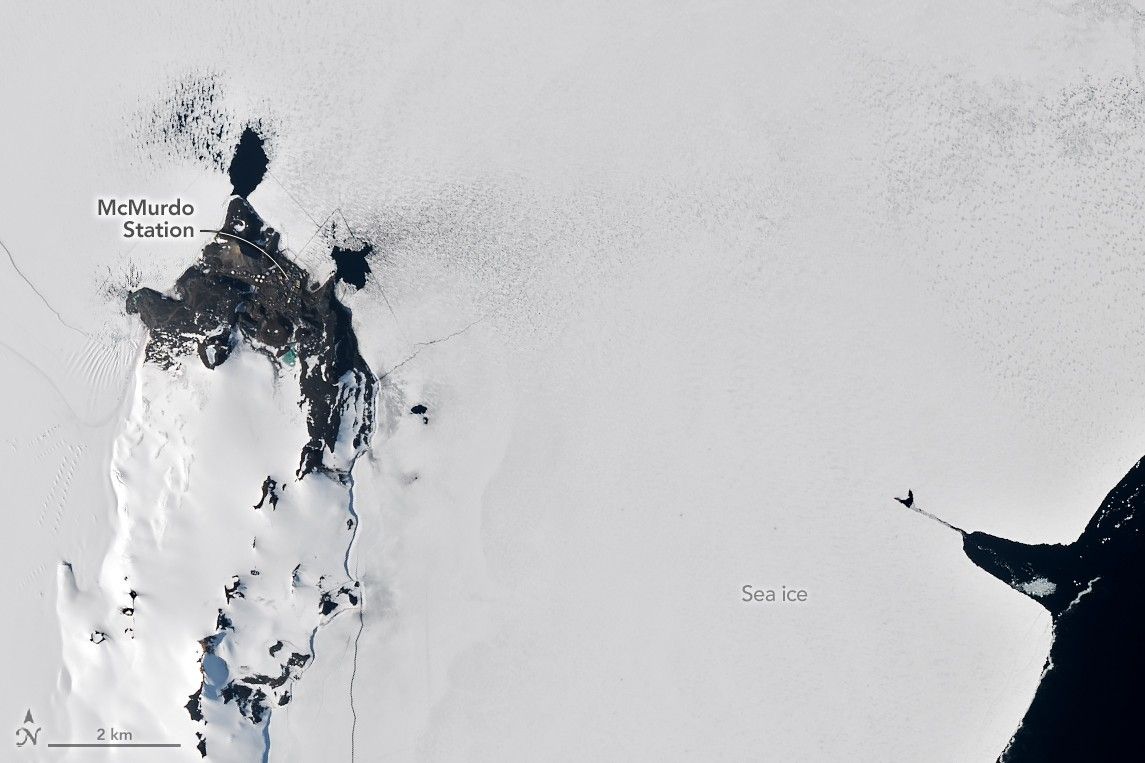
Earth Observatory Science Earth Observatory Cracking Antarctic Sea Ice Earth Earth Observatory Image of the Day EO Explorer Topics All Topics Atmosphere Land Heat & Radiation Life on Earth Human

Ancient trees hold secrets about the most violent storms our Sun has ever unleashed, catastrophic bursts of radiation that dwarf anything modern civilisation has experienced. Scientists have discovered radioactive carbon
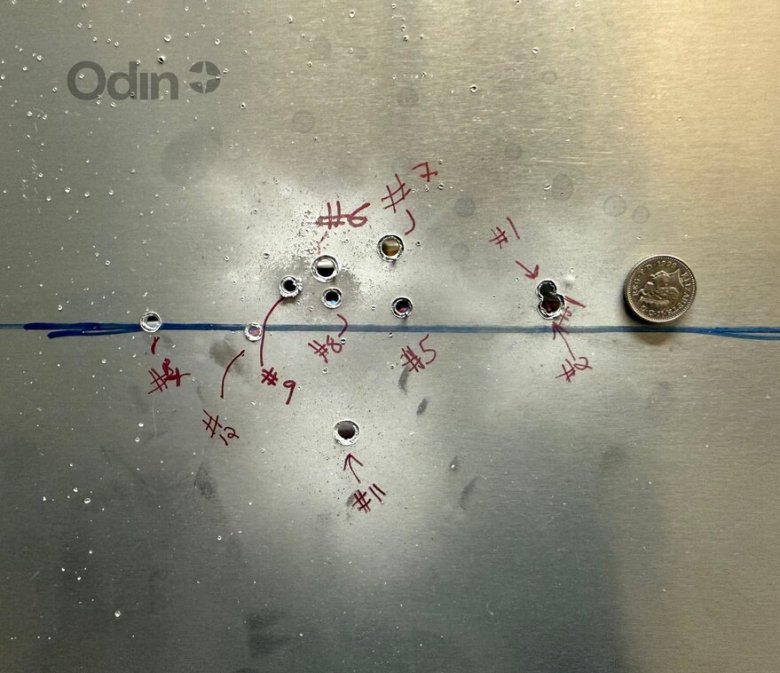
SAN FRANCISCO – British startup Odin Space raised $3 million in a seed round to begin commercializing tiny sensors to map and analyze sub-centimeter orbital debris. With its first sensor
For decades, astronomers have been watching WOH G64, an enormous heavyweight star in the Large Magellanic Cloud, a galaxy visible with the naked eye from the Southern Hemisphere. This star
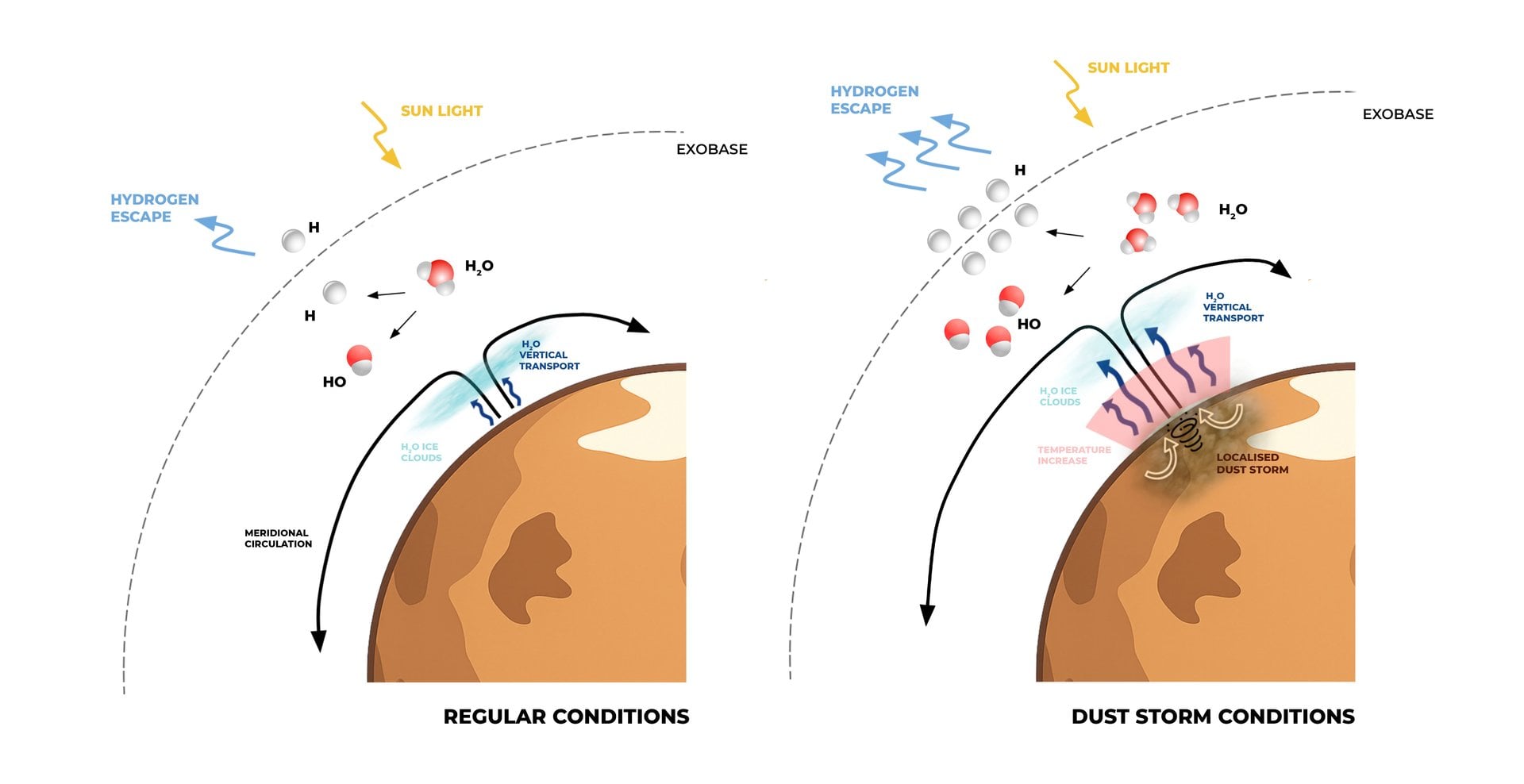
Mars’ water disappeared somewhere, but scientists have been disagreeing for years about where exactly it went. Data from rovers like Perseverance and Curiosity, along with orbiting satellites such as the
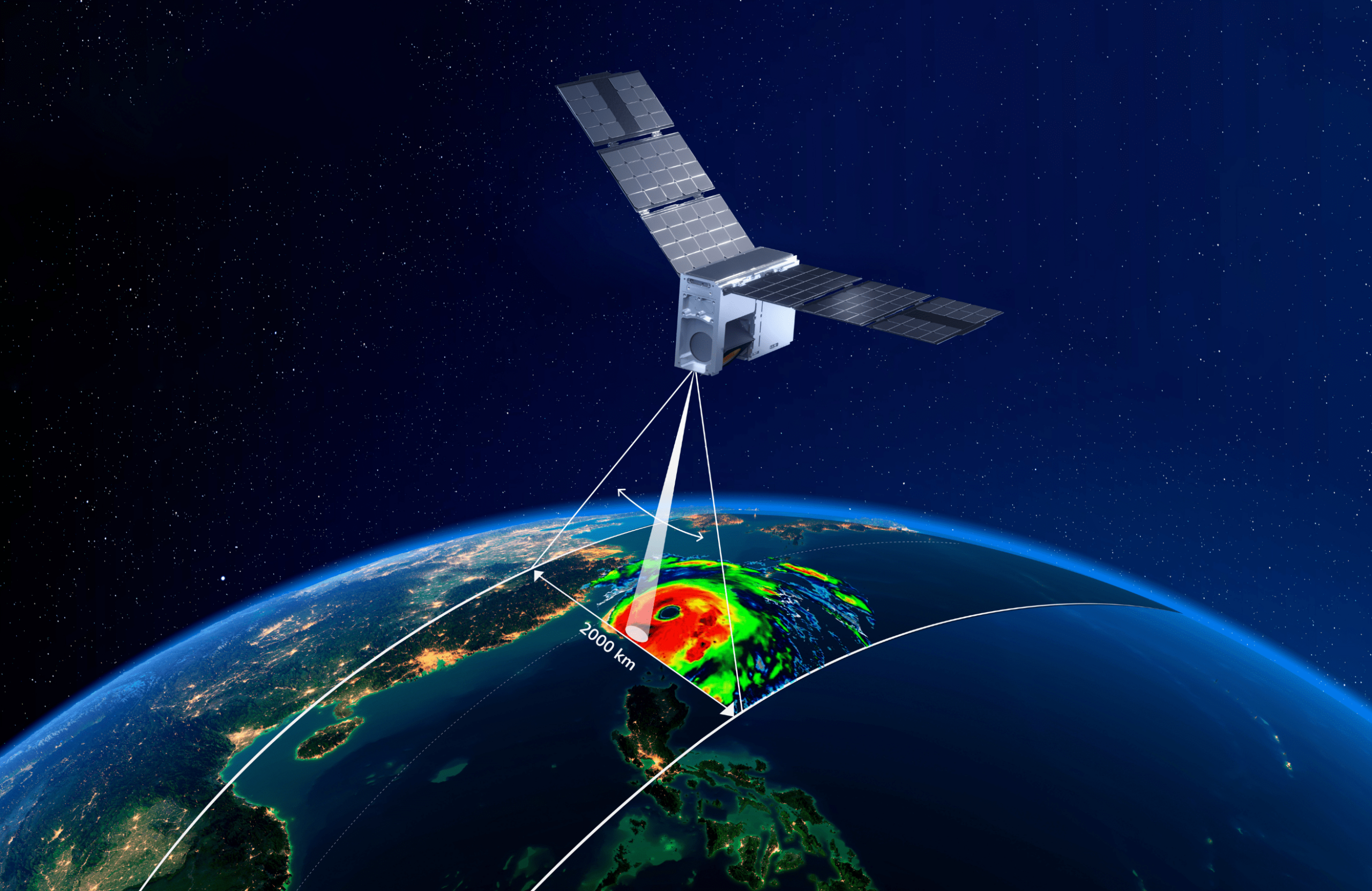
SAN FRANCISCO – Tomorrow.io raised $175 million to fund DeepSky, a satellite constellation designed to gathering vast quantities of atmospheric data for artificial intelligence models. With the money provided by

XTREMOLIFE Advancing Sampling And Screening Of Extremophile Microorganisms For biodiscovery Of Bioactive Compounds from Volcanic, Desert, and Polar Ecosystems Thriving in extreme environments, such as high pressure, temperature, or acidity,
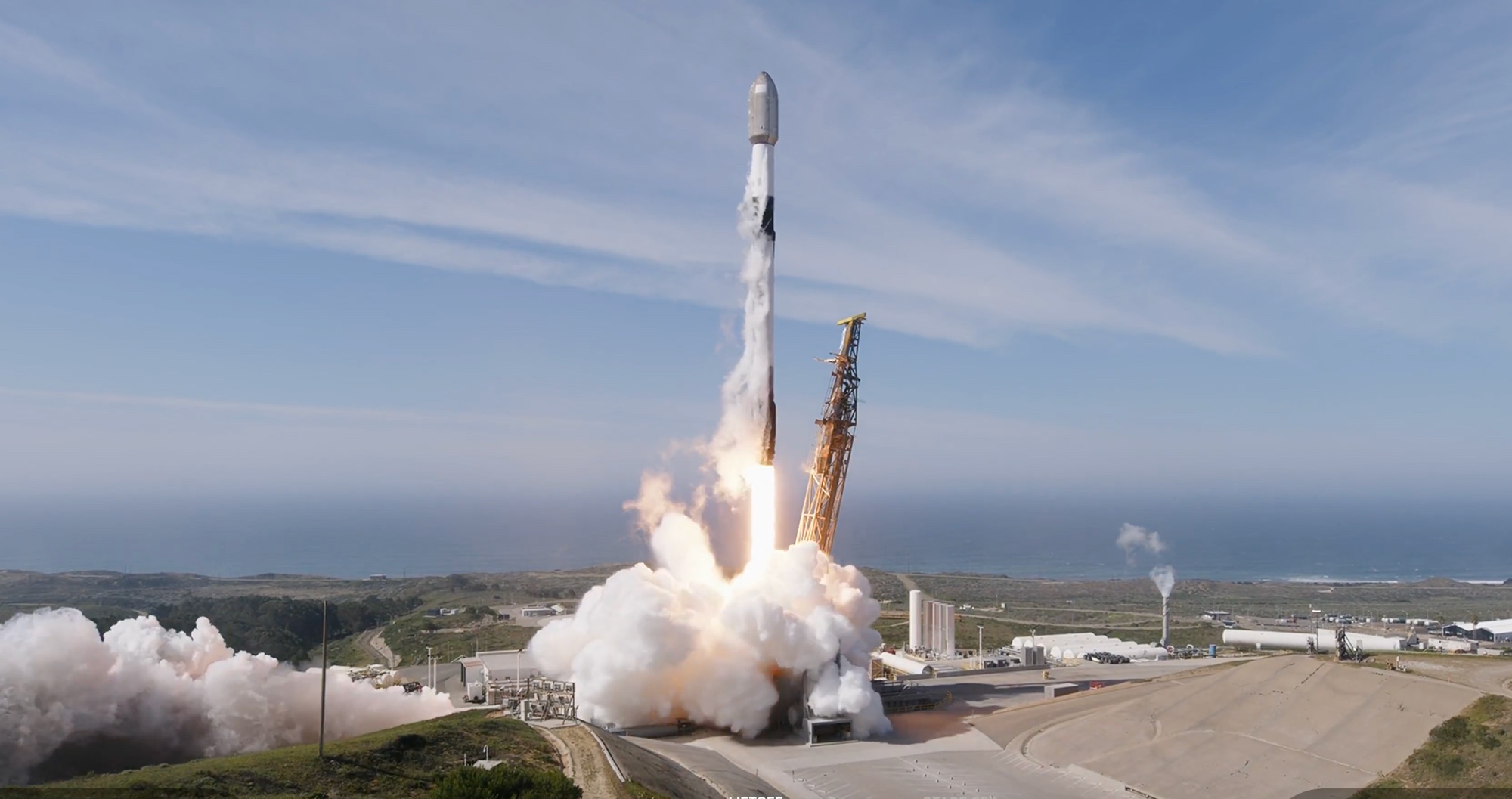
WASHINGTON — A Falcon 9 launched a batch of Starlink satellites on Feb. 7 after SpaceX completed an investigation into an engine malfunction during the rocket’s previous launch five days