
Slime mould Dictyostelium discoideum protein complex Q55DI5 (AF-0000000066503175), annotated as a transcription elongation factor. The single chain looked disordered, but modelling the homodimer revealed that two chains intertwine, each contributing

Slime mould Dictyostelium discoideum protein complex Q55DI5 (AF-0000000066503175), annotated as a transcription elongation factor. The single chain looked disordered, but modelling the homodimer revealed that two chains intertwine, each contributing

Red dwarfs make up the vast majority of stars in the galaxy. Such ubiquity means they host the majority of rocky exoplanets we’ve found so far – which in turn

The University of Illinois’ Space Entanglement and Annealing Quantum Experiment (SEAQUE) is a compelling success story in the global race to develop quantum communication networks in space. The experiment’s success
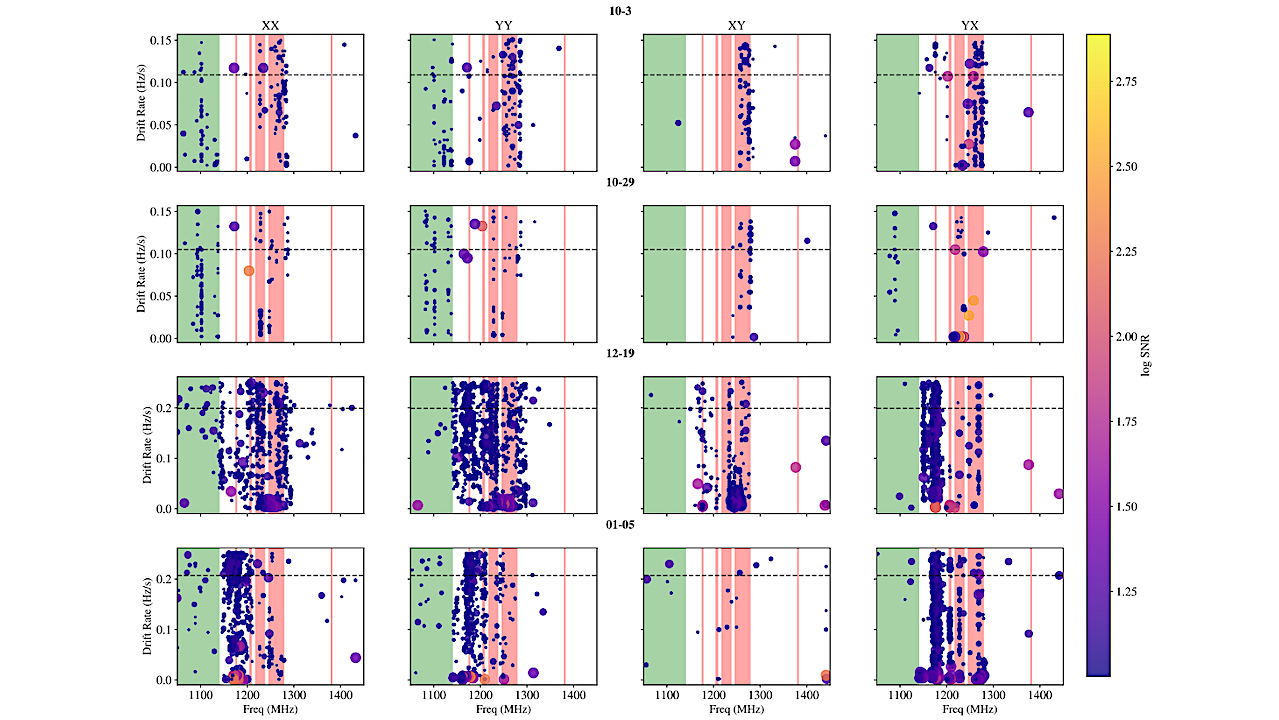
Scatter plots of potential candidate in frequency, drift rate and signal-to-noise ratio for each polarization channel. The color and the size for each point represent the value of SNR in
As an astrophysicist, my world revolves around the wonders of space and the mysteries of the universe. This means I can be a tough critic of science fiction books and

In this episode of the SpaceNews Space Minds podcast, host David Ariosto talks with Jonathan Cirtain, CEO and President of Axiom Space. They discuss the challenges — and

SAN FRANCISCO – Northern California startup iMetalX Inc. emerged from stealth to announce a collaboration with Psionic, a Hampton, Virginia, company focused on autonomous navigation in GPS-denied environments. Pairing Psionic’s

An artist’s impression of a planet so close it to its star that it completes an orbit in 10.5 hours. Credit: NASA, ESA, and A. Schaller (for STScI). An artificial

Snowball Earth — Grok via Astrobiology.com A new study led by researchers at the Earth-Life Science Institute (ELSI) at Institute of Science Tokyo challenges a long-standing assumption about Earth’s most
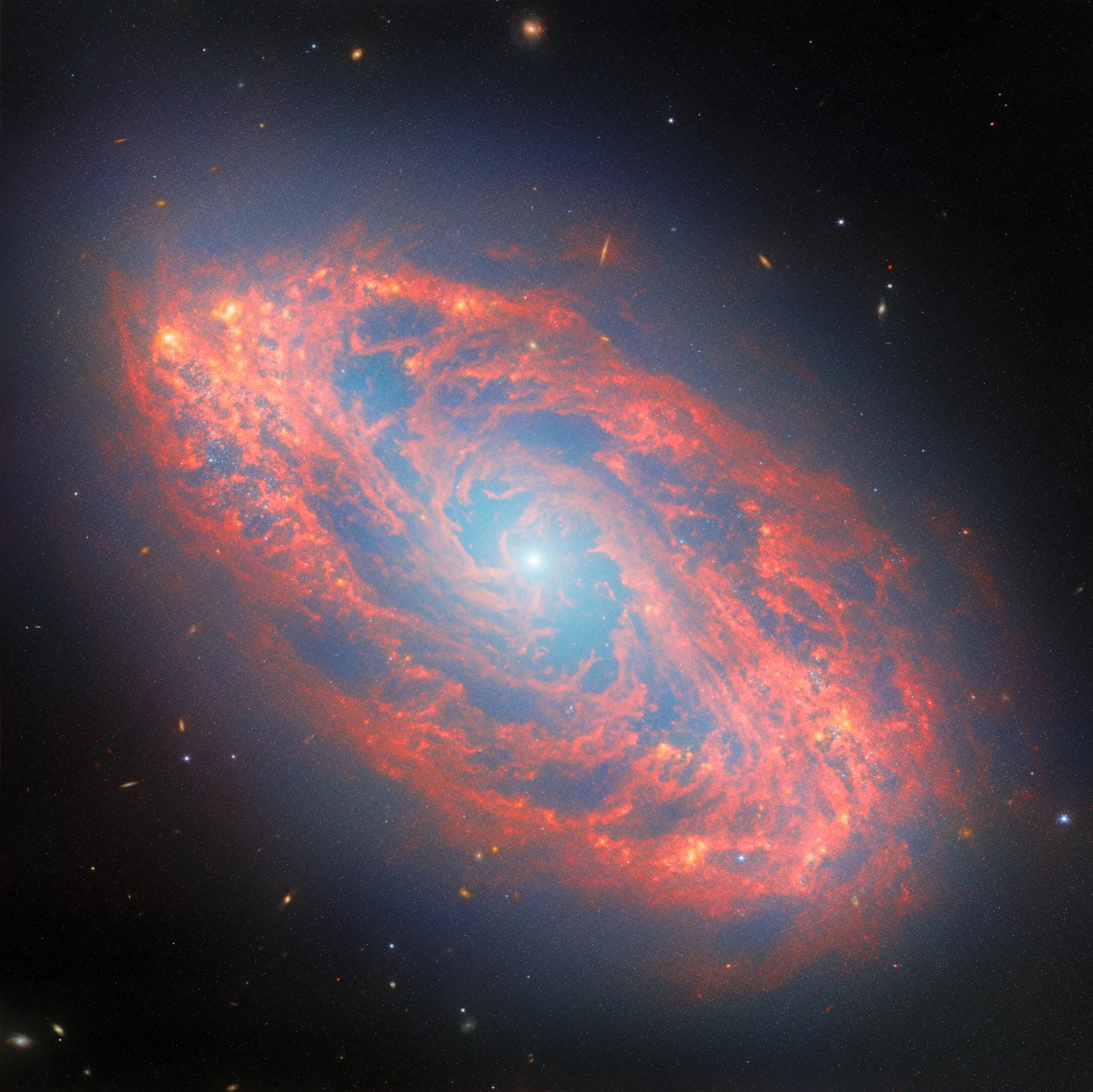
Two powerful instruments of the NASA/ESA/CSA James Webb Space Telescope joined forces to create this scenic galaxy view. This spiral galaxy is named NGC 5134, and it’s located 65 million