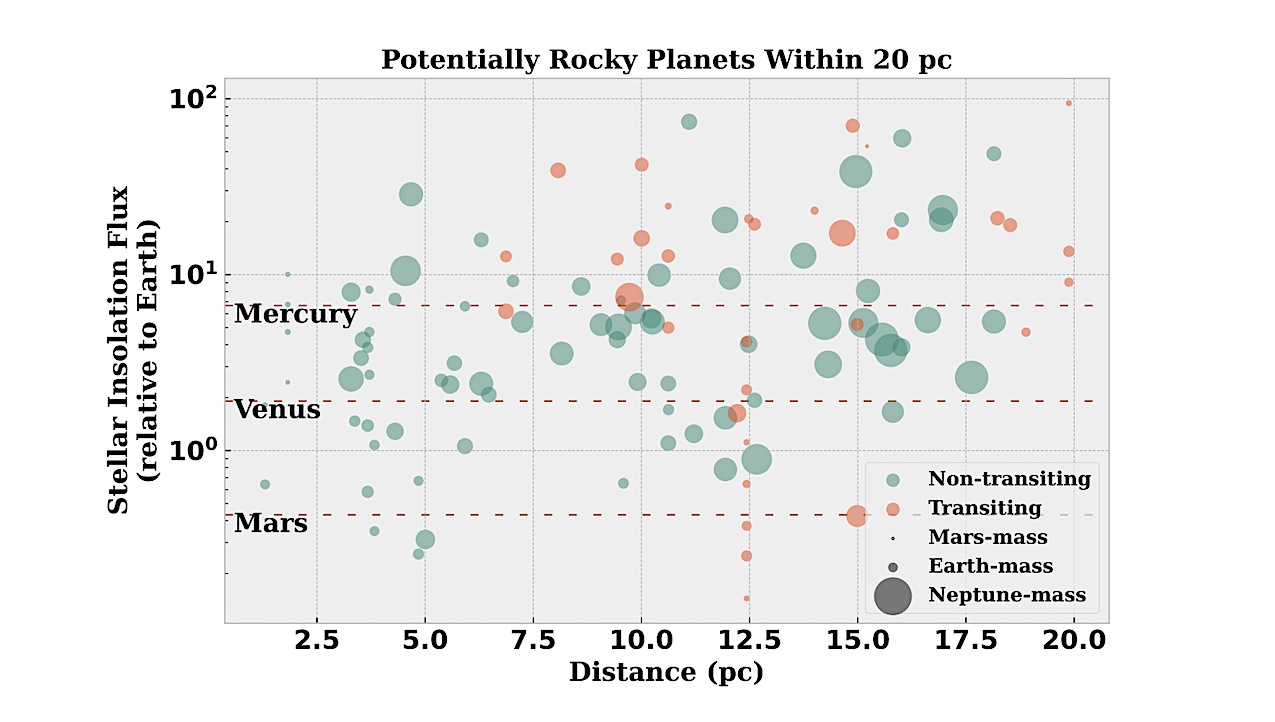
Known potentially-rocky exoplanets within 20 pc. The vast majority of the closest planets are non-transiting and their atmospheres cannot be characterized with currently-available techniques. Data from the NASA Exoplanet Archive,

Known potentially-rocky exoplanets within 20 pc. The vast majority of the closest planets are non-transiting and their atmospheres cannot be characterized with currently-available techniques. Data from the NASA Exoplanet Archive,
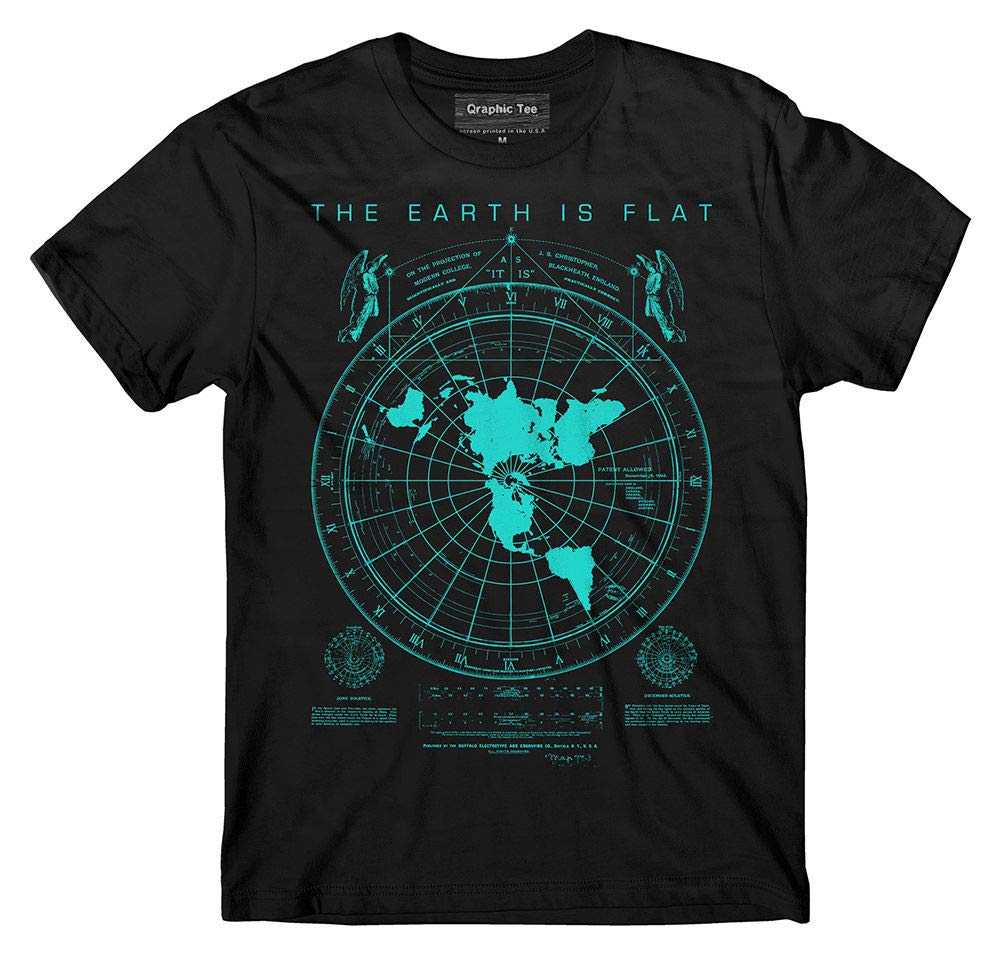
Unveiling the Truth: Flat Earth Map T-Shirt As more people seek where we are constantly bombarded with information from countless sources, it is imperative to question what we’ve been taught
Astronomers want to collect as much data as possible using as many systems as possible. Sometimes that requires coordination between instruments. The teams that run the James Webb Space Telescope

MOUNTAIN VIEW, Calif. — Launch companies are divided on how to compete with SpaceX in a market where demand outstrips supply, yet customers remain price sensitive. During a panel at
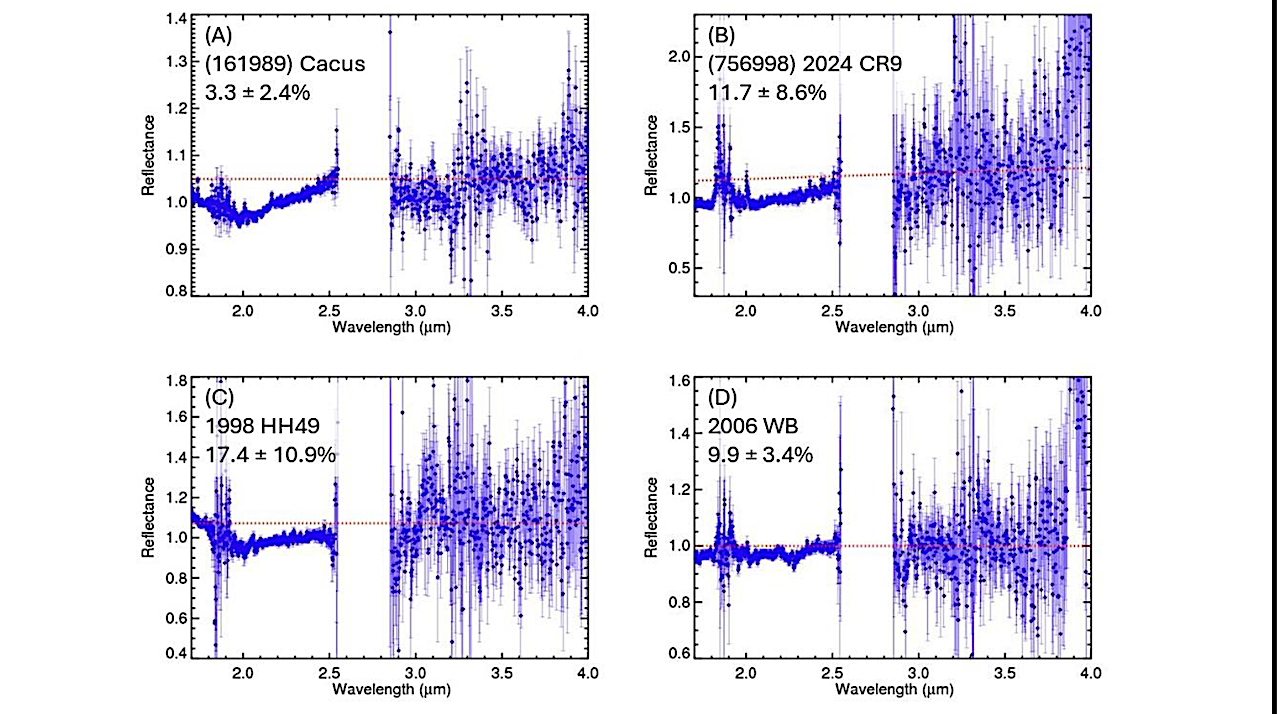
Spectra of NEOs with (potential) 3-µm absorption features. (A) Spectrum of (161989) Cacus as observed on 3&4 September 2022. (B) (756998) 2024 CR9 as observed on 9 June 2024. (C)
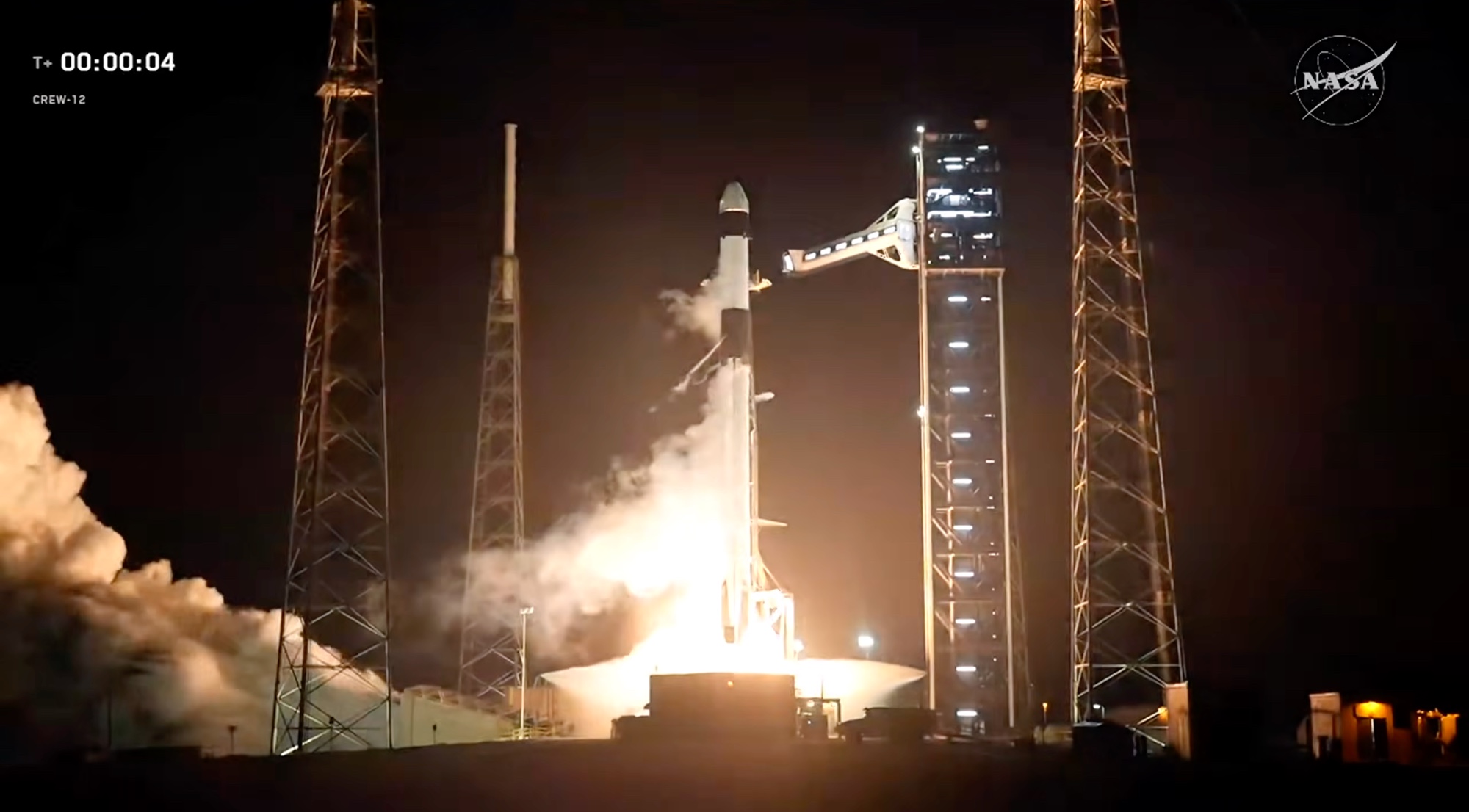
SAN FRANCISCO — A Falcon 9 launched a new crew to the International Space Station Feb. 13 to start a busy schedule of arriving and departing vehicles at the station.
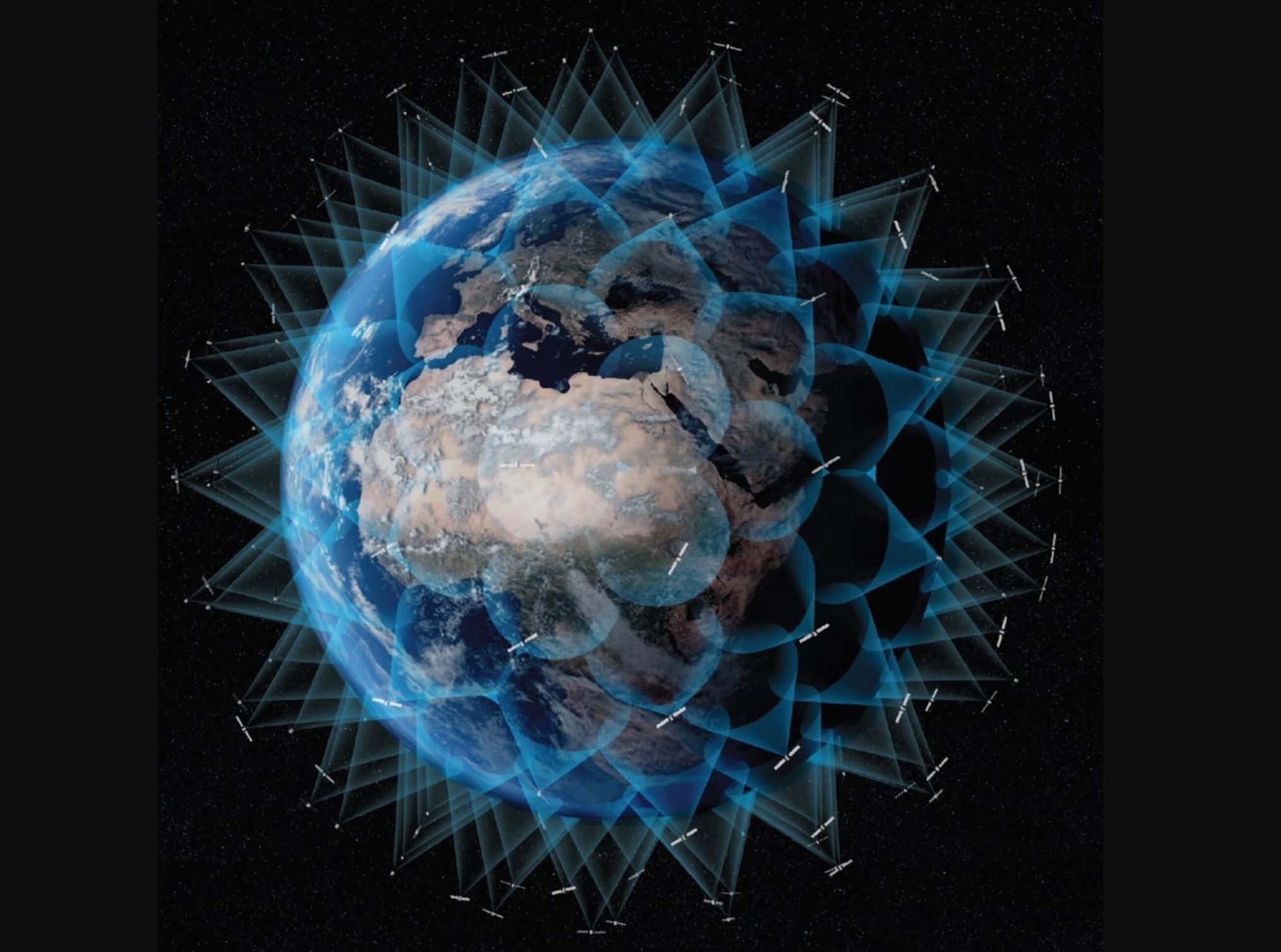
SAN FRANCISCO — The Senate Commerce Committee approved a bill intended to streamline satellite licensing after revising provisions related to automatic approval of applications. The committee favorably reported the amended
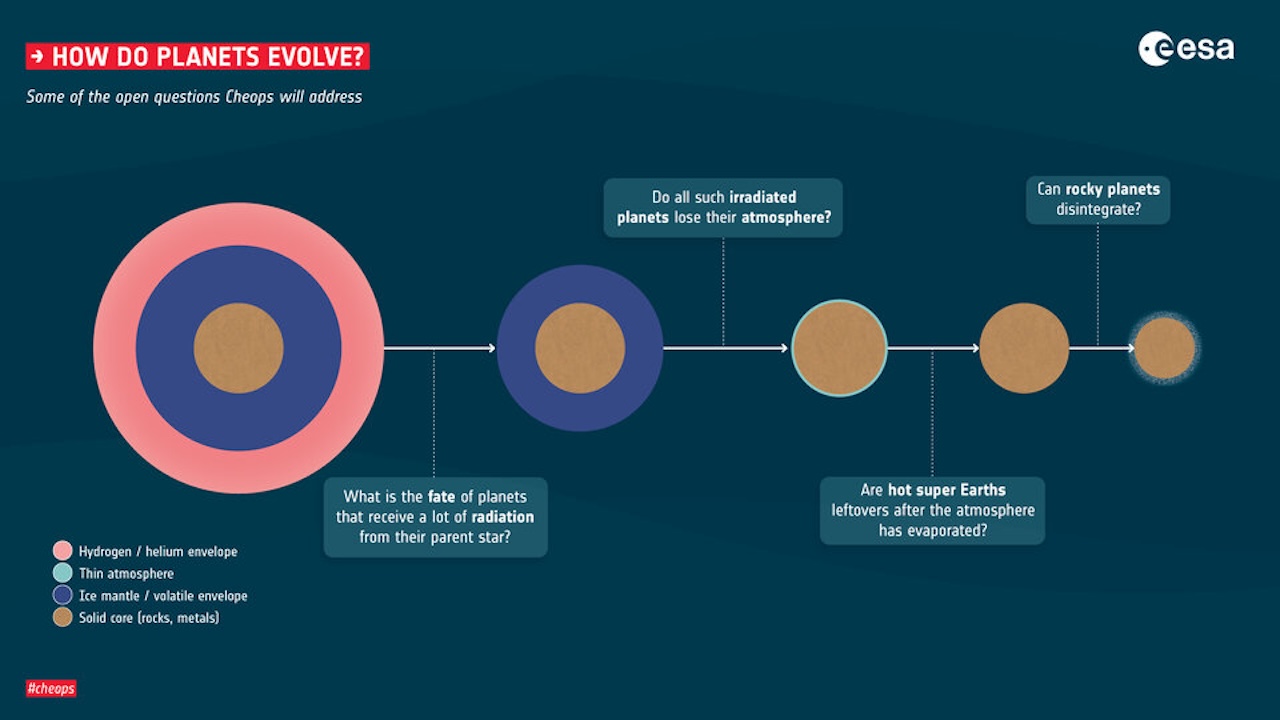
Cheops open questions: How do planets form? Many Vile Earthlings Munch Jam Sandwiches Under Newspapers and My Very Educated Mother Just Served Us Nachos. What sounds like gibberish half-sentences are
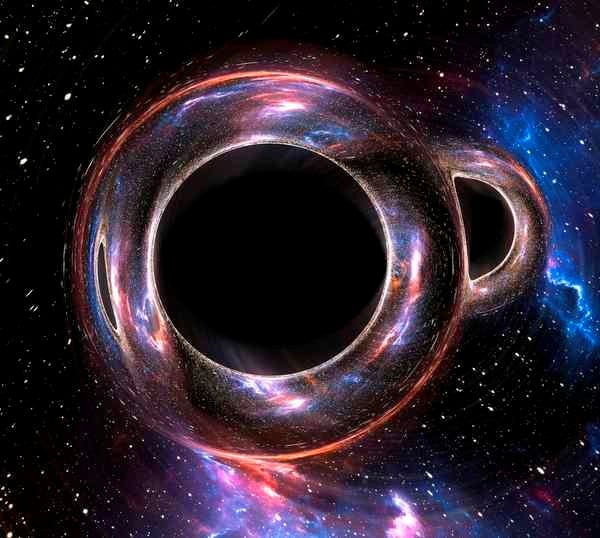
On 14 January, 2025, two colliding black holes sent the clearest gravitational wave signal ever recorded rippling across the universe to Earth’s detectors. This remarkably crisp signal, designated GW250114, has
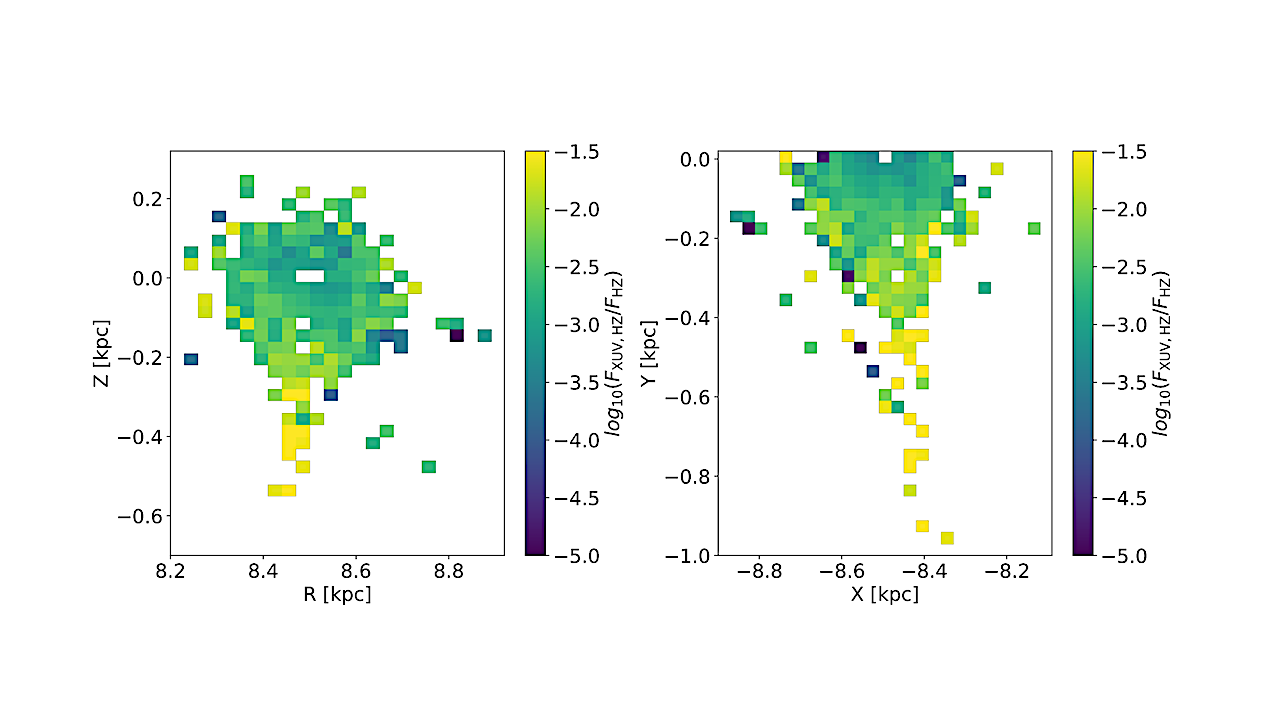
Left panel: Map of the normalized XUV flux in the habitable zone, FXUV,HZ/FHZ, in the Galactic R-Z plane. Right panel: Map of the normalized XUV flux in the habitable zone,