
SIGN THE PETITION: https://www.change.org/p/save-nasa-s-genelab Summary We are urging NASA’s Biological and Physical Sciences (BPS) Directorate to reverse the 2025 reductions to the NASA Open Science Data Repository (OSDR) and GeneLab,

Hot Posts1127- Page
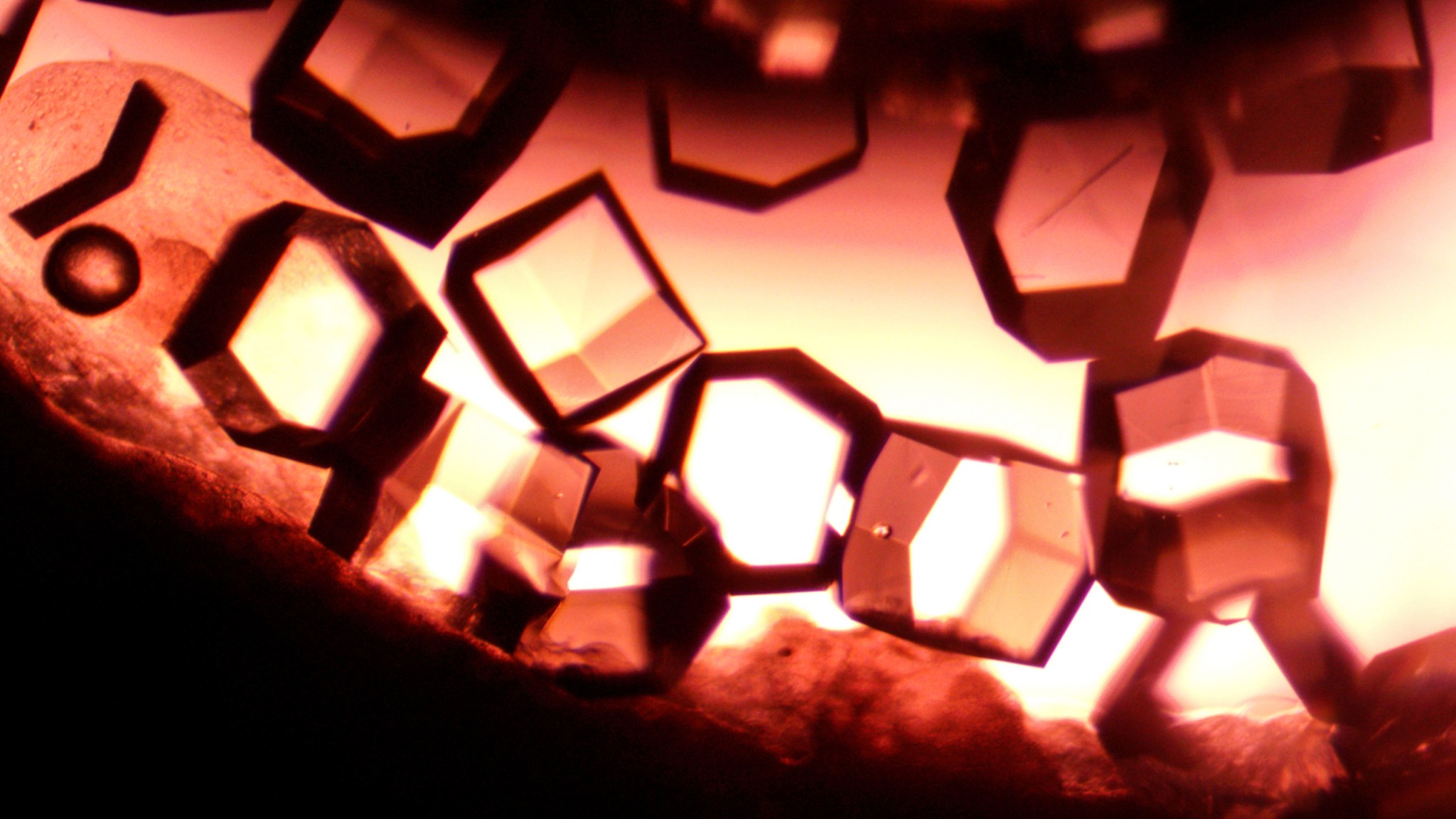
Redwire This June 5, 2024, image shows lysozyme crystals aboard the International Space Station. Lysozyme is a protein found in bodily fluids like tears, saliva, and milk, and is used as

WASHINGTON — Sierra Space announced that longtime defense executive Dan Jablonsky has been appointed chief executive officer, effective March 2. Company founder Fatih Ozmen, who has been serving as interim
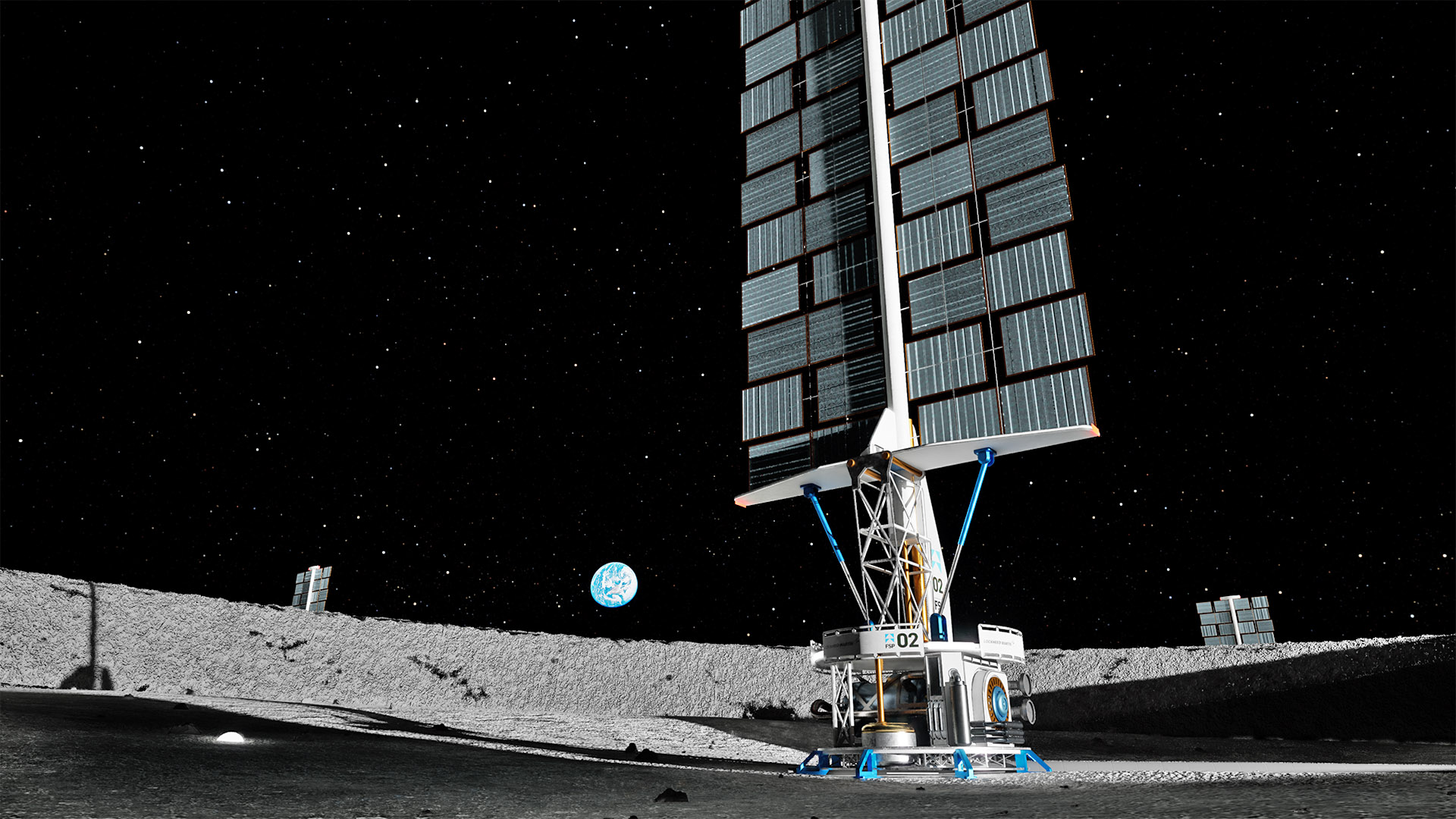
No technology holds more transformative potential for America’s space aspirations than nuclear power. Radioisotopes can safely produce heat that will enable deep space exploration and survival of the frigid lunar
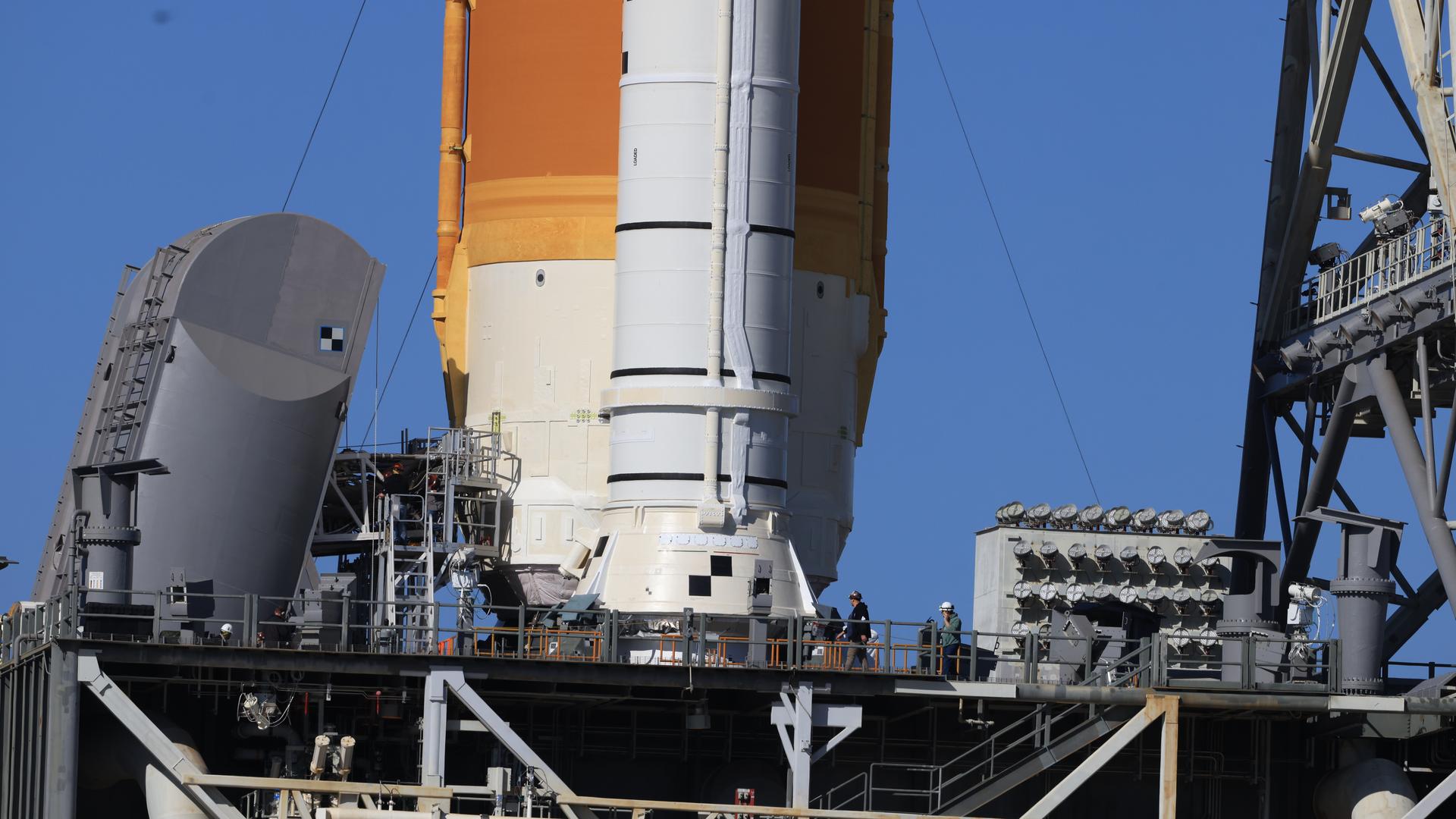
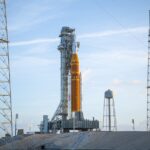
WASHINGTON — NASA completed a second wet dress rehearsal for the Artemis 2 mission on Feb. 19 without any of the hydrogen leaks seen in the first such test earlier
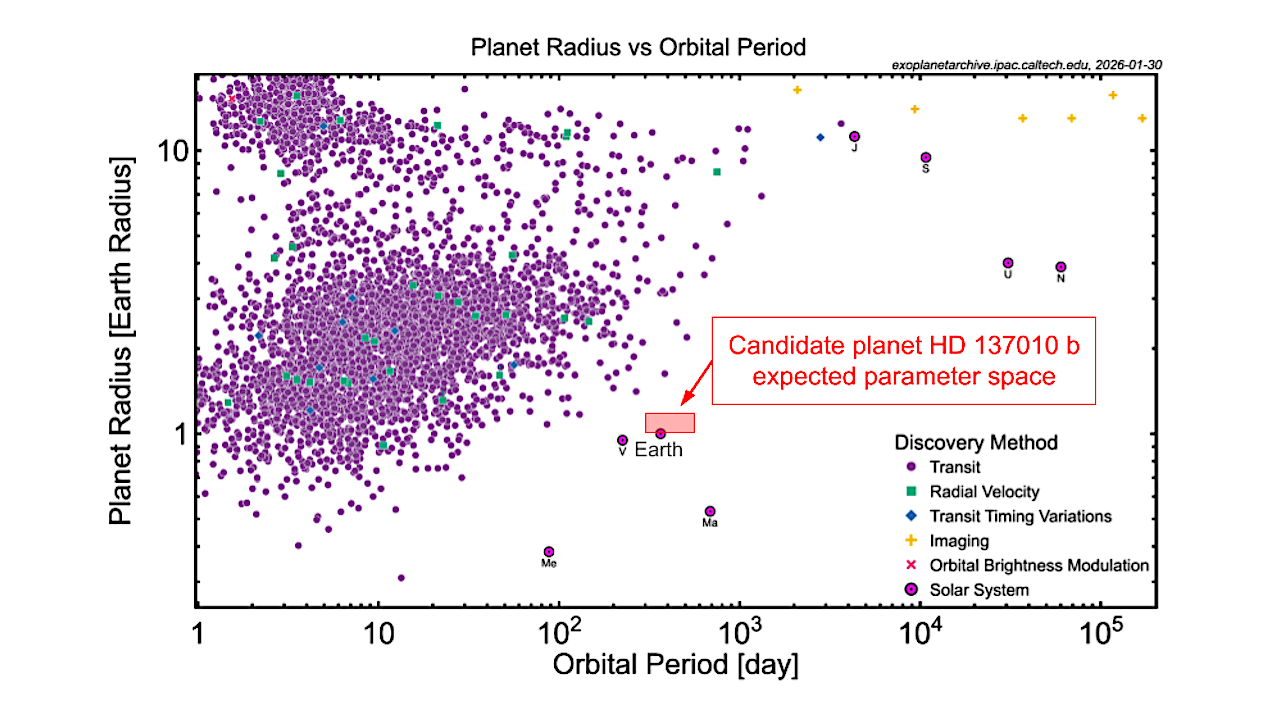
This data plot shows how HD 137010 b may occupy a region of orbital period and radius space similar to Earth’s. — NASA Exoplanet Archive We’ve added a planet candidate
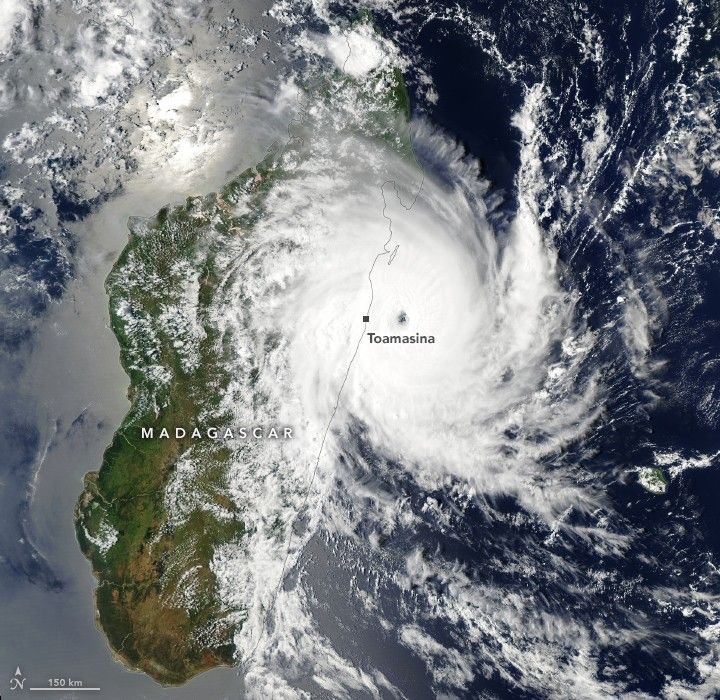
Earth Observatory Science Earth Observatory A Second Cyclone Slams Madagascar Earth Earth Observatory Image of the Day EO Explorer Topics All Topics Atmosphere Land Heat & Radiation Life on Earth
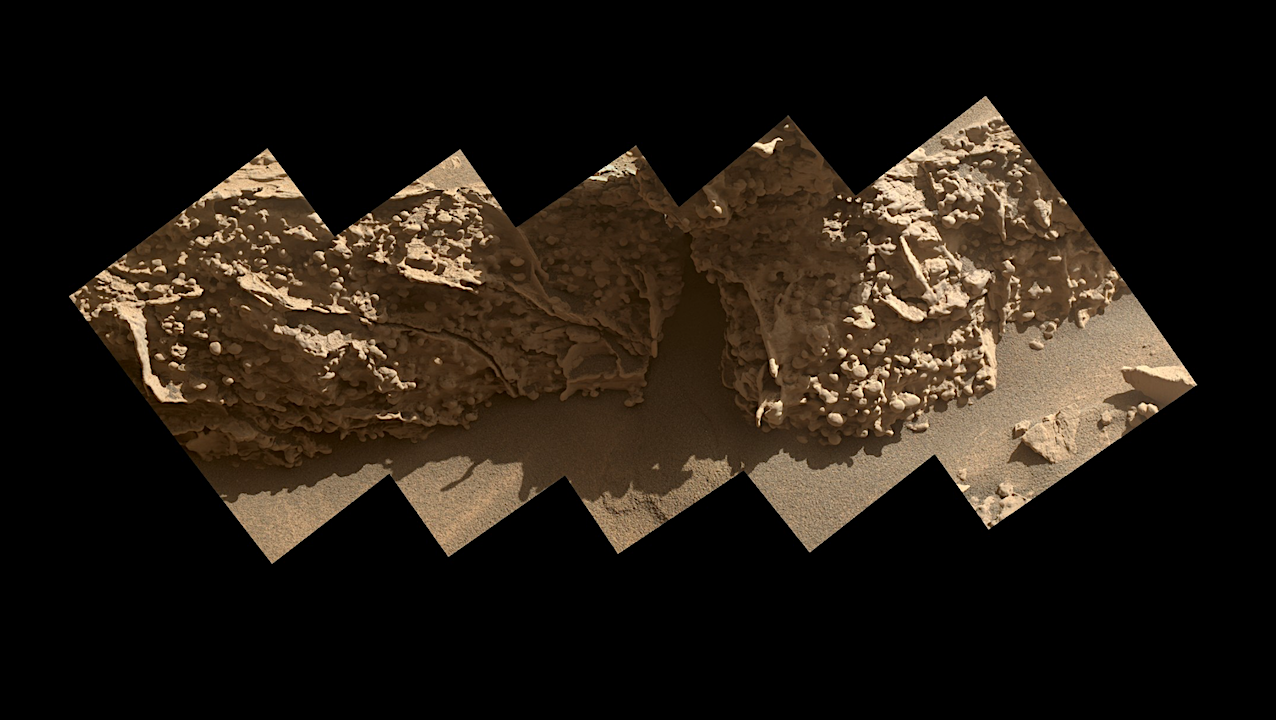
These bumpy nodules were formed by minerals left behind as groundwater was drying out on Mars billions of years ago. NASA’s Curiosity rover captured images of these pea-size features while
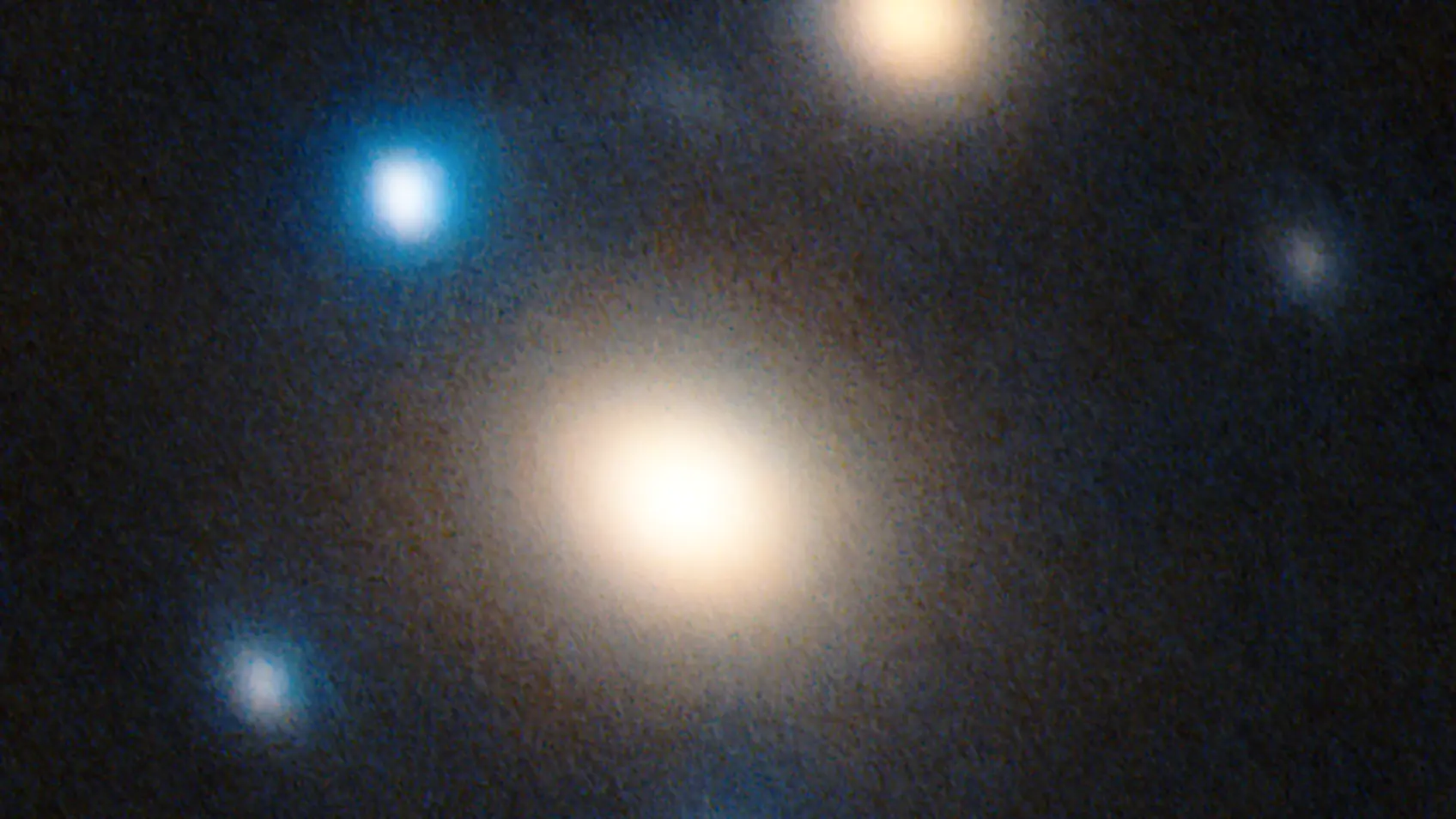
Researchers in Munich have used the Large Binocular Telescope in Arizona to capture five images of one and the same supernova in a single picture. The gravity of two foreground

Recent research has revealed that river deltas across the globe are sinking at alarming rates, creating a significant challenge as sea levels rise. These low-lying regions, which host around 5%

Advertisement
Popular Now
-
 01Two Black Holes Observed Circling Each Other for the First Time
 -
 02From Polymerization-Enabled Folding and Assembly to Chemical Evolution: Key Processes for Emergence of Functional Polymers in the Origin of Life
 -
 03Astronomy 101: From the Sun and Moon to Wormholes and Warp Drive, Key Theories, Discoveries, and Facts about the Universe (The Adams 101 Series)
 -
 04True Anomaly hires former York Space executive as chief operating officer
 -
 05Φsat-2 begins science phase for AI Earth images
 -
 06Hurricane forecasters are losing 3 key satellites ahead of peak storm season − a meteorologist explains why it matters
 -
 07Binary star systems are complex astronomical objects − a new AI approach could pin down their properties quickly
Scroll to Top