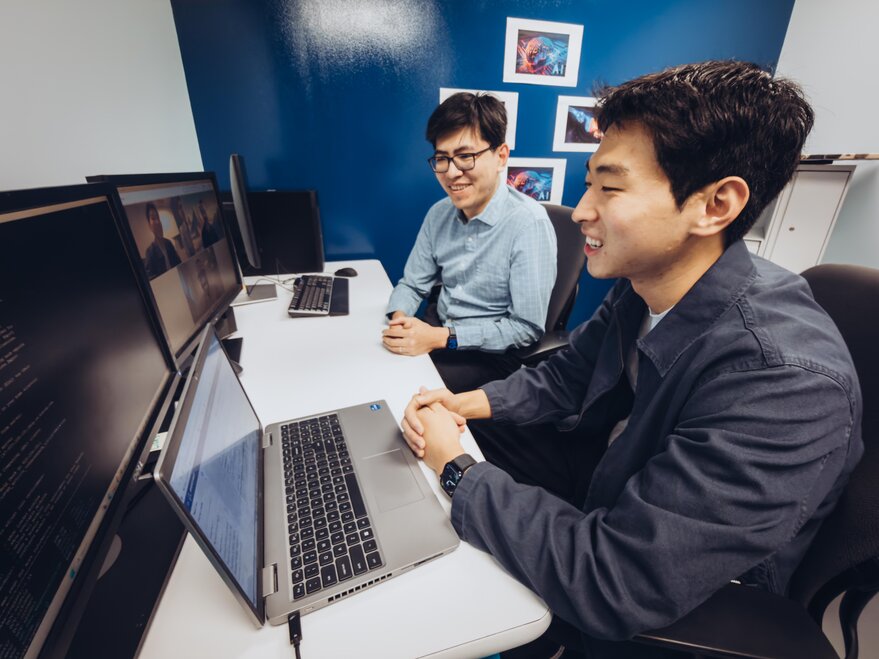
SAN FRANCISCO – Before uploading a large language model to space-grade hardware, Boeing Space Mission Systems engineers sought guidance from the hardware manufacturer. “They told us it wasn’t possible, but

SAN FRANCISCO – Before uploading a large language model to space-grade hardware, Boeing Space Mission Systems engineers sought guidance from the hardware manufacturer. “They told us it wasn’t possible, but
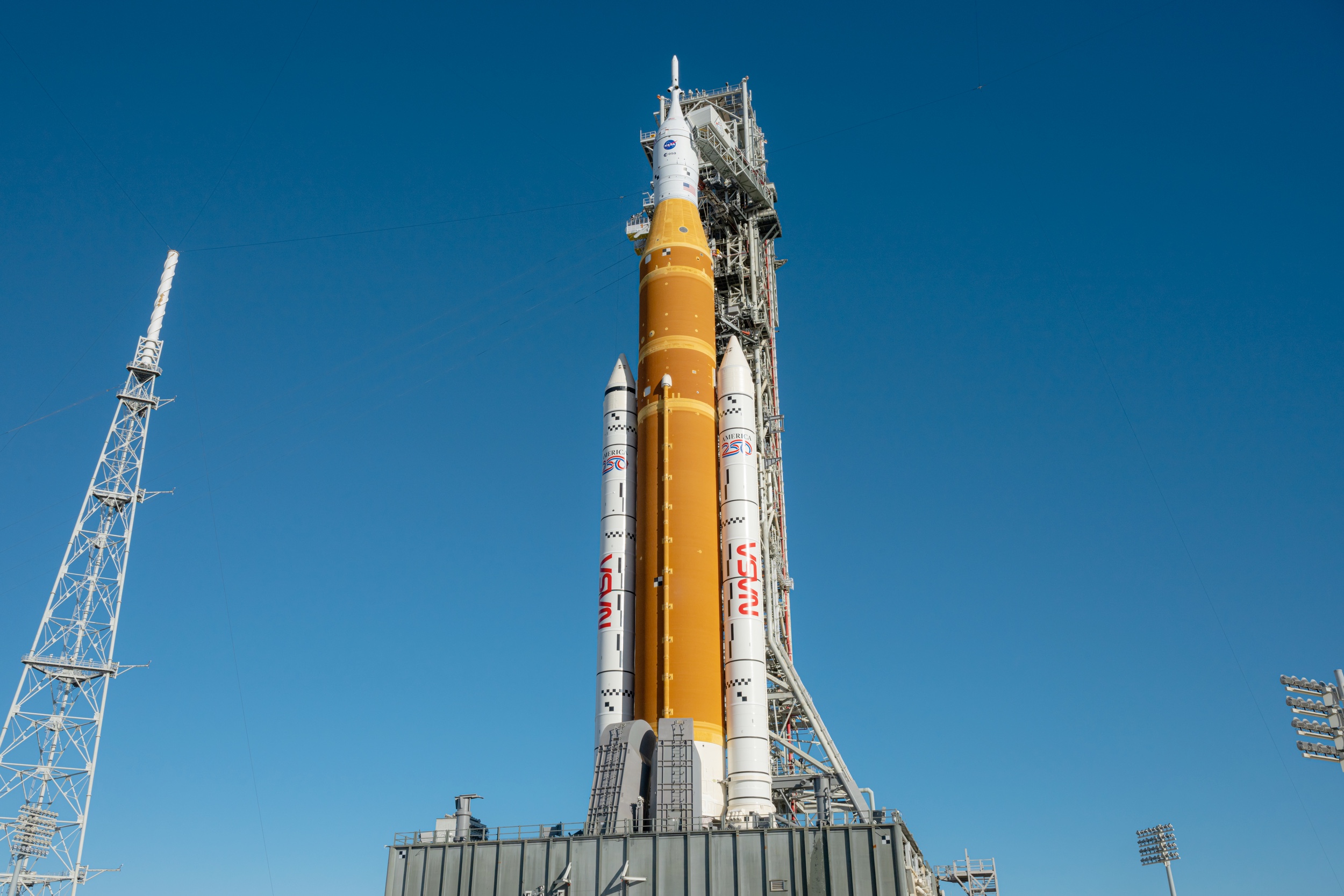
WASHINGTON — NASA announced major changes to its Artemis lunar architecture, adding a test flight of lunar landers in low Earth orbit while canceling planned upgrades to the Space Launch
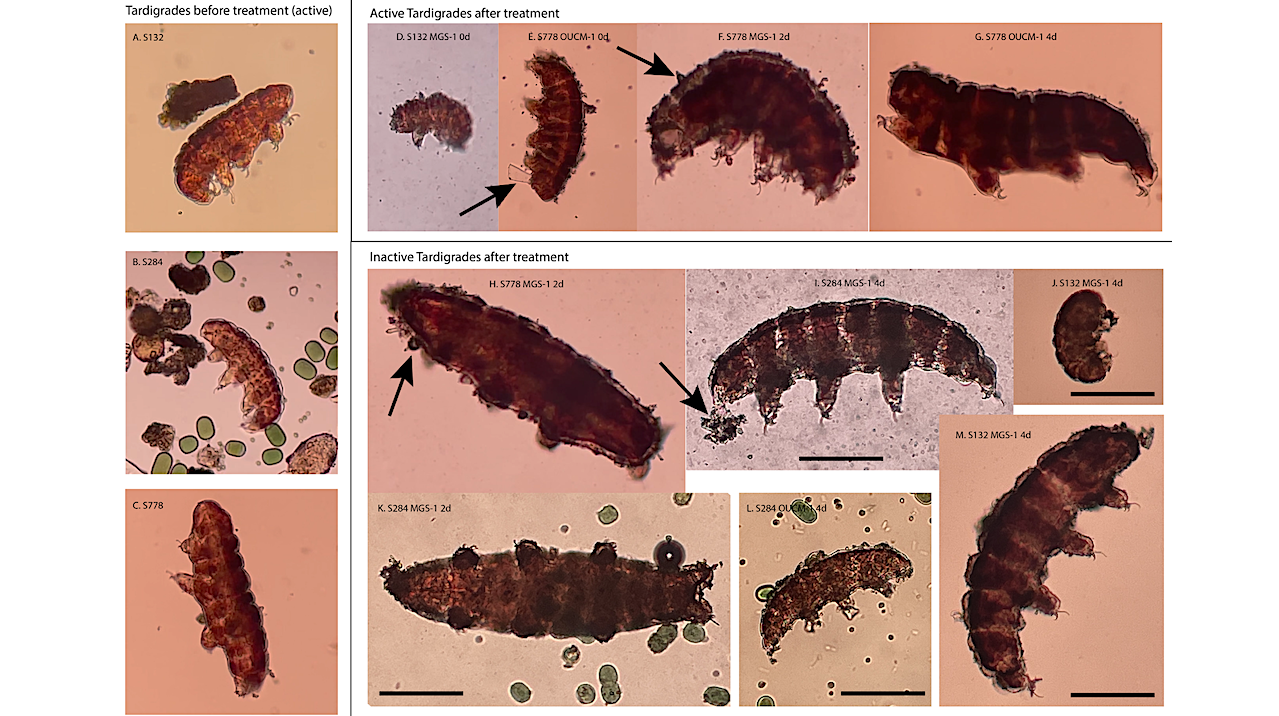
Images of tardigrades with mineral coatings. Each image is annotated with the sample, simulant and time of exposure in days. Before treatment: Panels A–C show example active animals from inoculums
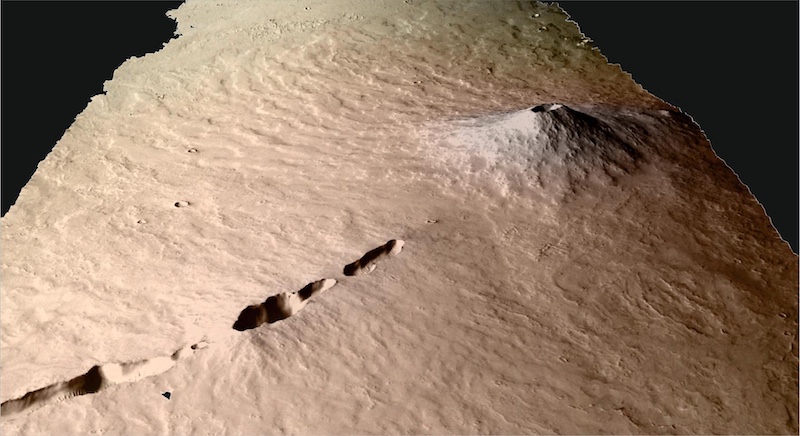
View larger. | Visualization of the volcano Pavonis Mons and the fissure next to it. A new study shows the most recent volcanoes on Mars were more active and complex
The spectacle will be visible Tuesday morning from North America, Central America and the western part of South America.
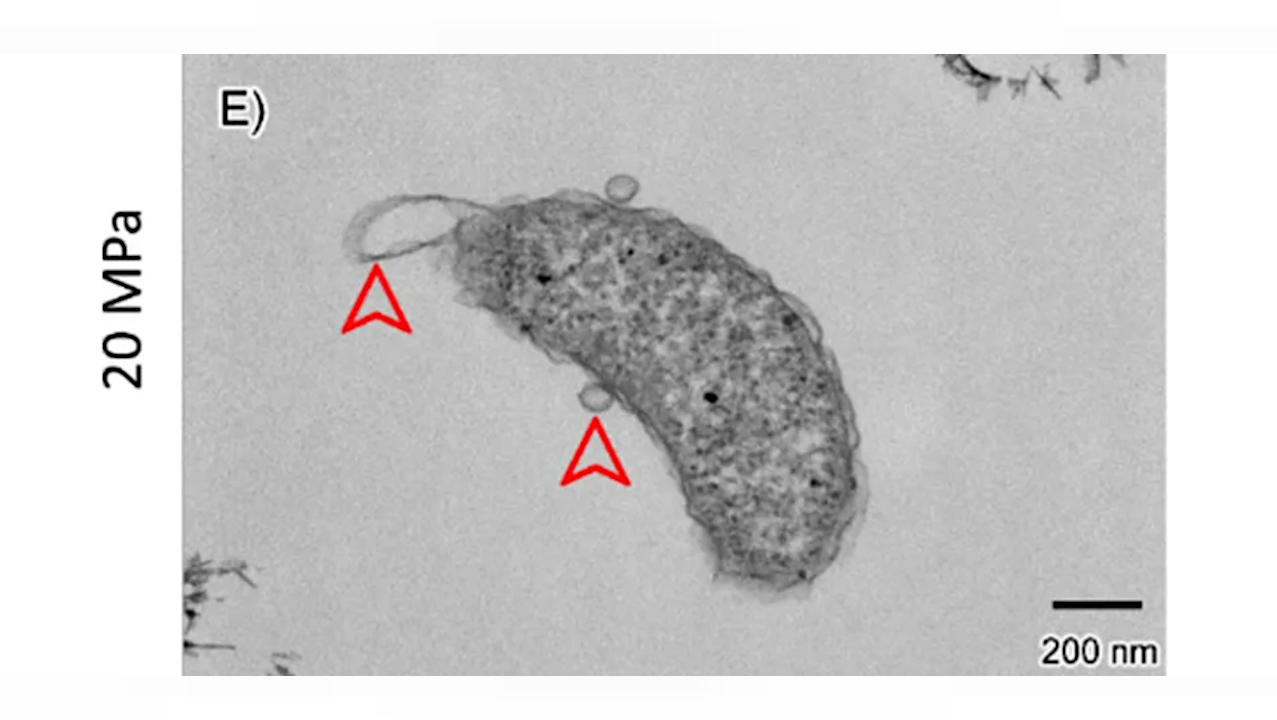
Transmission electron microscope image at low and high magnifications of a cell grown under 20 MP — Frontiers Under its thick ice layer, Europa contains a shielded liquid water ocean where
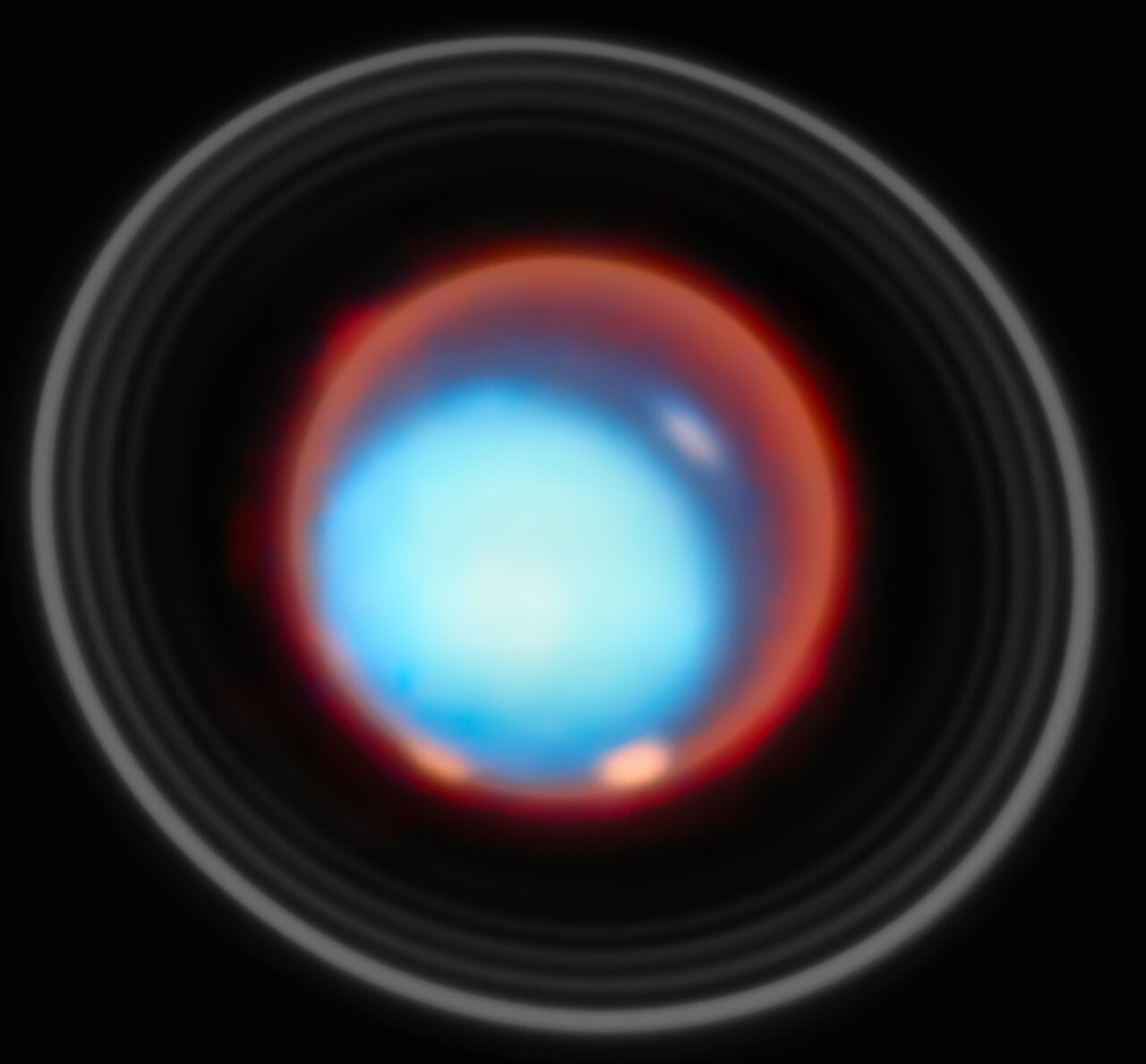
Uranus is a planet that seems to roll around on its side as it orbits the Sun. That’s because it’s tipped over, with an axial tilt of 97.8 degrees. That
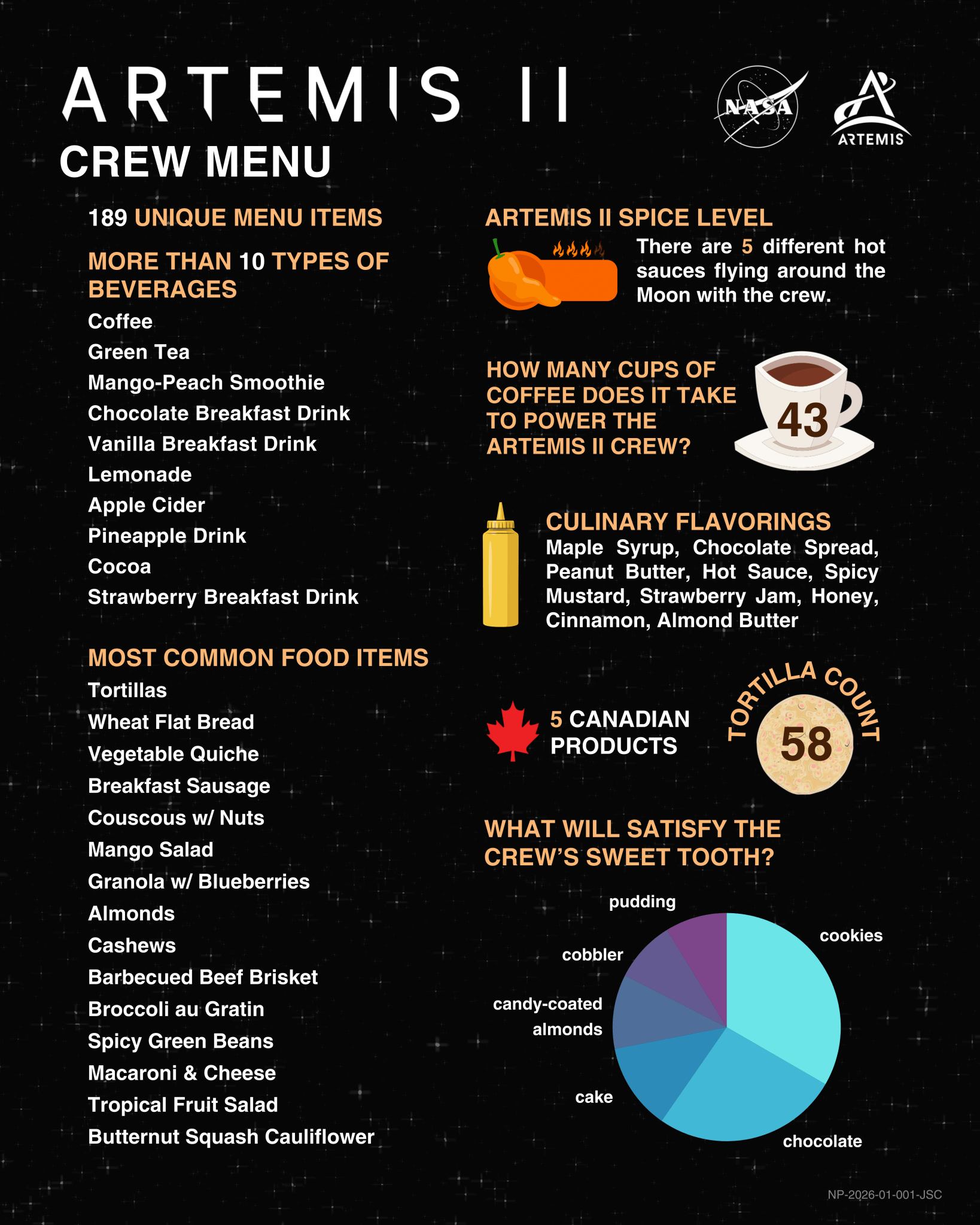
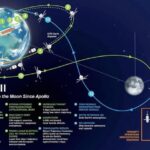
NASA The food flying aboard Artemis II is designed to support crew health and performance during the mission around the Moon. With no resupply, refrigeration, or late-load capability, all meals
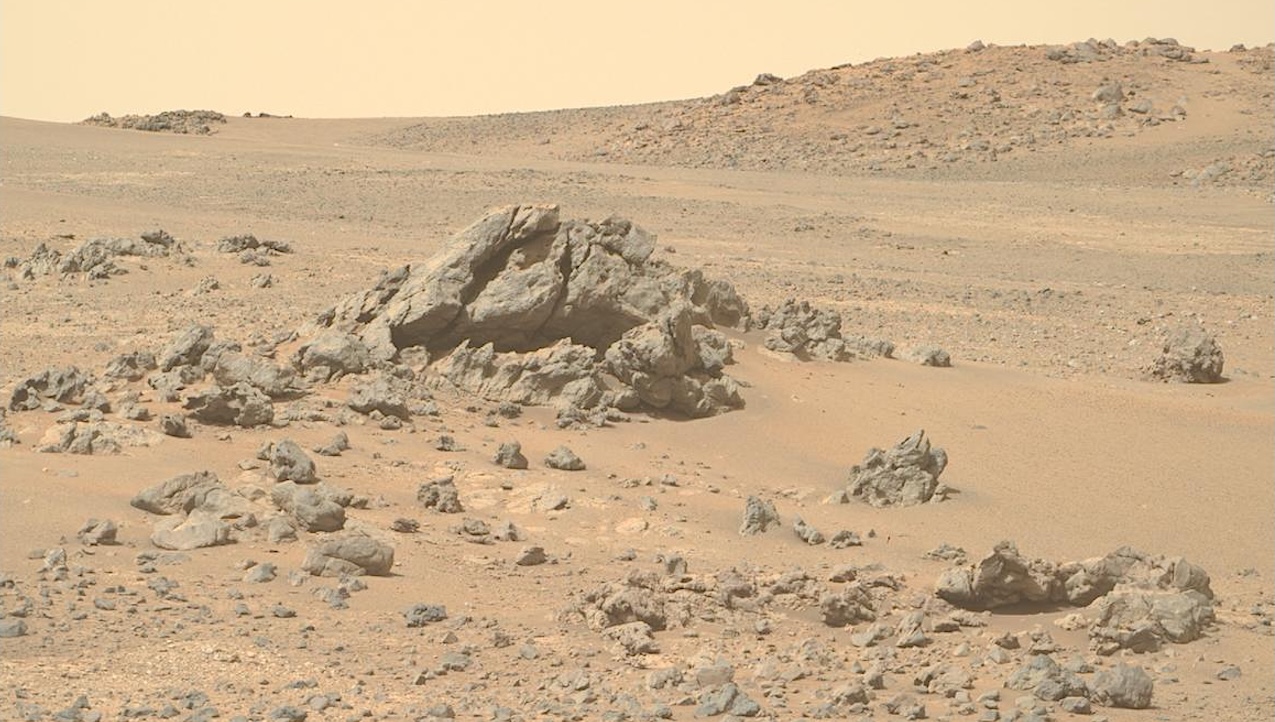
Keith Cowing Explorers Club Fellow, ex-NASA Space Station Payload manager/space biologist, Away Teams, Journalist, Lapsed climber, Synaesthete, Na’Vi-Jedi-Freman-Buddhist-mix, ASL, Devon Island and Everest Base Camp veteran, (he/him) 🖖🏻 Follow on
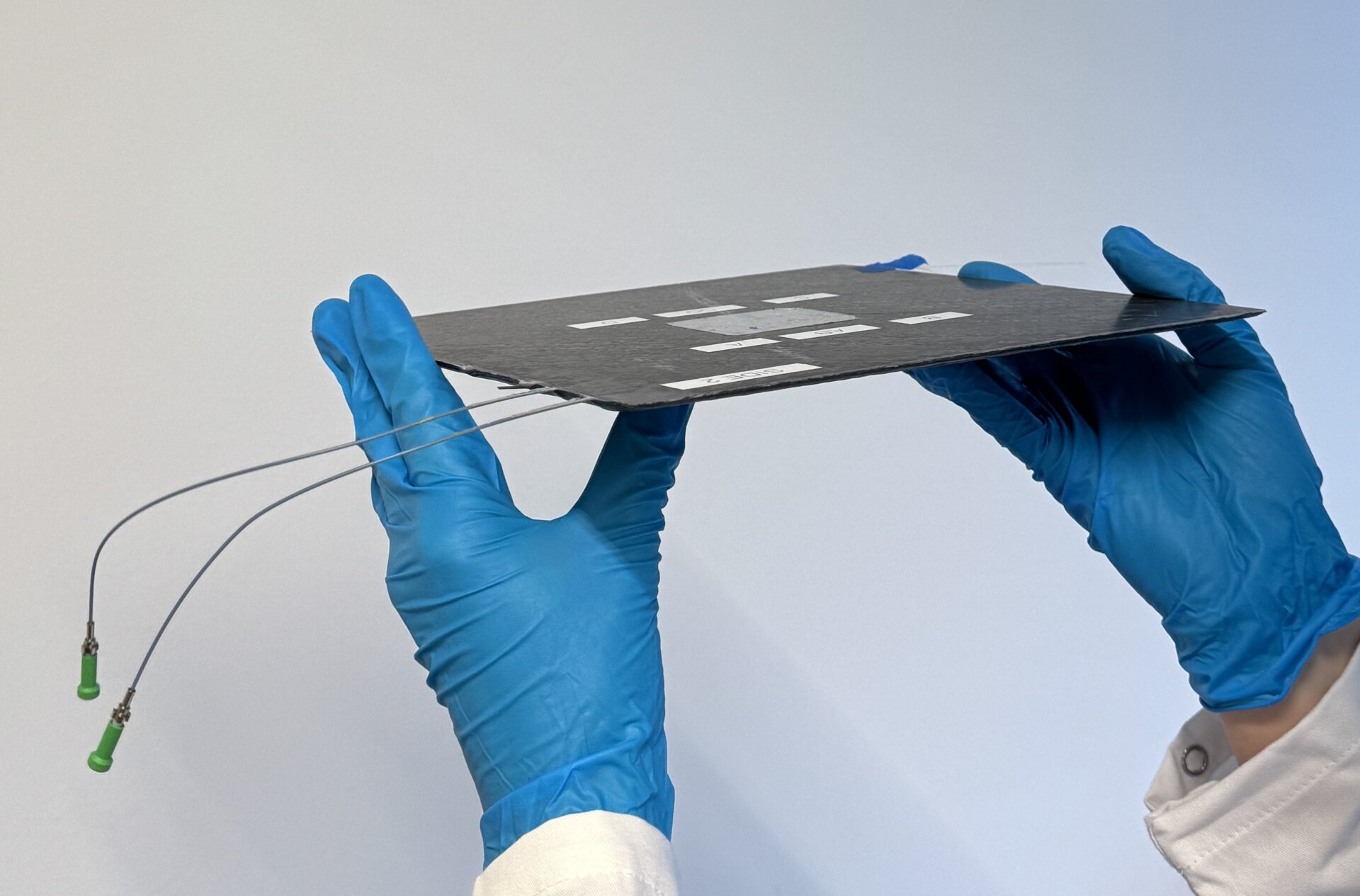
Enabling & Support 03/03/2026 384 views 11 likes In brief A new self-monitoring and self-healing carbon-fibre composite material has been developed by CompPair in collaboration with Com&Sens and CSEM as