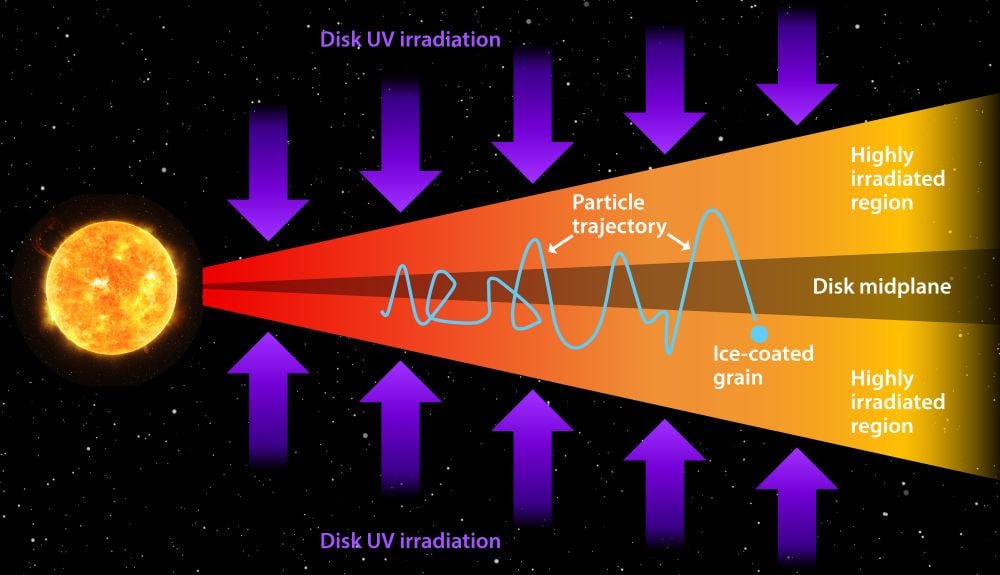
Complex Organic Molecules (COMs) are important building blocks for life. They can form in space and be delivered to planets. But new research shows some of them can form in

Complex Organic Molecules (COMs) are important building blocks for life. They can form in space and be delivered to planets. But new research shows some of them can form in
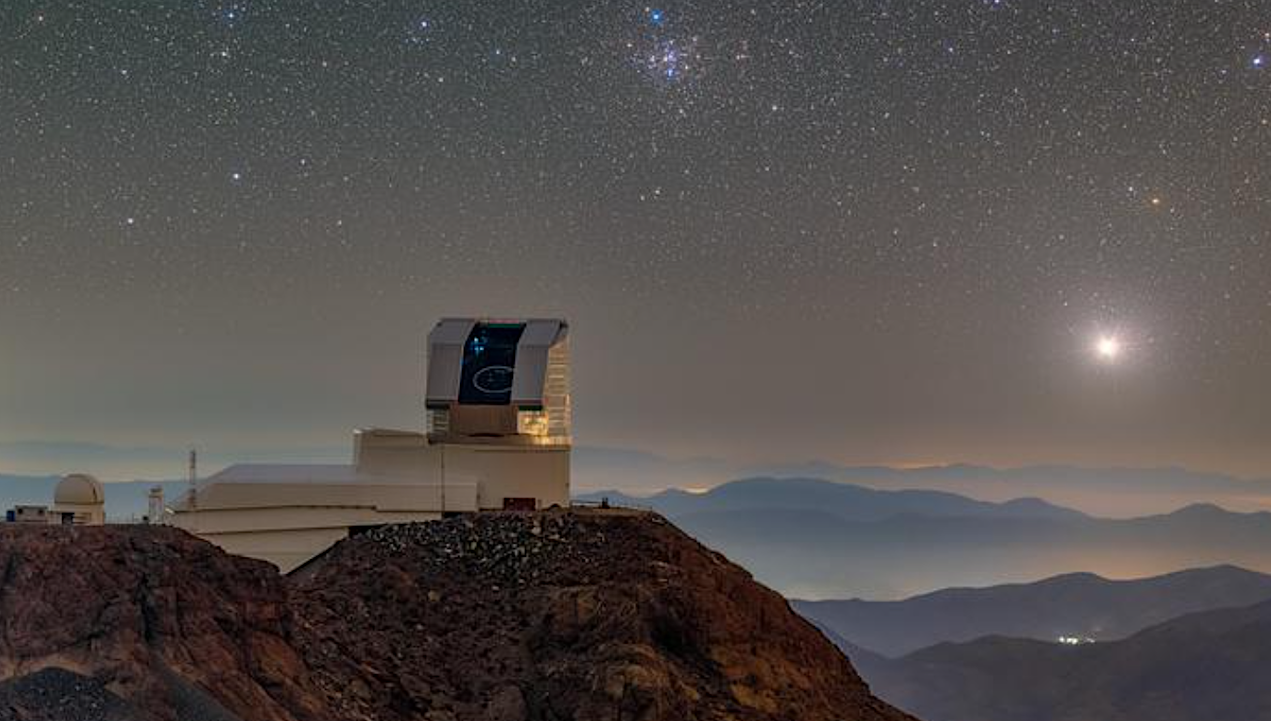
The Vera C. Rubin Observatory sits on its mountain peak in Chile during observation activities in April 2025. The observatory will soon begin real-time nightly monitoring of the entire Southern
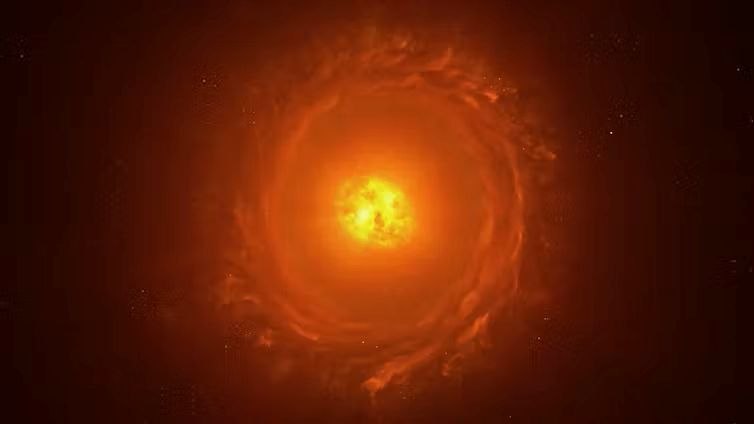
This is an artist’s impression of the dying star WOH G64. It’s more than 160,000 light-years away, in the Large Magellanic Cloud. It’s one of the biggest stars in the
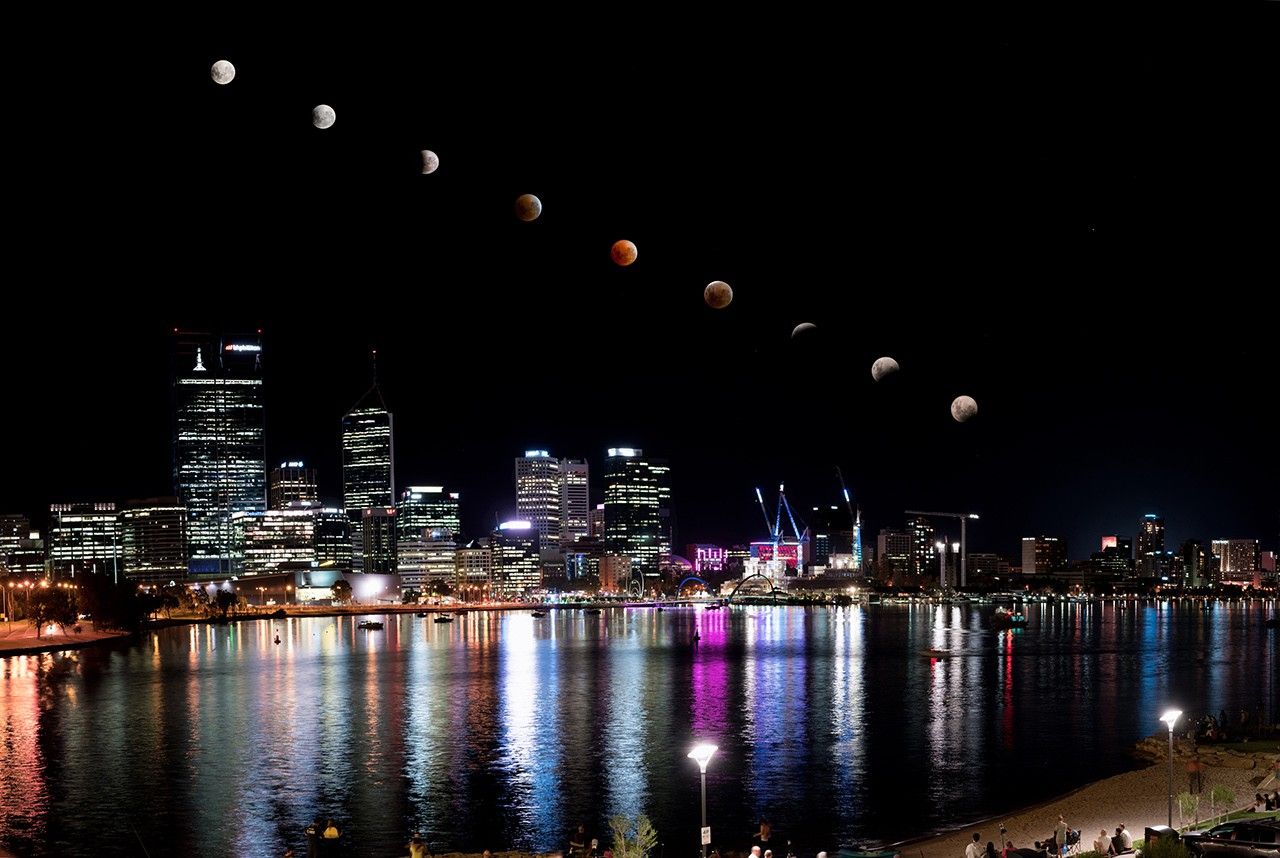
Skywatching Skywatching Home What’s Up Meteor Showers Eclipses Daily Moon Guide More Tips & Guides Skywatching FAQ Night Sky Network A total lunar eclipse glows red, Venus and Saturn get
Private companies are no longer peripheral participants in U.S. space activities. They provide key services, including launching and deploying satellites, transporting cargo and astronauts to the International Space Station, and
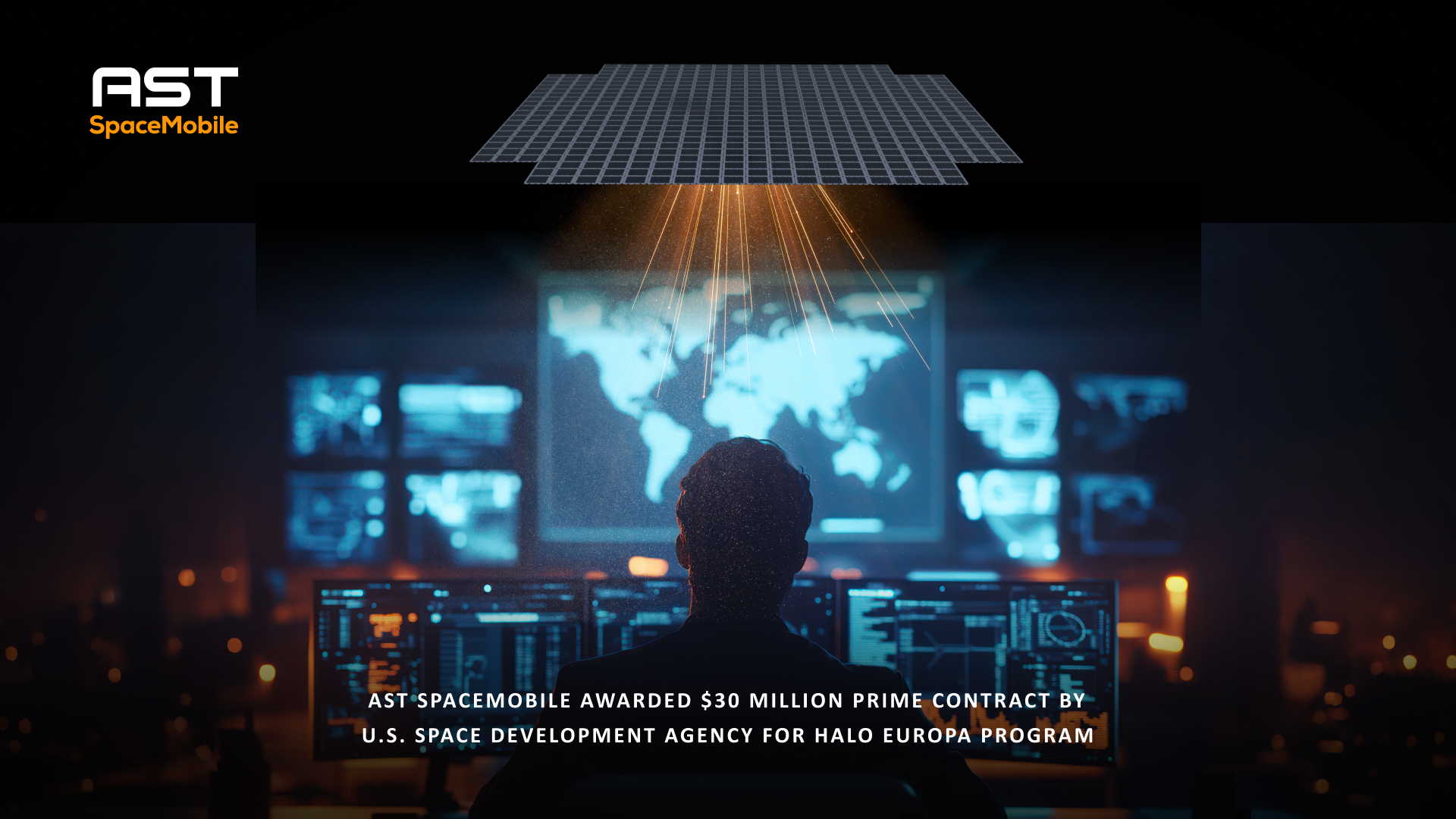
WASHINGTON — The Space Development Agency on Feb. 23 announced a $30 million contract award to AST SpaceMobile to demonstrate its space-based broadband technology for military use. The firm-fixed-price award
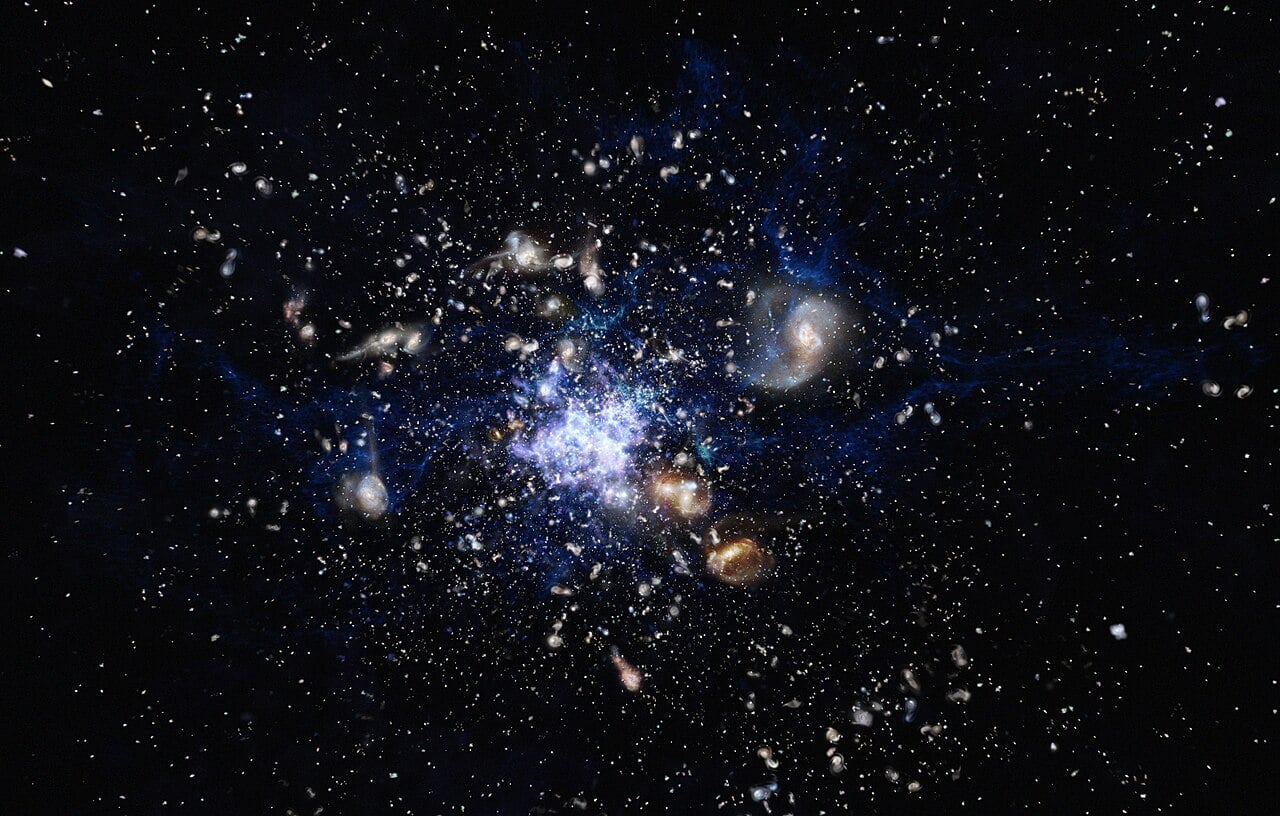
Astronomers have discovered a extraordinary celestial construction site hiding behind a natural magnifying glass in space and what they’ve found is unlike anything seen before. A cluster of at least
NASA said Friday it’s adding an extra moon mission by Artemis astronauts before attempting a high-risk lunar landing with a crew.
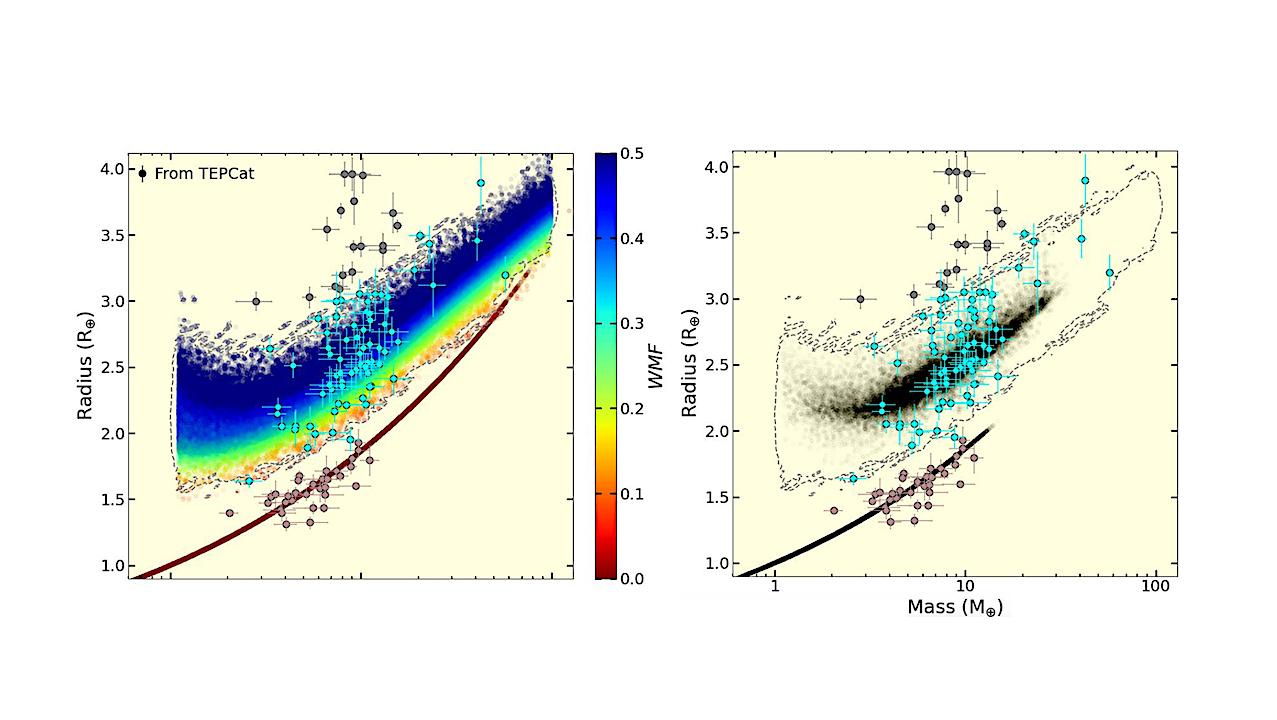
Mass–radius distribution of planets from Model I compared with the observed planets around G-type host stars from the TEPCat catalog Southworth (2011). Top: Weighted mass–radius distribution of simulated rocky planets
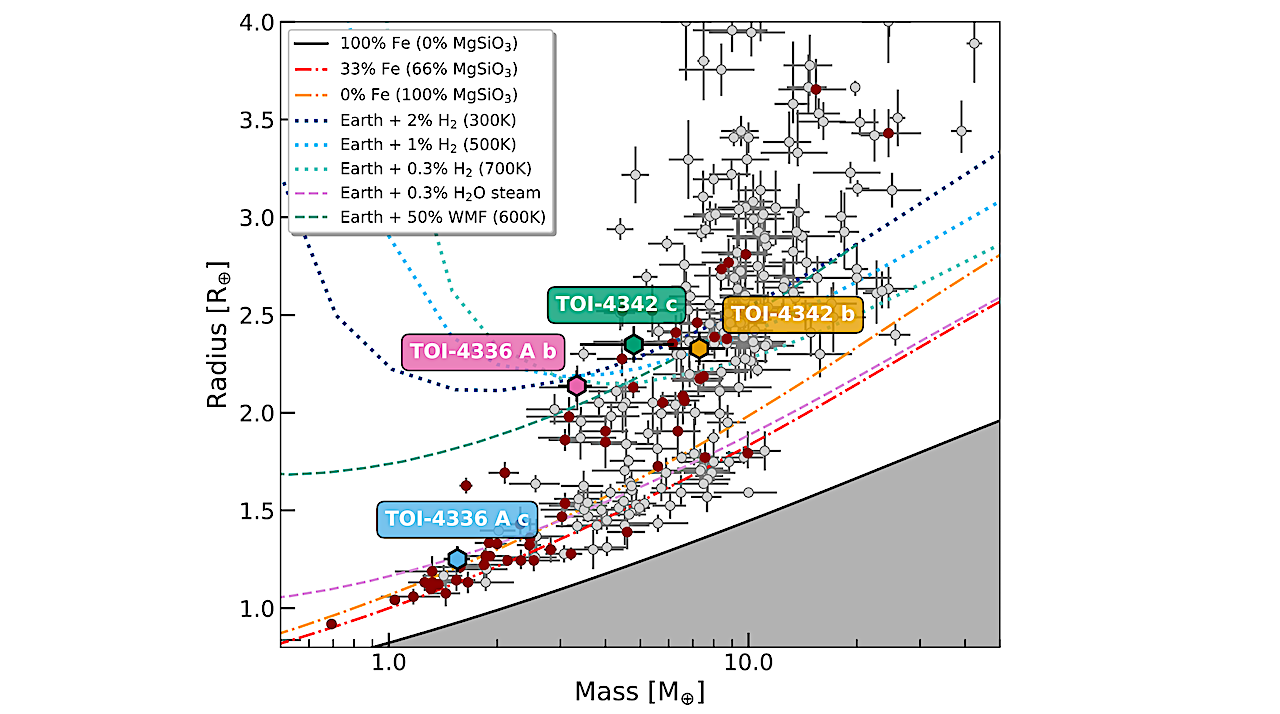
Mass-radius diagram of small exoplanets (with radii ranging from 1–4 R⊕) with precise densities from the PlanetS catalog. The red (gray) dots correspond to exoplanets orbiting M dwarfs (FGK dwarfs).