
“Sunlight” beams off a partly cloudy Atlantic Ocean just after sunrise as the International Space Station orbited 263 miles above on March 5, 2025. This is an example of sunglint,

Hot Posts1155- Page
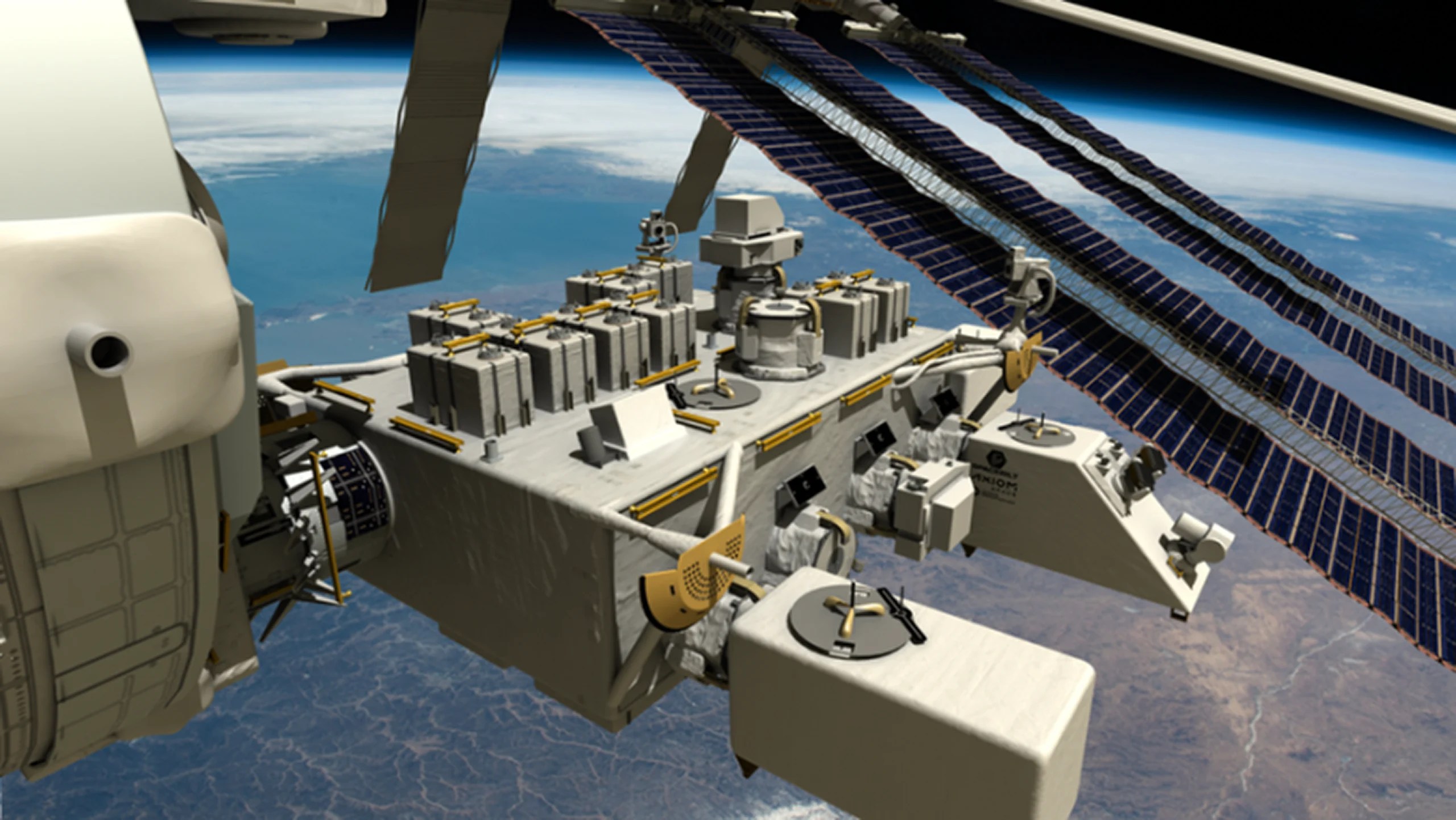
Orbital and lunar data centers are often framed as engineering challenges or launch economics problems. Those matter, but they are not the limiting factor. The real bottleneck is the absence
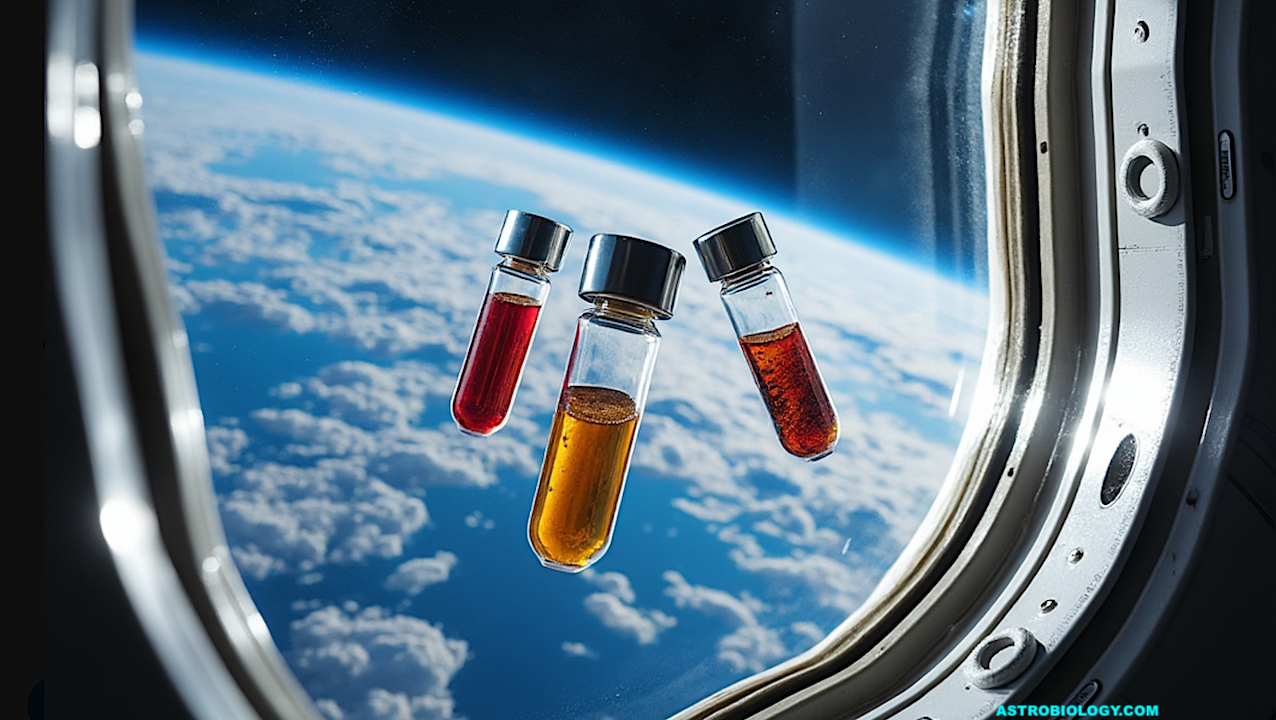
The abstract in PubMed or at the publisher’s site is linked when available and will open in a new window. Ebert D, Walton M, Byrne VE, Nelson AM, Sargsyan A.Autonomous
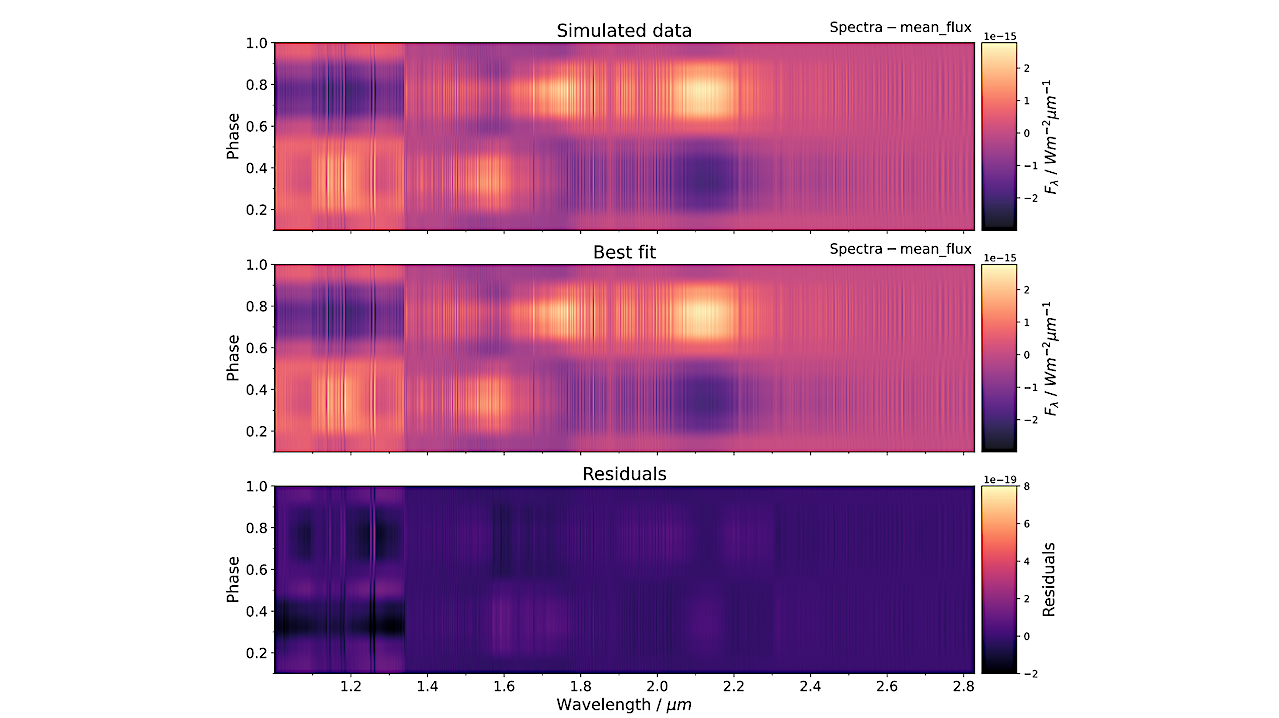
Top: Simulated time-series spectroscopy observation of a SIMP 0136-like brown dwarf for our Scenario 1. The difference between the each spectrum and time-averaged mean flux is shown at each phase
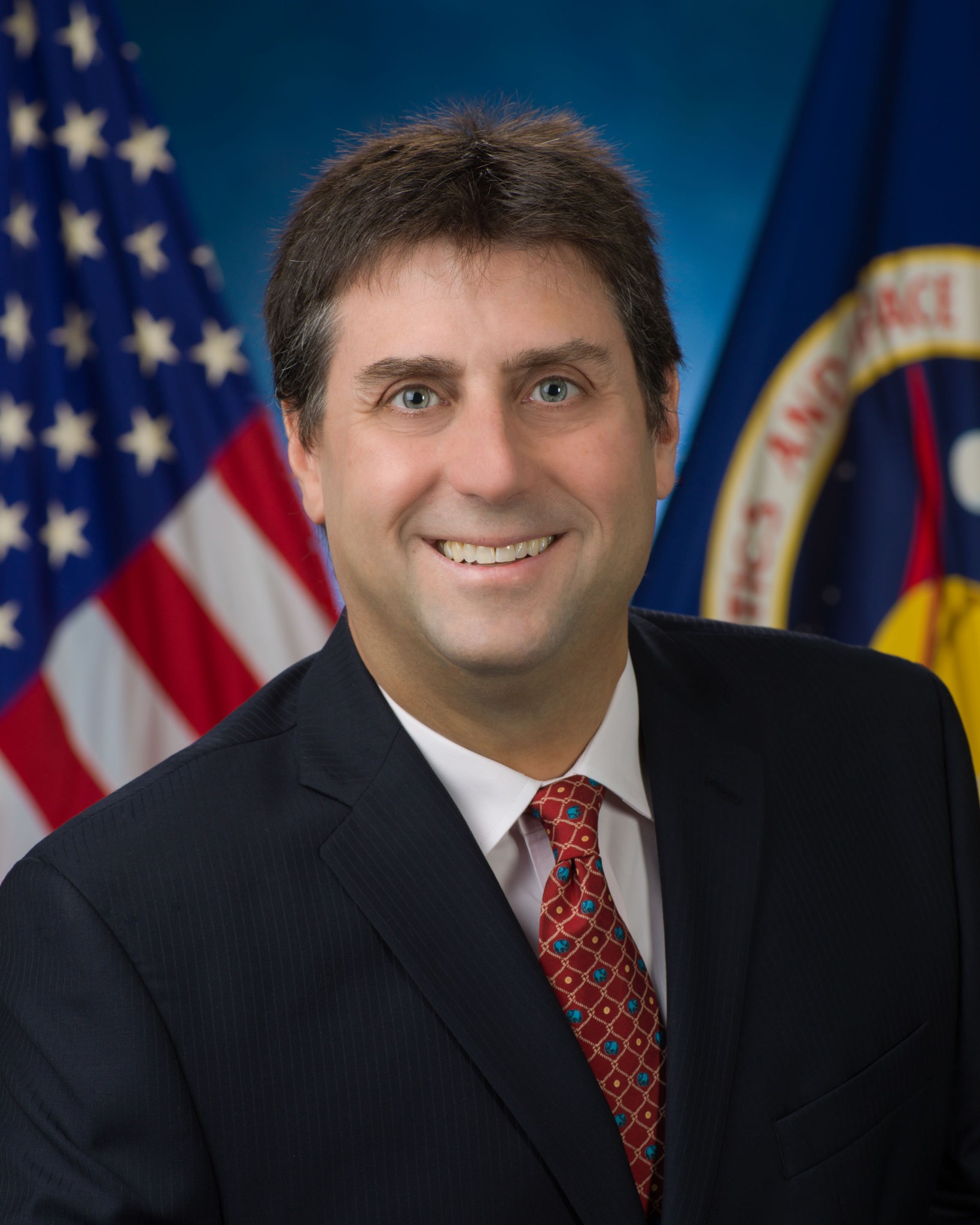
Joel Montalbano, acting associate administrator for NASA’s Space Operations Mission Directorate NASA Editor’s note: This release was updated Thursday, Feb. 26 to reflect the effective date of the leadership changes.
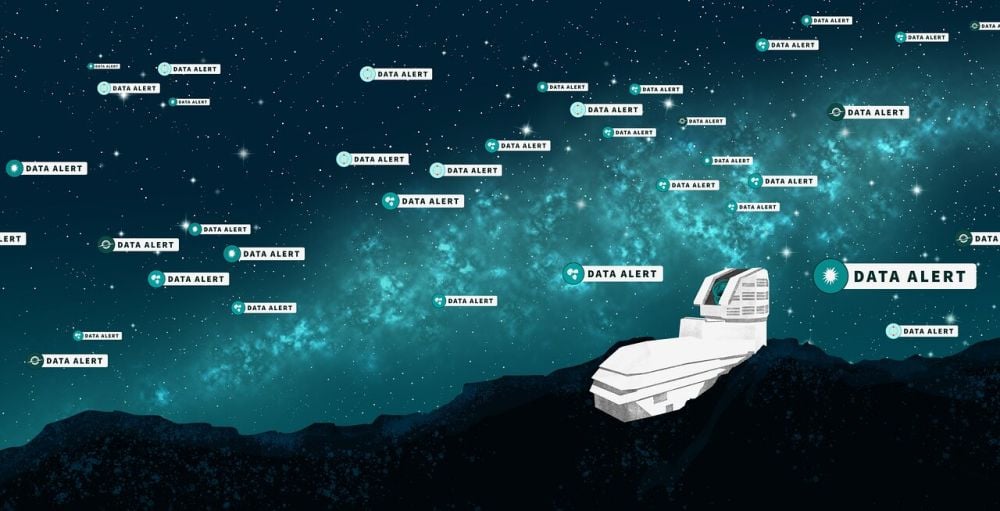
We’ve been waiting a long time for the Vera Rubin Observatory to begin its work. The observatory features the largest digital camera ever built. It’ll create a time-lapse of the
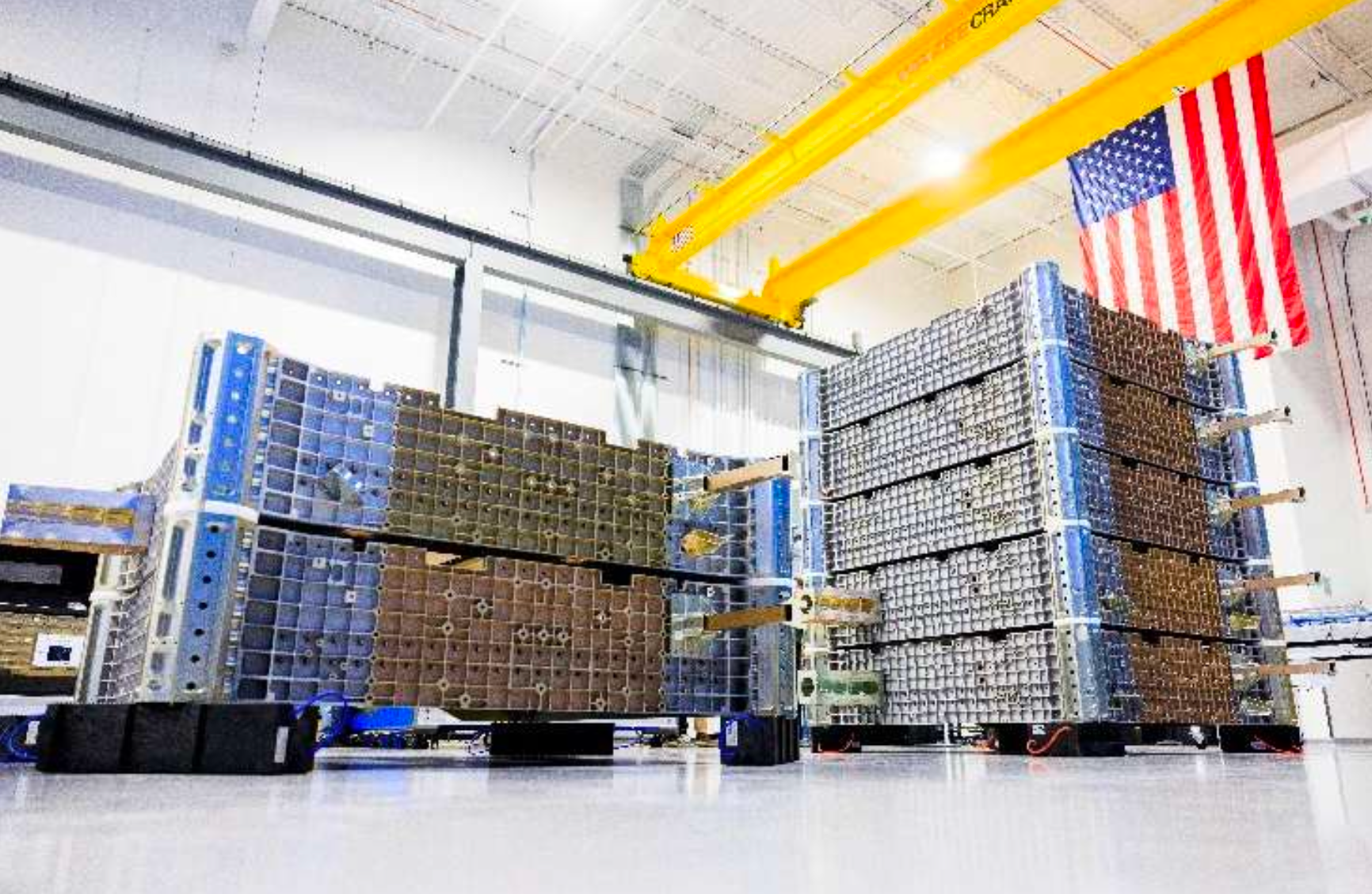
WASHINGTON — Sierra Space raised $550 million in a Series C funding round led by LuminArx Capital Management, valuing the privately held spacecraft manufacturer at about $8 billion, the company
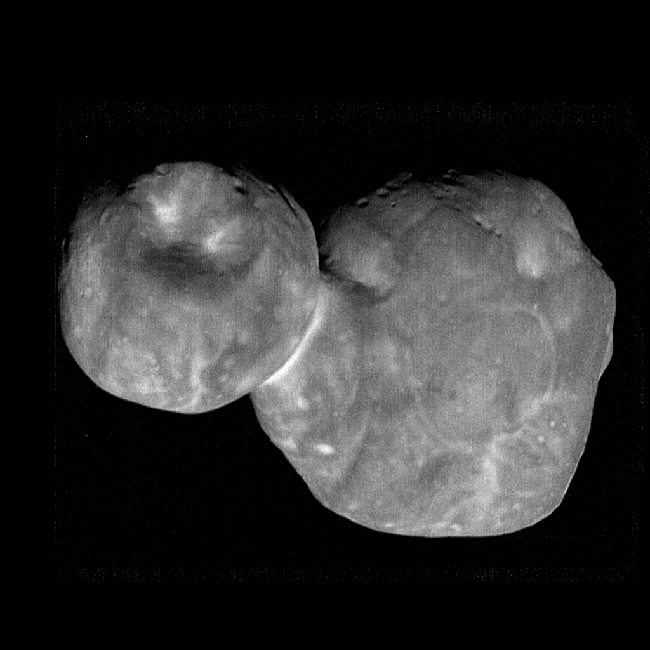
In 2019, NASA’s New Horizons mission flew by Kuiper Belt object 486958 Arrokoth. Arrokoth has a snowman shape – or 2-lobed figure – that is common in our outer solar
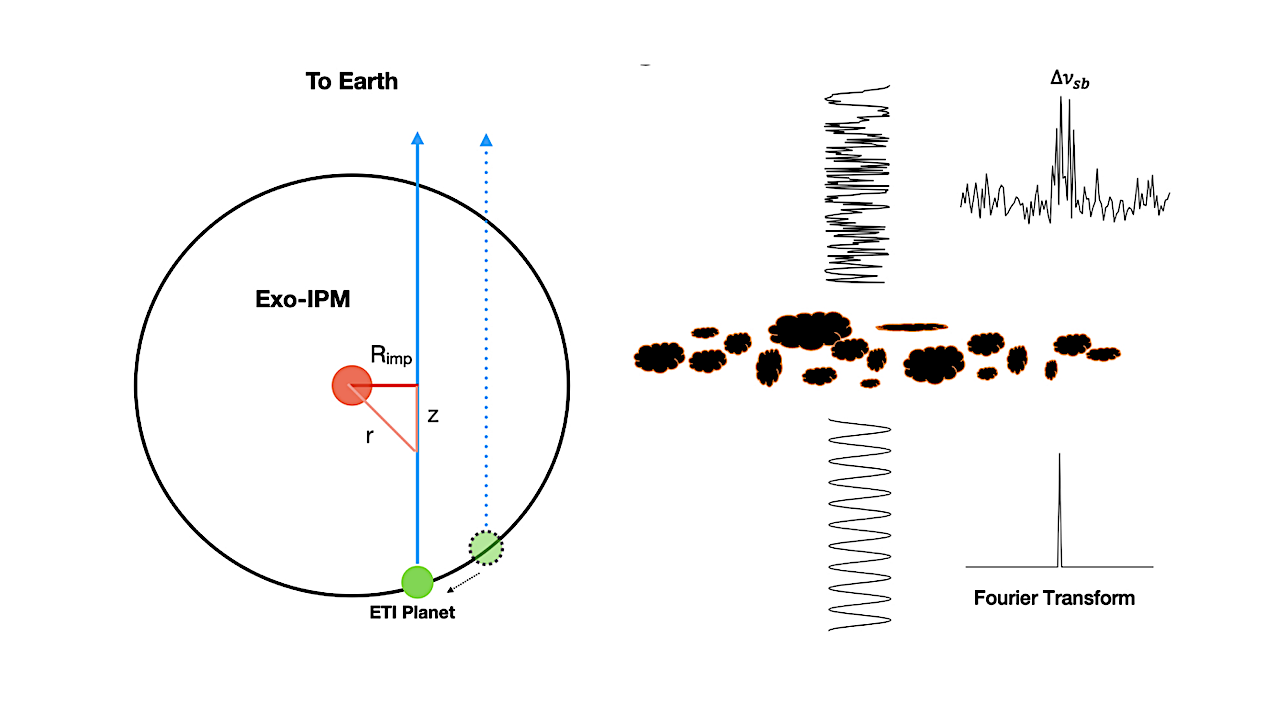
Left panel: schematic of an extraterrestrial transmitter on a planet (green) within the Exo-IPM, with Rimp indicating the impact distance of the passing line of sight between Earth and the
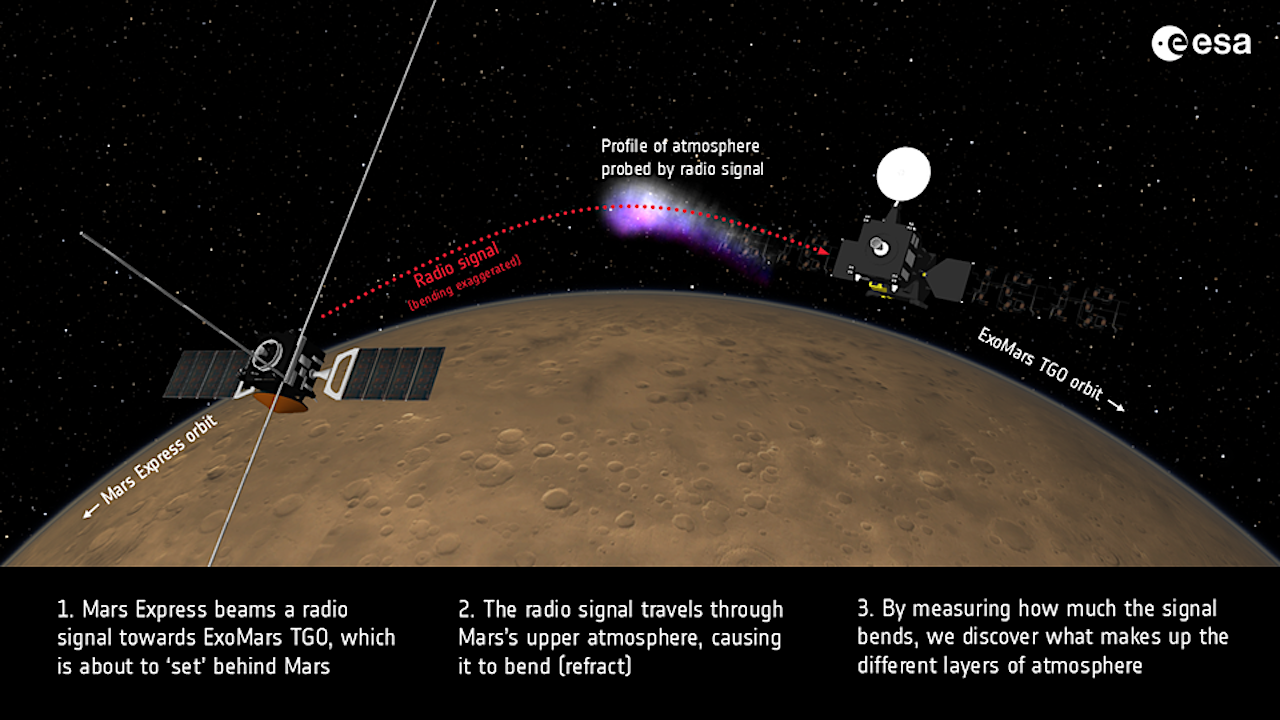
How ESA’s Mars orbiters make use of radio occultation — ESA What happens when a solar superstorm hits Mars? Thanks to the European Space Agency’s Mars orbiters, we now know:

Advertisement
Popular Now
-
 01Two Black Holes Observed Circling Each Other for the First Time
 -
 02From Polymerization-Enabled Folding and Assembly to Chemical Evolution: Key Processes for Emergence of Functional Polymers in the Origin of Life
 -
 03Astronomy 101: From the Sun and Moon to Wormholes and Warp Drive, Key Theories, Discoveries, and Facts about the Universe (The Adams 101 Series)
 -
 04True Anomaly hires former York Space executive as chief operating officer
 -
 05Φsat-2 begins science phase for AI Earth images
 -
 06Hurricane forecasters are losing 3 key satellites ahead of peak storm season − a meteorologist explains why it matters
 -
 07Binary star systems are complex astronomical objects − a new AI approach could pin down their properties quickly
Scroll to Top