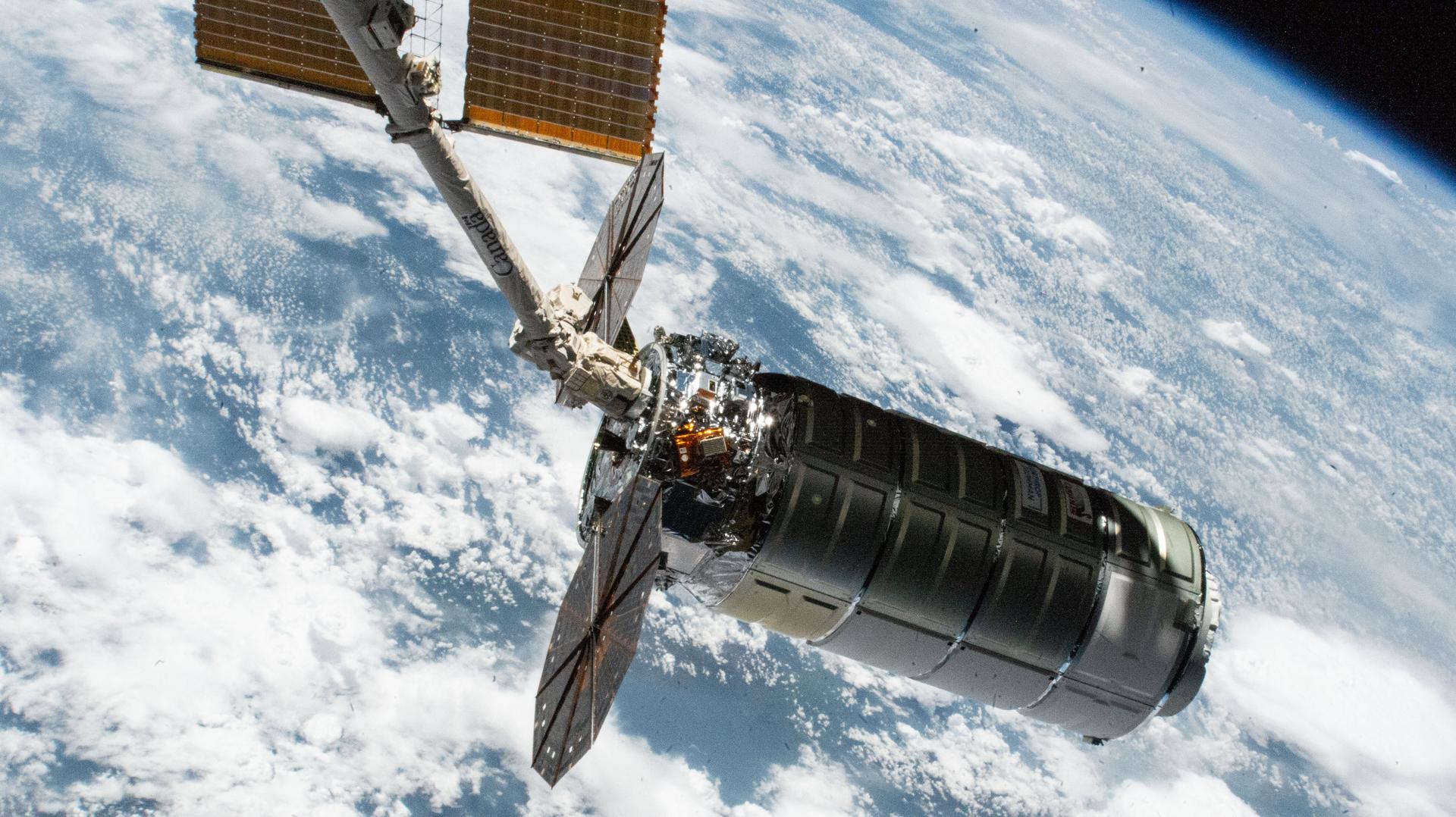
Northrop Grumman’s Cygnus XL cargo spacecraft, loaded with more than 11,000 pounds of science and supplies for Expedition 73, is seen grasped by the International Space Station’s Canadarm2 after its

Northrop Grumman’s Cygnus XL cargo spacecraft, loaded with more than 11,000 pounds of science and supplies for Expedition 73, is seen grasped by the International Space Station’s Canadarm2 after its
Credit: NASA The U.S. Office of Personnel Management (OPM) and NASA announced NASA Force on Wednesday, a dedicated talent track within the US Tech Force initiative designed to recruit and
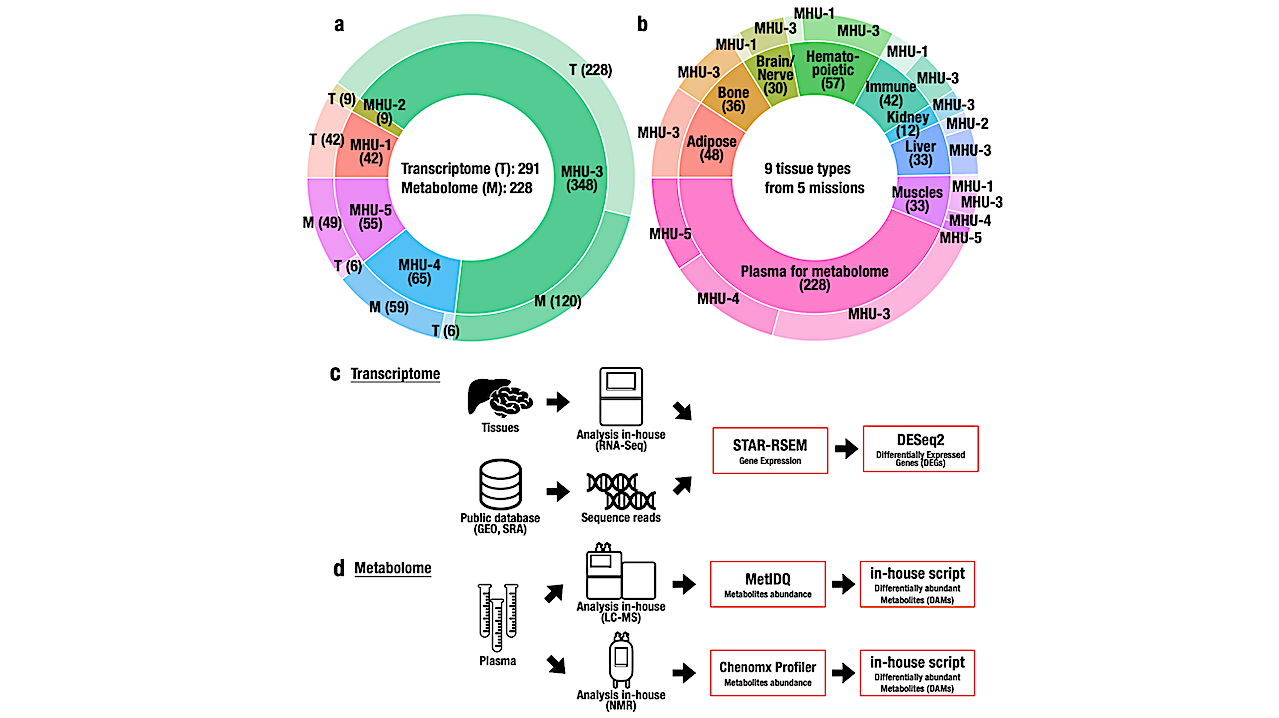
Overview of the ibSLS database content. a. Numbers of samples available in the current ibSLS, categorized by assay type (outer ring) and mission (inner ring), with sample counts indicated in
Keith Cowing Explorers Club Fellow, ex-NASA Space Station Payload manager/space biologist, Away Teams, Journalist, Lapsed climber, Synaesthete, Na’Vi-Jedi-Freman-Buddhist-mix, ASL, Devon Island and Everest Base Camp veteran, (he/him) 🖖🏻 Follow on
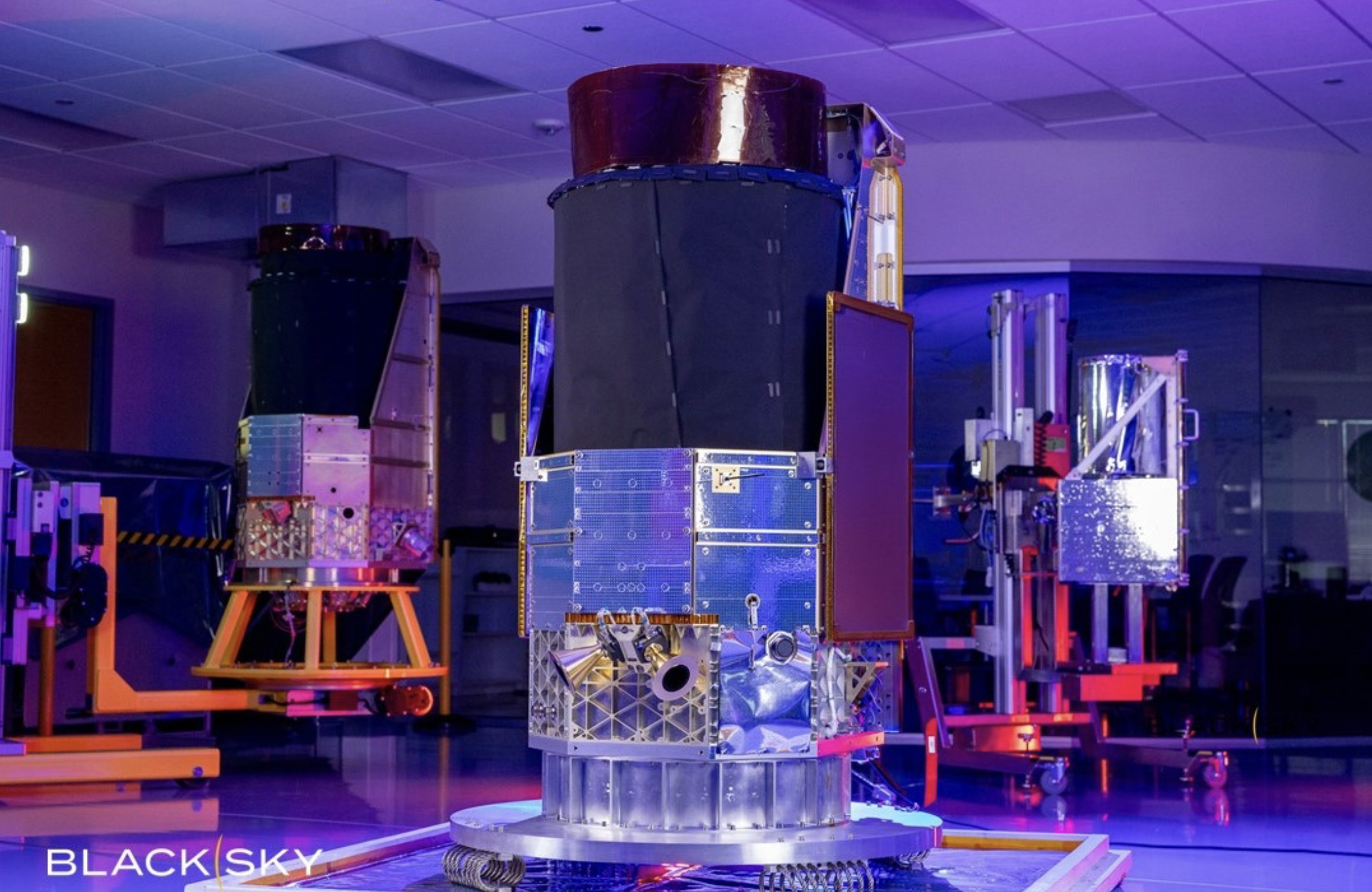
WASHINGTON — The Air Force Research Laboratory has awarded BlackSky a contract worth up to $99 million to develop a large optical imaging payload intended for future space-based intelligence systems.
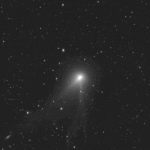
This striking image from the science camera on ESA’s Jupiter Icy Moons Explorer (Juice) shows interstellar comet 3I/ATLAS spewing dust and gas. The tiny nucleus of the comet (not visible)
In “Children of Time,” Adrian Tchaikovsky crafts a narrative that brilliantly melds the grandeur of science fiction with profound themes of survival, evolution, and the essence of humanity itself. Set
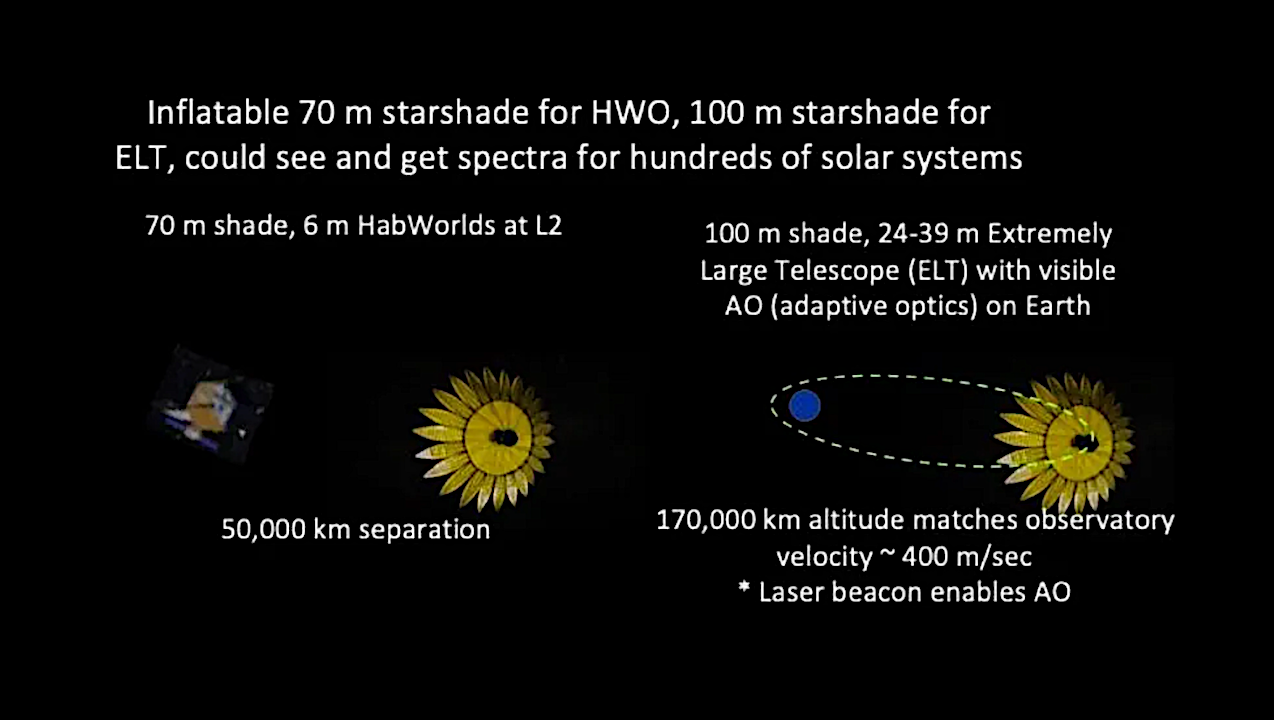
Artist concept highlighting the novel approach proposed by the 2025 NIAC awarded selection of Inflatable Starshade for Earthlike Exoplanets concept. — NASA/John Mather — NASA Innovative Advanced Concepts (NIAC) Imaging
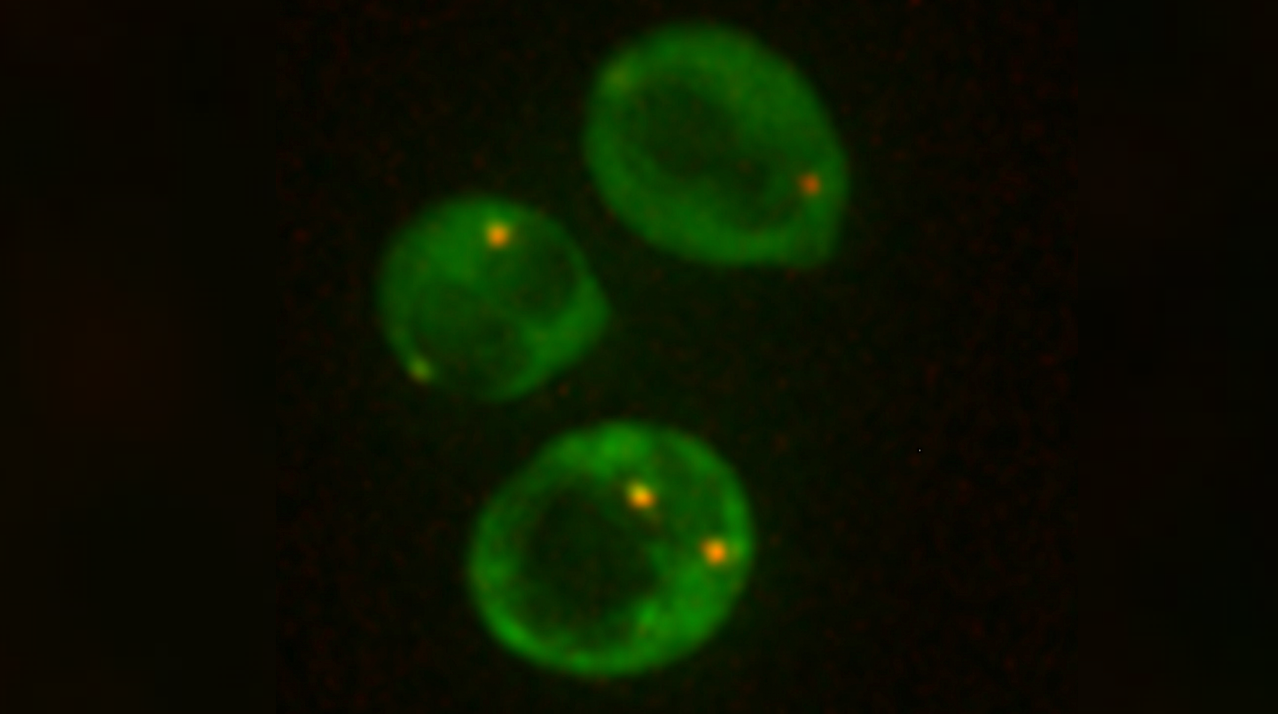
Assembly of cytoplasmic RNP condensates (yellow dots) in yeast cells in response to stress (Image: Riya Dhage) Baker’s yeast (Saccharomyces cerevisiae) is an indispensable ingredient in making bread, beer, and
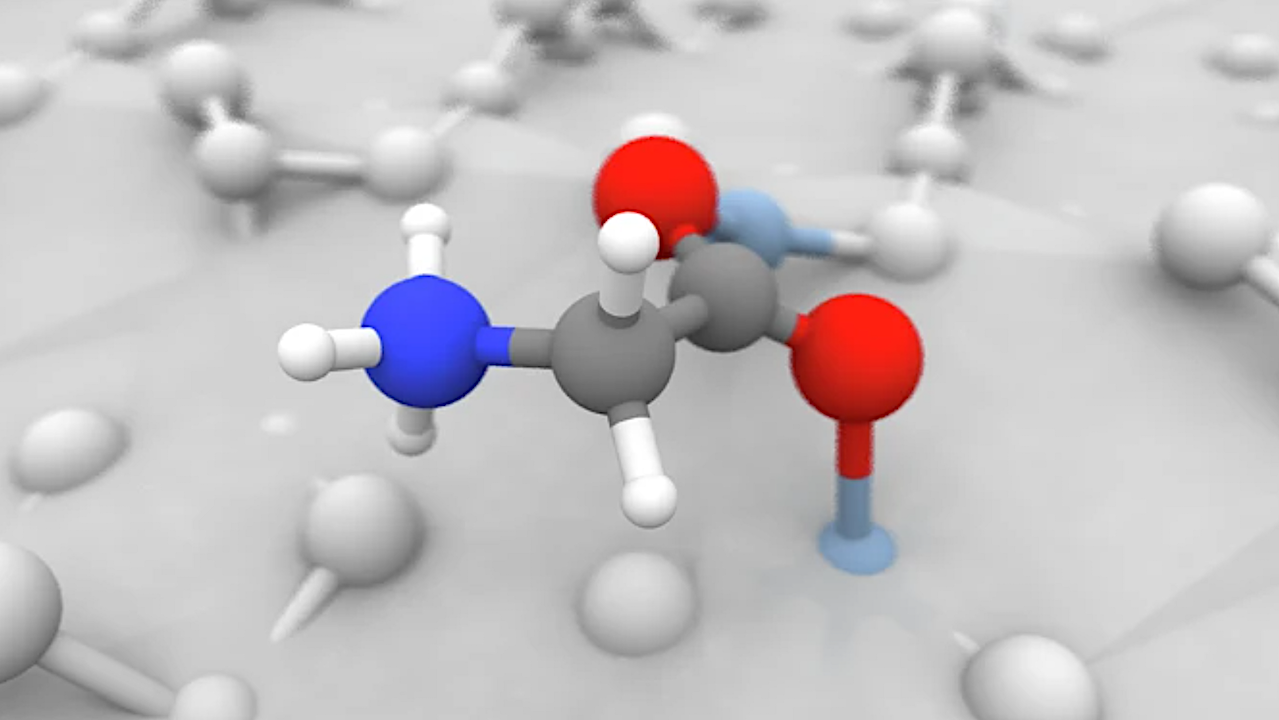
Graphical Abstract Communications Chemistry via PubMed The presence of amino acids in comets and meteorites has long suggested that prebiotic molecules may have formed in space and contributed to the