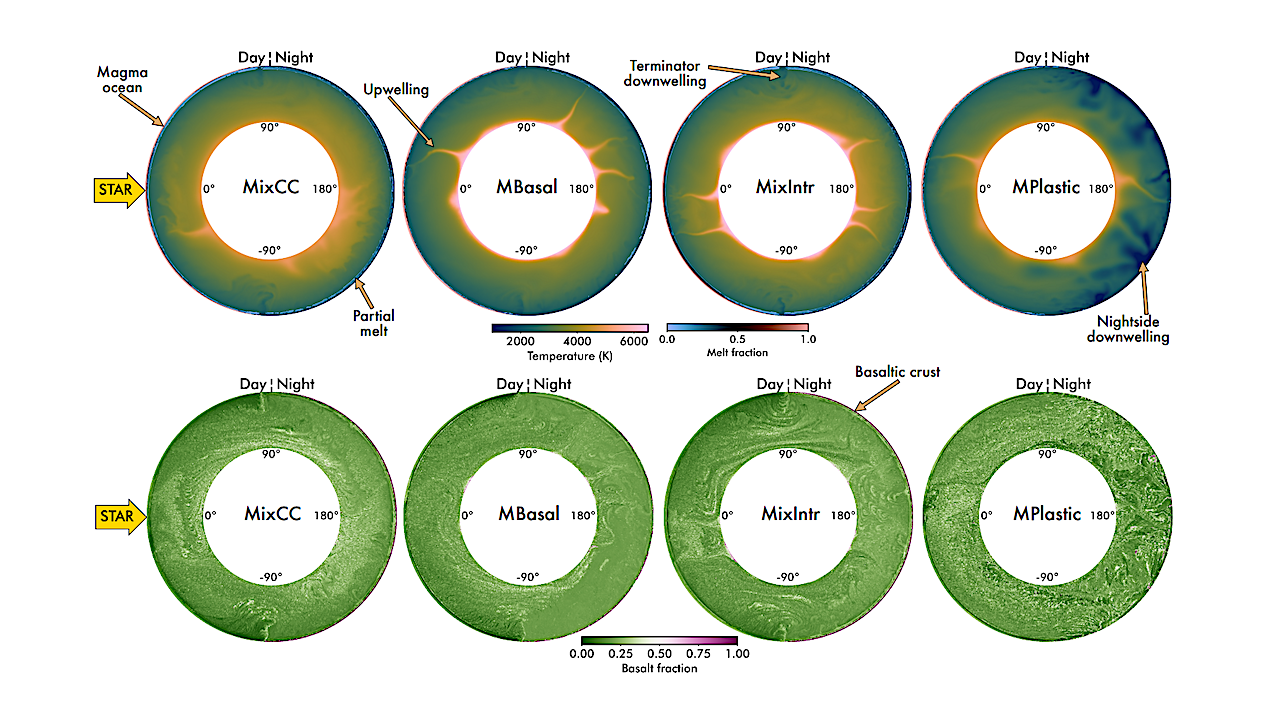
Snapshots of mantle temperature and melt fraction (top row) and basalt fraction (bottom row) at 6.5 Gyr for each interior model of K2-141 b. All models show a shallow magma

Snapshots of mantle temperature and melt fraction (top row) and basalt fraction (bottom row) at 6.5 Gyr for each interior model of K2-141 b. All models show a shallow magma

In recognition of International Women’s Day on March 8, the European Space Agency (ESA) is highlighting the achievements of its recent female leadership recruits, including Céline Begon, Christine Boelsche, Céline
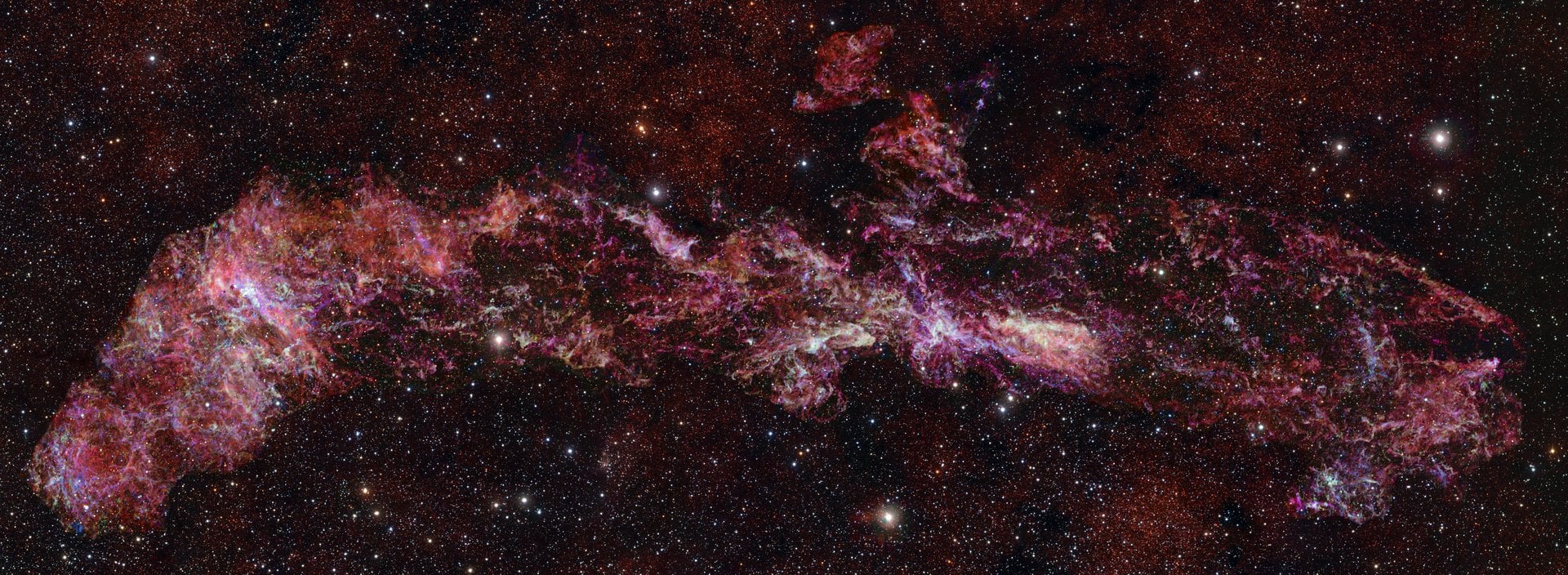
Astronomers have captured the central region of our Milky Way in a striking new image, unveiling a complex network of filaments of cosmic gas in unprecedented detail. Obtained with the
We all know that stars radiate light and much more. But radiation belts can also surround many other celestial bodies, such as planets. These belts do not generate particles themselves—the
Keith Cowing Explorers Club Fellow, ex-NASA Space Station Payload manager/space biologist, Away Teams, Journalist, Lapsed climber, Synaesthete, Na’Vi-Jedi-Freman-Buddhist-mix, ASL, Devon Island and Everest Base Camp veteran, (he/him) 🖖🏻 Follow on
Researchers at Nagoya University in Japan have conducted the most detailed simulation of the interior of stars and disproved a theory scientists have believed for 45 years: that stars switch
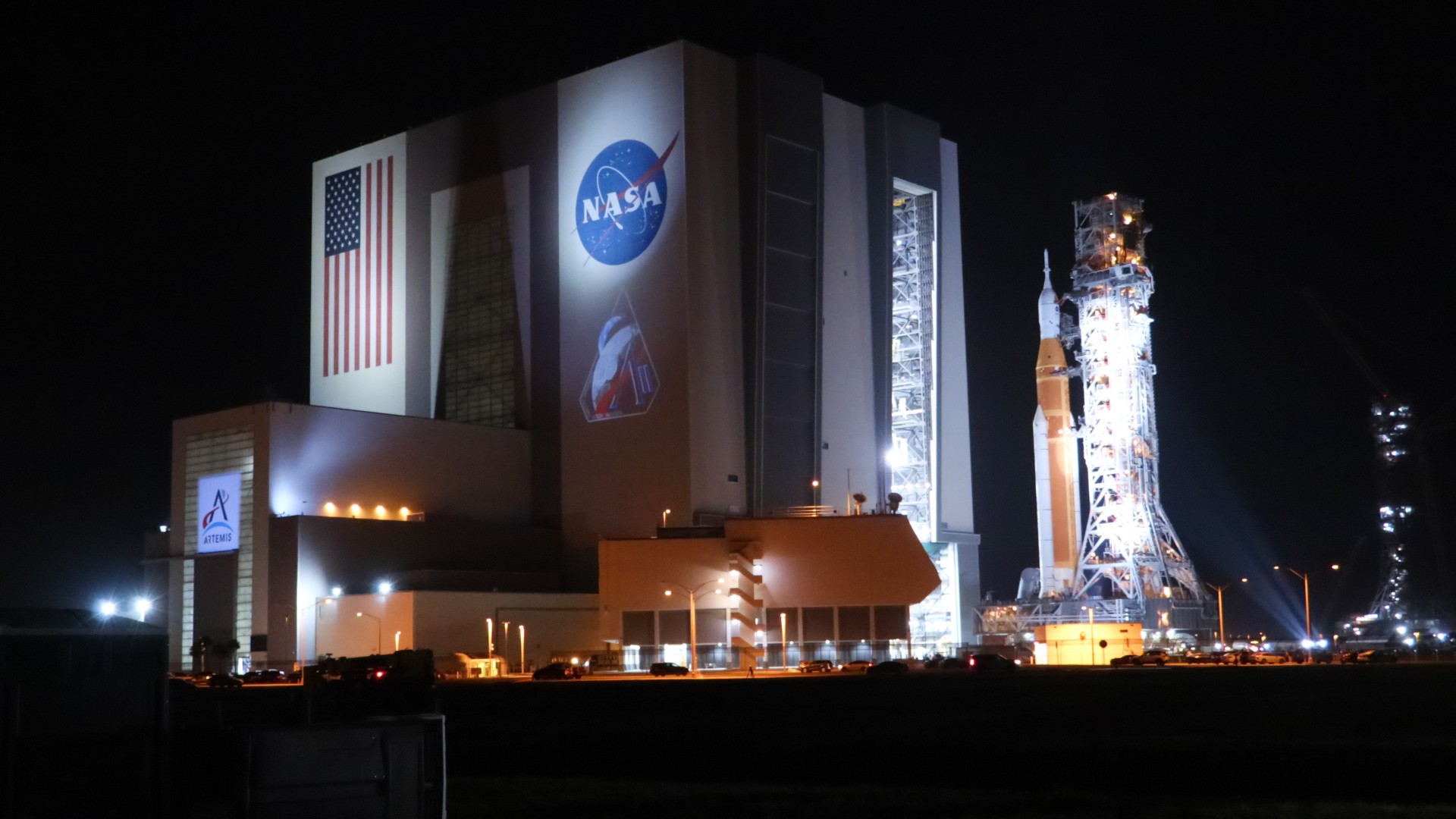
NASA’s Space Launch System (SLS) rocket and Orion spacecraft, secured to the mobile launcher, roll out of the Vehicle Assembly Building to Launch Pad 39B, Friday, March 20, 2026, at
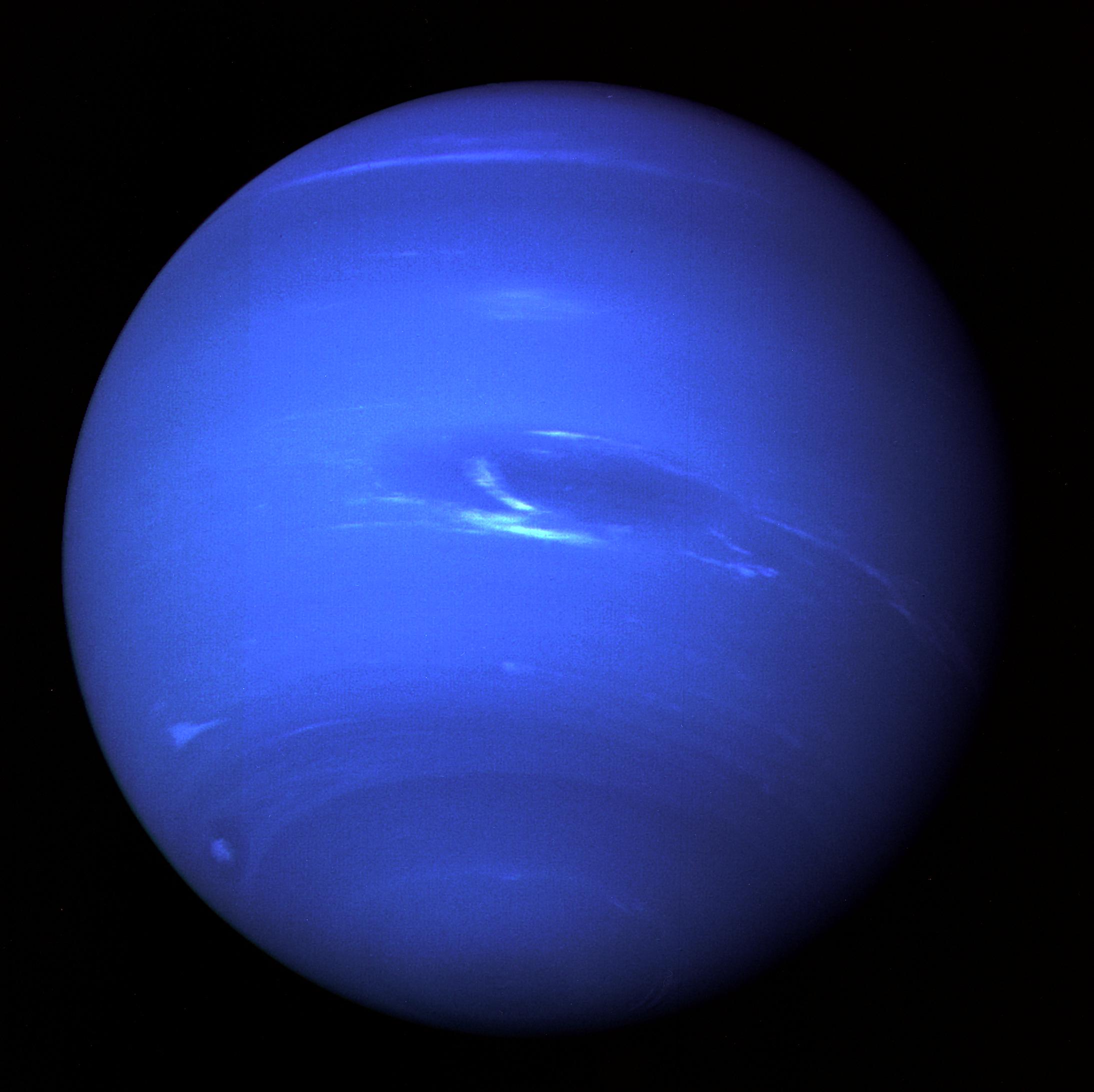
HELSINKI — A senior Chinese space scientist and delegate to the country’s national congress is proposing the prioritization of an unprecedented orbiter mission to ice giant Neptune. Chinese researchers have
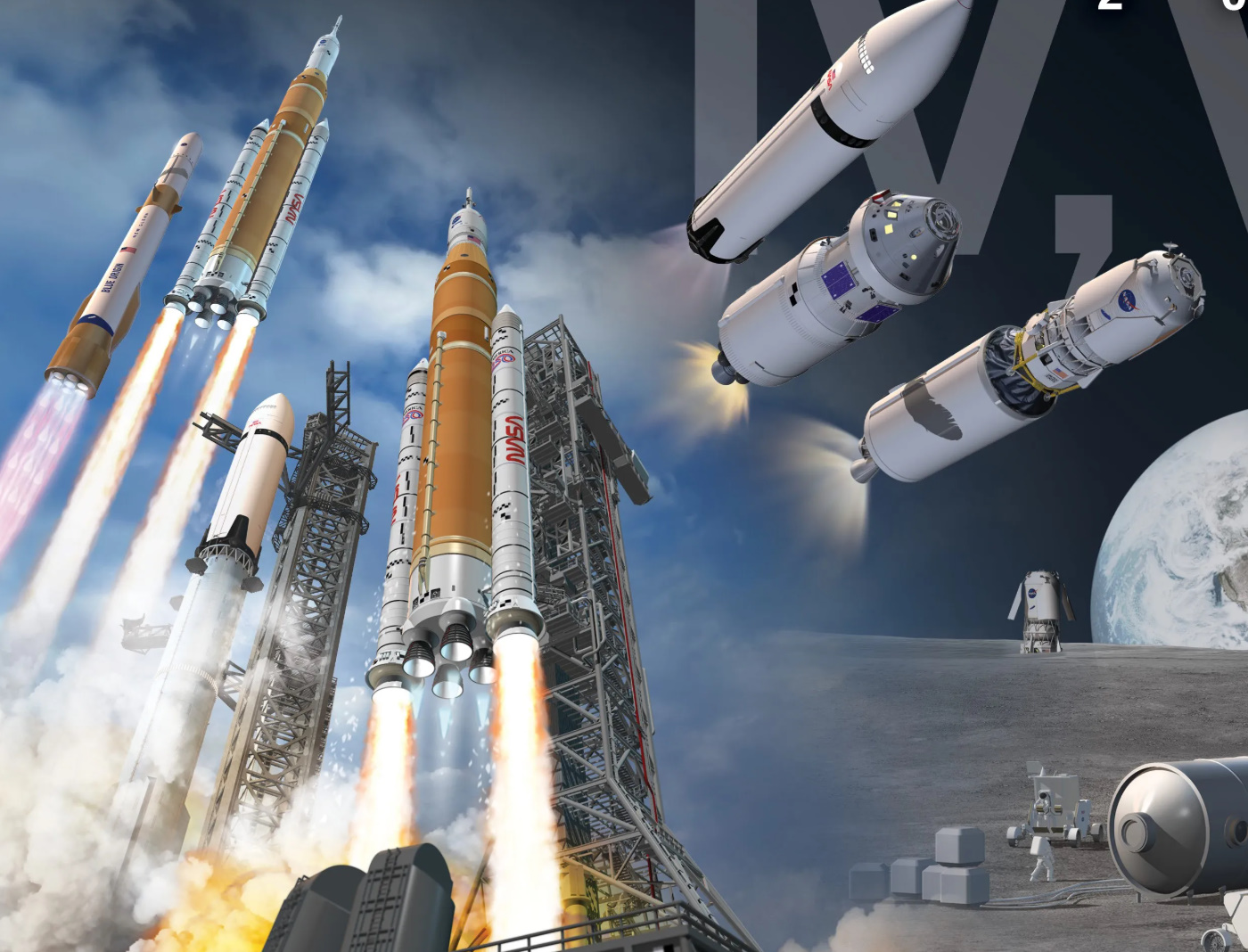
NASA Administrator Jared Isaacman has announced significant revisions to the Artemis program, with a focus on reinvigorating progress, minimizing technical risks, and creating a sustainable model for lunar exploration. Highlighting
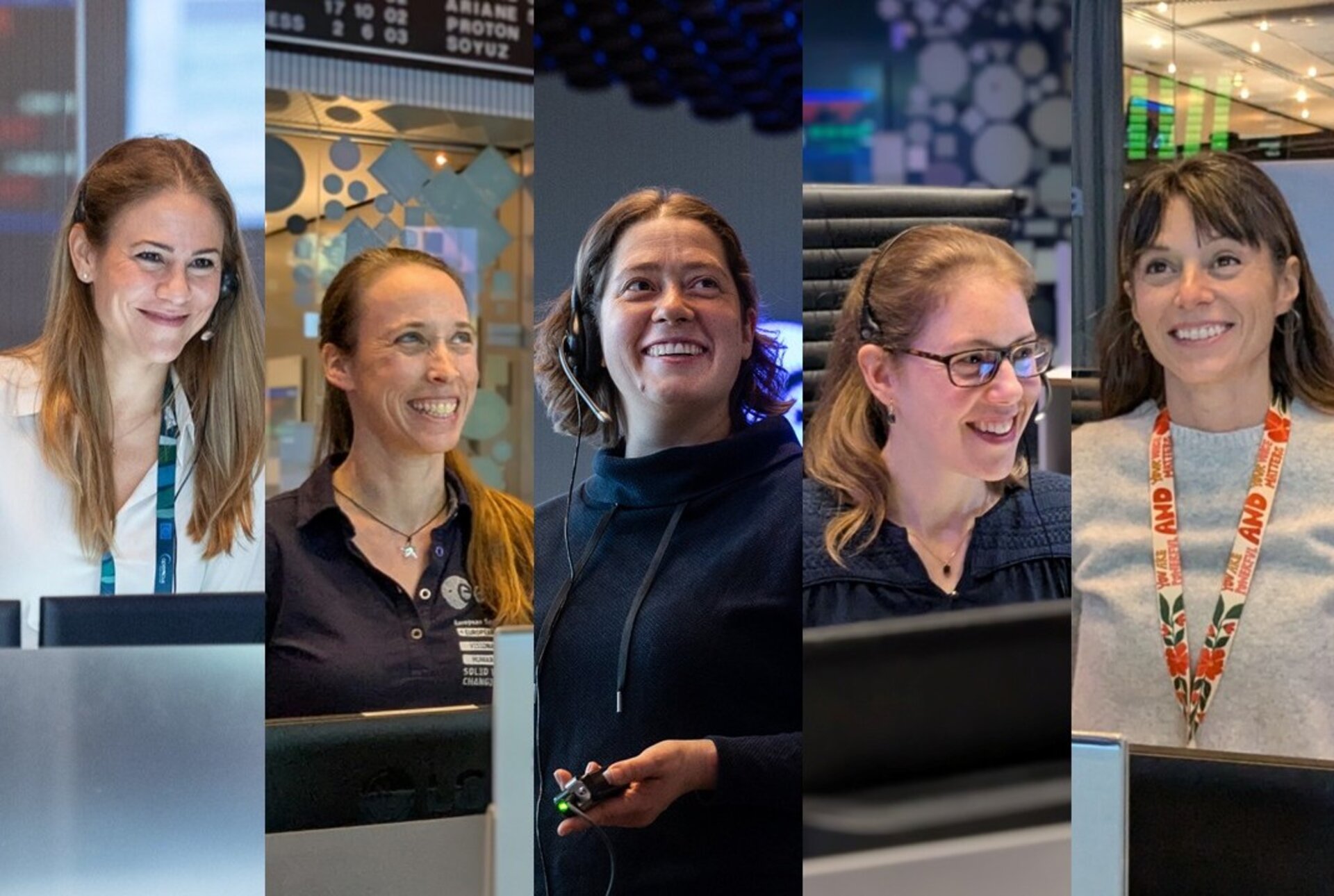
Enabling & Support 09/03/2026 379 views 25 likes At ESA’s European Space Operations Centre (ESOC), teams work around the clock to fly spacecraft across the Solar System and monitor Earth