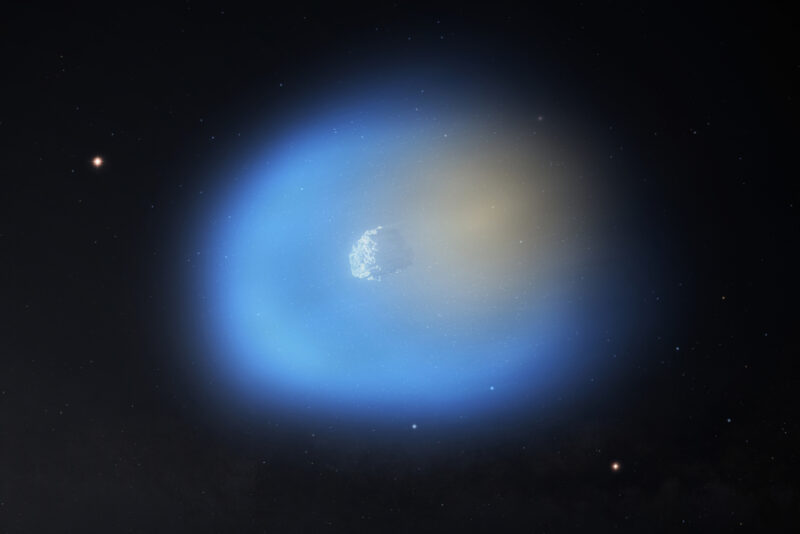
Artist’s concept of interstellar comet 3I/ATLAS passing near our sun, with the sun illuminating one side of the comet. On the day side of the comet we see methanol gas

Artist’s concept of interstellar comet 3I/ATLAS passing near our sun, with the sun illuminating one side of the comet. On the day side of the comet we see methanol gas
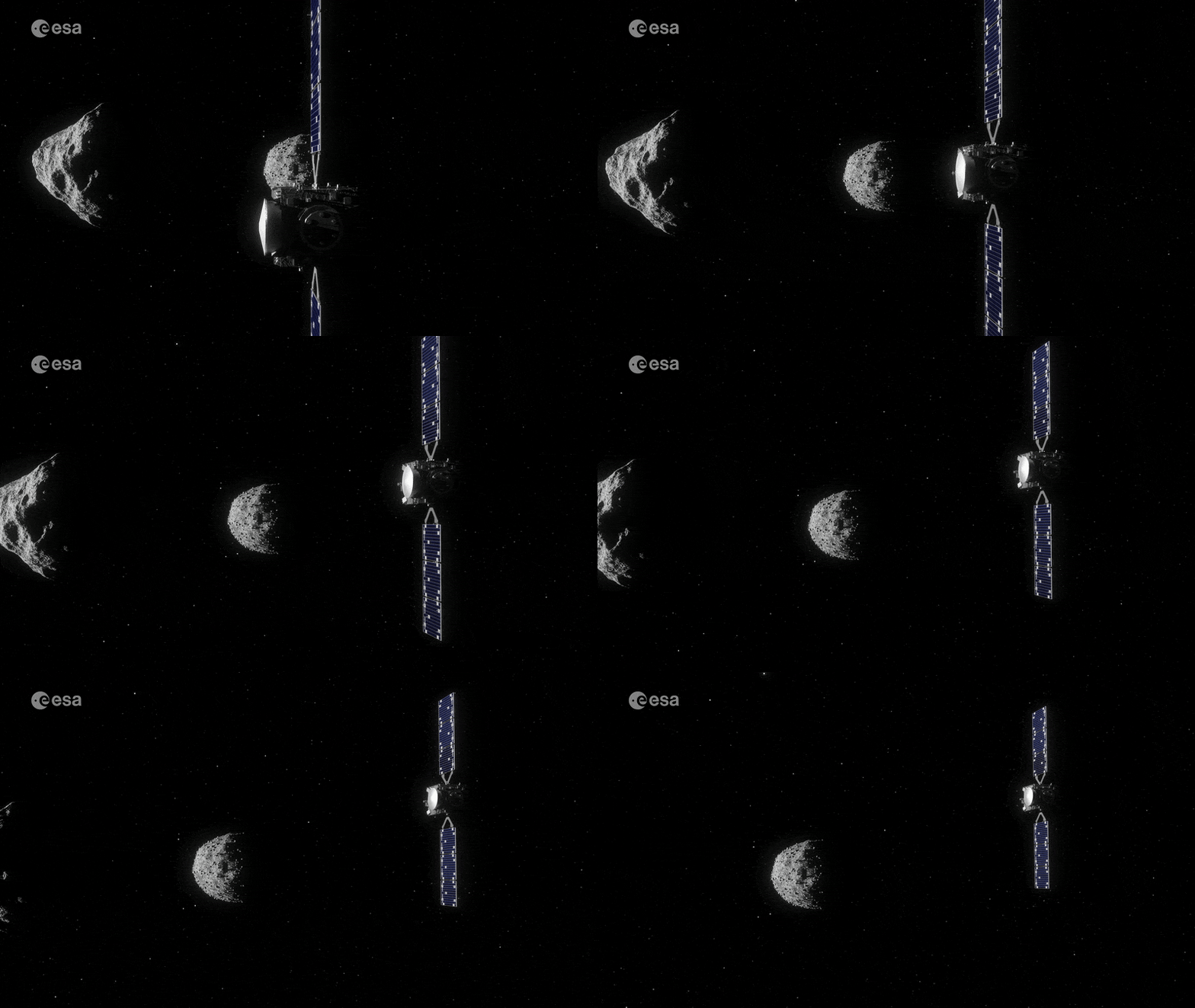
Space Safety 17/03/2026 423 views 15 likes A successful deep-space manoeuvre has put ESA’s Hera spacecraft on course for its rendezvous with the Didymos binary asteroid system later this year.
Even when the idea of terraforming Mars was originally put forward, the idea was daunting. Changing the environment of an entire planet is not something to do easily. Over the
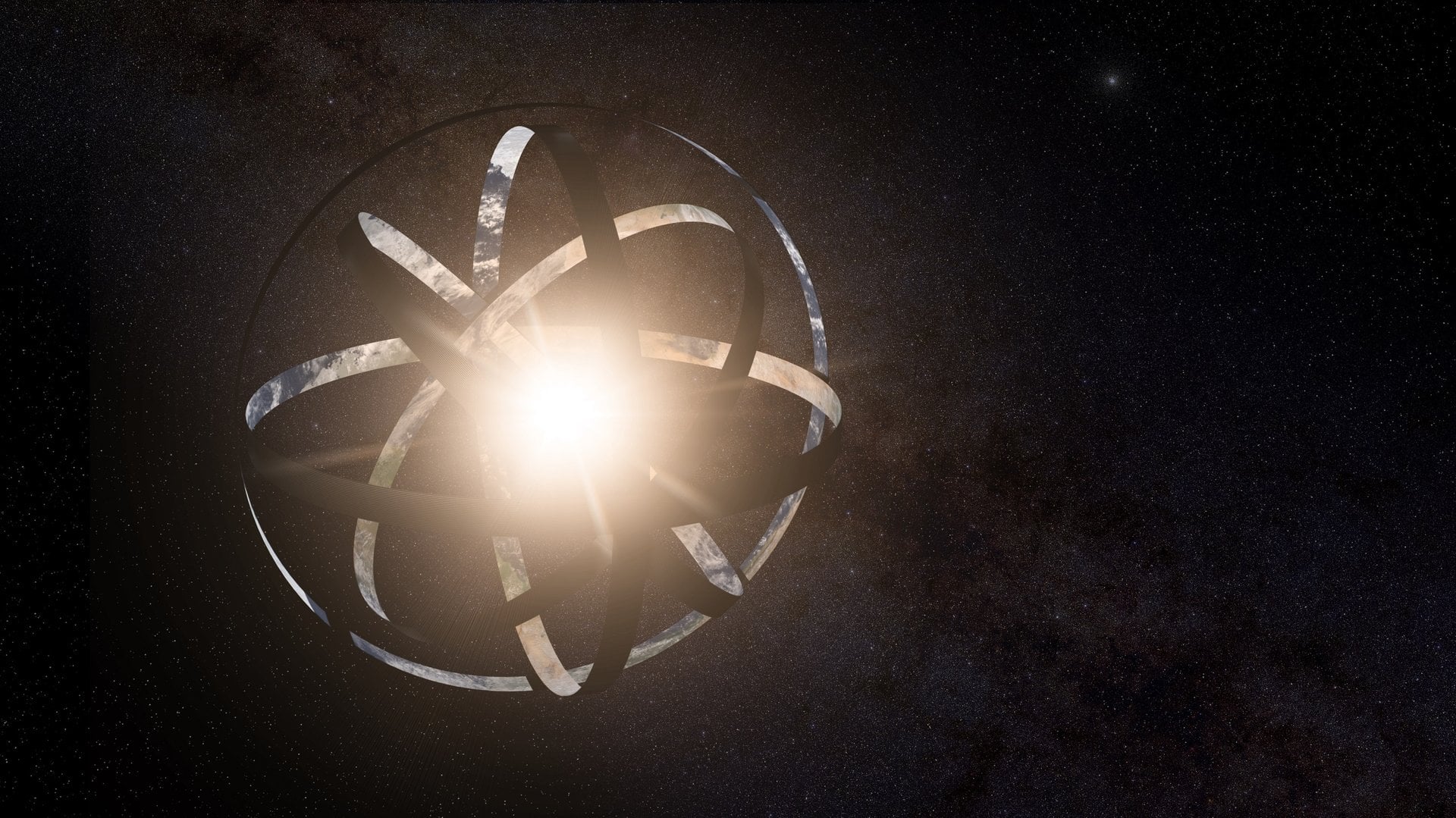
While megastructures are clearly speculative, new research shows that they can (in theory) be built in a way that ensures long-term stability. These findings can provide insight into the properties
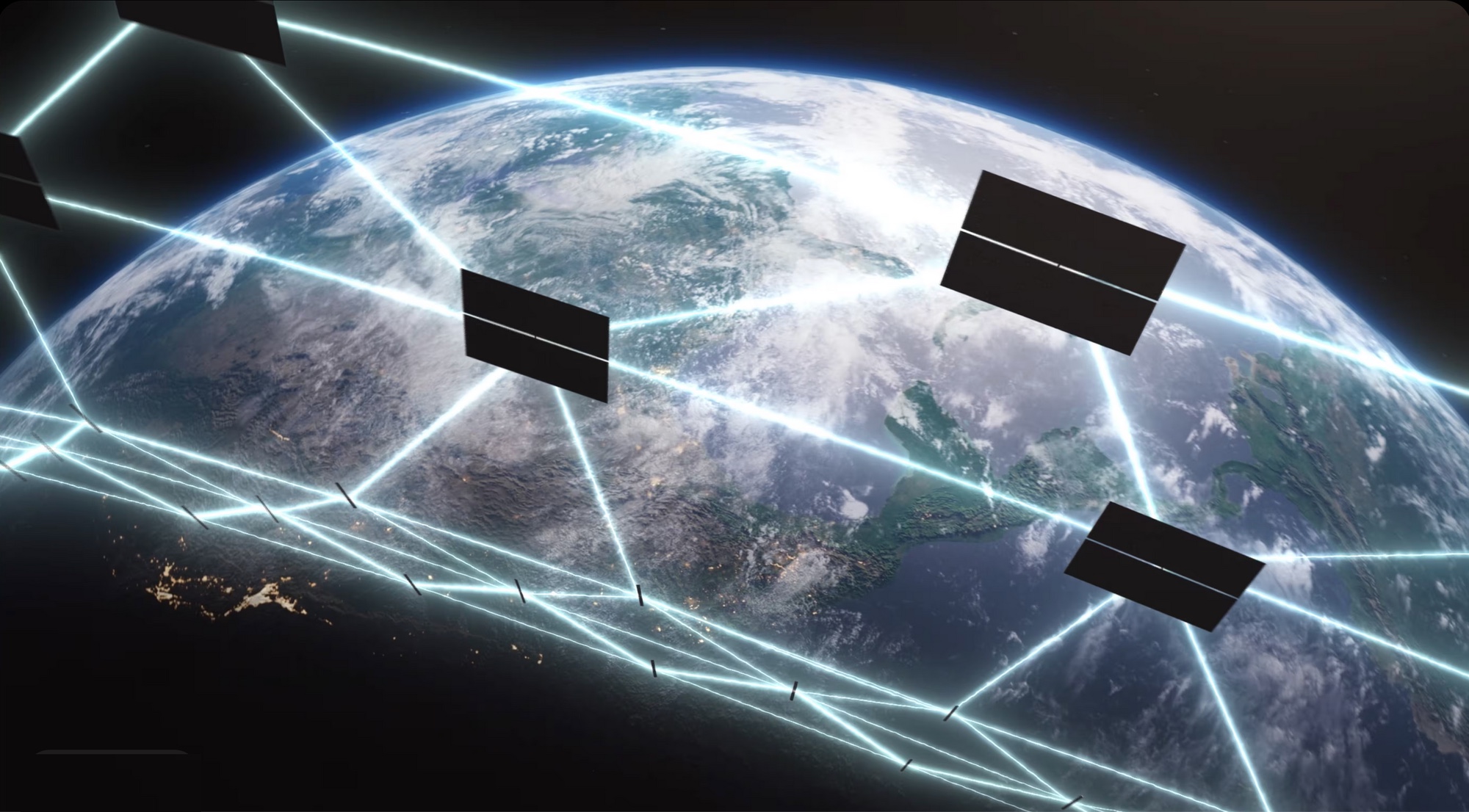
WASHINGTON — An orbital data center startup is seeking approval from the Federal Communications Commission for a constellation of as many as 88,000 satellites. The FCC accepted for filing March
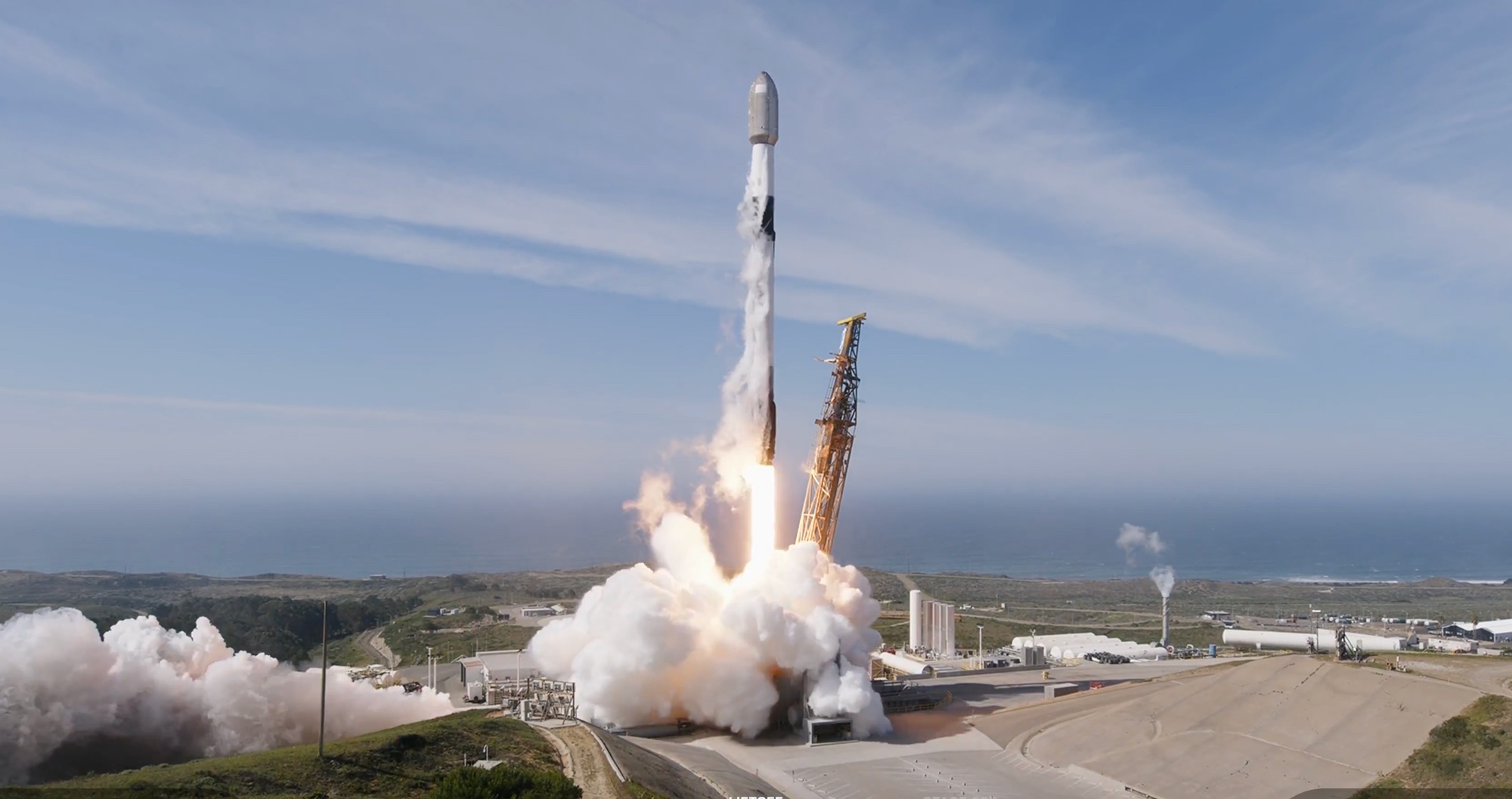
NASA’s Commercial Crew Program was supposed to be the template: services-based procurement, private ownership of hardware and competition between providers. Yet NASA has now formally designated Boeing’s 2024 Starliner crewed
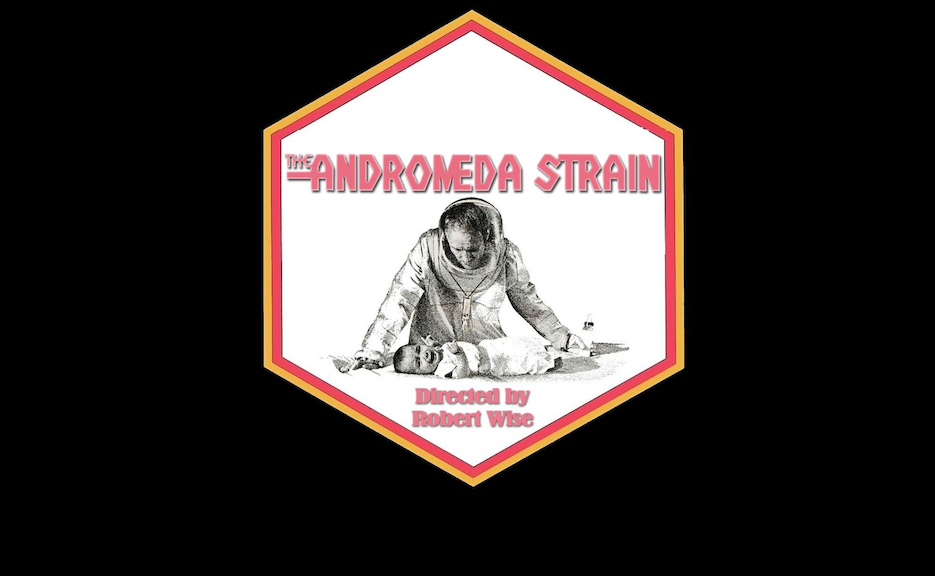
The Andromeda Strain On this date in 1971 the Astrobiology / Planetary Protection – themed film “Andromeda Strain” had begun playing in theaters. The film was based on the late

Portrait of Brad Flick Credit: NASA On Monday, NASA announced Bradley Flick, director of NASA’s Armstrong Flight Research Center in Edwards, California, will retire Thursday, March 19, after a nearly
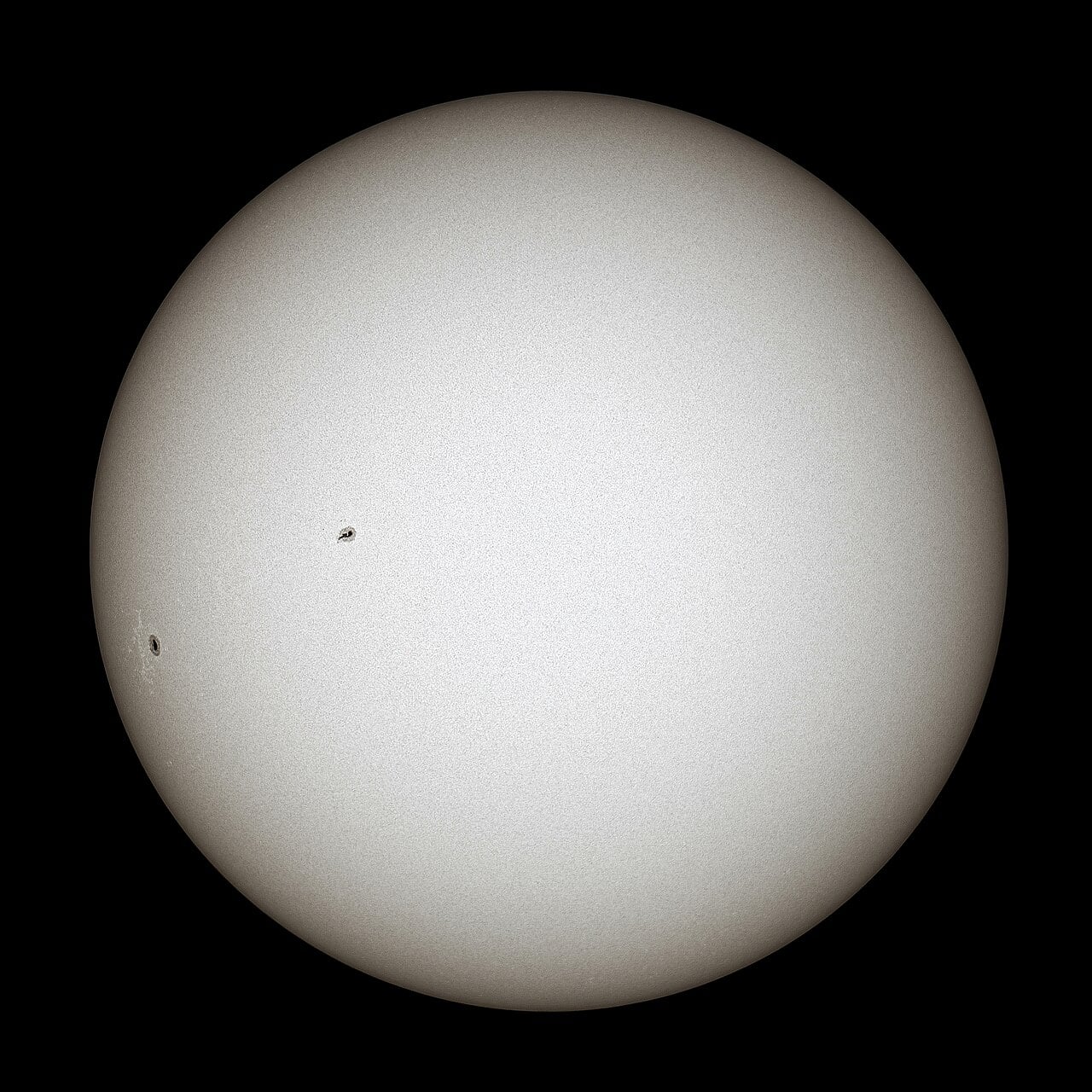
For forty years, a network of telescopes has been listening to the Sun hum and scientists have finally decoded what those sounds reveal about our star’s hidden interior. A new
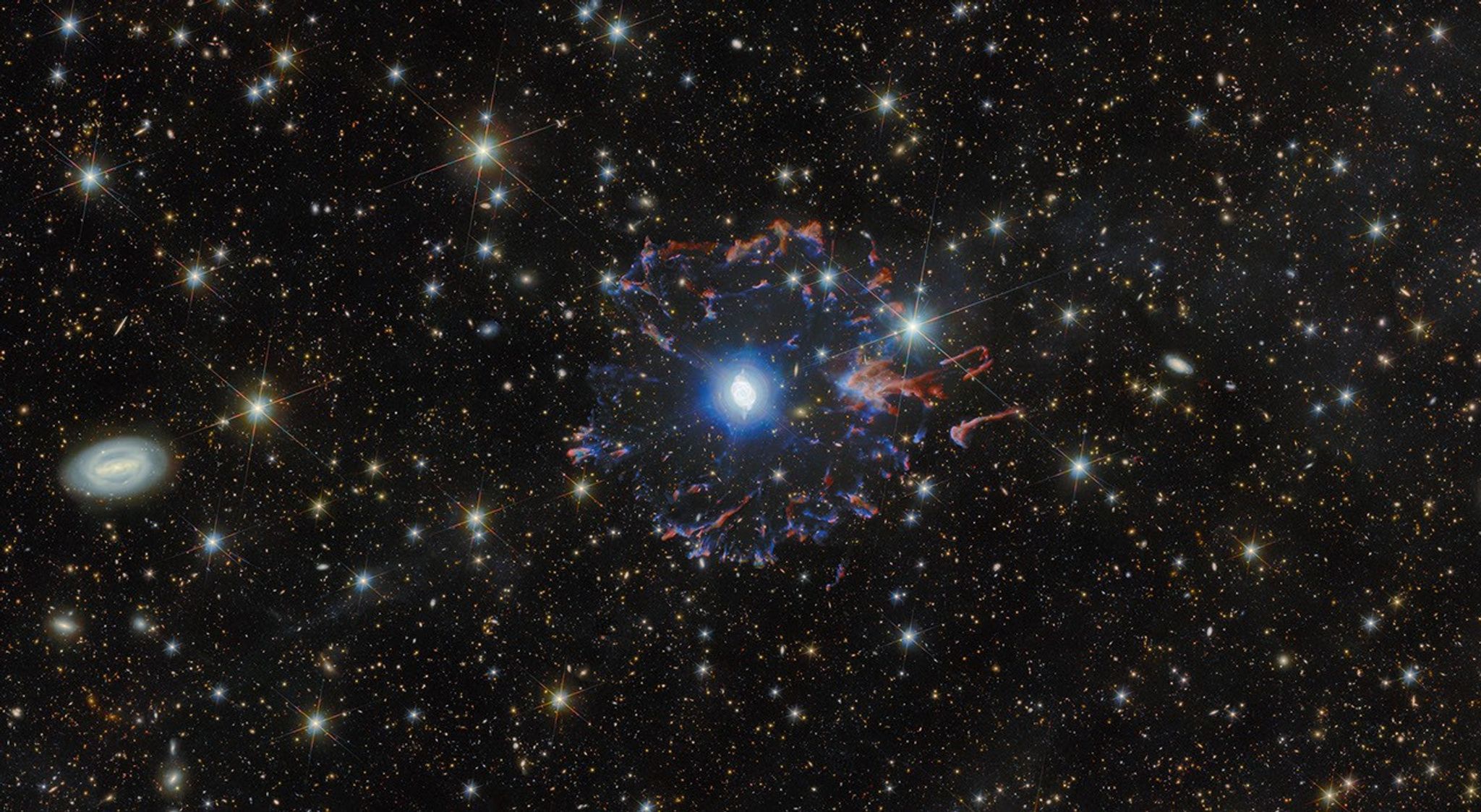
ESA/Hubble & NASA, ESA Euclid/Euclid Consortium/NASA/Q1-2025, J.-C. Cuillandre & E. Bertin (CEA Paris-Saclay), Z. Tsvetanov This March 3, 2026, image combines views from ESA’s (European Space Agency) Euclid and NASA’s