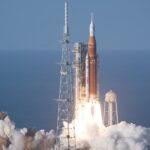
NASA’s Commercial Crew Program was supposed to be the template: services-based procurement, private ownership of hardware and competition between providers. Yet NASA has now formally designated Boeing’s 2024 Starliner crewed

NASA’s Commercial Crew Program was supposed to be the template: services-based procurement, private ownership of hardware and competition between providers. Yet NASA has now formally designated Boeing’s 2024 Starliner crewed

Portrait of Brad Flick Credit: NASA On Monday, NASA announced Bradley Flick, director of NASA’s Armstrong Flight Research Center in Edwards, California, will retire Thursday, March 19, after a nearly
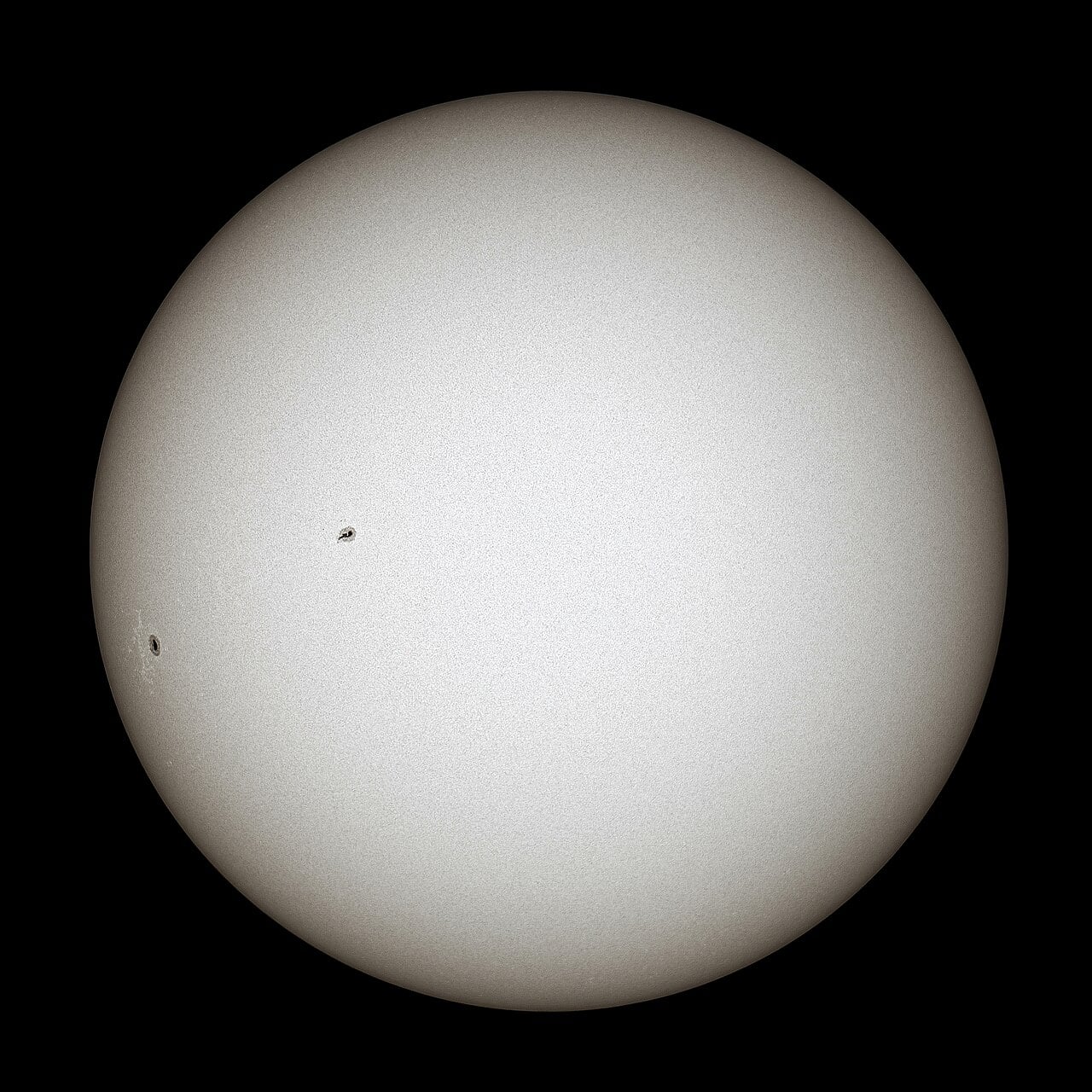
For forty years, a network of telescopes has been listening to the Sun hum and scientists have finally decoded what those sounds reveal about our star’s hidden interior. A new
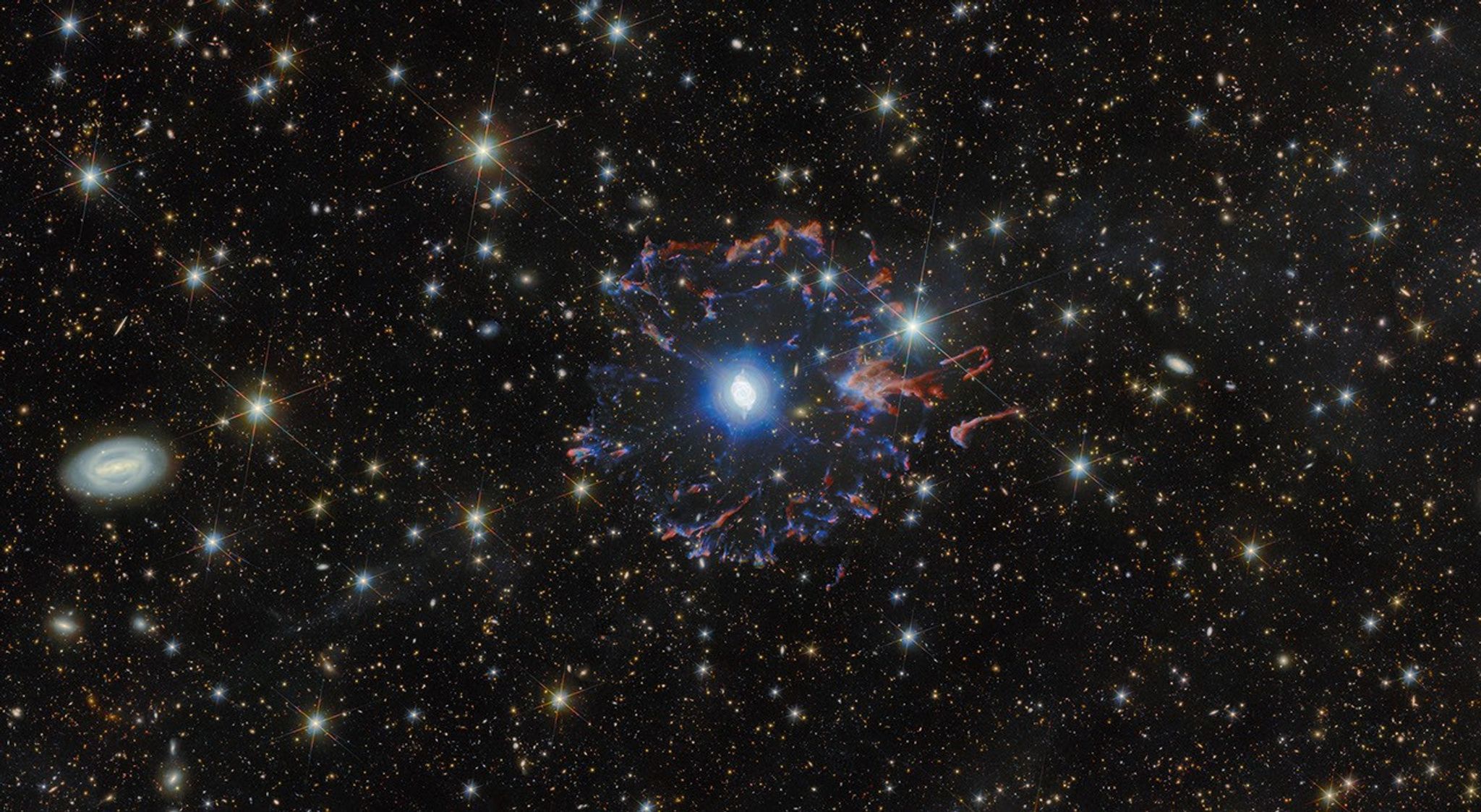
ESA/Hubble & NASA, ESA Euclid/Euclid Consortium/NASA/Q1-2025, J.-C. Cuillandre & E. Bertin (CEA Paris-Saclay), Z. Tsvetanov This March 3, 2026, image combines views from ESA’s (European Space Agency) Euclid and NASA’s
Two new studies have measured the expansion of the universe in our immediate cosmic neighborhood using a novel method that analyzes the motion of two nearby galaxy groups within their
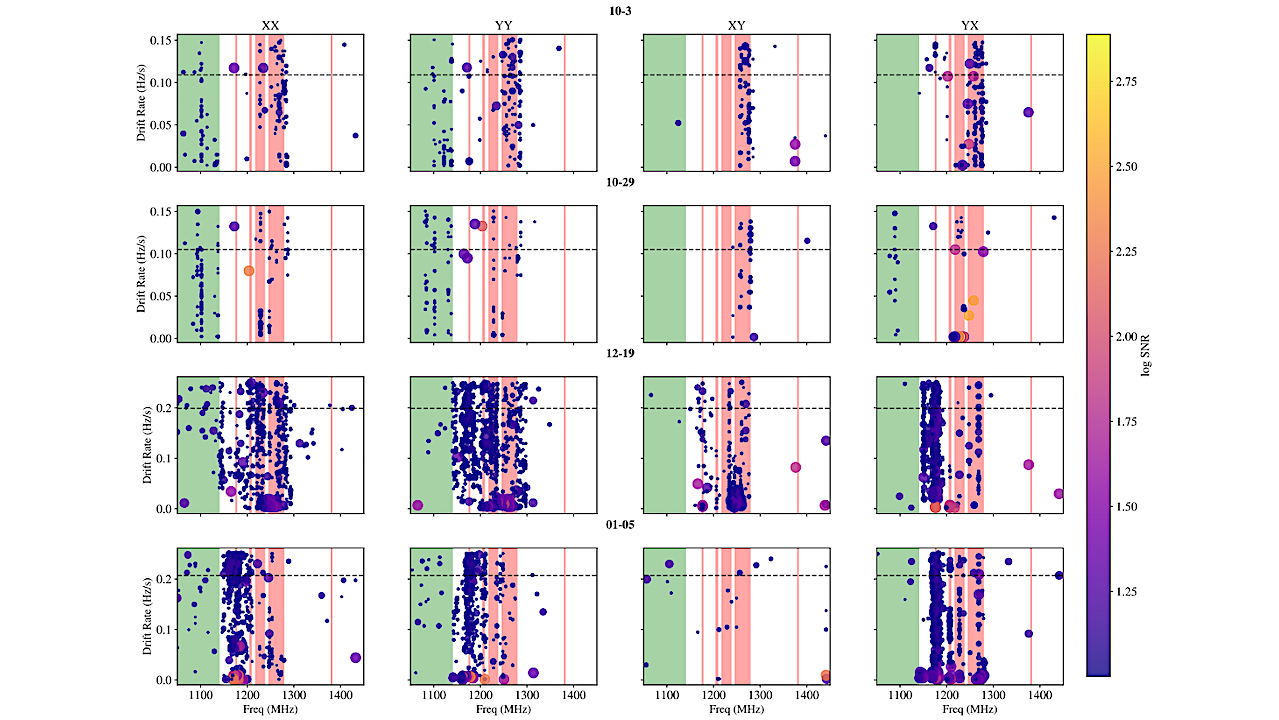
Scatter plots of potential candidate in frequency, drift rate and signal-to-noise ratio for each polarization channel. The color and the size for each point represent the value of SNR in

Rocky planets are found in abundance around M-type stars (red dwarfs), so finding another one doesn’t always generate headlines. But an international team of astronomers say that one recent M-dwarf
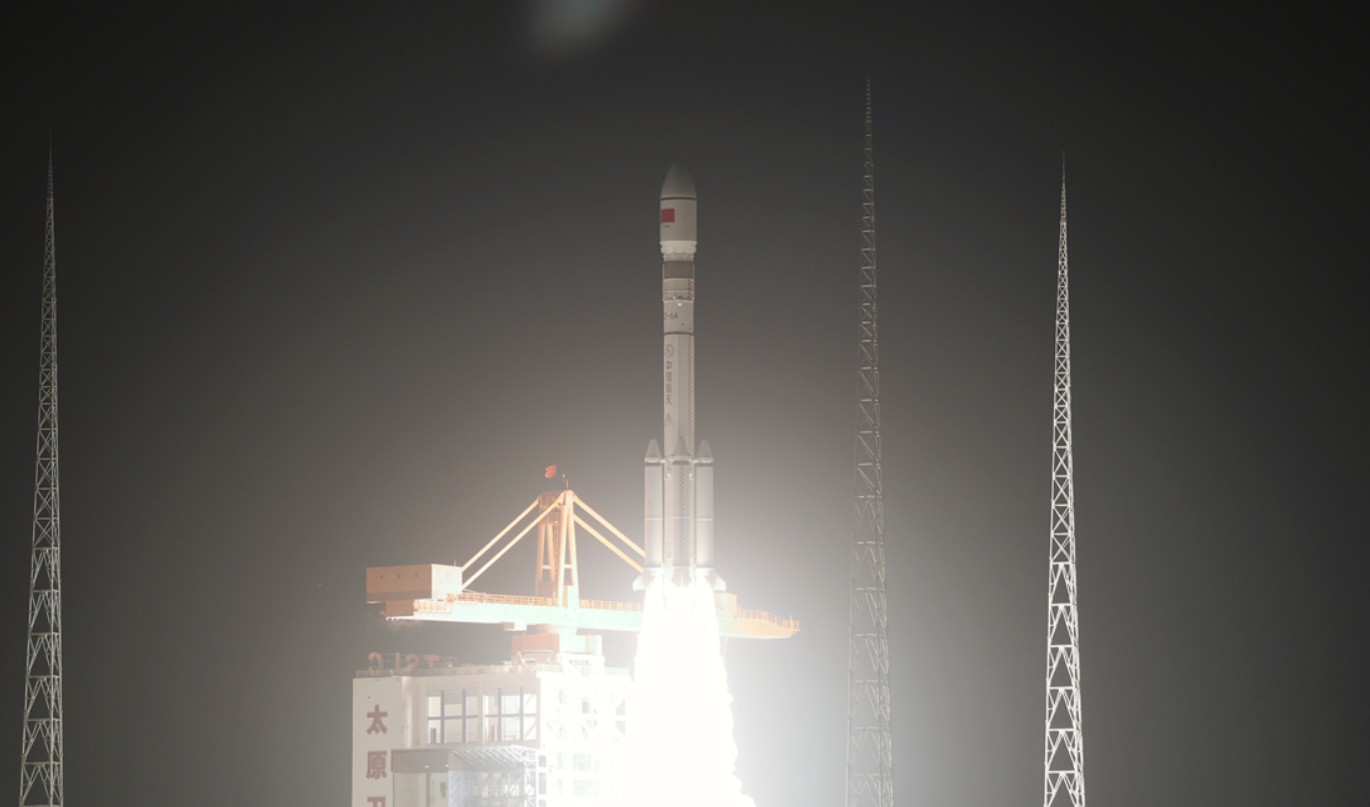
HELSINKI — China conducted a pair of launches Sunday, sending a second Yaogan-50 satellite into a highly retrograde orbit and completing a Kuaizhou-11 solid rocket rideshare mission. The country is
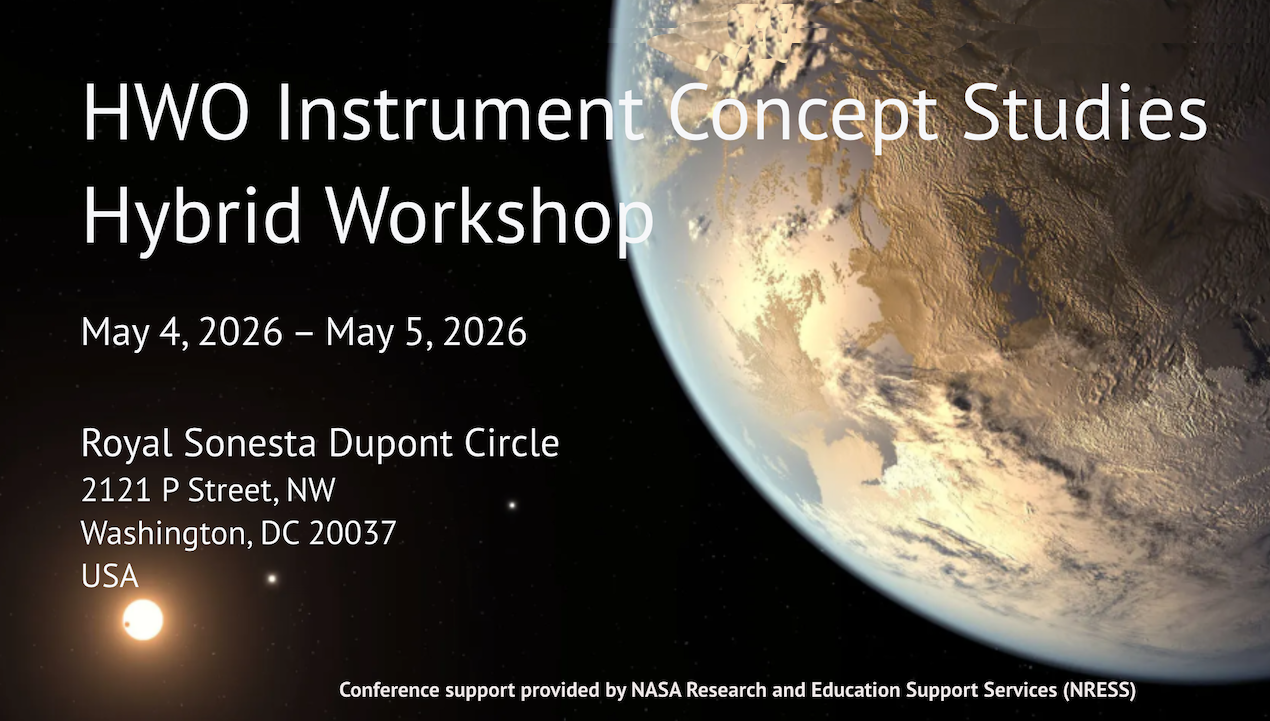
Pre-Proposal Workshop For HWO Instrument Concept Studies Solicitation Workshop Date/Time: May 4th-5th Registration Opens: March 18th, 8AM Eastern NASA plans to solicit proposals for carrying out U.S.-led HWO instrument concept
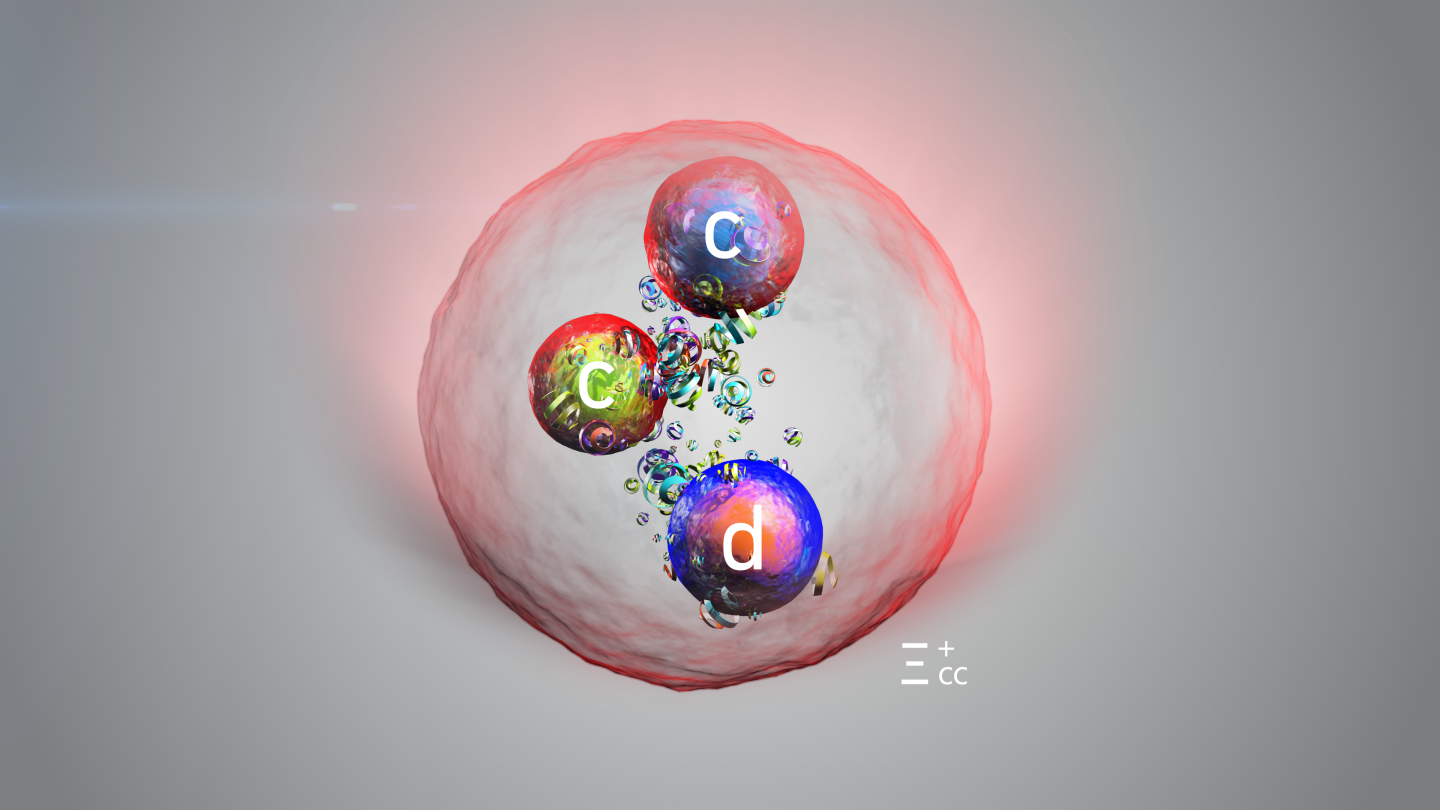
Scientists at Europe’s CERN research center have announced that the Large Hadron Collider’s LHCb experiment has discovered a “doubly charmed” particle that’s like a proton, but four times as weighty.