
Astronomers have found an exoplanet that could serve as a benchmark in future studies. It’s a rocky planet orbiting an M-type star, and though these planets are plentiful, this one

Hot Posts1186- Page
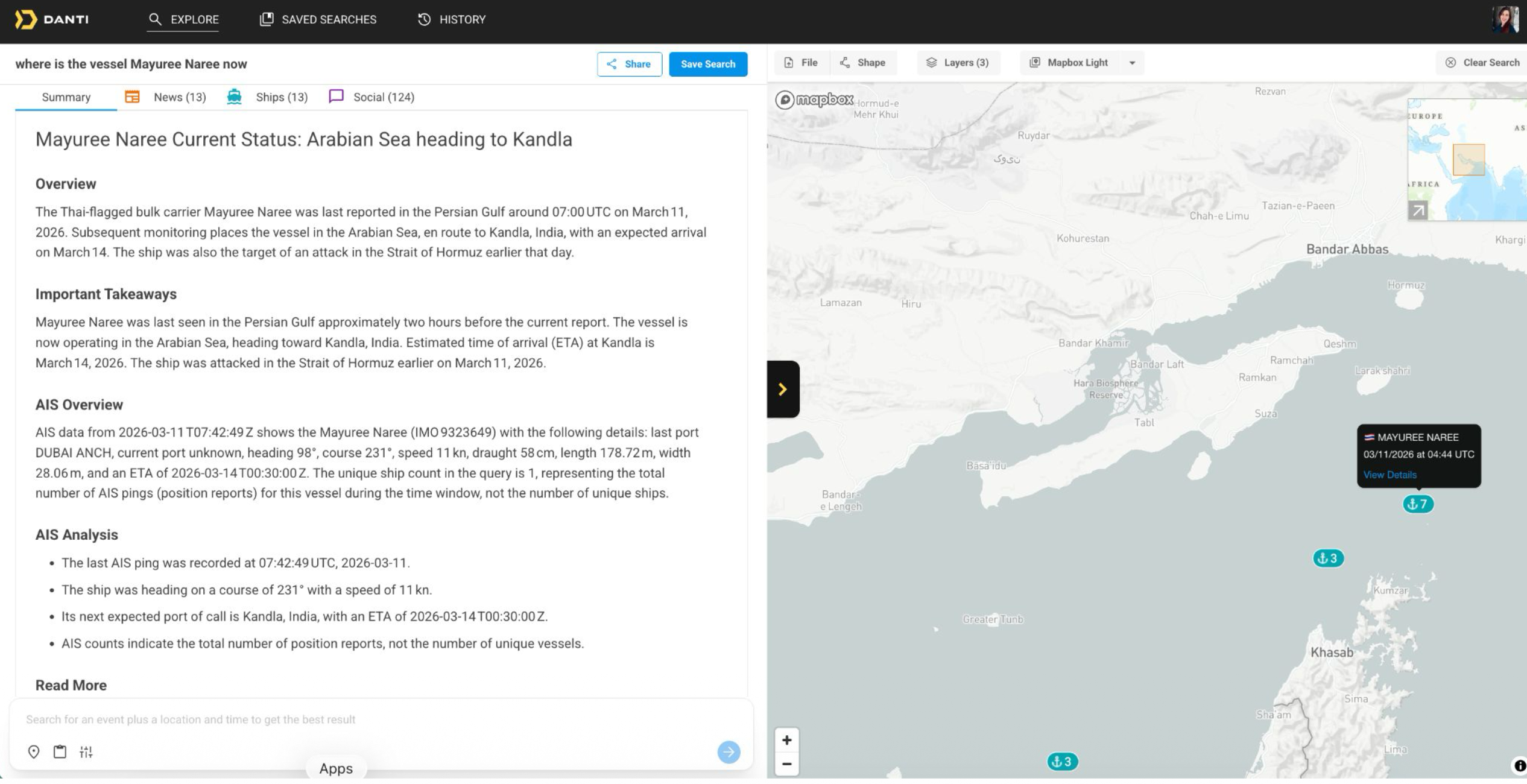
WASHINGTON — The conflict between the United States and Iran is turning the Strait of Hormuz into a live testing ground for commercial geospatial intelligence — a role similar to
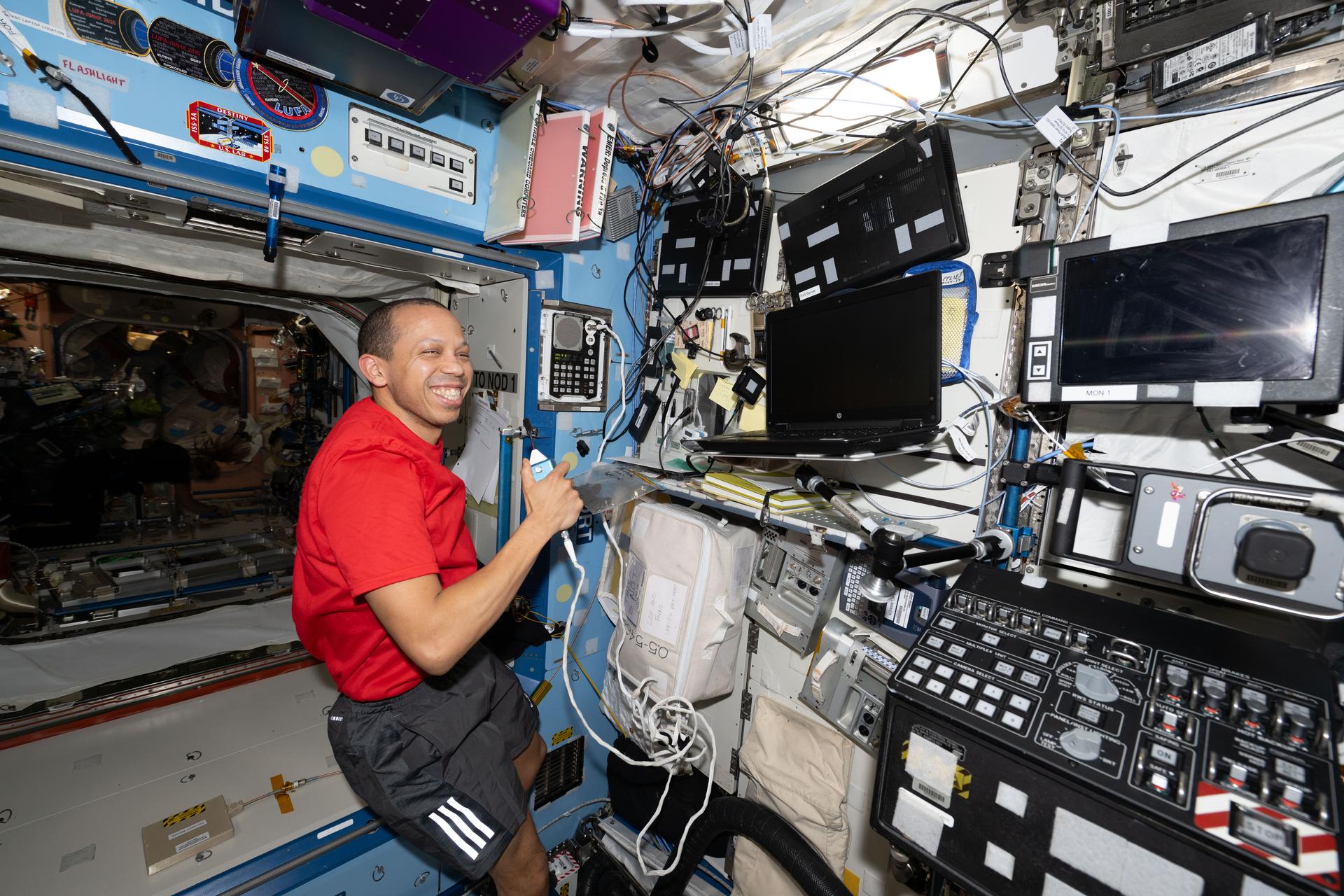
NASA astronaut Chris Williams calls mission controllers during Crew Medical Officer training while inside the International Space Station’s Destiny laboratory module. NASA/Jessica Meir Students in New York will hear from
Landsat Navigation Landsat Home Missions Landsat Next Landsat 9 Landsat 8 Landsat 7 Landsat 6 Landsat 5 Landsat 4 Landsat 3 Landsat 2 Landsat 1 News Latest News People of
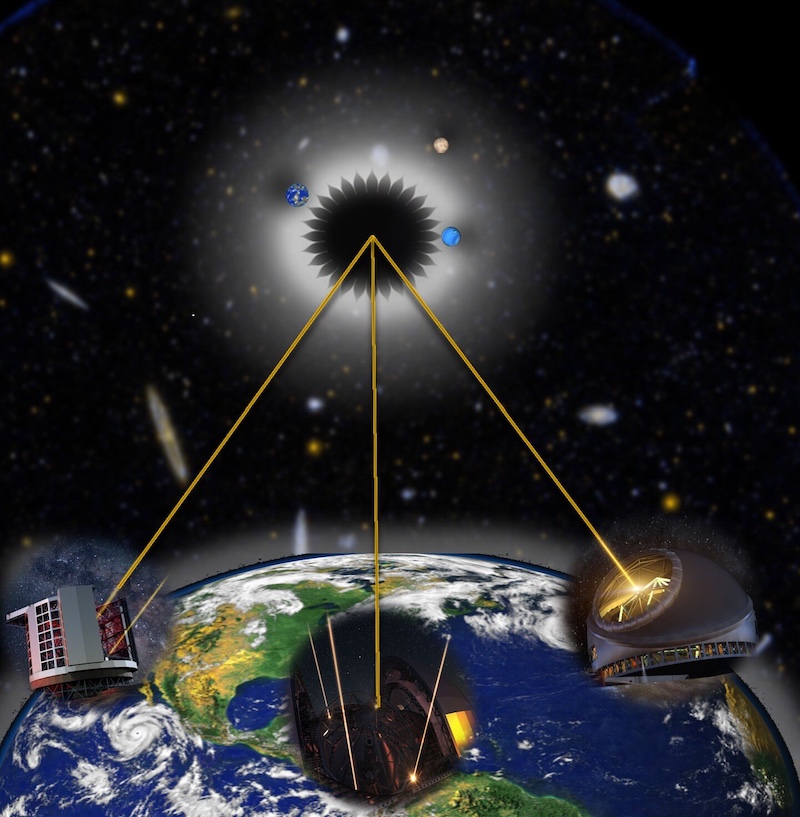
View larger. | Artist’s illustration of a new telescope conceived for seeking other Earths. It would be a hybrid: partly ground-based and partly space-based. The starshade in orbit (top center)
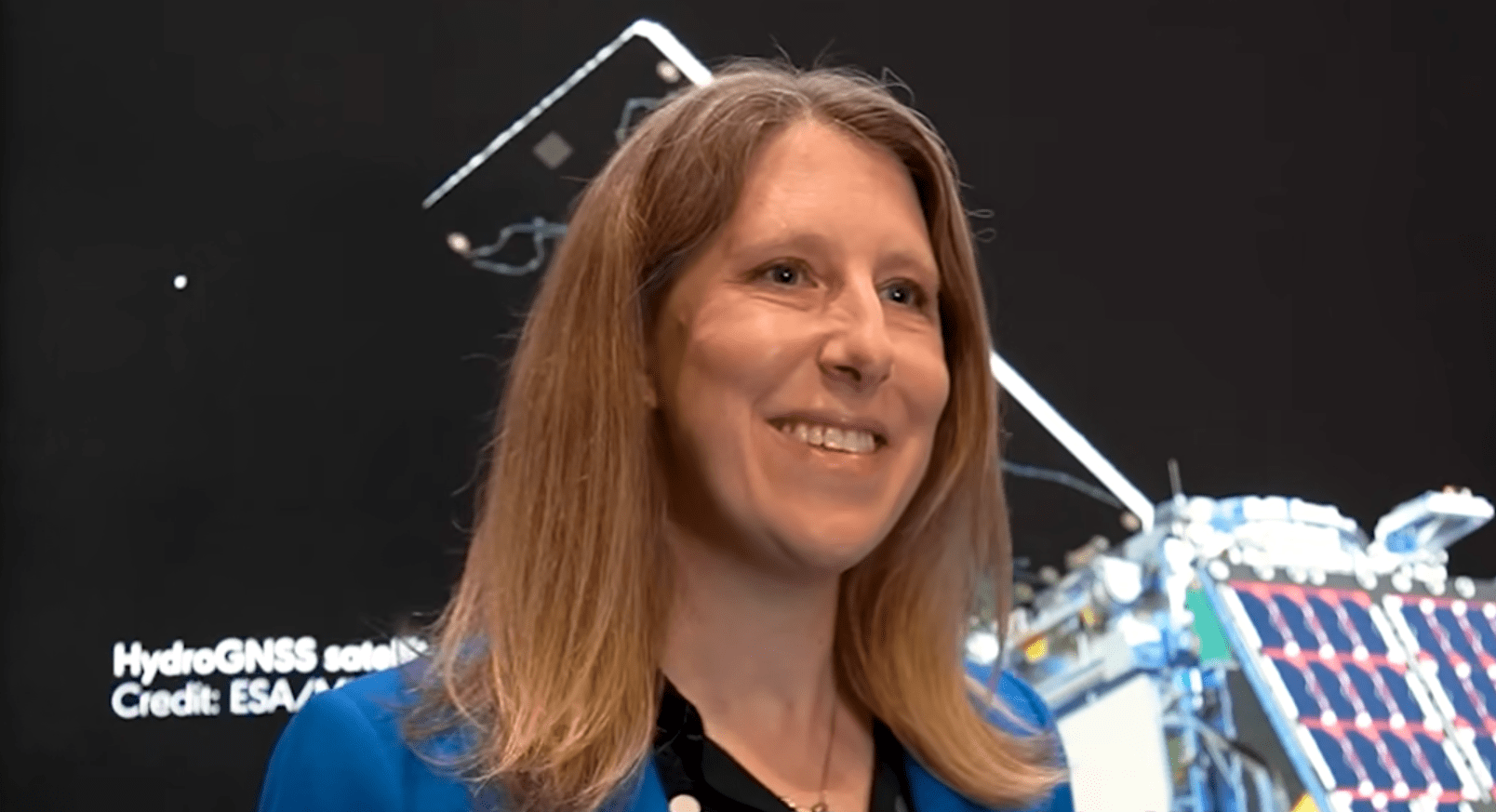
SpaceNews caught up with Rebecca Evernden, the recently appointed Director of the new UK Space Agency, at Space Comm Expo in London. This interview has been edited for brevity and
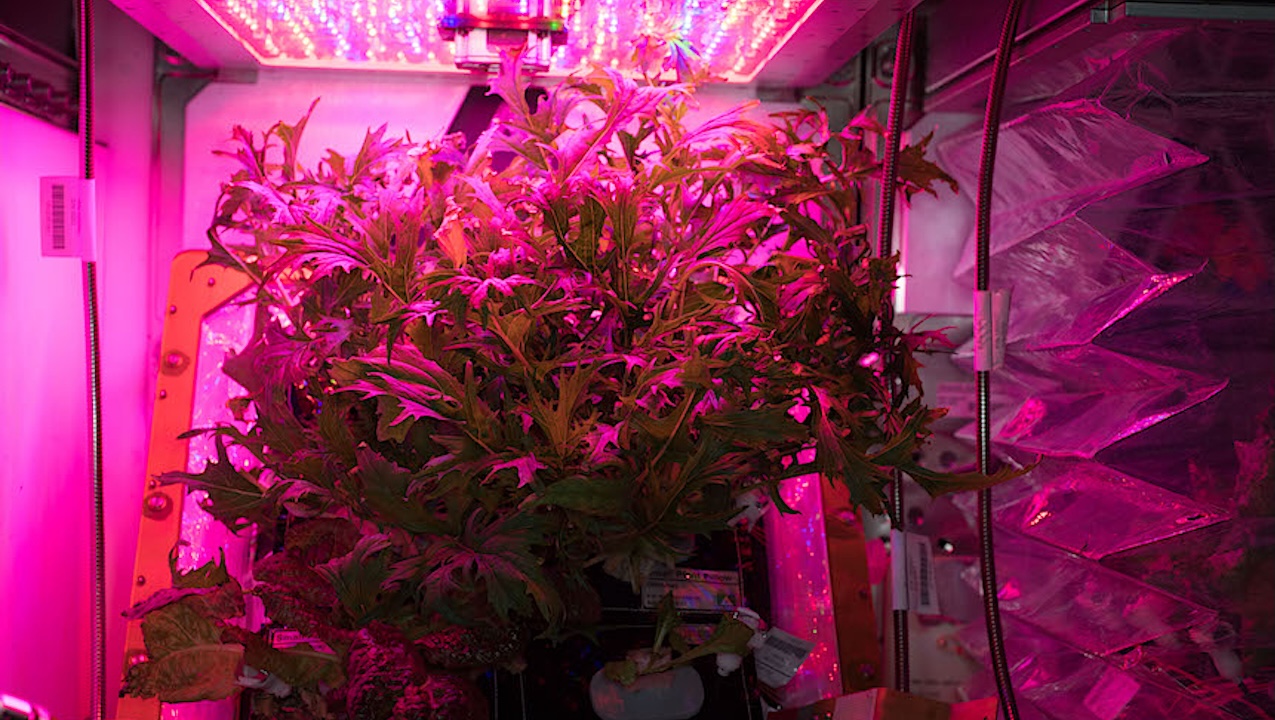
Keith Cowing Explorers Club Fellow, ex-NASA Space Station Payload manager/space biologist, Away Teams, Journalist, Lapsed climber, Synaesthete, Na’Vi-Jedi-Freman-Buddhist-mix, ASL, Devon Island and Everest Base Camp veteran, (he/him) 🖖🏻 Follow on
One particularly well-known fact about the moon is that it doesn’t have much of a magnetosphere to speak of. There’s no blanket to protect it from the solar wind ravaging
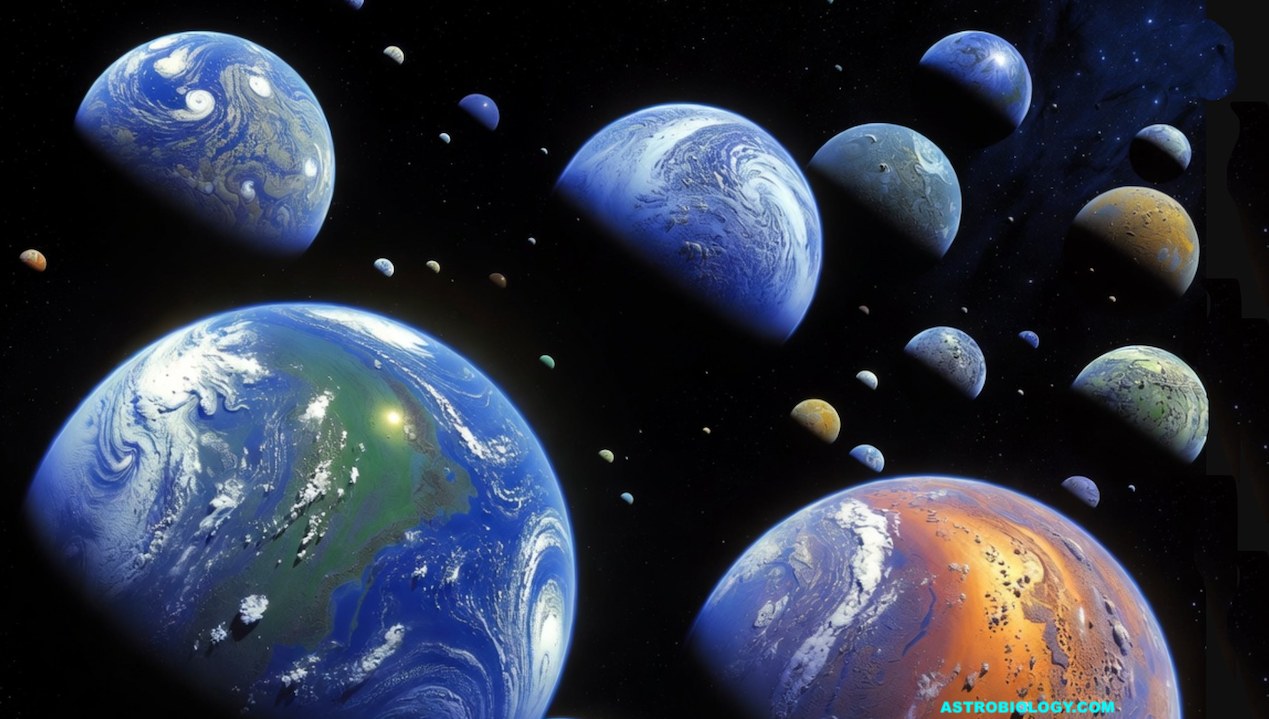
Potentially habitable worlds – Grok via Astrobiology.com This white paper introduces a framework for applying Assembly Theory (AT) to planetary atmospheres as a biosignature framework suitable for the Habitable Worlds
Asteroids are some of the oldest objects in the solar system: leftovers from the chaotic time when planets were assembling from dust and rock. They’re time capsules, preserving clues about
Advertisement
Popular Now
-
 01Two Black Holes Observed Circling Each Other for the First Time
 -
 02From Polymerization-Enabled Folding and Assembly to Chemical Evolution: Key Processes for Emergence of Functional Polymers in the Origin of Life
 -
 03Astronomy 101: From the Sun and Moon to Wormholes and Warp Drive, Key Theories, Discoveries, and Facts about the Universe (The Adams 101 Series)
 -
 04True Anomaly hires former York Space executive as chief operating officer
 -
 05Φsat-2 begins science phase for AI Earth images
 -
 06Hurricane forecasters are losing 3 key satellites ahead of peak storm season − a meteorologist explains why it matters
 -
 07Binary star systems are complex astronomical objects − a new AI approach could pin down their properties quickly
Scroll to Top