
The interiors of ice giant planets like Uranus and Neptune could be home to a previously unknown state of matter, according to new computational simulations by Carnegie’s Cong Liu and

Hot Posts1269- Page
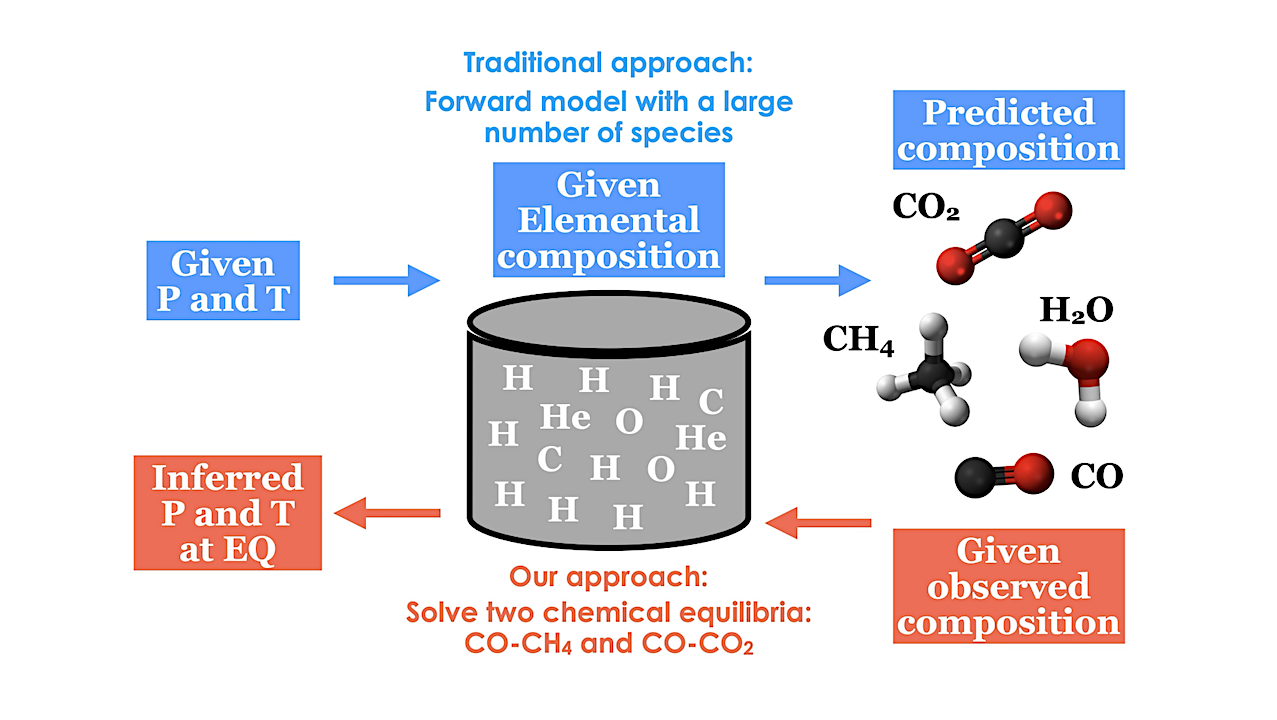
Summary of our method and comparison to the traditional grid modeling approach. — astro-ph.EP JWST is revolutionizing the field of exoplanet atmospheres by delivering unprecedented spectroscopic constraints on their chemical
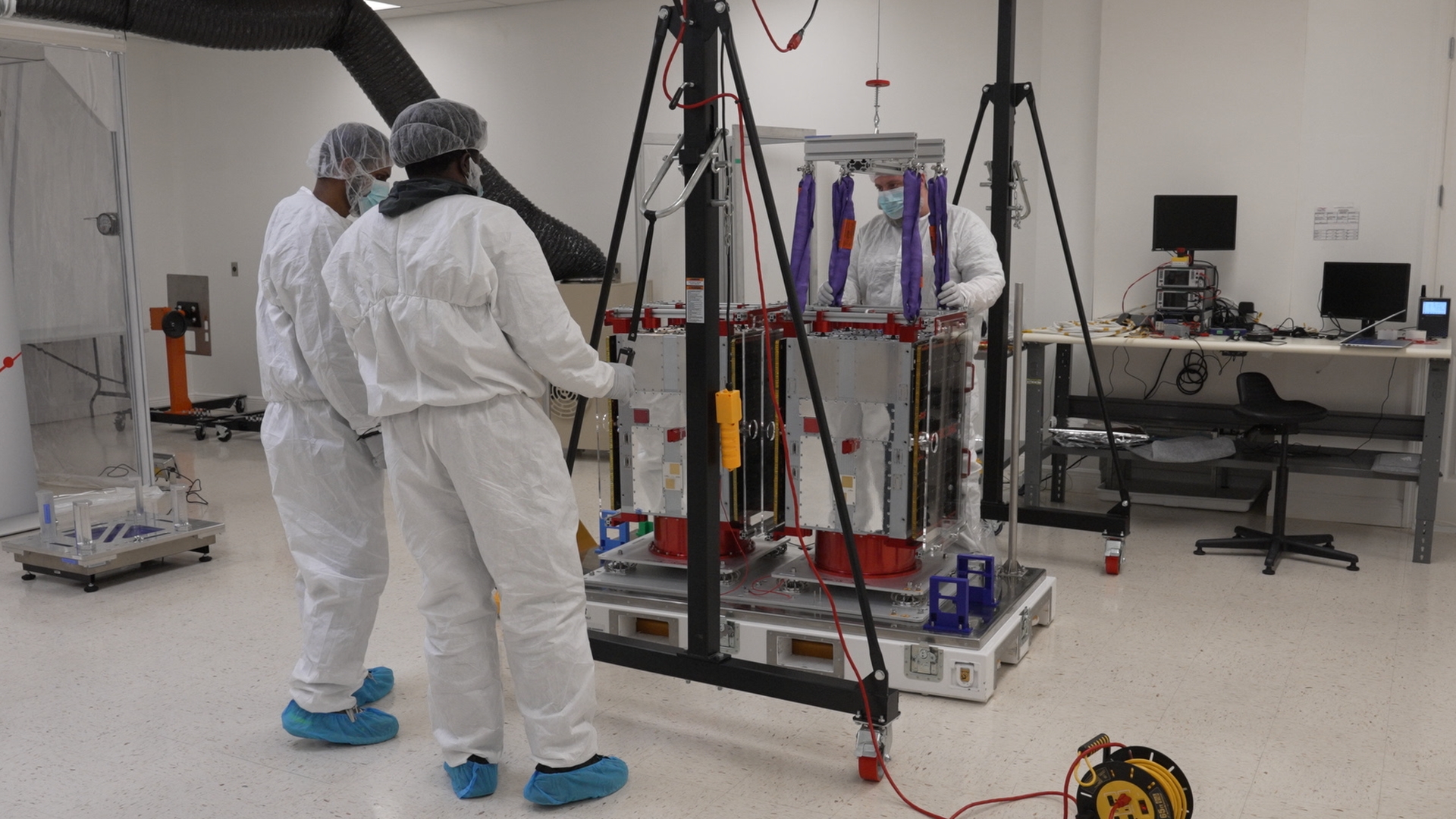
TAMPA, Fla. — Italy’s Argotec has officially opened its first U.S. satellite production facility, cementing a foothold near Kennedy Space Center in Florida to join other foreign space firms pursuing
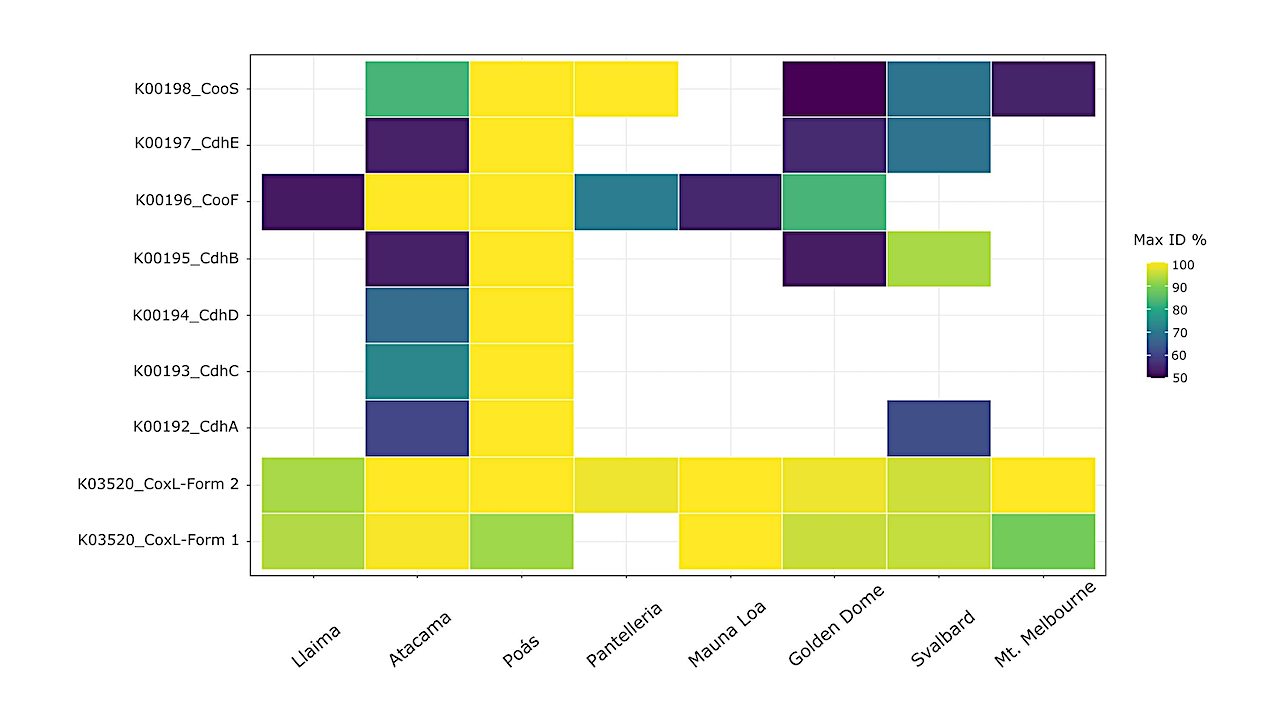
Maximum BLASTx identity (%) of key Cdh/Coo and CoxL enzymes across eight global locations. This heatmap illustrates the sequence conservation of each gene in different environments, ranging from highly conserved
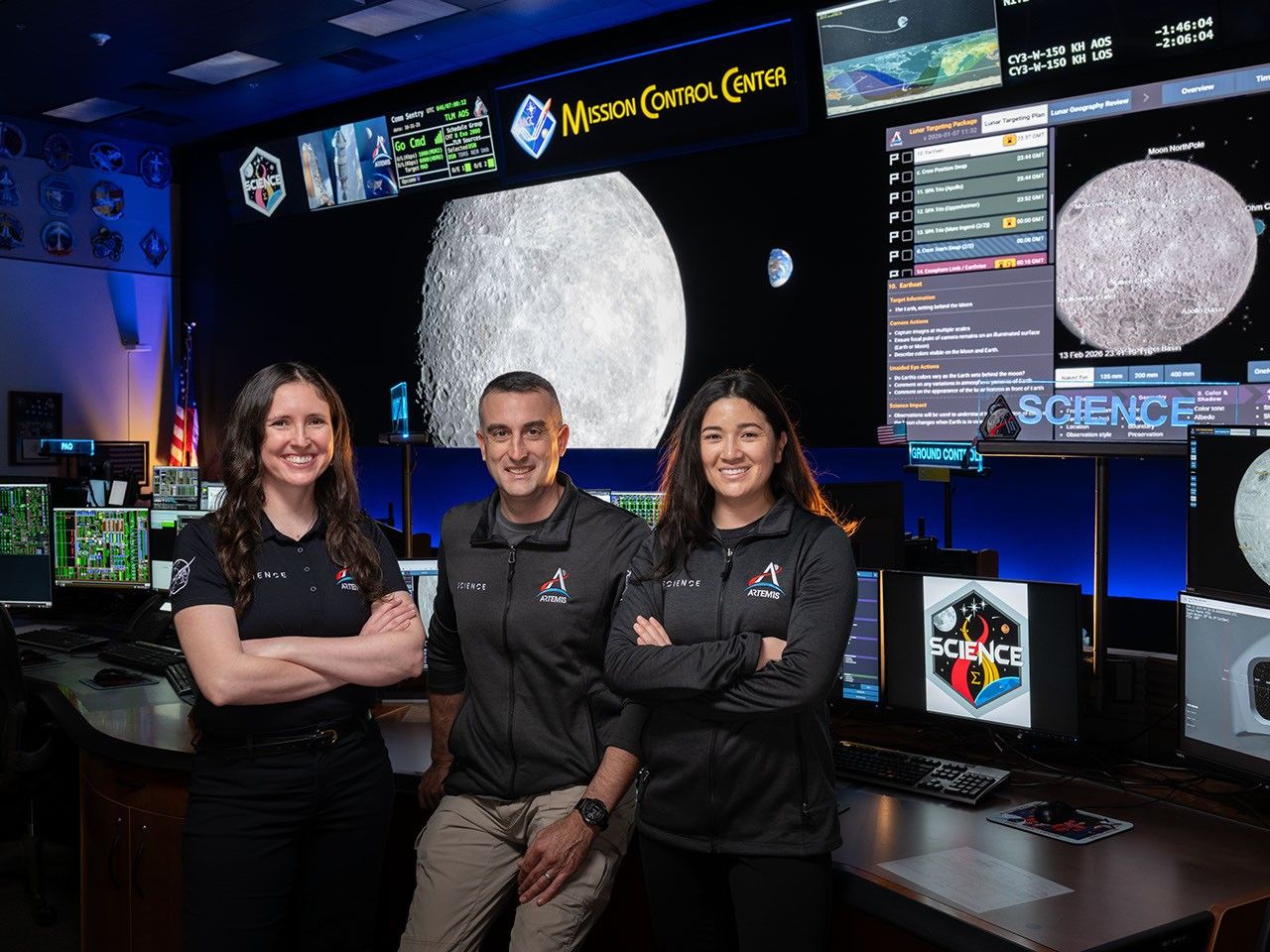
5 Min Read Meet NASA’s New Artemis II Science Officers Artemis science officers, from left, Kelsey Young, Trevor Graff, and Angela Garcia stand at the new SCIENCE console in the
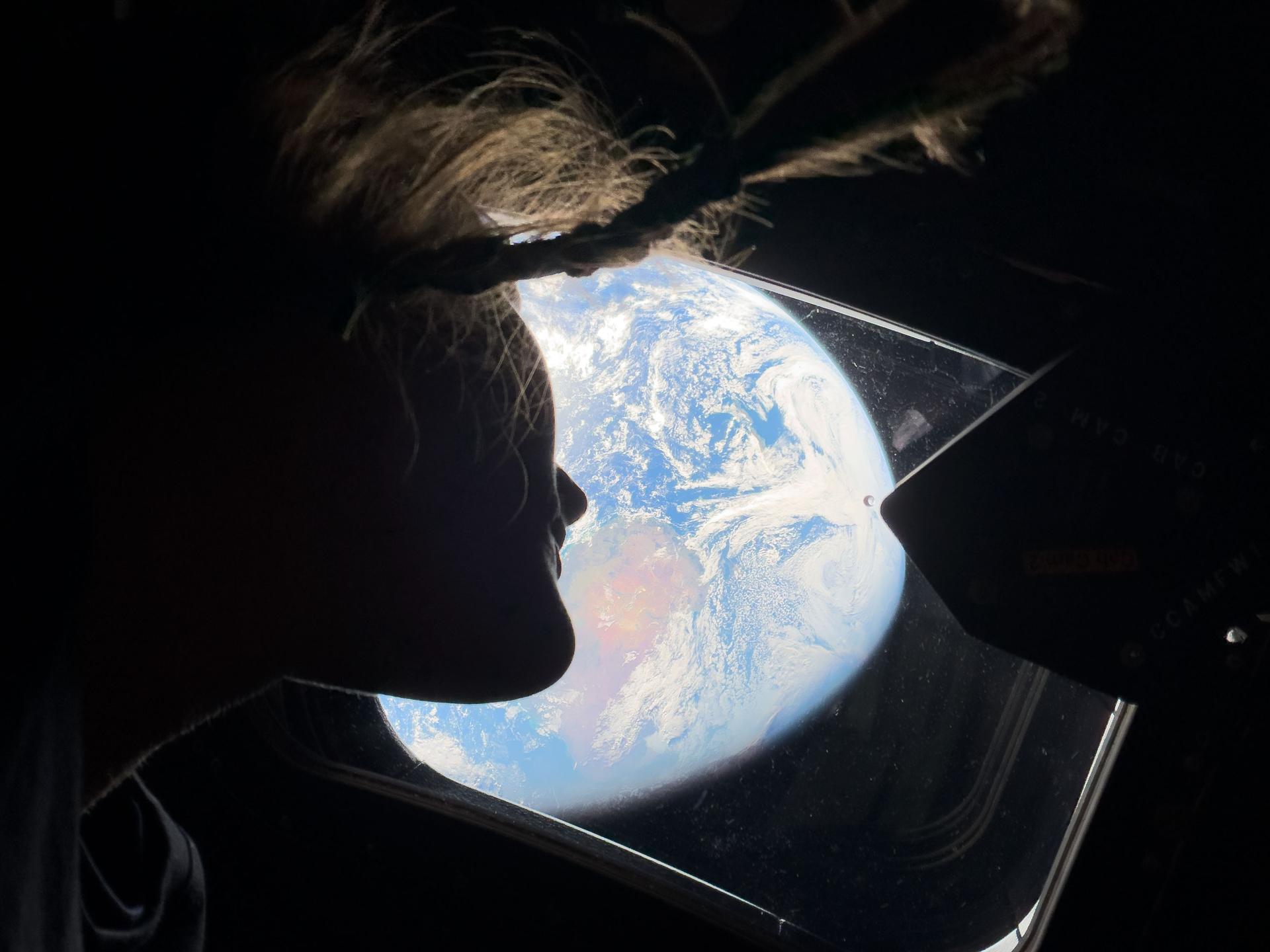
NASA astronaut Christina Koch, Artemis II mission specialist, peers out of one of the Orion spacecraft’s main cabin windows on Saturday, April 4, 2026, looking back at Earth, as the
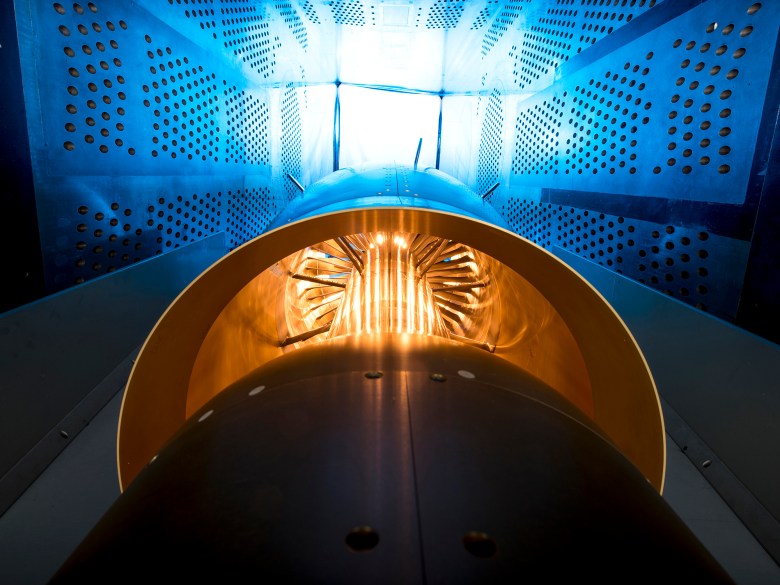
NASA will take another step toward returning astronauts to the moon when Artemis 2 launches as early as this spring. During the 10-day mission, Orion will orbit Earth twice before
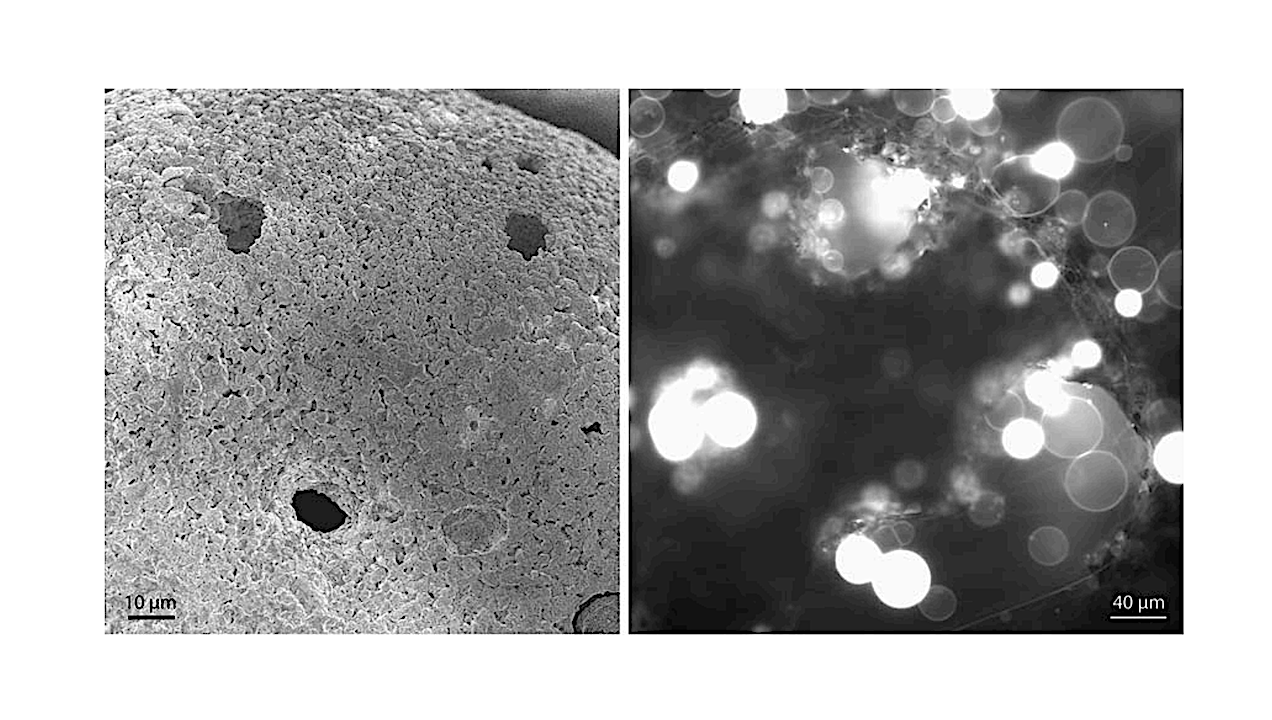
Protocell formation on a scoriaceous micrometeorite. A scanning electron microscope image section of the micrometeorite (left), fluorescence microscope micrograph of protocells on the surface of the micrometeorite (right). Phospholipid membranes
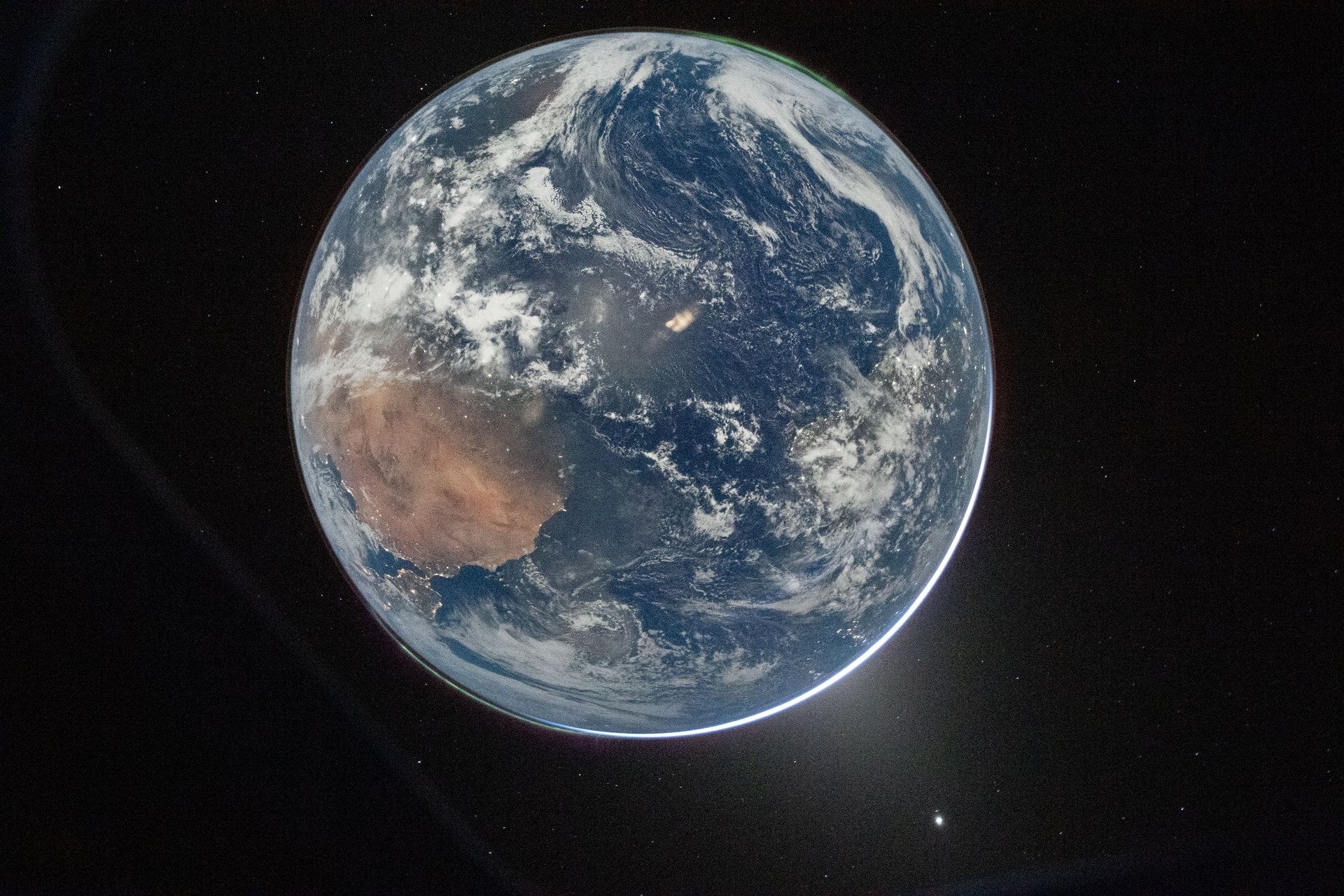
NASA astronaut and Artemis II Commander Reid Wiseman took this picture of Earth from the Orion spacecraft’s window after completing the translunar injection burn. There are two auroras (top right
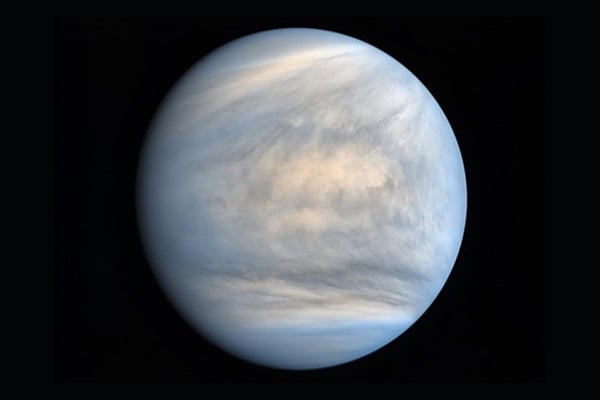
A new study presented at the 2026 LPSC suggests that if life does exist in Venus’ clouds, there’s a chance it came from Earth.
Advertisement
Popular Now
-
 01Two Black Holes Observed Circling Each Other for the First Time
 -
 02From Polymerization-Enabled Folding and Assembly to Chemical Evolution: Key Processes for Emergence of Functional Polymers in the Origin of Life
 -
 03Astronomy 101: From the Sun and Moon to Wormholes and Warp Drive, Key Theories, Discoveries, and Facts about the Universe (The Adams 101 Series)
 -
 04True Anomaly hires former York Space executive as chief operating officer
 -
 05Φsat-2 begins science phase for AI Earth images
 -
 06Hurricane forecasters are losing 3 key satellites ahead of peak storm season − a meteorologist explains why it matters
 -
 07Binary star systems are complex astronomical objects − a new AI approach could pin down their properties quickly
Scroll to Top