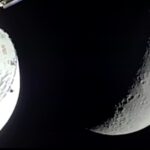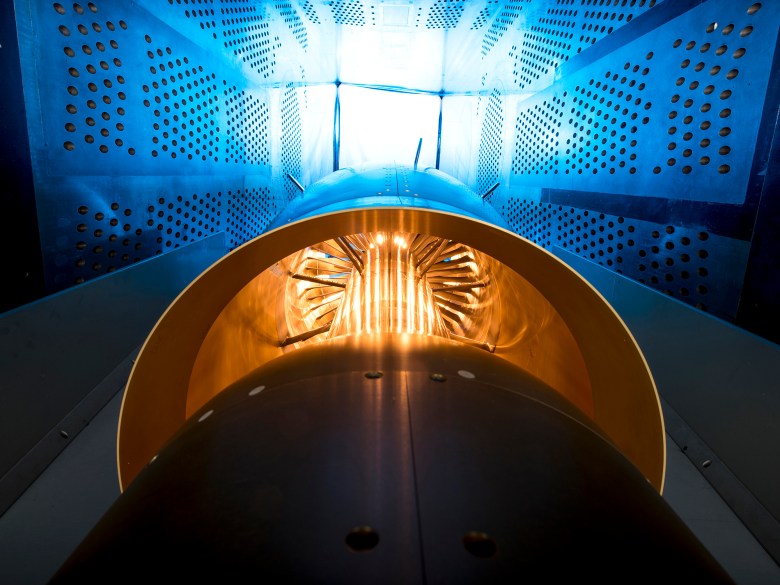
NASA will take another step toward returning astronauts to the moon when Artemis 2 launches as early as this spring. During the 10-day mission, Orion will orbit Earth twice before

NASA will take another step toward returning astronauts to the moon when Artemis 2 launches as early as this spring. During the 10-day mission, Orion will orbit Earth twice before
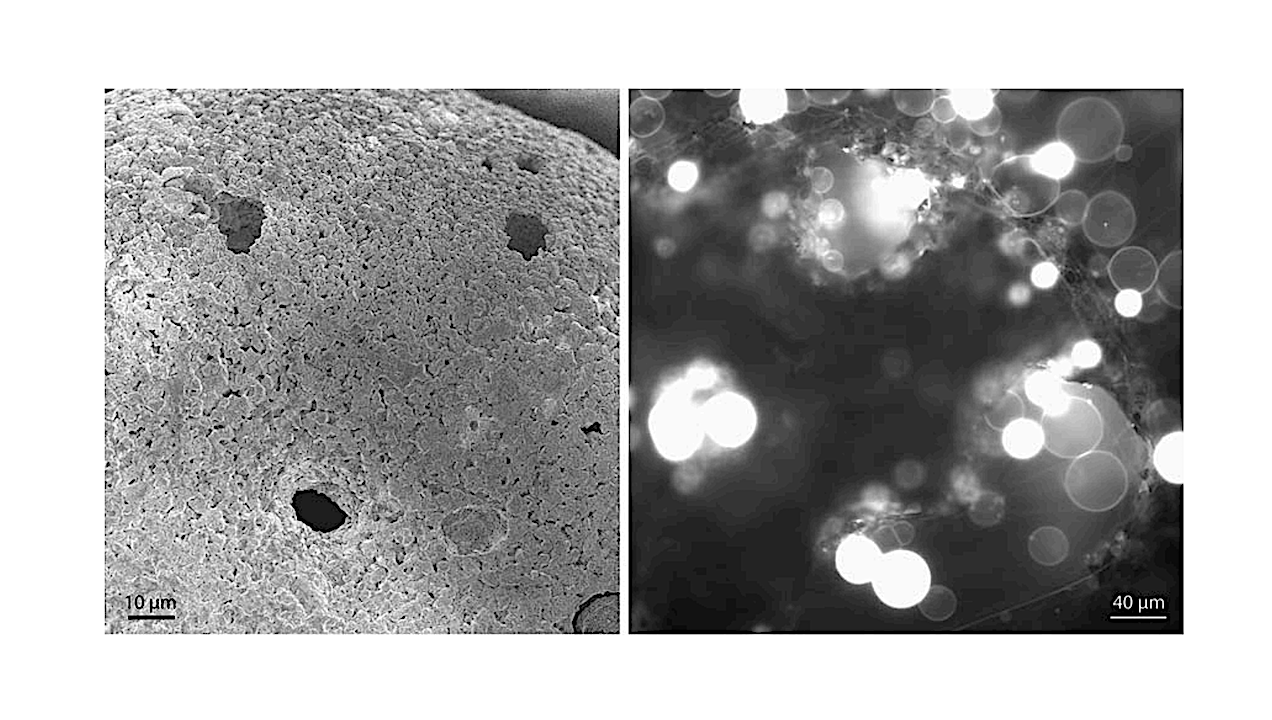
Protocell formation on a scoriaceous micrometeorite. A scanning electron microscope image section of the micrometeorite (left), fluorescence microscope micrograph of protocells on the surface of the micrometeorite (right). Phospholipid membranes
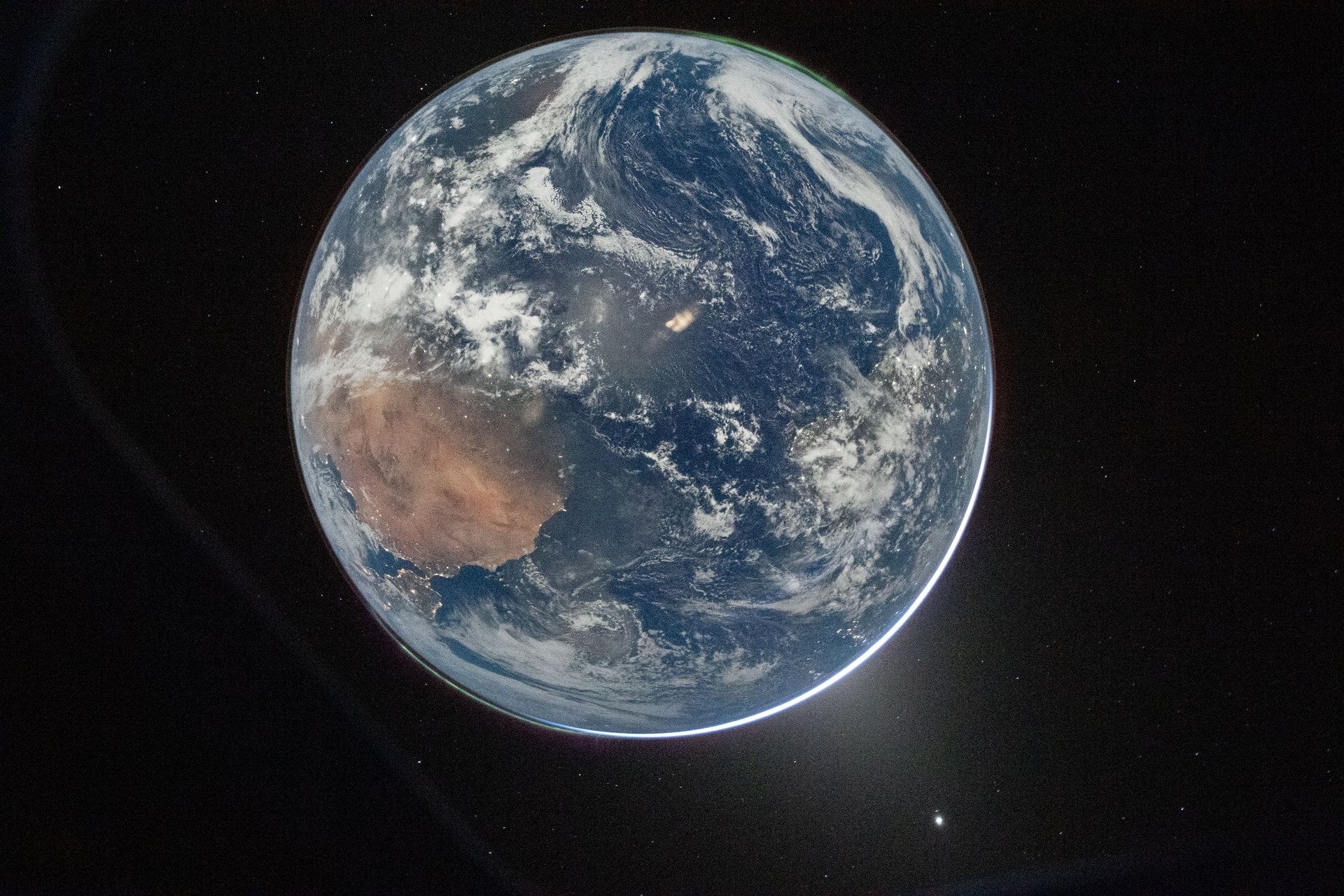
NASA astronaut and Artemis II Commander Reid Wiseman took this picture of Earth from the Orion spacecraft’s window after completing the translunar injection burn. There are two auroras (top right
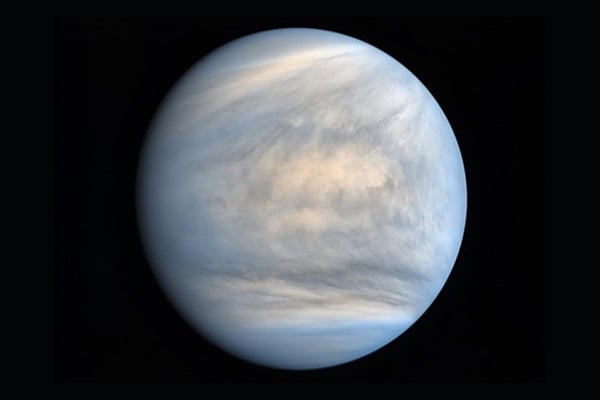
A new study presented at the 2026 LPSC suggests that if life does exist in Venus’ clouds, there’s a chance it came from Earth.
We’re getting closer and closer to finding a real Earth-like exoplanet. But finding one is only half the battle. To truly know if we’re looking at an Earth analog somewhere
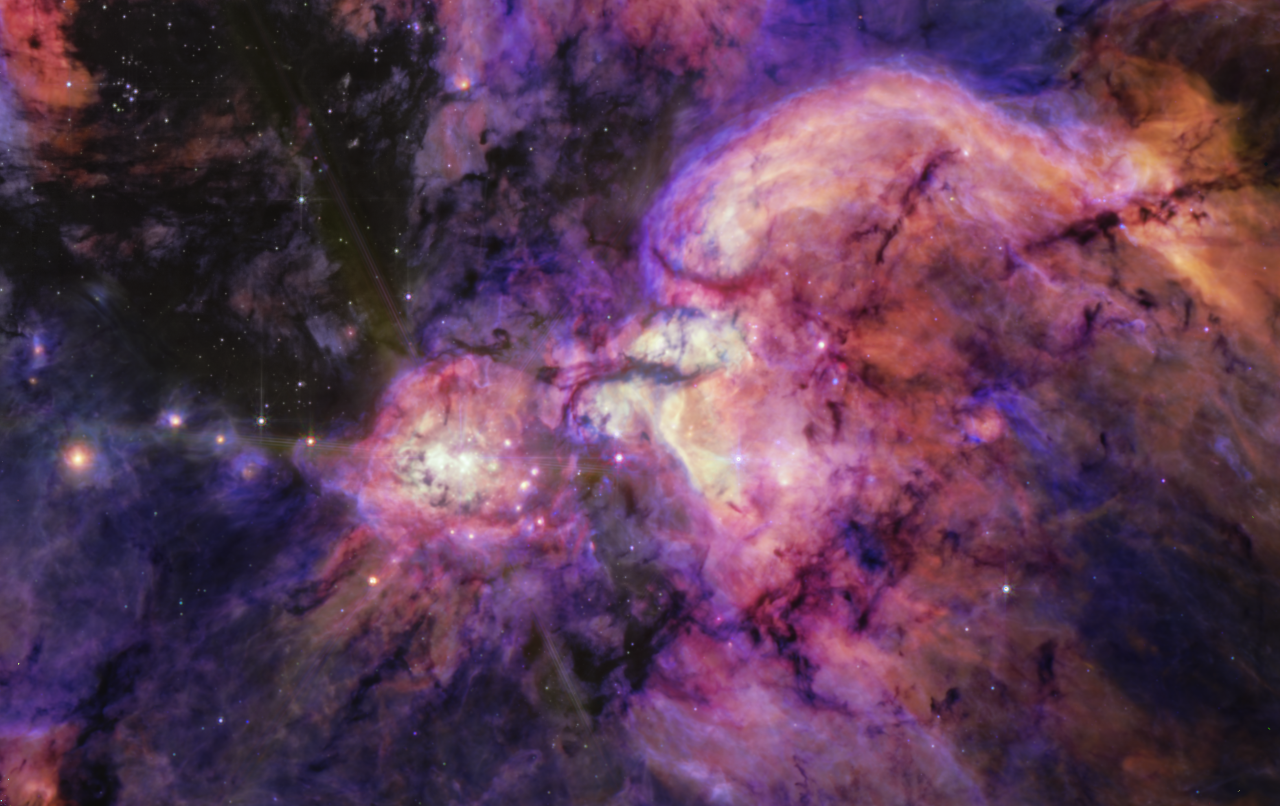
Star formation is a dramatic and complex process that erupts throughout the Universe. Yet, a lot of the action gets hidden by clouds of gas and dust. That’s where observatories
The four astronauts on NASA’s Artemis 2 mission began their fifth day journeying to the moon on Sunday, after already taking in sights of the lunar surface never before seen
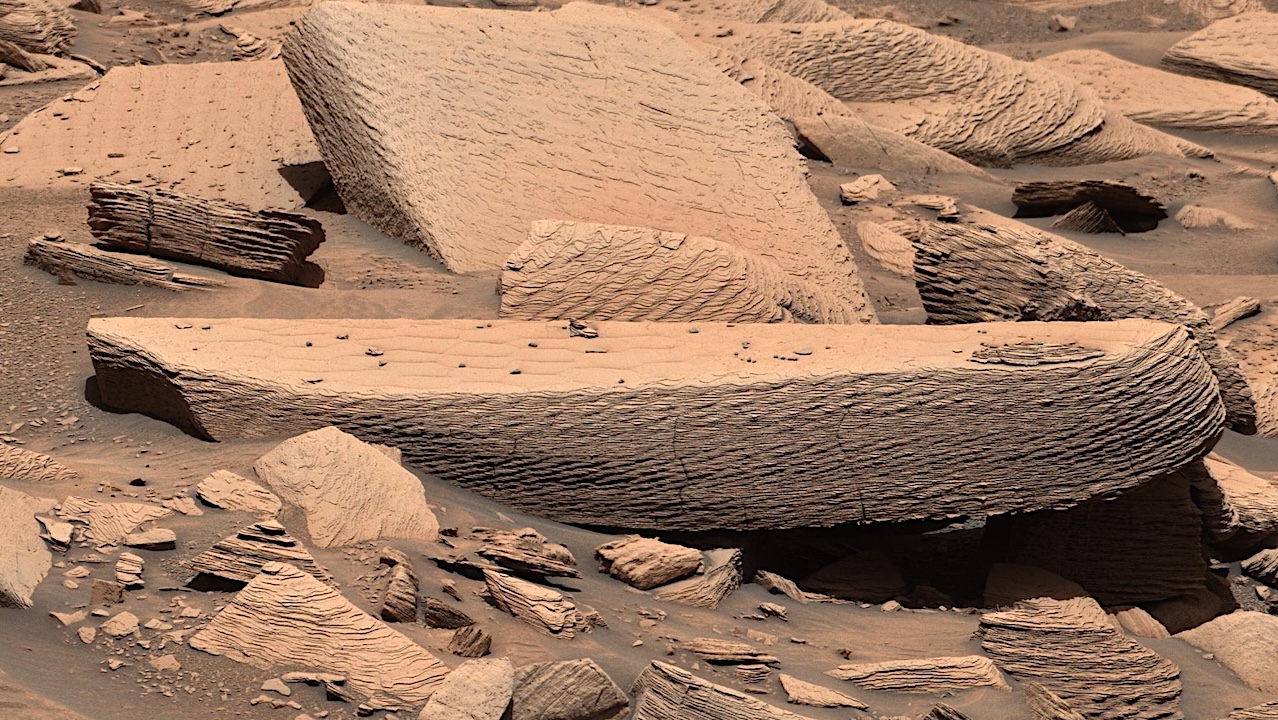
A closer view of the supercritical climbing wind ripples that provide direct evidence of a sandstorm, roughly three and a half billion years ago. Credit NASA/JPL-Caltech/MSSS The search for life
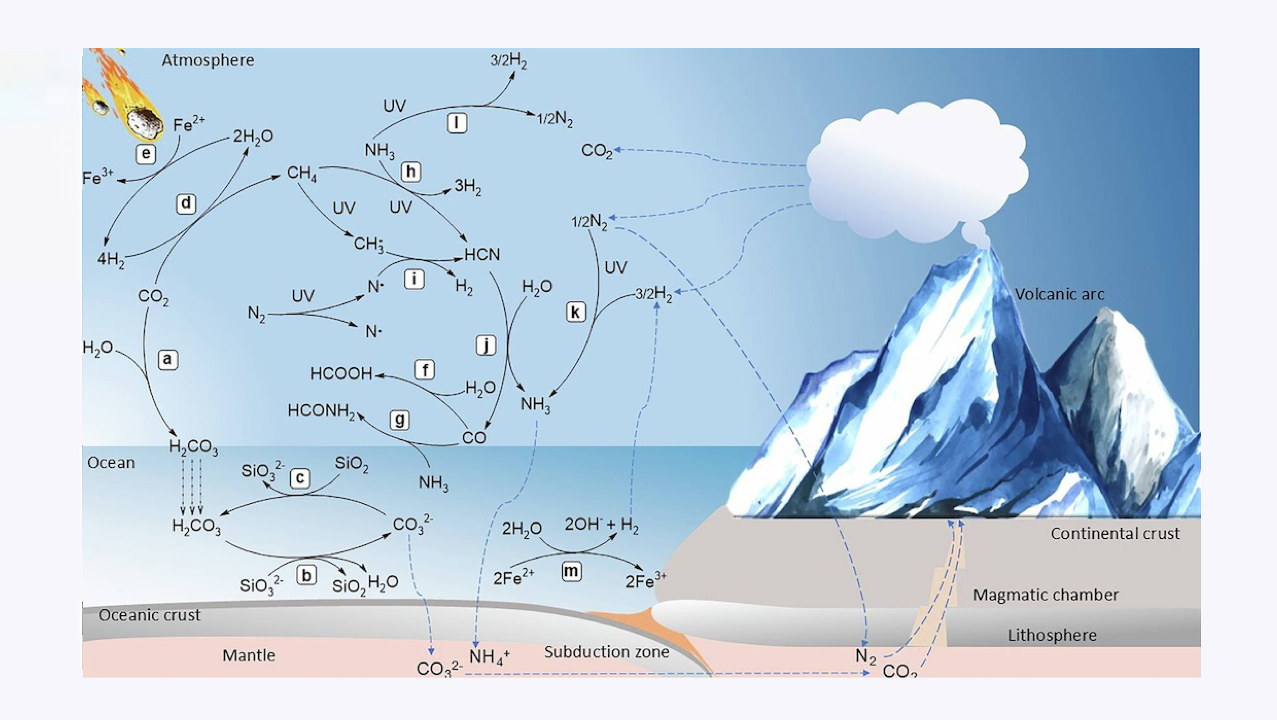
Carbon-silicate cycle includes a carbon dioxide (CO2) dissolution in rainwater to form carbonic acid (H2CO3) that falls on land and oceans; b reaction of H2CO3 and silicate (SiO32-) to form
Imagine standing beneath a vast expanse of twinkling stars, a world of wonders waiting right above you. “Astronomy with a Home Telescope: Top 50 Celestial Bodies to Discover in the