
Elements essential to life, such as carbon, nitrogen, oxygen, phosphorus, and sulfur, were “delivered” to Earth and the moon during the early stages of the solar system via asteroids and

Hot Posts1292- Page
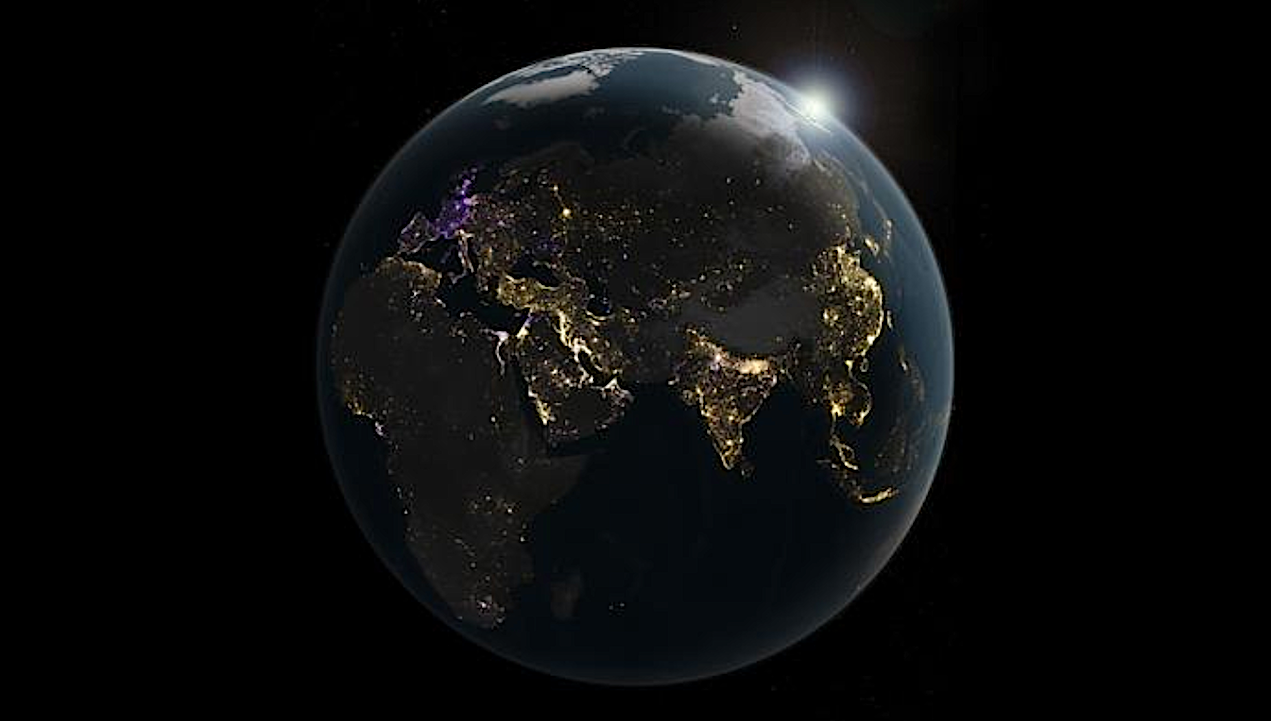
The final accumulated nighttime light change area: A night-time view of Earth, capturing human activity across the eastern hemisphere of the planet through the emissions of artificial light. Derived from
Thirty-four years after Cornell University scientists first conceived it, the Fred Young Submillimeter Telescope (FYST) now rises above the Atacama Desert, near the summit of Cerro Chajnantor in Chile. FYST
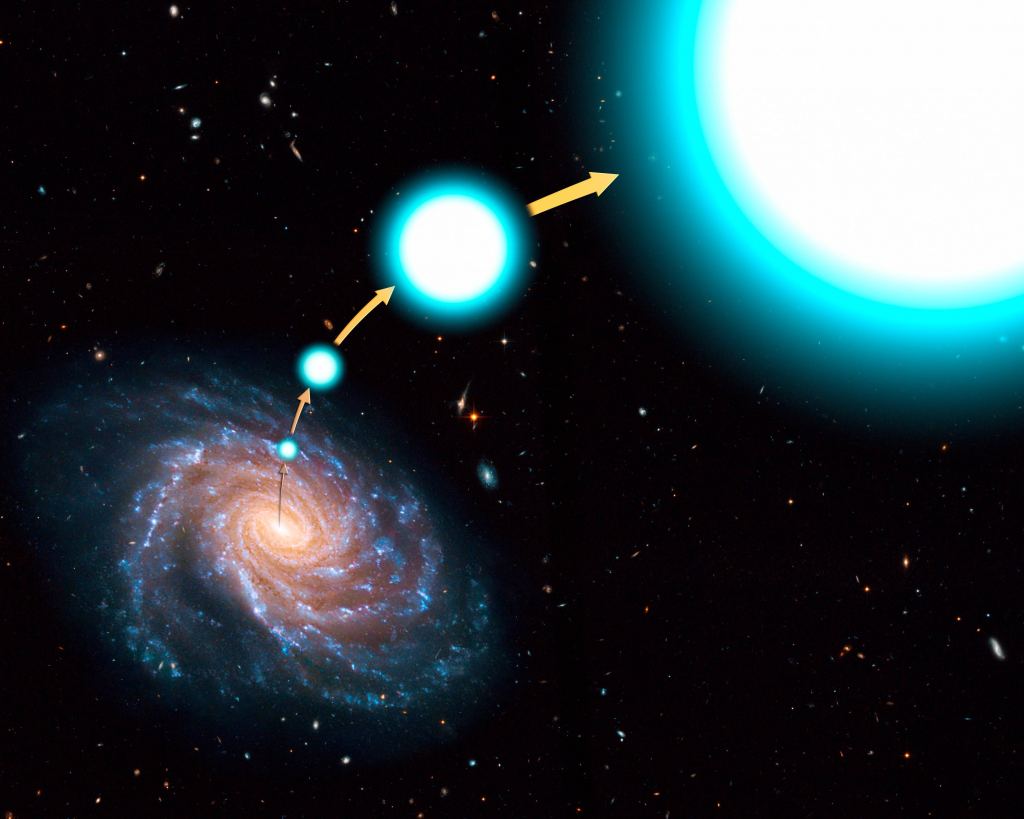
A class of undergraduate students at University of Chicago has used data from the Sloan Digital Sky Survey (SDSS) to discover one of the oldest stars in the universe, a
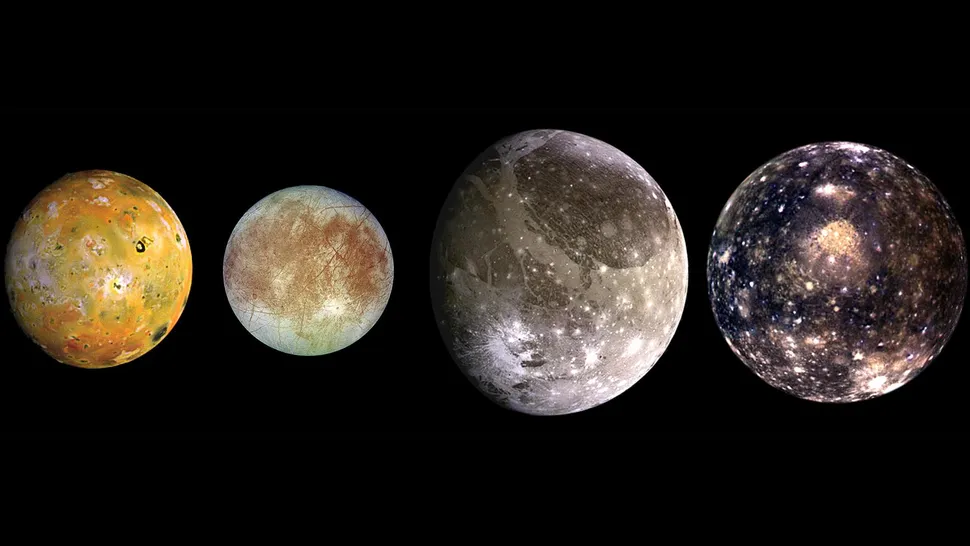
The two largest planets in our Solar System, Jupiter and Saturn, have the largest systems of moons. However, Jupiter has more large moons than Saturn, which has only one. Since
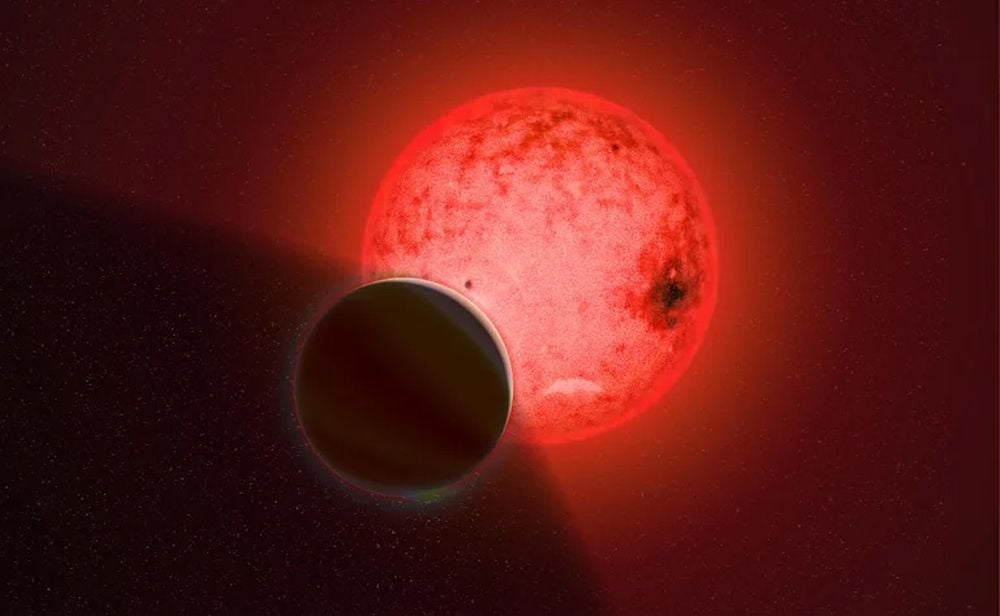
According to theory and models of planet formation, large gas giants should form around massive stars. That’s because massive stars have more massive protoplanetary disks. But astronomers have the opposite
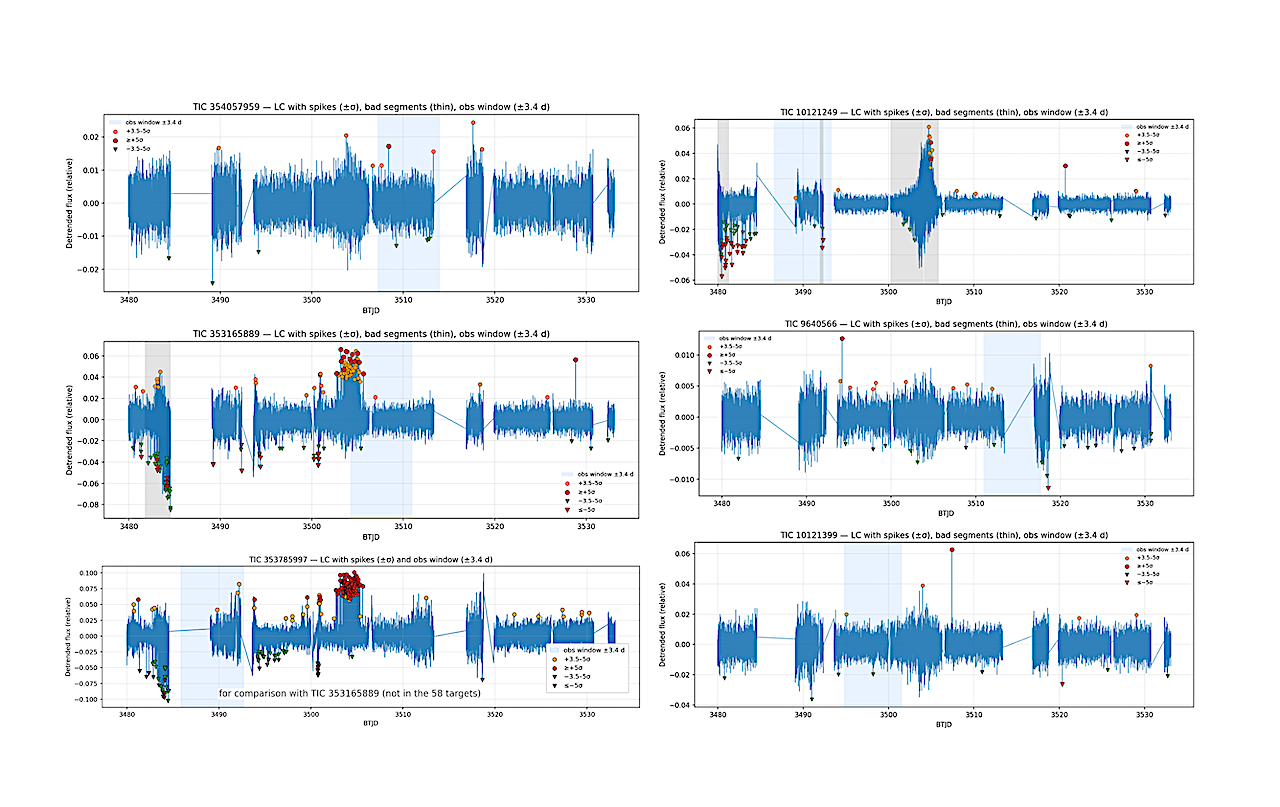
SETI & Technosignatures Status Report astro-ph.IM April 9, 2026 Detrended QLP light curves for (top) TIC 354057959, (middle) TIC 353165889, and (bottom) TIC 353785997. Blue shading indicates the ±3.4
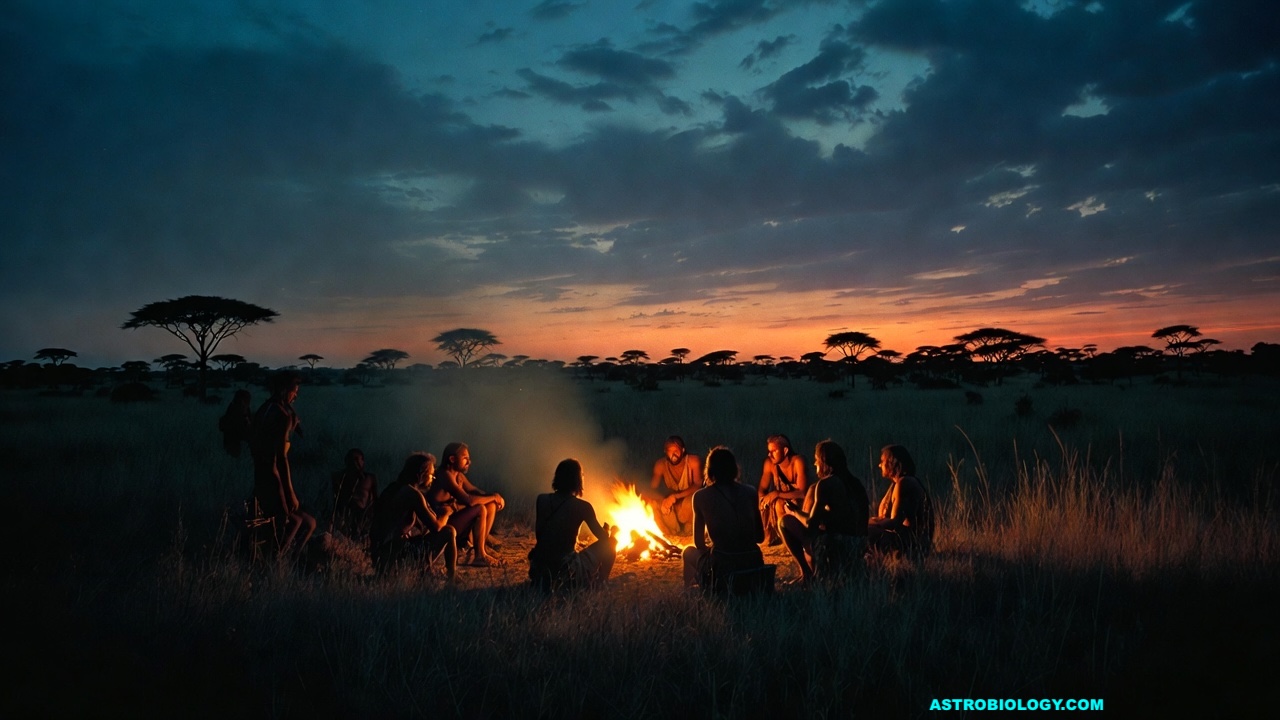
Early humans using chemistry — Grok via Astrobiology.com Since its humble origins, humans have left imprints on the face of the planet. From the profound transformation unleashed by the Neolithic
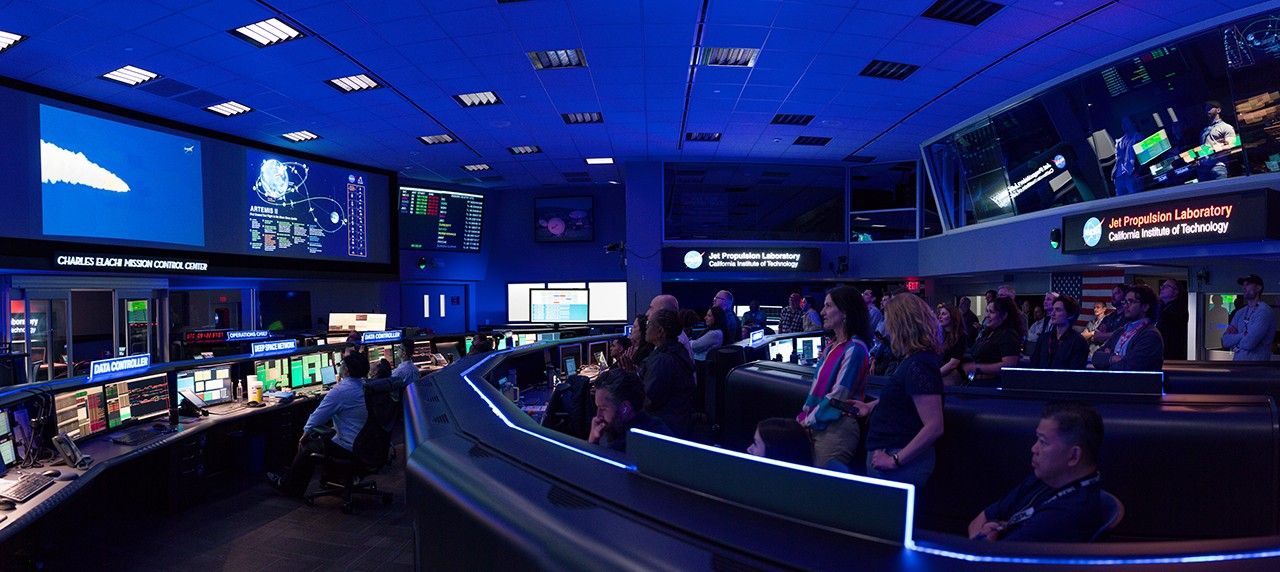
1 Min Read Watching the Artemis II Launch From JPL’s Space Flight Operations Facility PIA26743 Credits: NASA/JPL-Caltech Photojournal Navigation Science Photojournal Watching the Artemis II Launch… Photojournal Home Photojournal Search
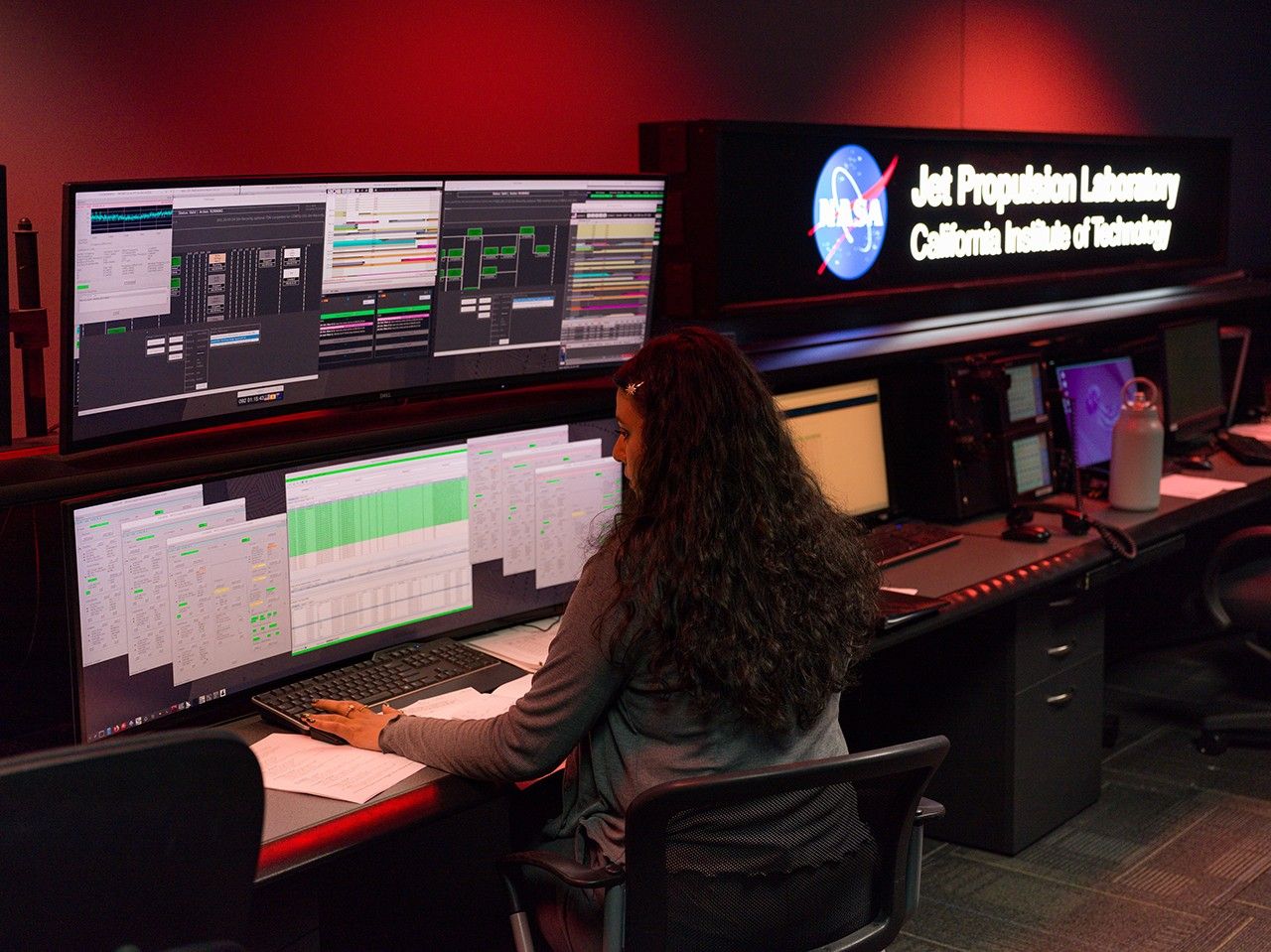
1 Min Read Watching Over the Deep Space Network Before Artemis II Signal Acquisition PIA26744 Credits: NASA/JPL-Caltech Photojournal Navigation Science Photojournal Watching Over the Deep Space… Photojournal Home Photojournal Search



Advertisement
Popular Now
-
 01Two Black Holes Observed Circling Each Other for the First Time
 -
 02From Polymerization-Enabled Folding and Assembly to Chemical Evolution: Key Processes for Emergence of Functional Polymers in the Origin of Life
 -
 03Astronomy 101: From the Sun and Moon to Wormholes and Warp Drive, Key Theories, Discoveries, and Facts about the Universe (The Adams 101 Series)
 -
 04True Anomaly hires former York Space executive as chief operating officer
 -
 05Φsat-2 begins science phase for AI Earth images
 -
 06Hurricane forecasters are losing 3 key satellites ahead of peak storm season − a meteorologist explains why it matters
 -
 07Binary star systems are complex astronomical objects − a new AI approach could pin down their properties quickly
Scroll to Top