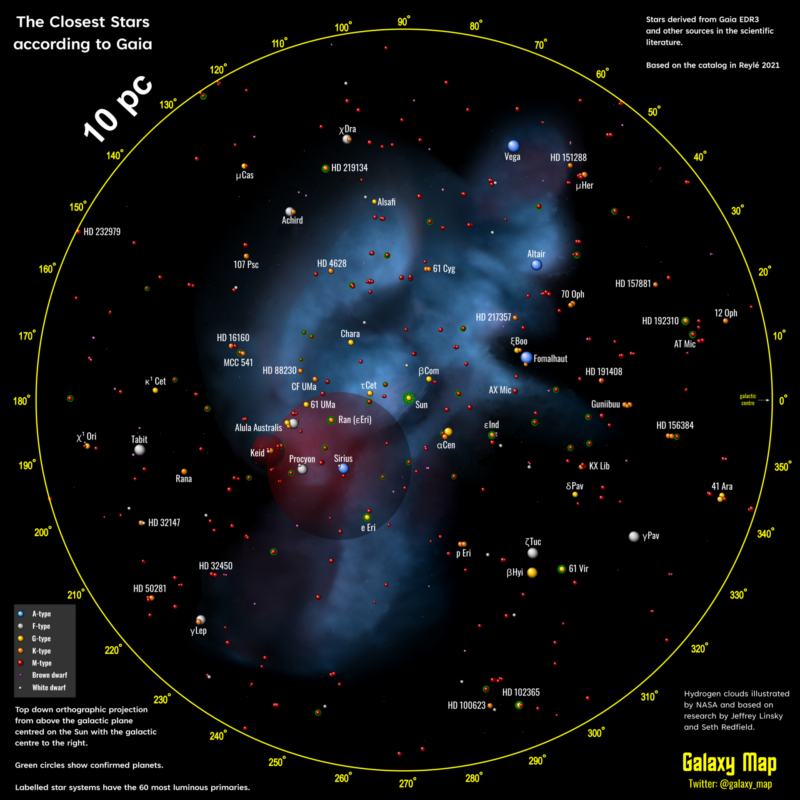
Stars within 10 parsecs (about 33 light-years). This map is based on data from the GAIA space observatory and uses other references in the scientific literature. Star systems whose primary

Stars within 10 parsecs (about 33 light-years). This map is based on data from the GAIA space observatory and uses other references in the scientific literature. Star systems whose primary
When NASA scientists first observed a particular radio burst from the sun in August 2025, there was nothing unusual about it. But then the radio burst kept going. Typically, solar
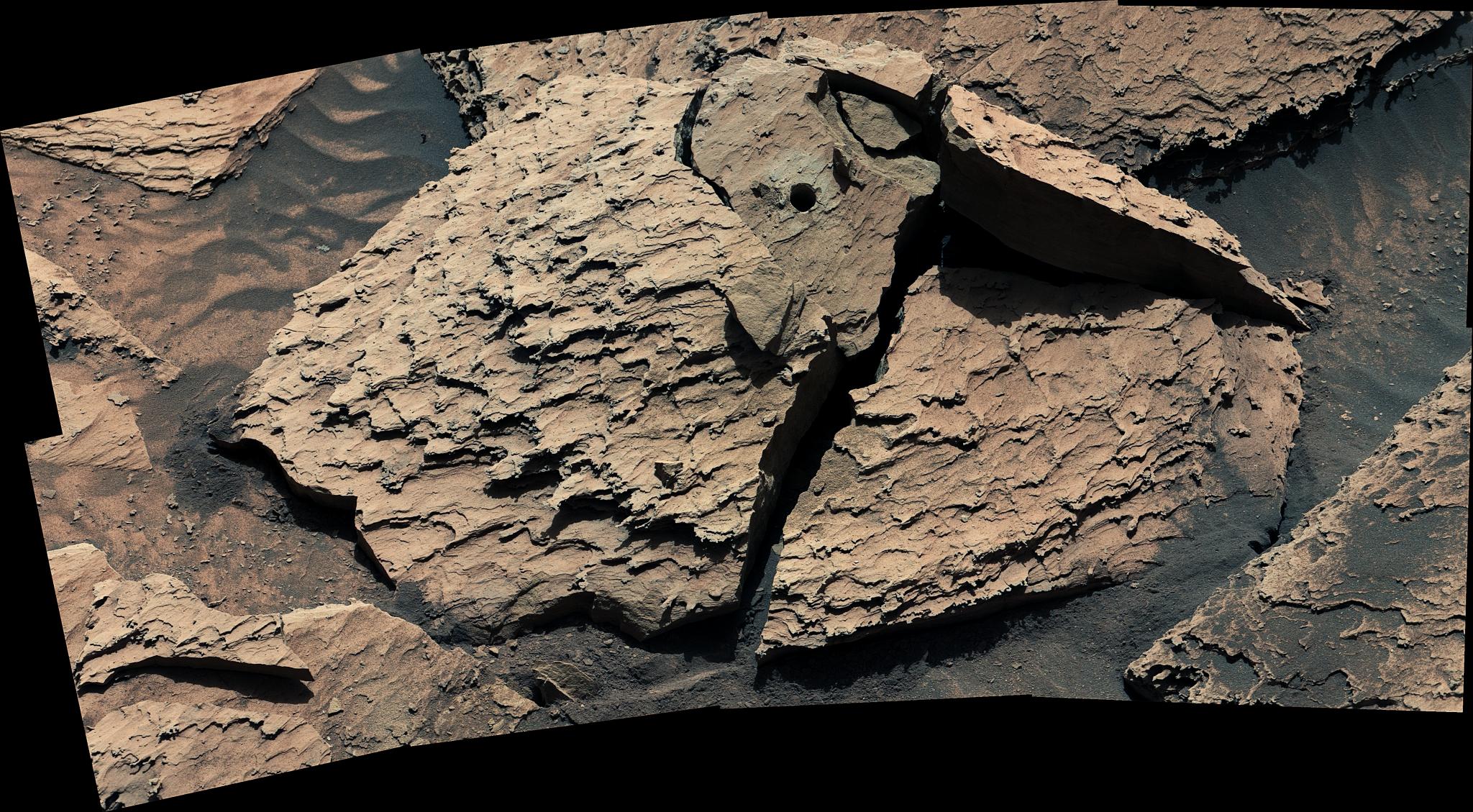
NASA/JPL-Caltech/MSSS After NASA’s Curiosity Mars rover drilled a sample from this rock on April 25, 2026, it withdrew its robotic arm and pulled the entire rock off the surface with
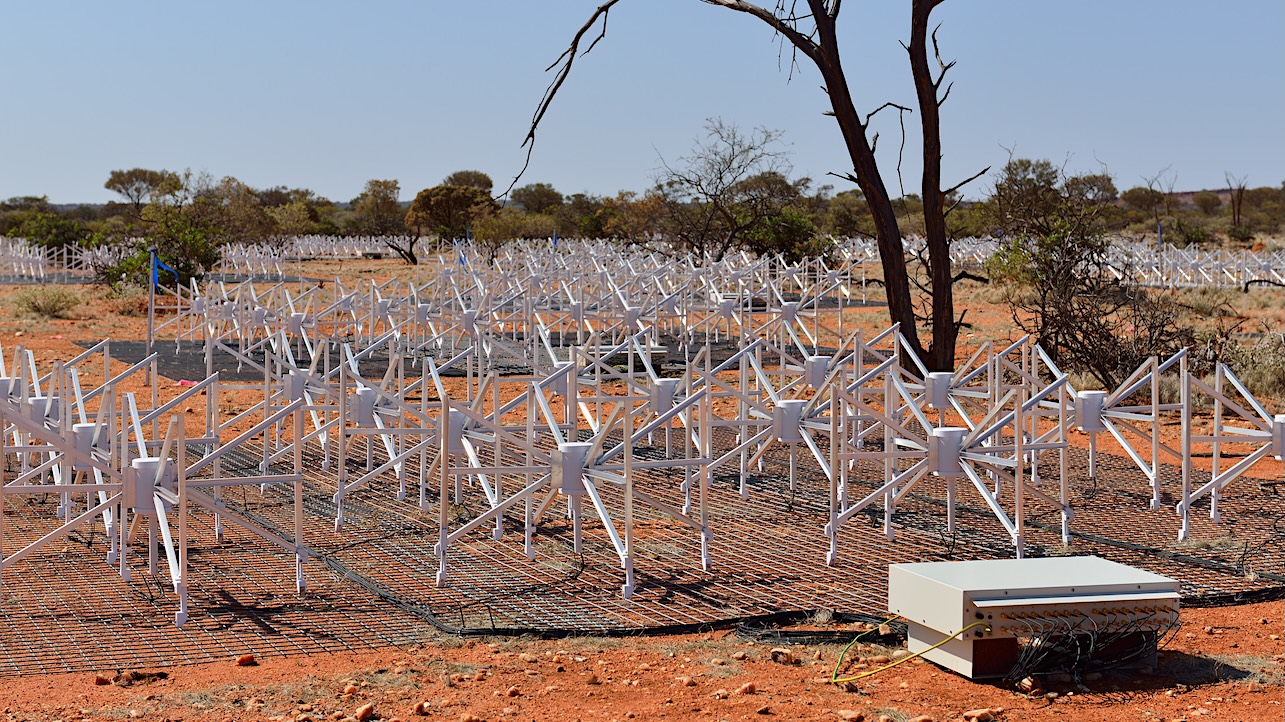
Murchison Widefield Array (MWA) The search for extraterrestrial intelligence (SETI) has traditionally focused on the detection of narrowband electromagnetic beacons. However, terrestrial technology is increasingly evolving toward distributed, low-power, wideband
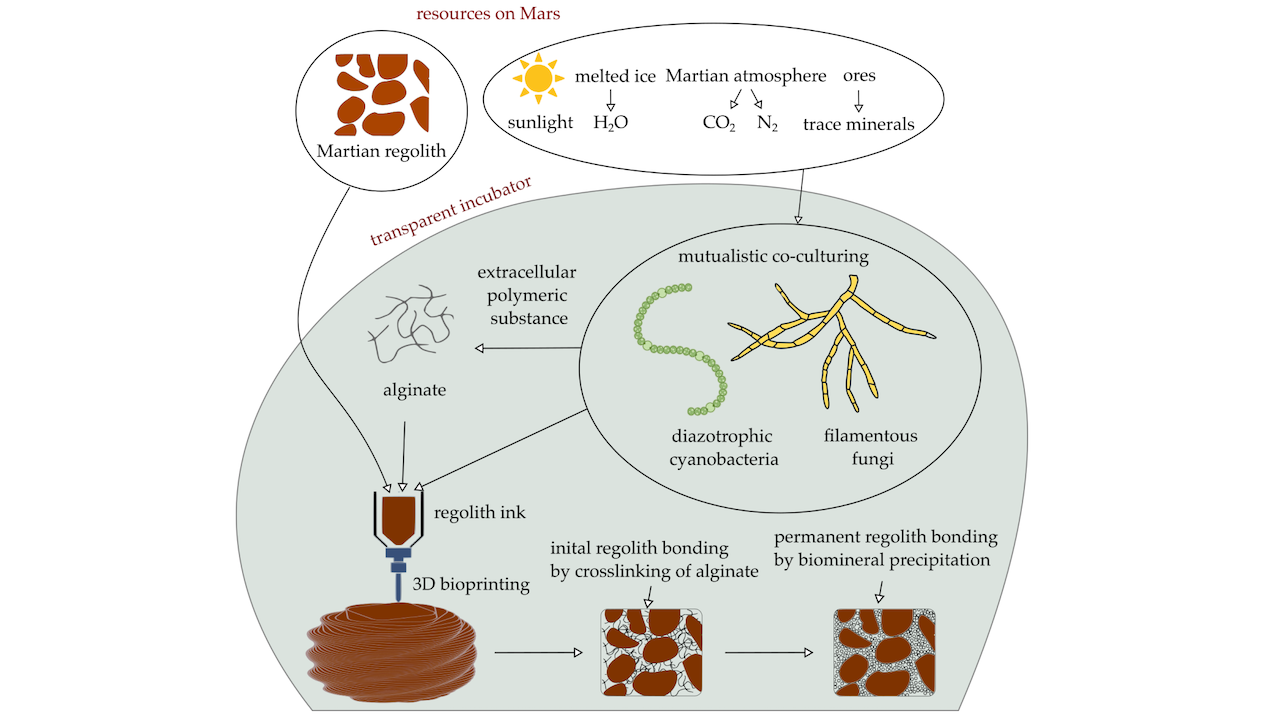
Schematic illustration of the proposed biological approach to MarWan biomanufacturing — q-bio.CB Long-duration human missions to Mars will require autonomous systems capable of converting in situ resources into structural materials,
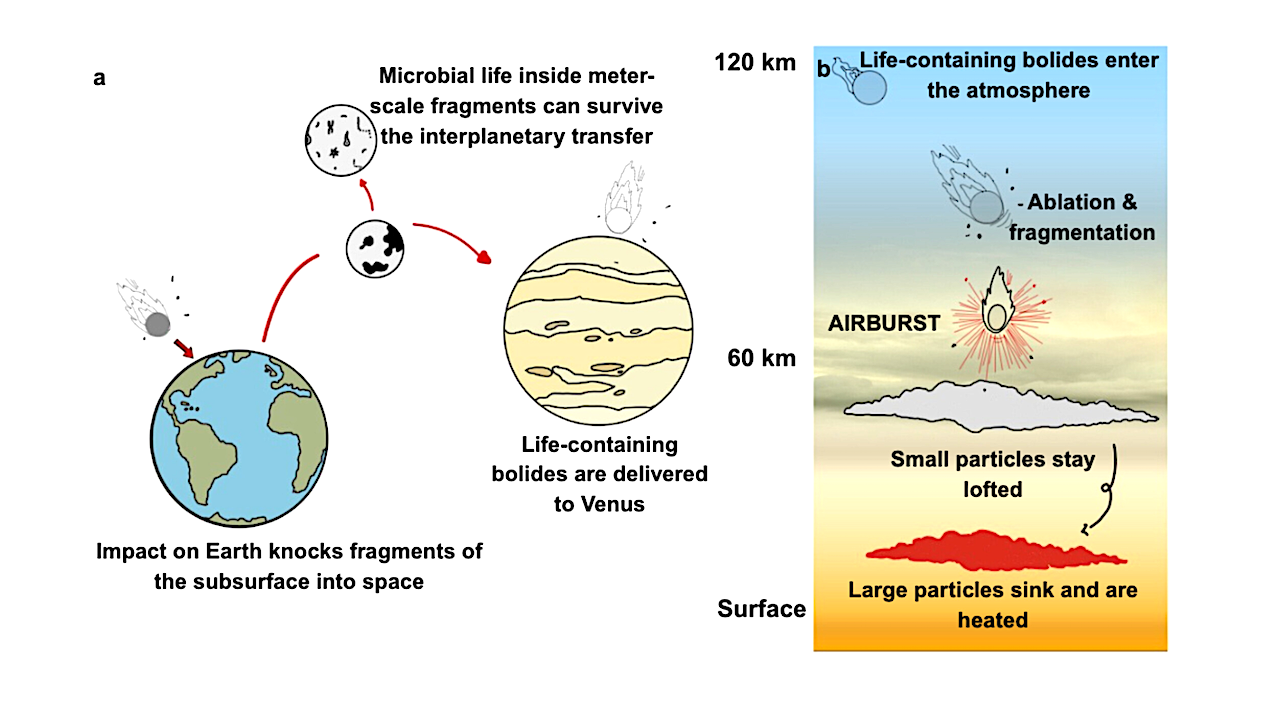
The path of a fragment ejected from Earth to the clouds of Venus. (a) A life-containing bolide is ejected from Earth’s subsurface by an impact event. Some microbial life in
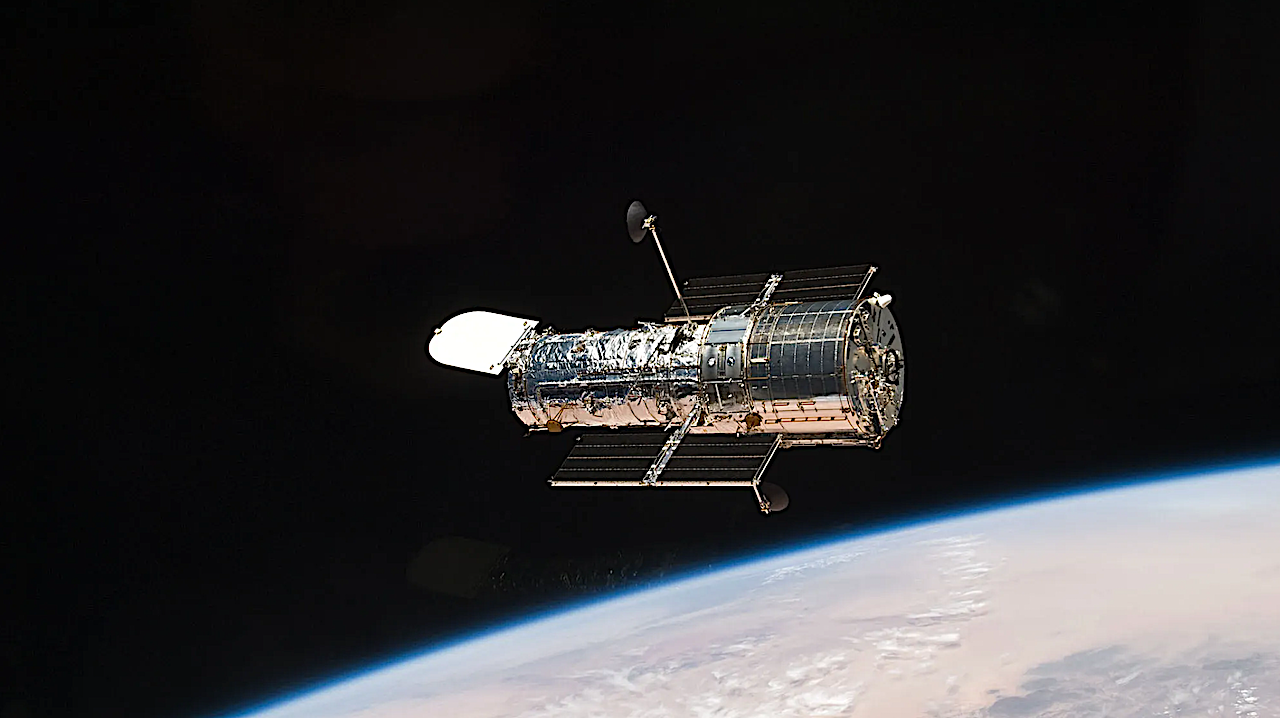
This image of NASA’s Hubble Space Telescope was taken on May 19, 2009 after deployment during Servicing Mission 4. NASA The Hubble Advanced Spectral Products (HASP) program is designed to
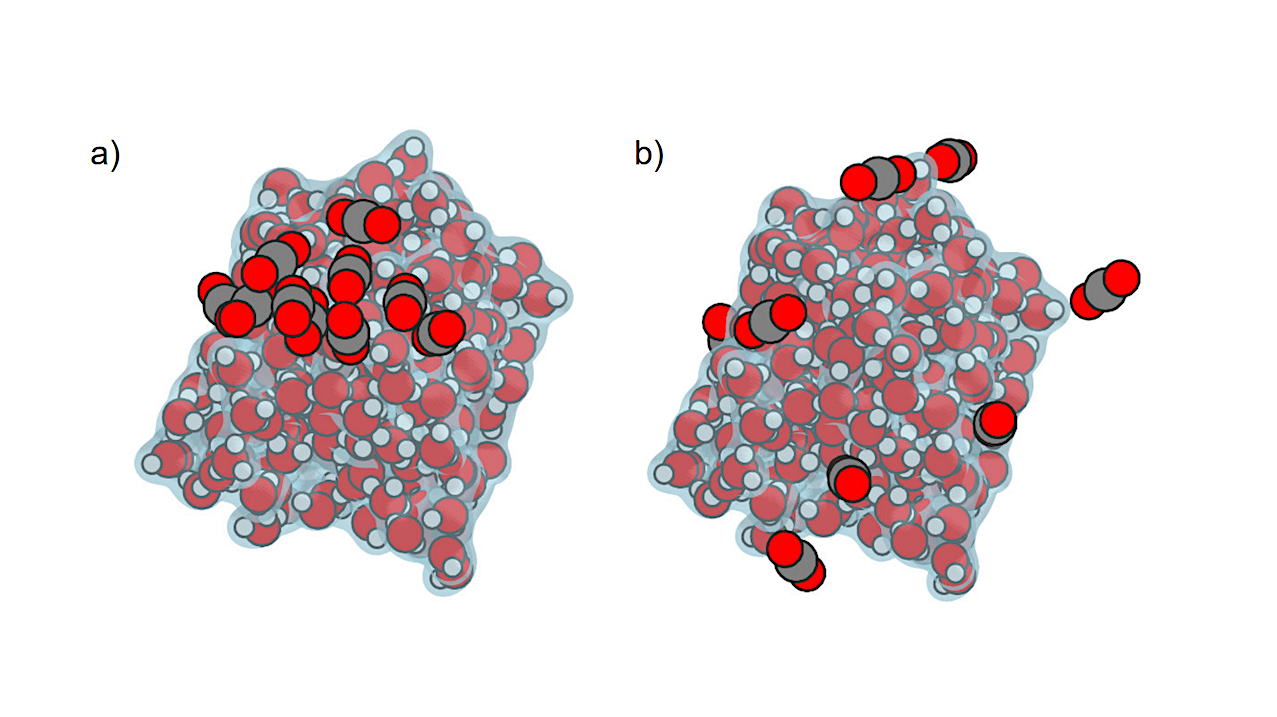
Figure a) shows the final geometry of the cluster scenario, after all 10 CO2 molecules have been adsorbed, Figure b) shows the final geometry of the far scenario, after all
The May new moon arrives this weekend, ushering in several dark moonless nights perfect for exploring the majesty of our Milky Way, glimmering spring constellations and the ever-shifting procession of
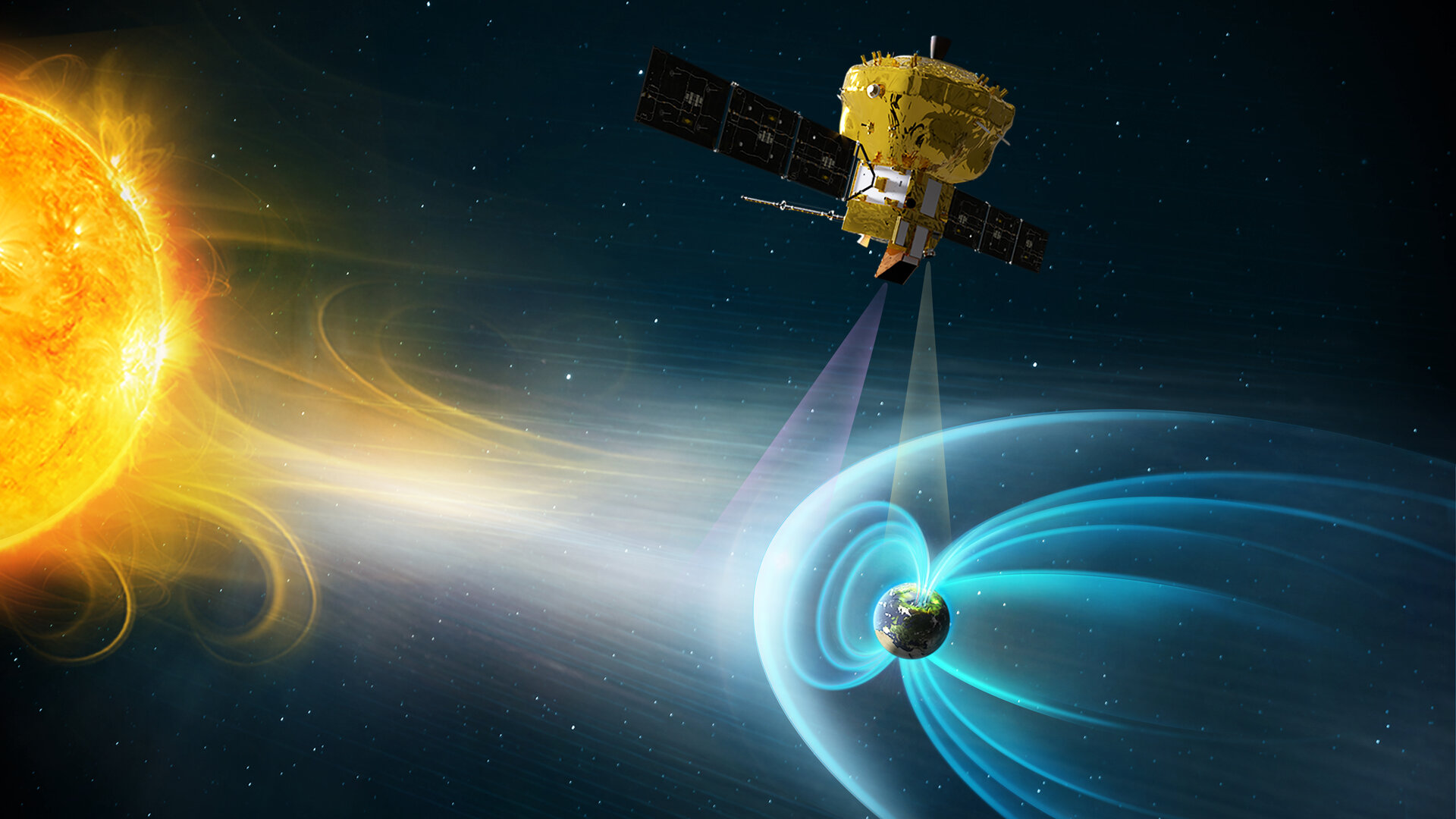
HELSINKI — A pioneering joint ESA-China science mission to study Earth’s magnetosphere is set to launch May 19, after a decade of preparations. The Solar wind Magnetosphere Ionosphere Link Explorer