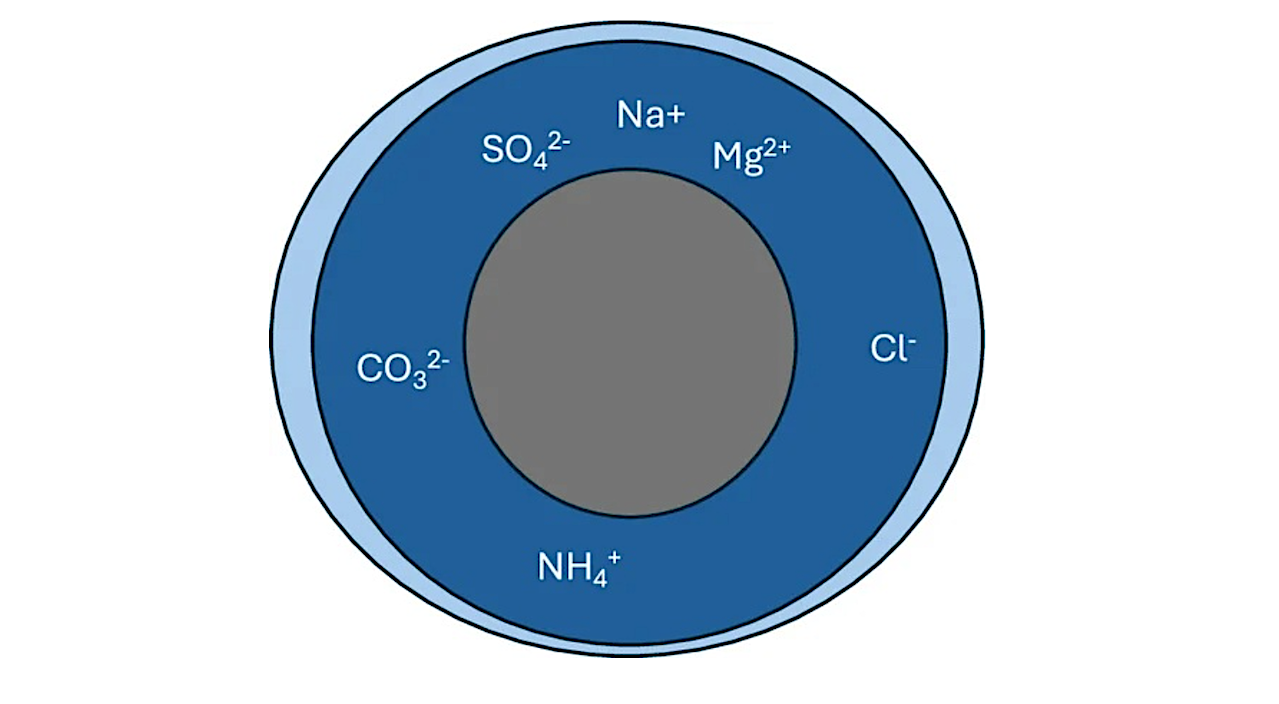
Graphical Abstract — ACS Earth and Space Chemistry Many icy bodies in the Solar System are hypothesized to harbor subsurface liquid-water oceans, with Jupiter’s moon Europa among the most promising

Graphical Abstract — ACS Earth and Space Chemistry Many icy bodies in the Solar System are hypothesized to harbor subsurface liquid-water oceans, with Jupiter’s moon Europa among the most promising
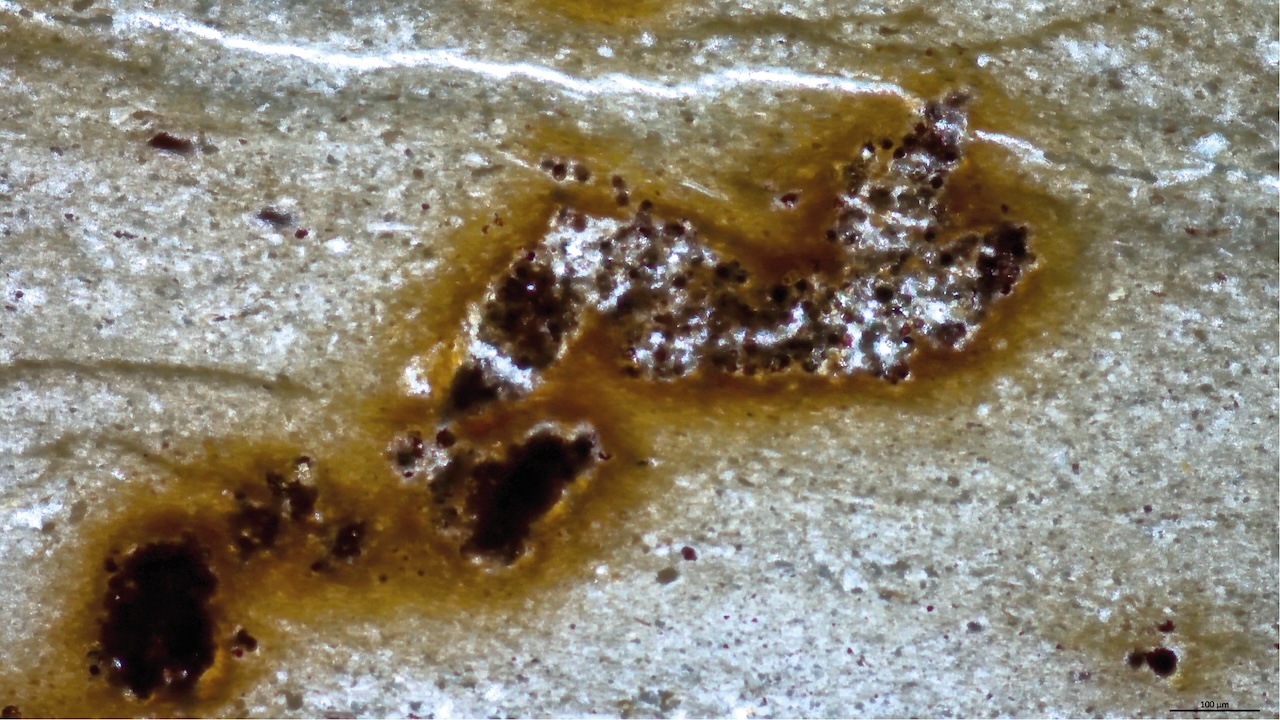
Intertwined filaments, as seen in the photo, help corroborate the conclusion that these are not marks left by animals (photo: Bruno Becker-Kerber/Harvard University) A reexamination of microfossils found in the
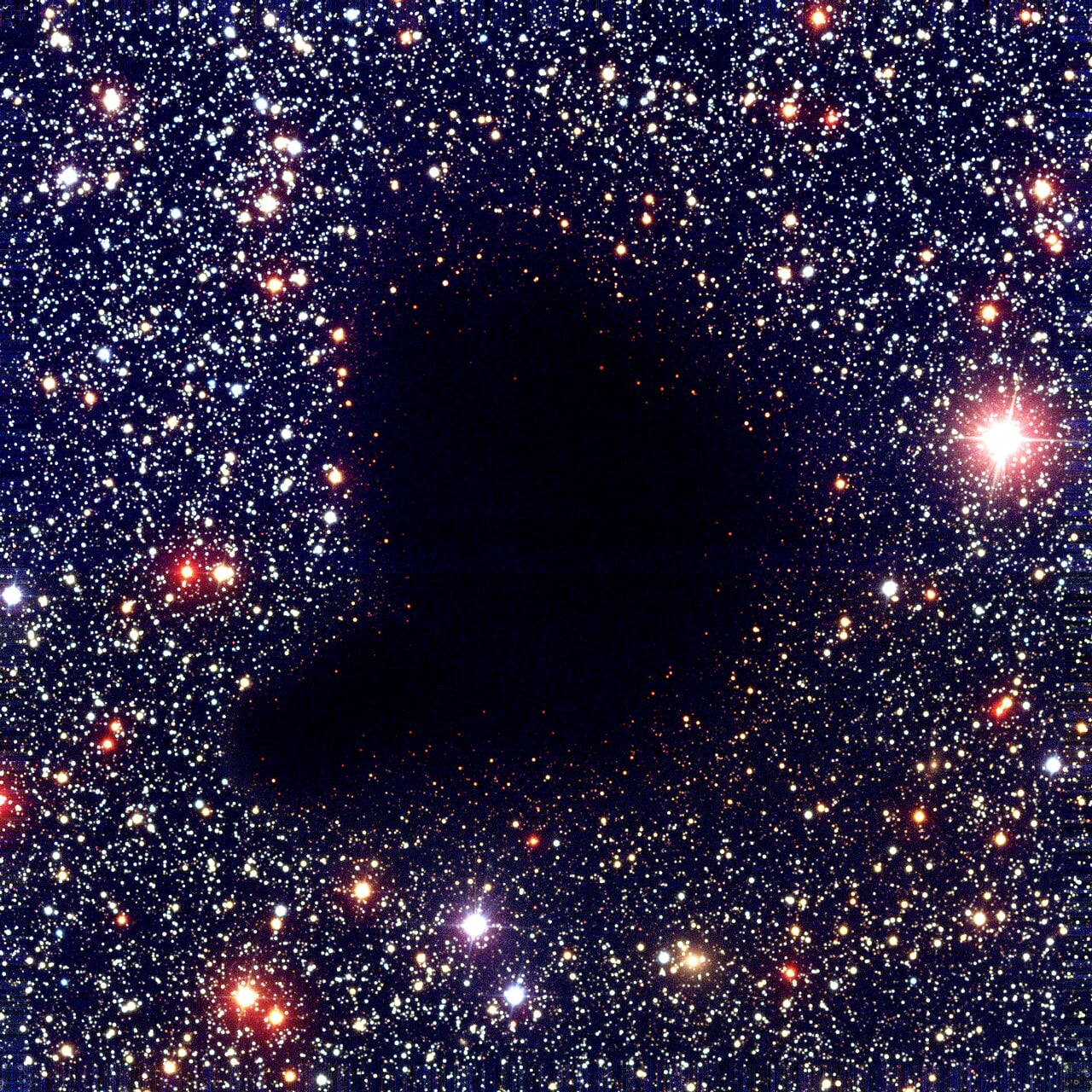
Two hydrogen atoms can’t form an H2 molecule on their own in empty space. They need a surface. The universe has only one surface available, and it’s something I have

Conceptual framework of vertically stratified carbon cycling and microbial succession driven by physiological trade-offs in shelf sediments. Organic carbon (OC) reactivity and microbial community structure undergo profound transitions with sediment
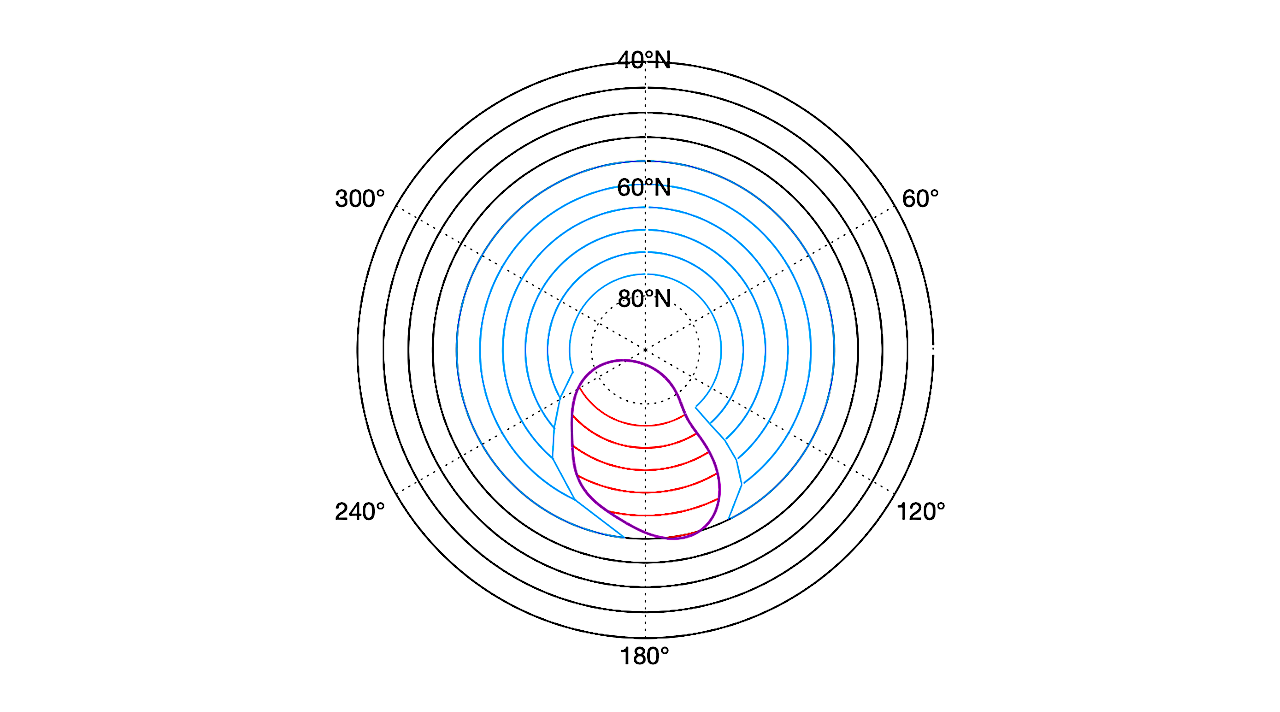
A northern polar projection of Jupiter indicating the latitude and longitude ranges adopted for coaddition of individual spectra. The circumference latitude is 40◦ (planetocentric), enclosed concentric circles are spaced by
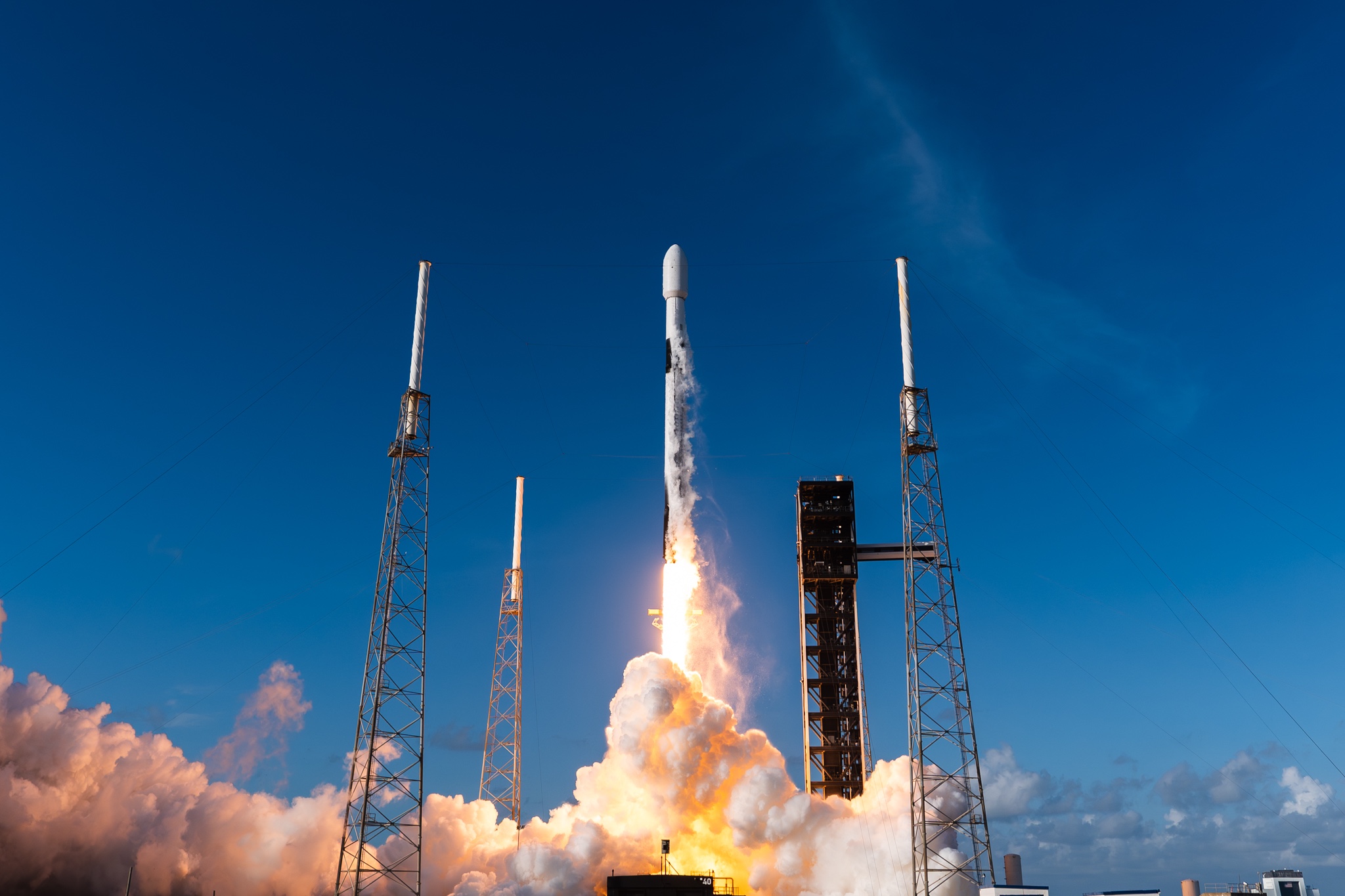
AMSTERDAM — Two companies best known for brokering payload space on SpaceX rideshare launches have each purchased Falcon 9 launches to meet the growing demand for such missions. In separate
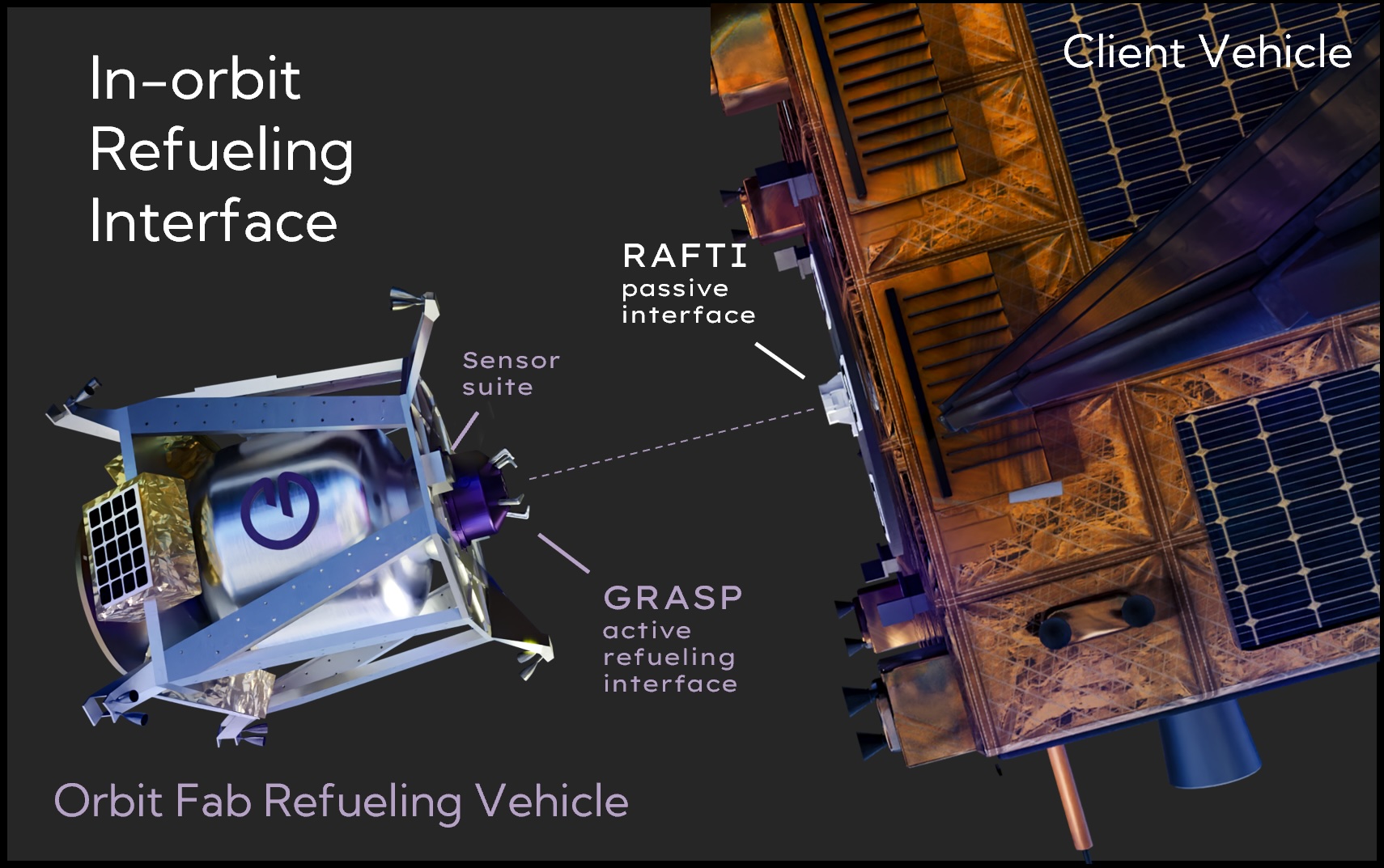
WASHINGTON — Orbit Fab and Thales Alenia Space will work on a project backed by the U.K. Space Agency to study whether satellites using electric propulsion systems can be refueled
New observations from the James Webb Space Telescope have revealed fresh details about one of the most luminous known objects in the universe: the dust-shrouded quasar W2246−0526, seen just 1.2
A material recently discovered and tested at NASA’s Glenn Research Center in Cleveland could help astronauts pack lighter for future missions to the moon. NASA is researching ways explorers could
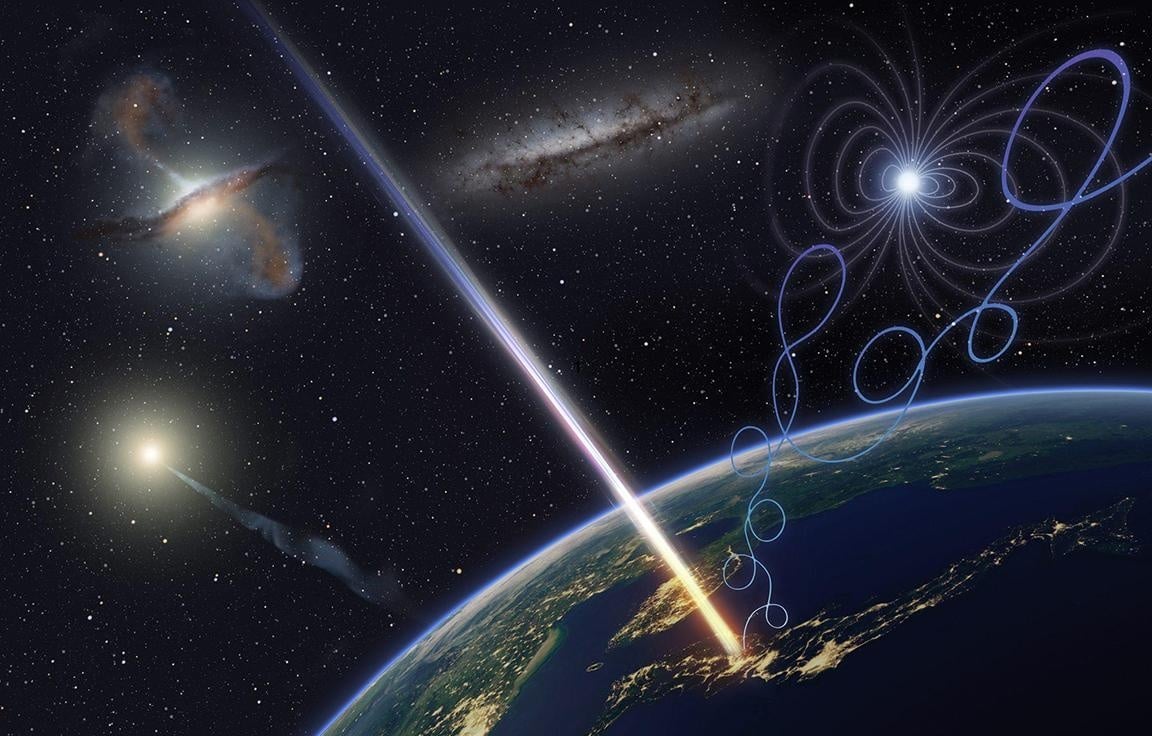
New research led by Penn State scientists suggests that some of the highest-energy cosmic rays may consist of atomic nuclei heavier than iron and could help narrow down the cosmic