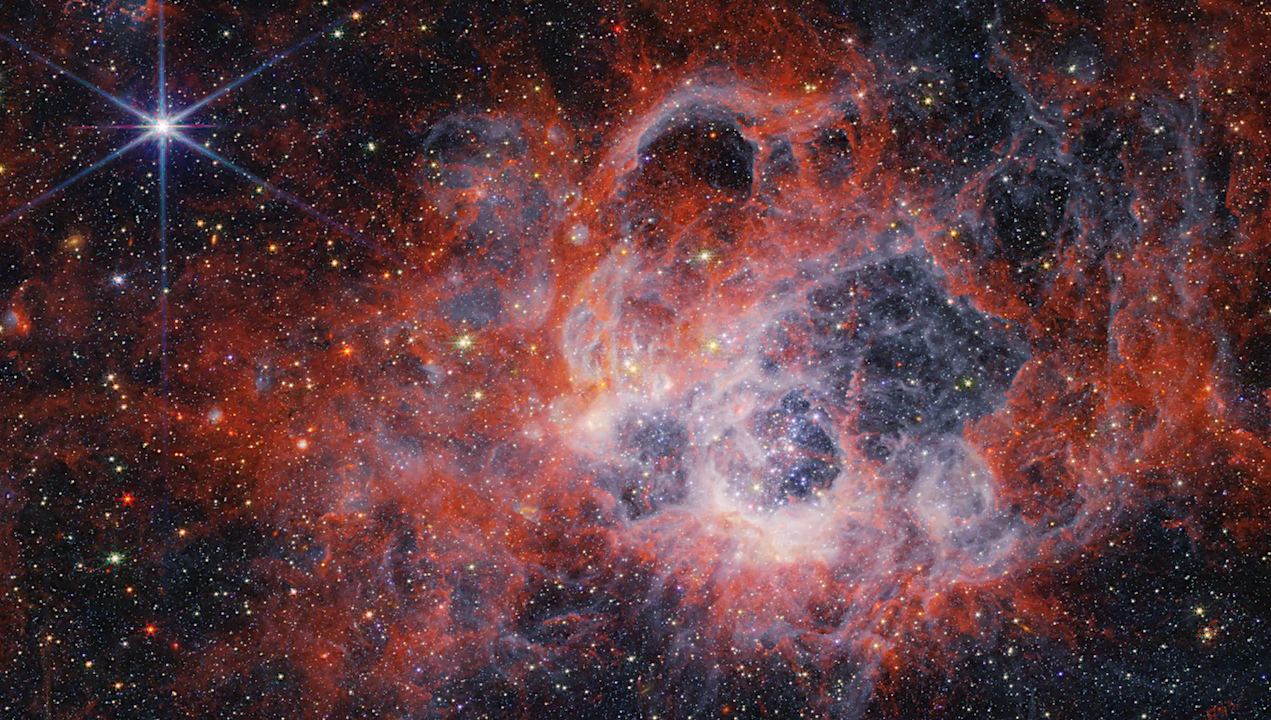
This image from NASA’s James Webb Space Telescope’s NIRCam (Near-Infrared Camera) of star-forming region NGC 604 shows how stellar winds from bright, hot, young stars carve out cavities in surrounding

This image from NASA’s James Webb Space Telescope’s NIRCam (Near-Infrared Camera) of star-forming region NGC 604 shows how stellar winds from bright, hot, young stars carve out cavities in surrounding

HELSINKI — China added a new satellite to its geostationary Tianlian data tracking and relay communications satellite series Sunday with its latest launch. A Long March 3B lifted off at

Low Earth orbit (LEO) is on the verge of a major expansion in crewed operations, but the proliferation of space debris could threaten these missions and create safety hazards for
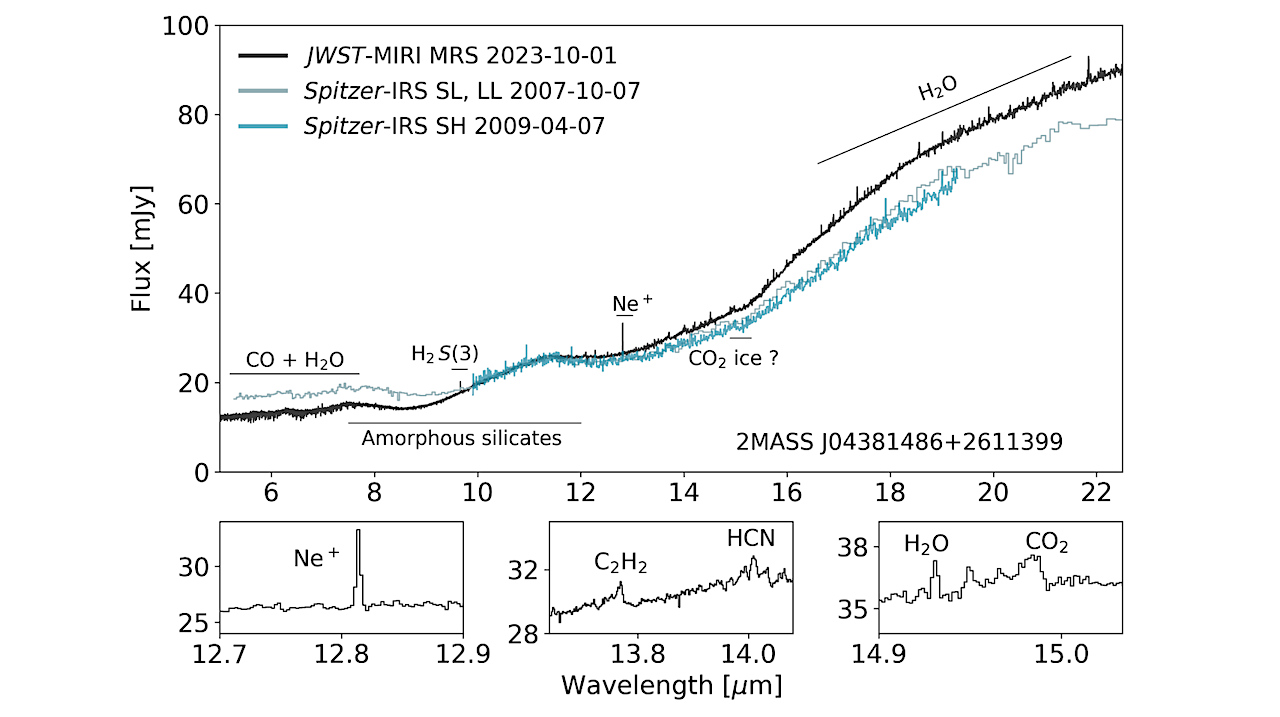
JWST-MIRI MRS spectrum of the young J0438 disk (black). The spectrum is dominated by amorphous silicate absorption and emission bands typical of a highly inclined disk configuration. A very weak
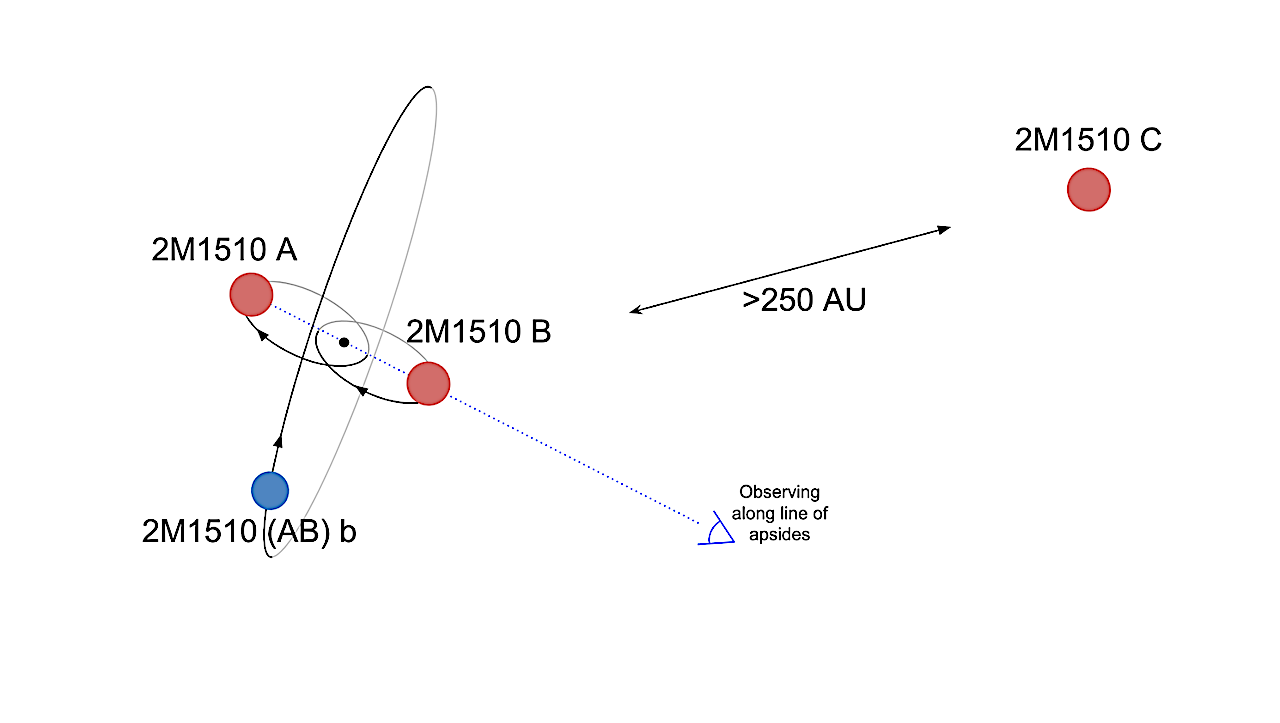
Configuration of 2M1510 and naming convention for the various bodies. Brown dwarfs are in red and the planet is in blue. Direction to earth relative to the binary is shown.
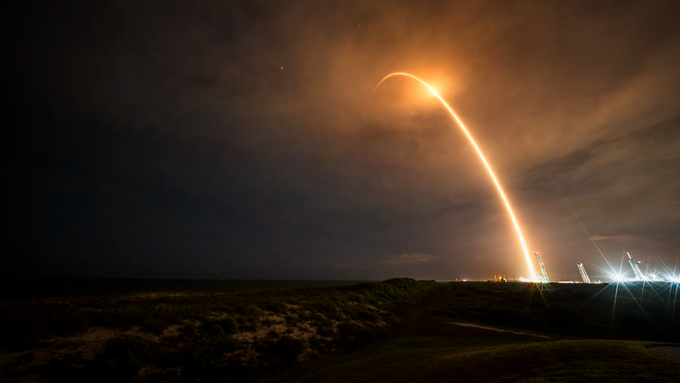
SpaceX has launched another Starlink mission, keeping a steady pace of adding to the satellite megaconstellation every few days. A Falcon 9 rocket launched SpaceX‘s Starlink 6-75 mission Thursday night
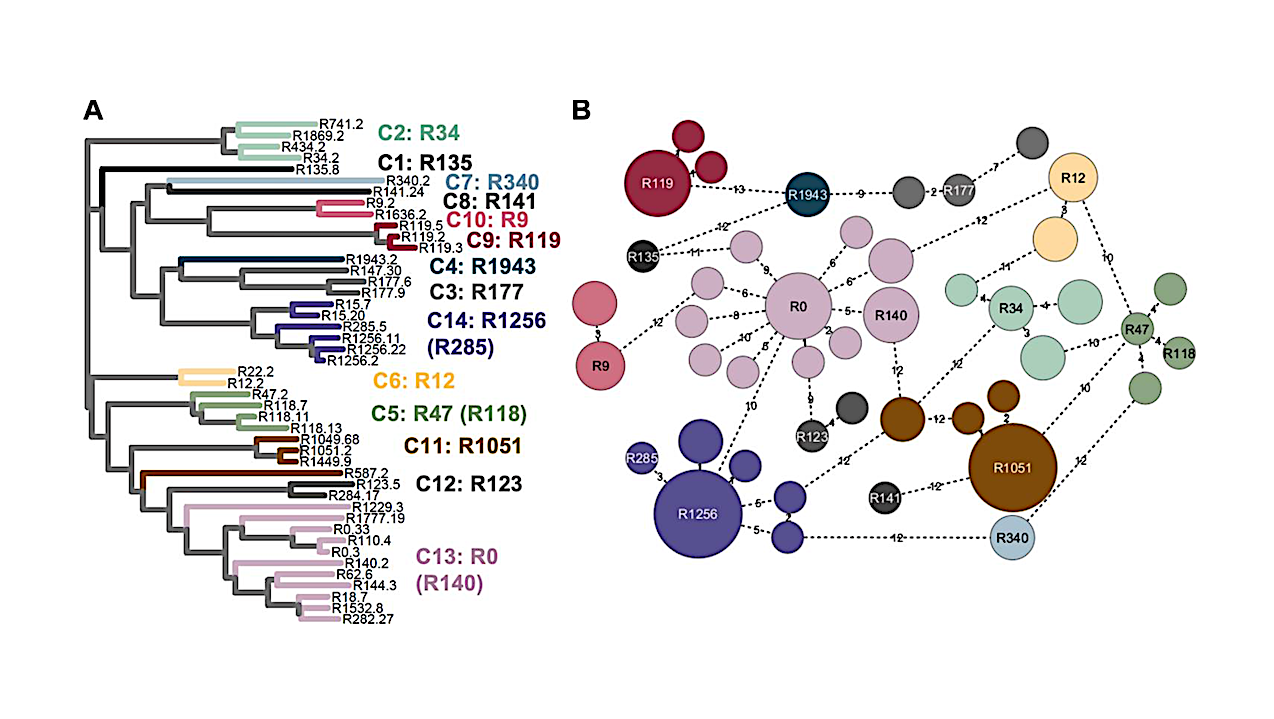
A) Sequence alignment tree of the 45 biochemically tested RNAs. Clustering of the RNAs by sequence alignment coincided by the RNA’s use of specific DNA cofactors as coded by different
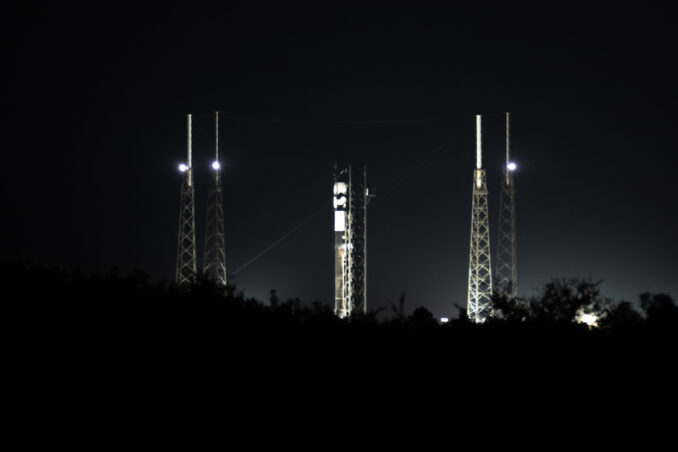
File: A Falcon 9 rocket stands at the ready to support the Starlink 10-4 mission, which will launch from Space Launch Complex 40 at Cape Canaveral Space Force Station on
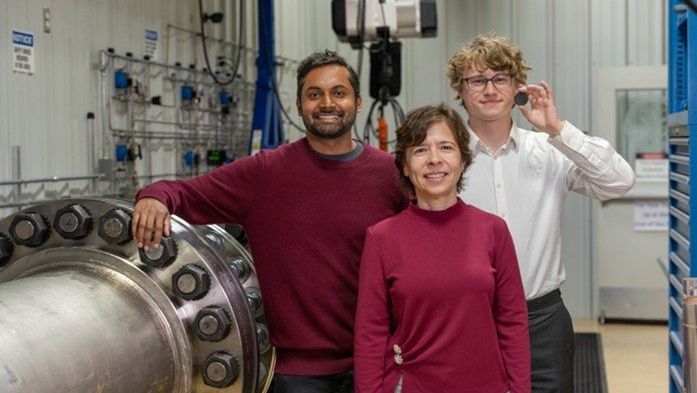
An innovative approach for fully reusable spacecraft suggests making them “sweat” to survive the scorching heat during reentry to Earth’s atmosphere, allowing them to land ready for another flight. A
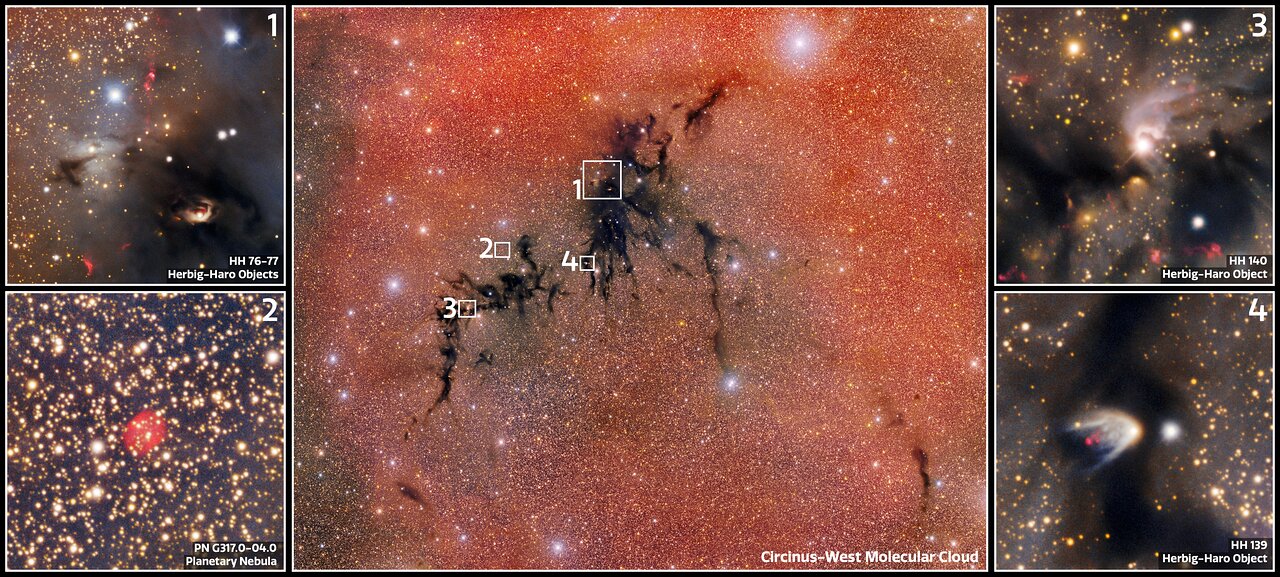
Astronomers have discovered a dense stellar nursery packed with infant stars in a vast “cosmic ink blot.” The team made the discovery using one of the most powerful digital cameras