Explore spiral galaxy Messier 83 through Webb’s infrared eyes. The James Webb Space Telescope has found new evidence of a supermassive black hole in the heart of this galaxy. Video

Explore spiral galaxy Messier 83 through Webb’s infrared eyes. The James Webb Space Telescope has found new evidence of a supermassive black hole in the heart of this galaxy. Video
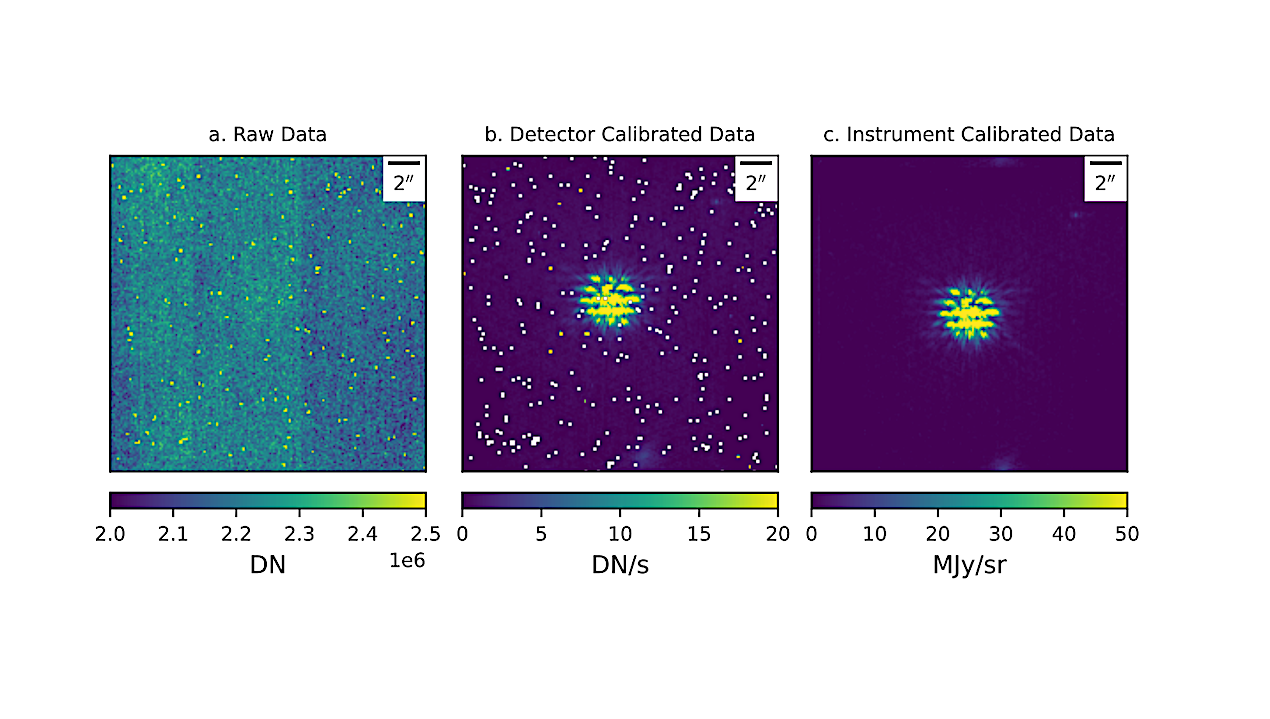
Results of data reduction steps for GTO 1184 target G 7-34 (roll 1 in the F444W filter), using the JWST Calibration Pipeline wrapped by spaceKLIP (Bushouse et al. 2023; Kammerer
1 min read Preparations for Next Moonwalk Simulations Underway (and Underwater) ECF 2024 Quadchart Ilic.pdf Ognjen Ilic University of Minnesota This effort will aim to demonstrate the feasibility of directed-energy
Explore Webb Webb News Latest News Latest Images Webb’s Blog Awards X (offsite – login reqd) Instagram (offsite – login reqd) Facebook (offsite- login reqd) Youtube (offsite) Overview About Who

WASHINGTON — German launch vehicle startup Isar Aerospace has raised 150 million euros ($174 million) in the form of a convertible bond from an American investor. Isar announced June 25
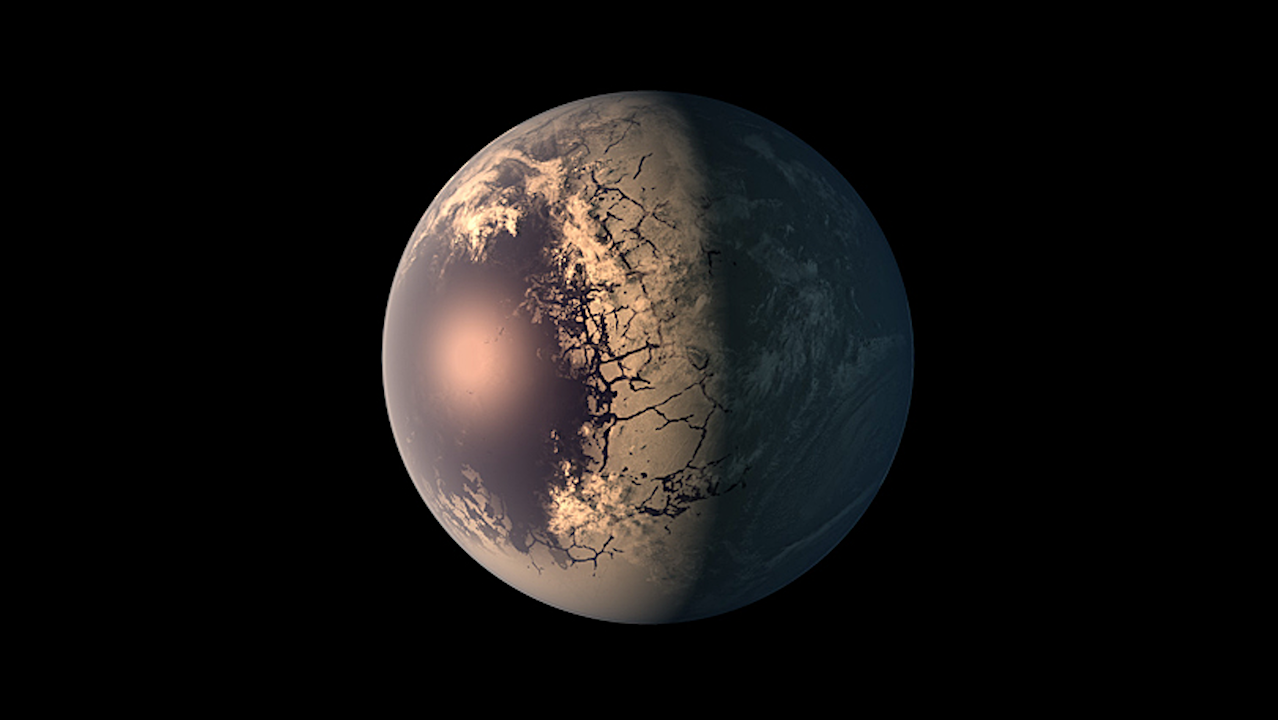
Habitable Exoplanet – NASA The Statistical-likelihood Exoplanetary Habitability Index (SEPHI) serves as a valuable tool for prioritizing targets for further study and identifying potentially habitable environments. In this paper, we

3 min read Preparations for Next Moonwalk Simulations Underway (and Underwater) NASA’s annual Student Launch challenge will bring middle school, high school, and college students from around the country together to launch

A thick plume of sand and dust from the Sahara Desert is seen in these images blowing from the west coast of Africa across the Atlantic Ocean. Larger image Sandstorms,
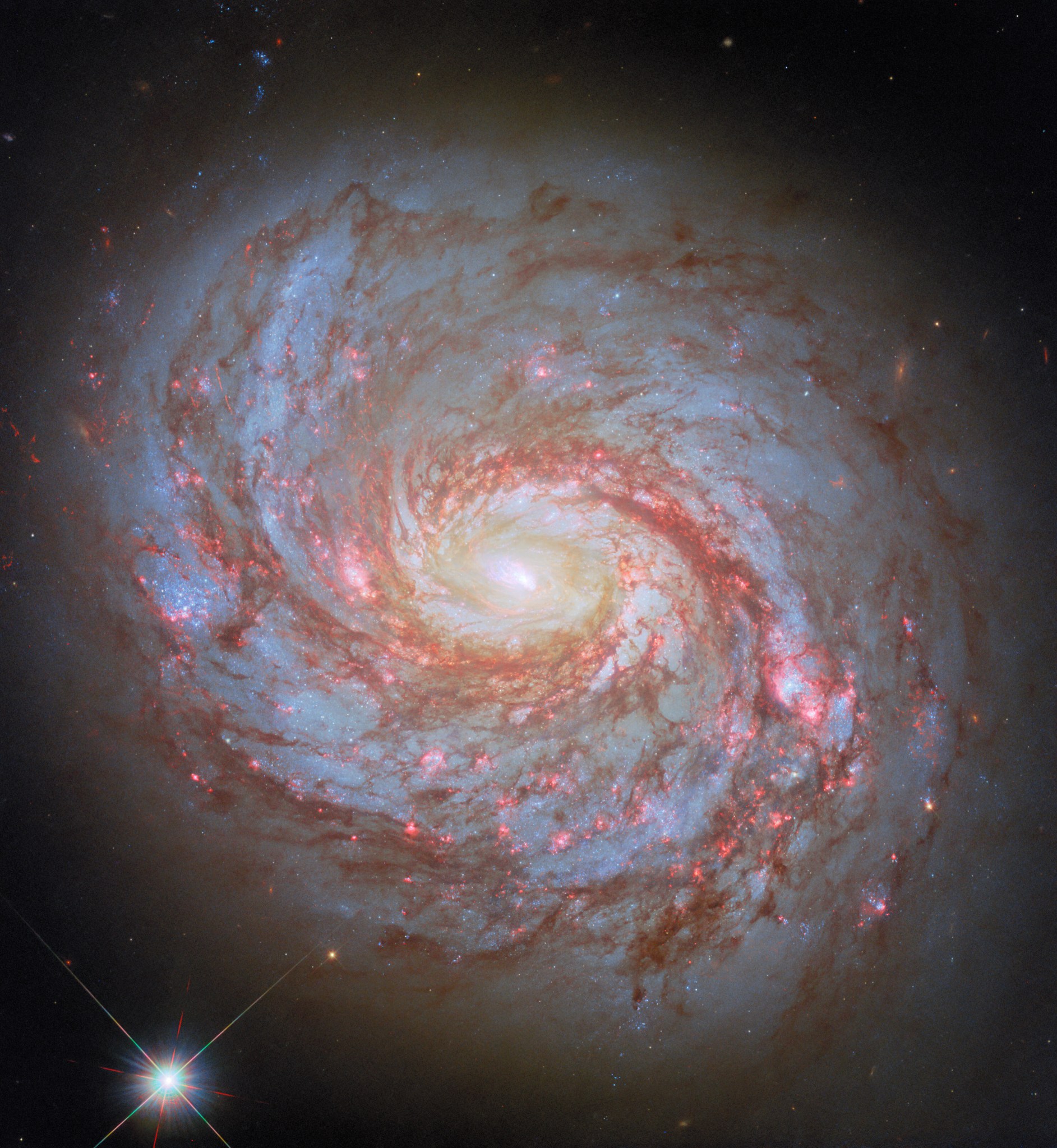
ESA/Hubble & NASA, L. C. Ho, D. Thilker Today’s rather aquatic-themed NASA/ESA Hubble Space Telescope image features the spiral galaxy Messier 77, also known as the Squid Galaxy, which sits 45 million light-years
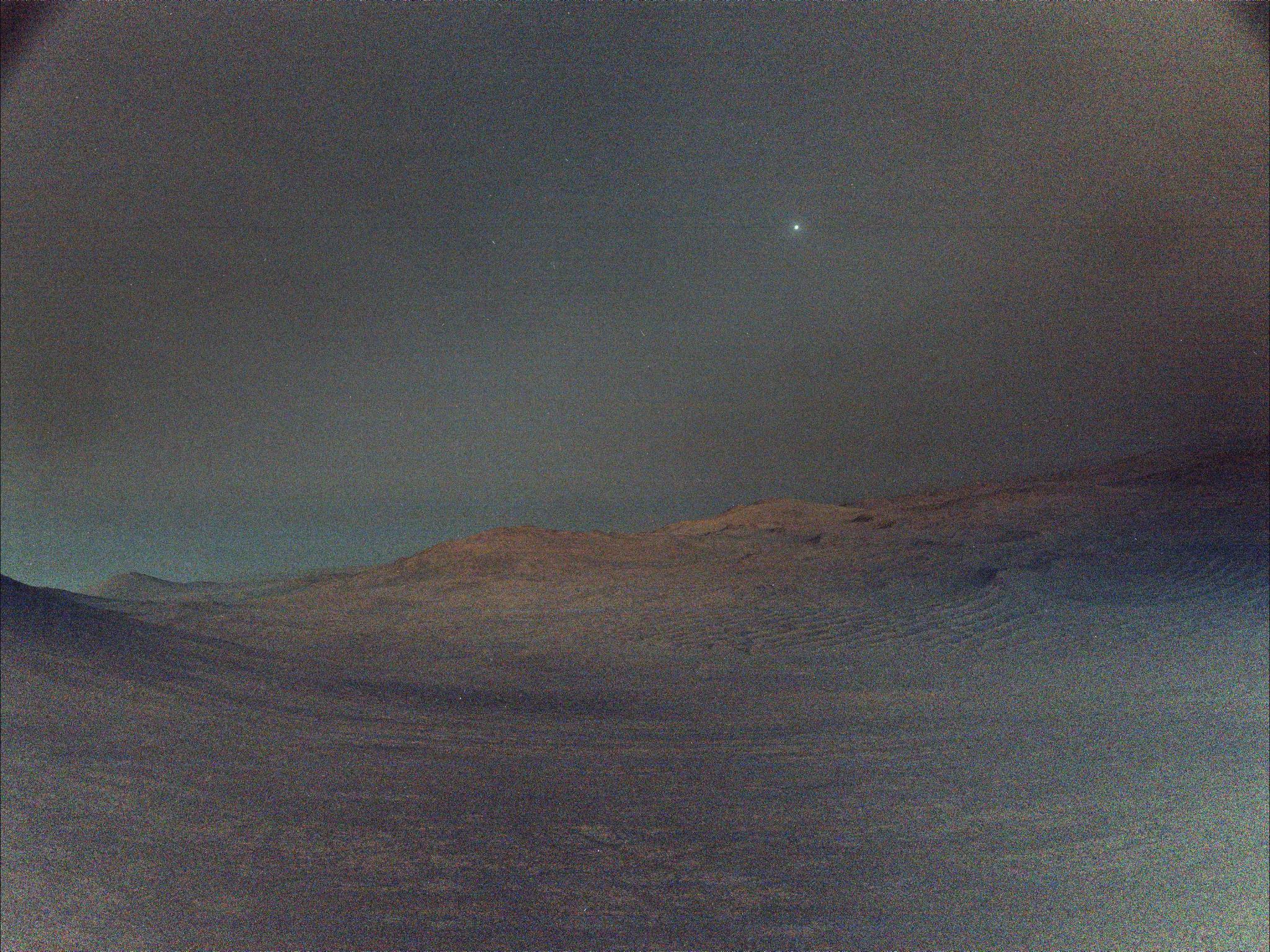
NASA/JPL-Caltech NASA’s Perseverance rover captured this view of Deimos, the smaller of Mars’ two moons, shining in the sky at 4:27 a.m. local time on March 1, 2025, the 1,433rd