Keith Cowing Explorers Club Fellow, ex-NASA Space Station Payload manager/space biologist, Away Teams, Journalist, Lapsed climber, Synaesthete, Na’Vi-Jedi-Freman-Buddhist-mix, ASL, Devon Island and Everest Base Camp veteran, (he/him) 🖖🏻 Follow on

Keith Cowing Explorers Club Fellow, ex-NASA Space Station Payload manager/space biologist, Away Teams, Journalist, Lapsed climber, Synaesthete, Na’Vi-Jedi-Freman-Buddhist-mix, ASL, Devon Island and Everest Base Camp veteran, (he/him) 🖖🏻 Follow on
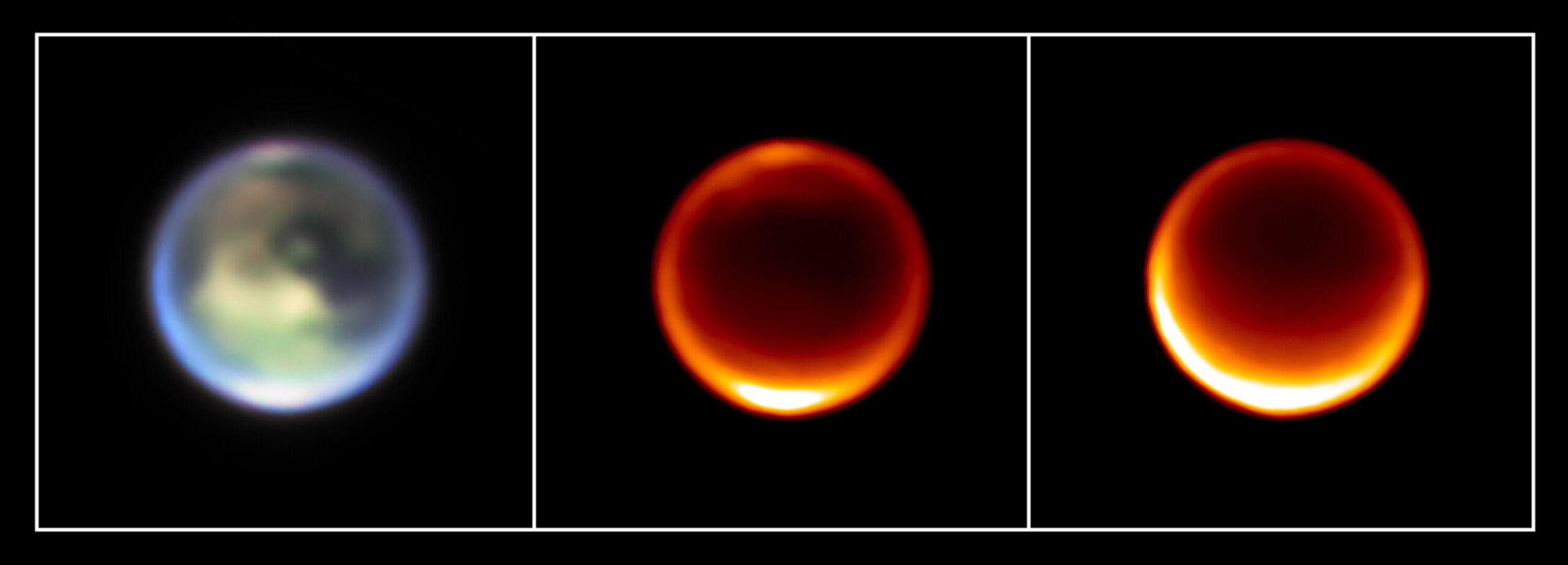
In the grand tapestry of our solar system, few places rival Titan, Saturn’s enigmatic moon, with its shrouded atmosphere and unique weather systems. Observations gathered by the James Webb Space
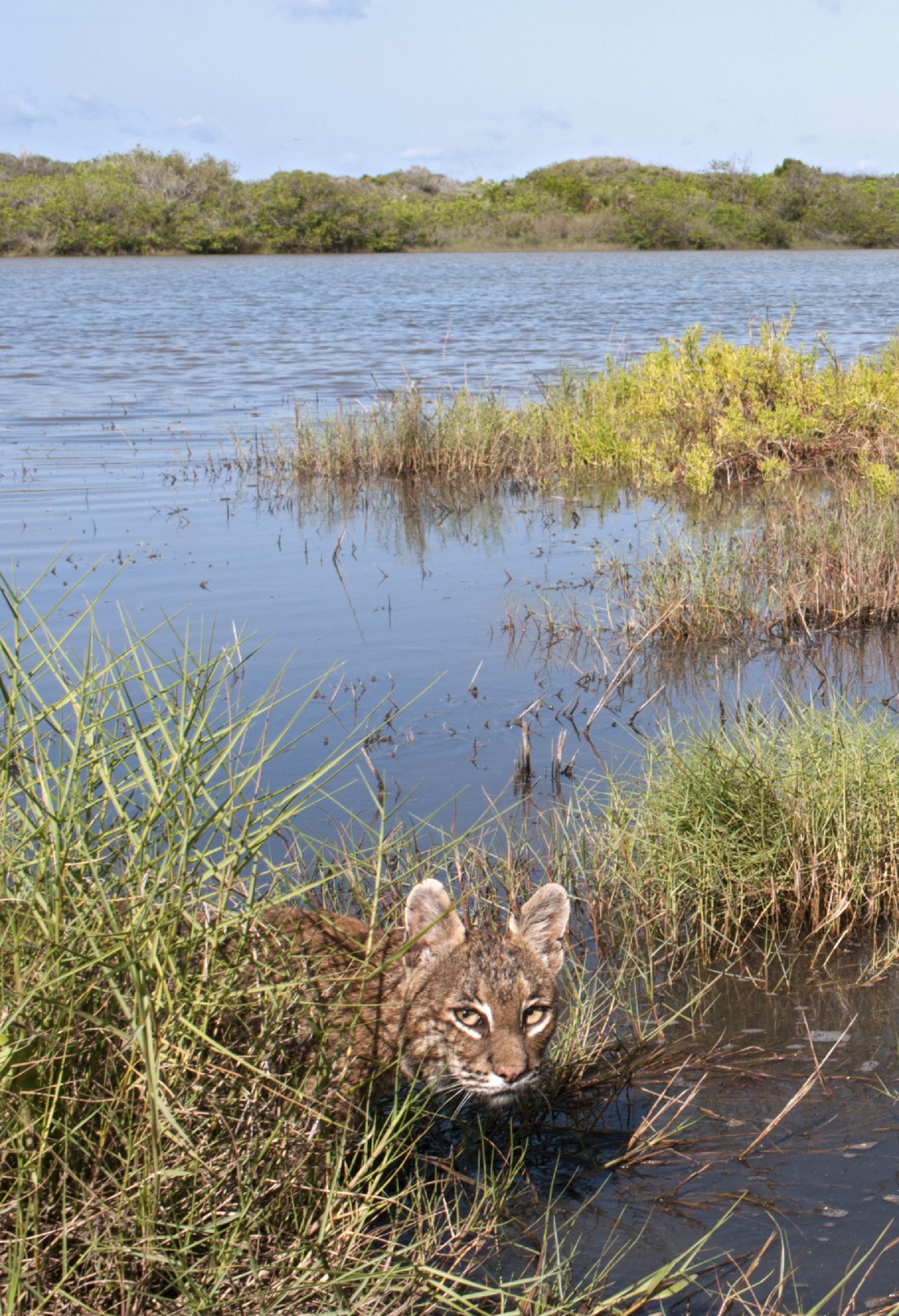
At NASA’s Kennedy Space Center in Florida, a bobcat wades through one of the waterways near Launch Pad 39B. NASA/Tony Gray A NASA photographer captured this June 14, 2013, photo
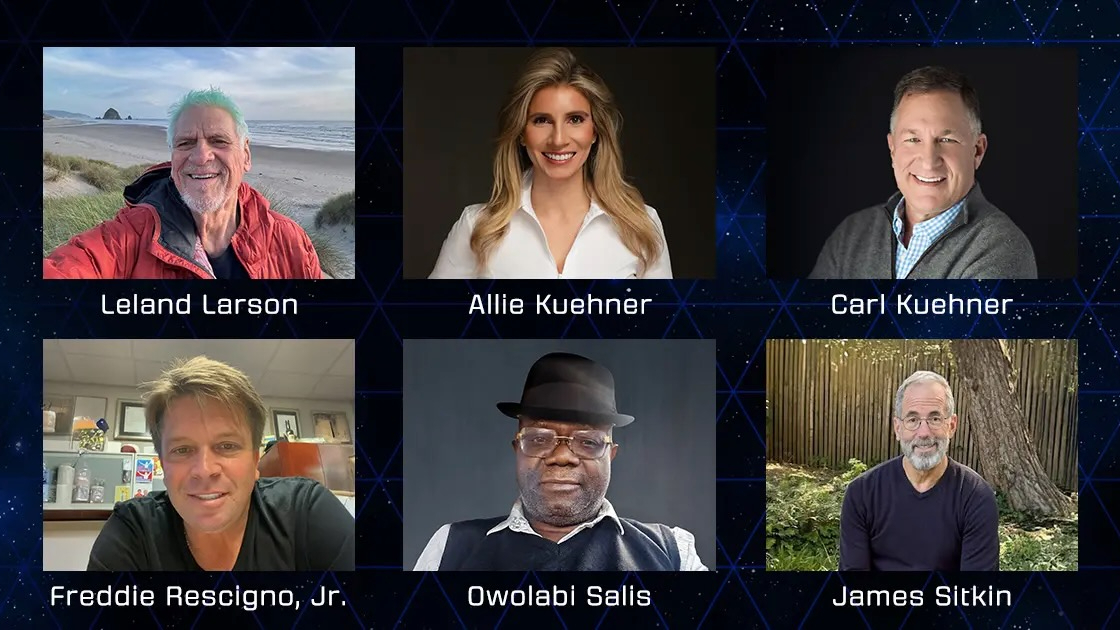
Jeff Bezos’ Blue Origin will launch six people to suborbital space today (June 21), and you can watch the action live. The mission — known as NS-33, because it will

Last week, I looked at the faces of our guests at our moon landing event and watched as awe, wonder and hopefulness transformed into disappointment. Moments before the expected touch
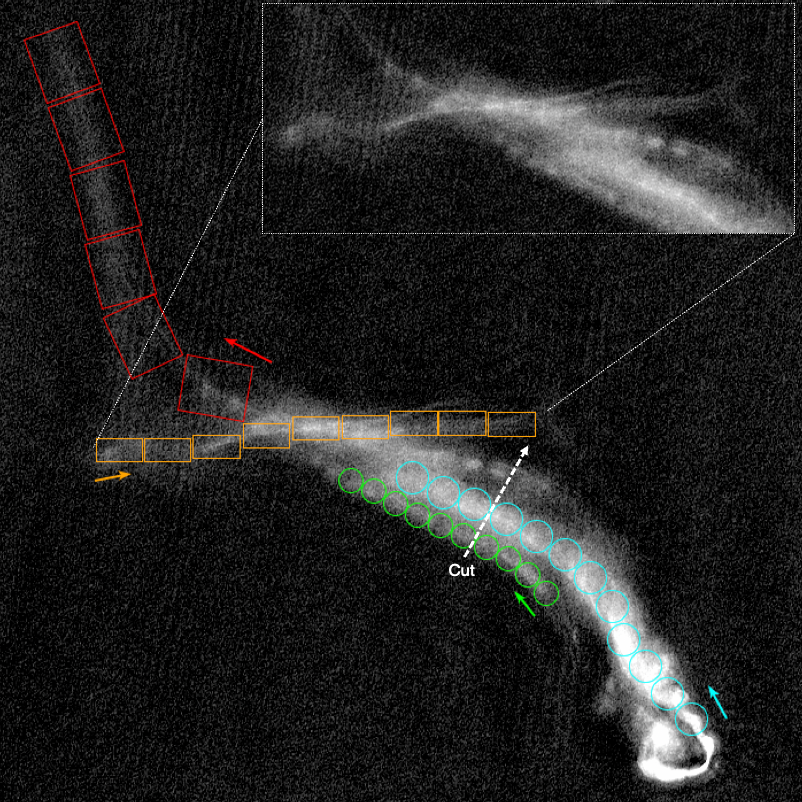
Astronomers have obtained the deepest and highest resolution image of the galaxy cluster Abell 2255, observing the unexplained radio-emitting tendrils that trail it in unprecedented detail. Abell 2255 is a
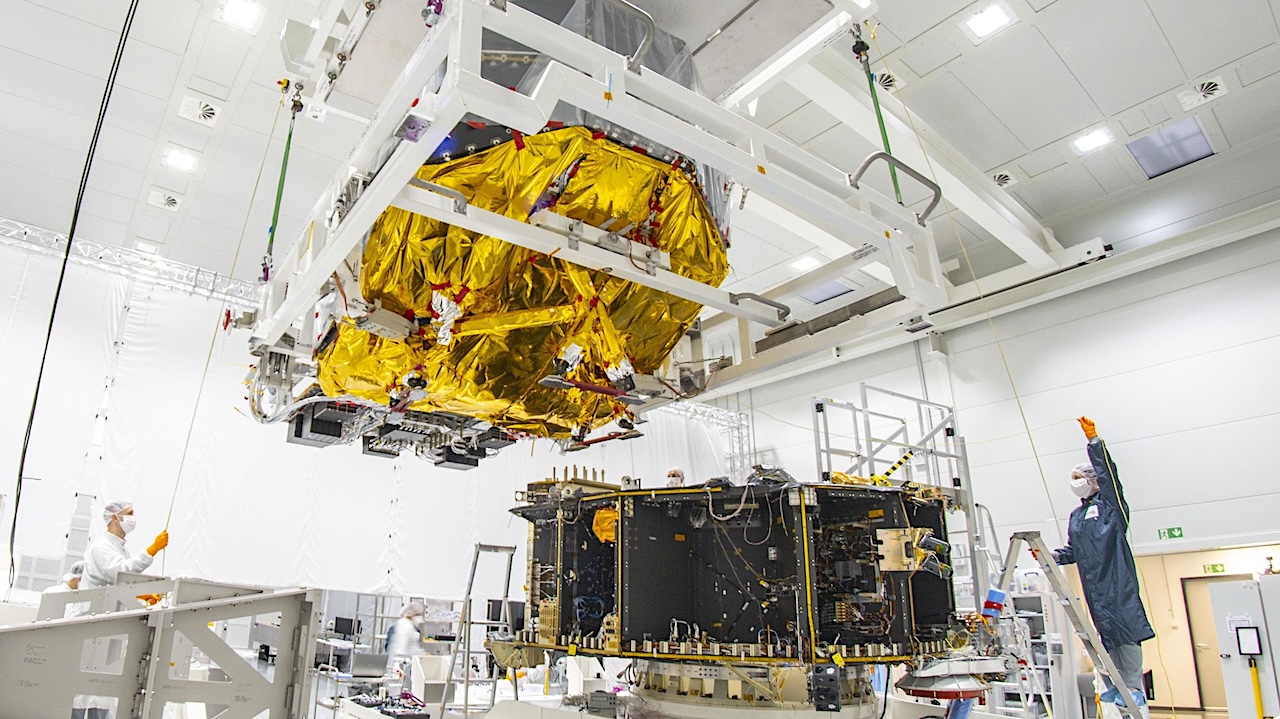
In the clean room – PLATO in OHB’s integration facility – The ‘optical bench’ with its 26 cameras is lifted onto the service module of the spacecraft. The service module

Reports of the singularity’s demise may have been premature. Earlier this year, new research suggested a potential solution to one of the most troubling aspects of modern physics — that
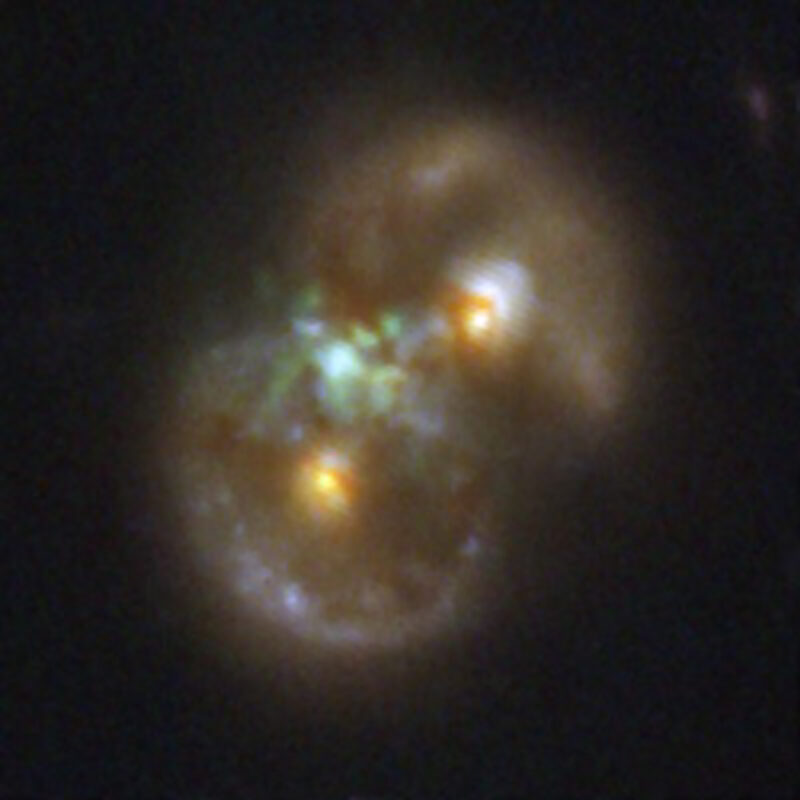
This is the Webb telescope’s image of the Infinity galaxy, the result of 2 colliding spiral galaxies. It includes 2 rings of stars with the 2 nuclei of the spiral

We live in a brand new era for lunar activities. With over 100 payloads from around the globe planned to visit the Moon by 2030, our closest natural satellite will