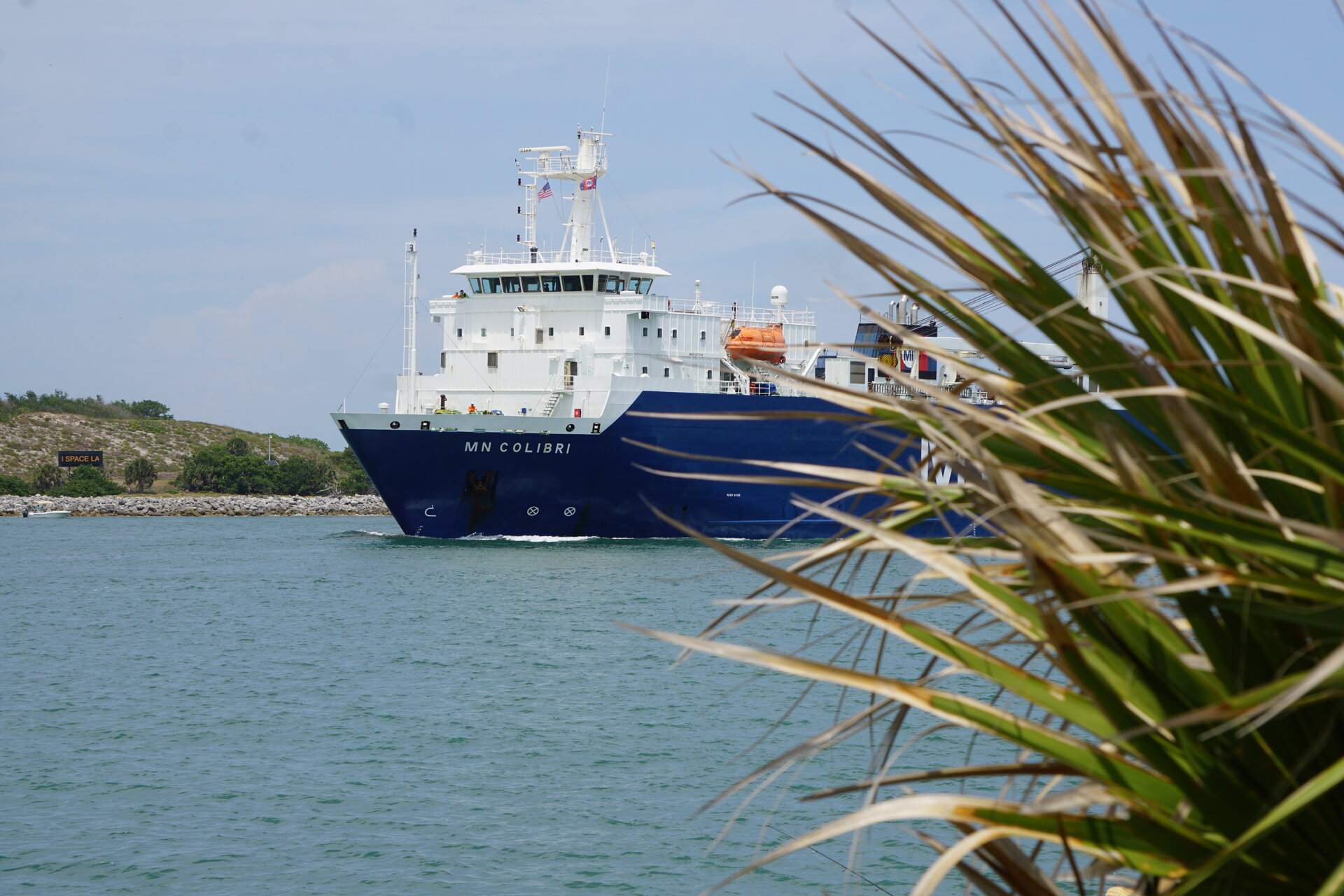
Applications 07/05/2025 346 views 12 likes Fresh from the cleanroom in Bremen, Germany, the second of the Meteosat Third Generation satellites and the first instrument for the Copernicus Sentinel-4 mission

Applications 07/05/2025 346 views 12 likes Fresh from the cleanroom in Bremen, Germany, the second of the Meteosat Third Generation satellites and the first instrument for the Copernicus Sentinel-4 mission

On a chill January evening in 1989, members of the Experimental Aircraft Association of Boston gathered for a special event. At 7 p.m., the group’s president introduced a guest speaker
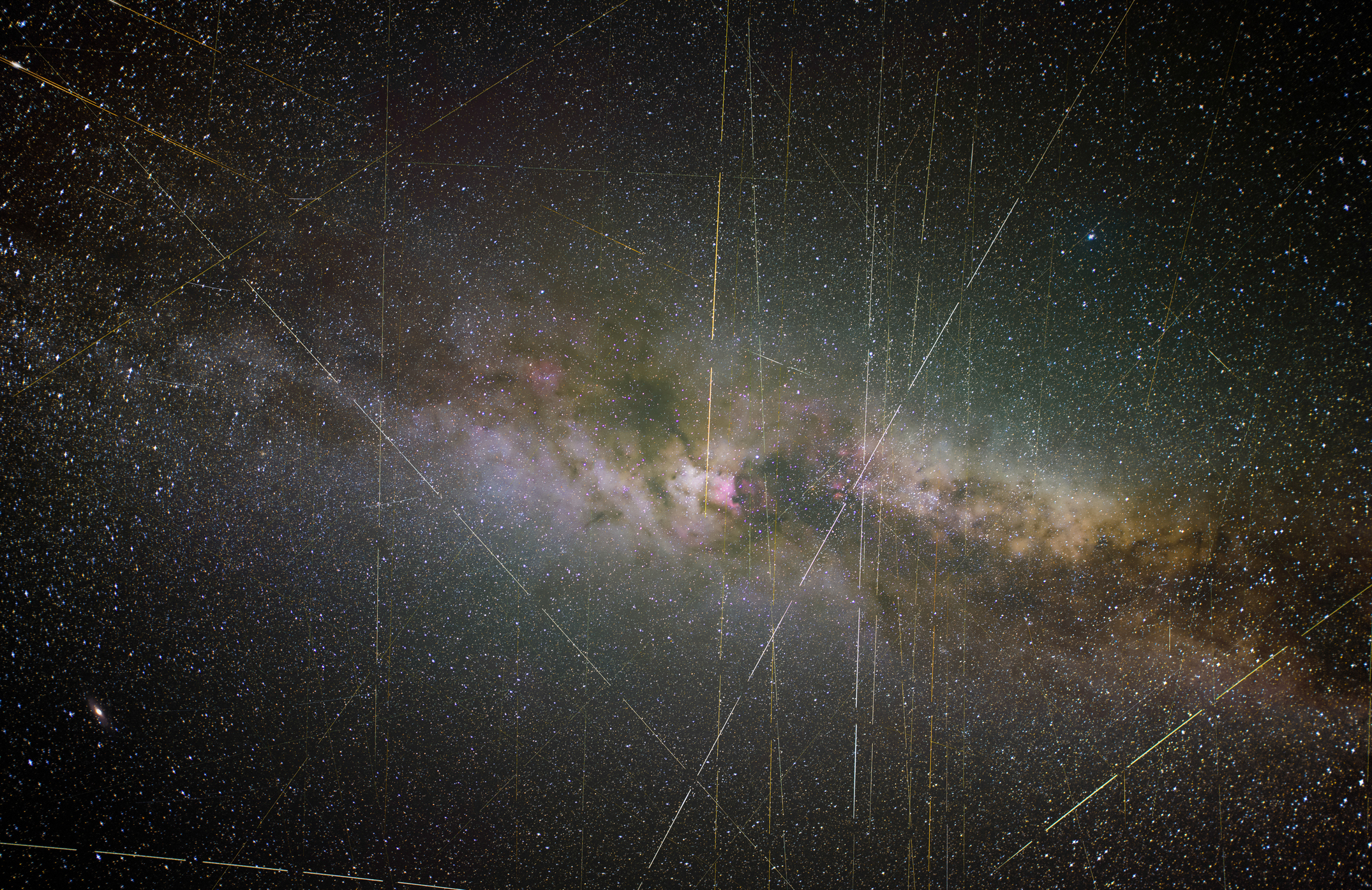
A new type of super-black, highly resistant satellite paint promises an affordable fix to the satellite light pollution problem that has marred astronomical research since the recent advent of low-Earth-orbit

ASGSR 2025 Interested in volunteering to review ASGSR 2025 abstracts? Please fill out the form to volunteer. This must be filled out by the end of the day on Wednesday,
This is a customer submitted press release. Submit your press release. LATSAT will gather Latin American and global space leaders for groundbreaking discussions and networking, focusing on the future of
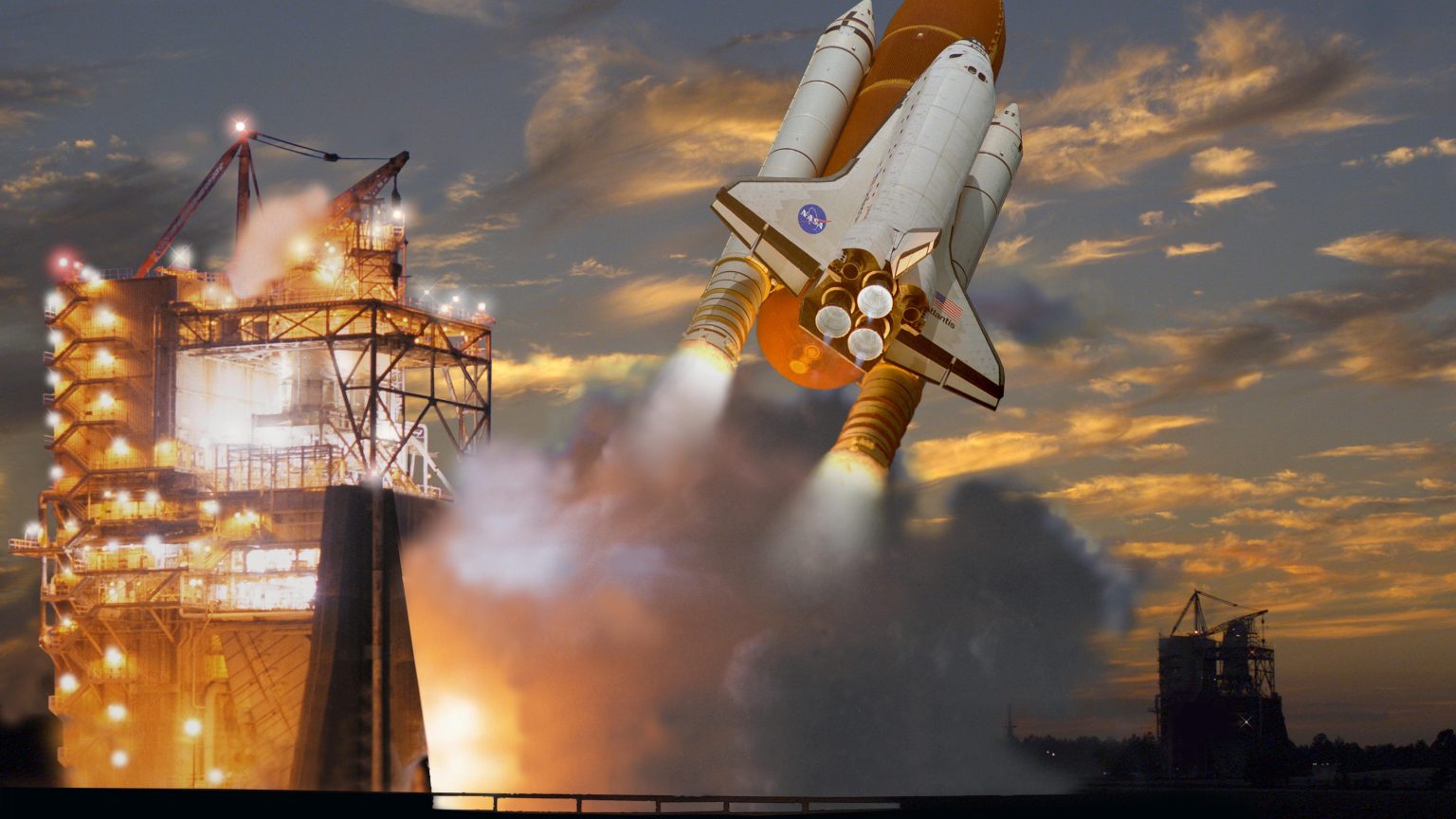
6 Min Read A Defining Era: NASA Stennis and Space Shuttle Main Engine Testing The numbers are notable – 34 years of testing space shuttle main engines at NASA’s Stennis

Superman | Official Trailer – YouTube Watch On Warner Bros has revealed another Superman trailer that shows off more about the movie’s main players and what David Corenswet’s Kal-El stands

Join our newsletter to get the latest military space news every Tuesday by veteran defense journalist Sandra Erwin. WASHINGTON — Lawmakers raised alarms May 14 over reported plans by the
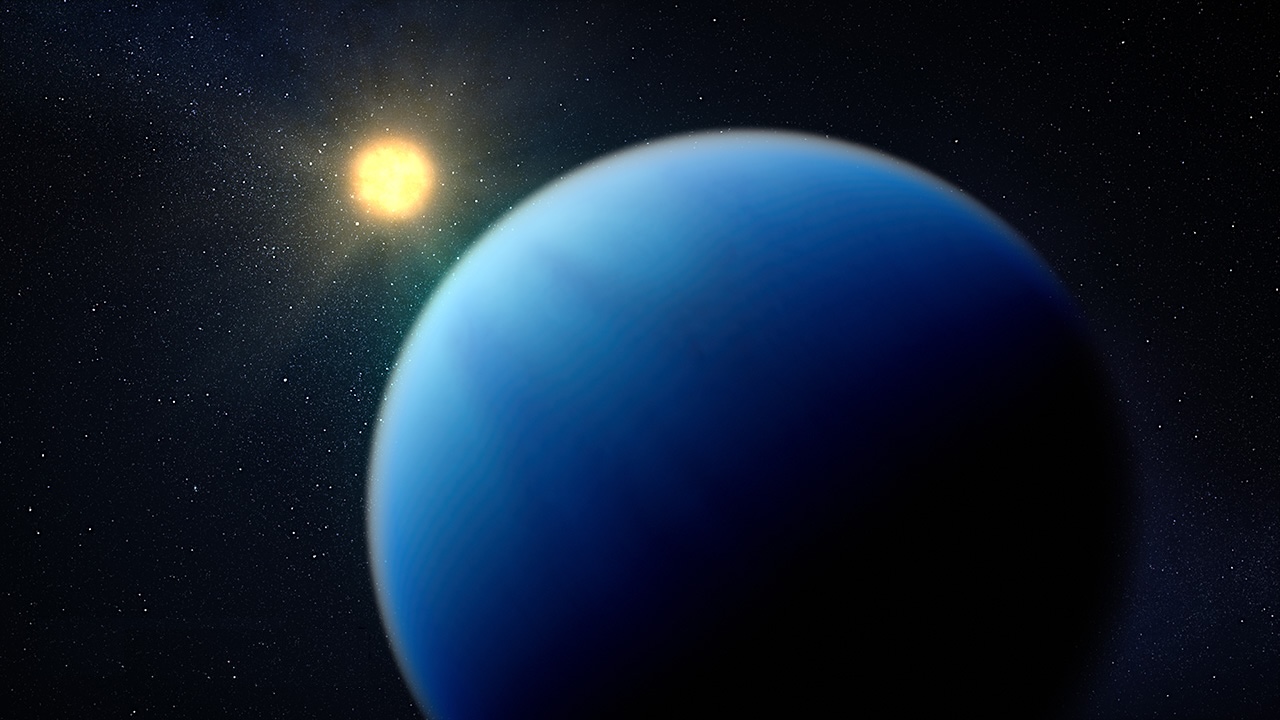
Exoplanet TOI-421 b — NASA Though they don’t orbit around our Sun, sub-Neptunes are the most common type of exoplanet, or planet outside our solar system, that have been observed
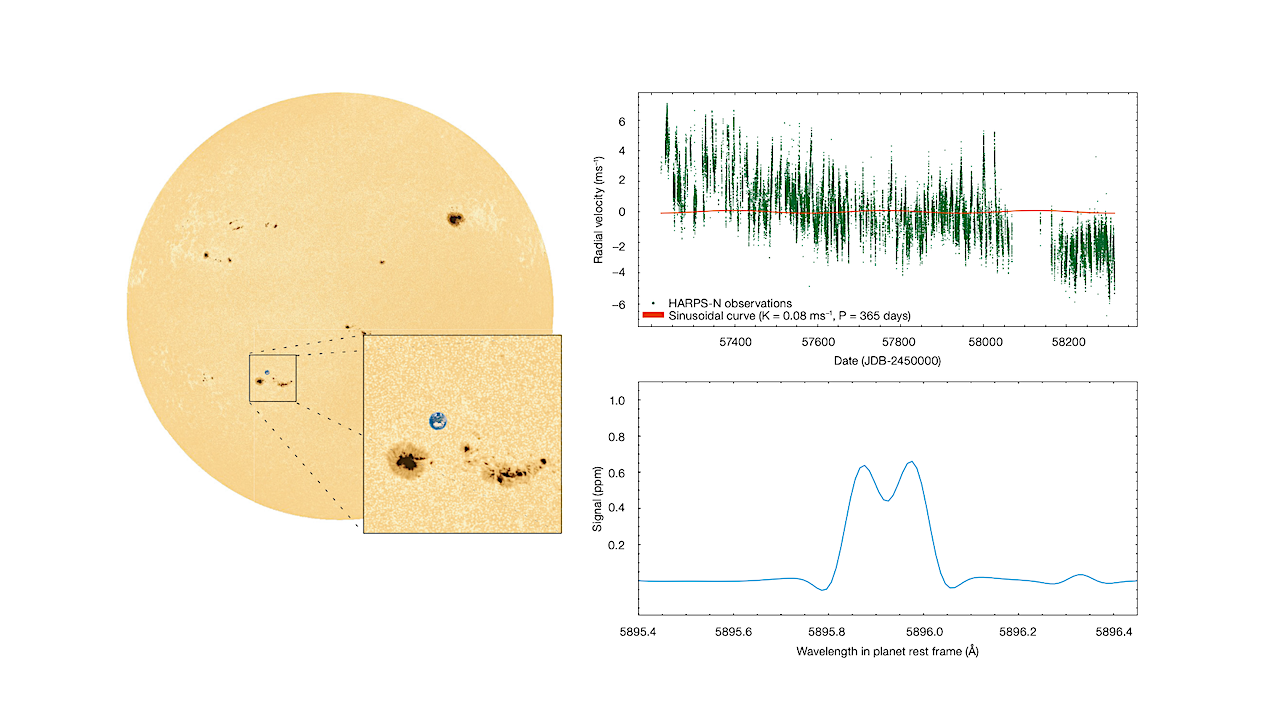
Left: Image of the Sun with Earth superimposed on the same scale. Upper-right: Radial-velocity time-series of the Sun (green points), obtained with the HARPS-N solar telescope (Dumusque et al., 2021),