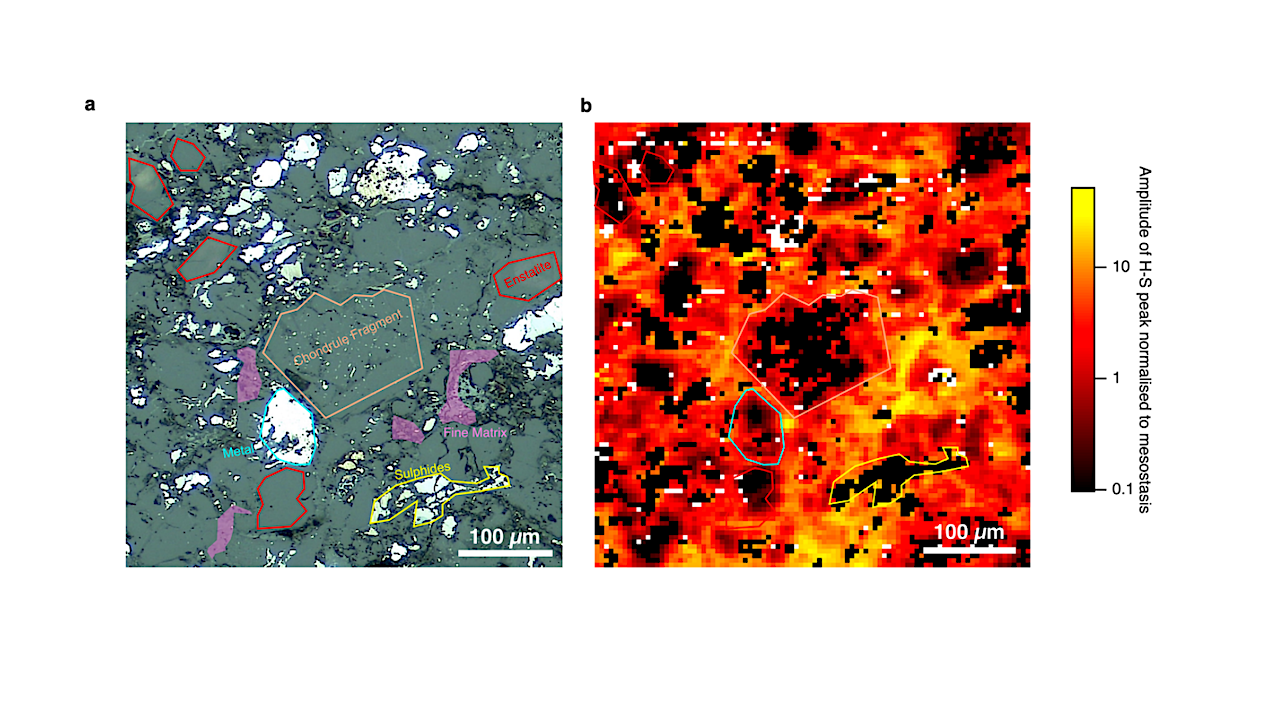
Optical microscopy image of the clastic matrix region in LAR 12252 that was studied using S-XANES. Notable phases include enstatite (examples outlined in red), sulphides (example outlined in yellow), a

Optical microscopy image of the clastic matrix region in LAR 12252 that was studied using S-XANES. Notable phases include enstatite (examples outlined in red), sulphides (example outlined in yellow), a
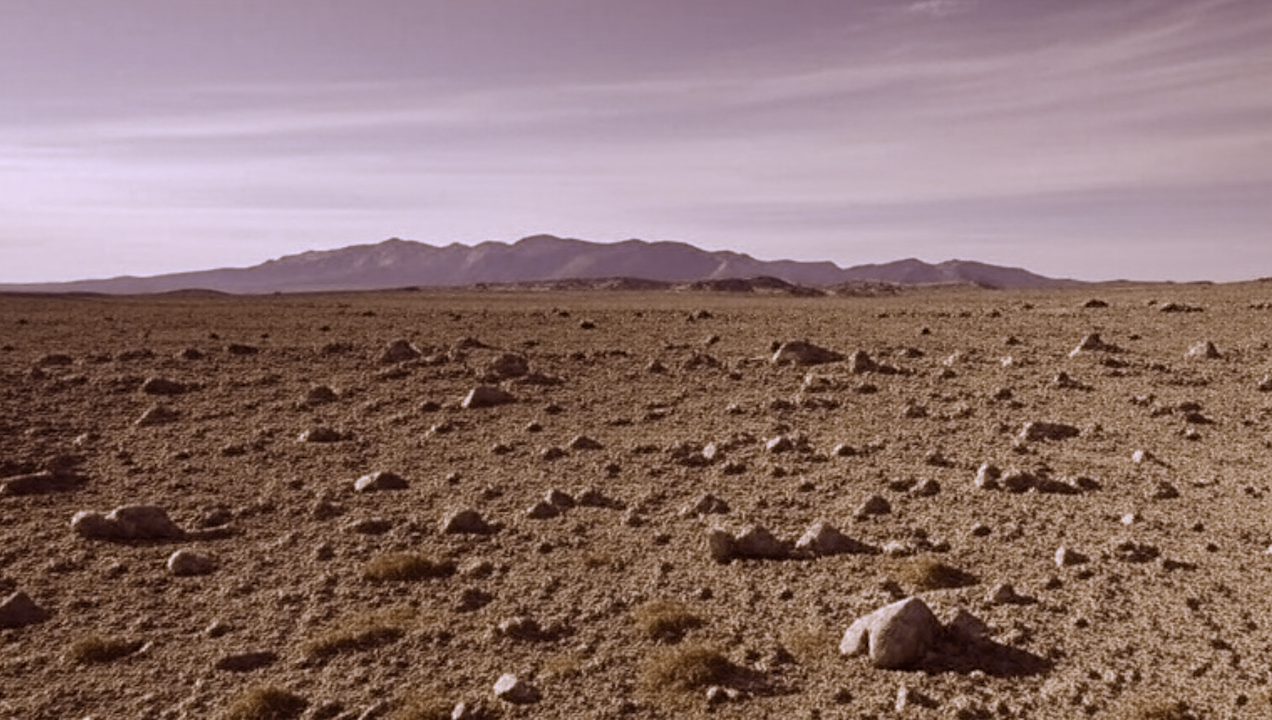
Early Earth — Grok via Astrobiology.com The unambiguous detection of biosignatures in exoplanet atmospheres is a primary objective for astrobiologists and exoplanet astronomers. The primary methodology is the observation of
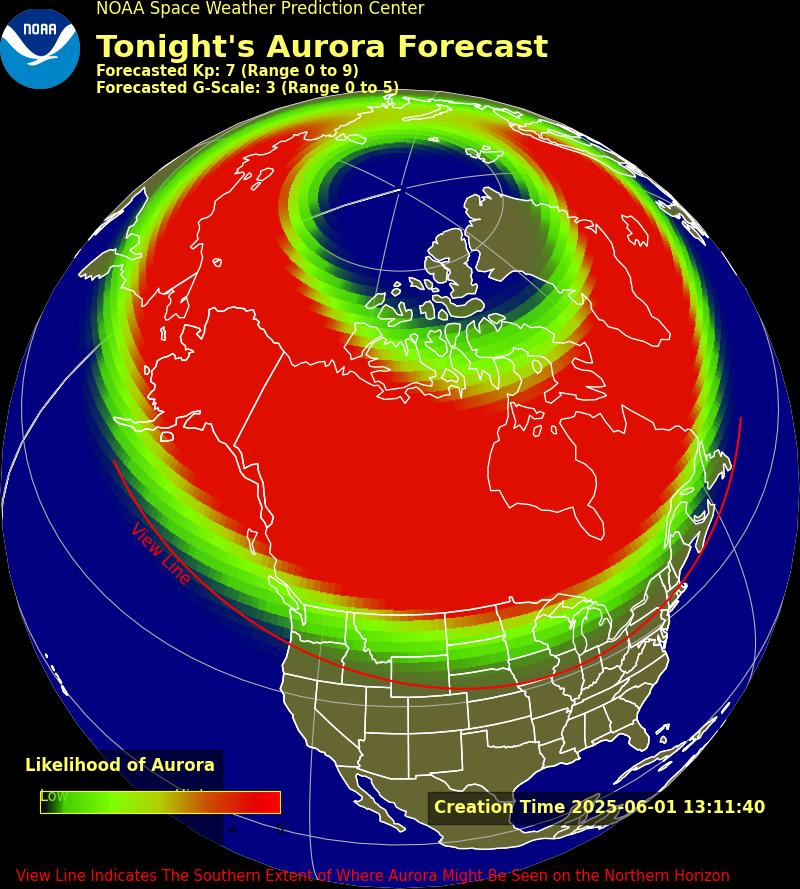
Northern lights could put on an impressive show tonight (June 1) as ongoing geomagnetic storm conditions may push auroras farther south than usual, according to the National Oceanic and Atmospheric
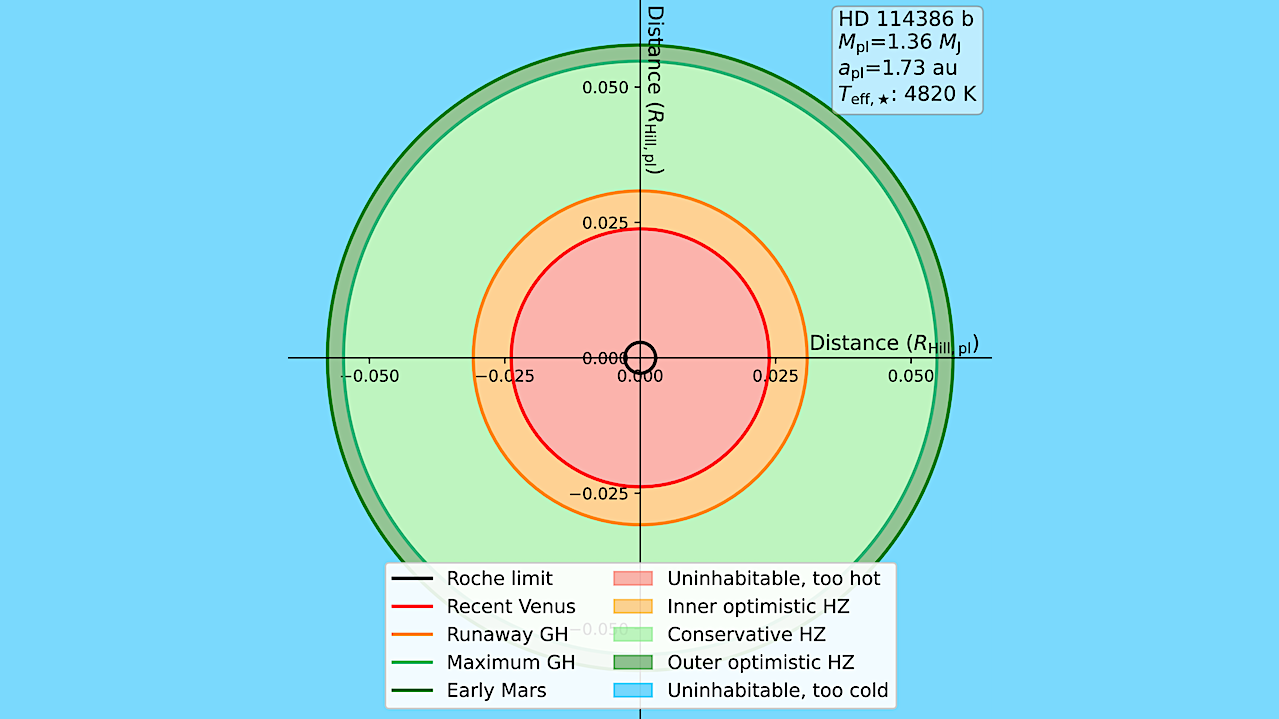
Face-on view of the circumplanetary habitable zone of HD 114386 b assuming an Earth analog moon on e = 0.05 orbit around the planet. The axes represent the distance from

This is a customer submitted press release. Submit your press release. Washington, D.C. — SpaceNews, the trusted source for space industry news and analysis for more than 35 years, announces
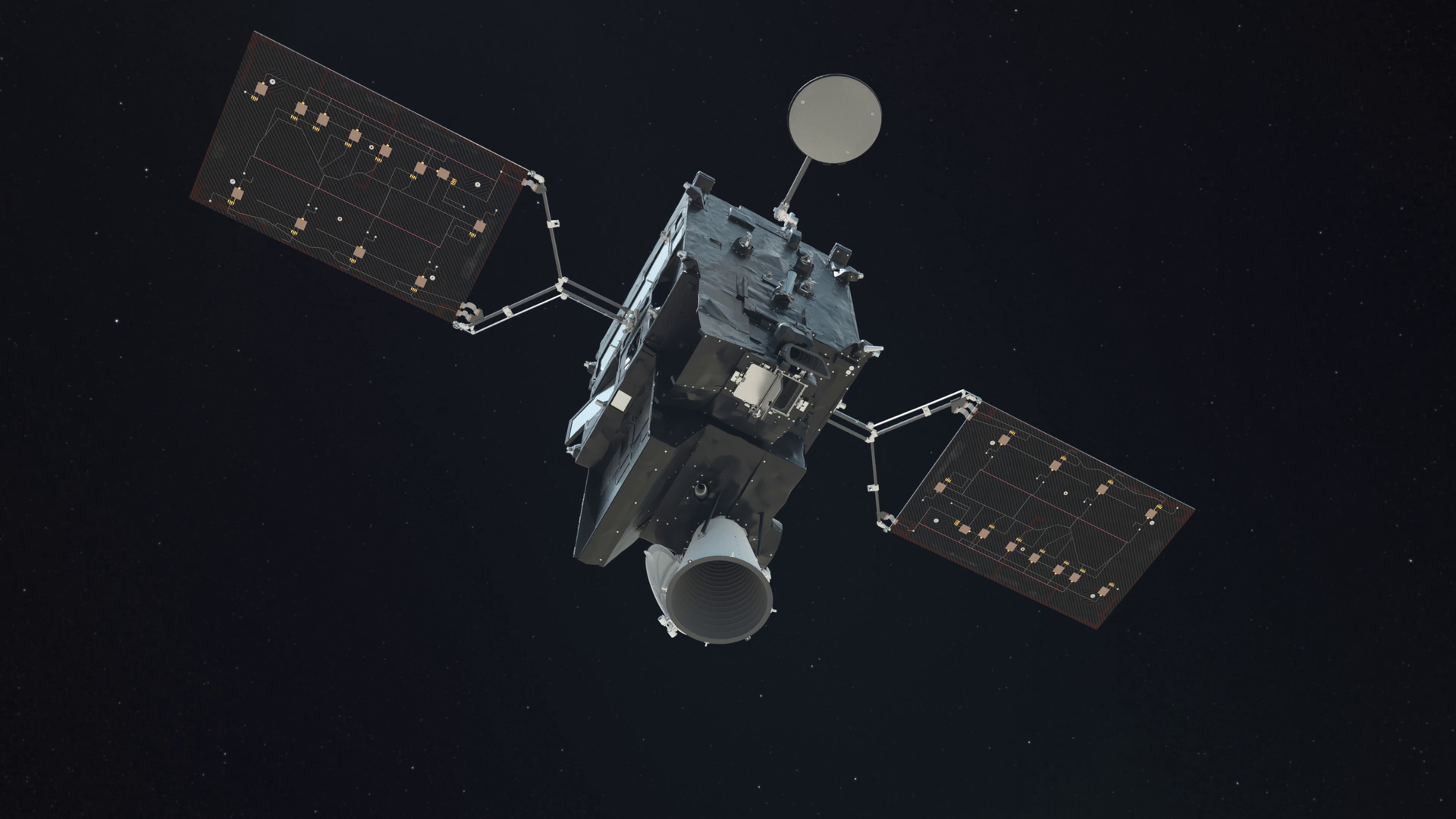
Applications 04/06/2025 187 views 4 likes From its vantage point outside Earth’s atmosphere, more than 36 000 km above Earth’s surface, the Copernicus Sentinel-4 mission will detect major air pollutants
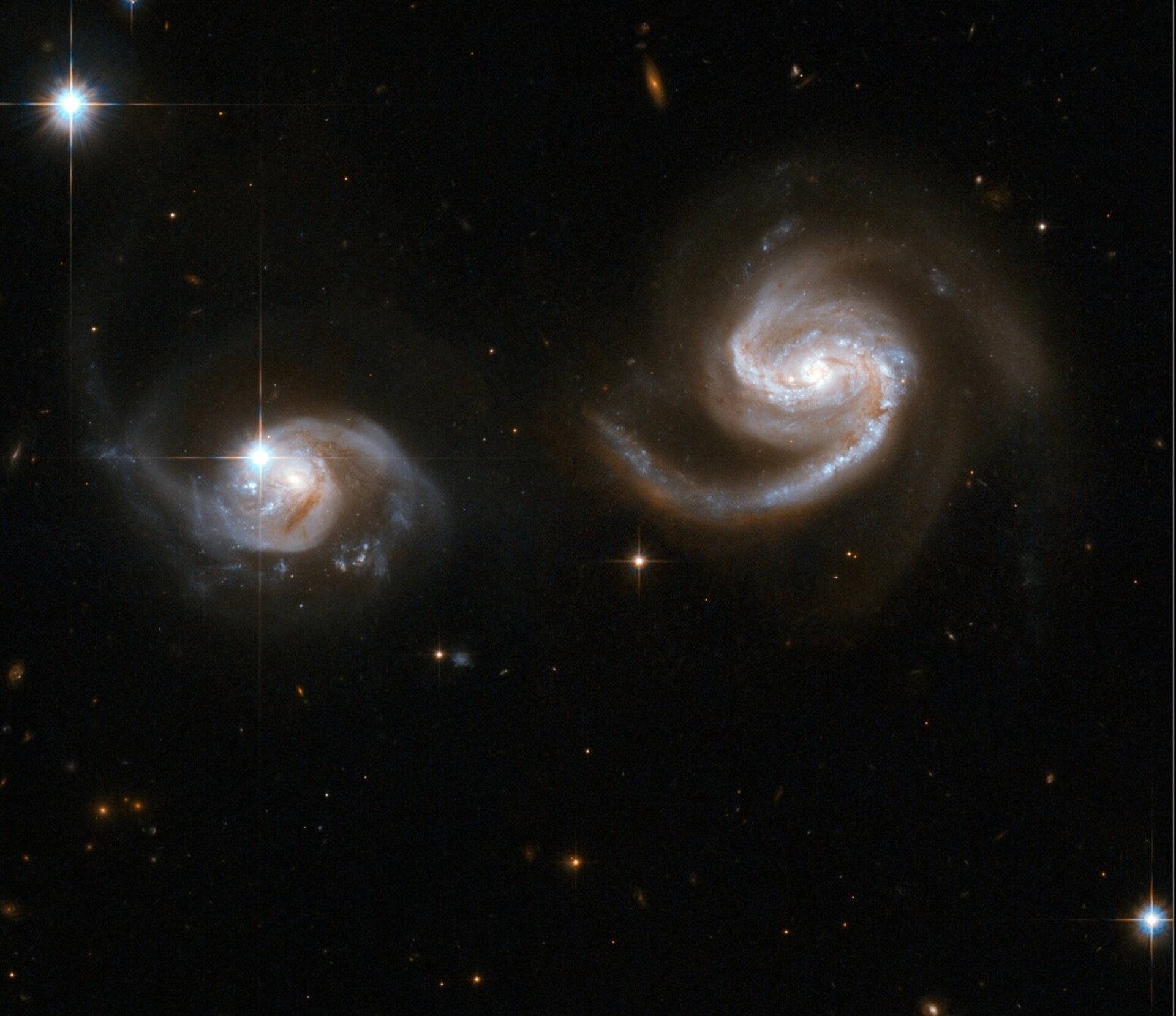
In a remarkable synthesis of over a decade’s worth of astronomical data, researchers have re-evaluated the long-standing narrative that the Milky Way is headed for a cataclysmic encounter with the

Christina Zeringue is the chief safety and mission assurance officer at NASA’s Stennis Space Center. She is responsible for the safety and mission success of all activities, including rocket propulsion
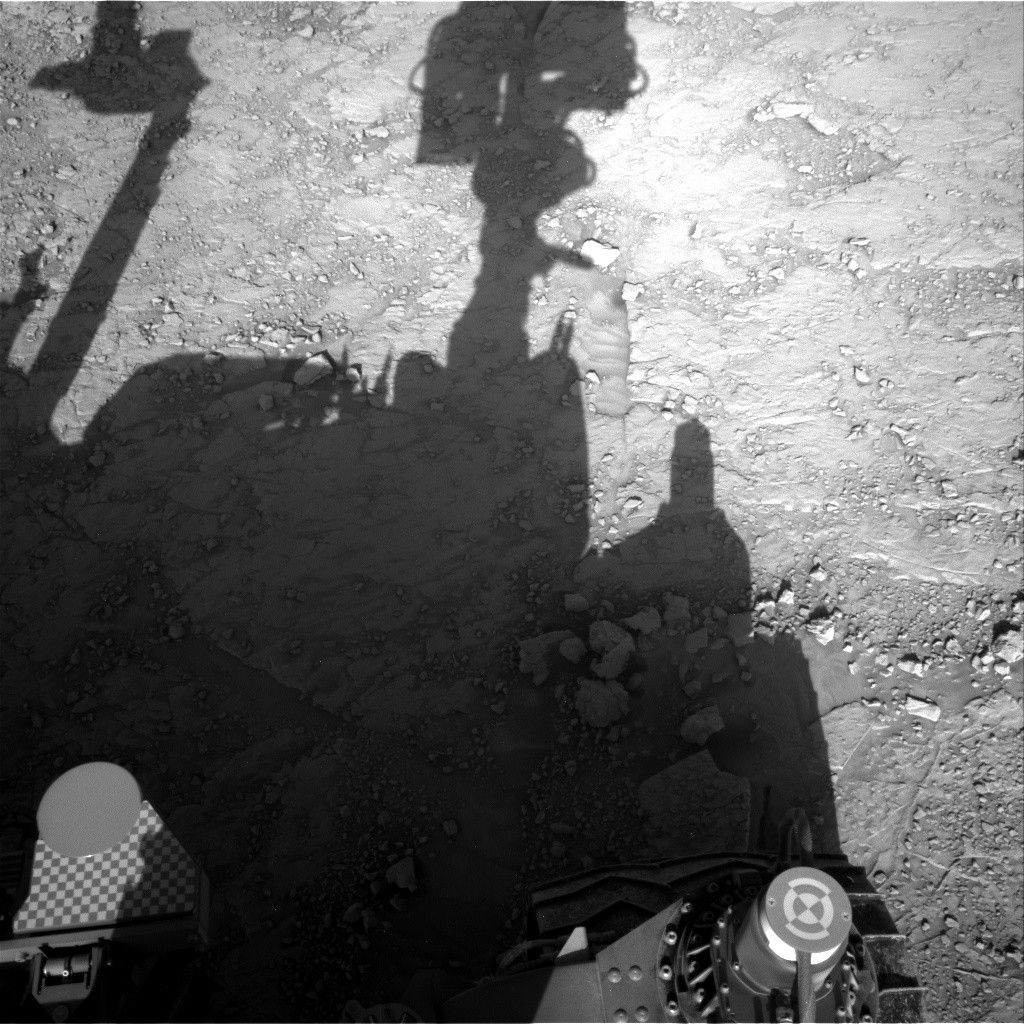
Curiosity Navigation Curiosity Home Mission Overview Where is Curiosity? Mission Updates Science Overview Instruments Highlights Exploration Goals News and Features Multimedia Curiosity Raw Images Images Videos Audio Mosaics More Resources
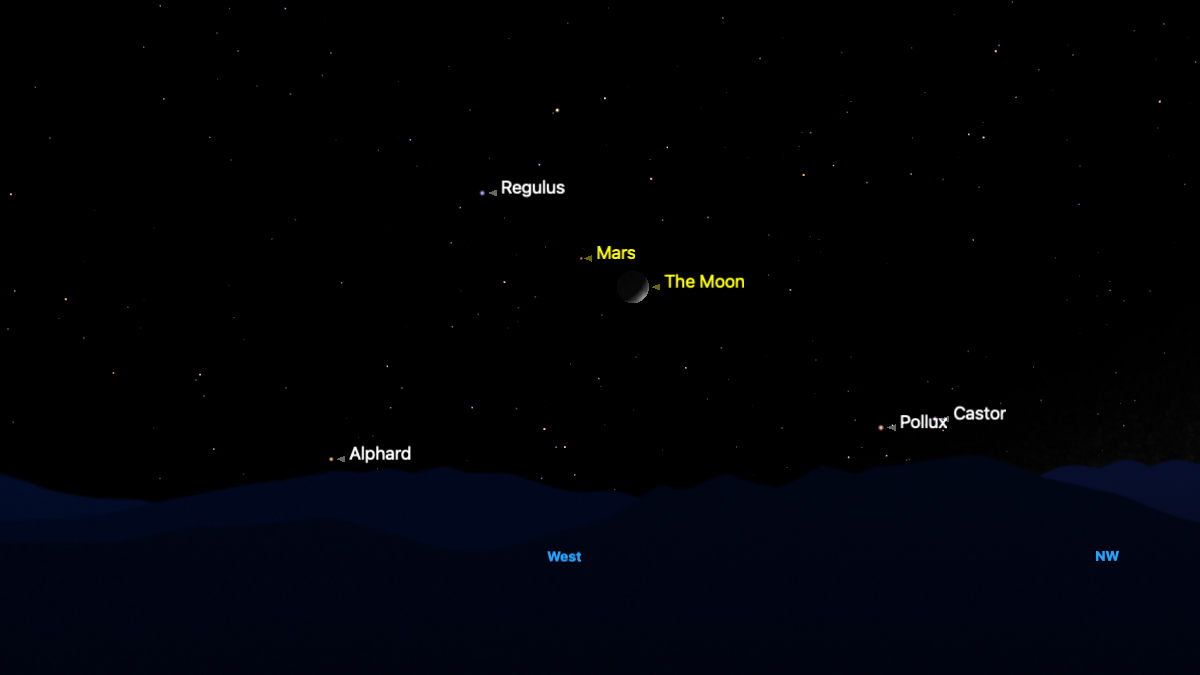
The moon will shine near Mars in the post-sunset sky on May 31, before jumping to its left the following night. (Image credit: Starry Night.) The moon will appear to