As the fourth private Dragon mission to the International Space Station (ISS) approaches, anticipation is building around the Axiom-4 (Ax-4) mission. Scheduled for launch on June 11 at 8:00 AM

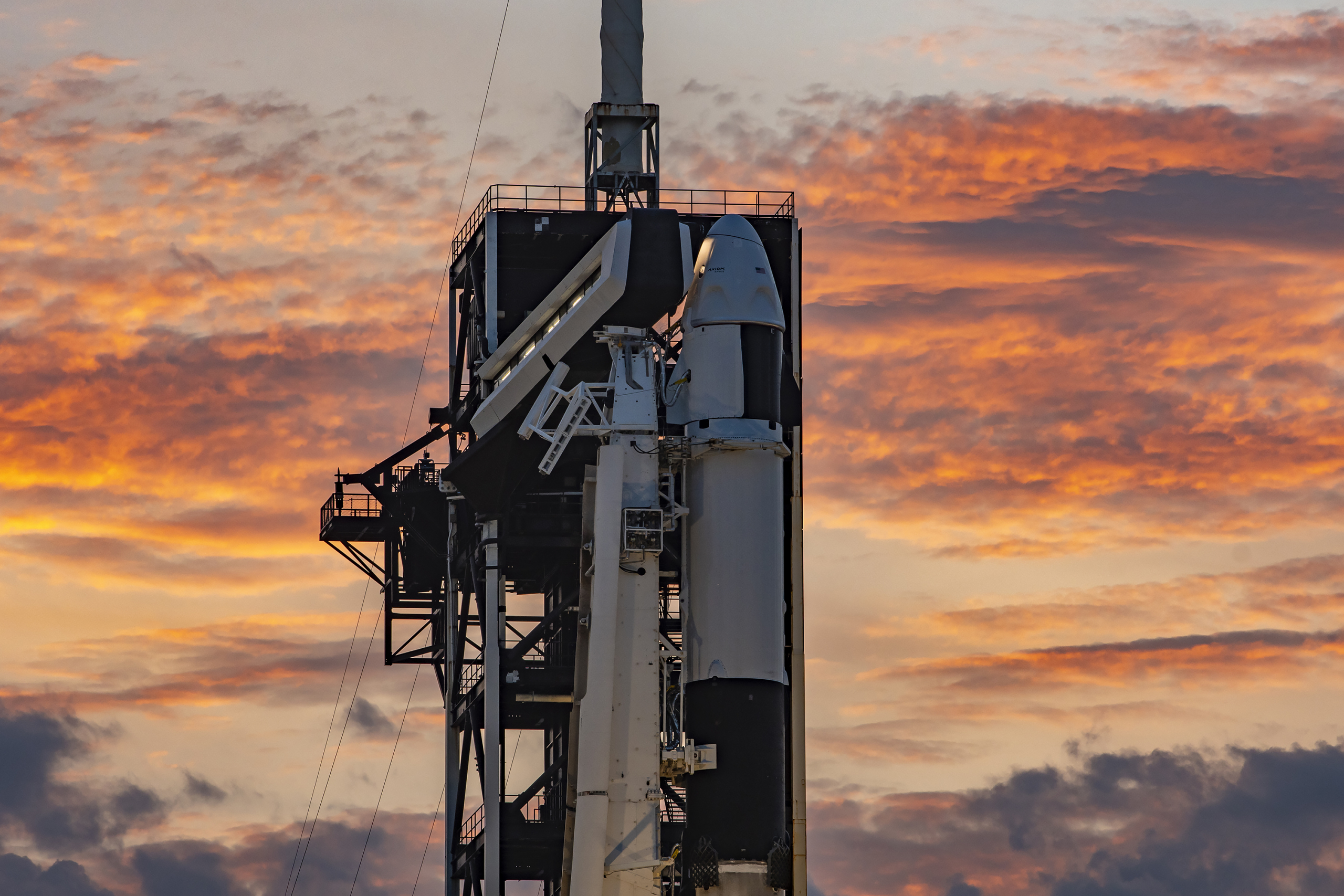
As the fourth private Dragon mission to the International Space Station (ISS) approaches, anticipation is building around the Axiom-4 (Ax-4) mission. Scheduled for launch on June 11 at 8:00 AM
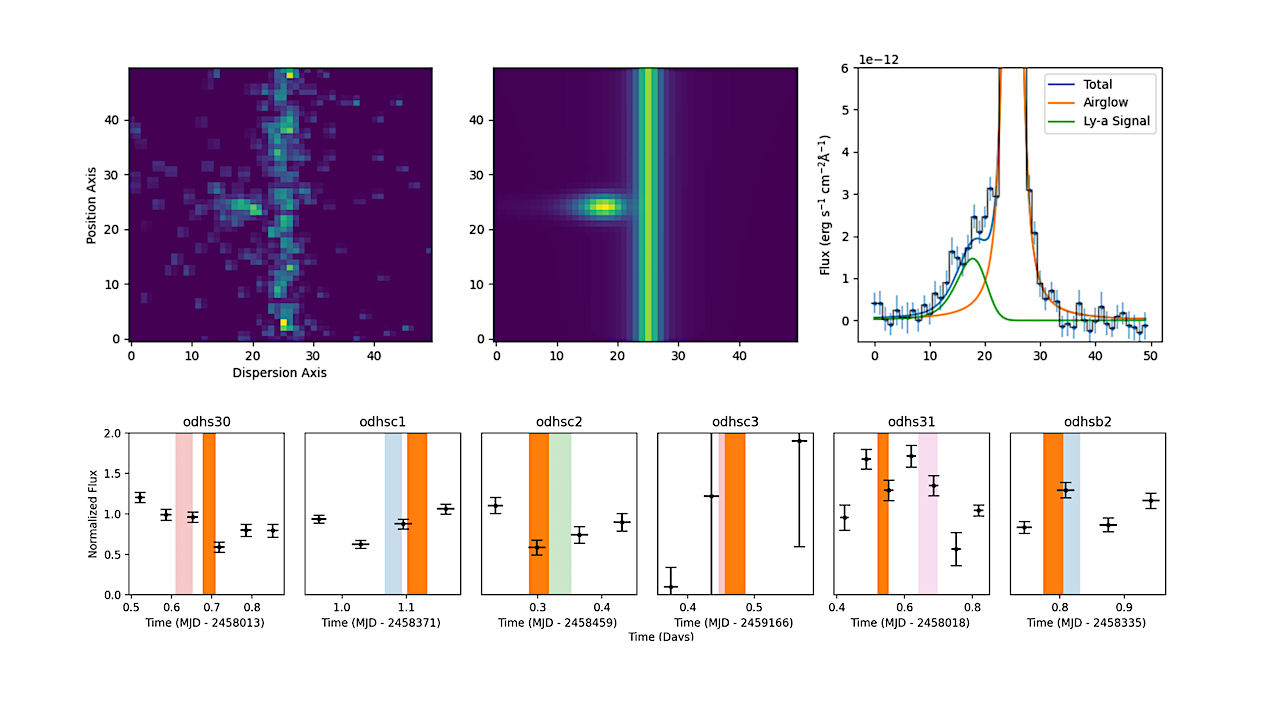
Analysis & Data Overview. (a) Top Left: Systematic-corrected signal image, for which a model fit is retrieved, which is shown in the central panel. Top Right: Spatially-flattened spectral profile of
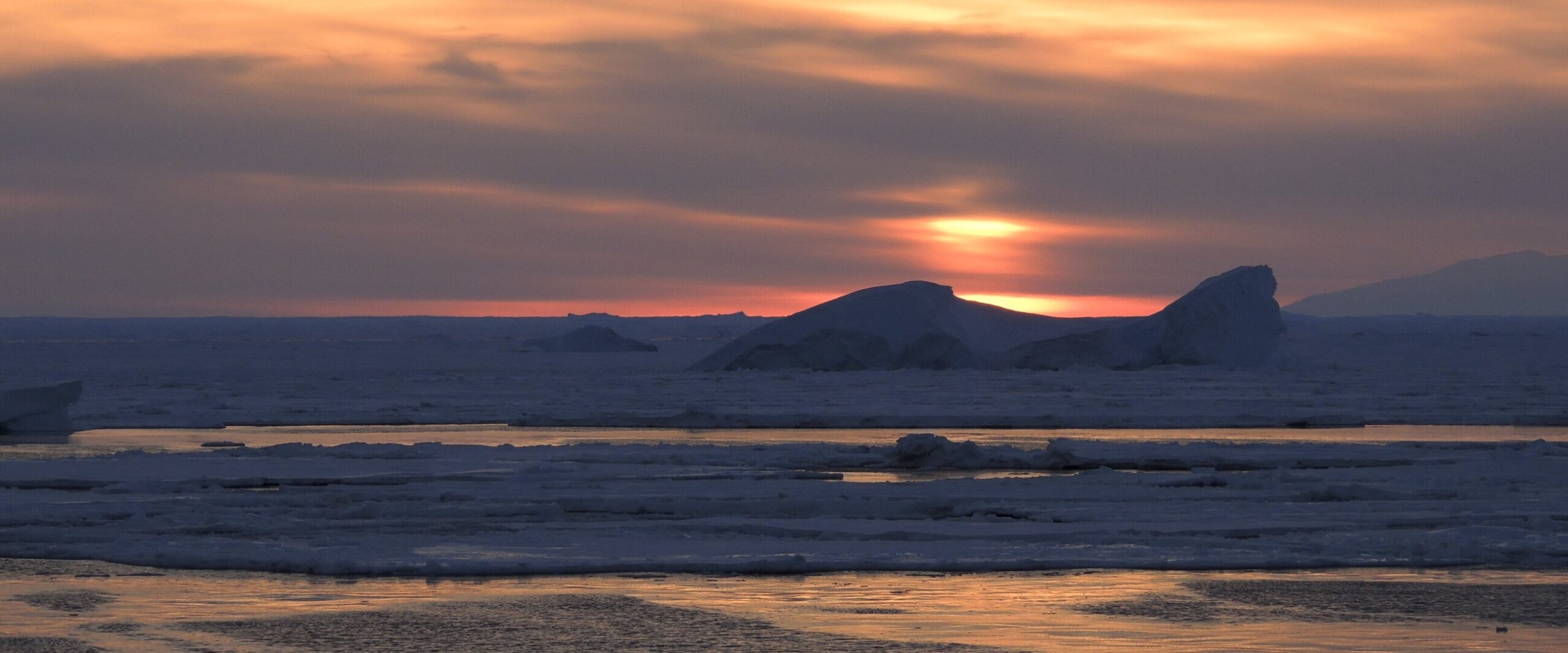
Applications 04/07/2025 245 views 10 likes Using data from ESA’s SMOS satellite, scientists have revealed a surprising shift in the Southern Ocean – surface waters around Antarctica are growing saltier,

CAPE CANAVERAL, Florida — Houston-based company Axiom Space is about to launch the first Indian astronaut to orbit since 1984. Group Captain (IAF) Shubhanshu Shukla will serve as pilot for
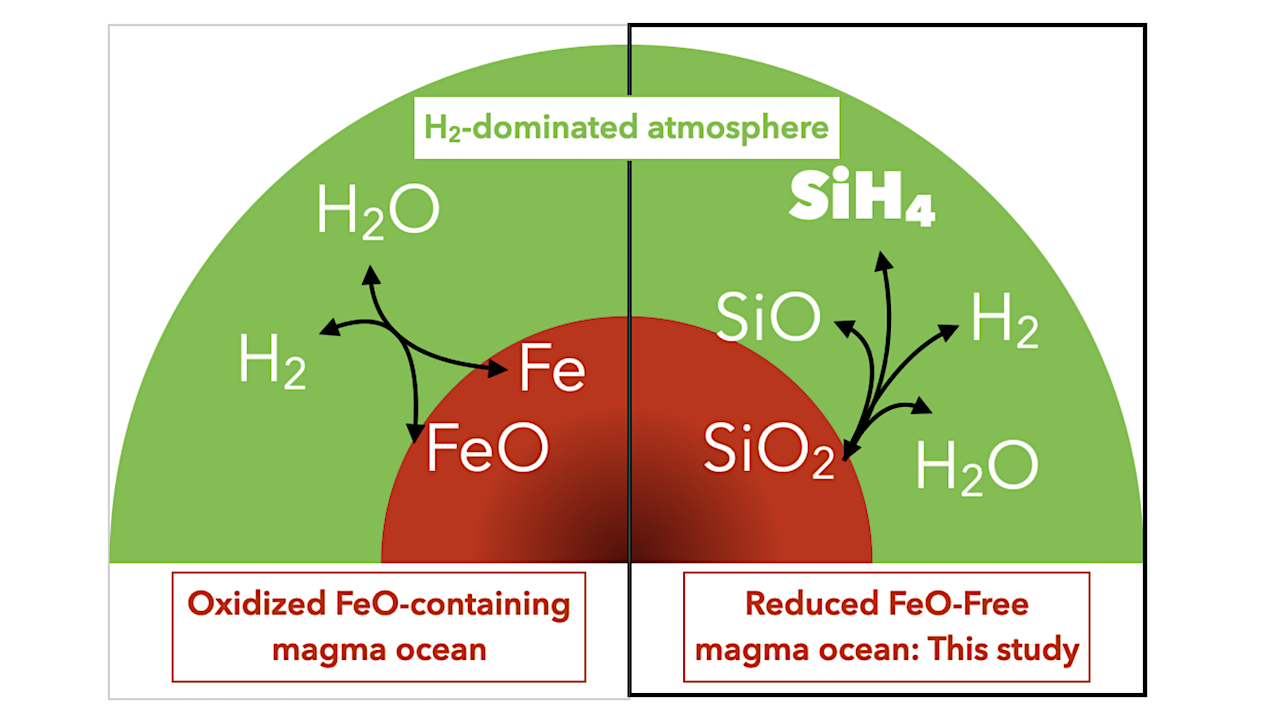
Schematic illustration of chemical interaction between an hydrogen-dominated atmosphere and a magma ocean in sub-Neptune with an oxidized FeO-containing magma ocean (left panel) and a reduced FeO-free magma ocean. Note

PARIS — Firefly Aerospace says it plans to offer a commercial lunar imaging service for use by governments and companies, one that could supplement or replace an existing, but aging,
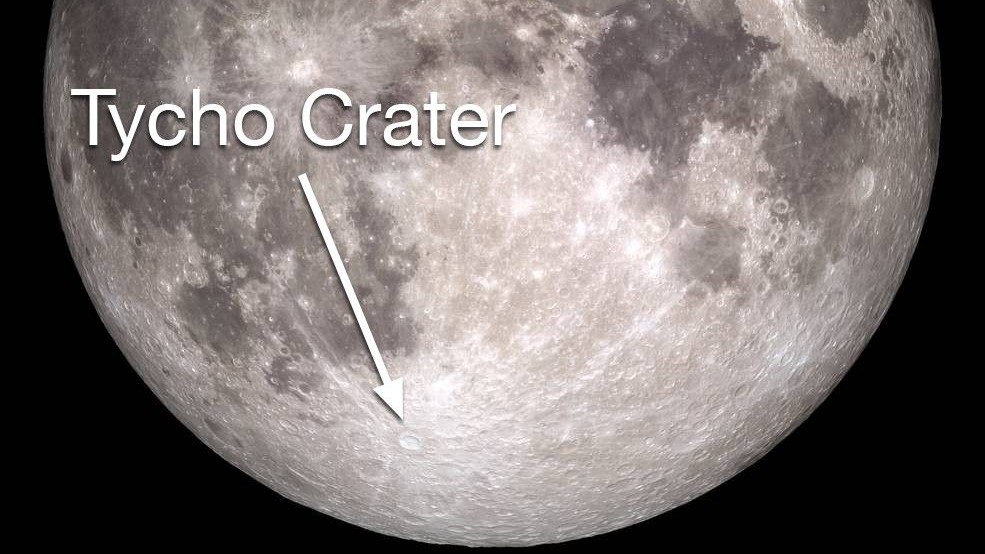
Earth’s moon reaches its last quarter phase later this week! Read on to discover when and where to catch the fleeting lunar milestone, and what else to find in the
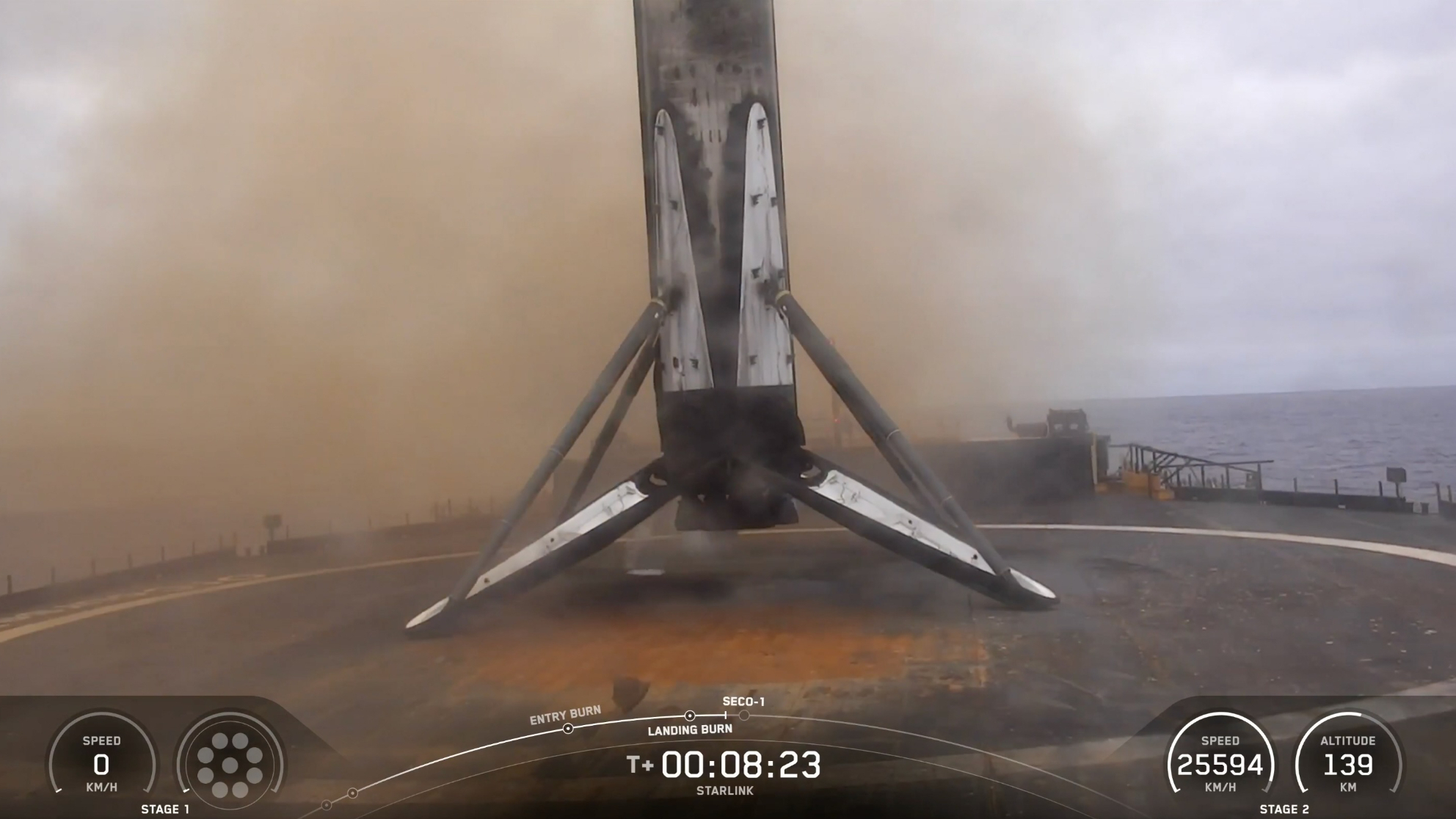
The year isn’t even half over yet, and SpaceX already has 70 orbital missions in the books. A Falcon 9 rocket topped with 26 of SpaceX‘s Starlink broadband satellites lifted
TAMPA, Fla. — Logos Space Services has raised $50 million to advance engineering plans for more than 4,000 broadband satellites, the startup founded by a former Google executive and NASA
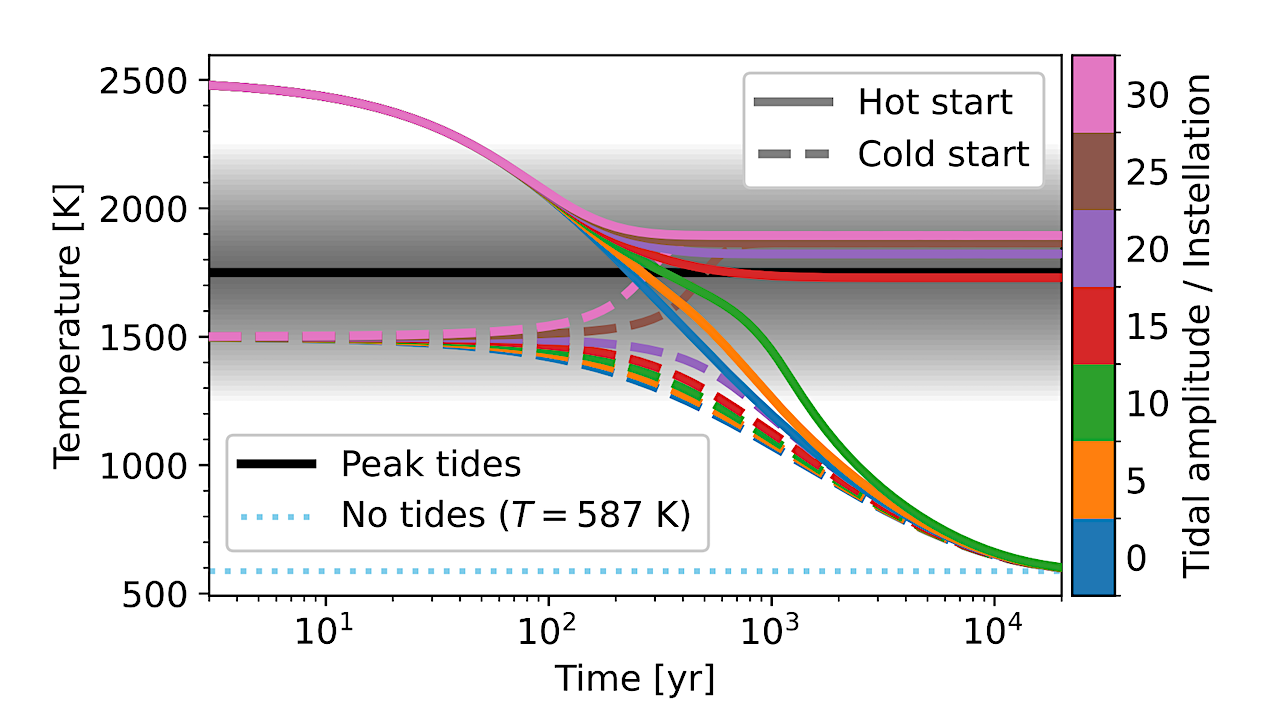
Simulated behaviour of L 98-59 b calculated with a semi-analytic toy model for its thermal evolution. Temperature is plotted over time for different initial temperatures 𝑇0 (line style) and tidal