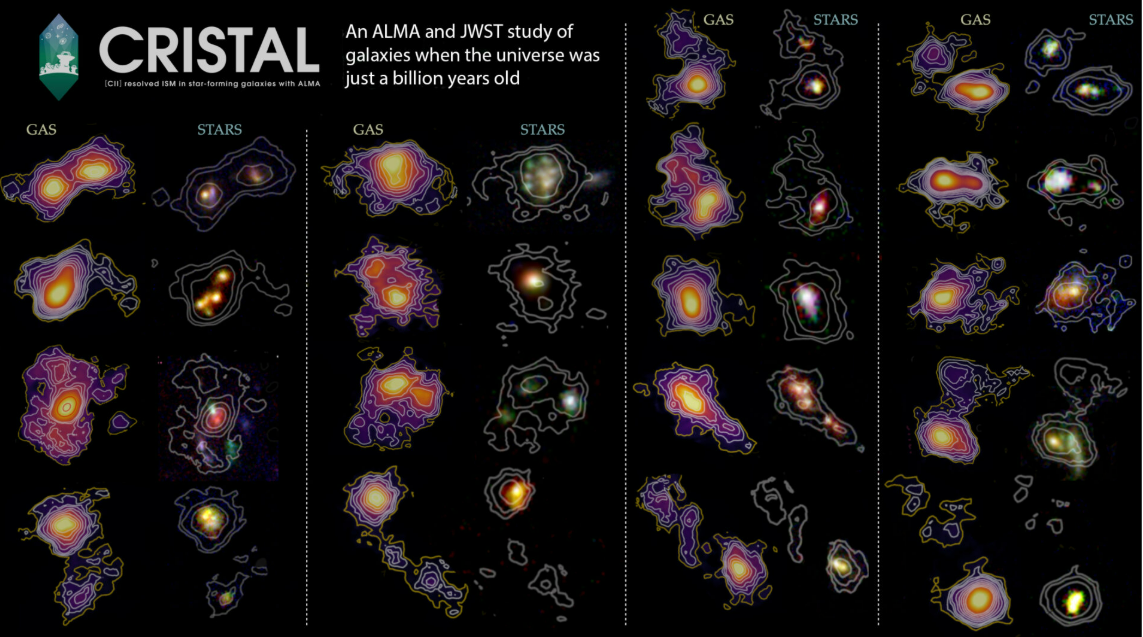
Astronomers have turned the Atacama Large Millimeter/submillimeter Array (ALMA) into a time machine to peer back in cosmic time to 1 billion years after the Big Bang. This has revealed

Astronomers have turned the Atacama Large Millimeter/submillimeter Array (ALMA) into a time machine to peer back in cosmic time to 1 billion years after the Big Bang. This has revealed
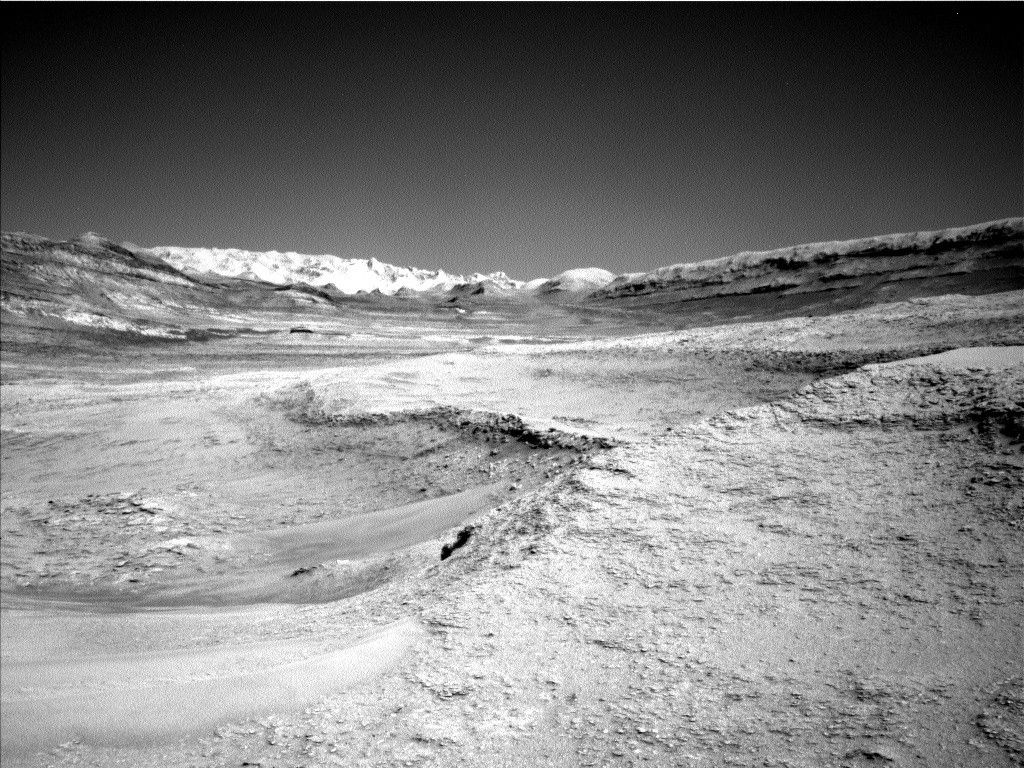
Curiosity Navigation Curiosity Home Mission Overview Where is Curiosity? Mission Updates Science Overview Instruments Highlights Exploration Goals News and Features Multimedia Curiosity Raw Images Images Videos Audio Mosaics More Resources

“Star Trek: Strange New Worlds” Season 3 is off to a strong start after its two-episode debut last week with “Hegemony, Part 2” and “Wedding Bell Blues.” As chapters progress
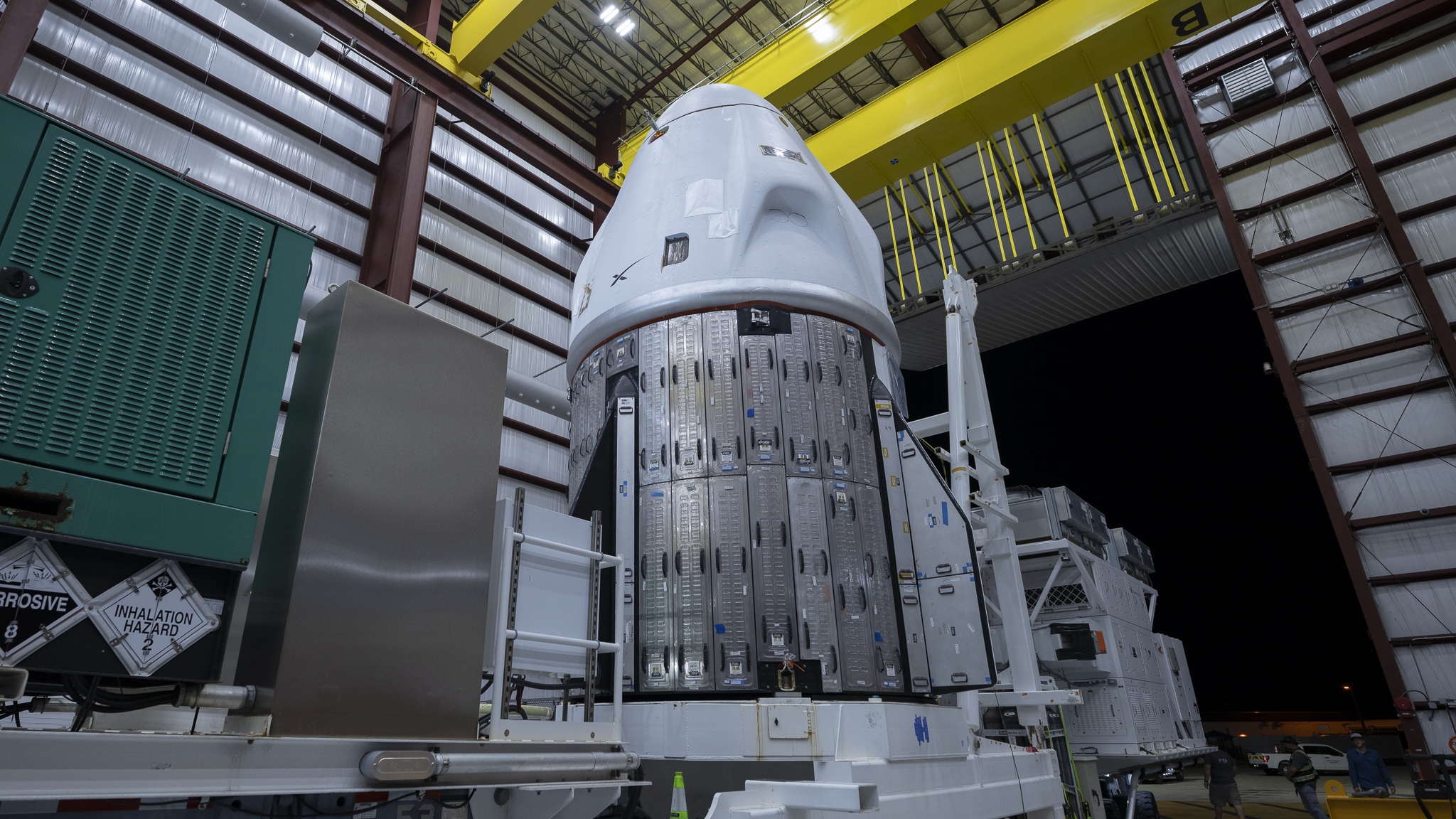
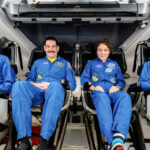
SpaceX just took a big step toward its next astronaut launch. The company announced Thursday (July 24) that it has moved its Crew Dragon capsule “Endeavour” to the hangar at

Drought is forcing Namibian desert elephants to seek water near human settlements. But human encounters with the giant mammals frequently end in tragedies. Elephants are being shot, and their population
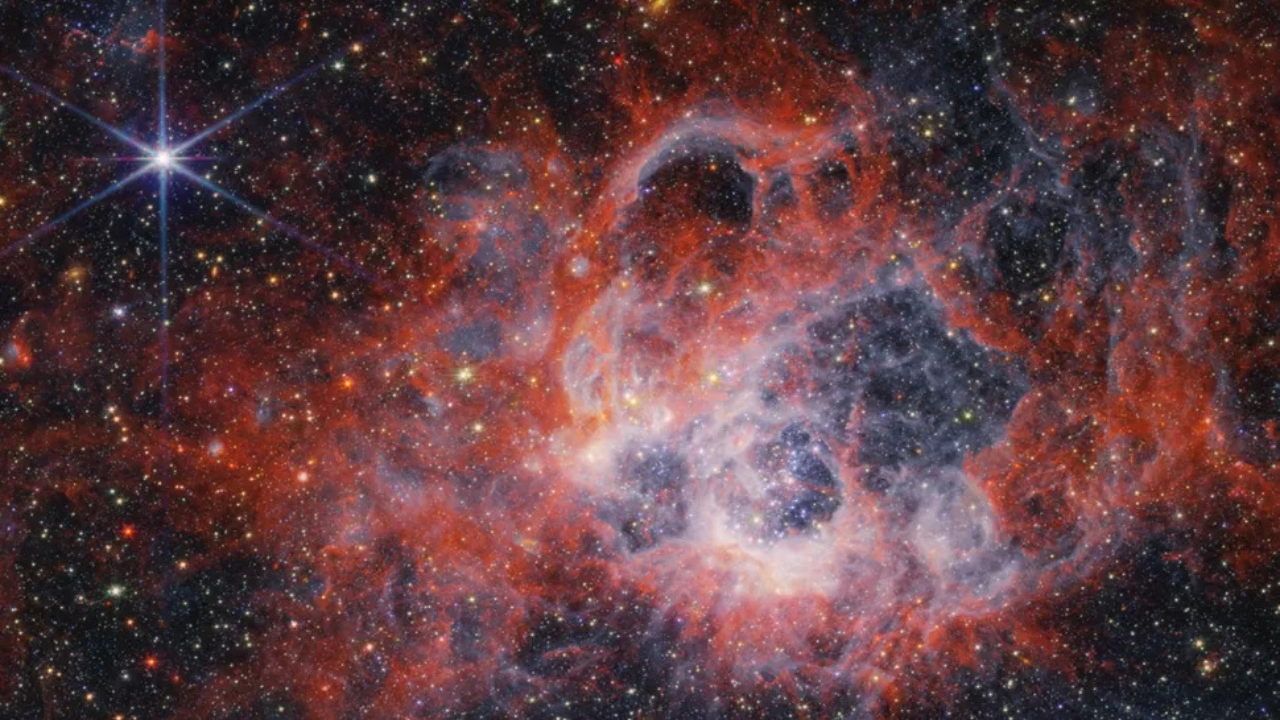
This story was provided by Live Science, a sister site of Space.com. Astronomers have discovered over a dozen “dormant” galaxies that paused their star formation within the first billion years

Before spaceflight became more inclusive, a few extraordinary women broke through the stratosphere — and the barriers of history. The journey wasn’t easy. These women came from different countries, backgrounds,
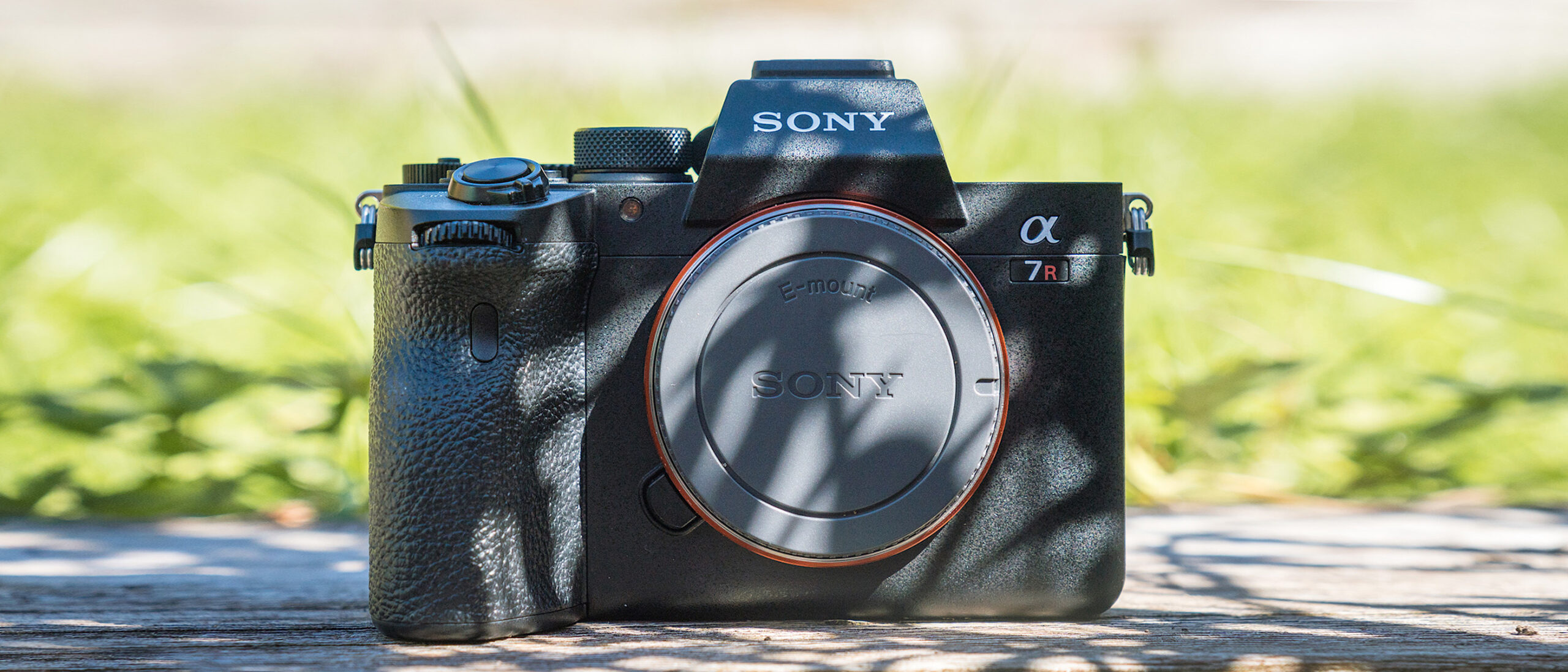
Poor old Amazon must be losing its touch with this deal! Okay, maybe Jeff Bezos isn’t going to lose any sleep but, despite Prime Day, the cheapest place to buy

2 min read Preparations for Next Moonwalk Simulations Underway (and Underwater) NASA NASA’s Marshall Space Flight Center will host astronauts for a media opportunity as the center celebrates its 65th
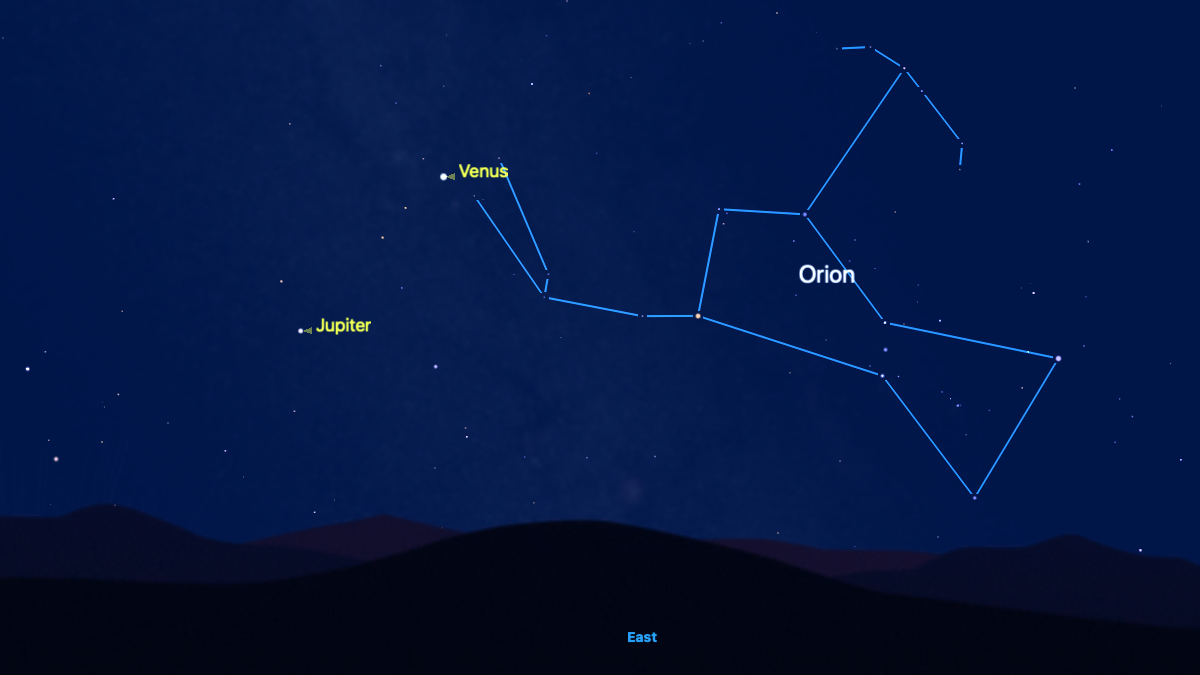
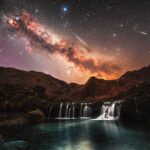
Venus will reach its highest altitude in the morning sky on Aug. 1 while shining close to Jupiter in the ‘hand’ of the constellation Orion. Stargazers in the U.S. will