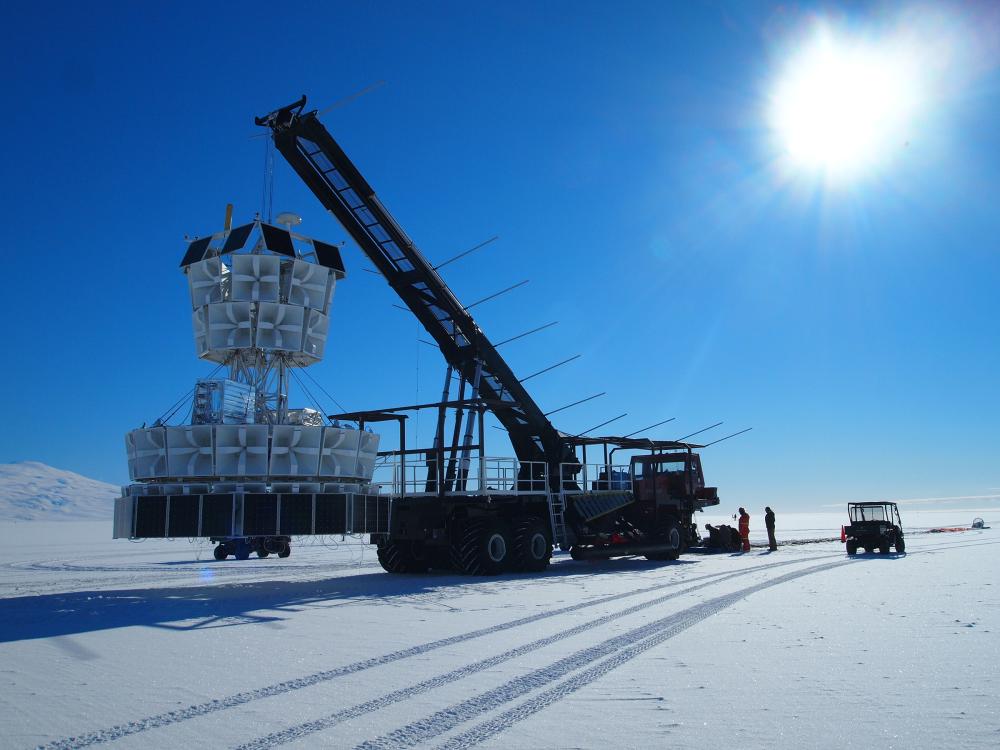
A cosmic particle detector has spotted a burst of strange radio signals from the ice of Antarctica that currently defy explanation. The results could hint at the existence of new

A cosmic particle detector has spotted a burst of strange radio signals from the ice of Antarctica that currently defy explanation. The results could hint at the existence of new

ESA’s Living Planet Symposium, one of the world’s leading Earth observation conferences, opened today in Vienna. The plenary session began at 10:30 CEST and included addresses from ESA Director General

Astronomers have teamed up with citizen scientists to discover a brand-new exploding star that’s greedily feeding on a stellar companion. The newly observed binary system features a cataclysmic variable star,
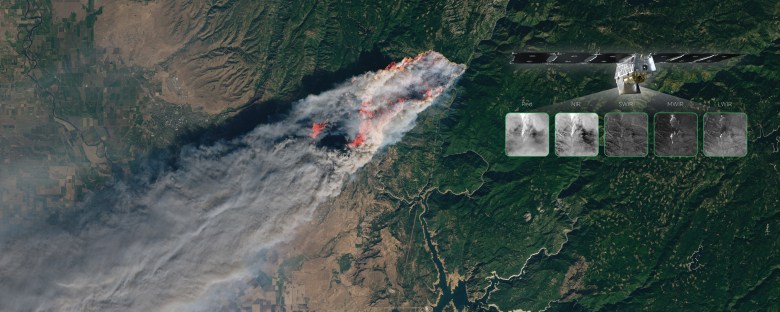
TAMPA, Fla. — Four-year-old small satellite maker Muon Space announced $89.5 million in new funding June 12 to scale production and acquire propulsion startup Starlight Engines, bringing a potential supply
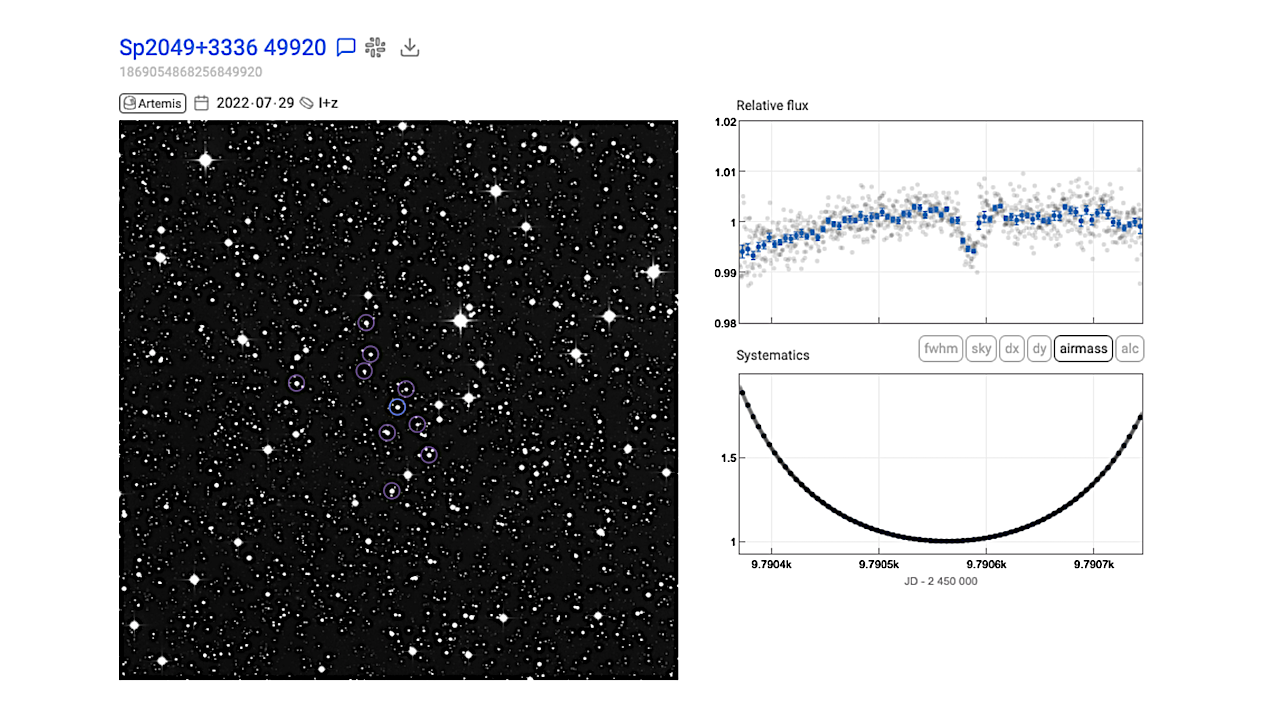
PORTAL’s web interface. Observation view for a particular night for SPECULOOS-3 target observed by Artemis telescope at SNO. The transit of SPECULOOS-3b planet was detected thanks to PORTAL observation view

Astrobiology Inspires and Enables Exploration — Astrobiology.com Astrobiology.com Editor’s note: the following white paper has been circulated by leaders of the Astrobiology community in March 2025. Please read through it

Ezcosplay Crew Neck Long Sleeve NASA T-Shirt Peek into the cosmos with the Ezcosplay Crew Neck Long Sleeve NASA T-Shirt, a perfect blend of style and comfort that celebrates humanity’s
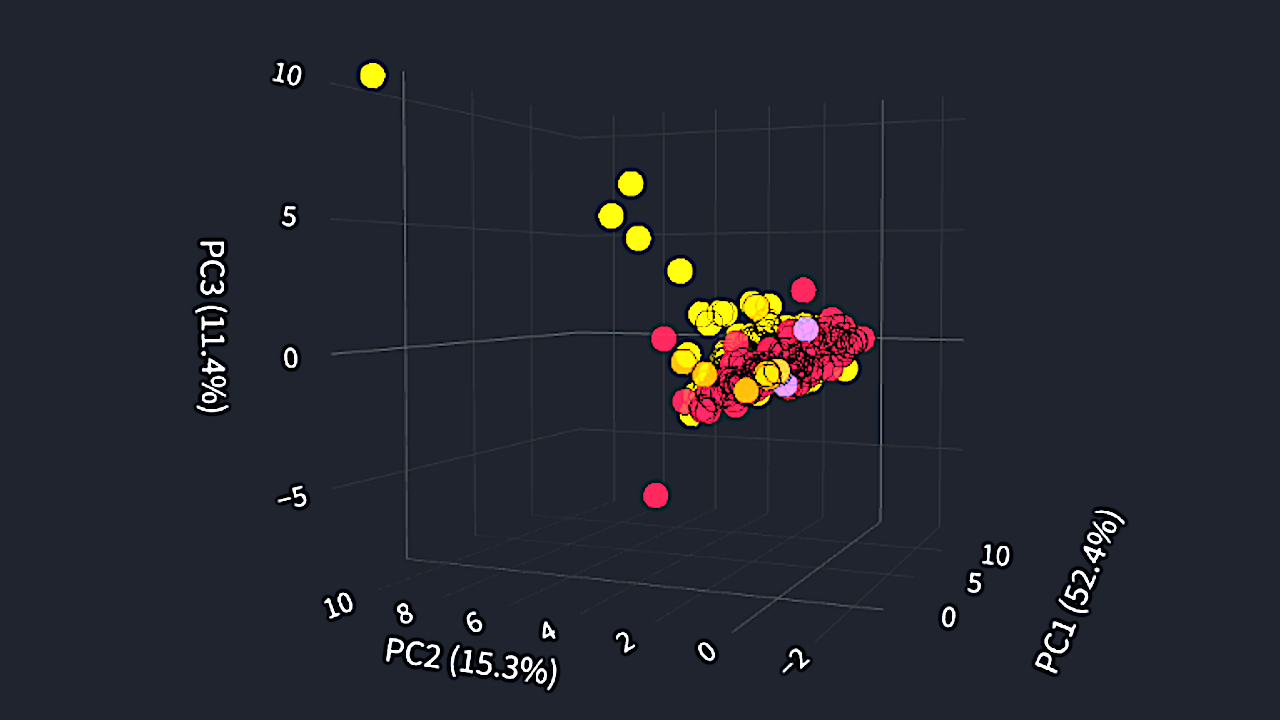
Three-dimensional PCA visualization of 517 exoplanets colored by habitability classification. PC1 (52.4% variance) captures stellar-planetary size coupling, PC2 (15.3% variance) reflects planetary composition gradients, and PC3 (9.4% variance) represents stellar
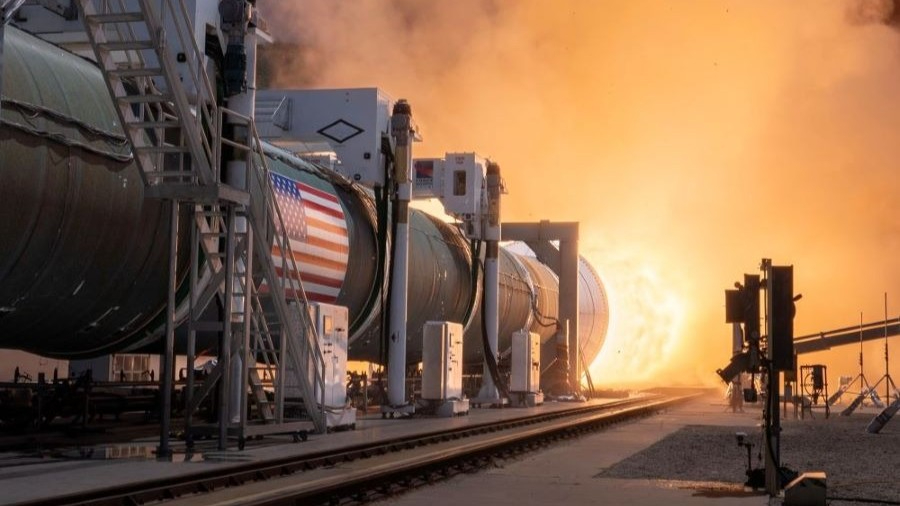
An upgraded version of one of the solid rocket boosters being used for NASA’s Space Launch System (SLS) experienced an anomaly during a test June 26. The Demonstration Motor-1 (DM-1)
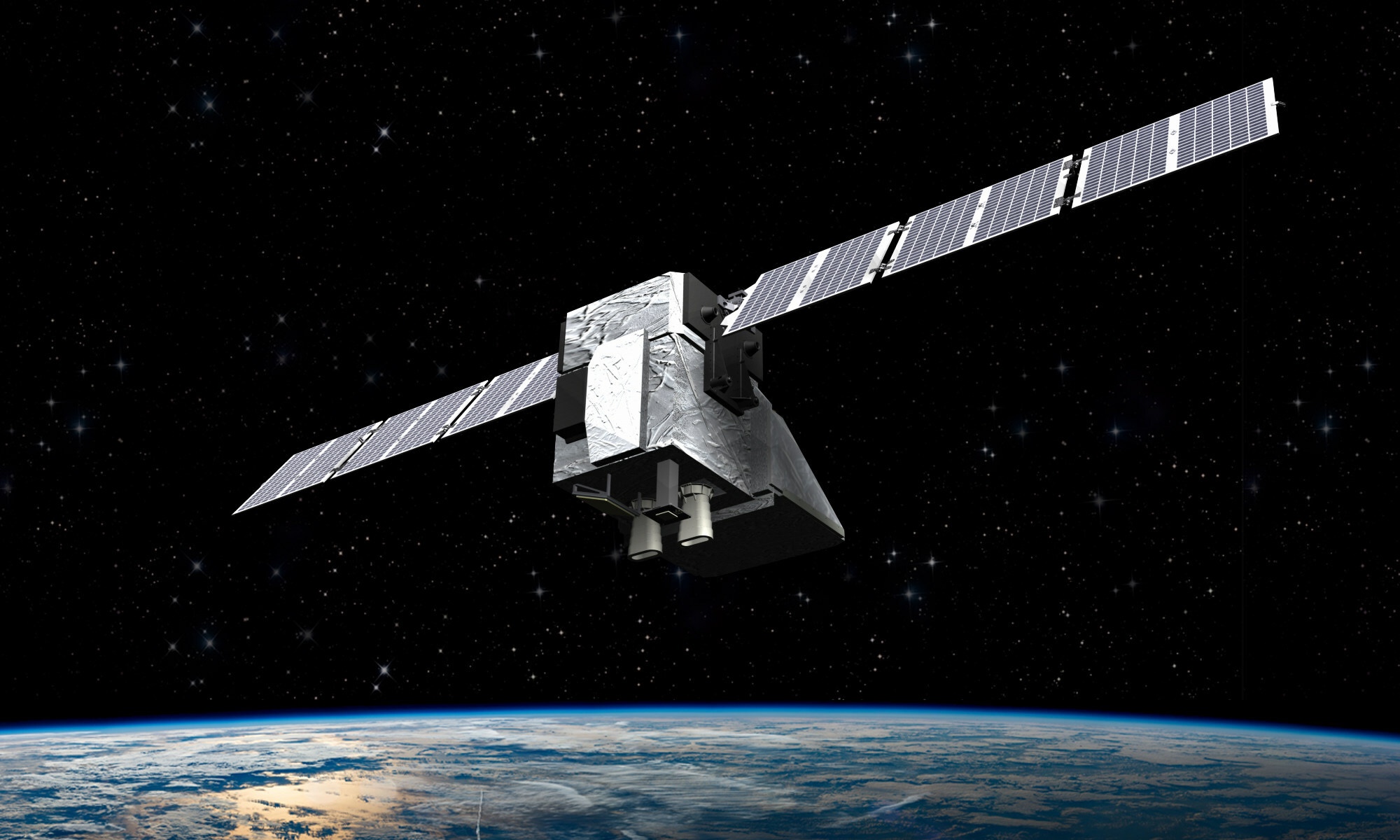
WASHINGTON — A privately funded satellite designed to measure methane emissions has failed after only a little more than a year in orbit. To continue reading this article: Register now