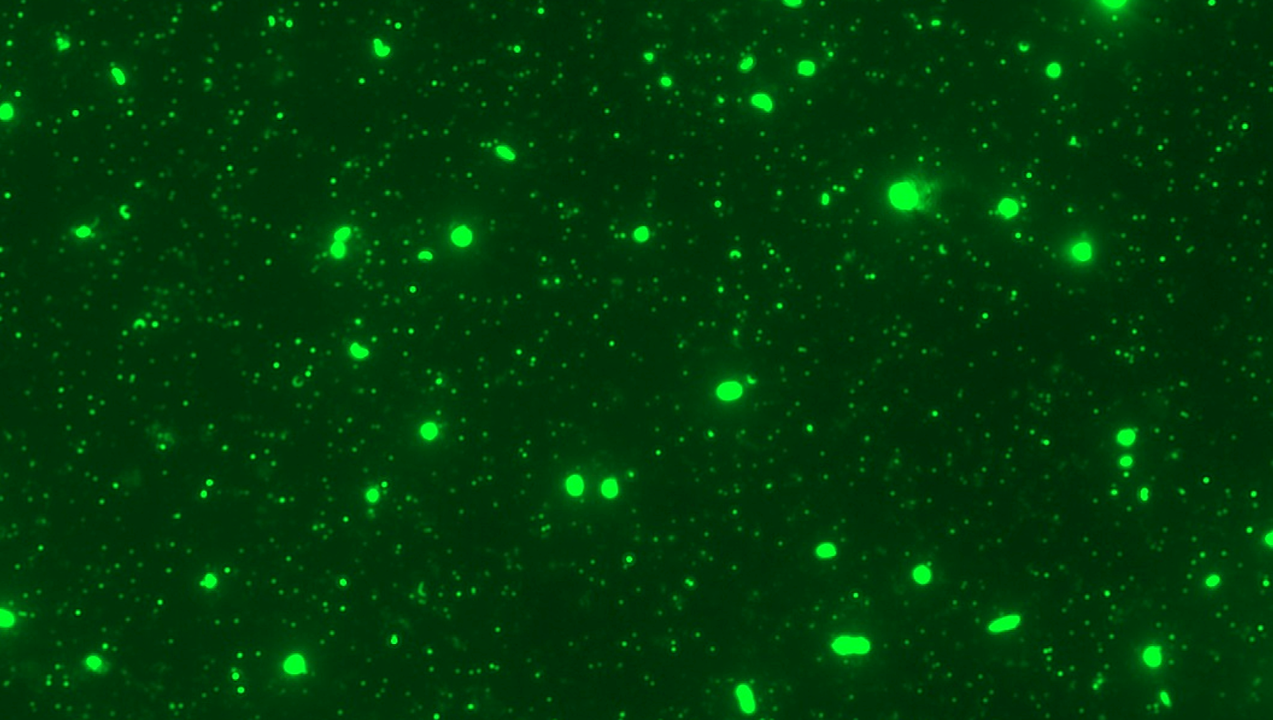
Fluorescence microscopy image of marine microbial life stained with a DNA-binding dye. The smallest dots are virus-like particles, which can reach concentrations of 1 to 100 million per milliliter of

Fluorescence microscopy image of marine microbial life stained with a DNA-binding dye. The smallest dots are virus-like particles, which can reach concentrations of 1 to 100 million per milliliter of

The Orzorz Star Projector features in our guides for the best star projectors and best star projectors under $100, and it’s now 25% off for Amazon Prime Day. Save 25%
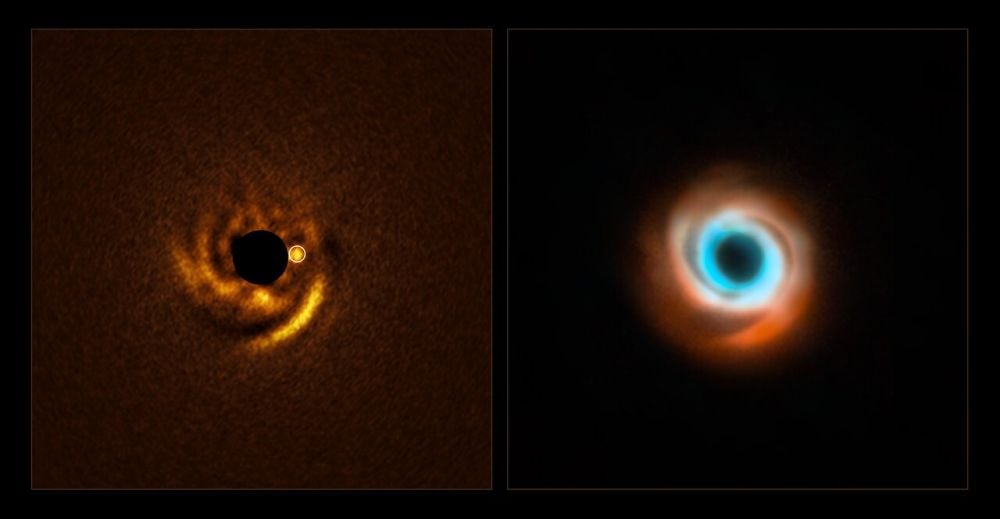
We can understand how Earth formed by watching other planets form in distant solar systems. Powerful telescopes like the VLT are making that possible. New observations show a baby planet
The sharpest images of the universe are created when radio telescopes around the world work together. For the first time, the world’s largest network of radio telescopes, EVN, has observed
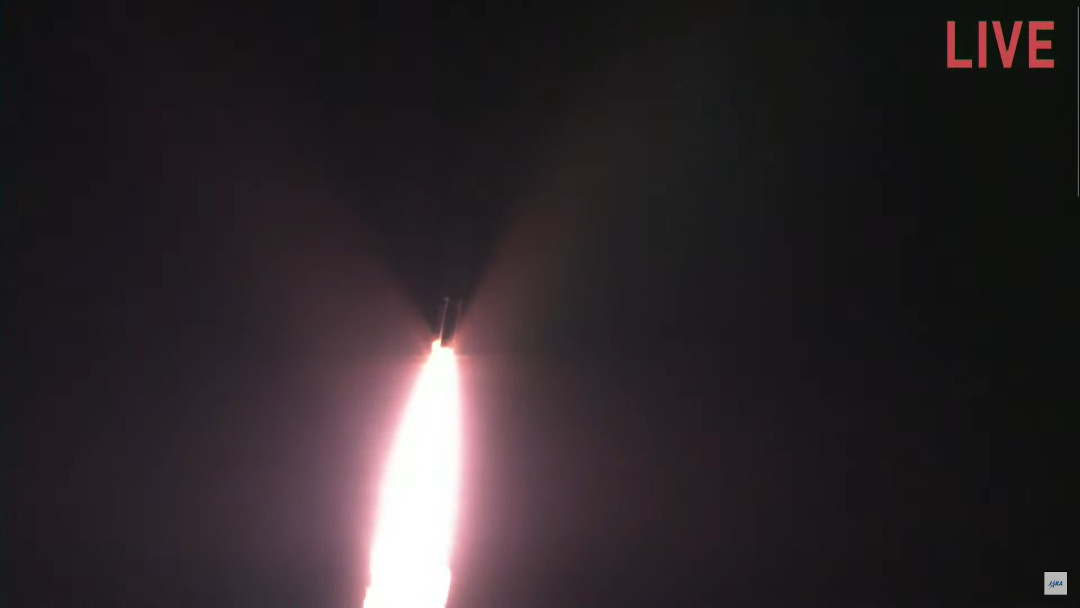
The final flight of Japan’s H-IIA rocket marked a significant milestone in the nation’s space exploration efforts. On Saturday, the H-IIA F-50 rocket soared into the sky, carrying the GOSAT-GW
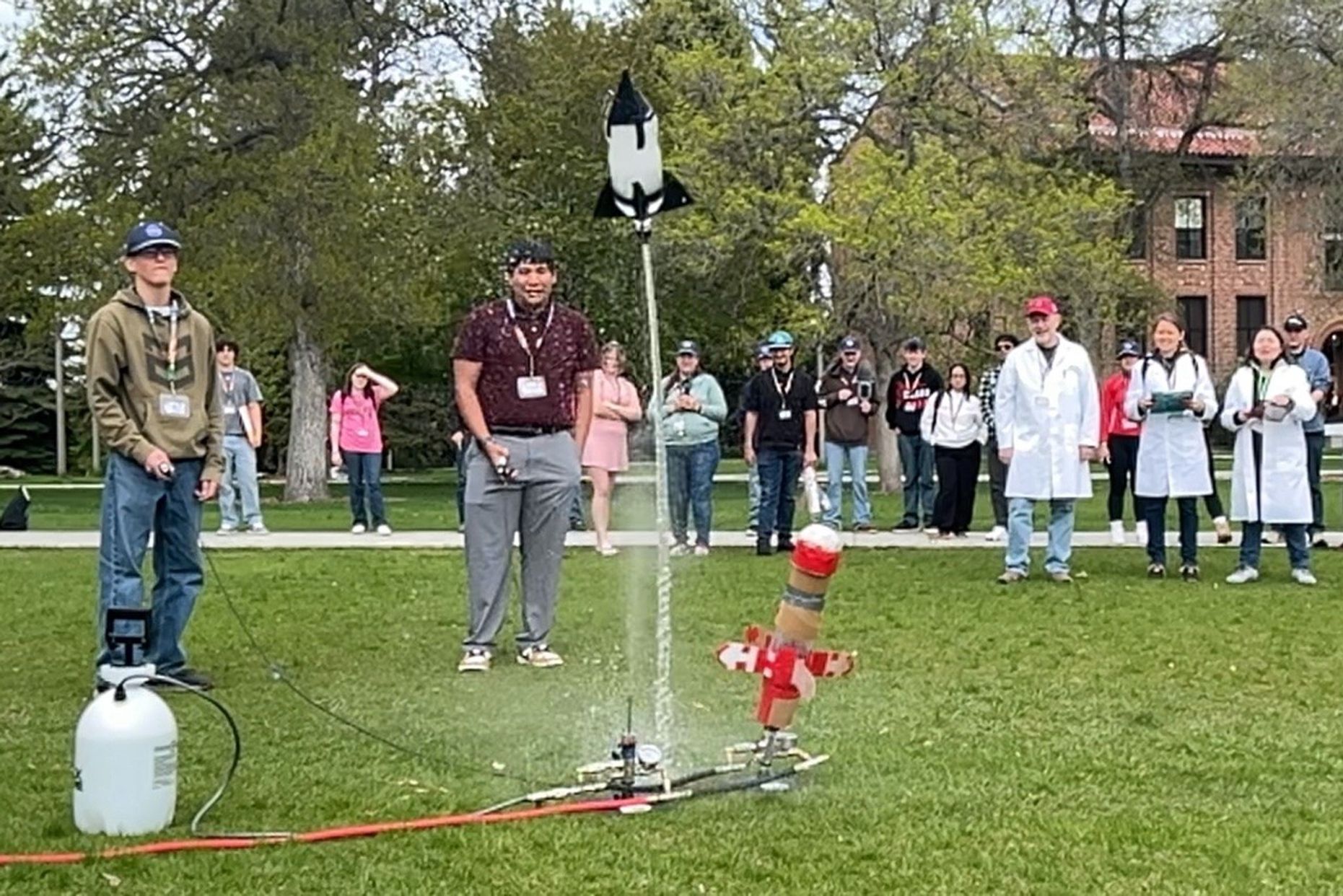
Explore This Section Science Artemis Mission Accomplished! Artemis… Overview Learning Resources Science Activation Teams SME Map Opportunities More Science Activation Stories Citizen Science 5 min read Mission Accomplished! Artemis
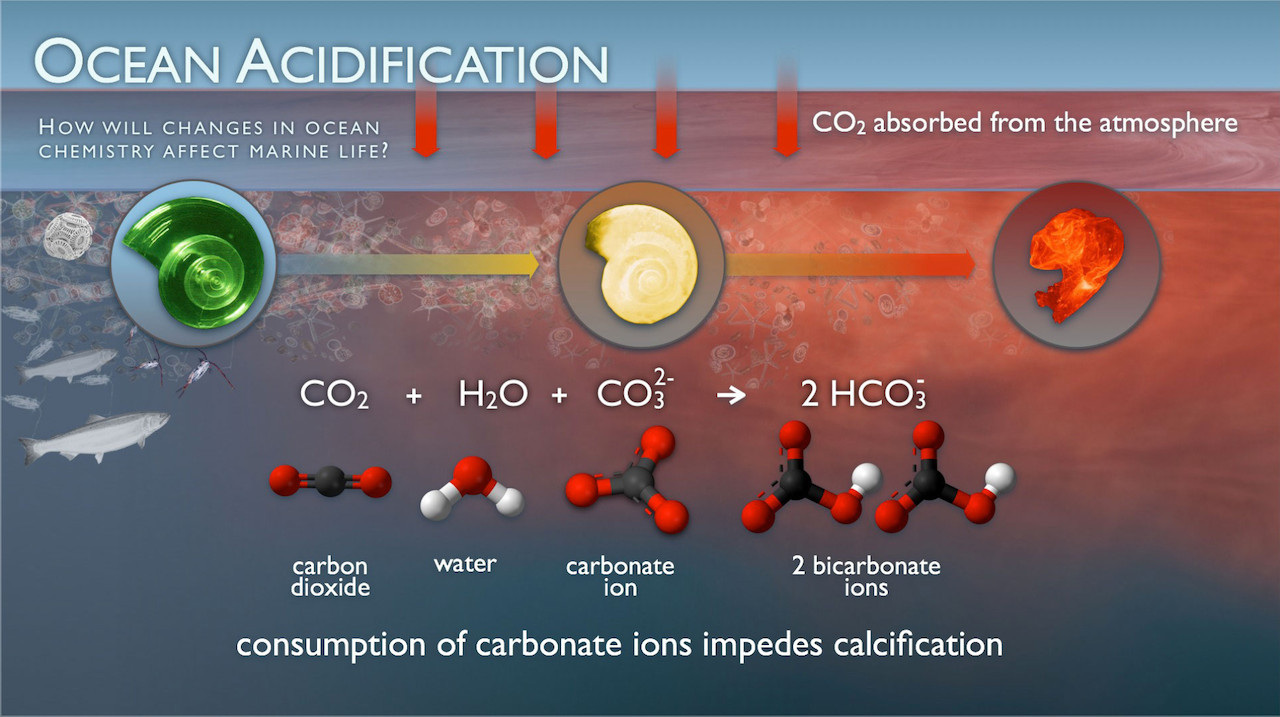
A pteropod shell is shown dissolving over time in seawater with a lower pH. When carbon dioxide is absorbed by the ocean from the atmosphere, the chemistry of the seawater

In the context of speculative fiction, where the lines between myth and reality often blur, Pestilence, the inaugural entry in Laura Thalassa’s captivating series, The Four Horsemen, emerges as a
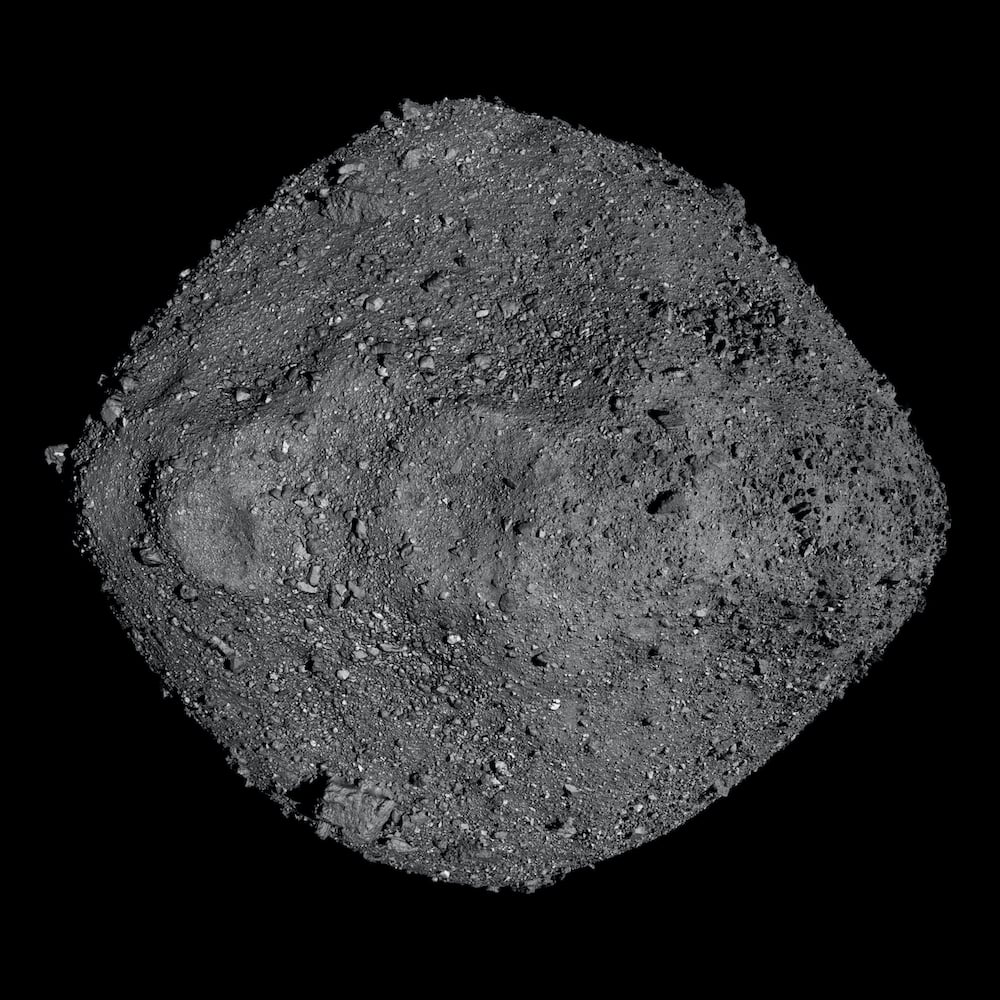
When NASA’s OSIRIS-REx spacecraft returned from its mission to asteroid Bennu in 2023, it brought back more than just ancient space rocks, it delivered answers to puzzles that have baffled
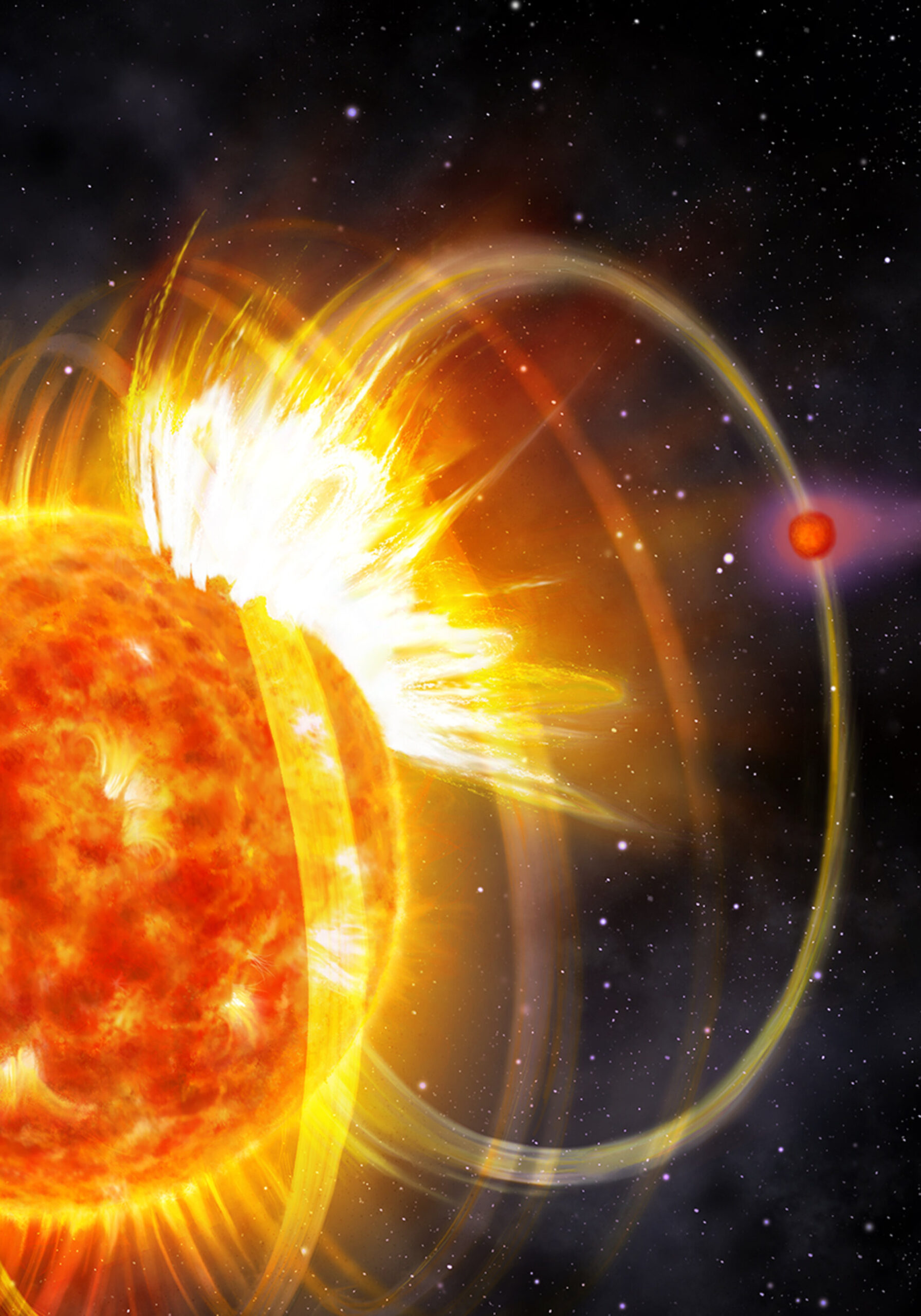
Astronomers have made a groundbreaking discovery regarding the interaction between exoplanets and their host stars, particularly highlighting the phenomenon of ‘clingy’ planets that may inadvertently trigger their own demise. This