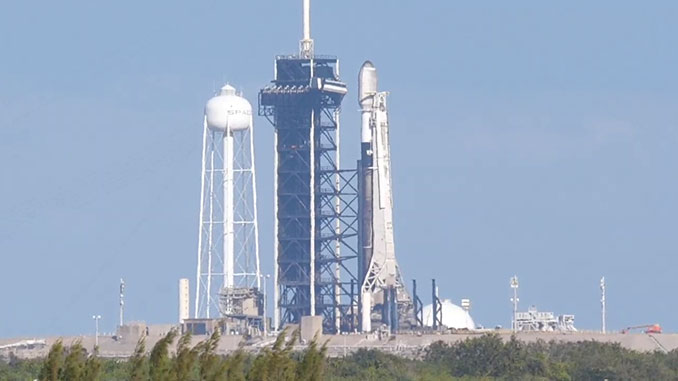
File: A Falcon 9 booster stands ready for the Starlink 12-2 mission at launch complex 39A. Image: Spaceflight Now. SpaceX is preparing to launch another batch of Starlink V2 Mini

File: A Falcon 9 booster stands ready for the Starlink 12-2 mission at launch complex 39A. Image: Spaceflight Now. SpaceX is preparing to launch another batch of Starlink V2 Mini
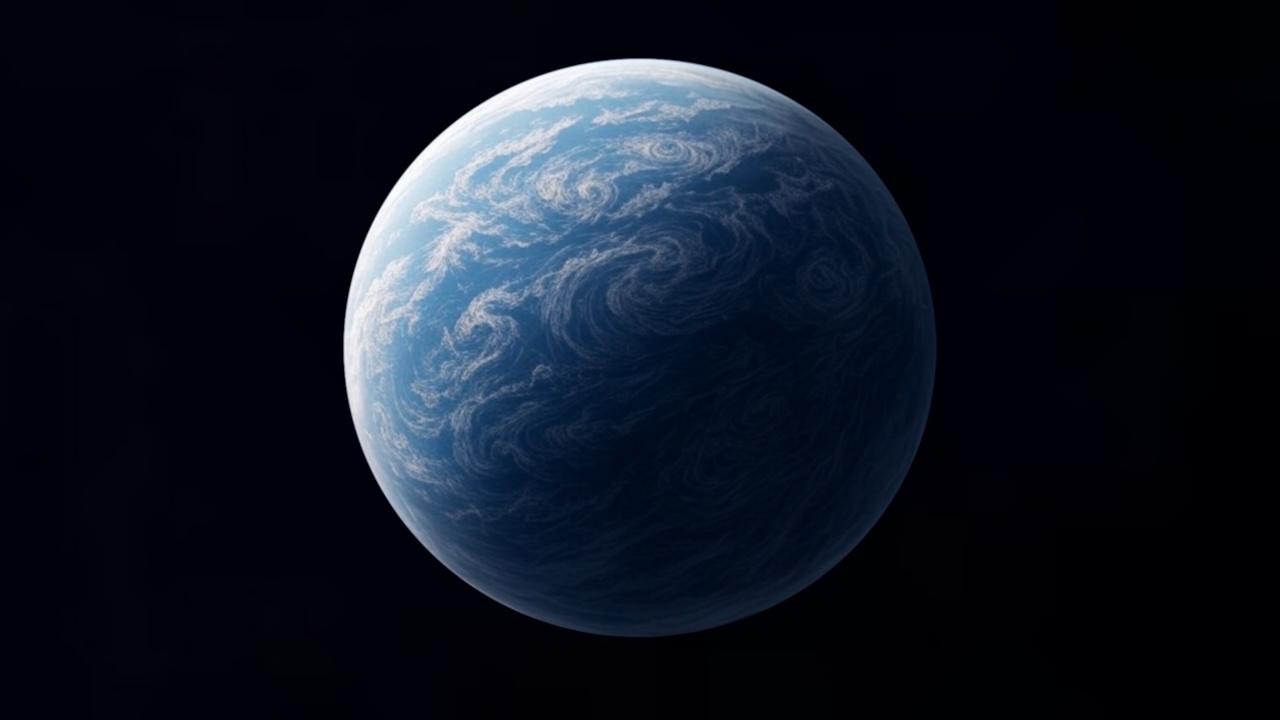
Earth-like Exoplanet – Grok via Astrobiology.com Using the Korea Microlensing Telescope Network (KMTNet), an international team of researchers has discovered that super-Earth exoplanets are more common across the universe than
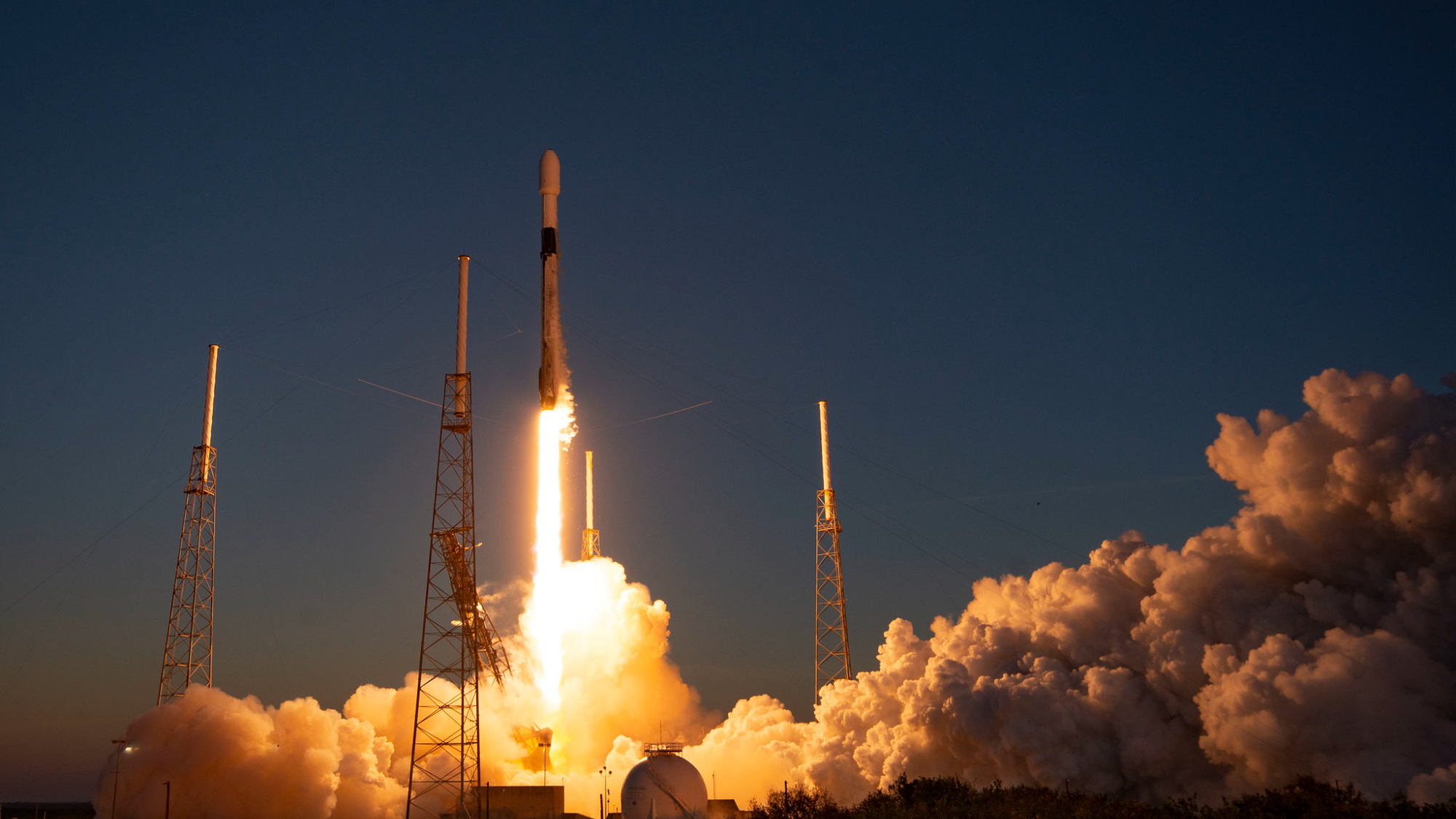
SpaceX will launch an advanced GPS satellite today (May 30) on record-breaking short notice, and you can watch the action live. A Falcon 9 rocket is set to lift off
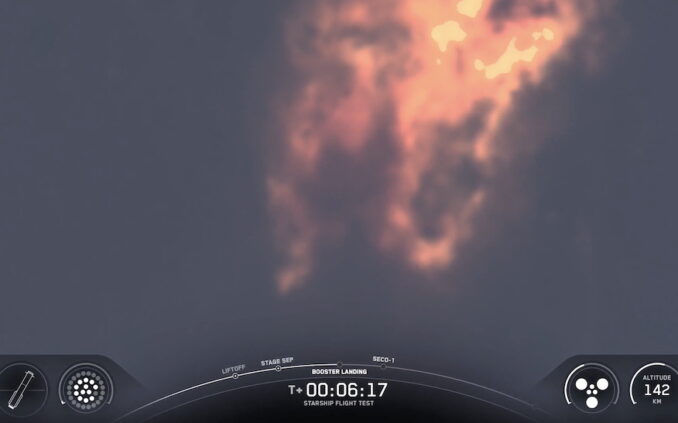
SpaceX’s Starship upper stage, tail number S35, is shown in an uncontrolled reentry during the Starship Flight 9 mission on Tuesday, May 27, 2025. Image: SpaceX via livestream SpaceX hit
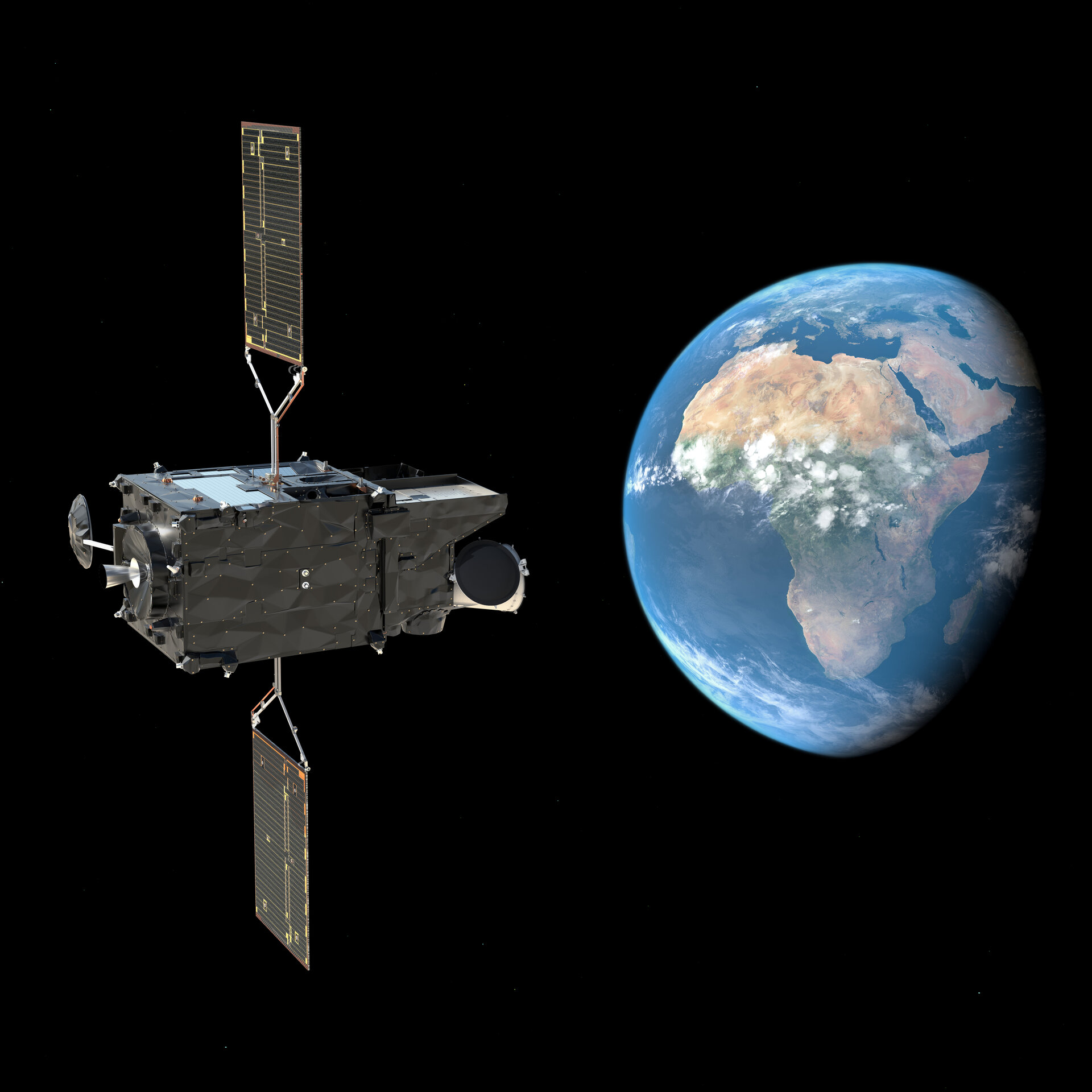
Applications 05/06/2025 242 views 10 likes The Meteosat Third Generation Sounder satellite (MTG-S) will generate a completely new type of data product, especially suited to nowcasting severe weather events. Here
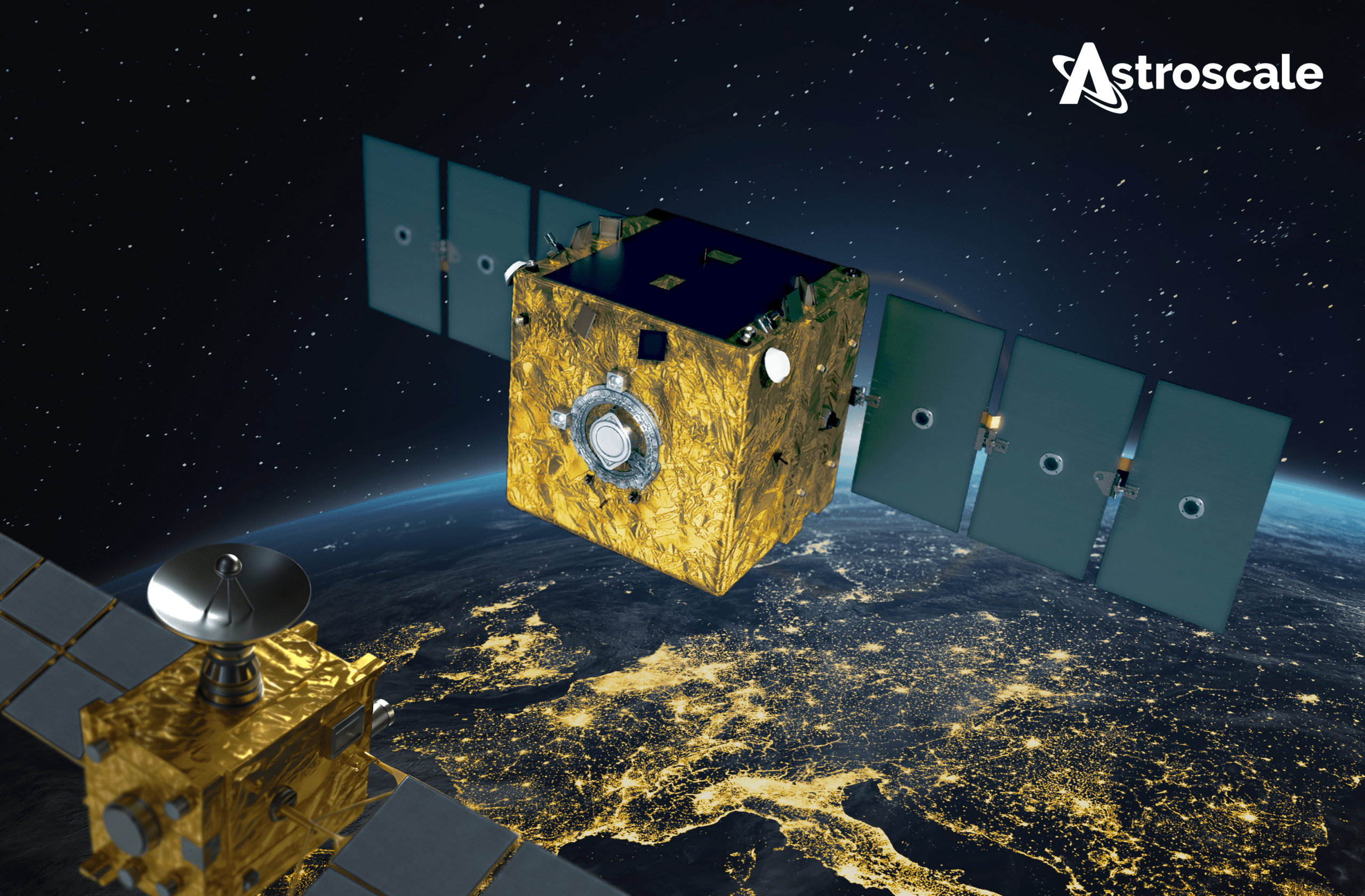
TAMPA, Fla. — Astroscale has completed the critical design review of a servicer aiming to remove a OneWeb broadband satellite from low Earth orbit (LEO) next year, the Japanese venture’s

The Predator movie series has had its ups and downs, with 2018’s Shane Black-directed fourquel almost icing the franchise for the foreseeable future. Thankfully, Prey (2022) brought the venerable sci-fi
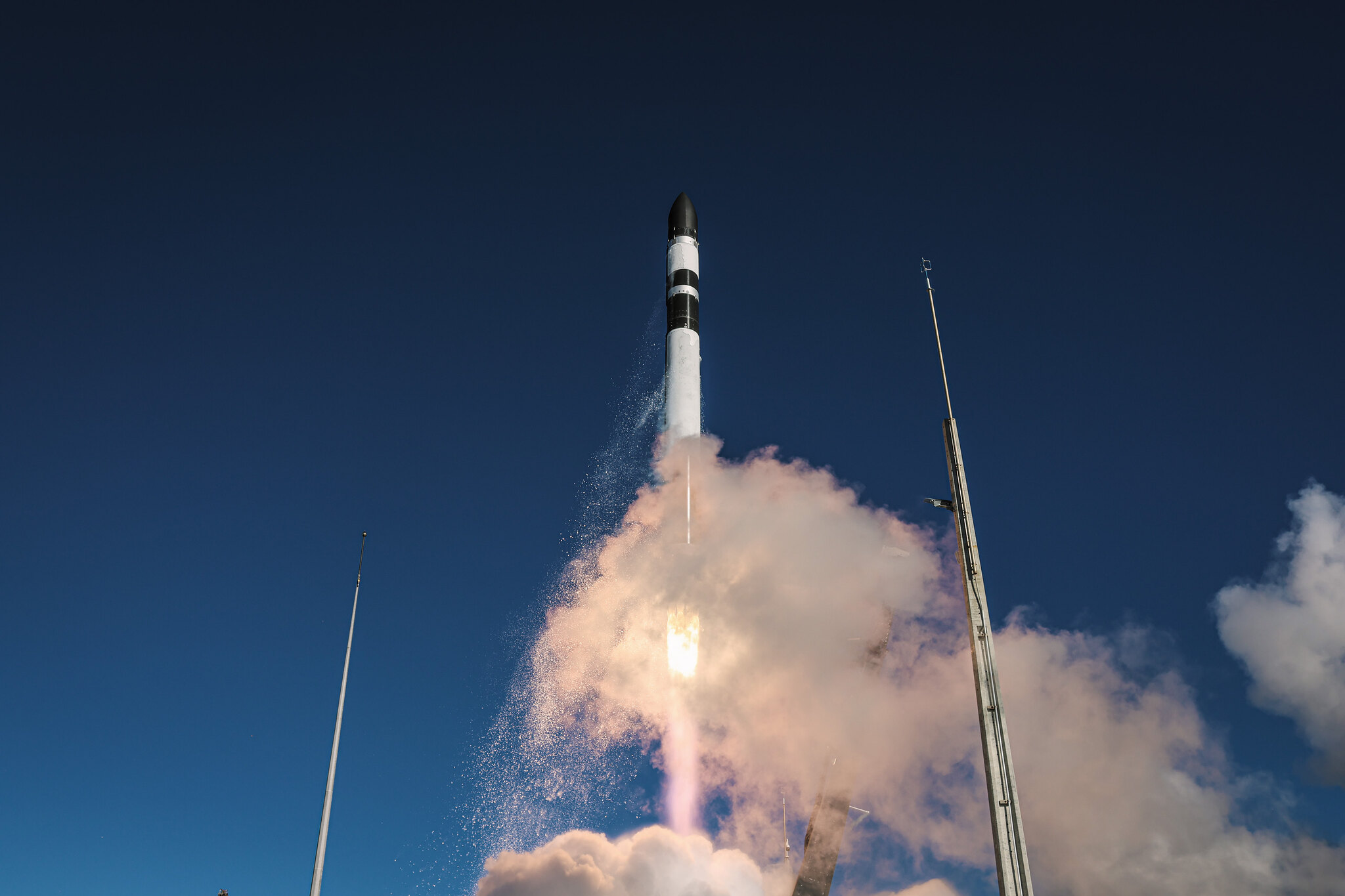
WASHINGTON — A Rocket Lab Electron successfully placed a BlackSky high-resolution imaging satellite into orbit on a June 2 launch. The Electron rocket lifted off from Rocket Lab’s Launch Complex
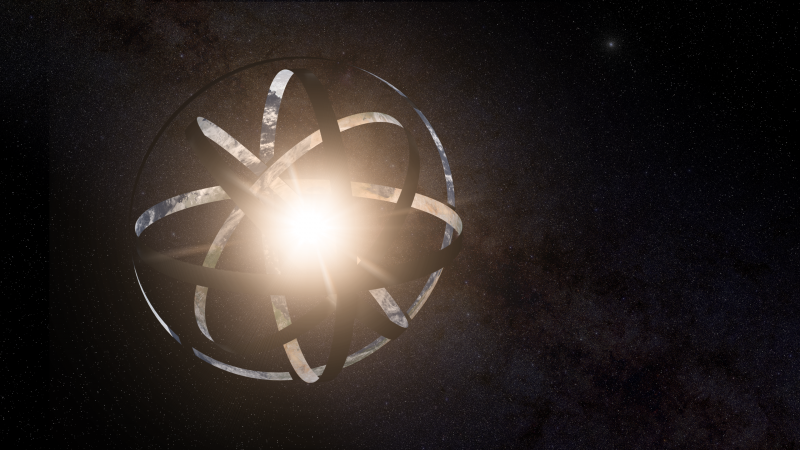
Artist’s concept of a Dyson sphere. Dyson spheres are structures that would form rings or hollow spheres around stars and harness their energy. However, they would be unstable around a
NASA-DARES 2025 Task Force Announcement: NASA-DARES Task Force 1 SelectionsNumber: NNH25ZDA002LRelease Date: May 16, 2025Short URL: https://go.nasa.gov/ABStrategyRFI The NASA Astrobiology Program is pleased to announce its selections for Task Force