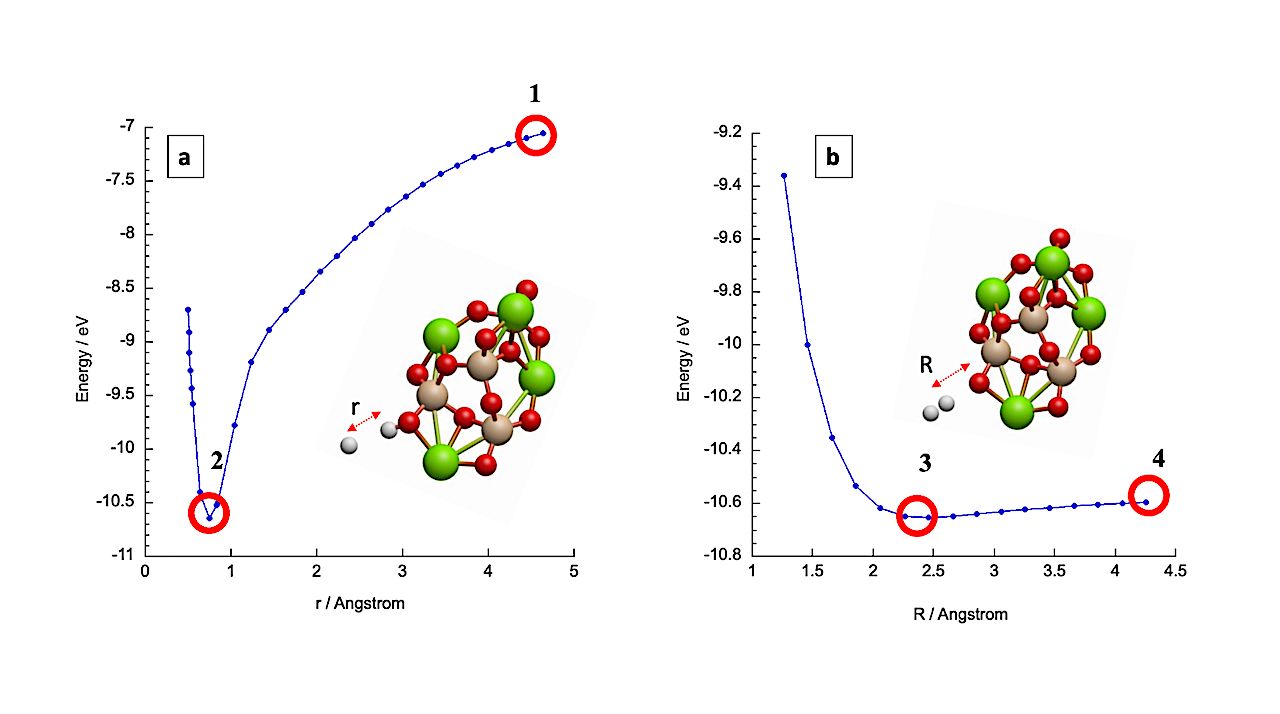
The ER potential energy surface along the minimum energy path for (a) H atom approaching an hydroxyl group from infinity and (b) H2 molecule abstraction from the enstatite nanocluster. —

The ER potential energy surface along the minimum energy path for (a) H atom approaching an hydroxyl group from infinity and (b) H2 molecule abstraction from the enstatite nanocluster. —

TAMPA, Fla. — Neuraspace is developing AI-powered software with support from the European Space Agency to help operators better harness navigation signals for satellite tracking and collision avoidance, the Portuguese
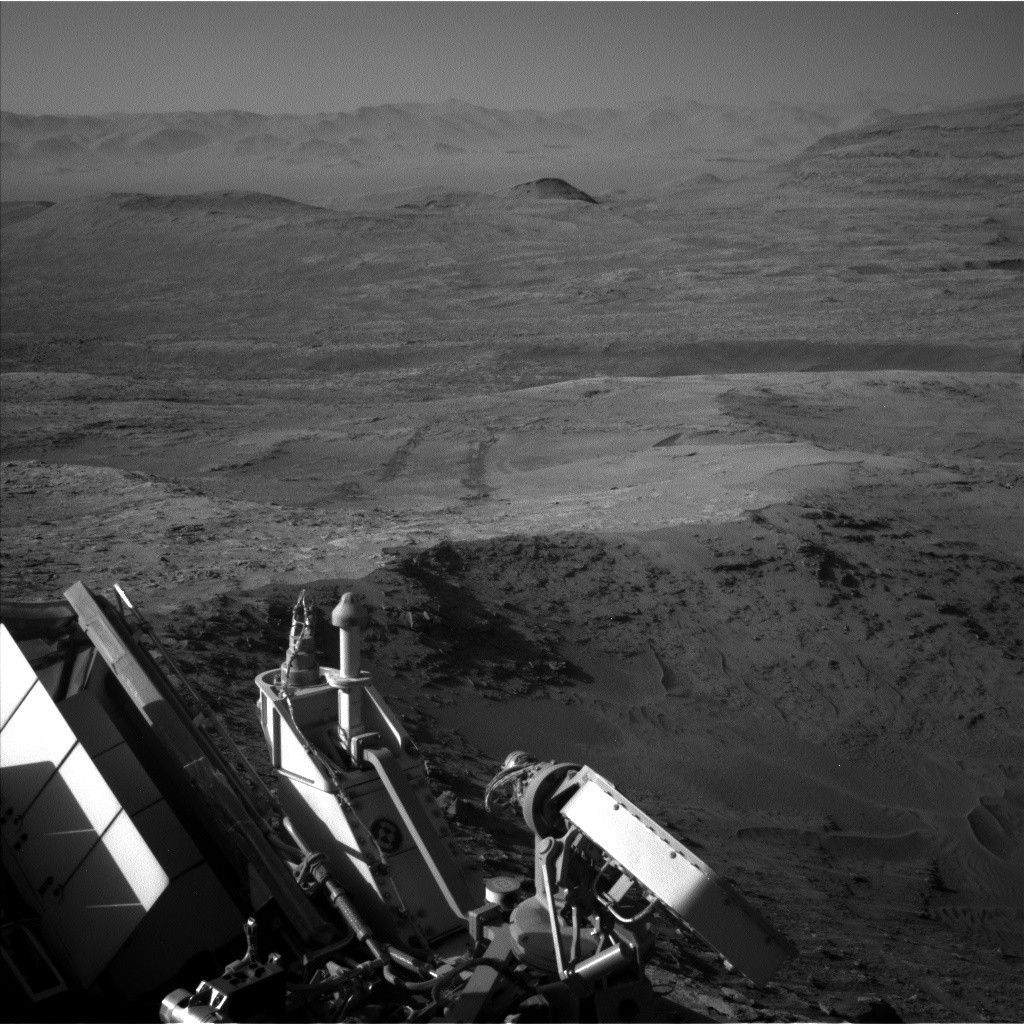
Curiosity Navigation Curiosity Home Mission Overview Where is Curiosity? Mission Updates Science Overview Instruments Highlights Exploration Goals News and Features Multimedia Curiosity Raw Images Images Videos Audio Mosaics More Resources
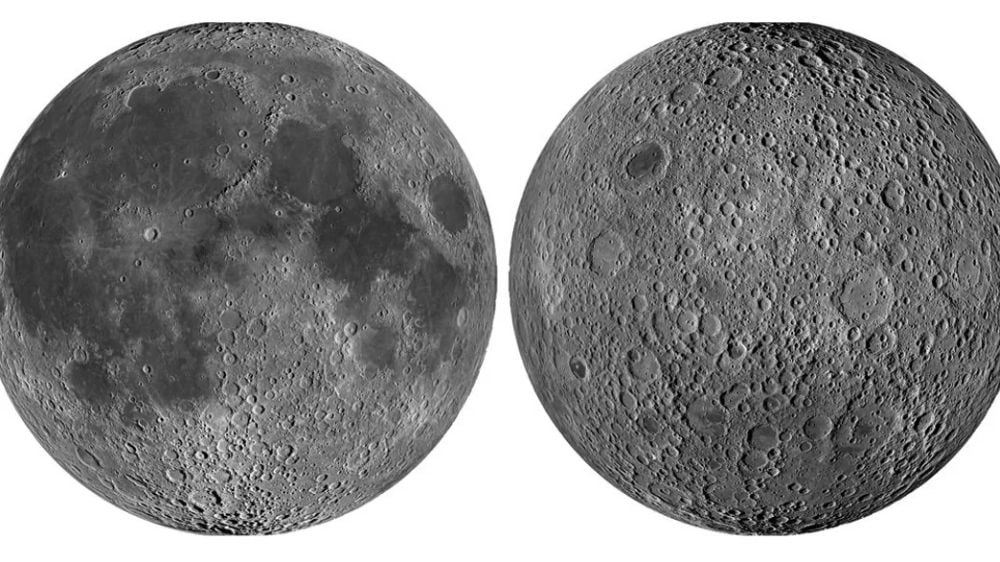
Why does the Moon have two different faces?. That question frames the lunar dichotomy: The nearside that faces us is different than the lunar farside. Scientists have worked hard to
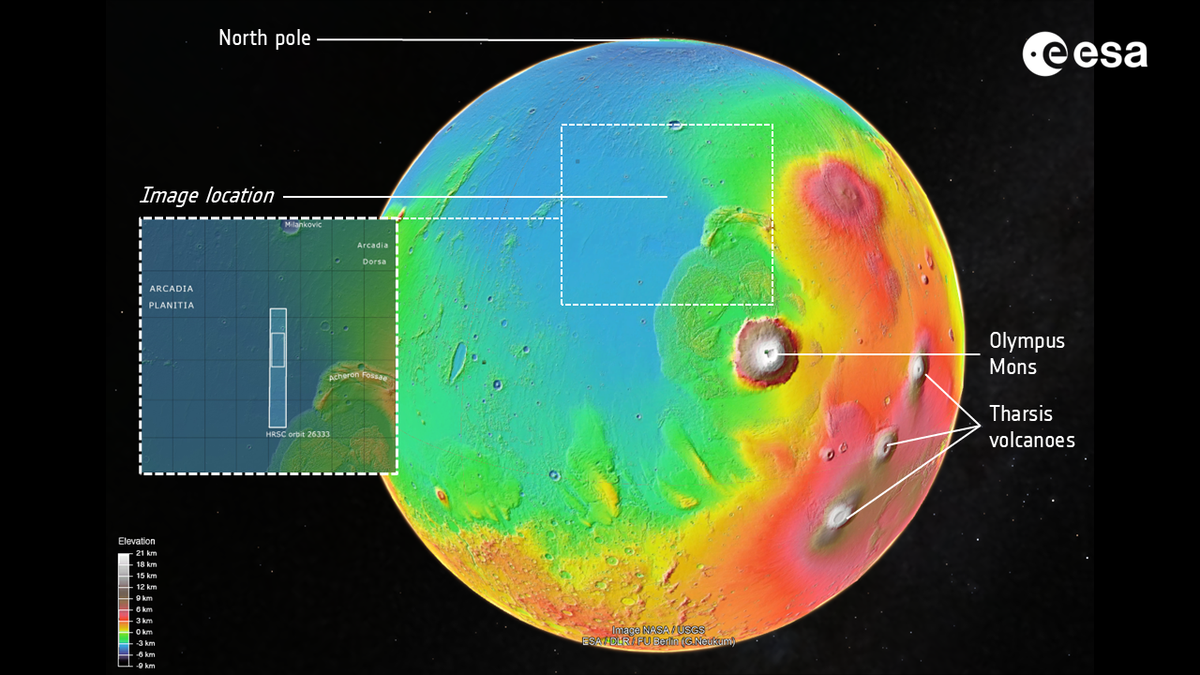
Despite being known as the Red Planet, Mars shows off its swirling yellows, oranges and browns in a new satellite photo from the European Space Agency (ESA). The Earth-toned surface
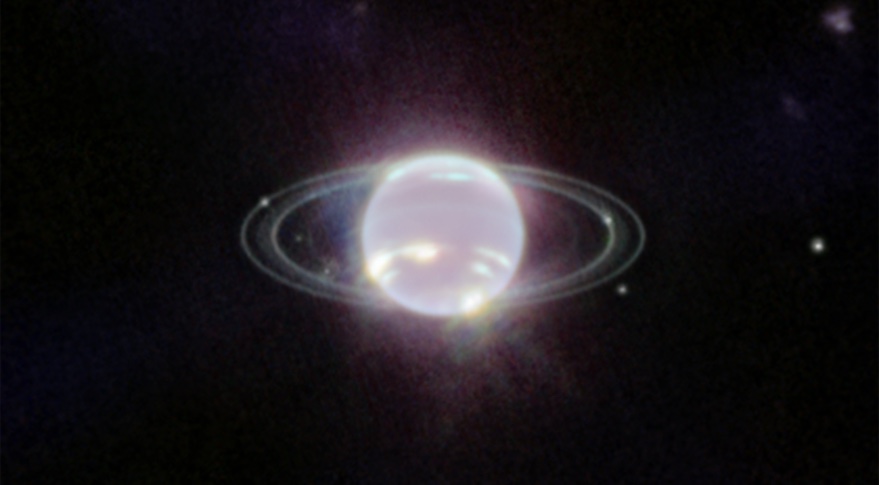
HELSINKI — Scientists are proposing China’s first ice giant mission, aiming to launch a radioisotope-powered spacecraft to orbit Neptune and study its enigmatic moon Triton. To continue reading this article:
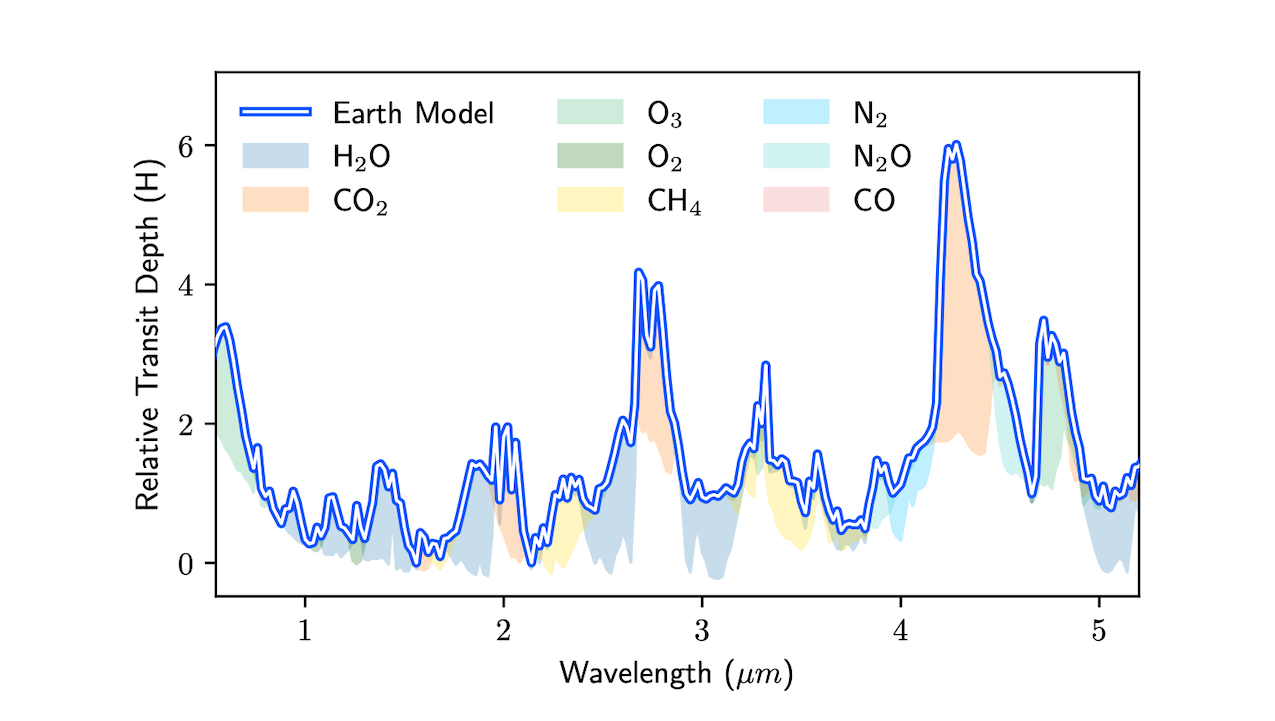
Best-fit model to an empirical transmission spectrum of the cloudless Earth in units of scale height, H (adapted from (40)). Different colors indicate the contributions from various molecules. Despite its
Argentinian astronomers have employed the upgraded Giant Metrewave Radio Telescope (uGMRT) to perform high-resolution radio observations of a nearby spiral galaxy designated NGC 4527. Results of the observational campaign, published
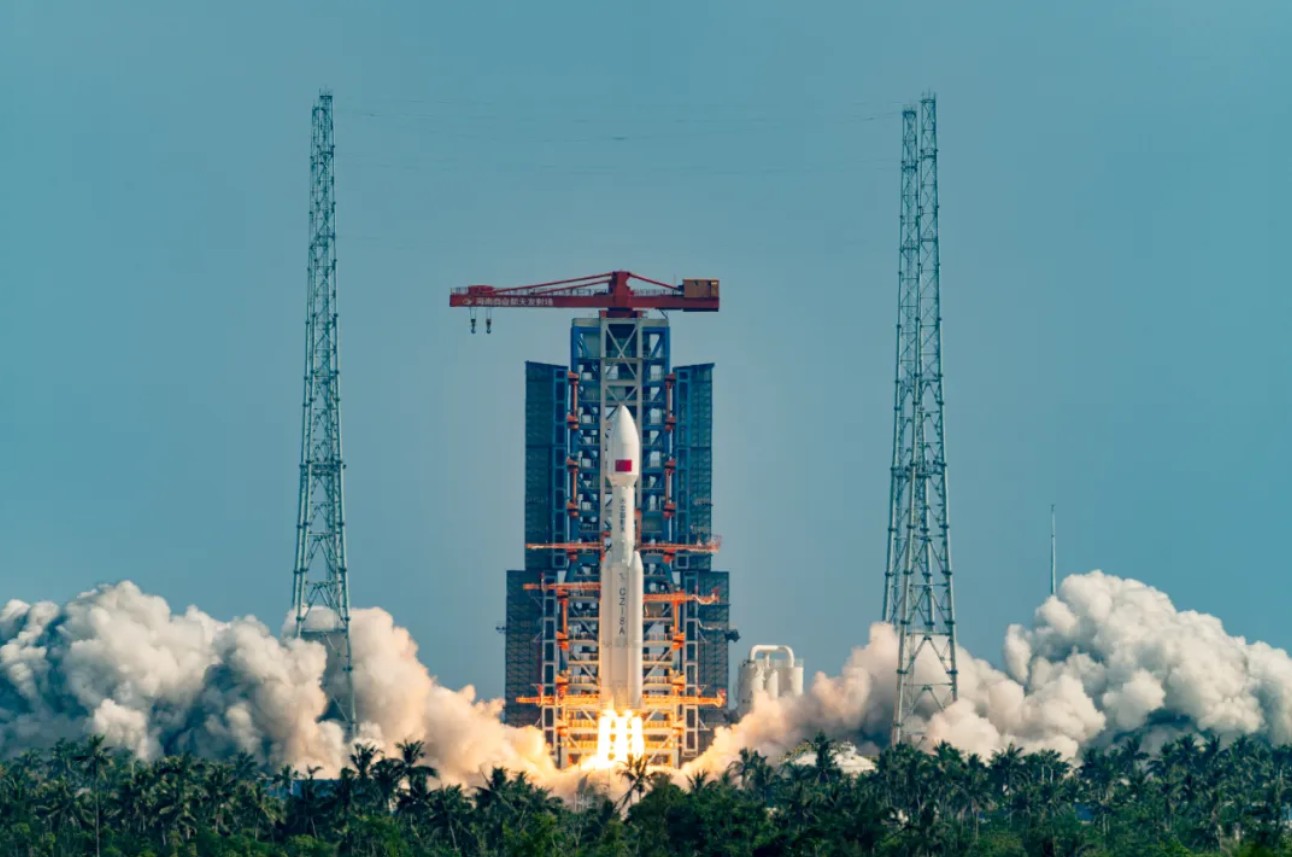
HELSINKI — China launched a sixth batch of Guowang megaconstellation satellites Wednesday, with a Long March 8A rocket launch from Hainan. To continue reading this article: Register now and get3
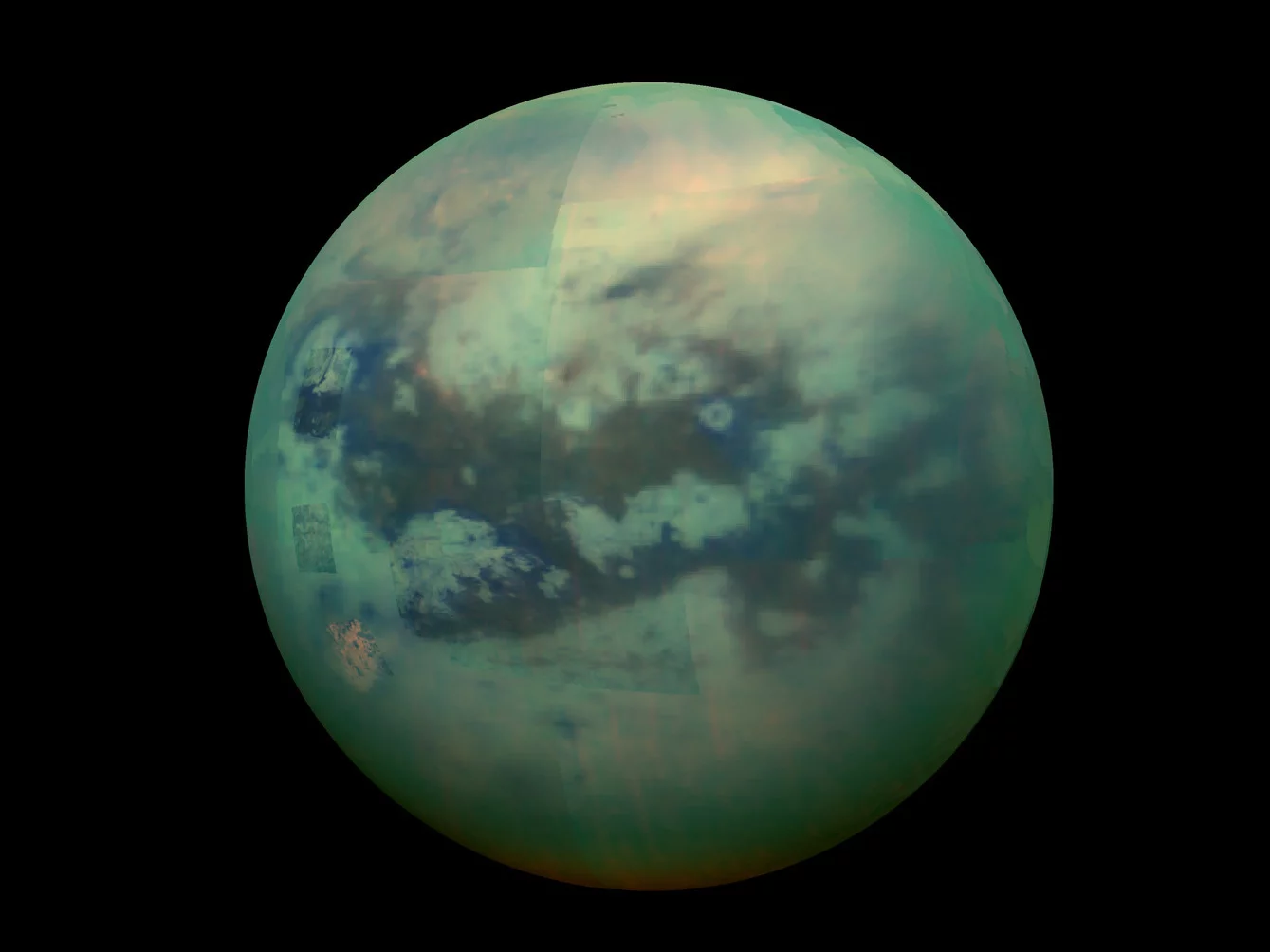
While we know of thousands of exoplanets, the science of studying their atmospheres is still in its early days. When astronomers analyze atmospheres, they have to decide which molecules to