A large meteor that triggered a spectacular daytime fireball over the southeastern U.S. may have survived its dramatic passage through Earth’s atmosphere to punch through the roof of a Georgia

A large meteor that triggered a spectacular daytime fireball over the southeastern U.S. may have survived its dramatic passage through Earth’s atmosphere to punch through the roof of a Georgia

TOKYO — An industry coalition is asking congressional appropriators to reject the administration’s proposal to terminate the Commerce Department’s space traffic coordination system. To continue reading this article: Register now
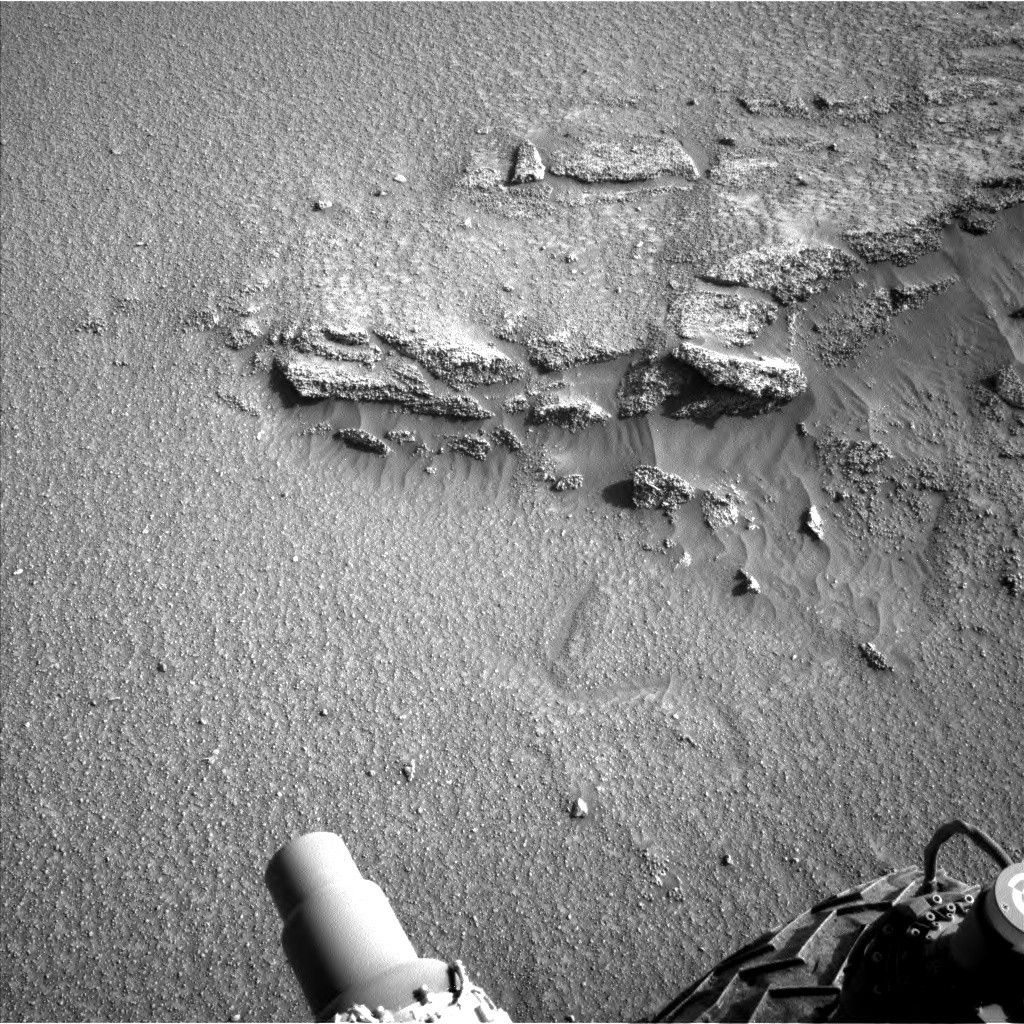
Curiosity Navigation Curiosity Home Mission Overview Where is Curiosity? Mission Updates Science Overview Instruments Highlights Exploration Goals News and Features Multimedia Curiosity Raw Images Images Videos Audio Mosaics More Resources
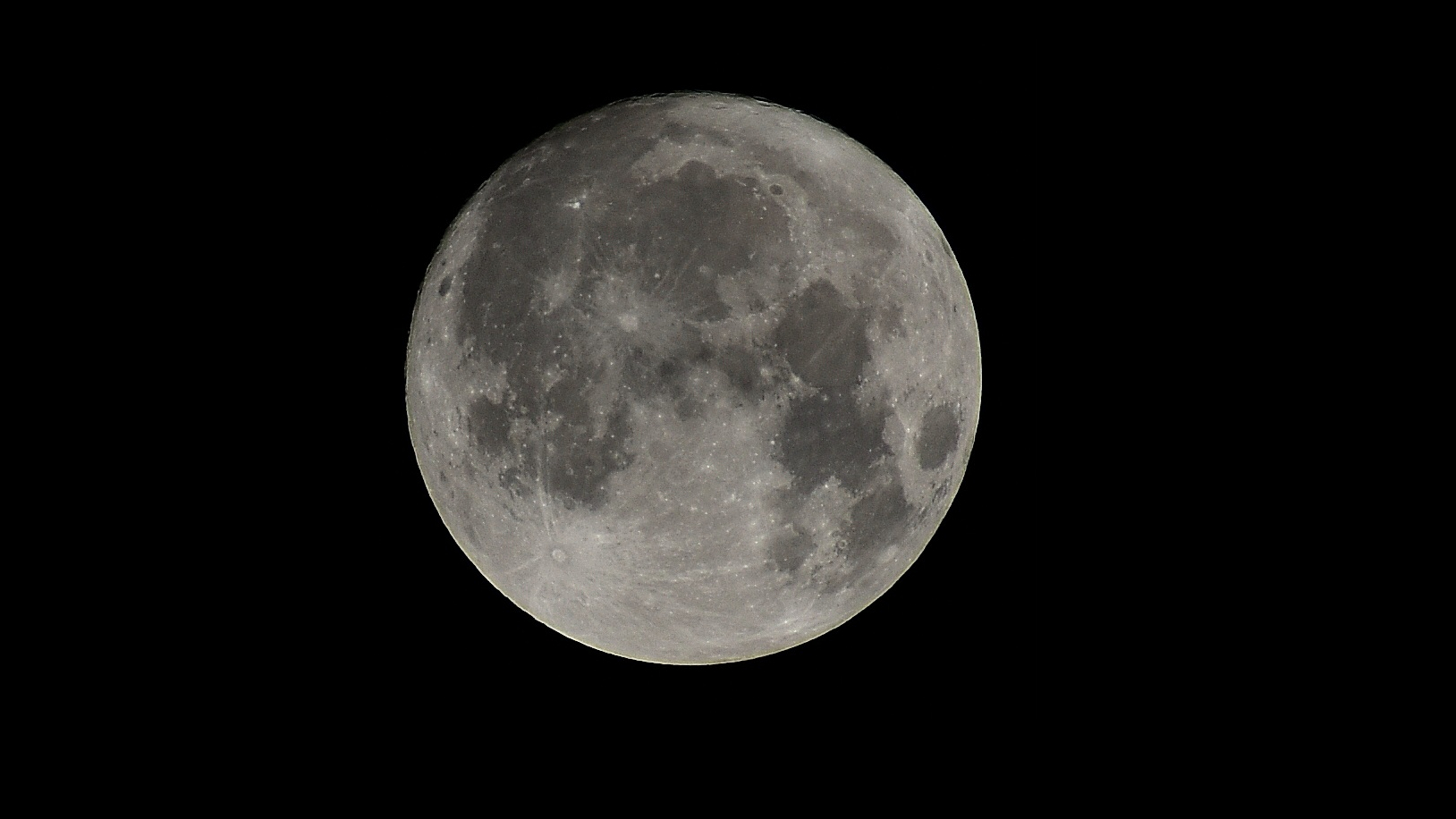
June’s full ‘Strawberry Moon’ lit up the night sky last night, treating skywatchers to a rare once-in-a-18-year display as it rode low across the southern horizon. Skywatchers were served the
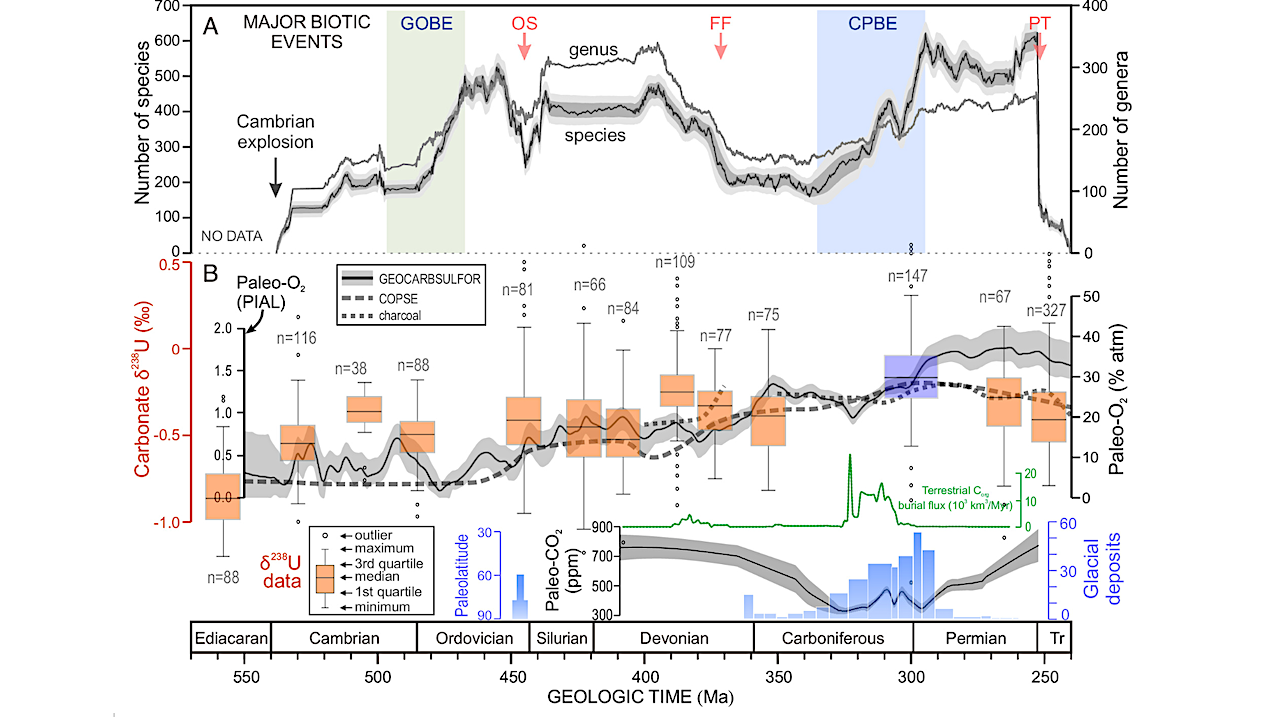
Paleozoic marine biodiversity, atmospheric composition, and seafloor oxygenation history. (A) Paleozoic marine biodiversity curve (17), showing major biotic events including two biodiversification events during the late Cambrian–Ordovician (GOBE) and Carboniferous–early
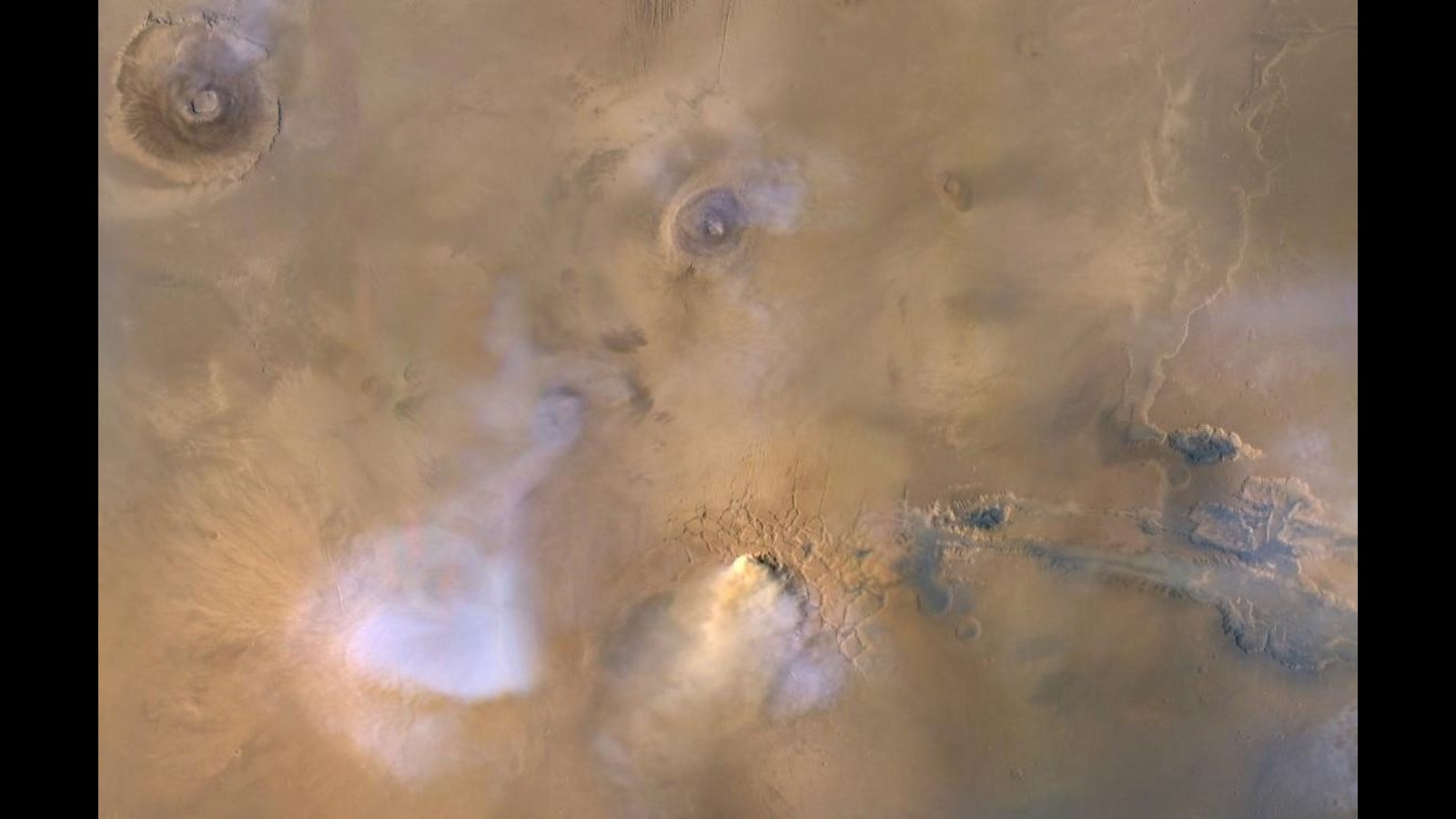
Dust devils on Mars could be crackling with electric currents, according to a new study — and scientists are a little concerned about this because a buildup of such charge
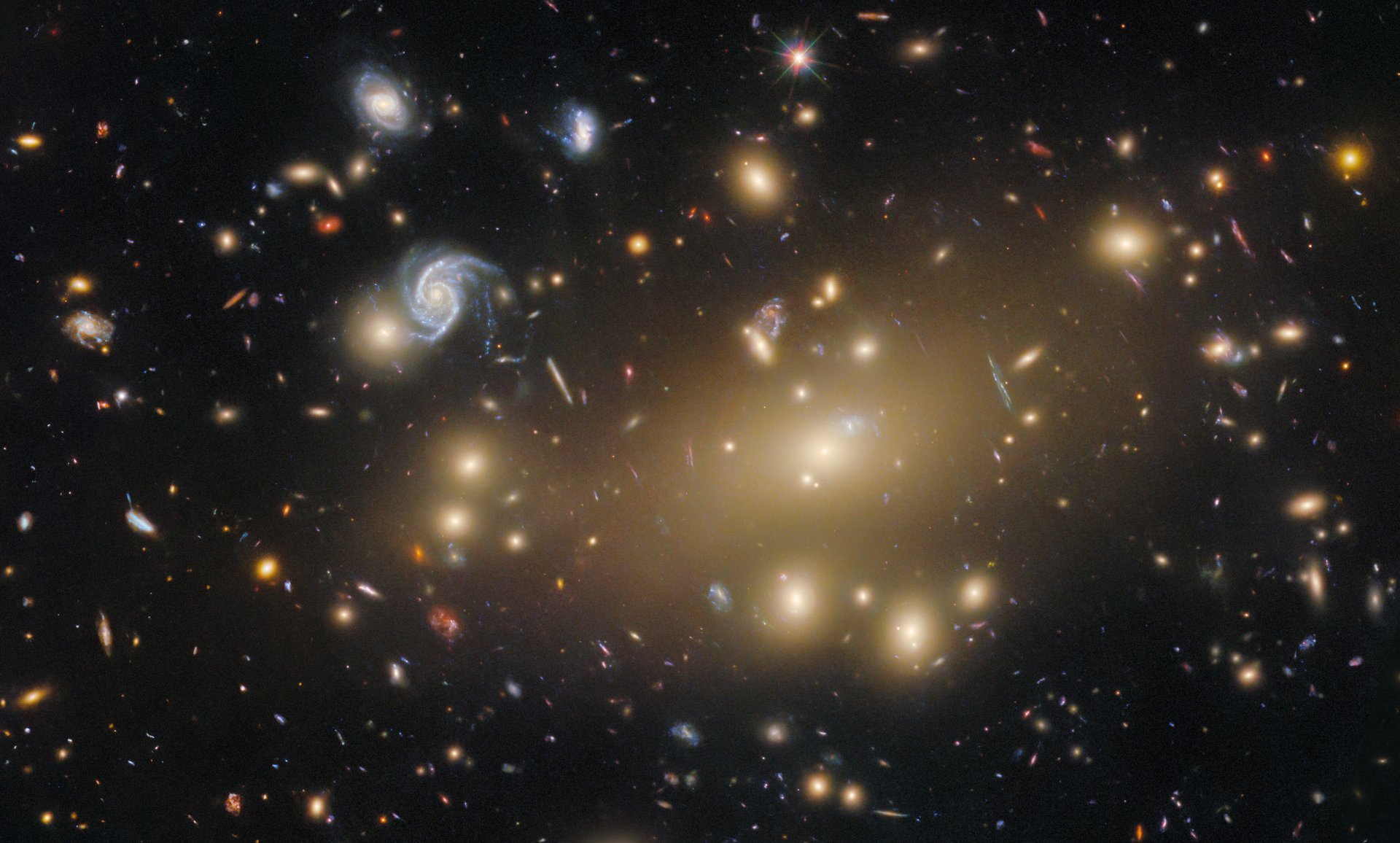
Portrait of a galaxy cluster
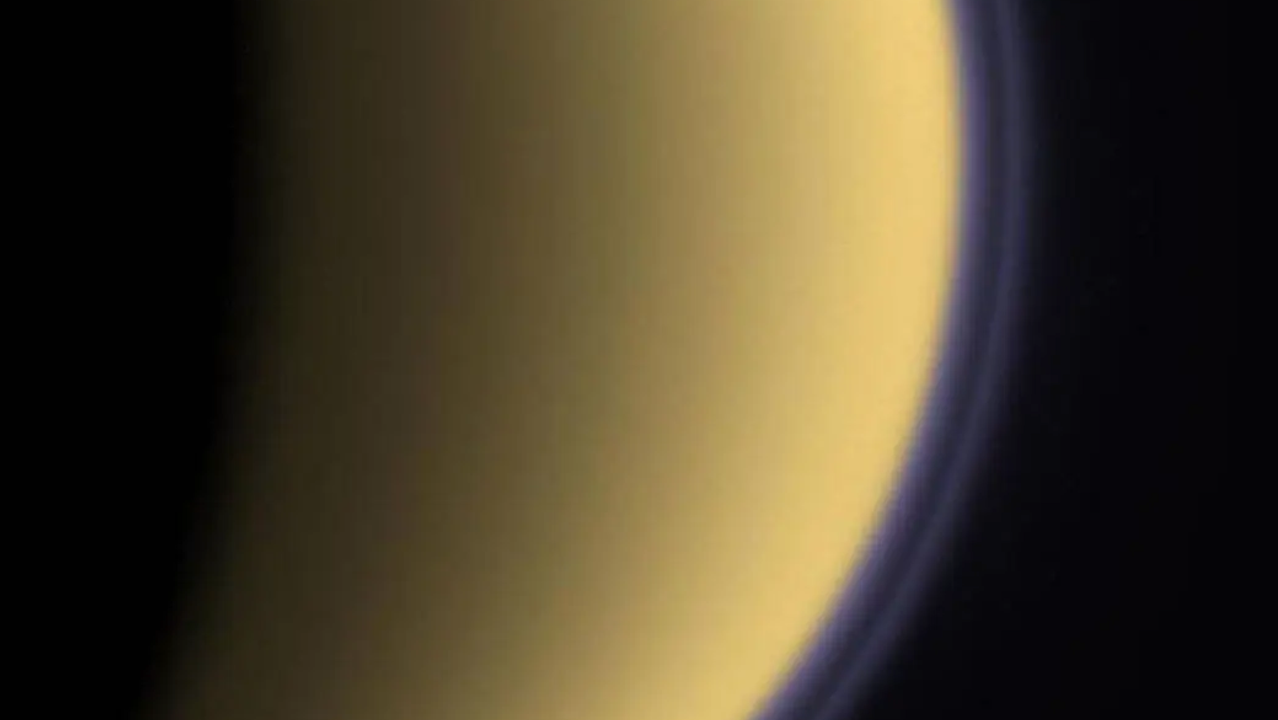
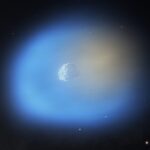
Encircled in purple stratospheric haze, Saturn’s largest moon, Titan, appears as a softly glowing sphere in this colorized image taken on July 3, 2004, one day after Cassini’s first flyby
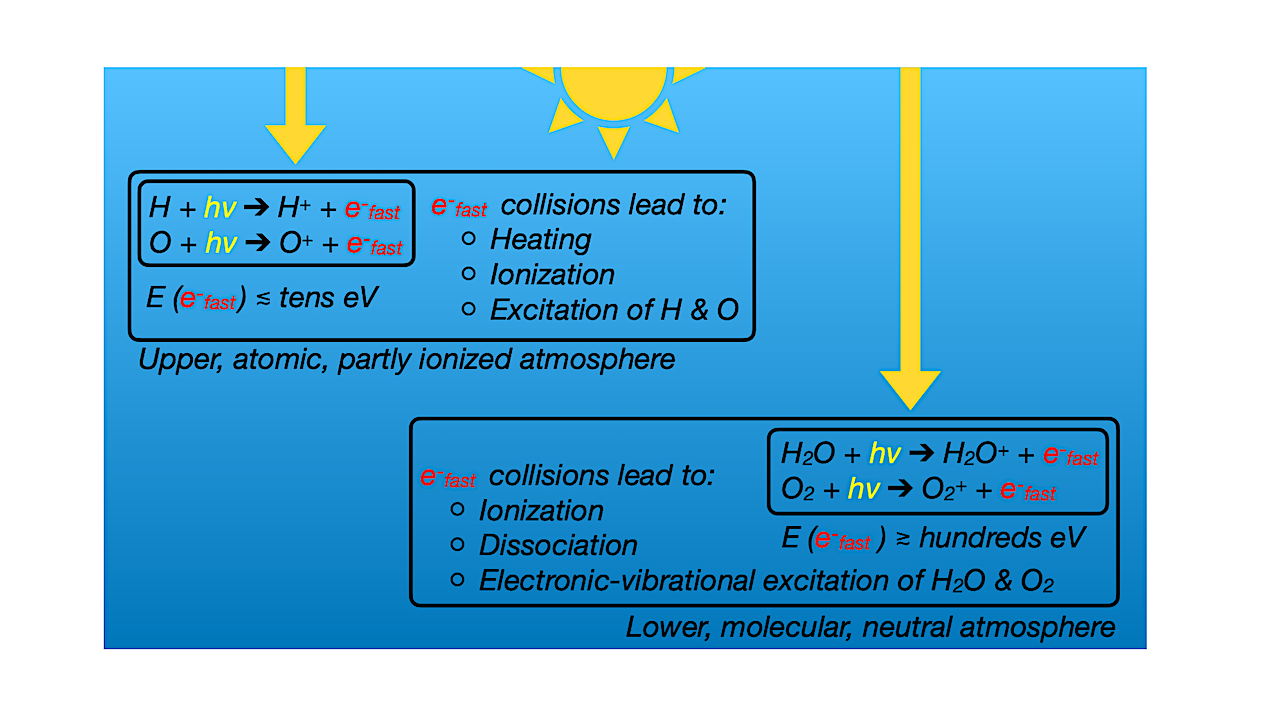
Graphical abstract — astro-ph.EP Photoionization by high-energy photons creates nonthermal electrons with a broad range of energies that heat and chemically transform the atmospheres of planets. The specifics of the
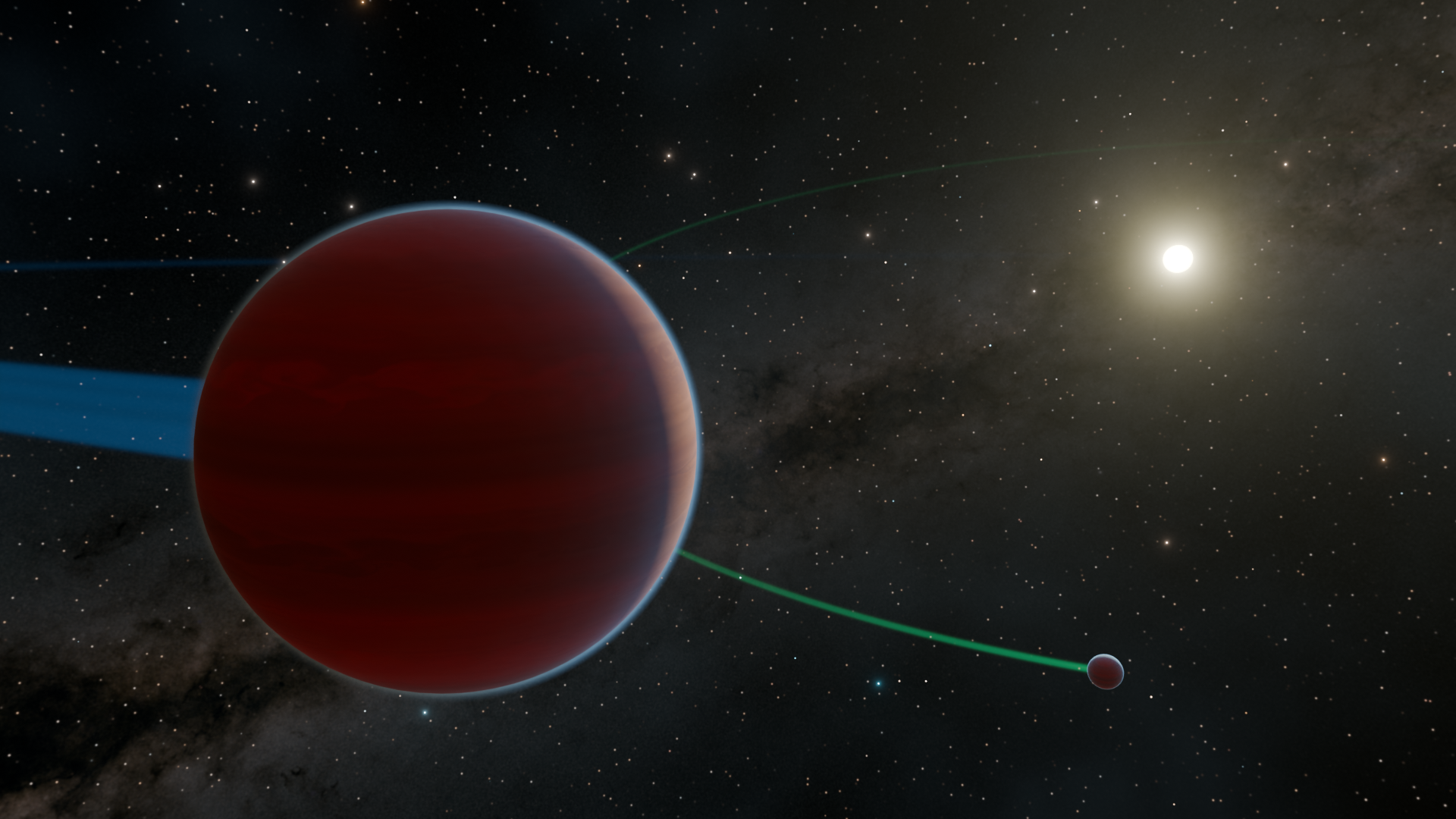
This artist’s concept animation shows the orbital dynamics of KOI-134 system which, in 2025, a paper revealed to have two planets: KOI-134 b and KOI-134 c. NASA/JPL-Caltech/K. Miller (Caltech/IPAC) The