WASHINGTON — The Pentagon is dramatically increasing spending on artificial intelligence for military operations, raising the contract ceiling for Palantir Technologies’ Maven Smart System to nearly $1.3 billion through 2029.

WASHINGTON — The Pentagon is dramatically increasing spending on artificial intelligence for military operations, raising the contract ceiling for Palantir Technologies’ Maven Smart System to nearly $1.3 billion through 2029.
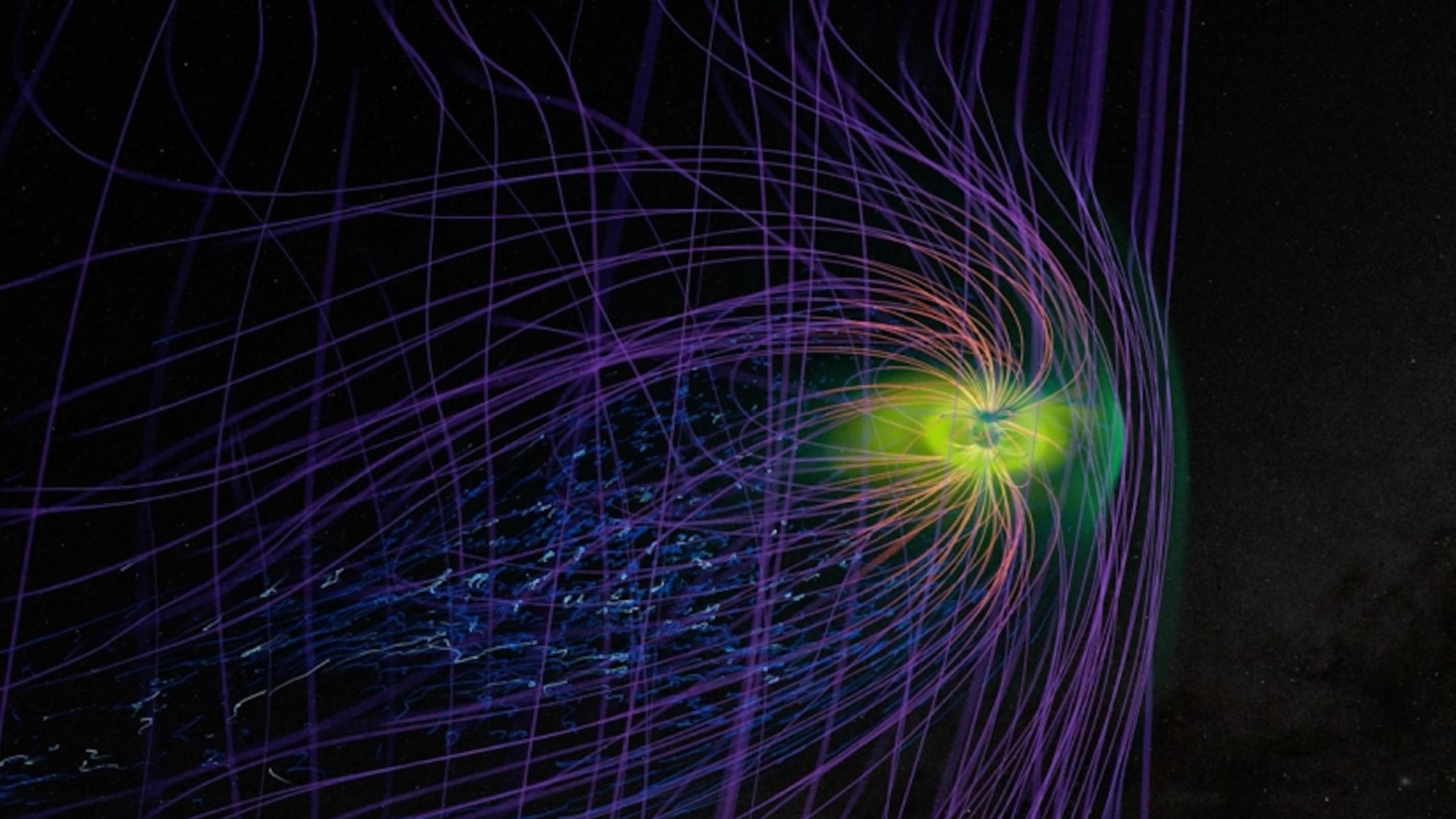
Researchers from Kyushu University in Japan have provided some new insights about the powerful geomagnetic storm that flared up last Mother’s Day, after a big solar storm hit Earth. The

Residents of Maoming, China were treated to a celestial light show earlier this week when a surprise fireball burst to life overhead, illuminating the city before disappearing in an intense
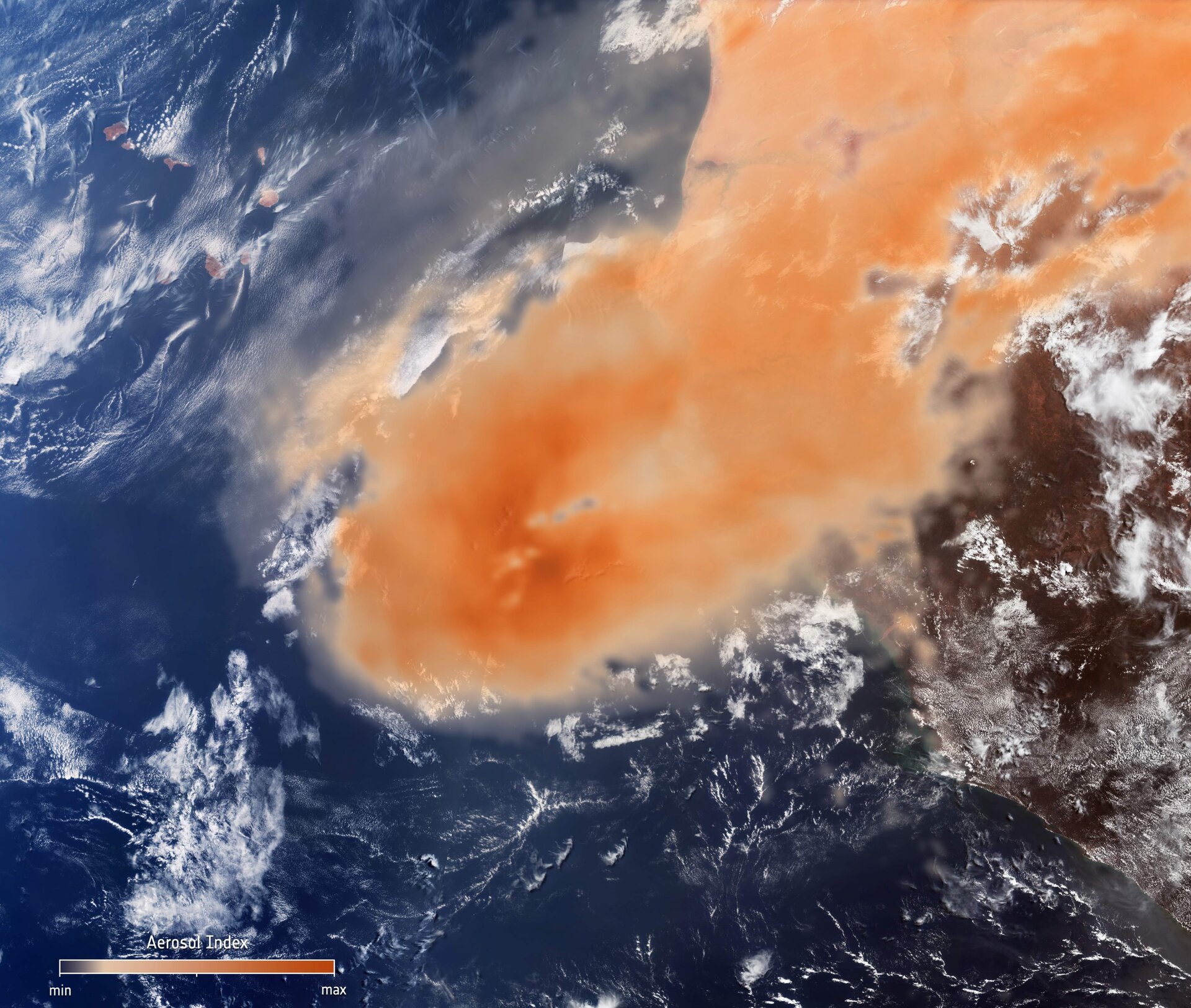
A thick plume of sand and dust from the Sahara Desert is seen in these images blowing from the west coast of Africa across the Atlantic Ocean. Sandstorms, which are

Portrait of Dave Des Marais Let’s start with your childhood, where you’re from, your family at the time, if you have siblings, your early years, and when it was that
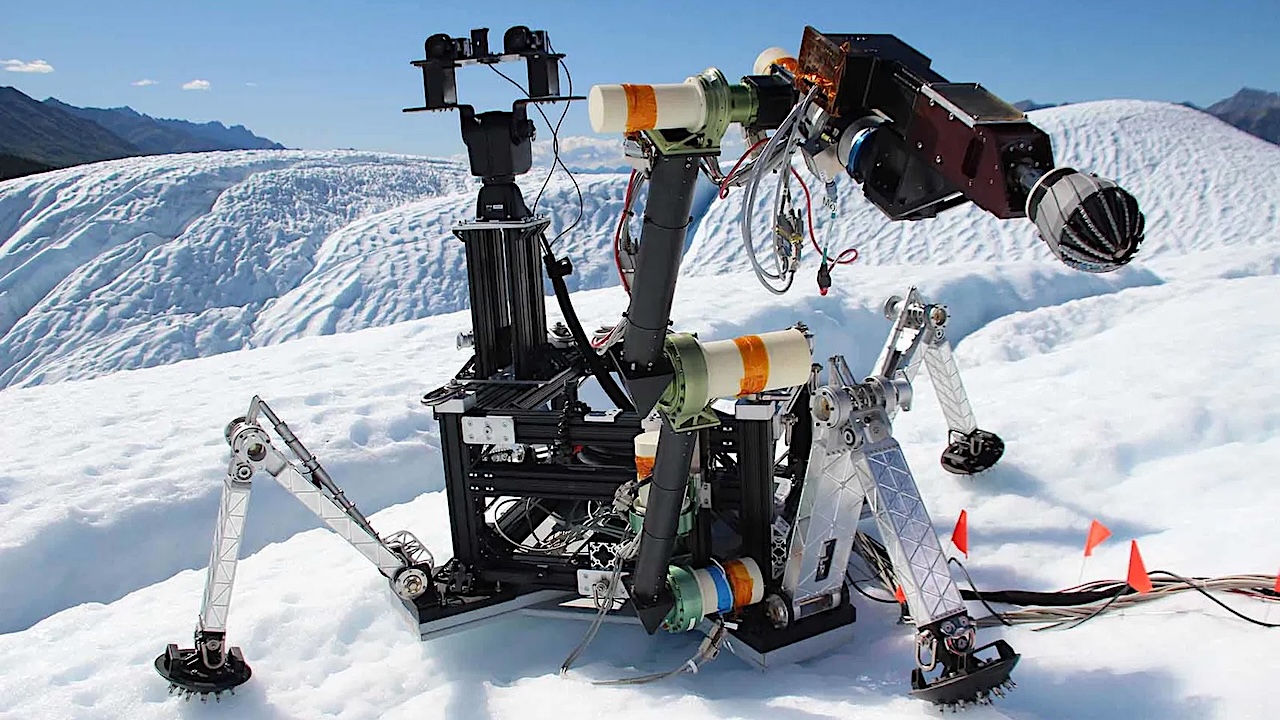
Lander prototype during field tests at Matanuska Glacier, Alaska (Credit: NASA/JPL-Caltech) Europa, a moon of Jupiter, is a high-priority target for space exploration because of its potential to harbor life.

60 Archaeological Mysteries Science Still Can’t Explain Across the globe, mysterious artifacts and structures emerge, challenging our understanding of human history and ancient civilizations. These enigmas often defy explanation, haunting

This is a customer submitted press release. Submit your press release. Washington, D.C. — SpaceNews, the trusted source for space industry news and analysis for more than 35 years, announces
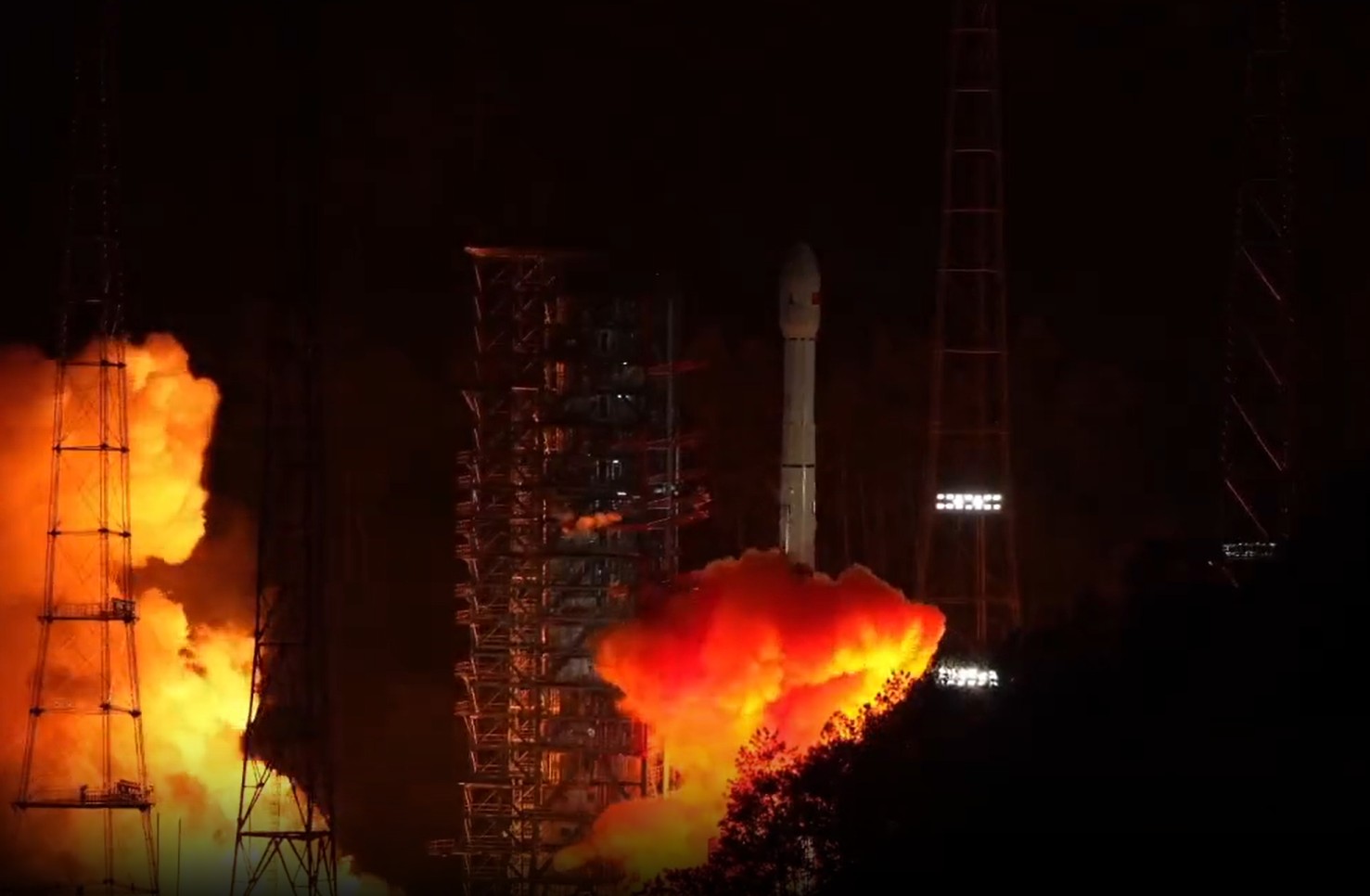
HELSINKI — China launched its second planetary exploration mission Wednesday, sending Tianwen-2 to sample a near Earth asteroid and later survey a main belt comet. Tianwen-2 lifted off on a
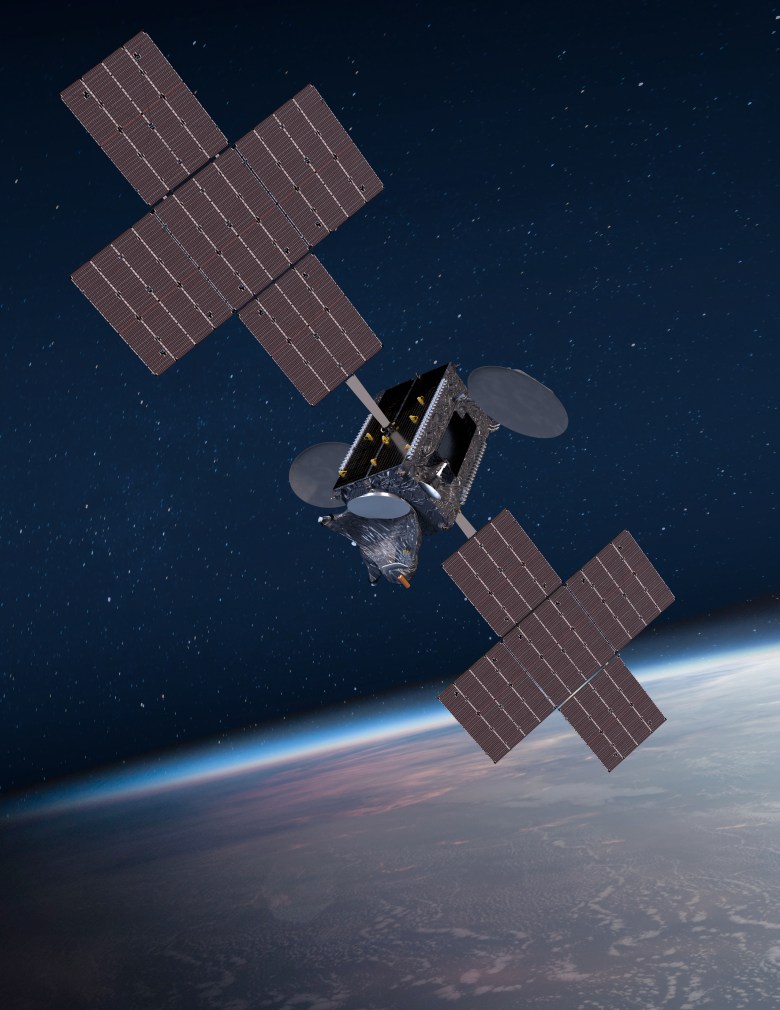
TAMPA, Fla. — EchoStar has ordered another geostationary satellite for its Dish Network TV broadcast business, even as the company signals the possibility of seeking bankruptcy protection amid a regulatory