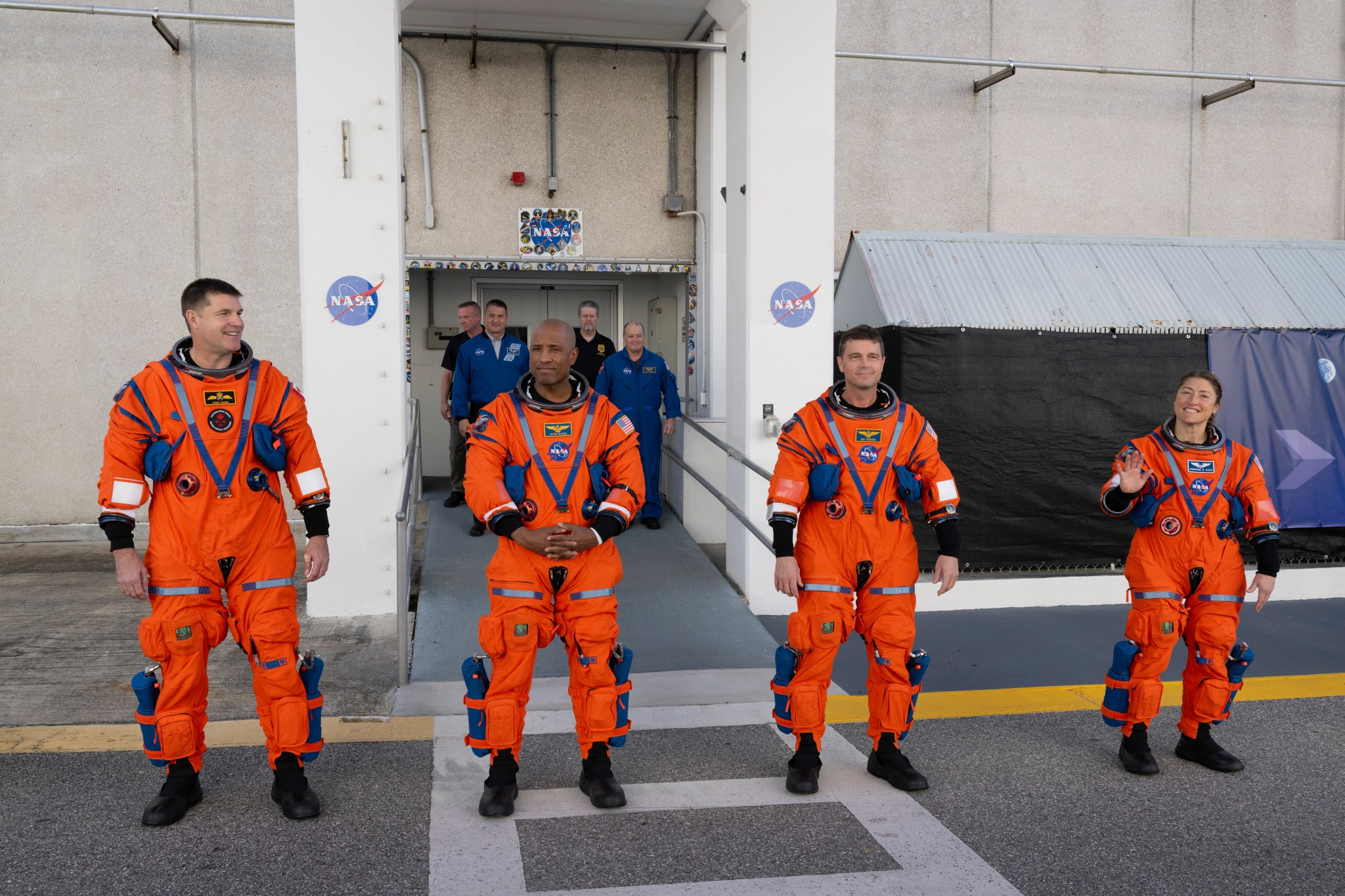
The four astronauts set to fly around the Moon during NASA’s Artemis II test flight depart the Neil A. Armstrong Operations and Checkout Building at the agency’s Kennedy Space Center in

The four astronauts set to fly around the Moon during NASA’s Artemis II test flight depart the Neil A. Armstrong Operations and Checkout Building at the agency’s Kennedy Space Center in

This article was originally published at The Conversation. The publication contributed the article to Space.com’s Expert Voices: Op-Ed & Insights. The biggest effect of everyone turning lights on at once
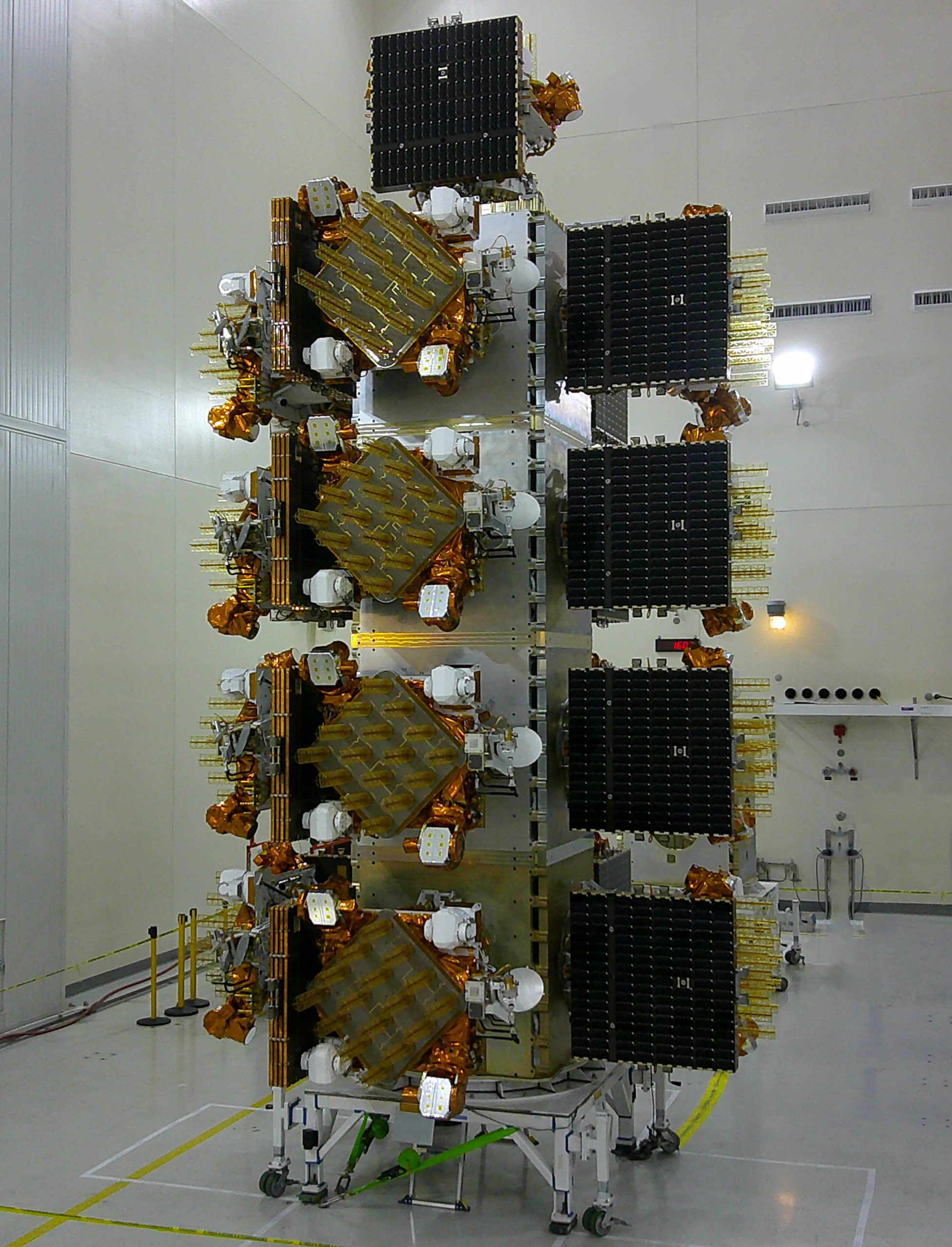
WASHINGTON — The U.S. Space Force is preparing to launch the first satellites intended to provide communications services from a low Earth orbit military constellation. The mission, targeted for no
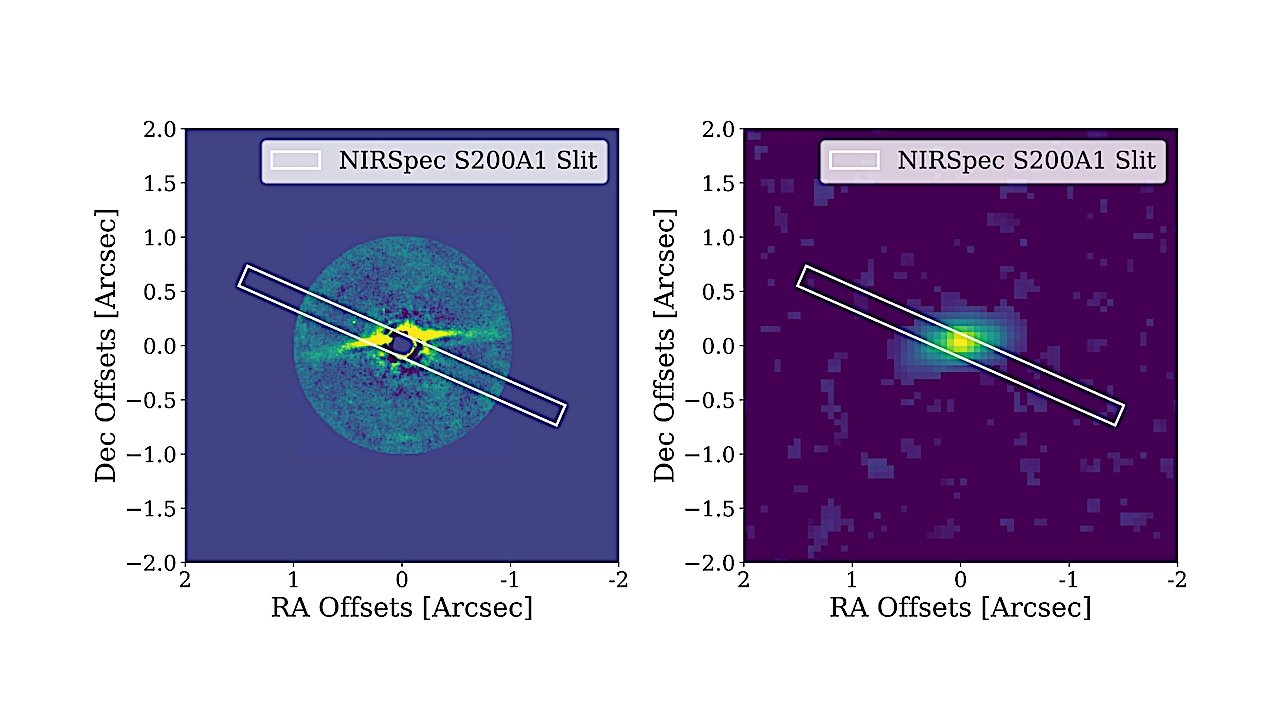
HD 131488 Disk and Slit Alignment, showcasing our data is sensitive to the disk region inward of 30 AU to the star. Left: The JWST NIRSpec Slit is overlaid on
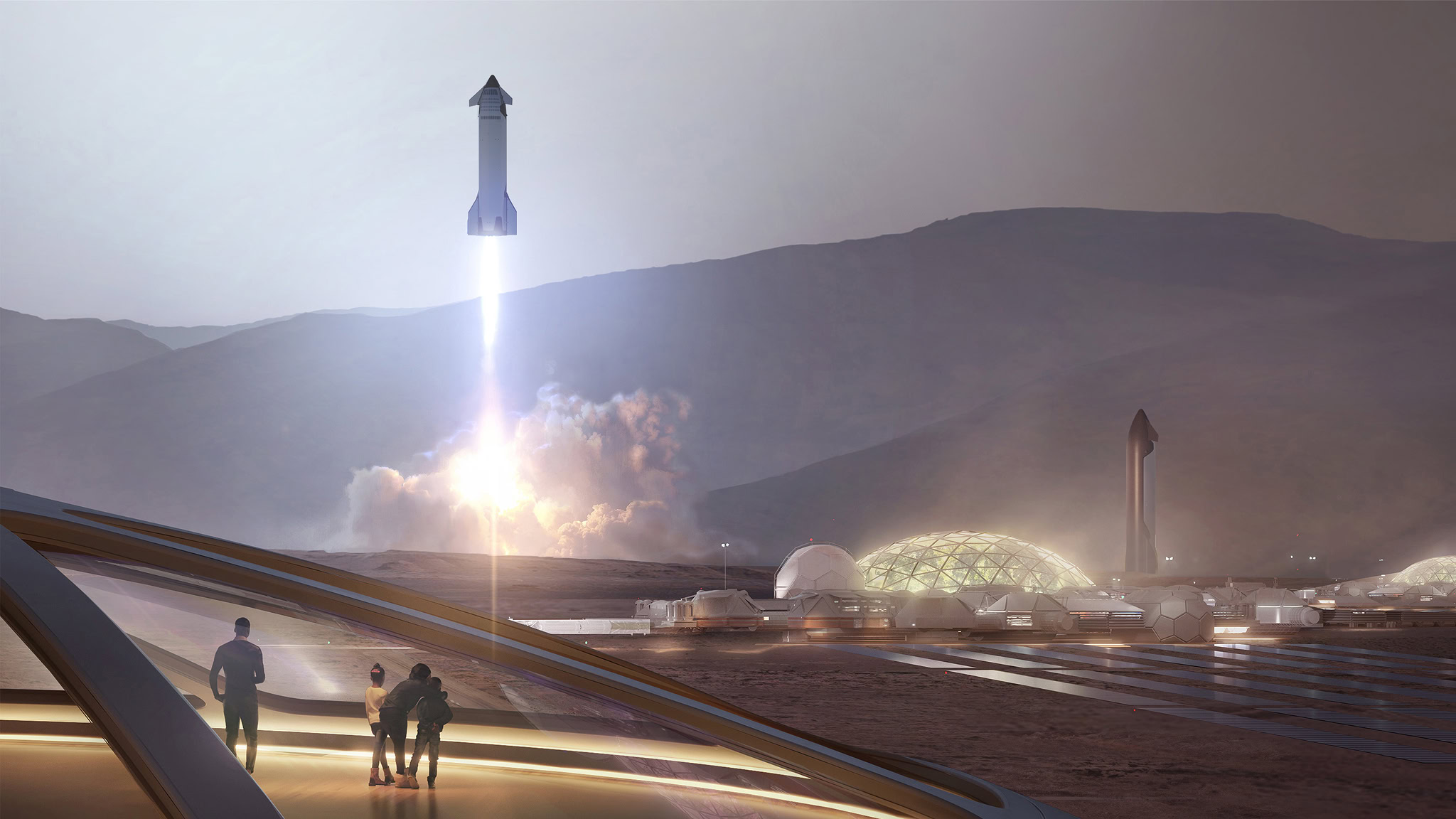
As government programs and private ventures lay the groundwork for a sustained presence on the moon, a handful of commercial space pioneers are starting to turn their attention further afield.
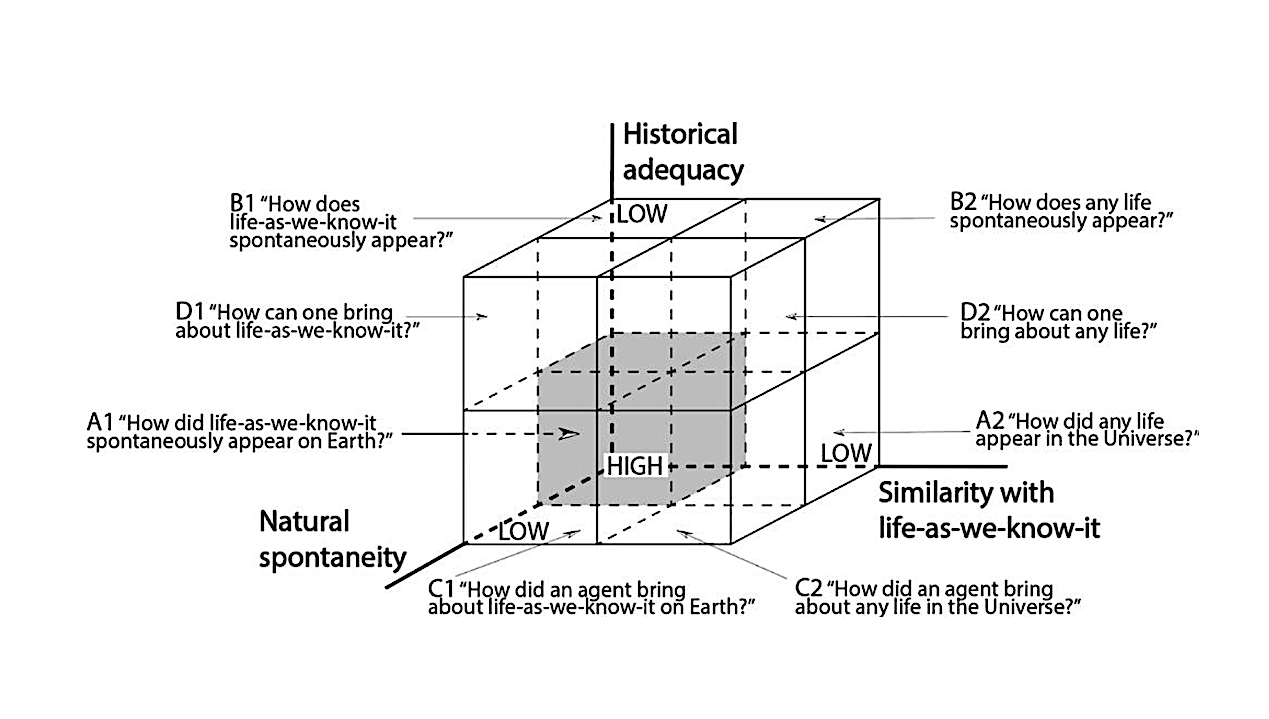
The conceptual space of origin-of-life questions. Each axis corresponds to one of the three constraints identified above: historical adequacy, natural spontaneity, and similarity to life-as-we-know-it. Combinations of low and high
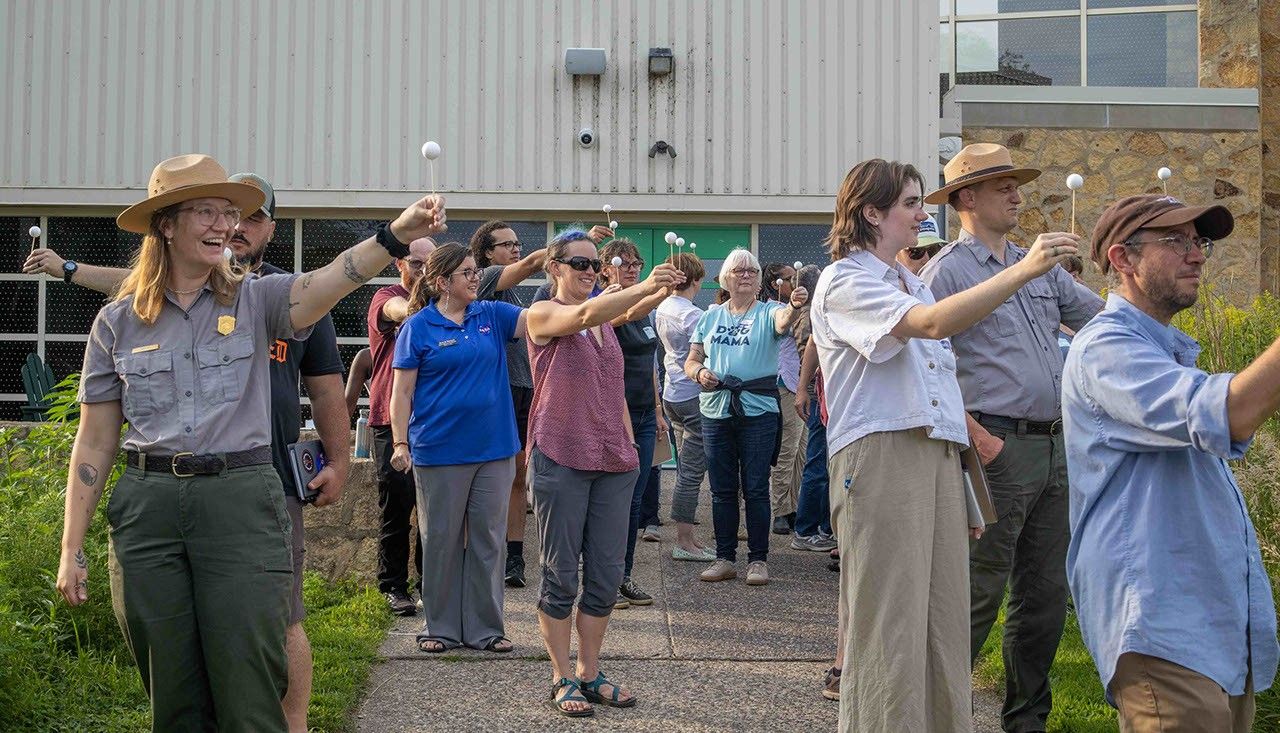
Explore This Section Science Courses & Curriculums for… From City Lights to Moonlight:… Overview Learning Resources Science Activation Teams SME Map Opportunities More Science Activation Stories Citizen Science 4
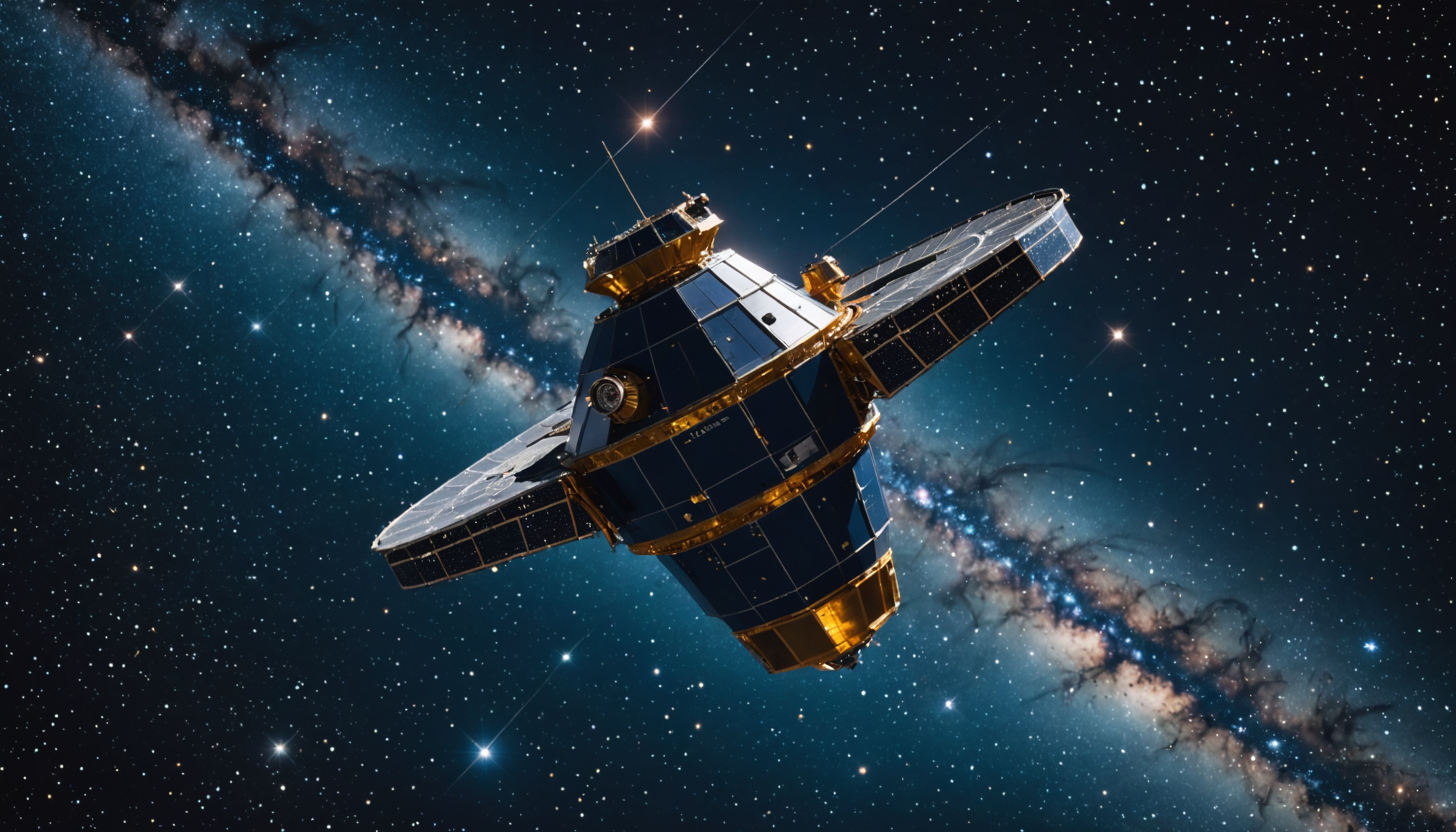
Space exploration has taken monumental strides in recent years, ushering in a new era of discovery and understanding of our universe. Among the most exciting developments are the contemporary missions
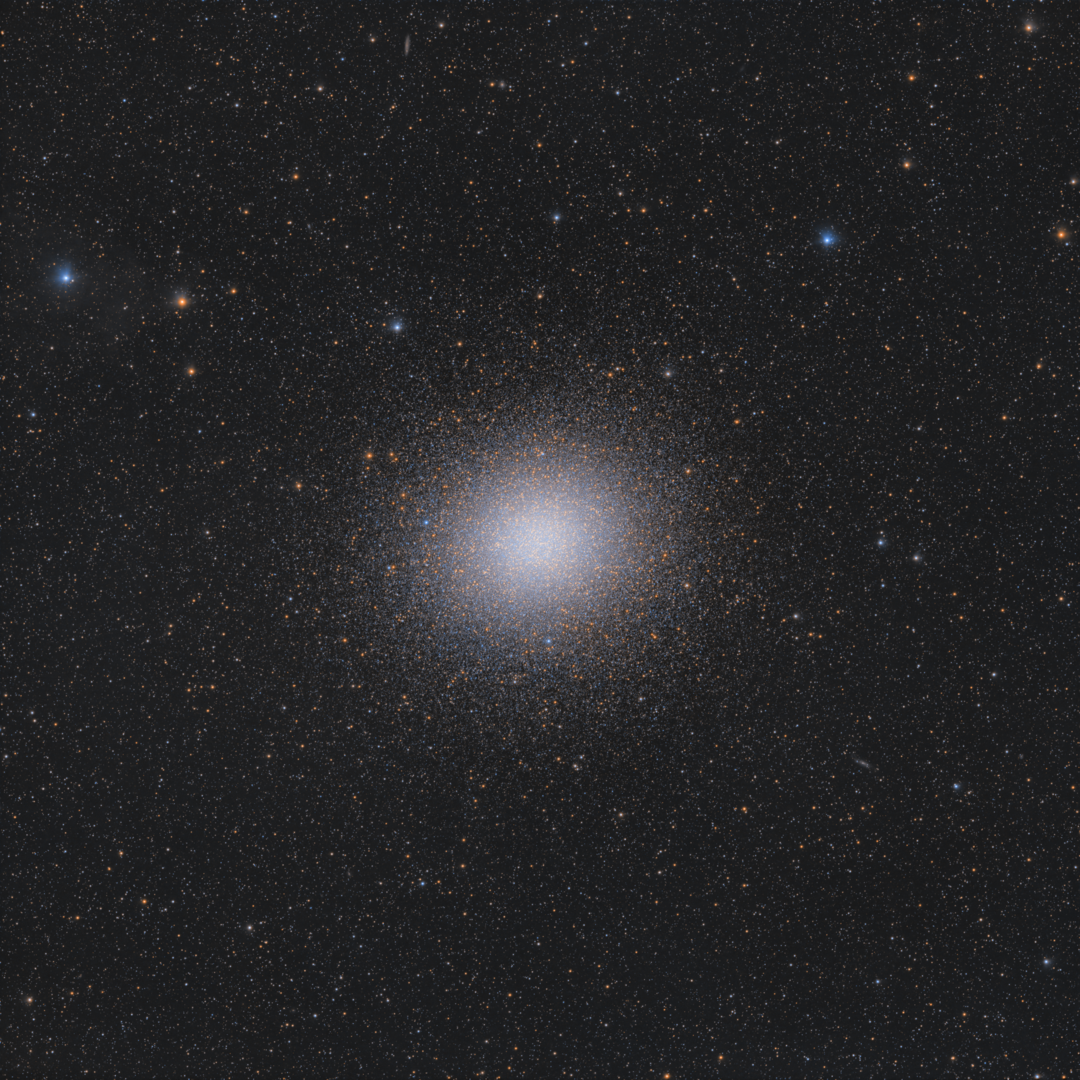
Astronomers have performed the deepest radio observations ever of Omega Centauri, searching for signs of an intermediate mass black hole thought to lurk at its center. Despite 170 hours of
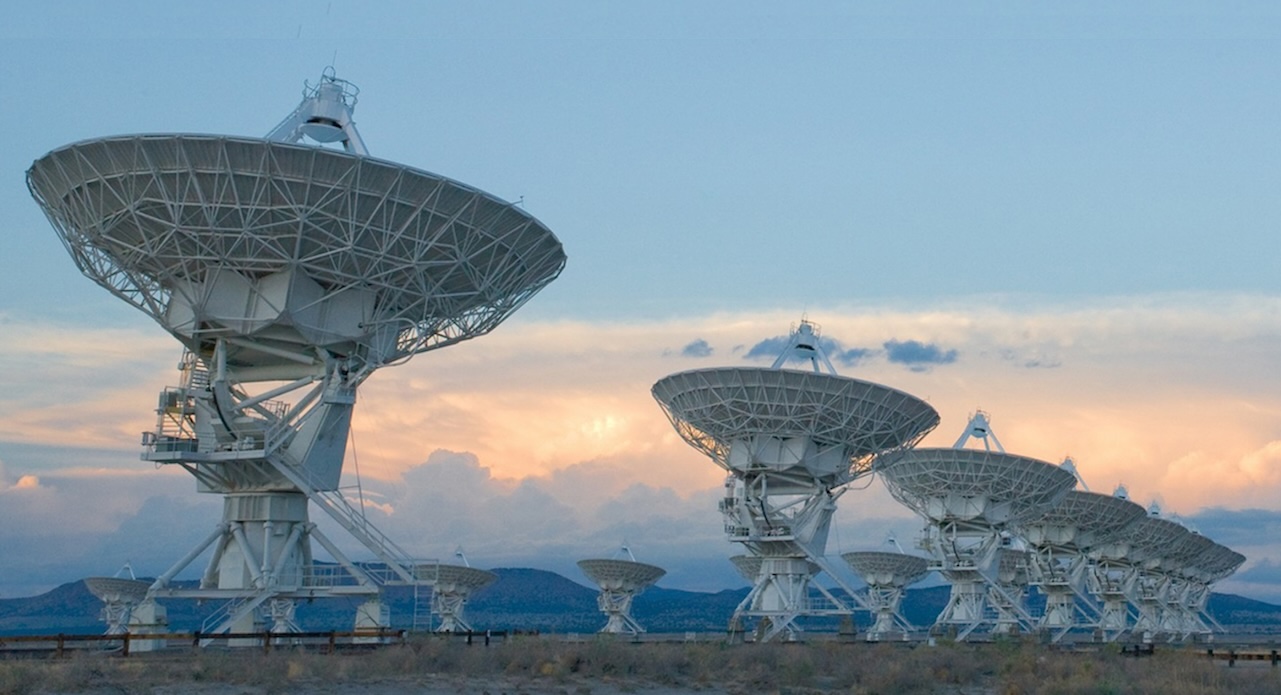
Very Large Array — NRAO The history of astronomical discovery shows that many of the most detectable phenomena, especially detection firsts, are not typical members of their broader class, but