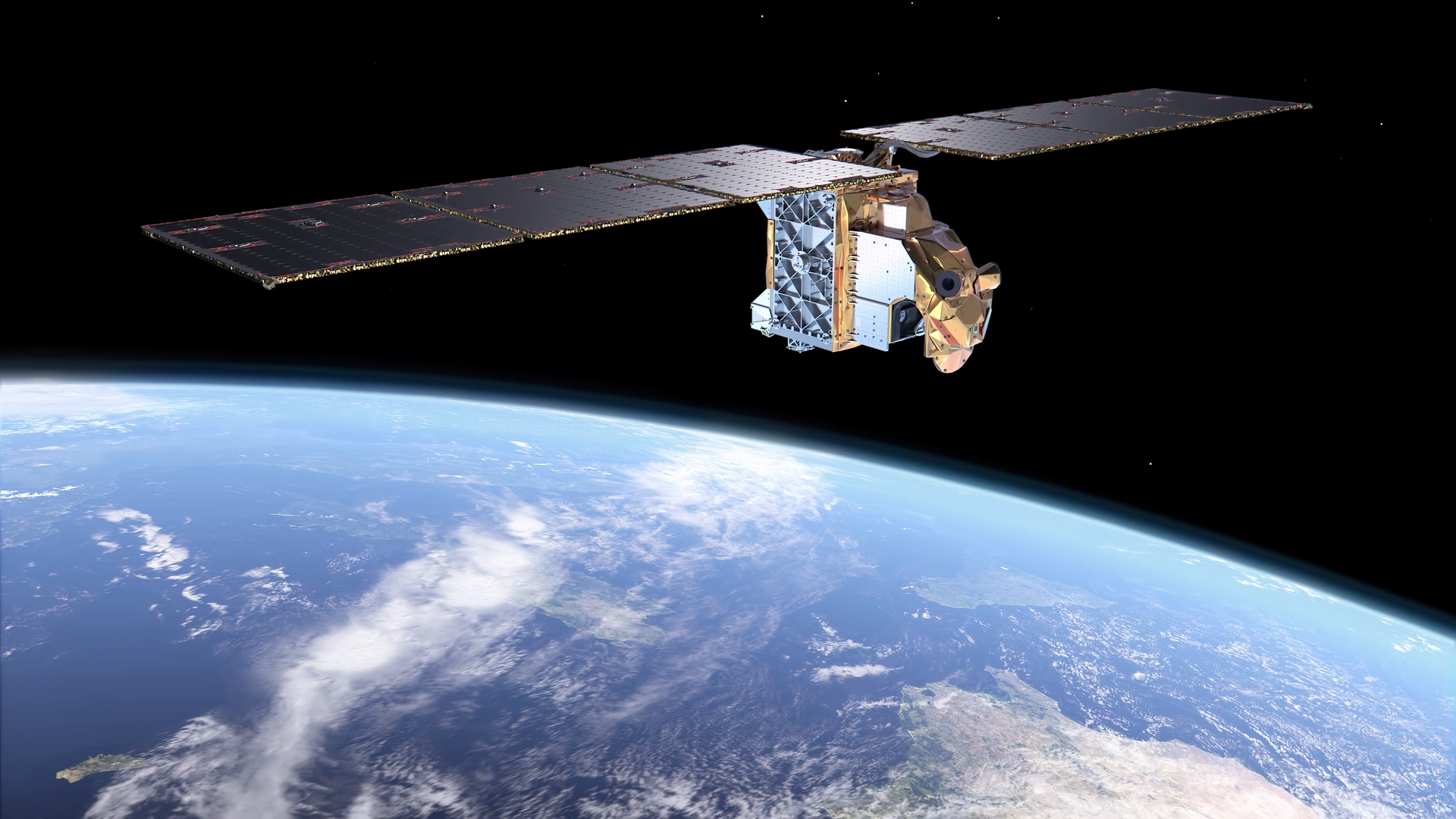
Applications 18/08/2025 348 views 14 likes Although ESA’s small Arctic Weather Satellite was built as a demonstrator for future constellation called EPS-Sterna, the European Centre for Medium-Range Weather Forecasts is

Applications 18/08/2025 348 views 14 likes Although ESA’s small Arctic Weather Satellite was built as a demonstrator for future constellation called EPS-Sterna, the European Centre for Medium-Range Weather Forecasts is

The “Star Trek” universe is filled with interstellar menaces prowling the spaceways: there’s the cloaked Klingon Birds of Prey; that awesome Reman battlecruiser, the Scimitar; a weaponized Romulan mining ship
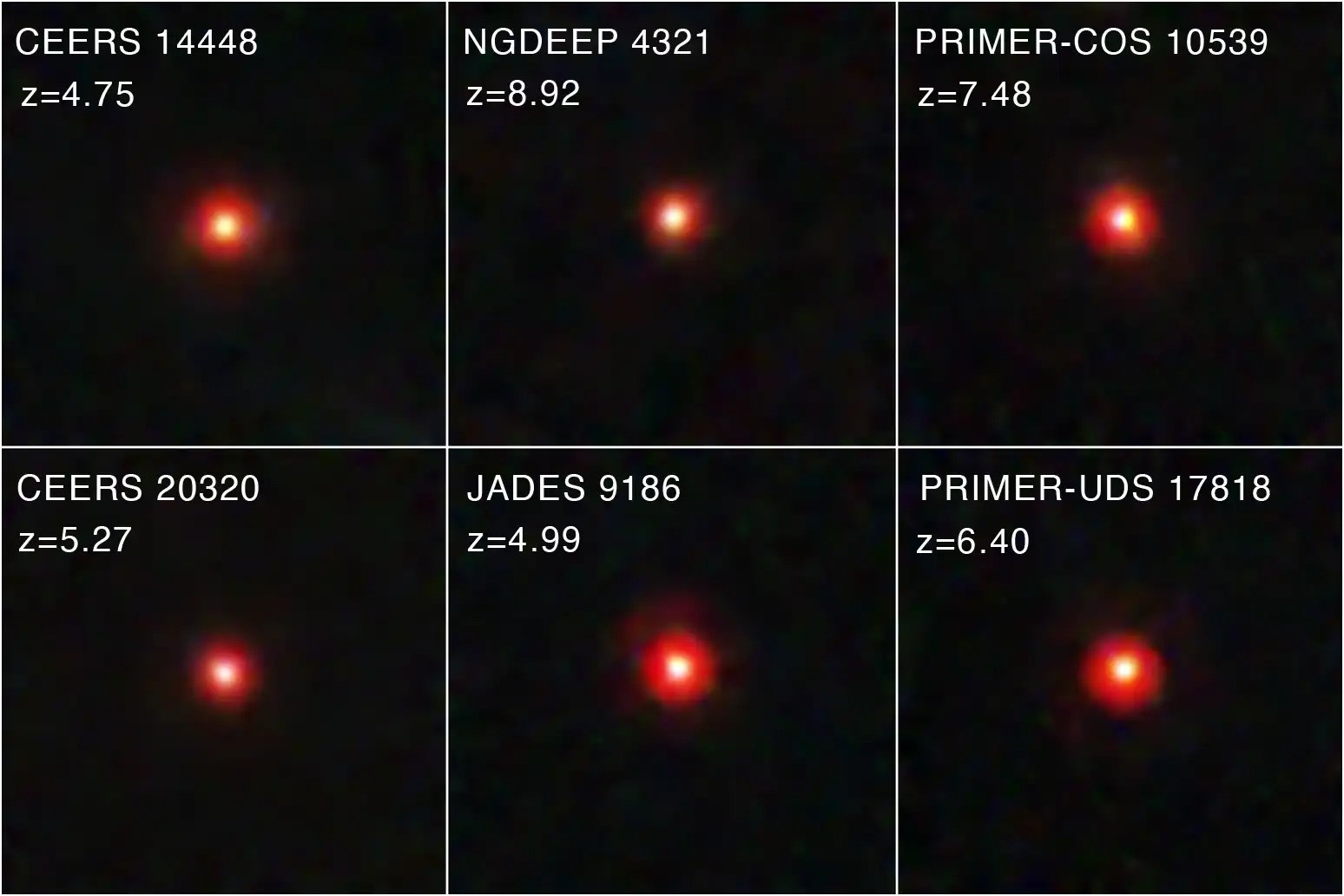
Little Red Dots are thought to be young supermassive black holes at the center of early galaxies. That would make them young versions of Active Galactic Nuclei. But Little Red
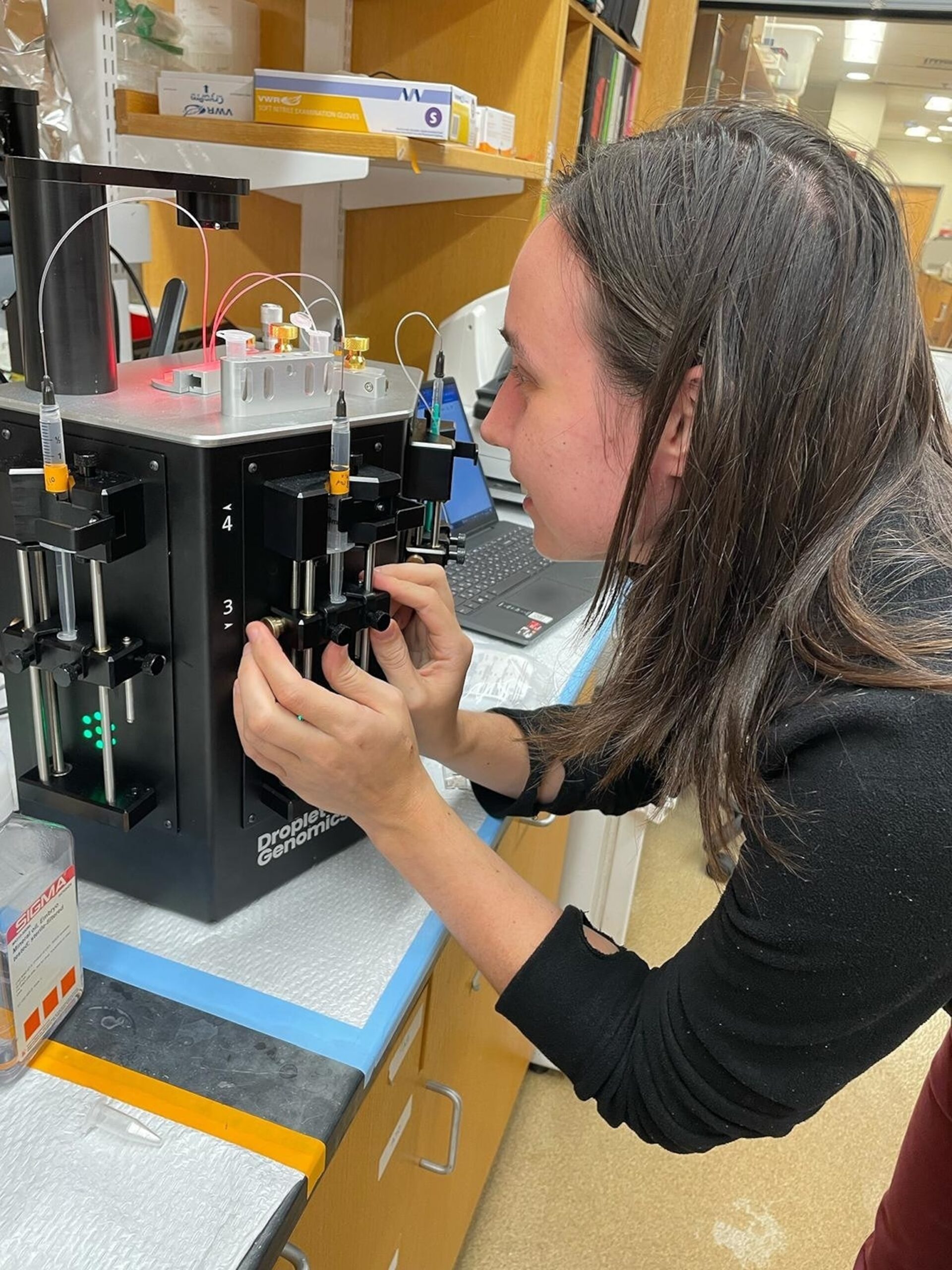
(NewsNation) — The Harvard scientist raising concerns about incoming comet 3I/ATLAS — namely, that it could be some kind of alien probe sent to study our solar system — is
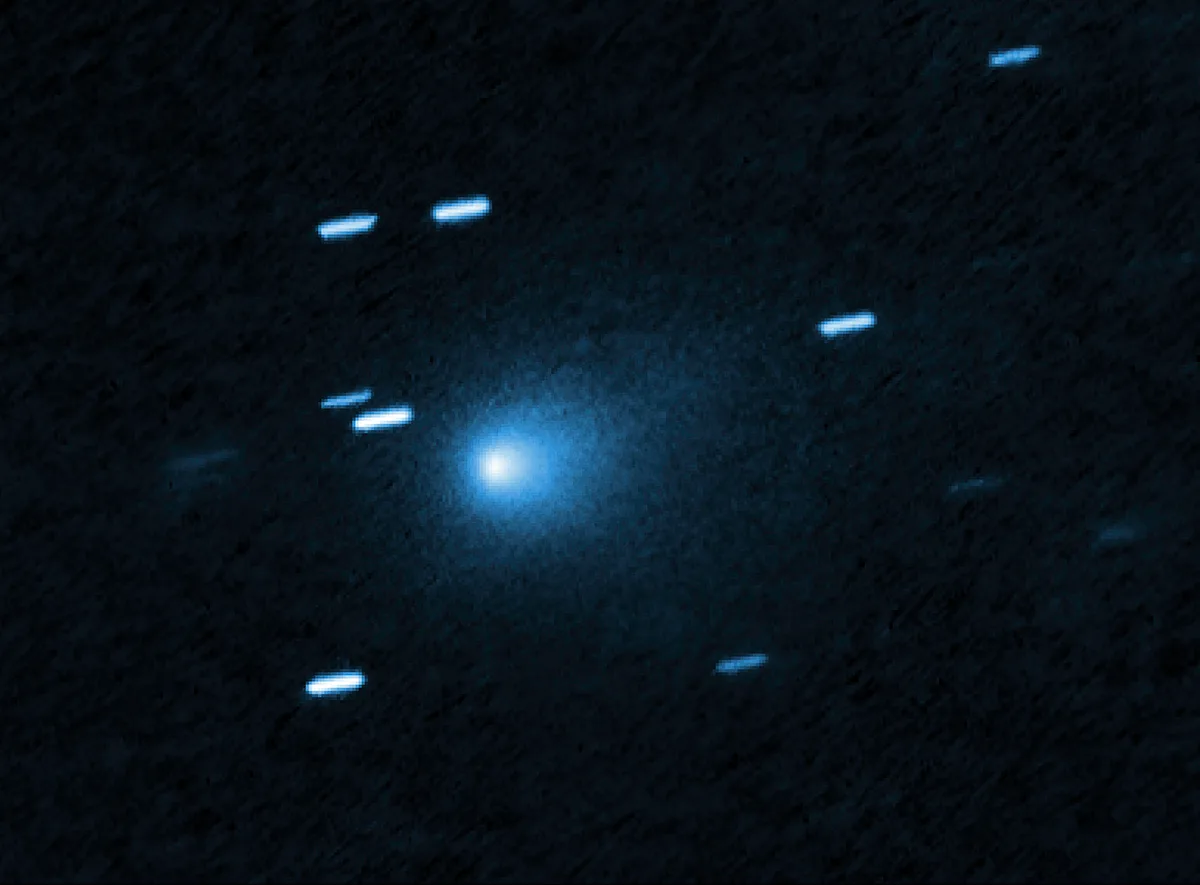
All (or at least most) astronomical eyes are on 3I/ATLAS, our most recent interstellar visitor that was discovered in early July. Given its relatively short observational window in our solar
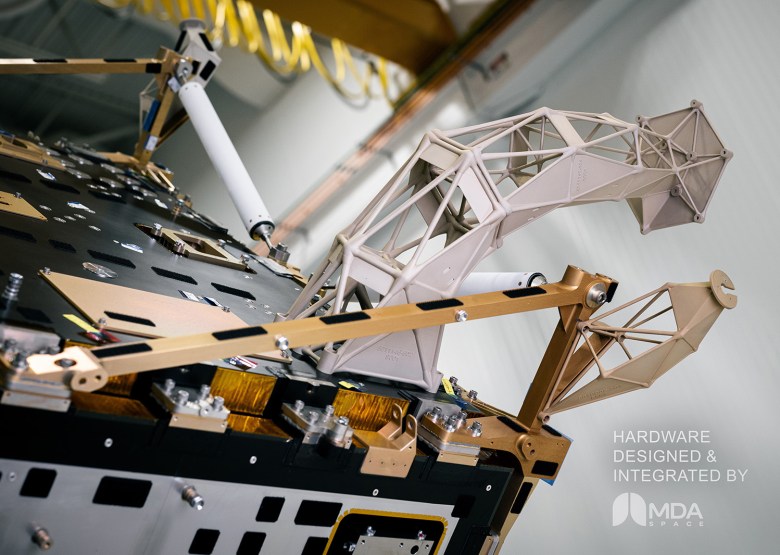
For decades, metal additive manufacturing (AM) has promised to revolutionize aerospace by offering lighter, more complex, and faster-to-produce components. But for much of its history, AM in the space sector
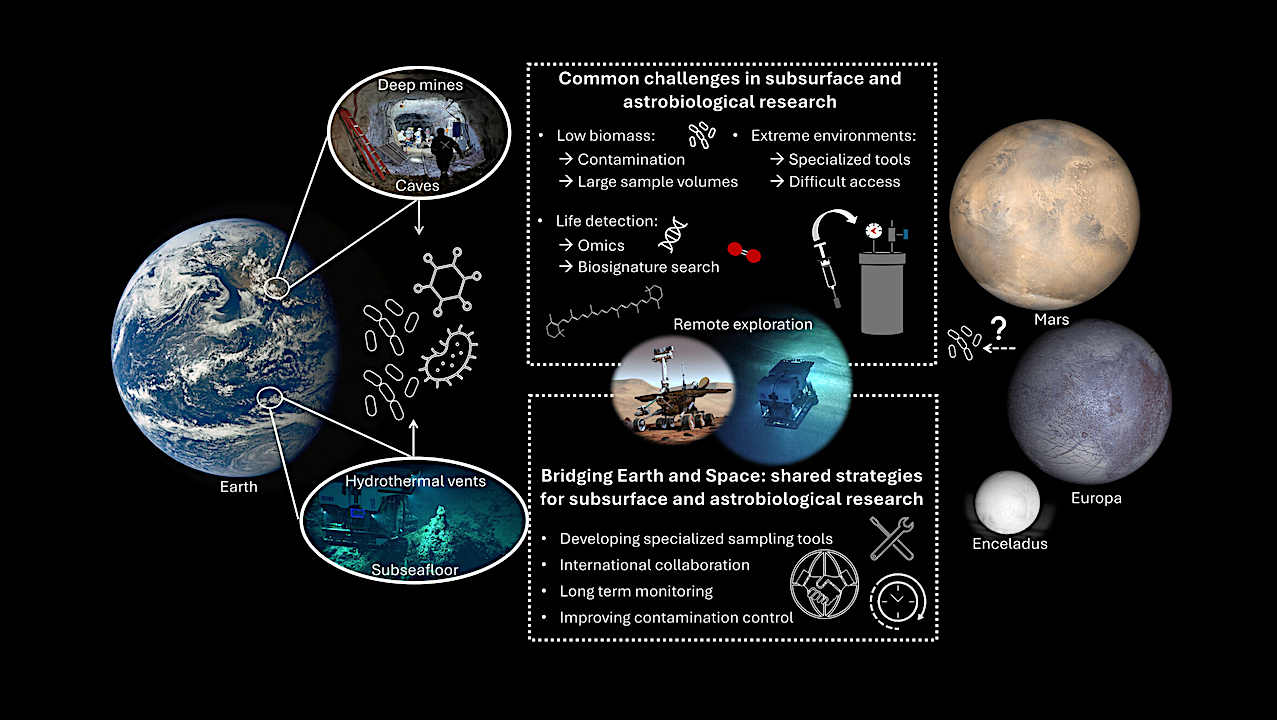
Graphical Abstract — Microbial Biotechnology via PubMed The first forms of life on Earth were microbial, preceding the evolution of multicellular life by more than two billion years. Based on
US astronaut Jim Lovell, the commander of the Apollo 13 Moon mission which nearly ended in disaster in 1970 after a mid-flight explosion, has died at the age of 97,
By analyzing the data from ESA’s Gaia satellite, astronomers from the University of Chicago, Illinois and elsewhere, have identified a new ultra-metal-poor star. The newfound star, designated GDR3_526285, turns out
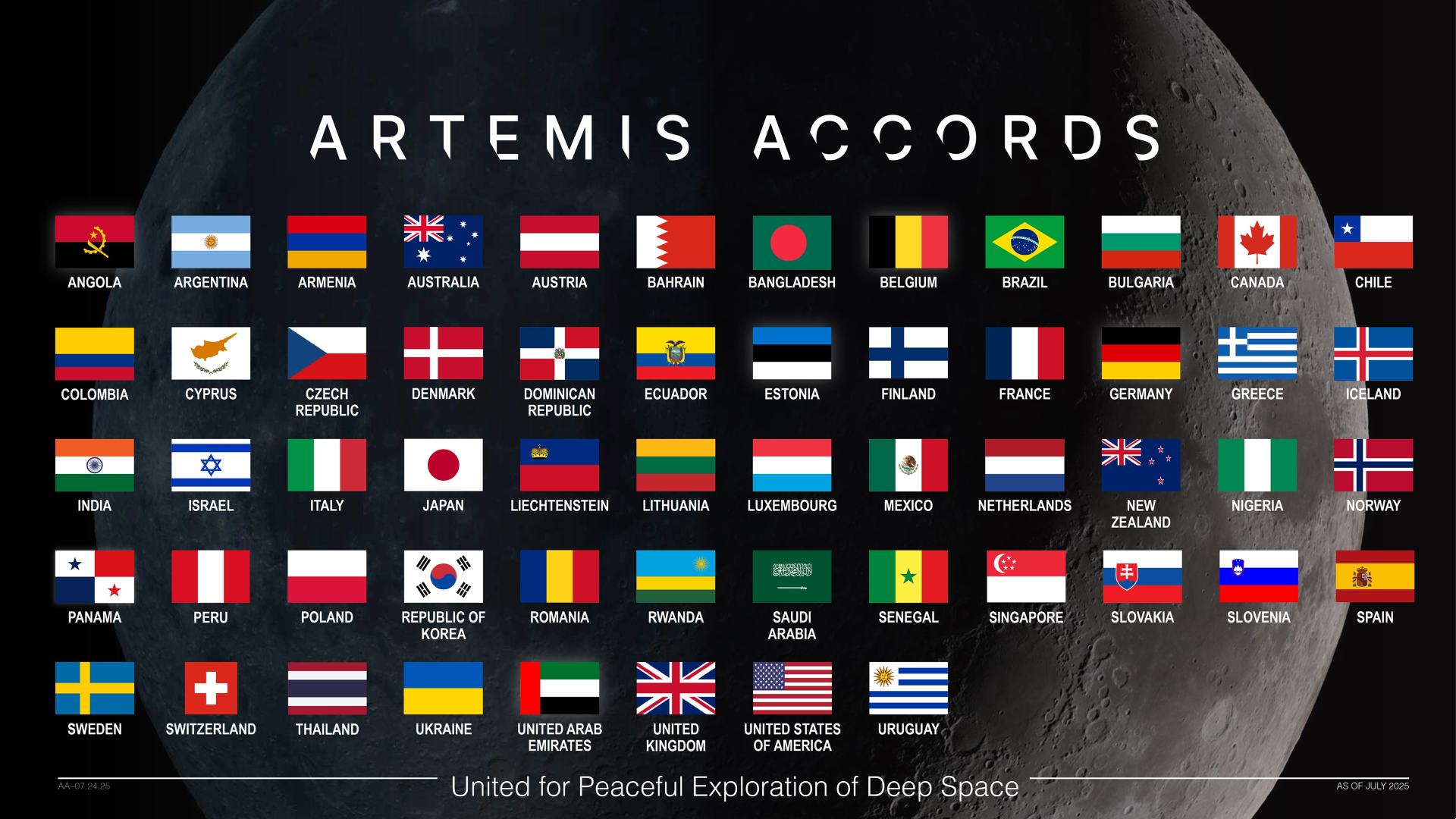
Senegal has officially joined the Artemis Accords, becoming the 56th nation and the fourth African country to commit to a shared vision for peaceful and transparent space exploration. The signing