This is a customer submitted press release. Submit your press release. Novaspace, the leading space consulting and market intelligence firm, has unveiled a new offering: the Major Space Programs Tracker.

This is a customer submitted press release. Submit your press release. Novaspace, the leading space consulting and market intelligence firm, has unveiled a new offering: the Major Space Programs Tracker.
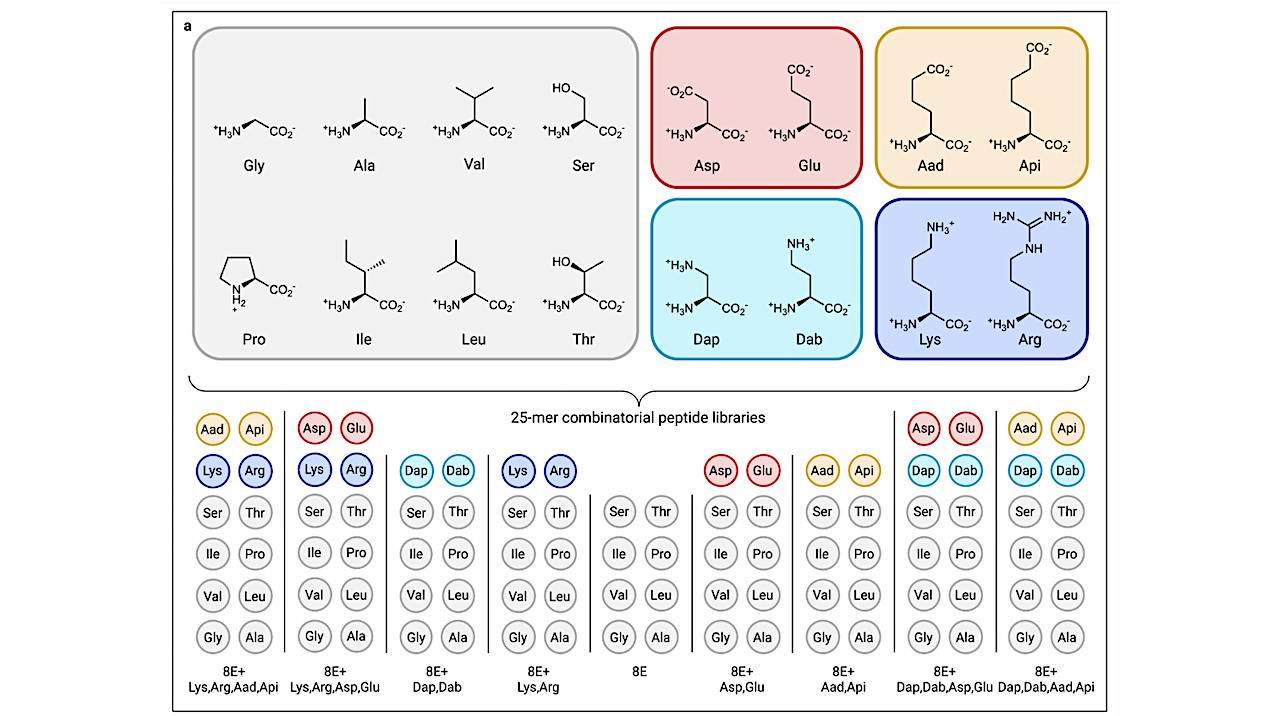
Design and evaluation of random peptide libraries using distinct amino acid alphabets. (a) Chemical structures of 16 α-amino acids assembled through solid phase peptide synthesis to generate random 25-mer peptides
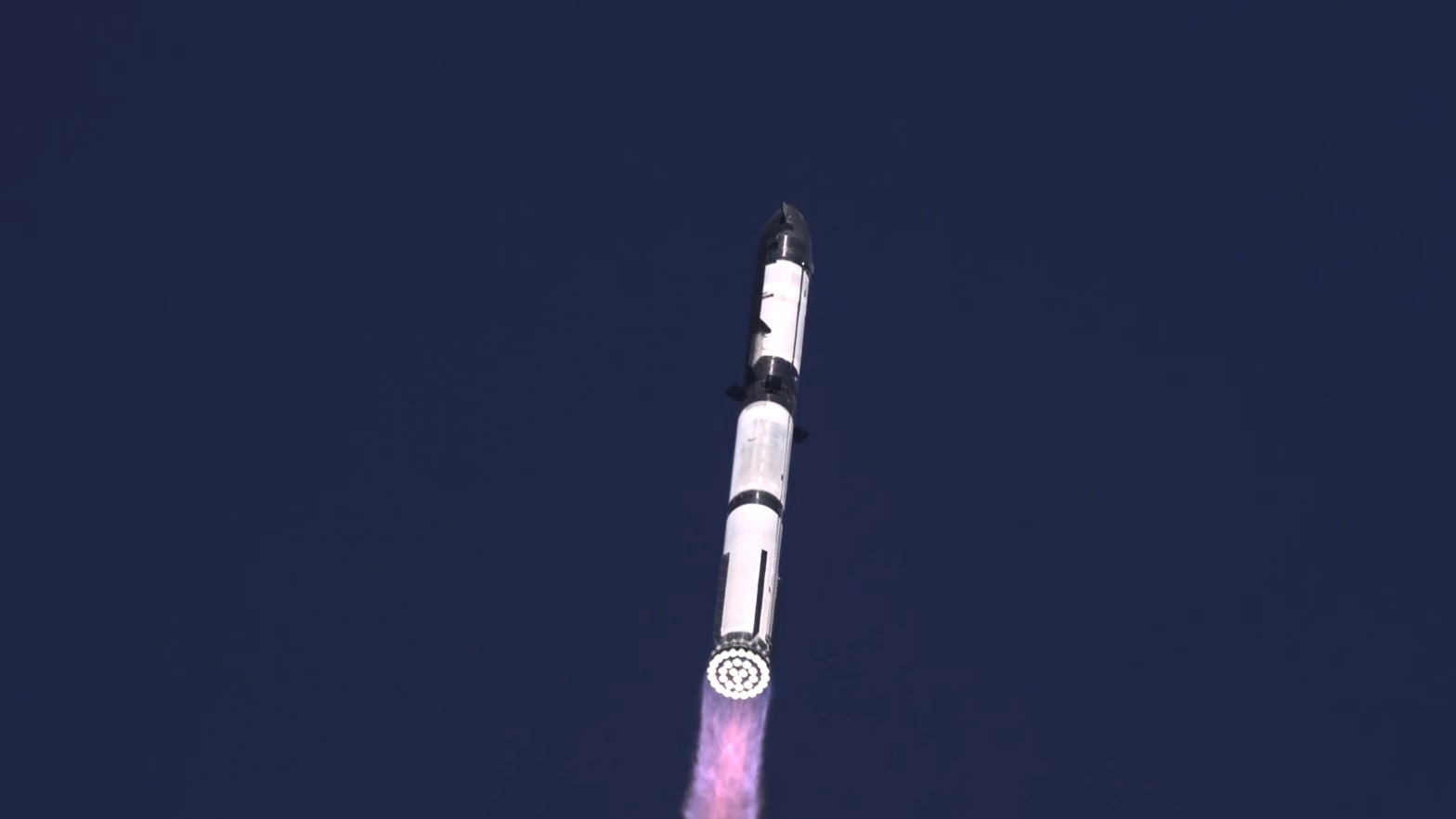
As SpaceX gears up for the ninth test flight of its super-heavy Starship launch vehicle, the company has released findings from its investigation into the explosion of the rocket’s upper
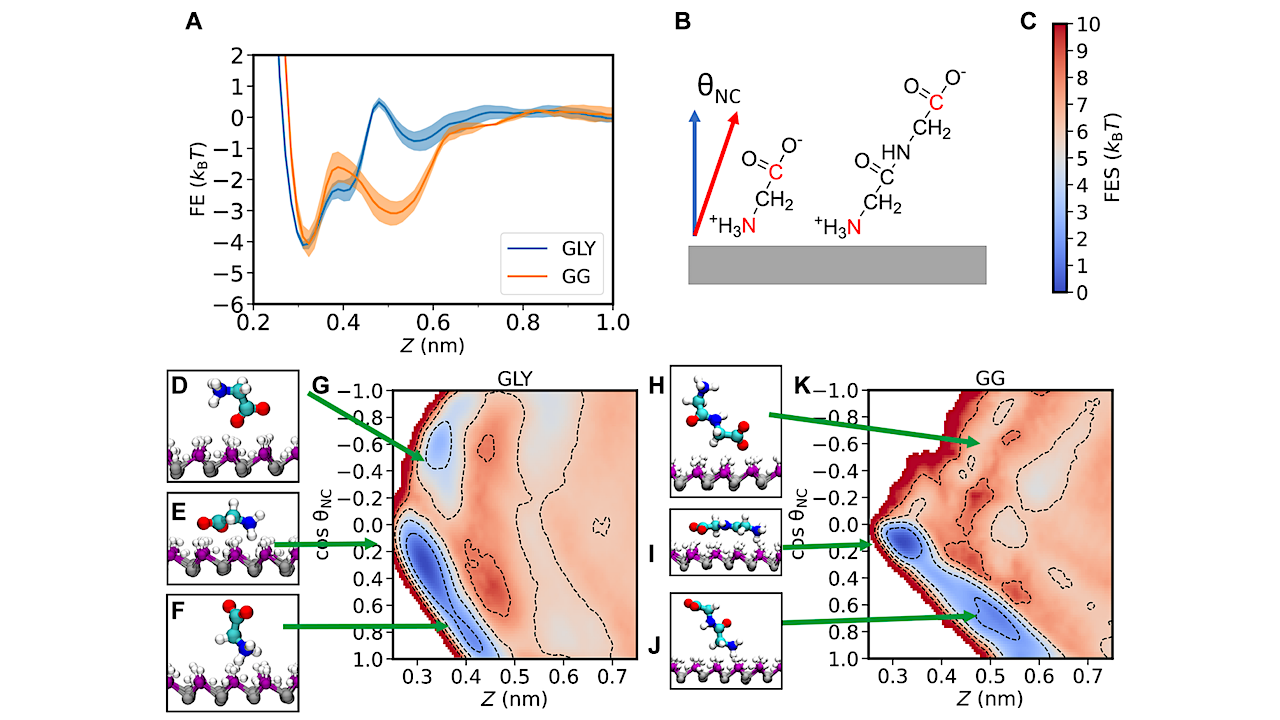
Simulation results of single amino acid adsorption. (A) 1D FES of the adsorption of a single molecule, glycine, and GG dipeptide. The free energy in the bulk is set to
Paris, France – Novaspace’s 6th Ground Segment Market Prospects report projects a $106 Billion market and a fundamental shift in satellite infrastructure economics. NGSO constellations are reshaping
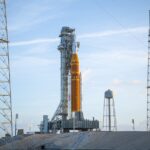
NASA’s John F. Kennedy Space Center, the center’s Launch Pads 39A and 39B, and the Cape Canaveral Space Force Station on Florida’s Atlantic coast are pictured from the International Space
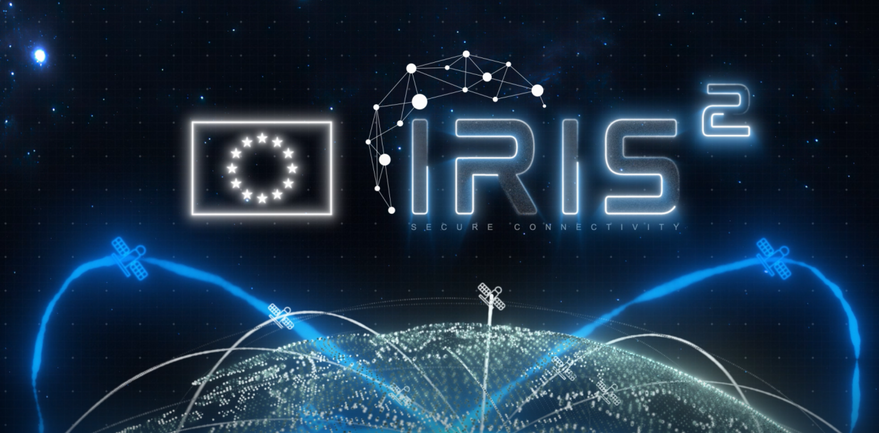
SAN FRANCISCO – European civil space leaders suggested expanding their flagship campaign to develop a secure communications constellation. Since the Infrastructure for Resilience, Interconnectivity and Security by Satellite (IRIS²) constellation
The GPS III-7 Space Vehicle 08 pictured as it was encapsulated inside a pair of SpaceX Falcon 9 payload fairings. Image: SpaceX The latest addition to the United States’ Global
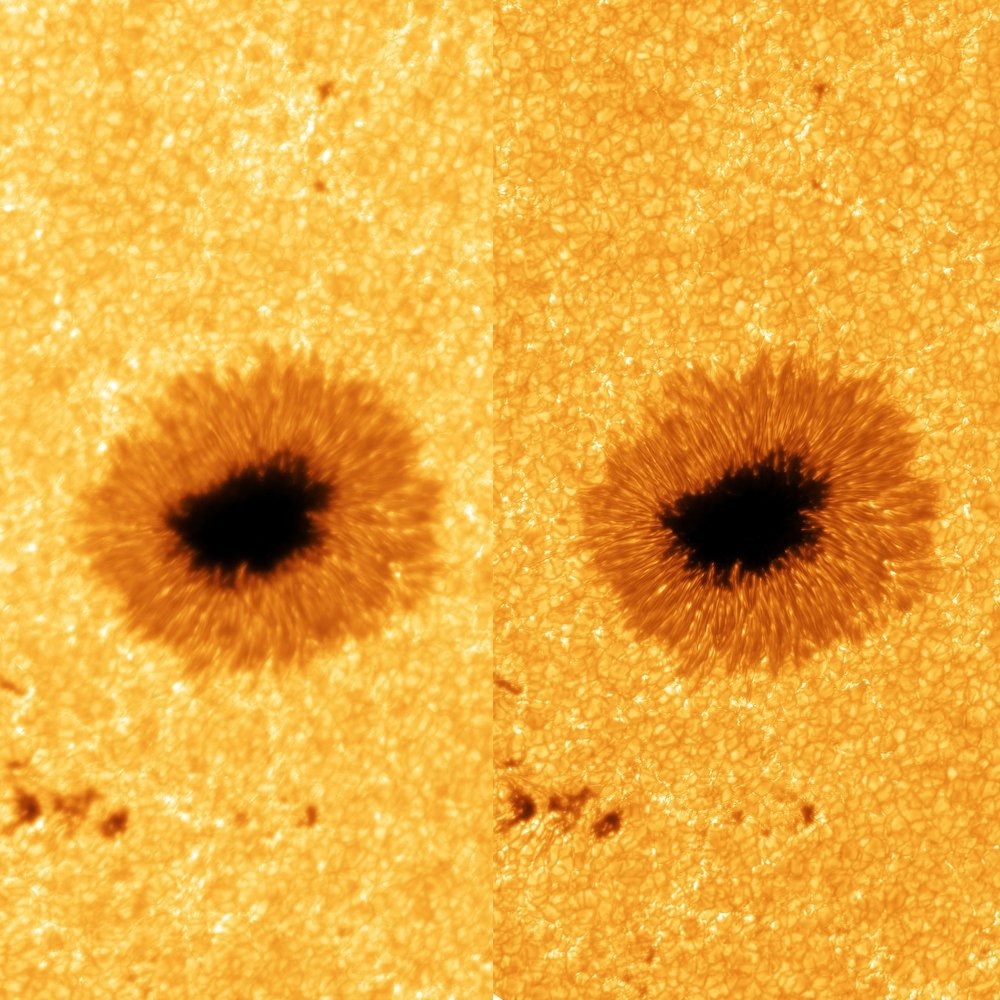
Incredible new images of the sun’s surface provide an unprecedented view of raging sunspots and solar activity. A new high-resolution camera system developed by the Leibniz Institute for Astrophysics Potsdam
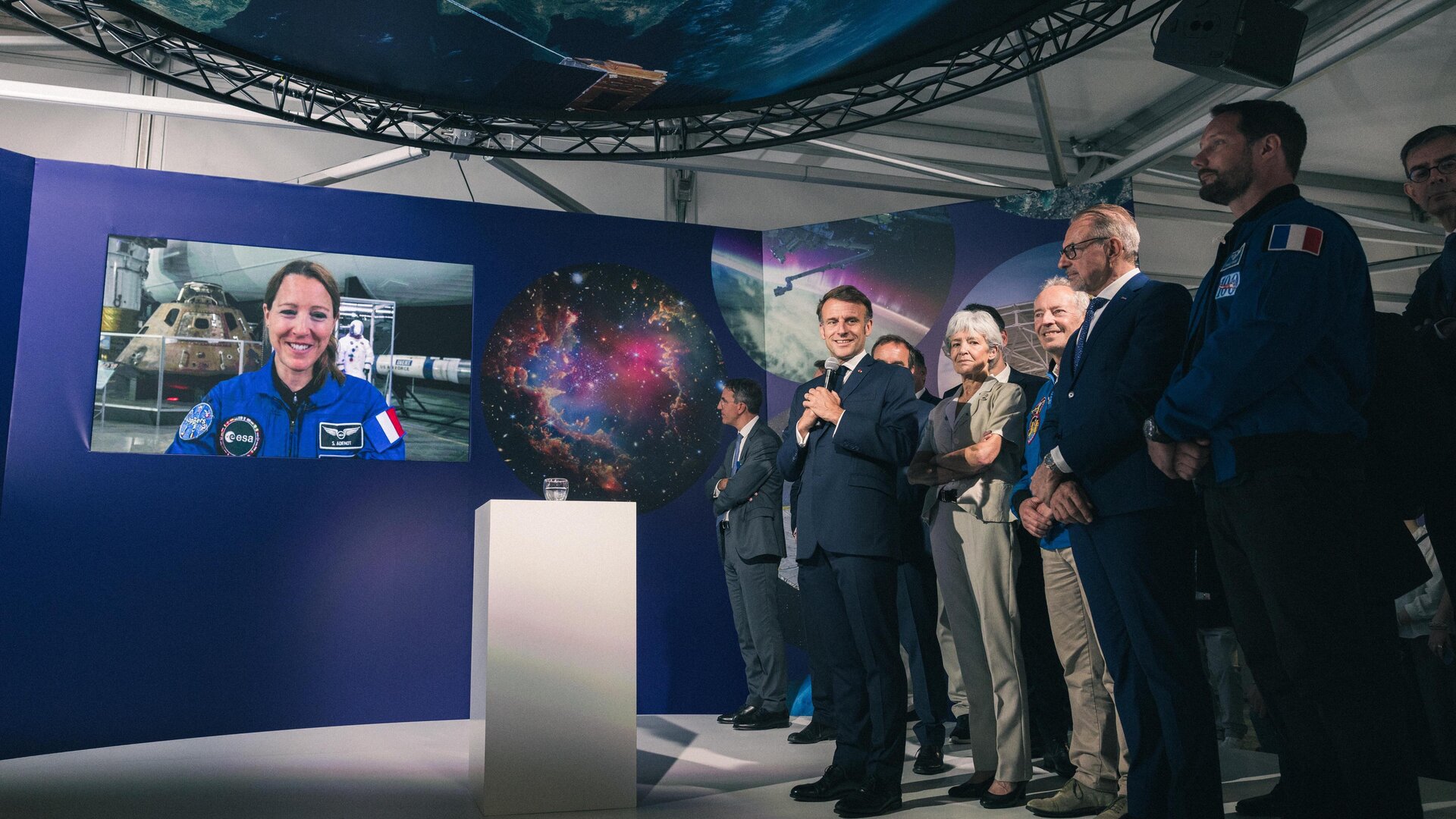
ESA astronaut Sophie Adenot’s first mission to the International Space Station now has a name: εpsilon. The mission name and patch were announced today at the Paris Air Show by