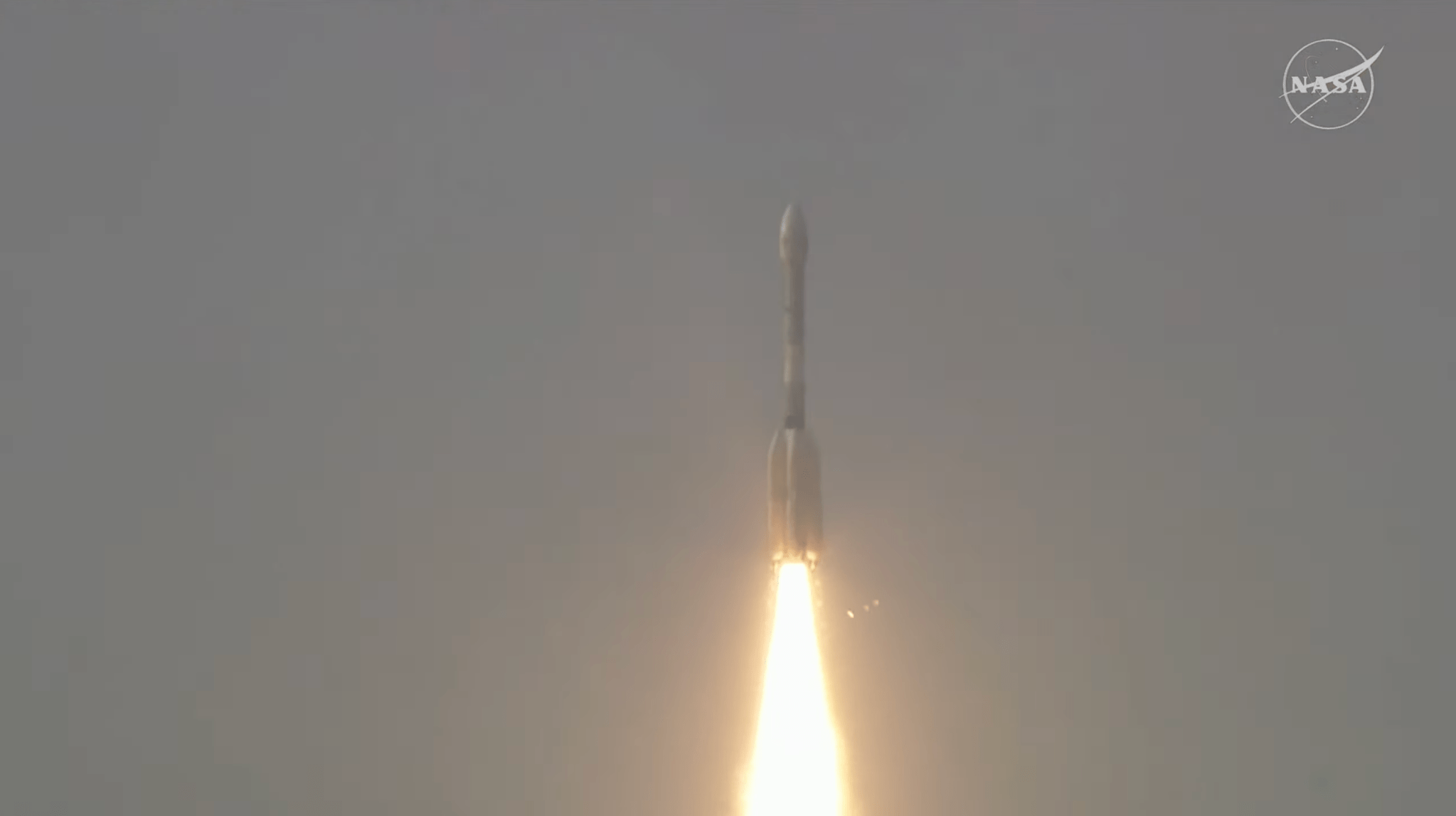
The Indian Space Research Organisation’s Geosynchronous Satellite Launch Vehicle lifts off from Satish Dhawan Space Centre on India’s southeastern coast at 8:10 a.m. EDT (5:40 a.m. IST), July 30, 2025.

The Indian Space Research Organisation’s Geosynchronous Satellite Launch Vehicle lifts off from Satish Dhawan Space Centre on India’s southeastern coast at 8:10 a.m. EDT (5:40 a.m. IST), July 30, 2025.
The Hommkiety Galaxy Projector rivals some of the best star projectors and some of the best star projectors under $100 on the market, and now it’s at its joint-lowest price
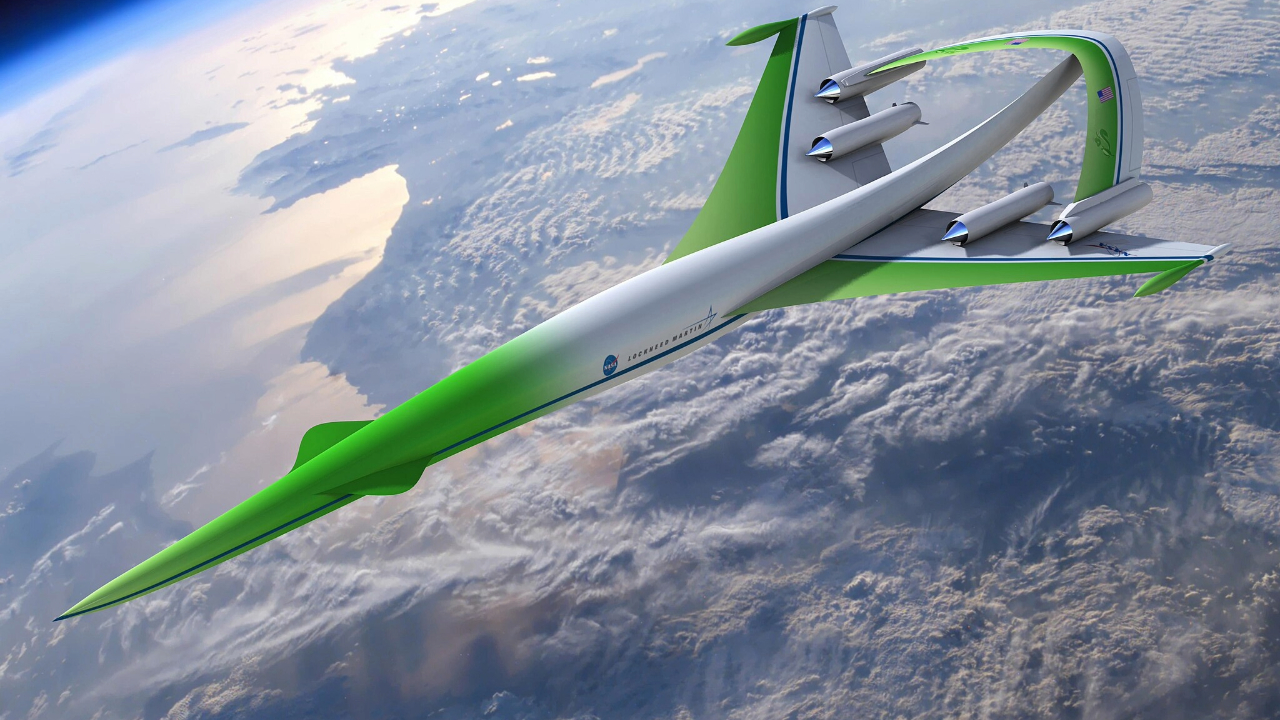
Supersonic commercial travel could soon be coming to the U.S. following a new executive order lifting a 52-year ban on overland commercial supersonic flights. While supersonic flights could cross the
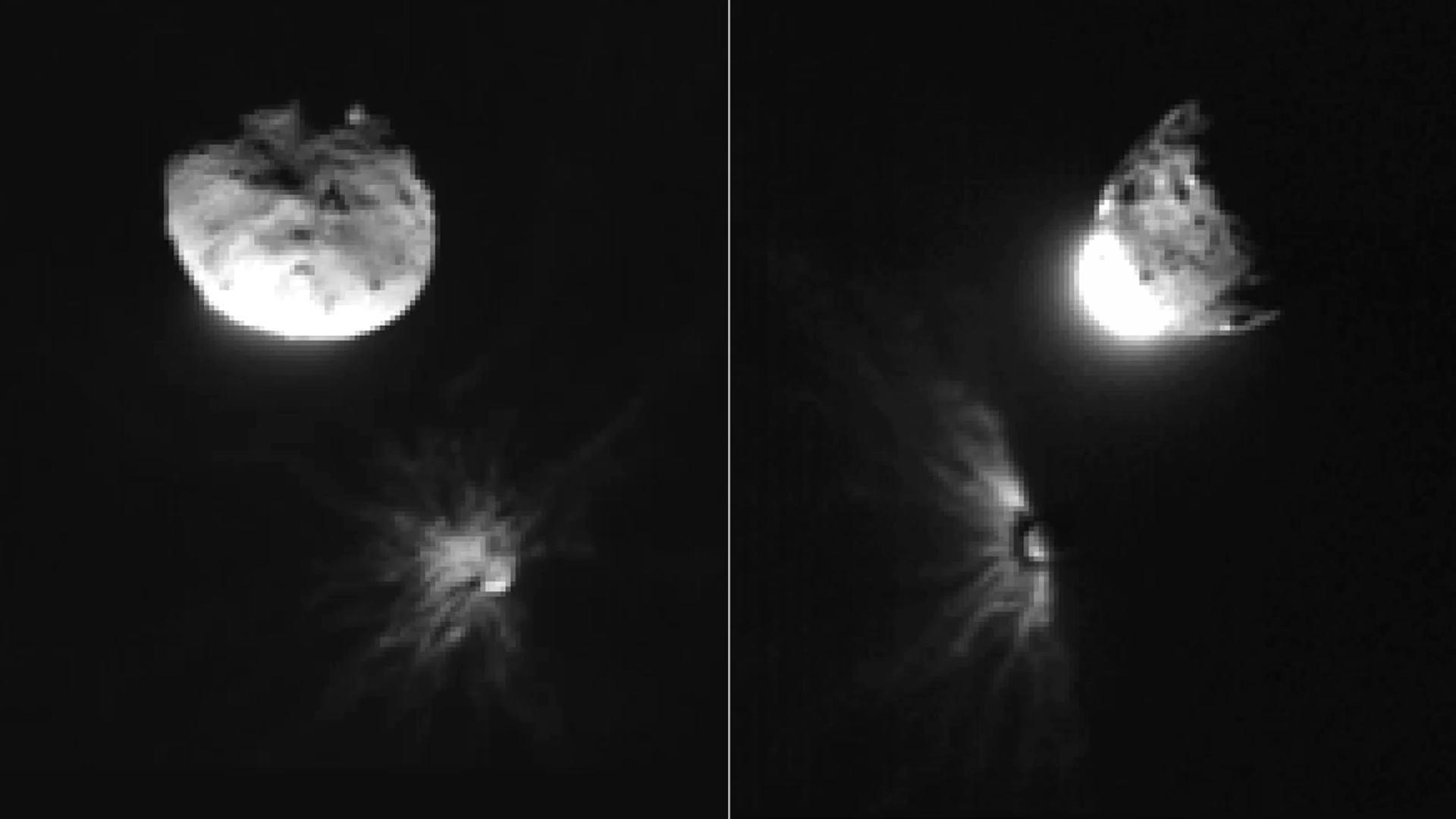
5 min read Close-Up Views of NASA’s DART Impact to Inform Planetary Defense Photos taken by the Italian LICIACube, short for the LICIA Cubesat for Imaging of Asteroids. These offer
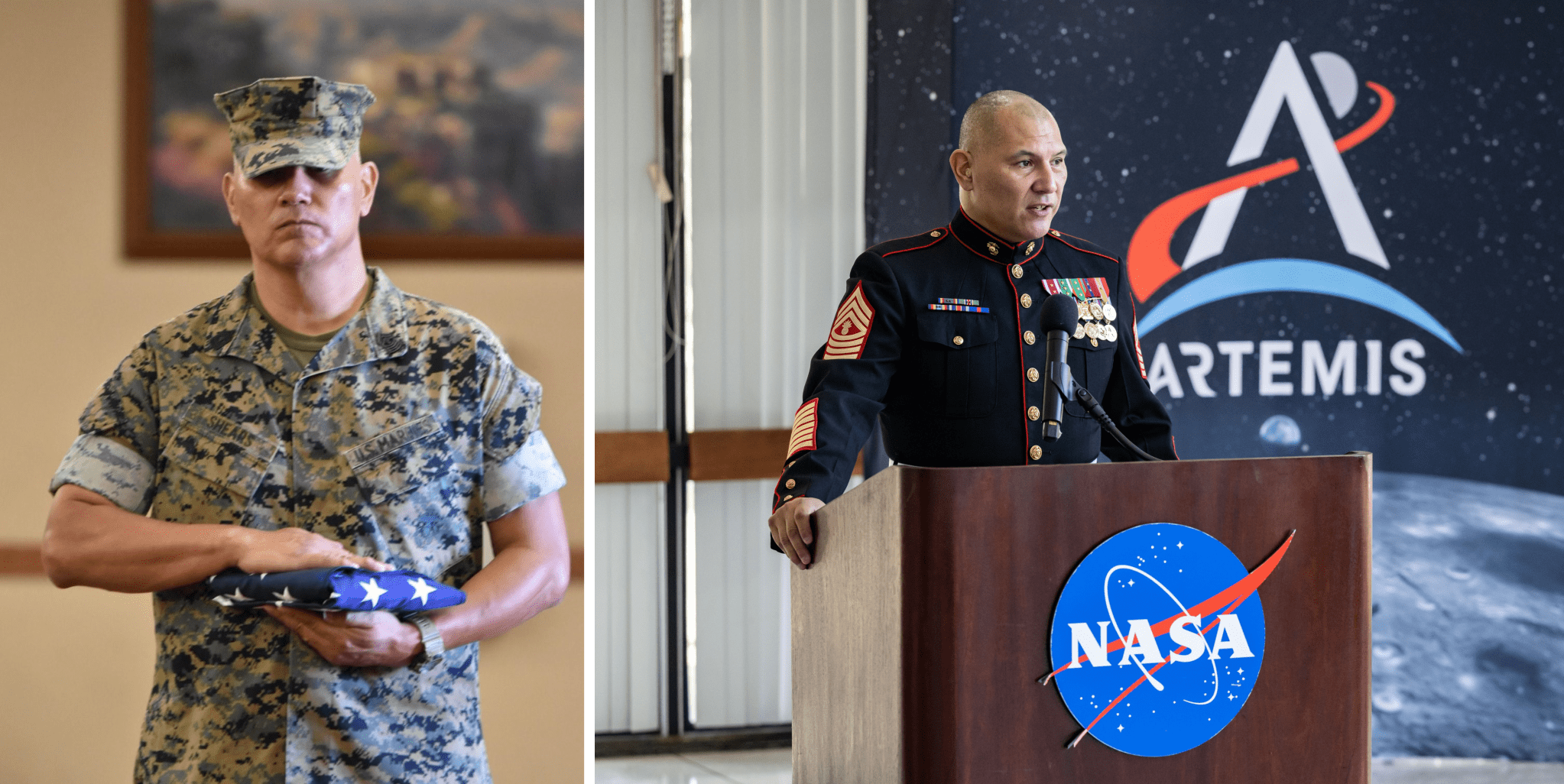
Of all the possible entry points to NASA, the agency’s SkillBridge Program has been instrumental in helping servicemembers transition from the military and into civilian careers. Offered in partnership with
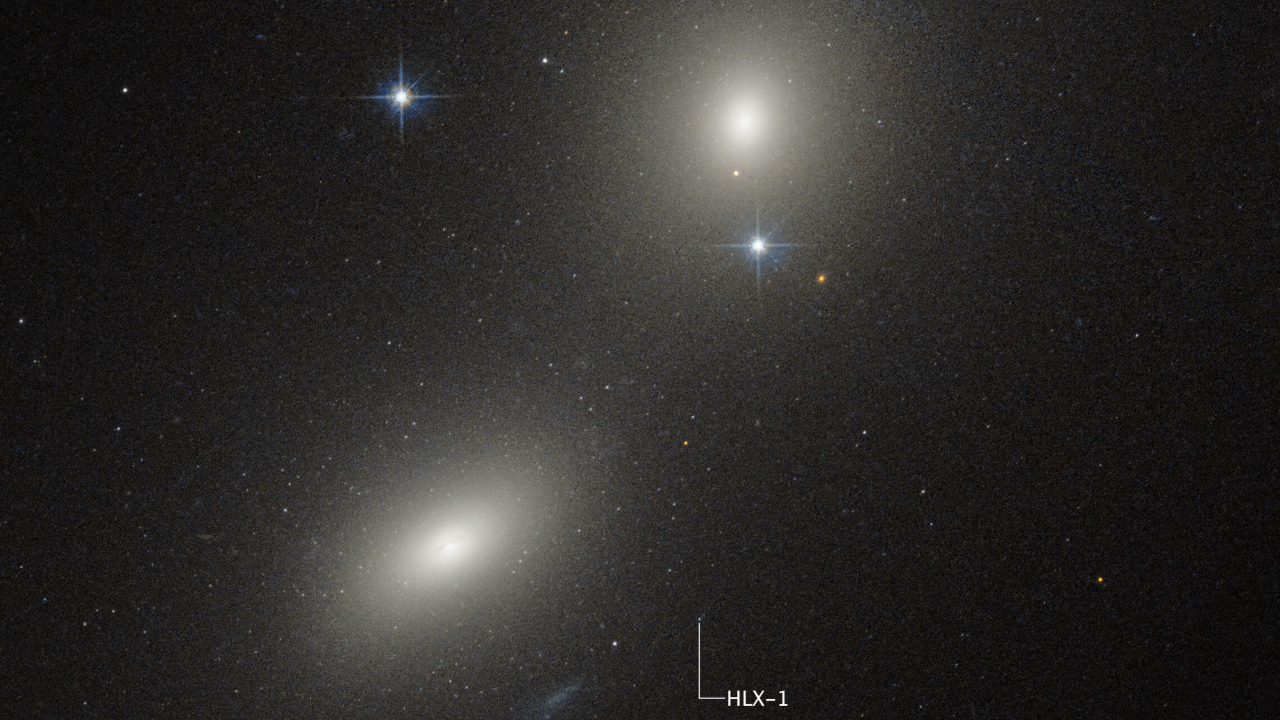
A rogue, middle-mass black hole has been spotted disrupting an orbiting star in the halo of a distant galaxy, and it’s all thanks to the observing powers of the Hubble
Science is driven by our desire to understand things. In some cases, where it requires significant effort and investment to develop systems that can understand new things, science benefits from
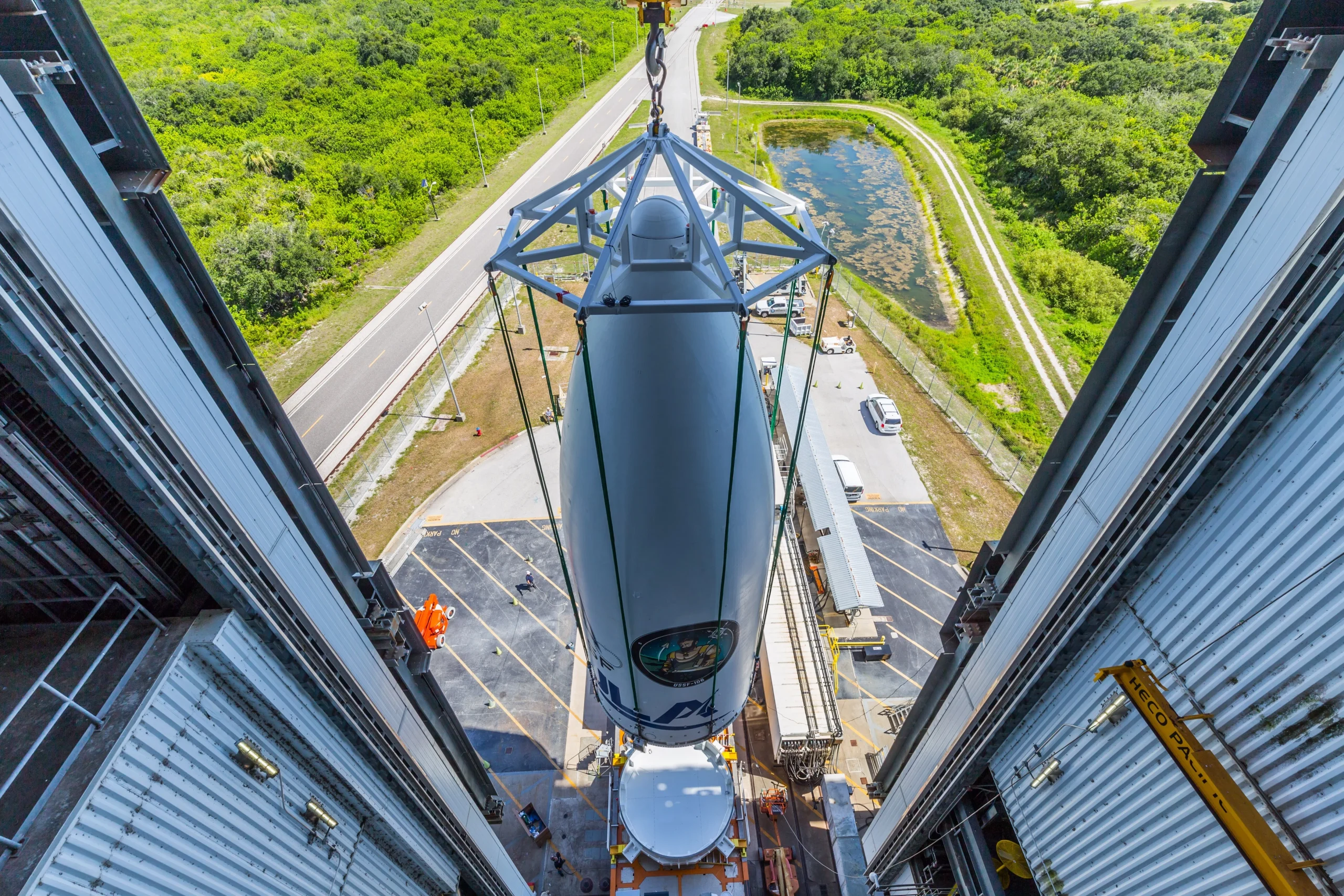
WASHINGTON — United Launch Alliance is now forecasting to launch about 10 missions in 2025, a drop of more than half compared to what the company was projecting last year.
(NewsNation) — The Harvard scientist raising concerns about incoming comet 3I/ATLAS — namely, that it could be some kind of alien probe sent to study our solar system — is
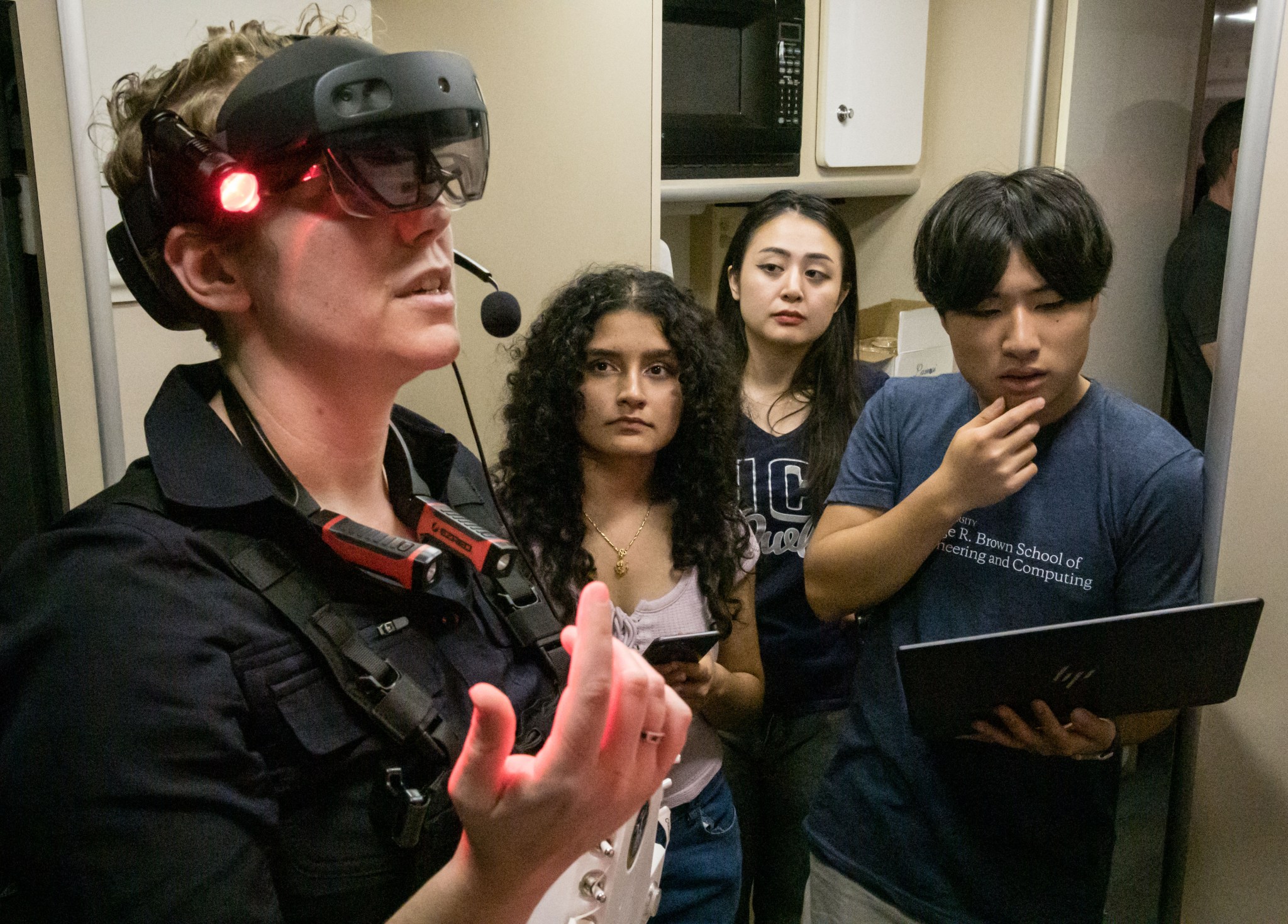
After months of work in the NASA Spacesuit User Interface Technologies for Students (SUITS) challenge, more than 100 students from 12 universities across the United States traveled to NASA’s Johnson