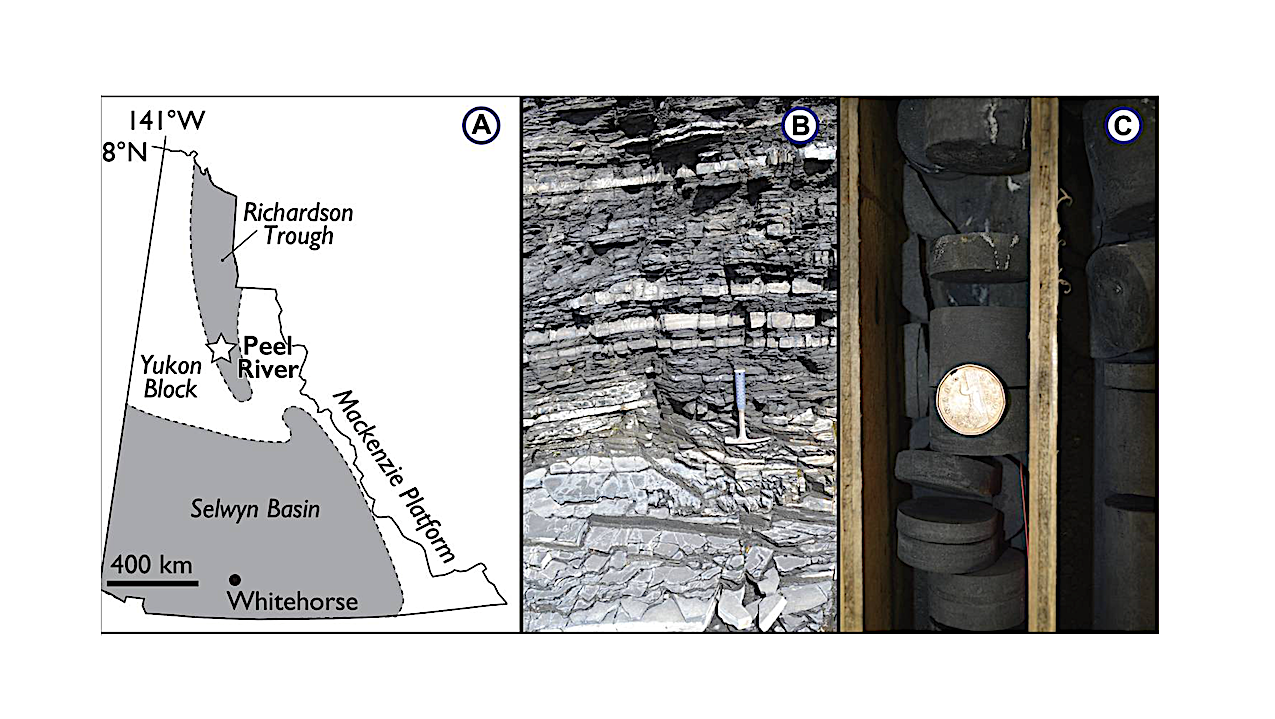
(A) Simplified paleogeography of the area surrounding the Peel River locality. (B) Basinal shales and limestones of the upper Silurian (Pridoli) Vittrekwa Formation, Road River Group, exposed on the Peel

(A) Simplified paleogeography of the area surrounding the Peel River locality. (B) Basinal shales and limestones of the upper Silurian (Pridoli) Vittrekwa Formation, Road River Group, exposed on the Peel
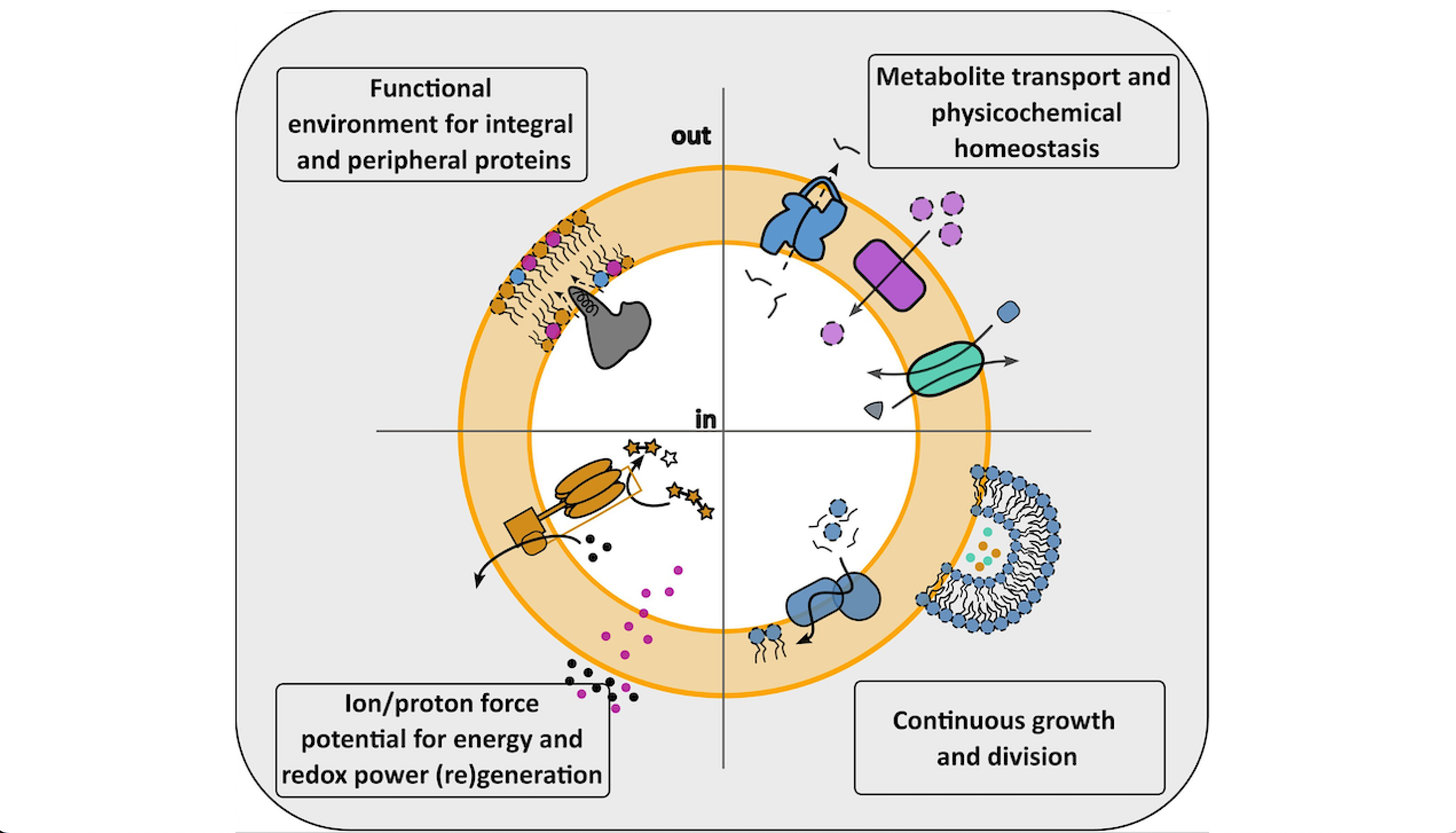
Schematic representation of key functions required for a synthetic minimal cell membrane. Integral and peripheral membrane proteins require a functional membrane environment that supports their structural integrity and enzymatic activity.
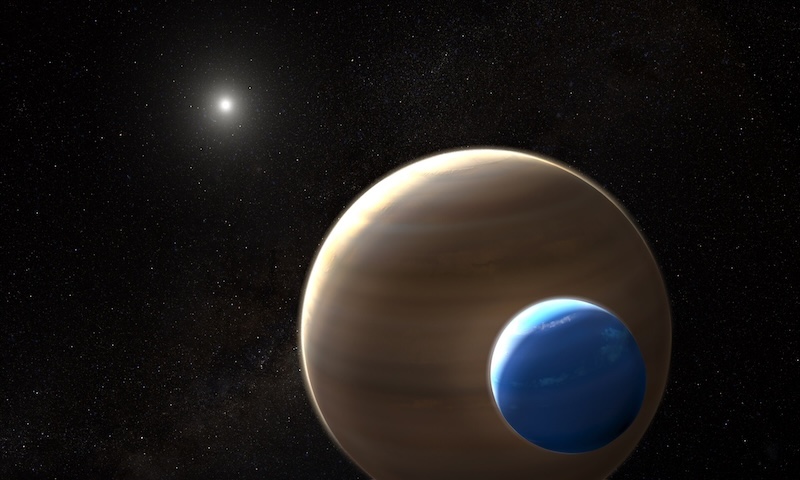
View larger. | Artist’s concept of a massive exomoon orbiting a gas giant exoplanet. A team of astronomers says it might have detected a huge exomoon orbiting the gas giant
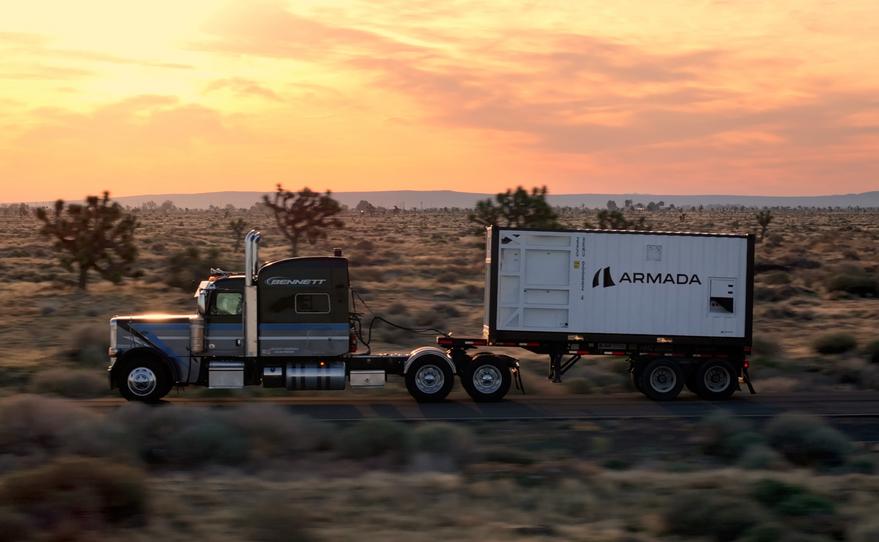
PARIS – Mobile edge computing specialist Armada and Sophia Space are working together to establish integrated, scalable compute infrastructure extending from Earth to space. By connecting terrestrial and orbital edge
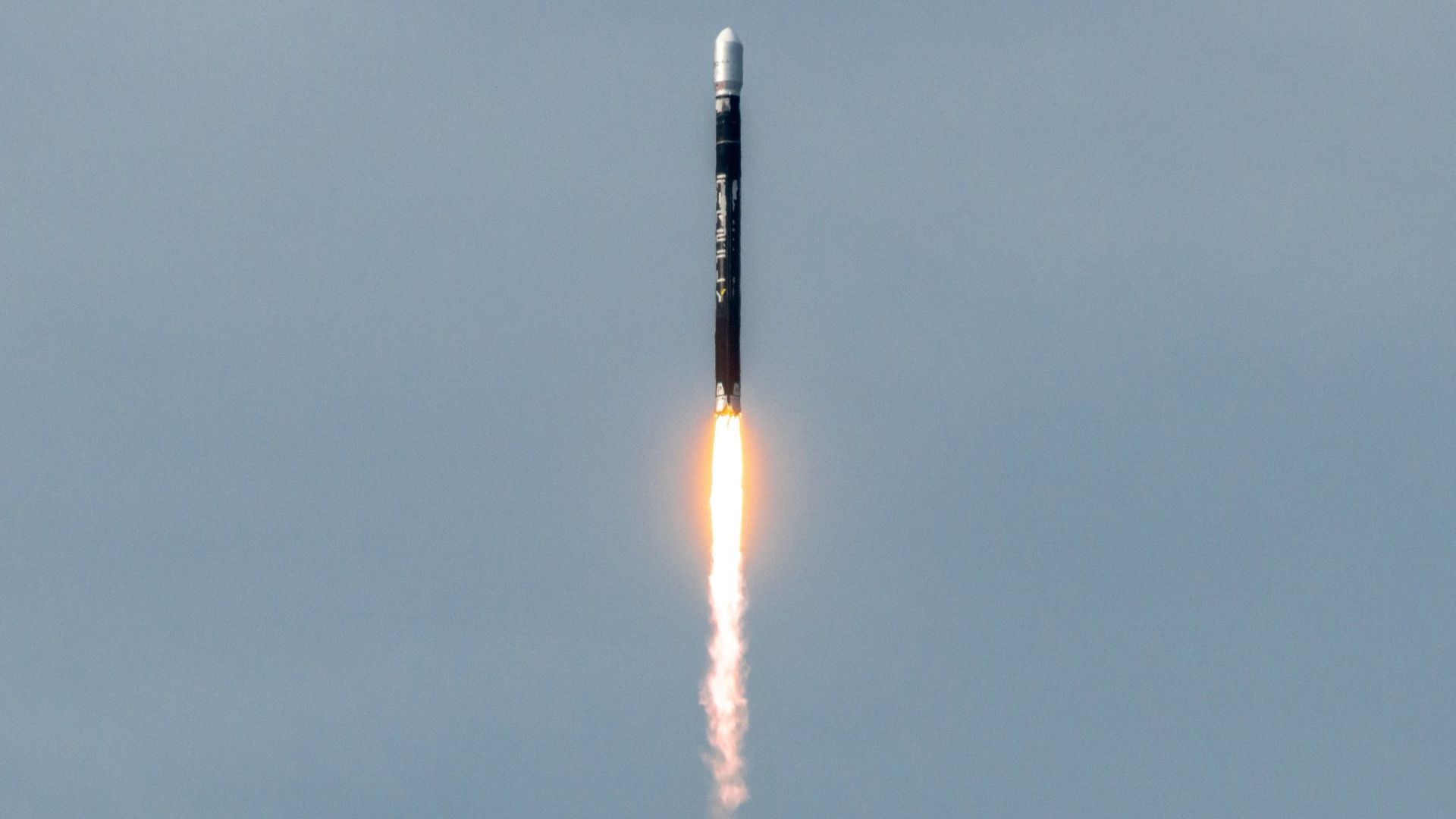
We’ll likely have to wait a while to see Firefly Aerospace’s Alpha rocket take to the skies again. The first stage of the rocket that Firefly was prepping to make
By analyzing the archival data from the Atacama Large Millimeter/submillimeter Array (ALMA), an international team of astronomers has inspected the outflow of a nearby galaxy known as NGC 1266. Results
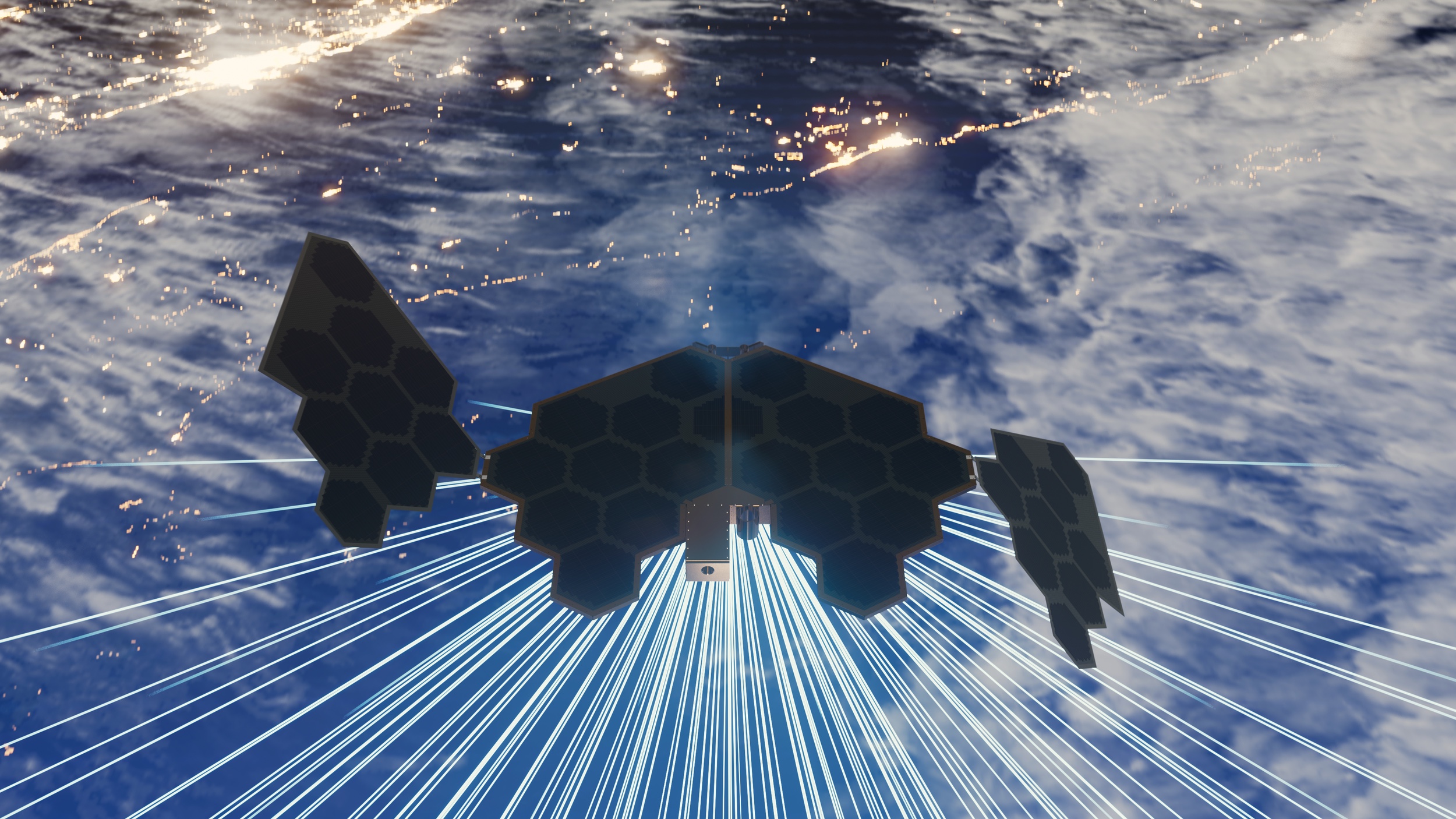
WASHINGTON — SpinLaunch announced $30 million in new funding for the company to support its development of a broadband constellation. To continue reading this article: Register now and get3 free
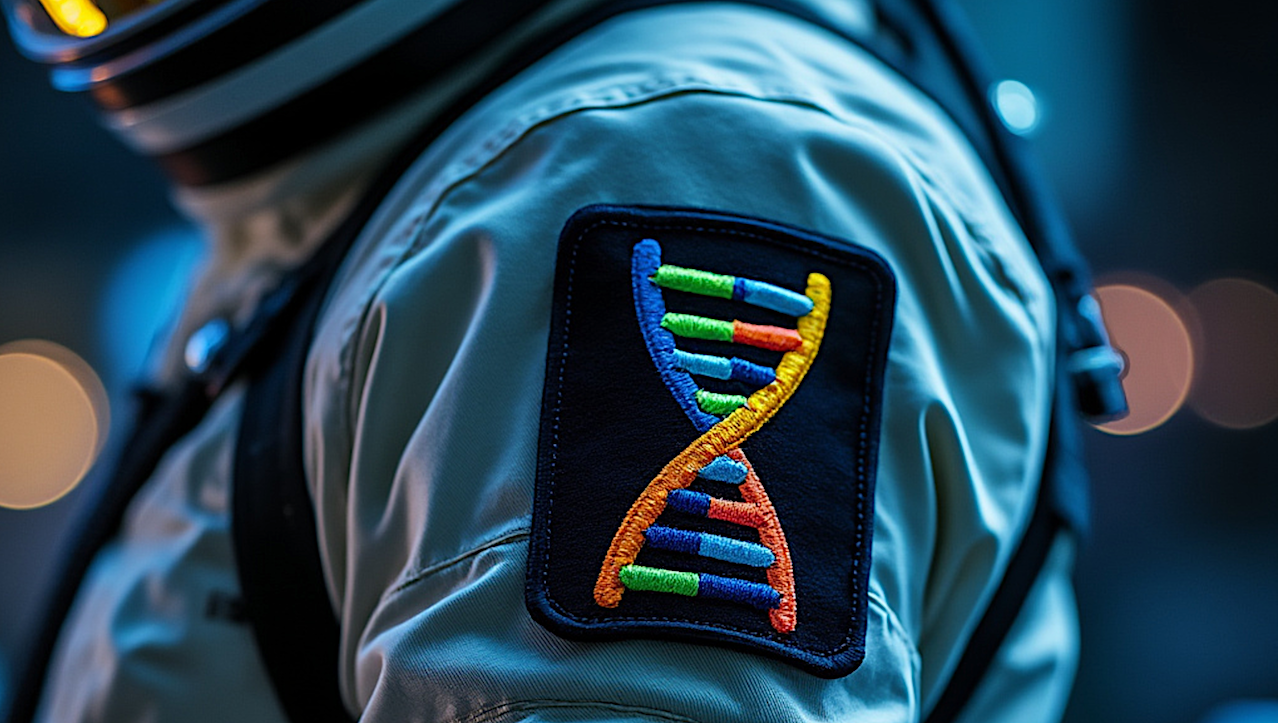
NASA-DARES 2025 — Grok via Astrobiology.com Opportunity Number: NNH25ZDA002LApplication Deadline: Monday, September 29th, 2025 11:59 PM EDT Short URL: https://go.nasa.gov/ABStrategyRFI The NASA Astrobiology Program is seeking approximately 47 individuals to
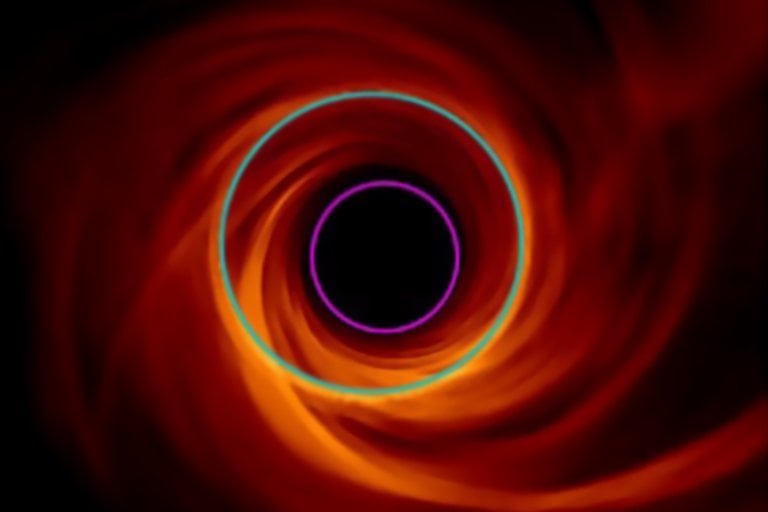
Supercomputer simulations are helping scientists sharpen their understanding of the environment beyond a black hole’s “shadow,” material just outside its event horizon.
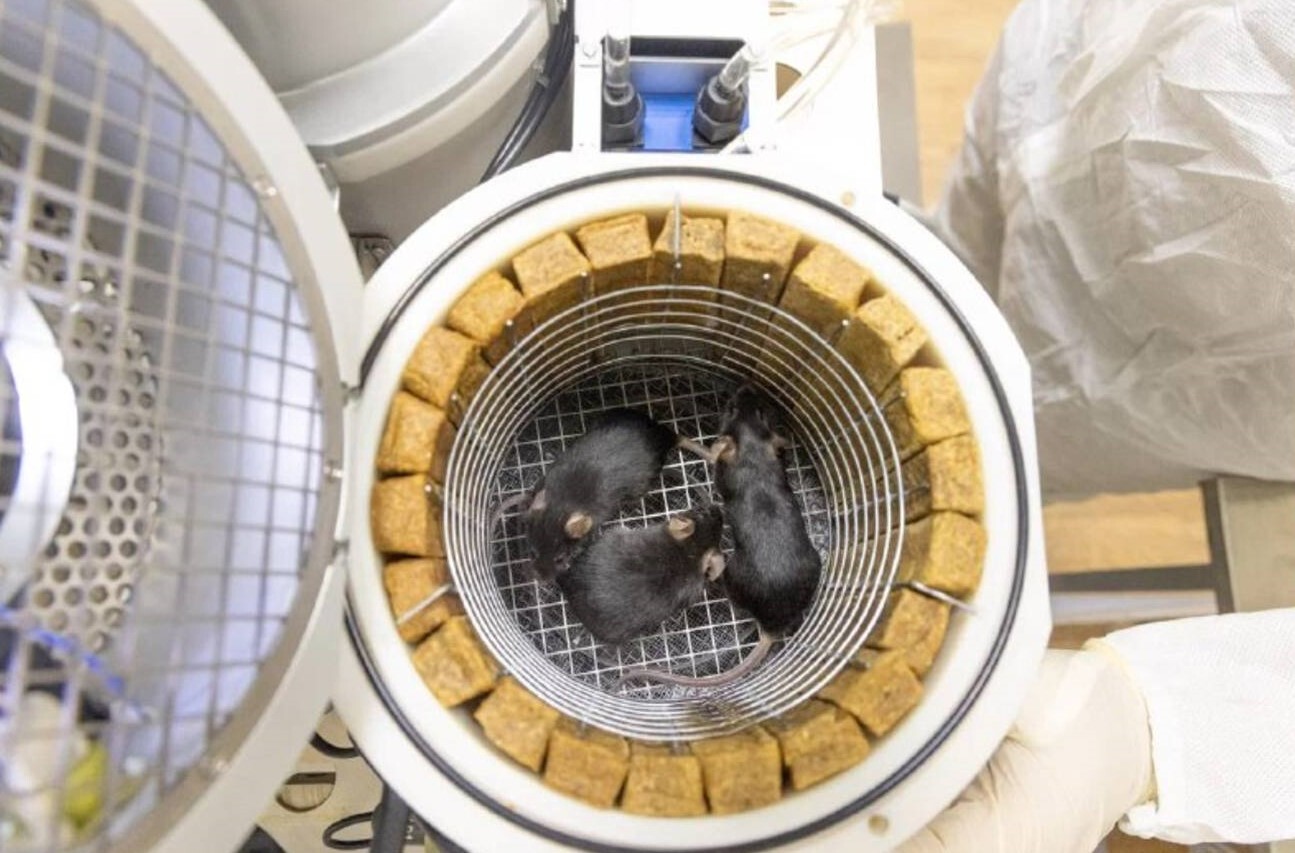
Russia just sent a mini menagerie to orbit. The Bion-M No. 2 biosatellite launched atop a Soyuz rocket from the Russia-run Baikonur Cosmodrome in Kazakhstan today (Aug. 20), rising off