Memorial Day weekend 2025 is the perfect time to secure a bargain, so if you’ve been dreaming of a new Star Projector to bring the stars inside, then now is

Memorial Day weekend 2025 is the perfect time to secure a bargain, so if you’ve been dreaming of a new Star Projector to bring the stars inside, then now is

Astrophysicist and Nobel Prize Laureate Didier Queloz answers the who, what, where, when and why of exoplanets in this 3-part series. Embed code <iframe width=”649″ height=”360″ src=”https://www.youtube.com/embed/d4Wr1Hhno4g?rel=0″ frameborder=”0″ allow=”encrypted-media” allowfullscreen></iframe>
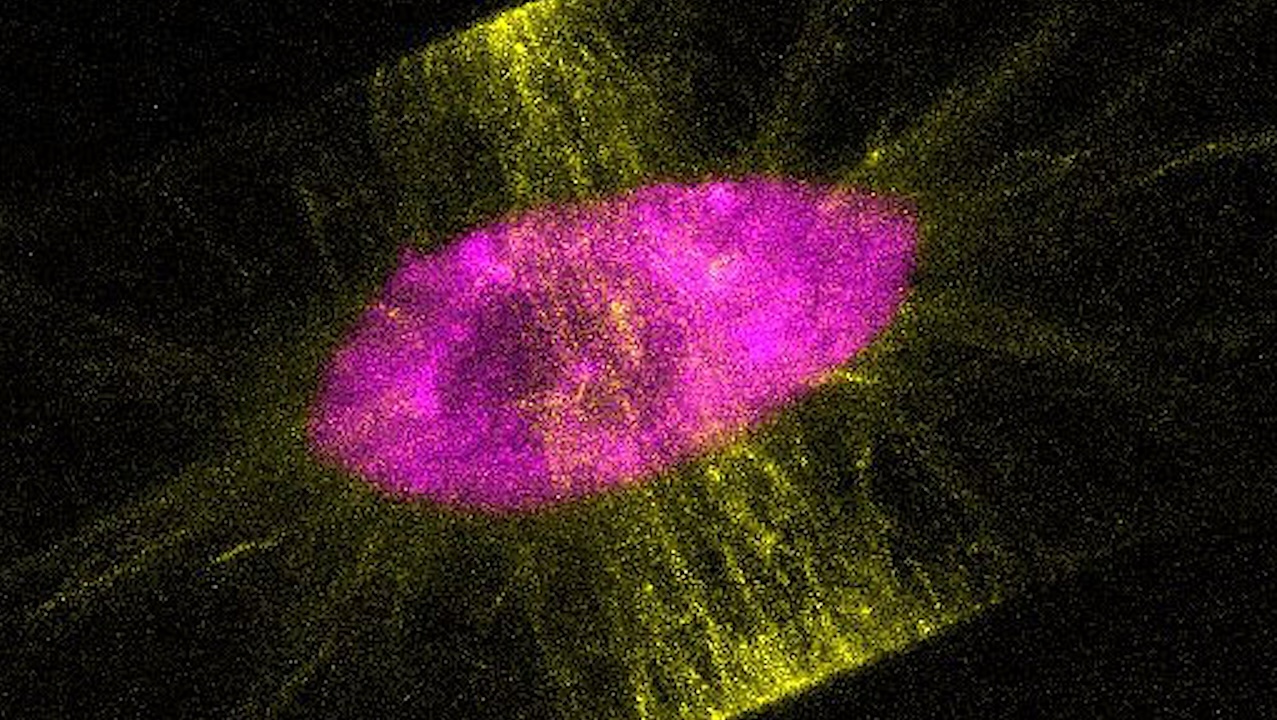
Taken on 28 May 2025, this image of the preparative zone of cultured tobacco cells with visualized microtubules (yellow: microtubules , magenta: nuclei). For the Effects of the Space
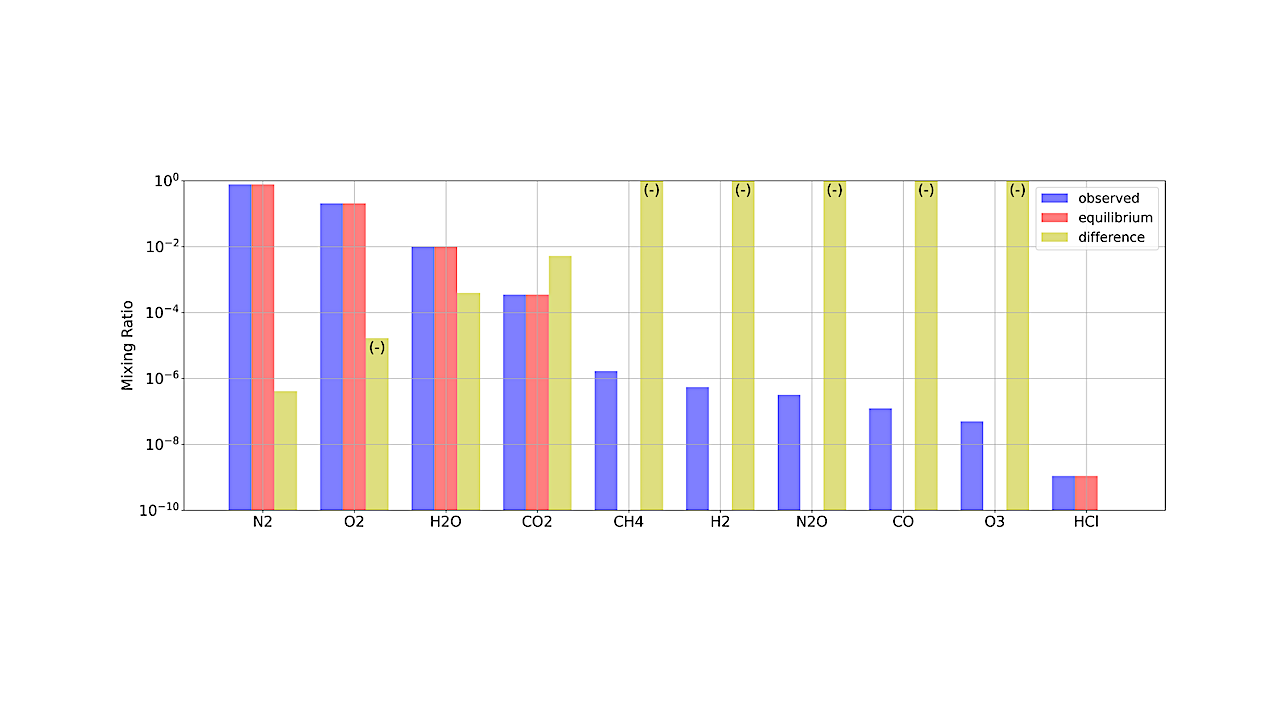
A modern Earth thermodynamic calculation using the Gibbs free energy thermodynamics model. Each species included in the calculation is listed along the bottom with their respective mixing ratios on the

Expedition 71 Flight Engineer and NASA astronaut Jeanette Epps poses for a portrait inside the seven-window cupola, the International Space Station’s “window to the world,” while orbiting 259 miles above
3 min read Preparations for Next Moonwalk Simulations Underway (and Underwater) When most people think of NASA, they picture rockets, astronauts, and the Moon. But behind the scenes, a group
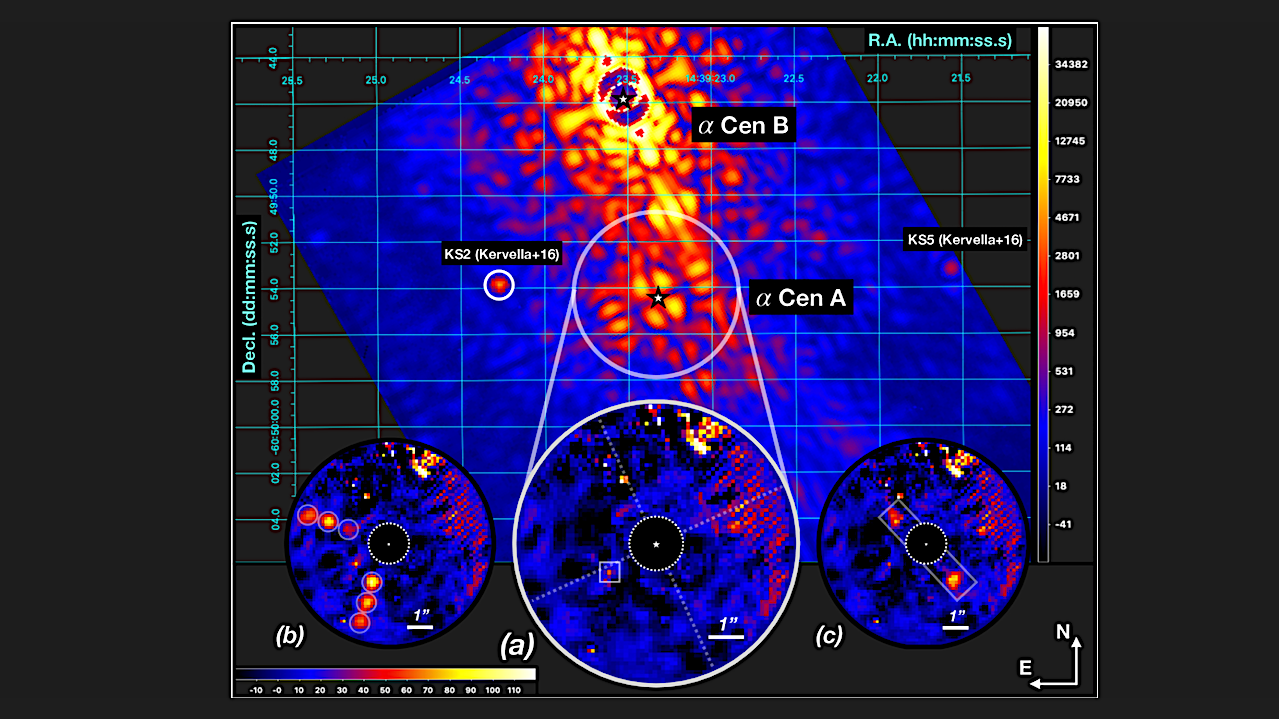
F1550C image of α Cen AB. α Cen B is saturated near the top and α Cen A is behind the F1550C mask near the center. Two known background stars are labeled (KS2 inset, detected after PSF subtraction;
The 2025 Humans to the Moon & Mars Summit – Day 1 – YouTube Watch On Space leaders from around the world will touch down in the nation’s capital this
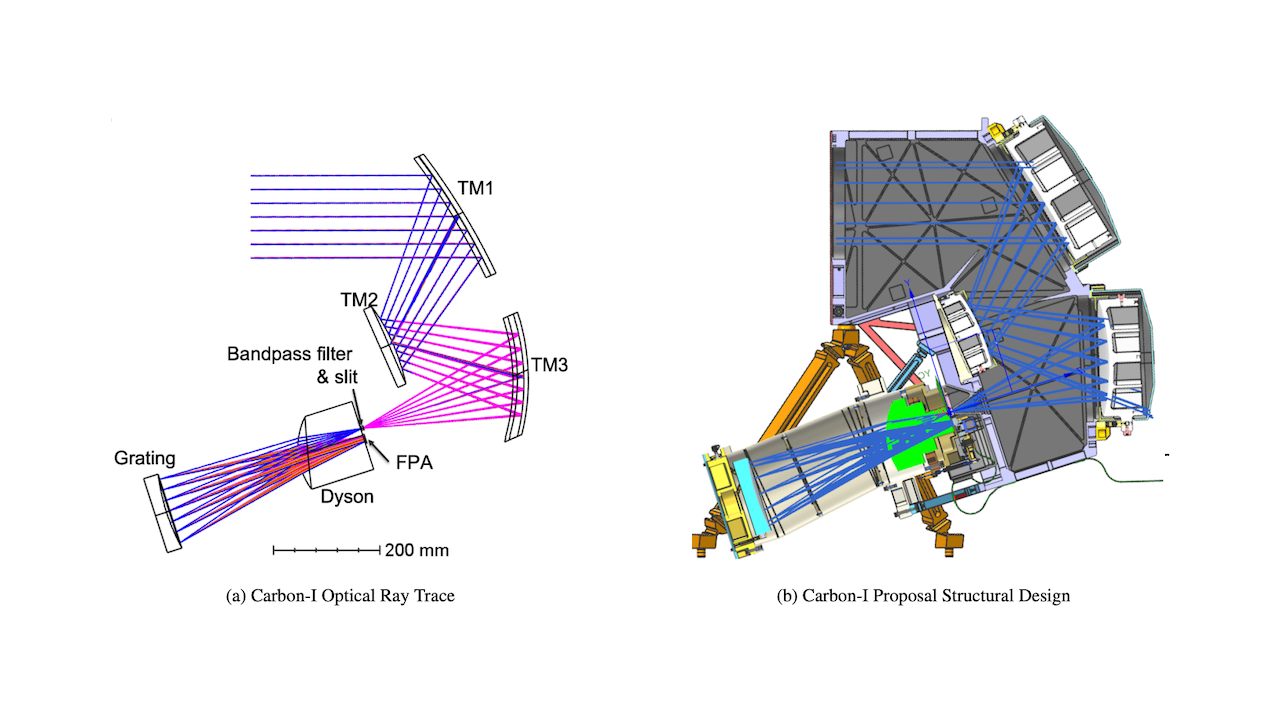
Carbon-I (a) optical ray trace and (b) the proposed structural design. — physics.optics The proposed Carbon Investigation (Carbon-I) Imaging Spectrometer is designed to measure variations of greenhouse gases in Earth’s
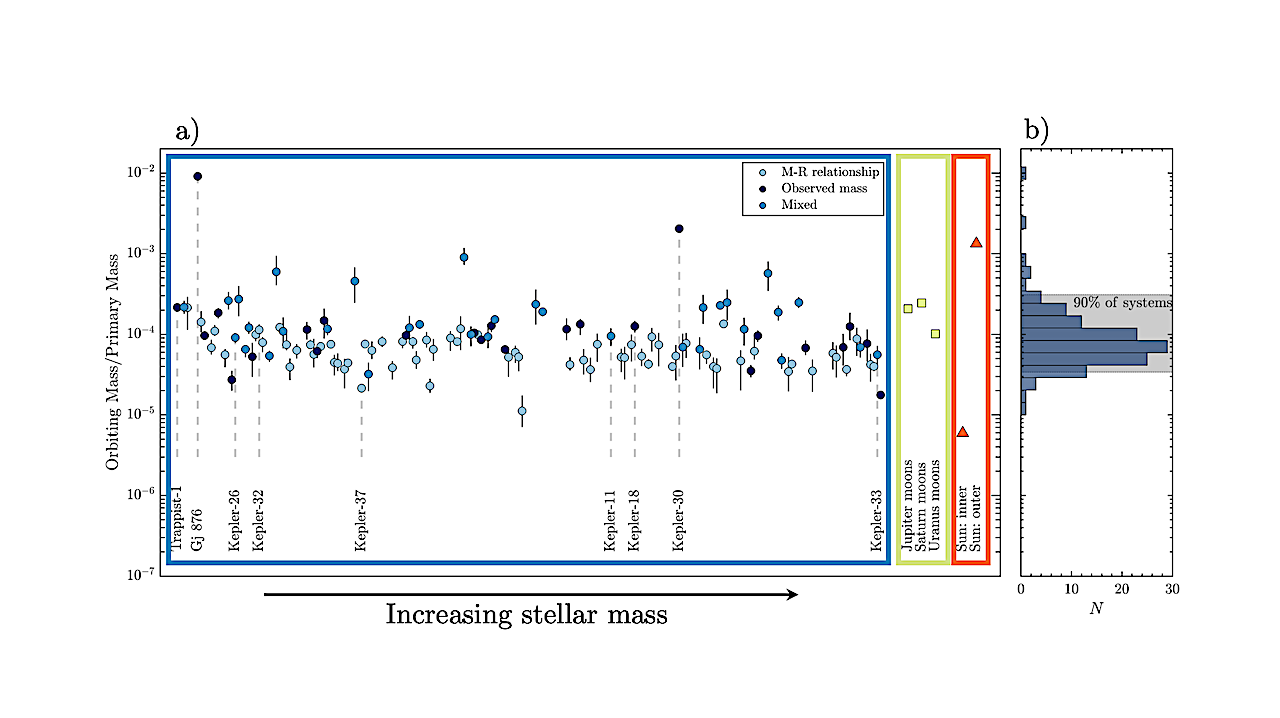
Estimated total mass of transiting compact systems, Mtot, scaled to the stellar mass, M∗. a, (Mtot/M∗) for compact systems having ≥ 3 known planets that orbit a single star within