Exoplanets with and without a magnetic field are predicted to form, behave, and evolve very differently. In order to understand the exoplanet population, and to make progress understanding habitability, astronomers

Exoplanets with and without a magnetic field are predicted to form, behave, and evolve very differently. In order to understand the exoplanet population, and to make progress understanding habitability, astronomers
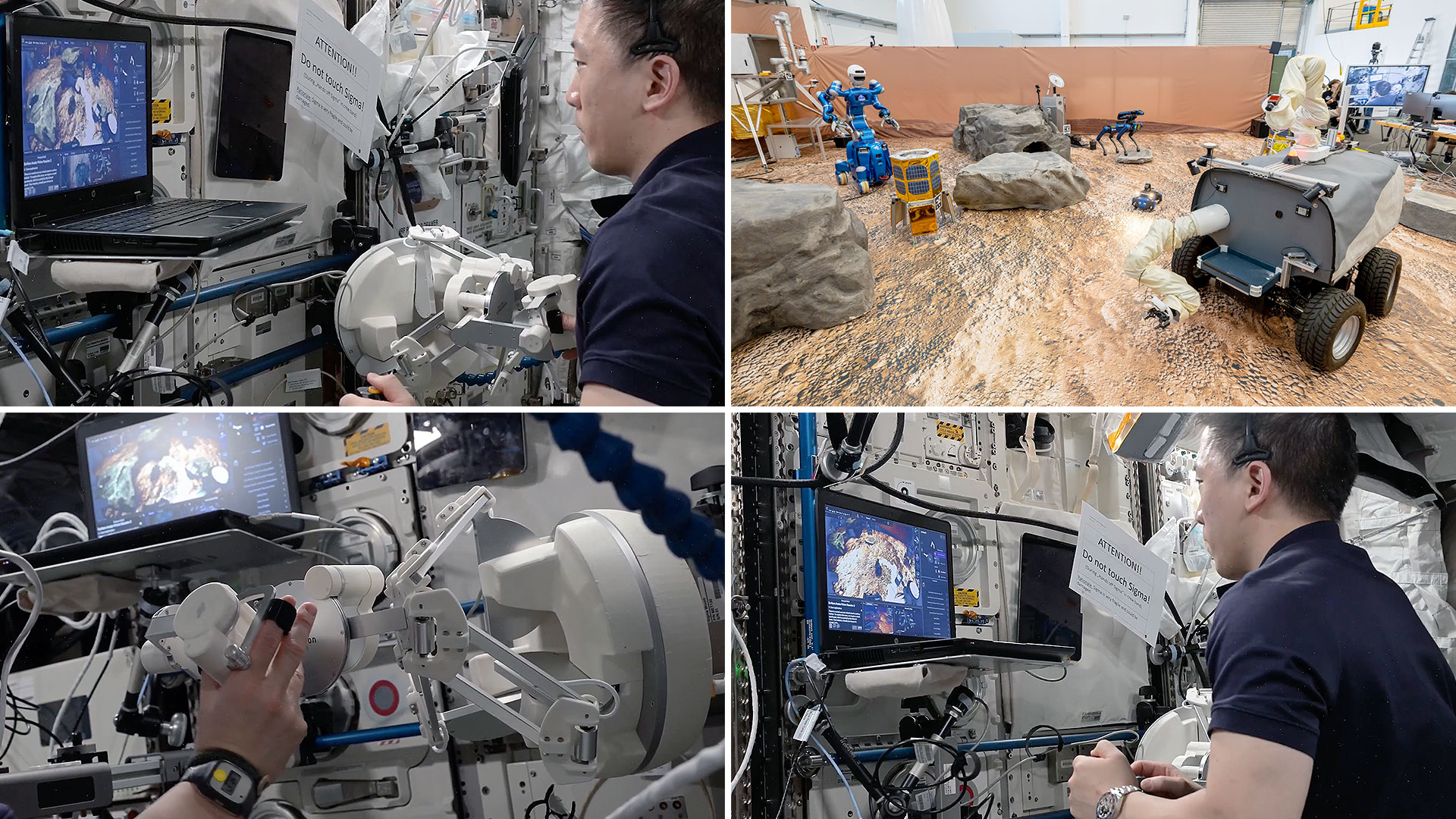
The seven astronauts and cosmonauts that comprise the second half of the International Space Station‘s Expedition 73 crew focused this week on a new shipment of supplies and conducting the
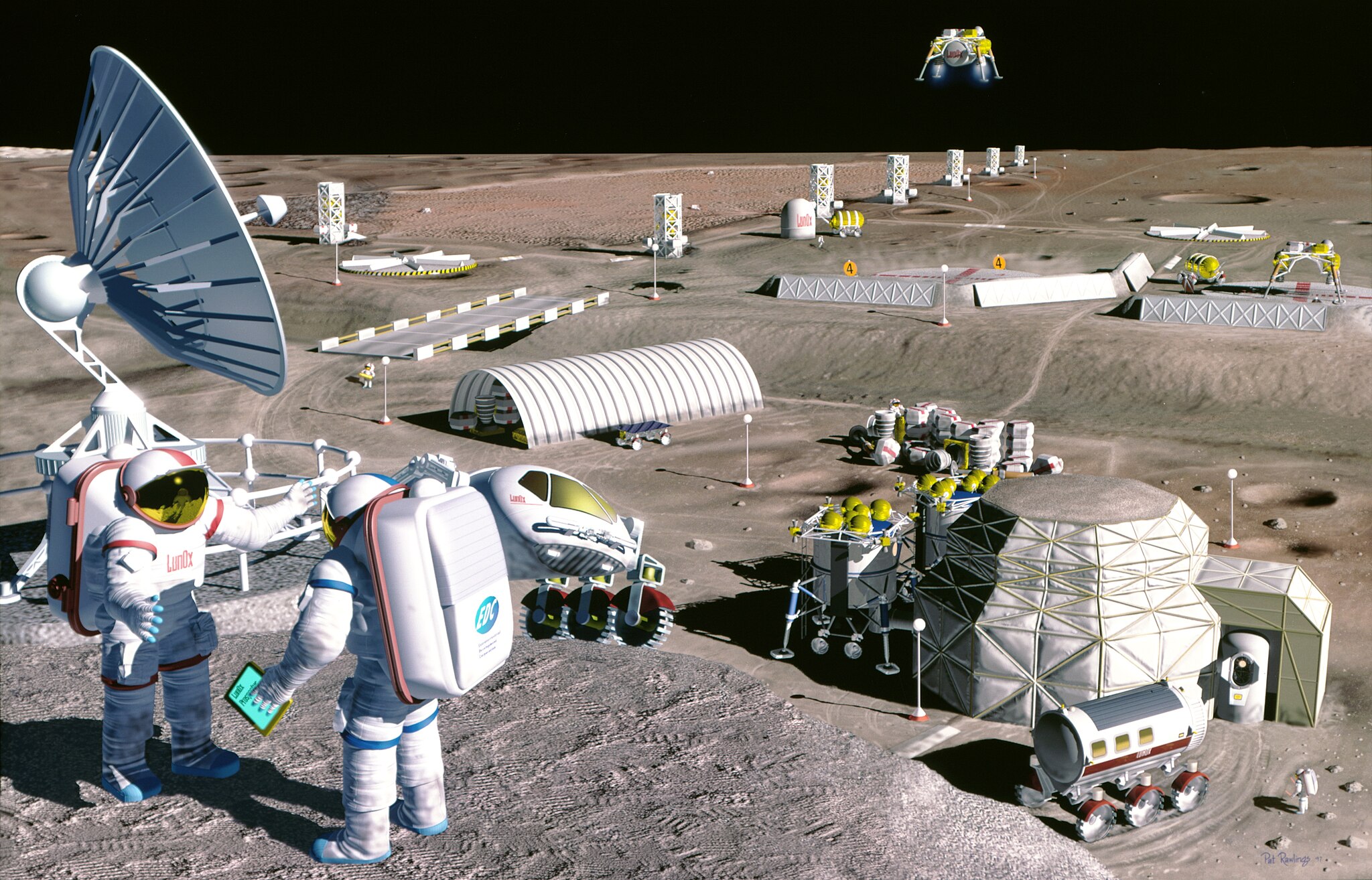
This article was originally published at The Conversation. The publication contributed the article to Space.com’s Expert Voices: Op-Ed & Insights. The first space race was about flags and footprints. Now,

NATIONAL HARBOR, Md. — Even with dozens or hundreds of sensor satellites in orbit to spot incoming weapons, U.S. military leaders say defending against the most advanced missile threats will
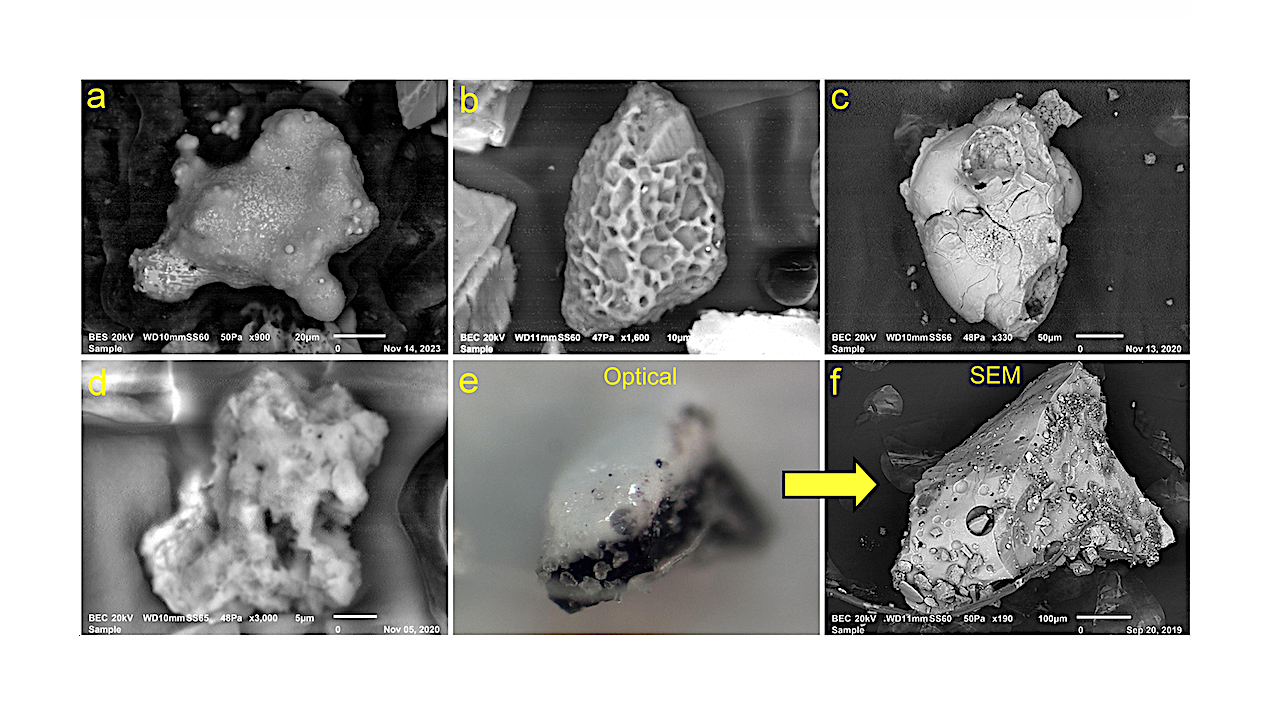
Examples of meltglass from Baffin Bay cores: (a) Agglutinated cluster of aluminosilicate and Fe-rich microspherules (Core 64_312–318 cm); (b) Partially melted quartz grain (Core 52_574-579 cm); (c) Fe and Cr-rich aluminosilicate meltglass
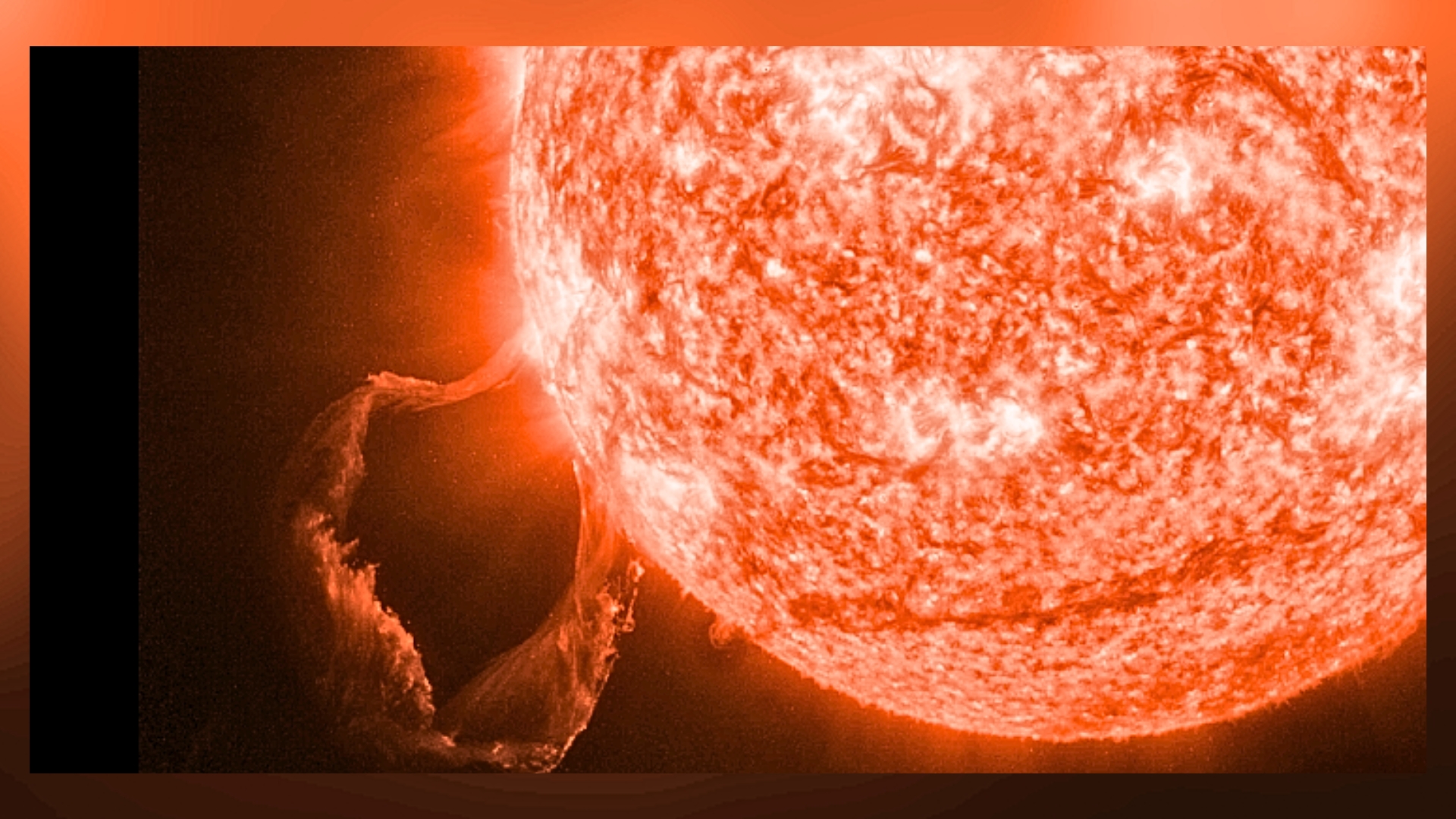
The sun unleashed two spectacular prominence eruptions on Aug. 20 — and they may be among the most jaw-dropping events of the entire solar cycle. First came a colossal eruption
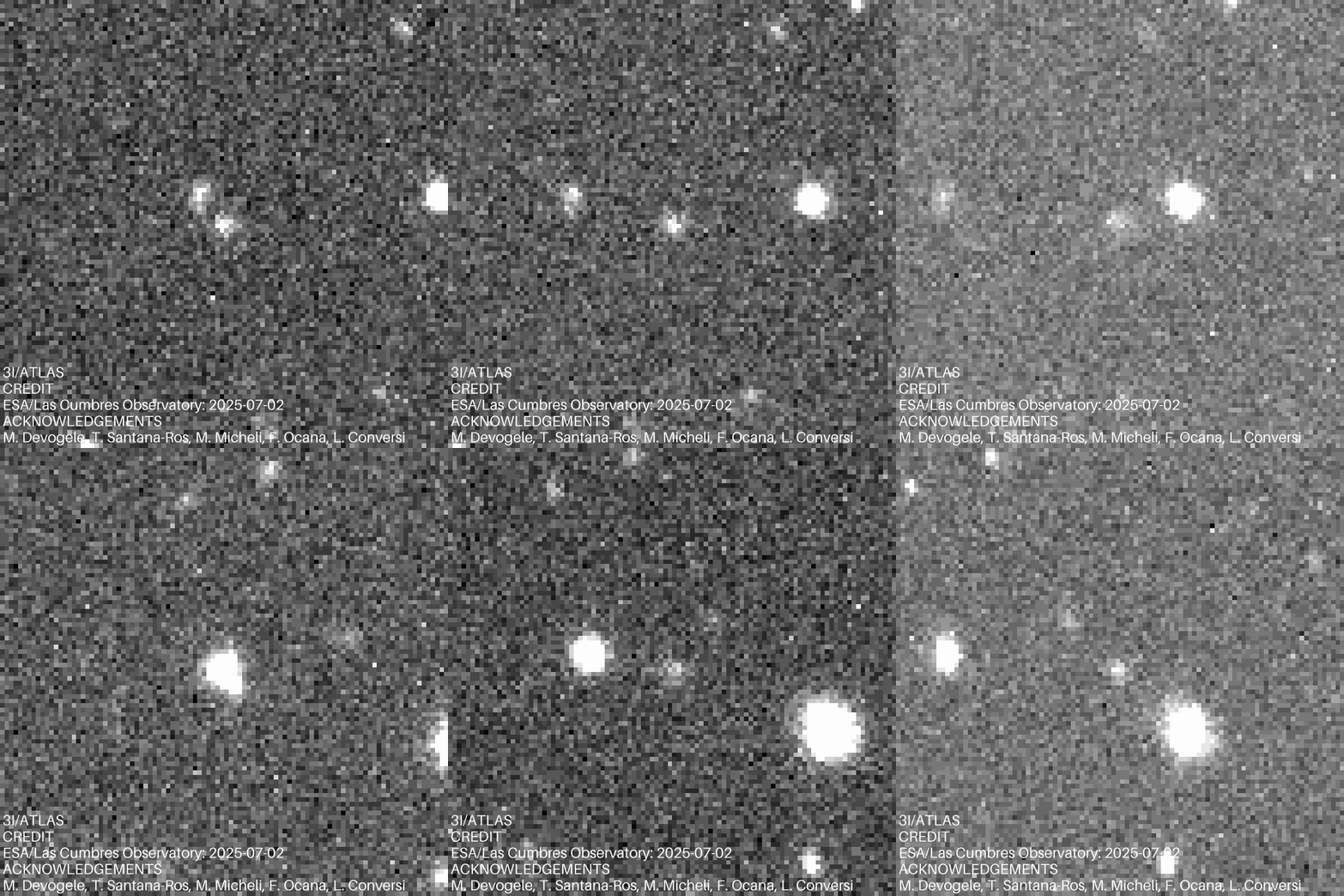
The James Webb Space Telescope (JWST) has observed the interstellar visitor 3I/ATLAS for the first time. The powerful space telescope trained its infrared vision and its Near-Infrared Spectrograph instrument (NIRspec)
A new study by Manuel Barrientos and colleagues from the University of Oklahoma reveals that between 0.6% and 2.5% of white dwarfs in our solar neighborhood undergo dramatic cooling delays

In this week’s episode of Space Minds, host David Aireosto speaks with Steve Kitay— former Deputy Assistant Secretary of Defense for Space Policy, former head of Microsoft’s space
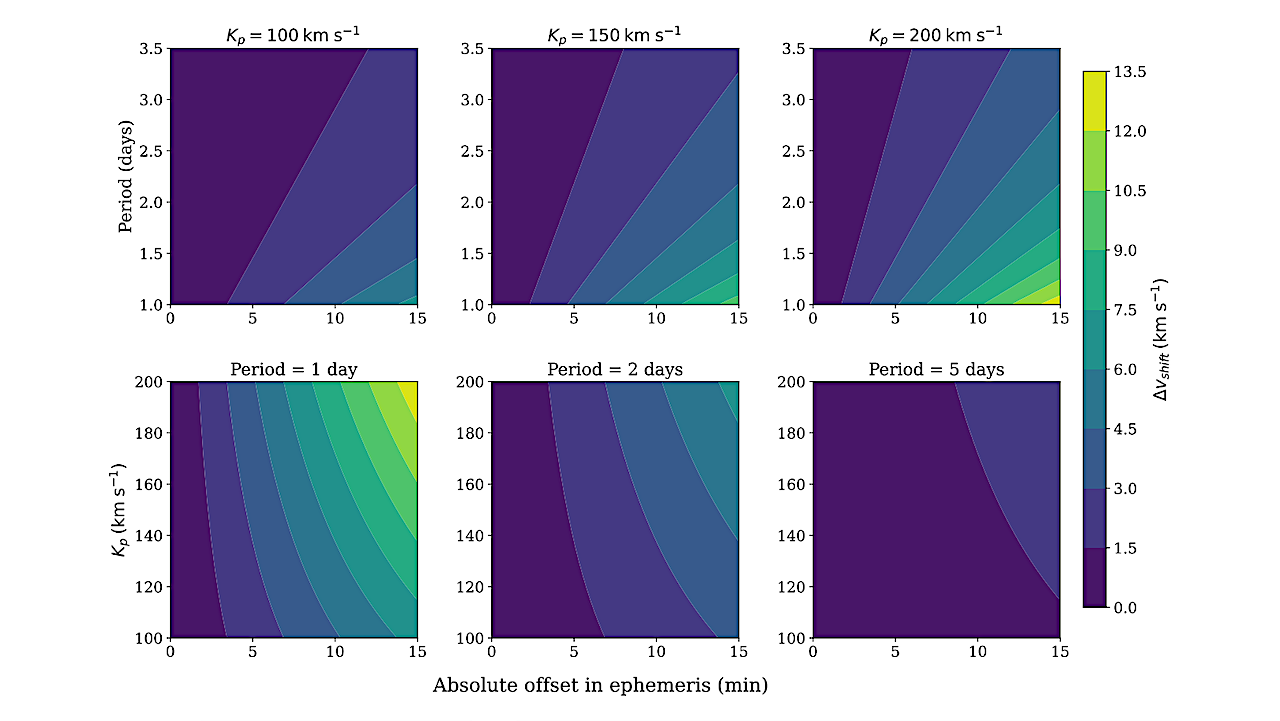
Contour plots to approximate vshift for different offsets in ephemeris. The top three panels of the figure use fixed Kp values of 100 km s−1 , 150 km s−1 ,