Life as we know it may require lightning, as it’s one of the few energy sources a planet has available to create complex chemical compounds. Now, new research has found

Life as we know it may require lightning, as it’s one of the few energy sources a planet has available to create complex chemical compounds. Now, new research has found

Marvel maniacs are going to have to muster more patience to watch “Avengers: Doomsday” and “Avengers: Secret Wars” as Disney and Marvel Studios has announced that those two titanic superhero
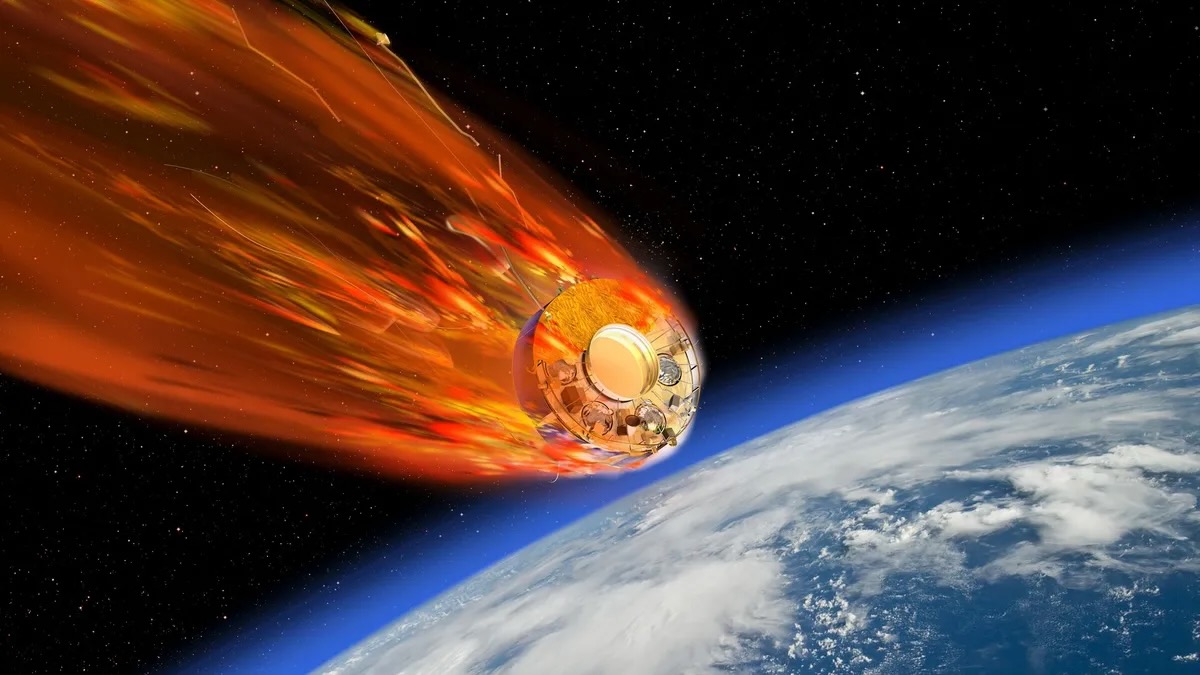
The world at large is working to stop the fast-progressing degradation of Earth’s environment. In the space sector, however, one-use-only products still reign supreme. The advent of megaconstellations has, in
Jupiter will soon end its brilliant year-long showing on consecutive evenings with a rendezvous with an exceedingly thin and very young crescent moon. Indeed, for the first opportunity on Tuesday,
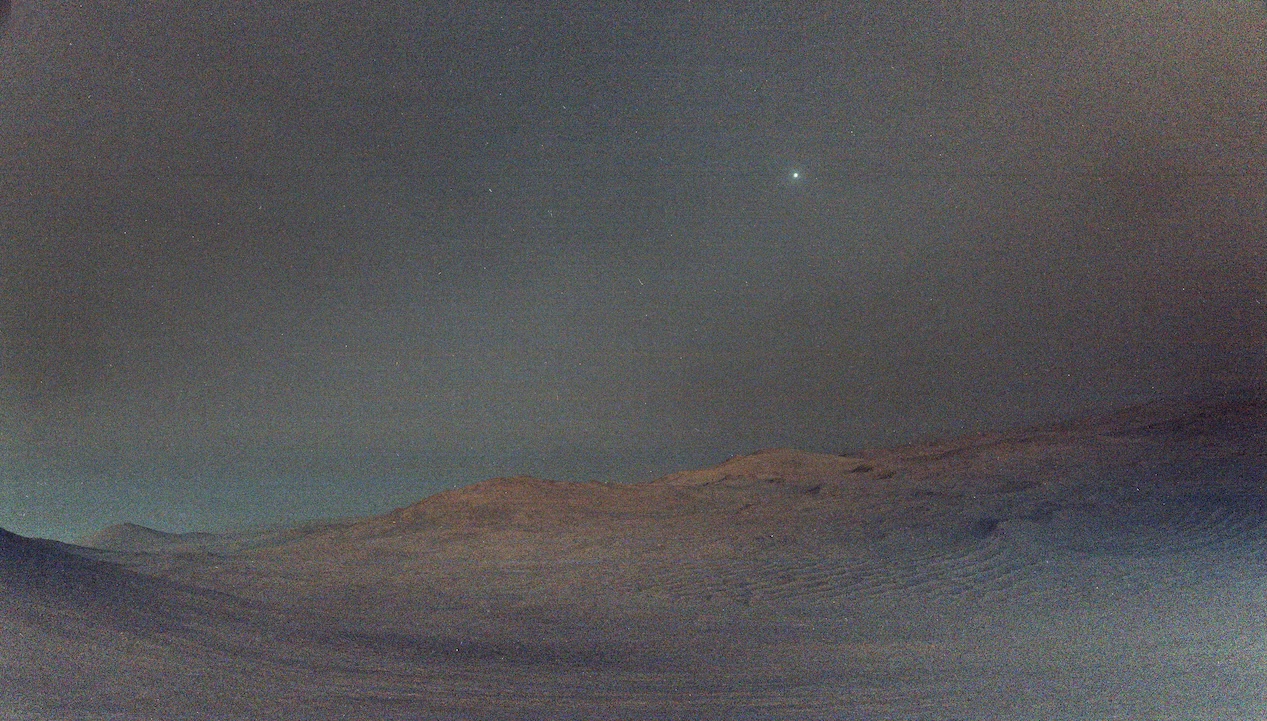
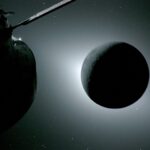
NASA’s Perseverance rover captured this view of Deimos, the smaller of Mars’ two moons, shining in the sky at 4:27 a.m. local time on March 1, 2025, the 1,433rd Martian
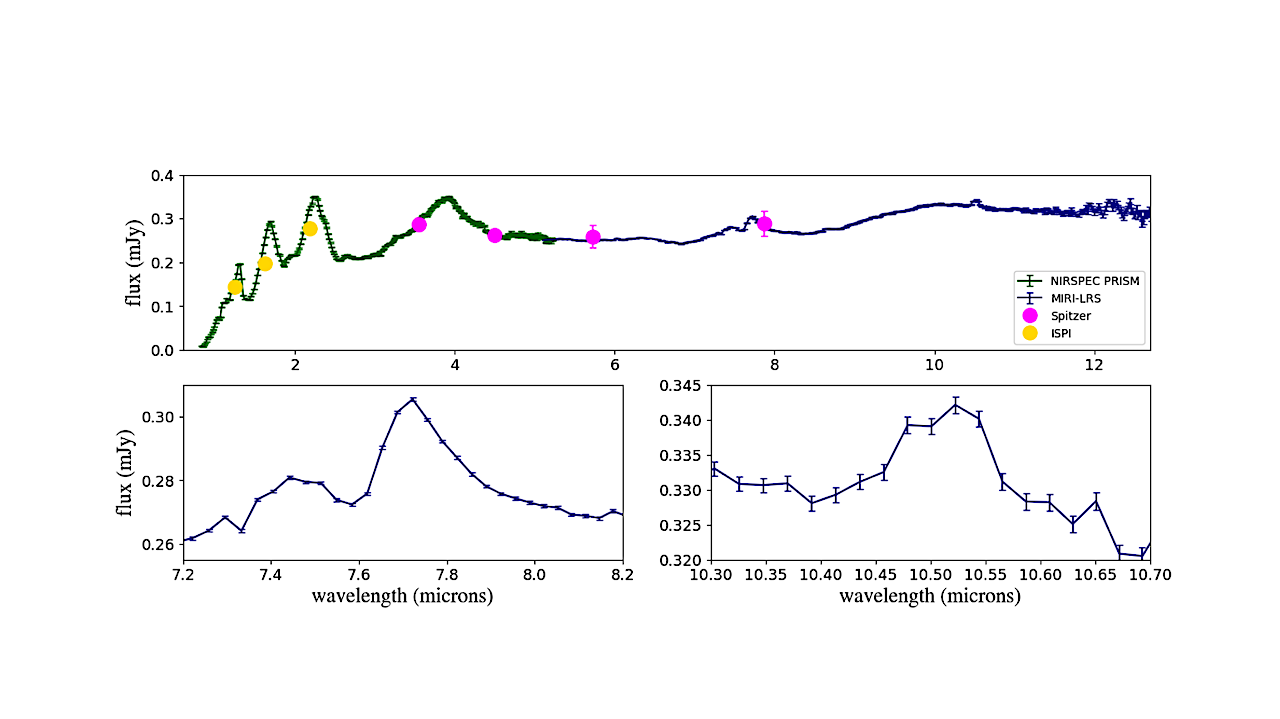
(top) The JWST spectrum of Cha 1107-7626 taken with NIRSpec-PRISM (green) and MIRI-LRS (blue). Overplotted are the ISPI and Spitzer photometric points from Luhman et al. (2008). (bottom) The spectral
NASA 2025 Virtual Space Biosciences Training Call for Applications Number: NNH25ZDA011LResponse Due Date: July 9, 2025 Short URL: https://go.nasa.gov/ApplySTAR25 NASA invites applications for the 6th cohort of the Spaceflight Technology,
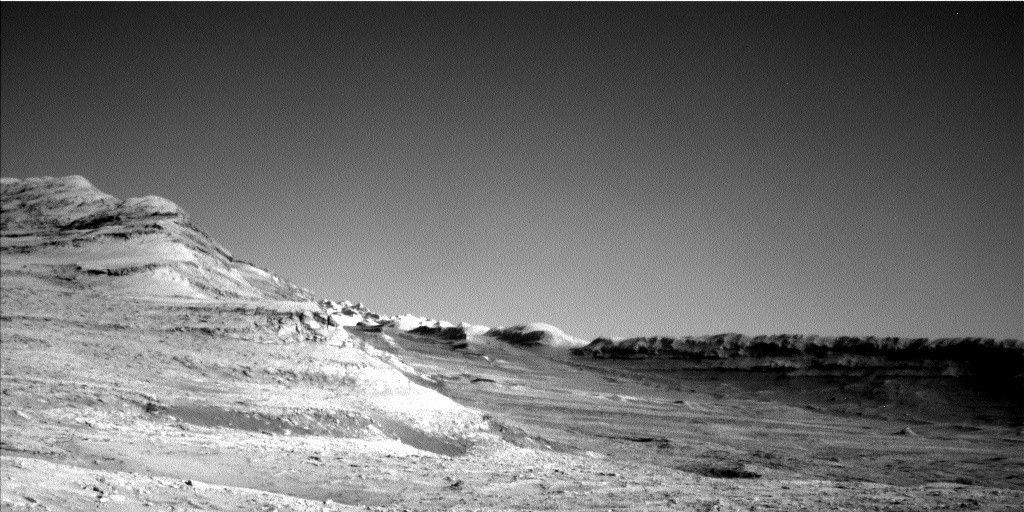
Curiosity Navigation Curiosity Home Mission Overview Where is Curiosity? Mission Updates Science Overview Instruments Highlights Exploration Goals News and Features Multimedia Curiosity Raw Images Images Videos Audio Mosaics More Resources
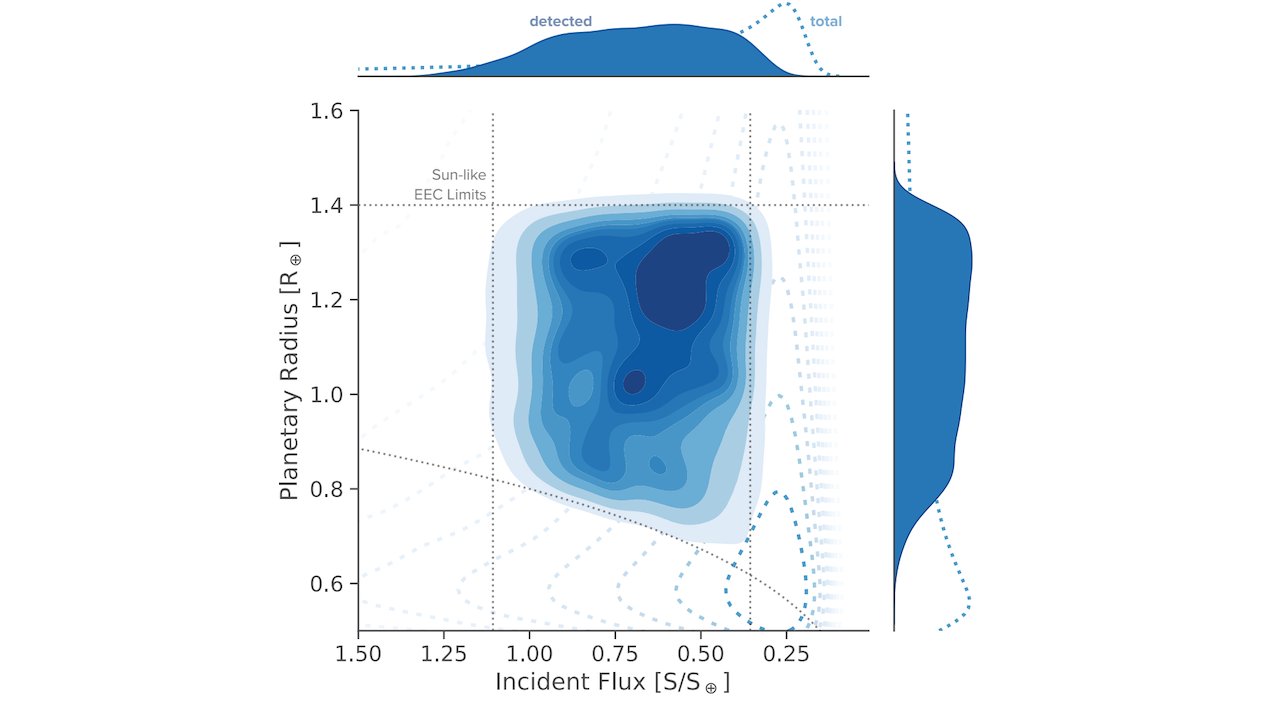
Distribution of simulated EEC yield (solid contours) and underlying planet population (dotted contours) around FGK-type stars within 20 pc. We show the planetary radius over incident flux distribution, where the
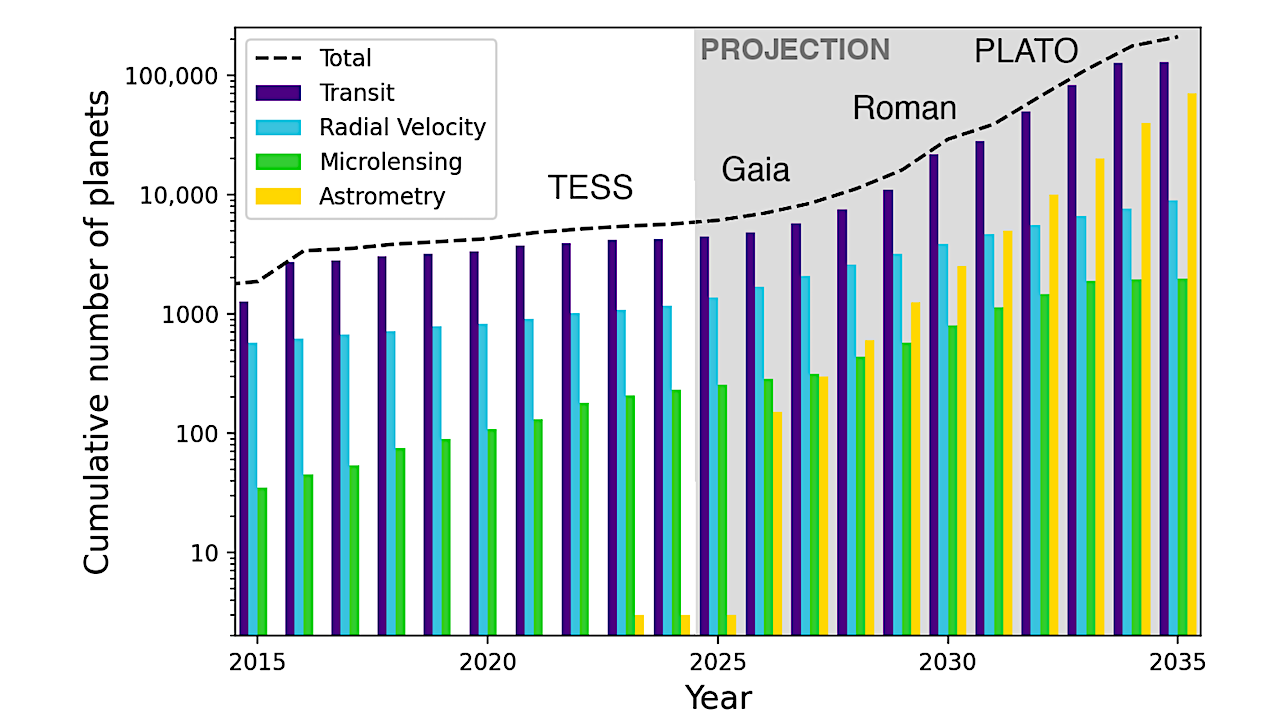
The number of planets has been growing exponentially for decades. Here we show the decade leading up to 2025, and a projection of the expected yield of exoplanets for the