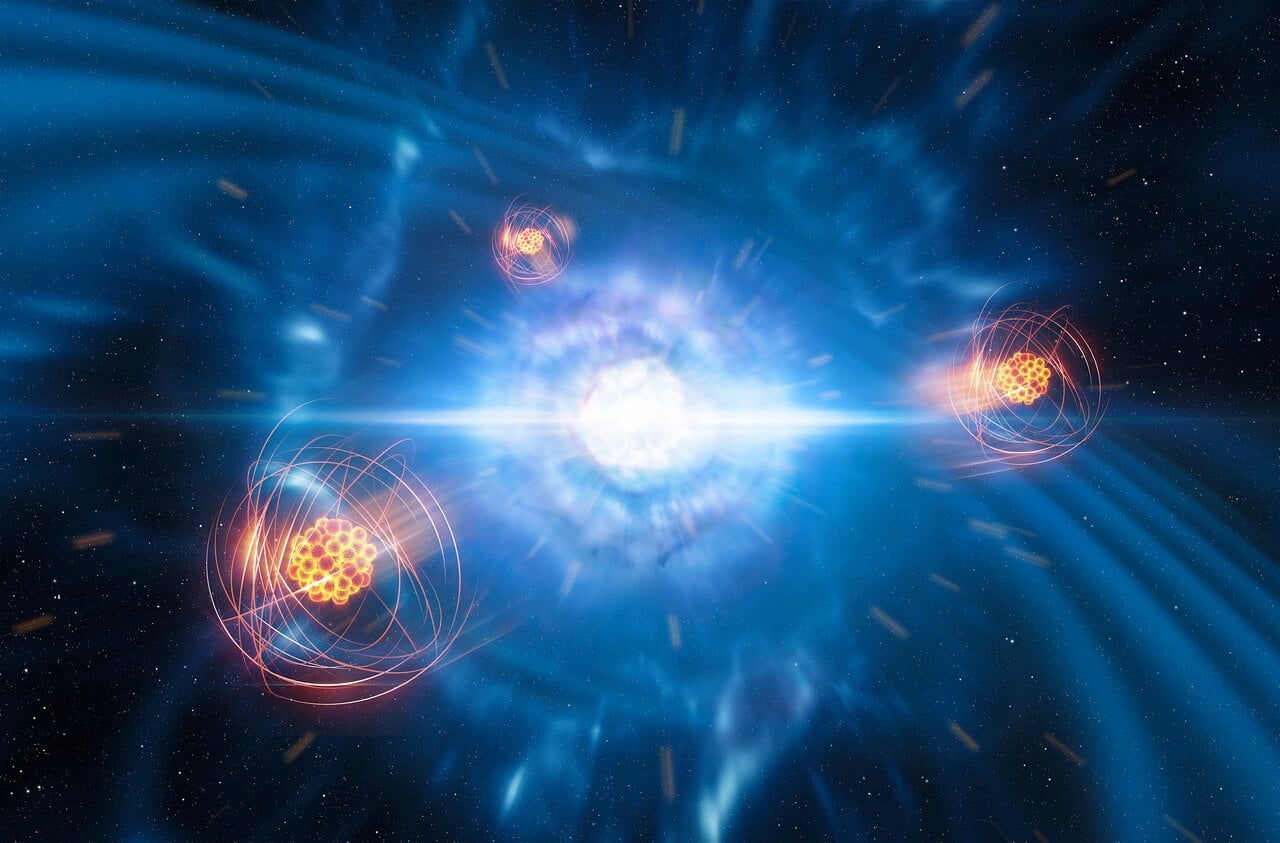
Terrestrial planets such as Earth need an early solar system rich in short-lived radioisotopes. But the supernovae that create these elements would tend to rip an early system apart. A

Terrestrial planets such as Earth need an early solar system rich in short-lived radioisotopes. But the supernovae that create these elements would tend to rip an early system apart. A
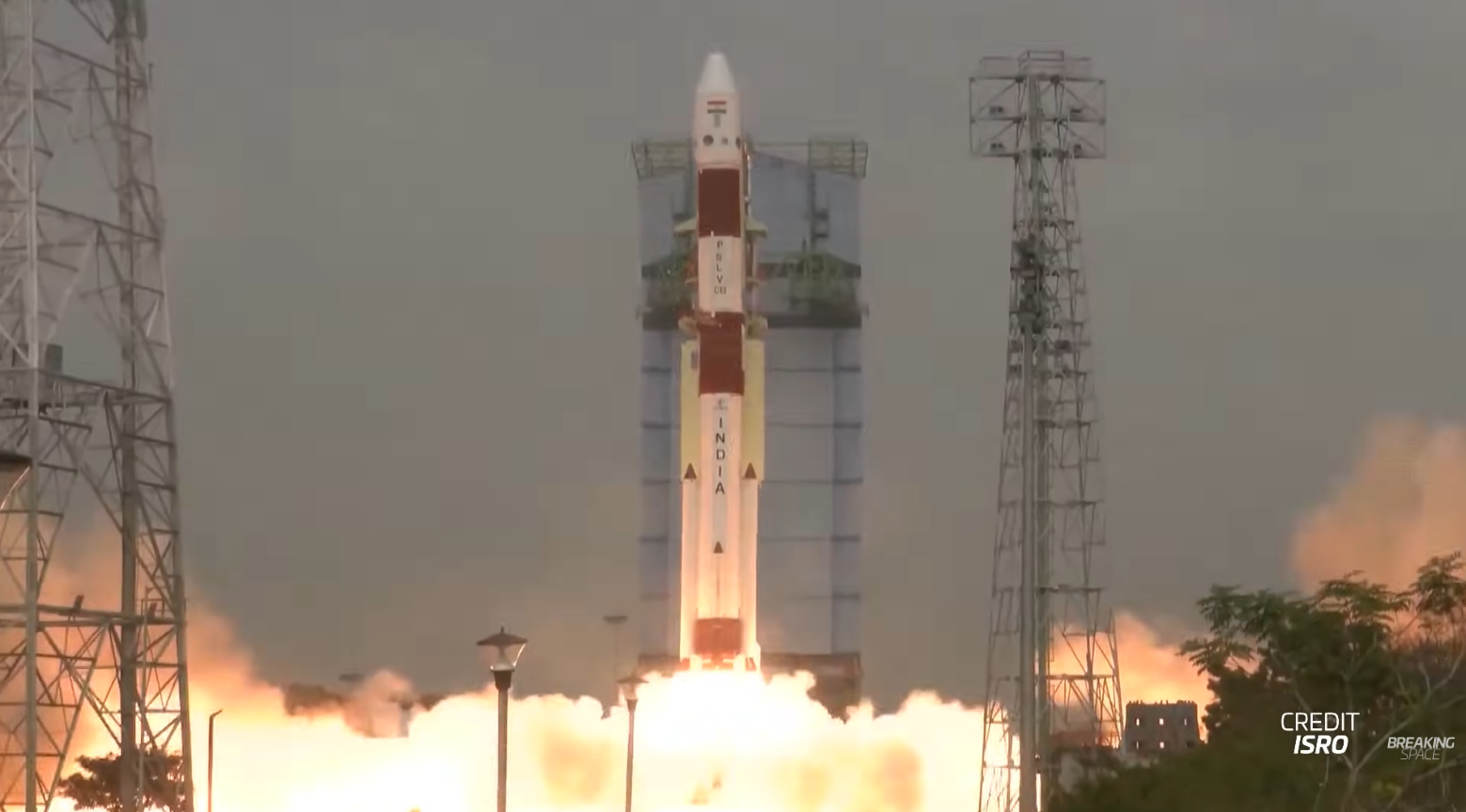
India’s Polar Satellite Launch Vehicle (PSLV), recognized as a cornerstone of the Indian Space Research Organisation (ISRO), faced a significant challenge on January 12 as it recorded its second consecutive
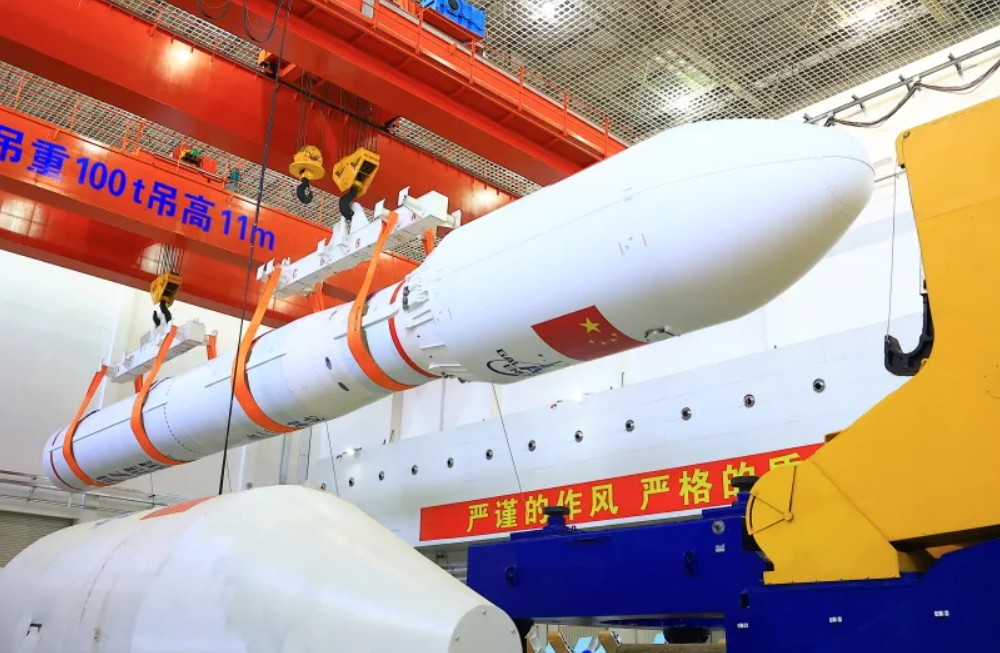
HELSINKI — China suffered a pair of launch failures Friday, seeing the loss of a classified Shijian satellite and the failed first launch of the Ceres-2 rocket. The Long March
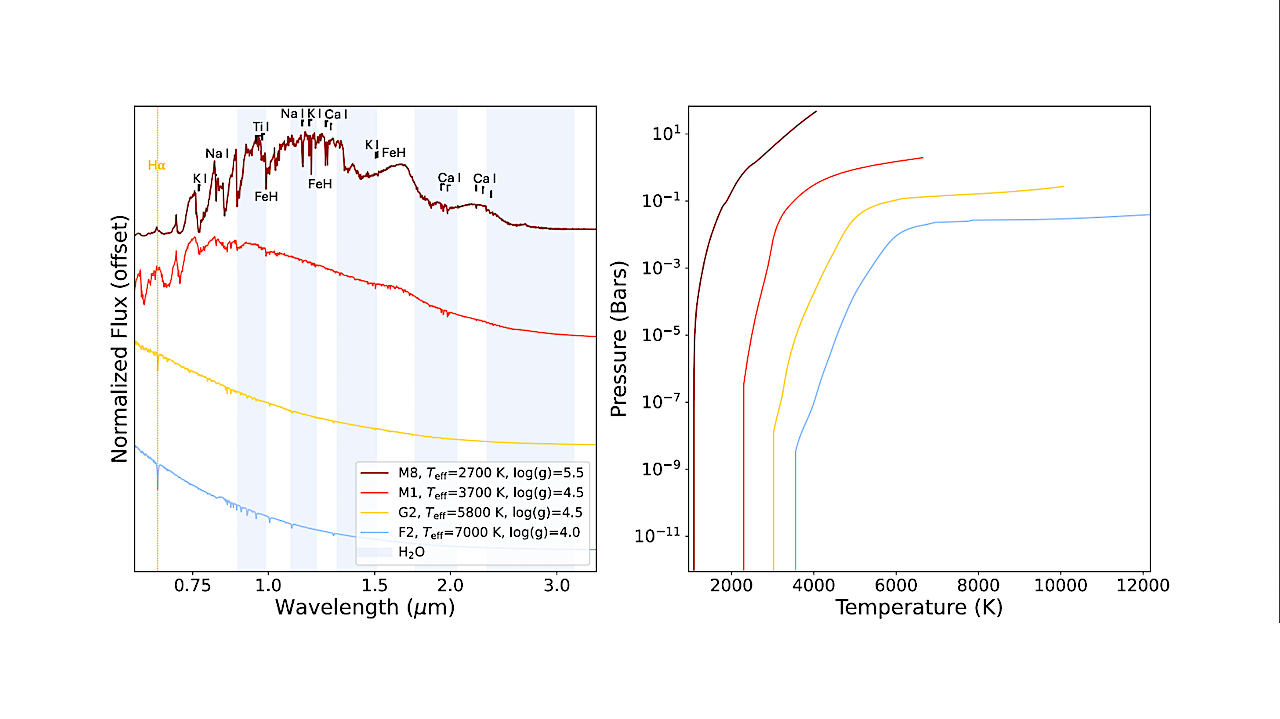
Spectra of different stellar types. On the left, scaled and vertically shifted flux from NewEra stellar grid is shown on the y-axis and wavelength is shown in microns on the
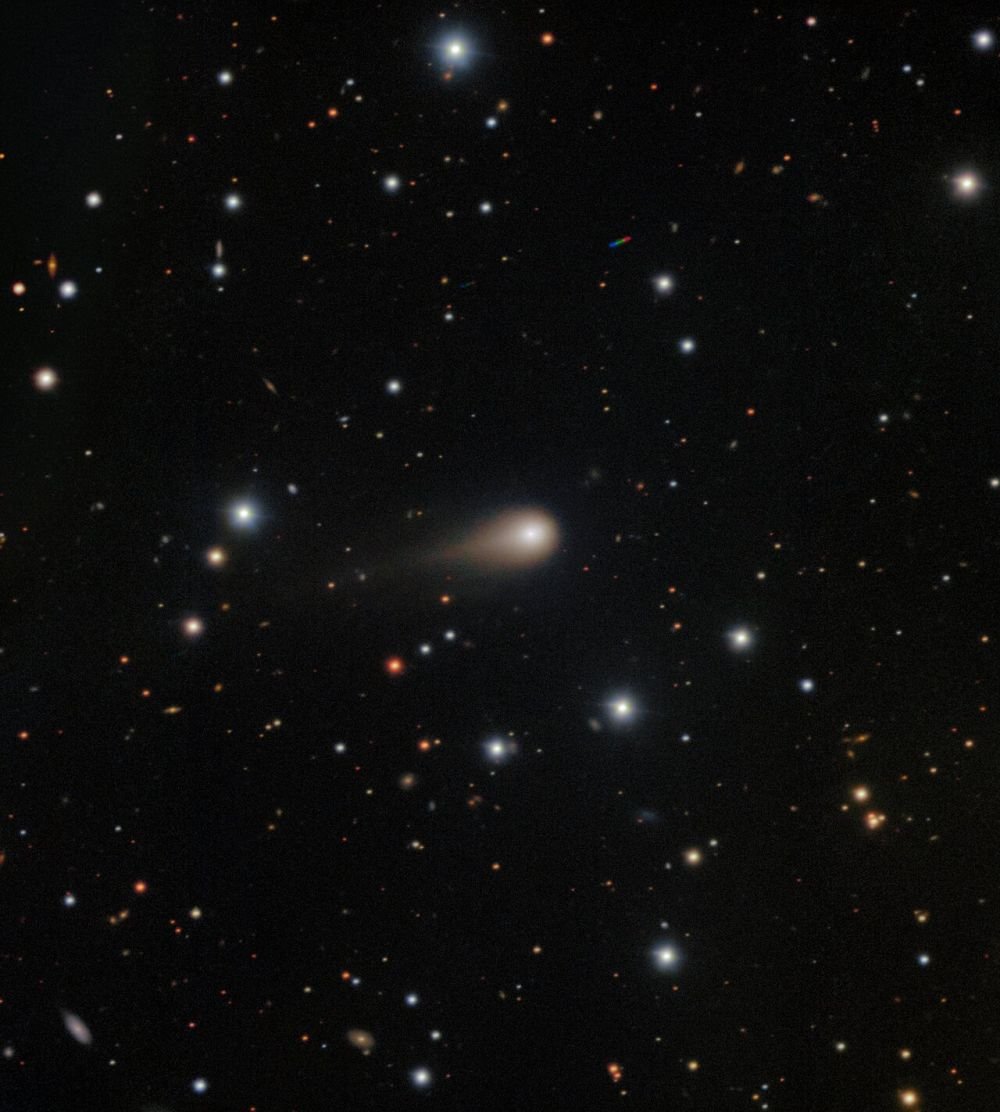
ISOs like Comet 3I/ATLAS are fascinating yet fleeting visitors from distant solar systems. New research suggests that when captured by a young solar system that’s still forming planets, these objects
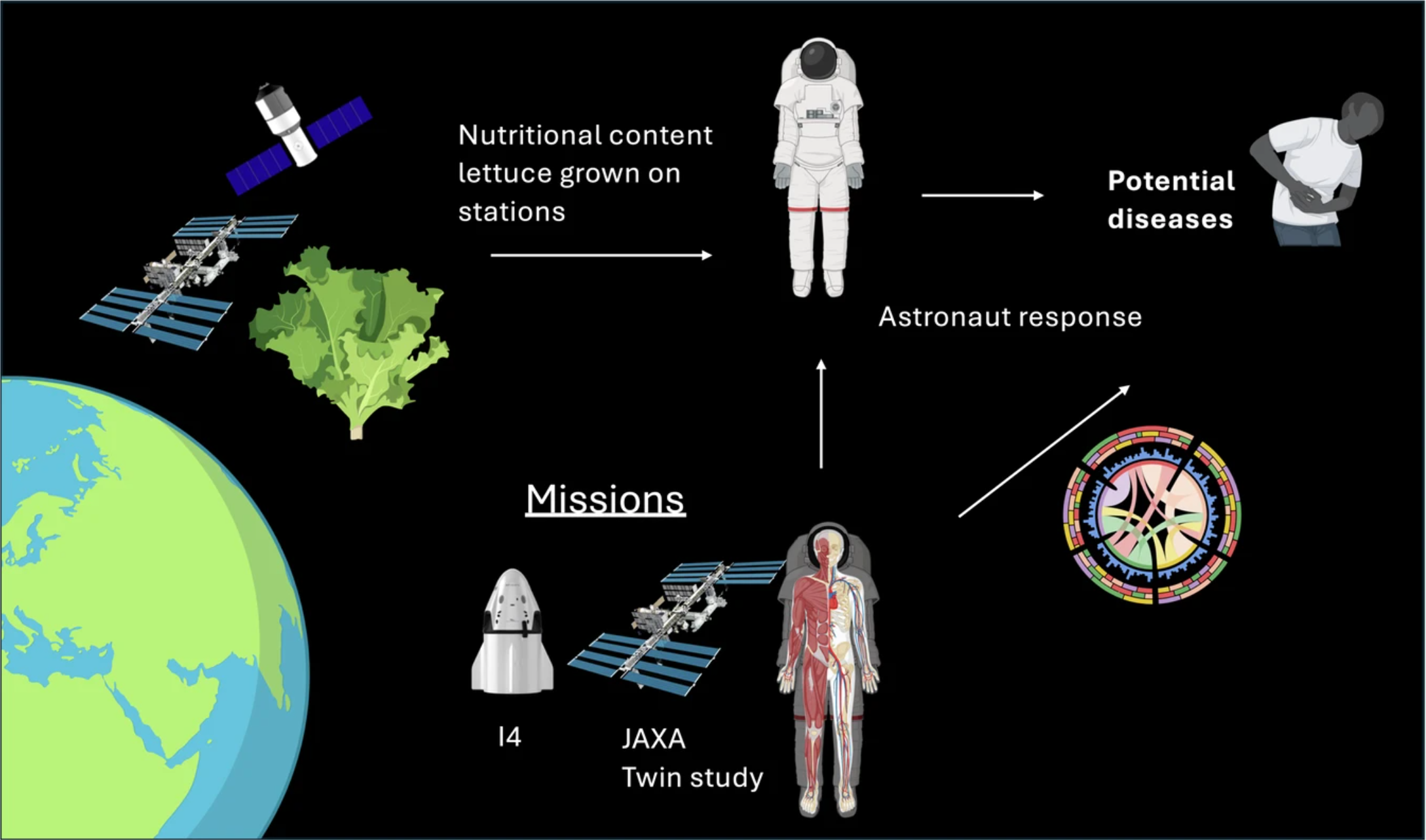
Lettuce Find Healthy Space Food! Citizen Scientists Study Space Salads Volunteer members of the OSDR-Analysis Working Groups examined the nutritional quality of crops grown in Low Earth Orbit and the
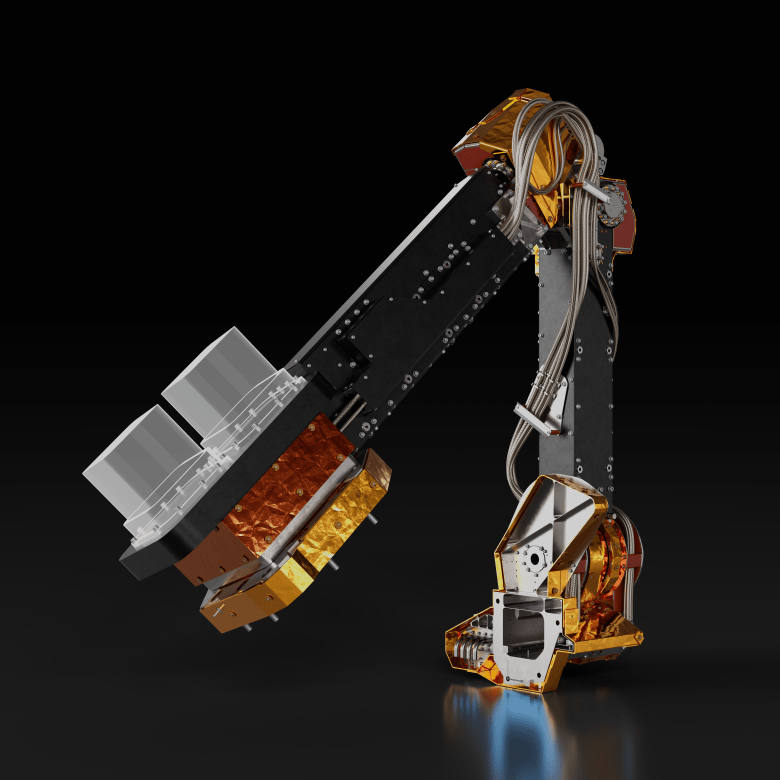
TAMPA, Fla. — Beyond Gravity has secured a contract to deliver robotic arm thruster pointing mechanisms for the small satellites Swissto12 is building for geostationary orbit. The multi-axis Appmax 3

Using a microscope inside a research lab on Mars – Grok via Astrobiology.com Life on Earth has been shaped by transformative microbial innovations and singularities that redefined planetary systems, from
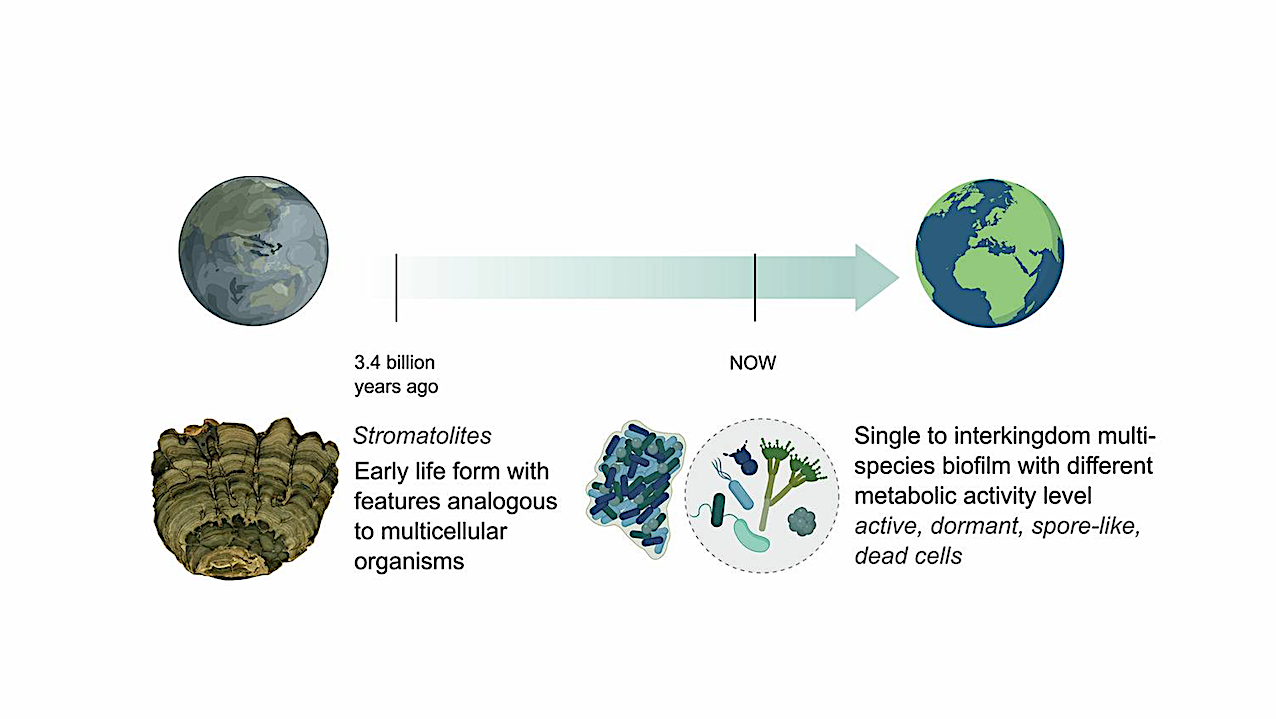
Evolutionary timeline showing early stromatolite biofilms to modern interkingdom biofilms. Biofilms are intricately associated with life on Earth, enabling functions essential to human and plant systems, but their susceptibility to
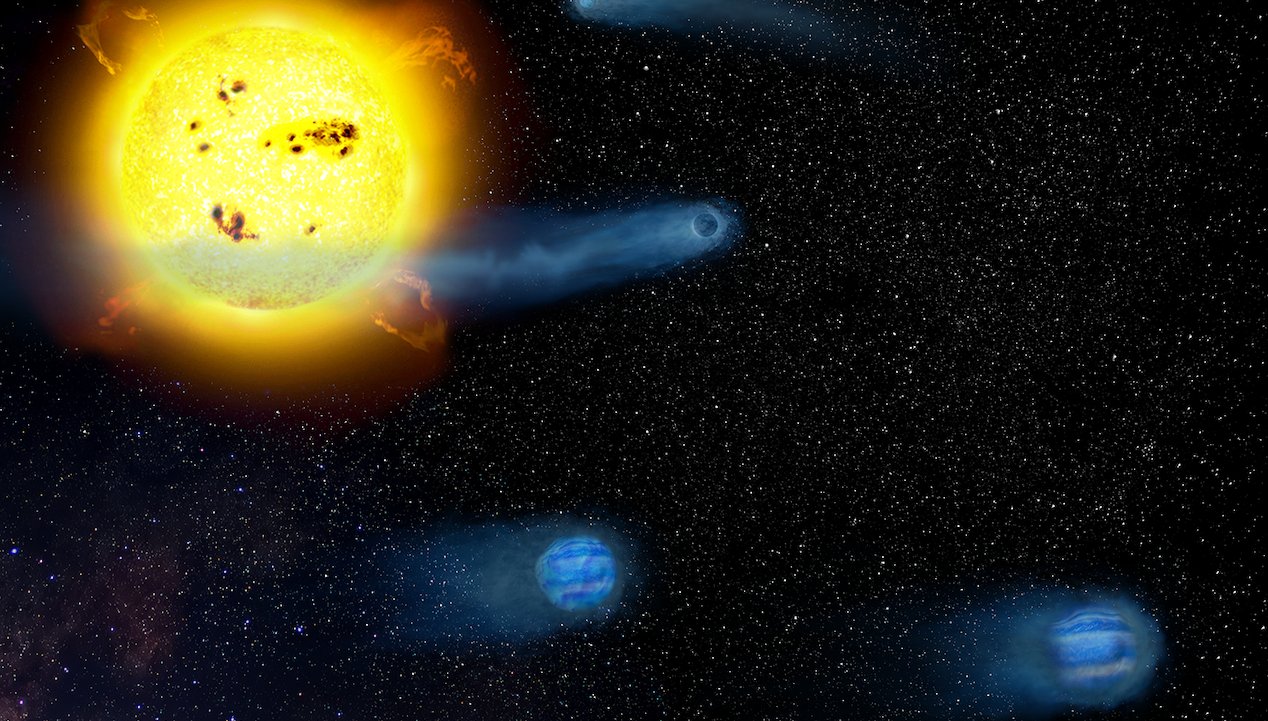
Artist’s impression of four orbiting exoplanets. Intense radiation from the host star may be heating their puffy atmospheres, causing atmospheric escape into space. (Credit: Astrobiology Center) One of the biggest