
Ireland’s first satellite, EIRSAT-1, has completed its mission orbiting Earth. The CubeSat, which was built and launched by students and faculty of University College Dublin (UCD), will de-orbit in a

Hot Posts598- Page
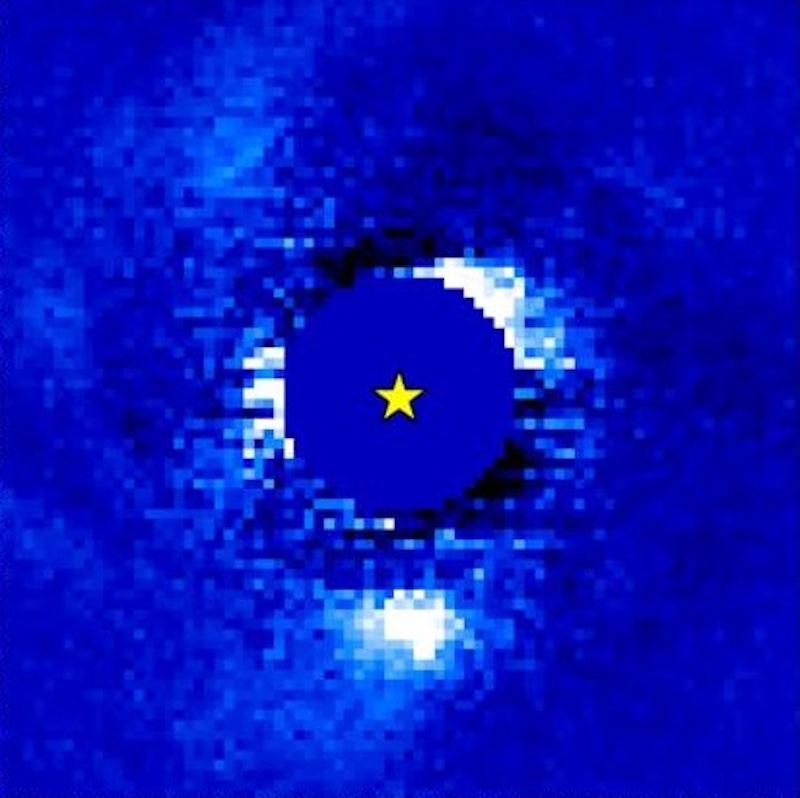
Image from the Very Large Telescope (VLT) in Chile showing the growth of baby planet AB Aurigae b (bright spot near the bottom) in its protoplanetary disk. Image via T.
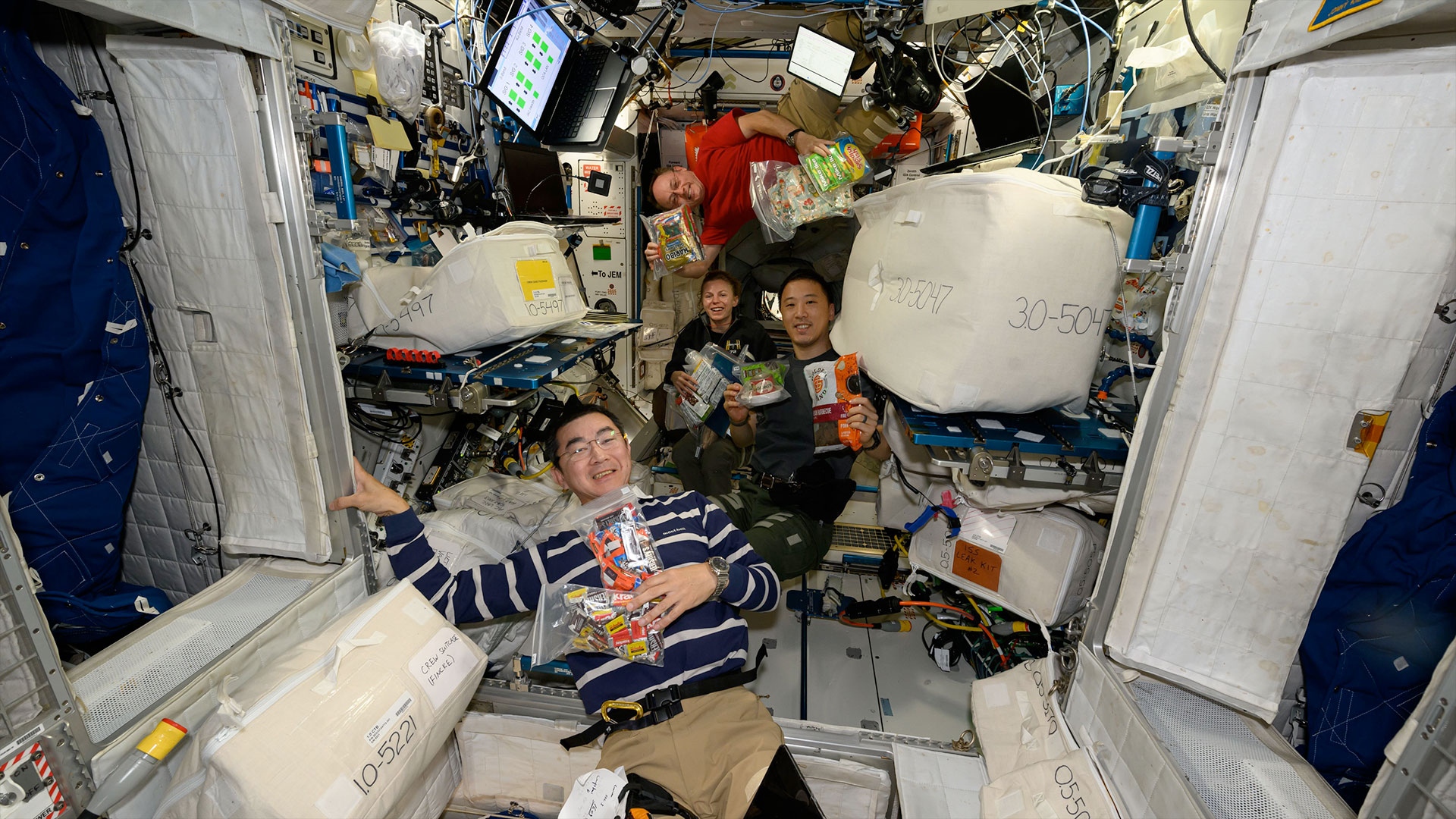
The Expedition 73 crew on the International Space Station (ISS) began their week with the delayed arrival of an extra-large cargo delivery, which, in addition to bringing new science and

WASHINGTON — Maxar Intelligence will provide 3D maps and terrain data for a U.S. Army digital platform designed to give soldiers an immersive view of the battlefield through specialized headsets,
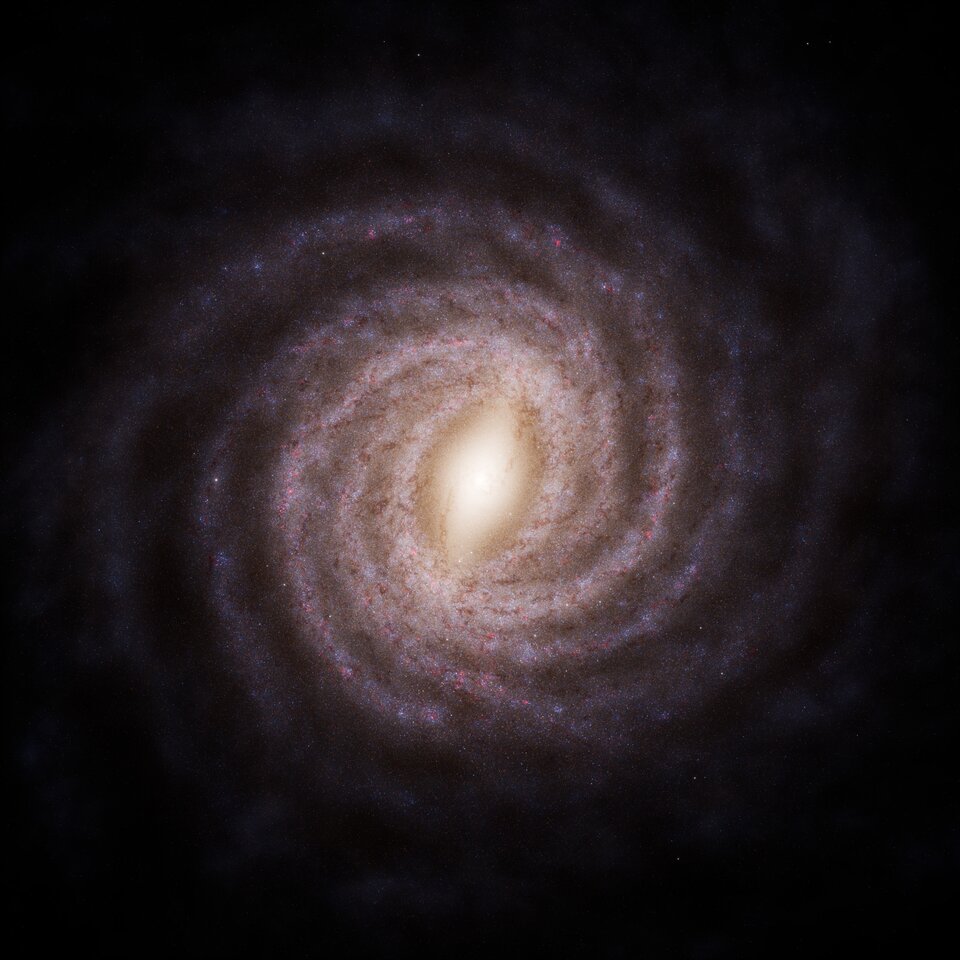
Science & Exploration 16/09/2025 624 views 6 likes Scientists created the most accurate three-dimensional map of star-formation regions in our Milky Way galaxy, based on data from the European Space
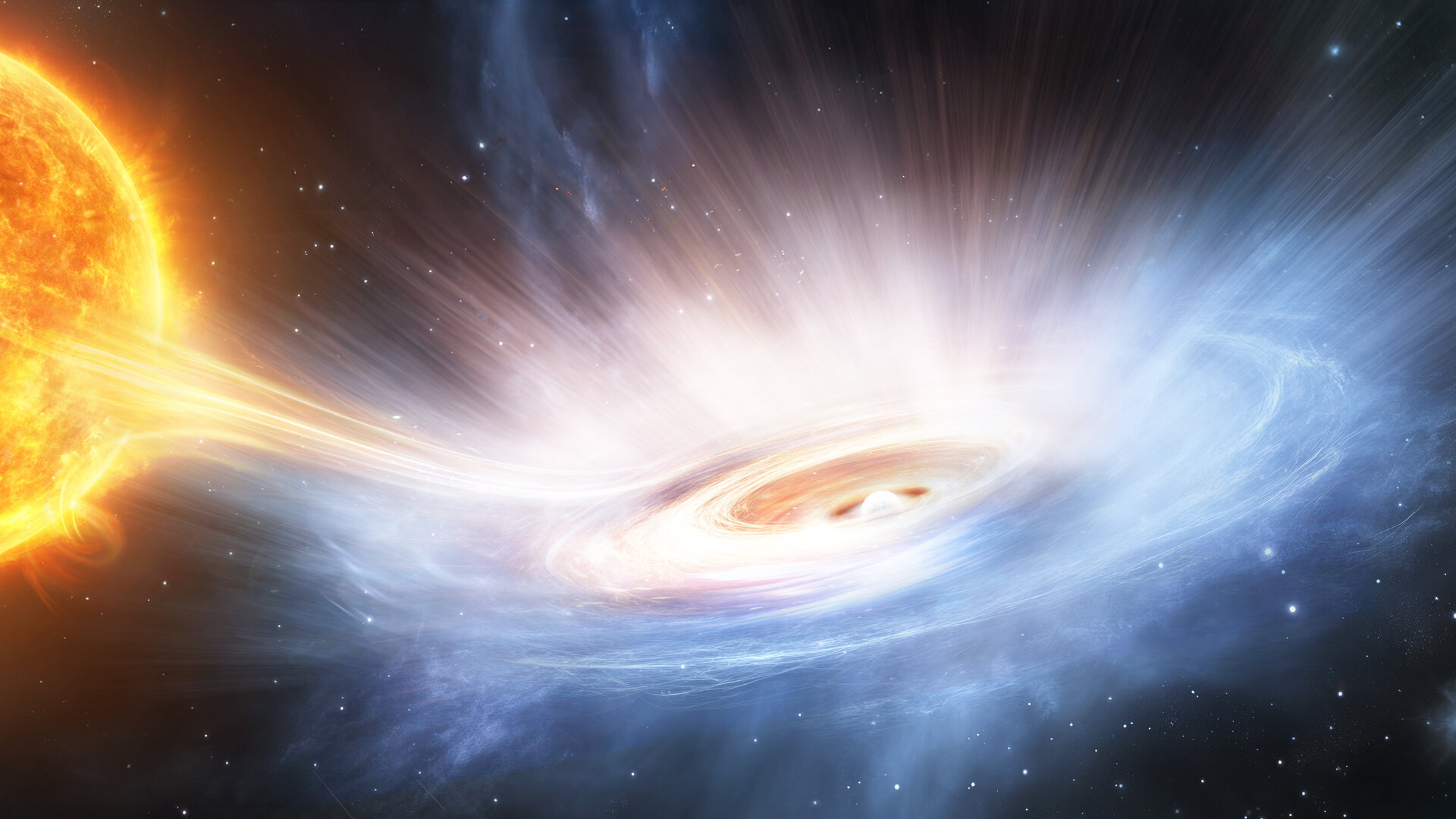
Science & Exploration 17/09/2025 113 views 2 likes The X-Ray Imaging and Spectroscopy Mission (XRISM) has revealed an unexpected difference between the powerful winds launching from a disc around a
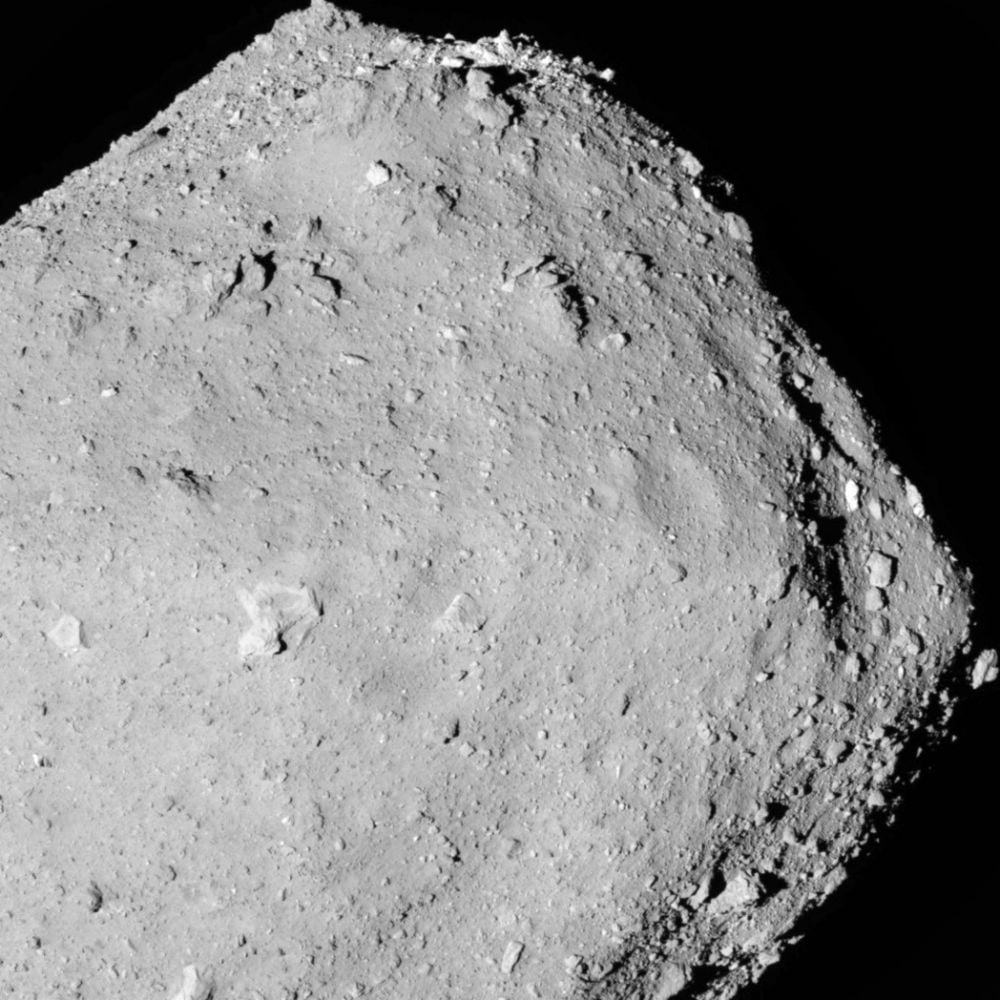
Researchers working with a sample from asteroid Ryugu discovered that water flowed on the asteroid almost one billion years after it formed. The finding suggests that carbon-rich asteroids could’ve delivered
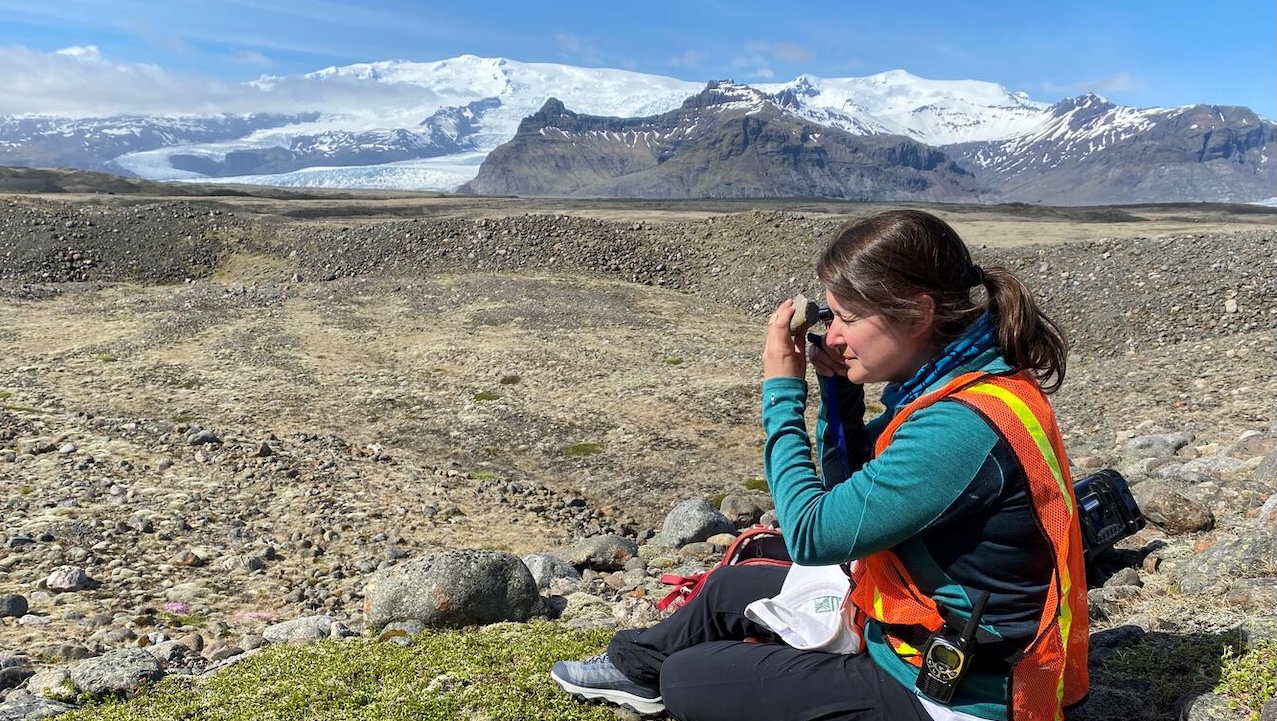
Lauren Edgar uses a hand lens to identify minerals in a sample from a complex esker in Iceland. Credit: USGS Meet Lauren Edgar, once a geologist studying the Earth, Moon,
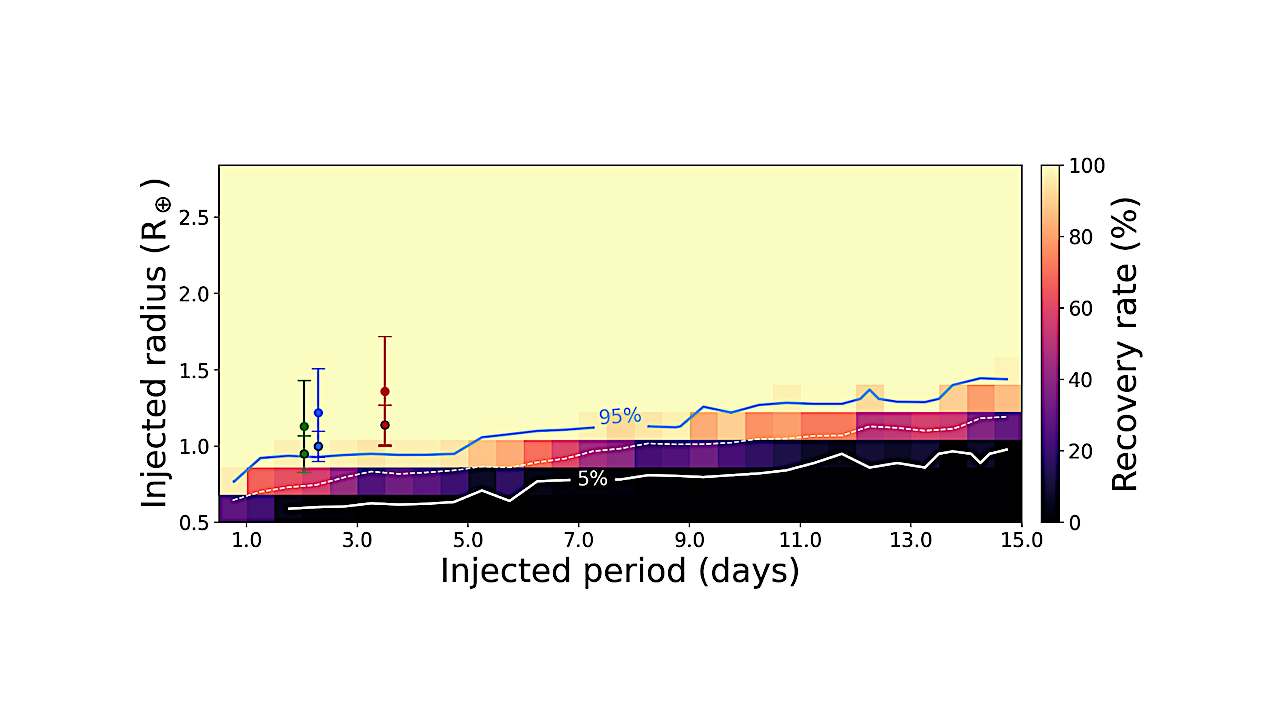
MATRIX injection-and-recovery experiment conducted to establish the detection limits using the ten TESS sectors described in Sect. 3.1. We explored a total of 18000 different scenarios, where each pixel evaluated
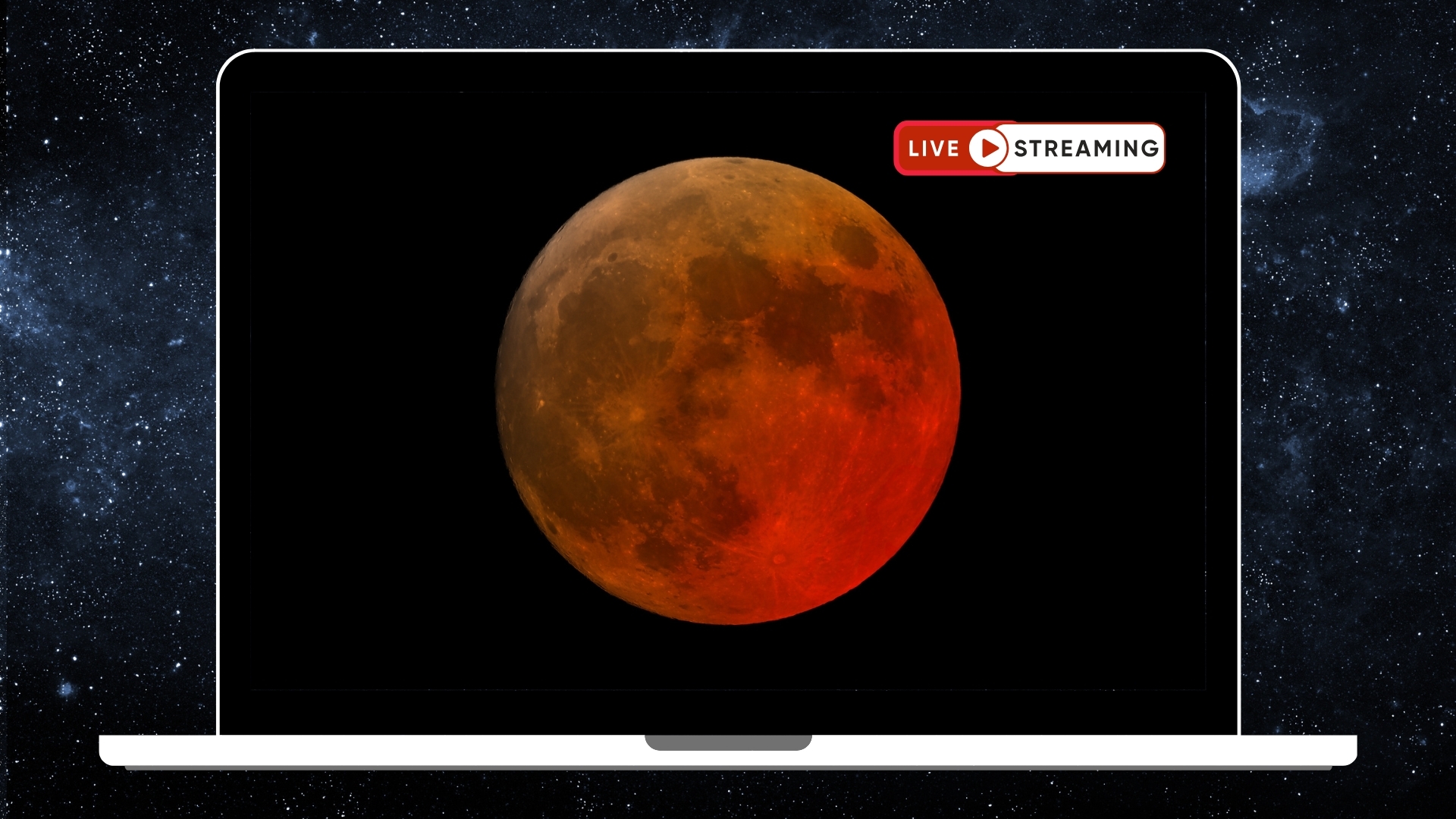
Stargazers will be treated to a spectacular view on the night of Sept. 7-8, as Earth’s inner shadow sweeps across its natural satellite, triggering a “blood moon” total lunar eclipse.
Advertisement
Popular Now
-
 01Two Black Holes Observed Circling Each Other for the First Time
 -
 02From Polymerization-Enabled Folding and Assembly to Chemical Evolution: Key Processes for Emergence of Functional Polymers in the Origin of Life
 -
 03Astronomy 101: From the Sun and Moon to Wormholes and Warp Drive, Key Theories, Discoveries, and Facts about the Universe (The Adams 101 Series)
 -
 04True Anomaly hires former York Space executive as chief operating officer
 -
 05Φsat-2 begins science phase for AI Earth images
 -
 06Hurricane forecasters are losing 3 key satellites ahead of peak storm season − a meteorologist explains why it matters
 -
 07Binary star systems are complex astronomical objects − a new AI approach could pin down their properties quickly
Scroll to Top