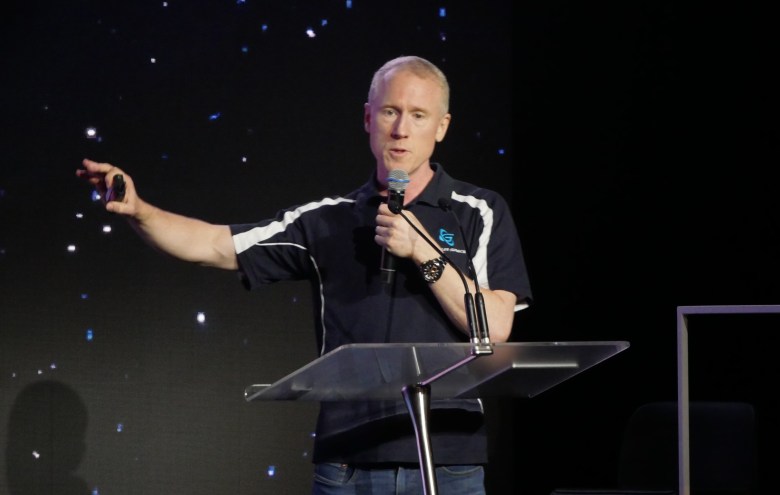
SYDNEY — Despite its first orbital launch attempt lasting only a few seconds, Gilmour Space Technologies is satisfied with the attempt and moving ahead to return to the launch pad

SYDNEY — Despite its first orbital launch attempt lasting only a few seconds, Gilmour Space Technologies is satisfied with the attempt and moving ahead to return to the launch pad
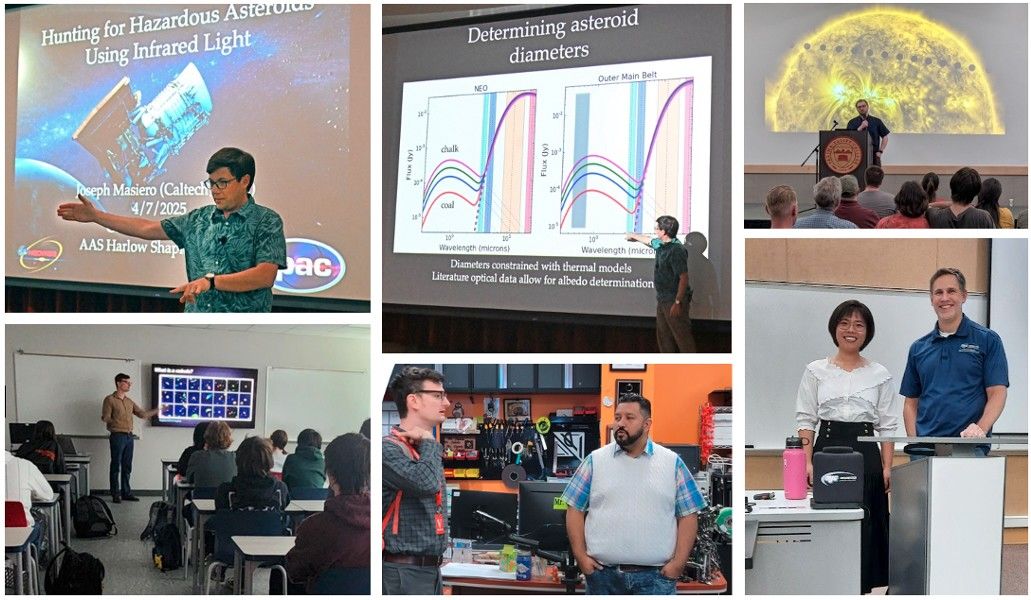
Explore This Section Science For Colleges & Universities NASA Helps Connect Astronomers… Overview Learning Resources Science Activation Teams SME Map Opportunities More Science Activation Stories Citizen Science 3 min
A new study suggests a habitable past and signs of ancient microbial processes on Mars. Led by NASA and featuring key analysis from Imperial College London, the work has uncovered
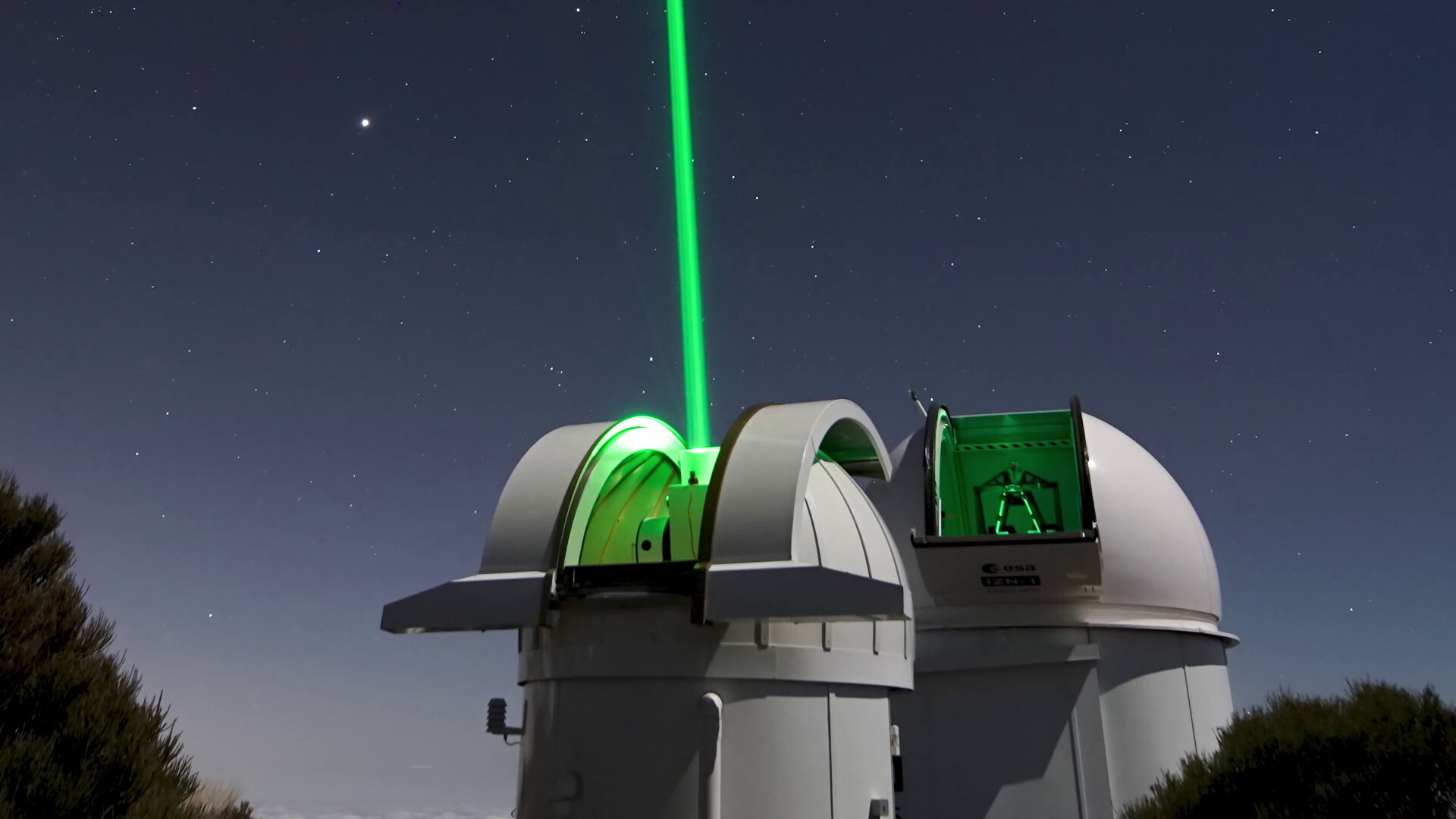
In the heart of Tenerife, Spain, the landscape is marked not only by its stunning mountains and oceans but also by cutting-edge technology that aims to safeguard our orbiting satellites.
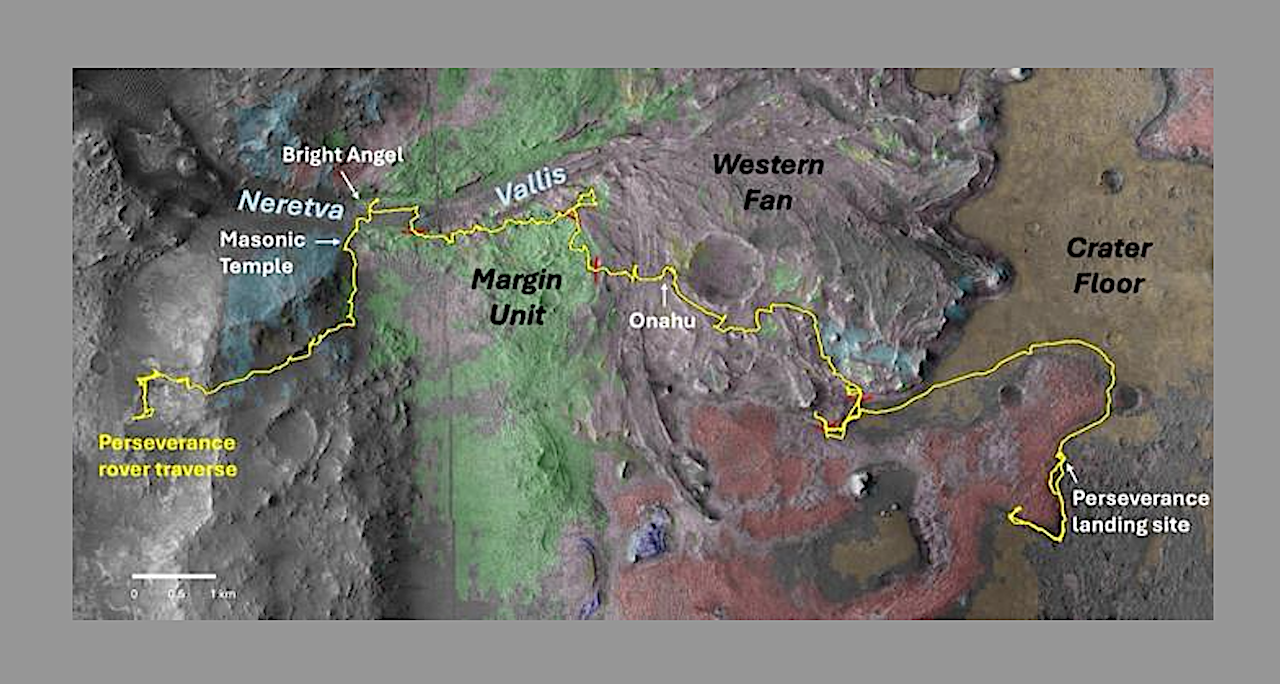
Mineralogical map of Jezero crater explored by the Perseverance rover. This mineral map was created from near-infrared (1-2.6 µm) CRISM imagery (Parente et al., 2021) using recently developed technologies (Itoh
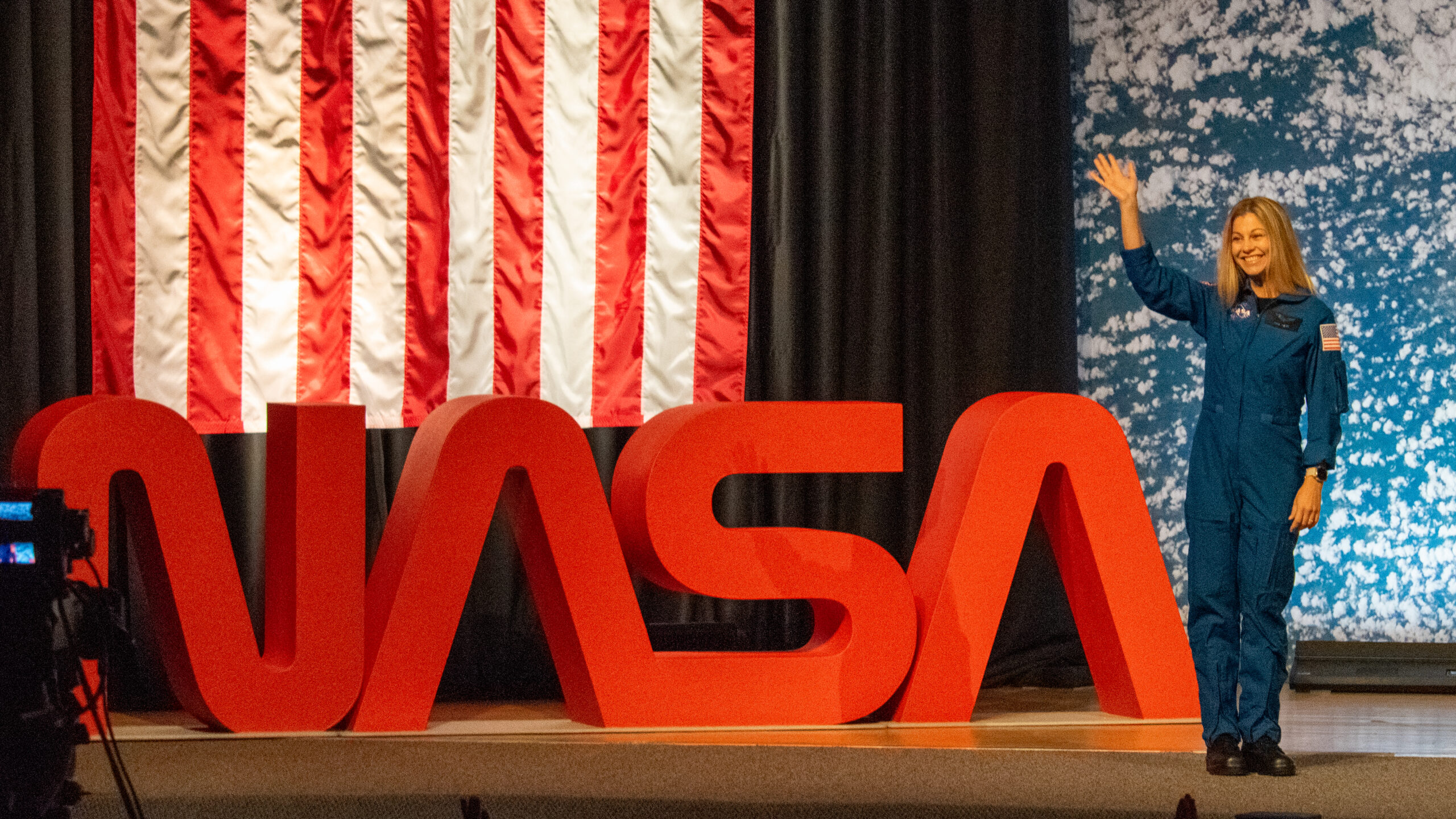
One of NASA’s newly announced astronaut candidates already has a spaceflight under her belt. On Monday (Sept. 22), the space agency announced the 10 members of its newest astronaut class
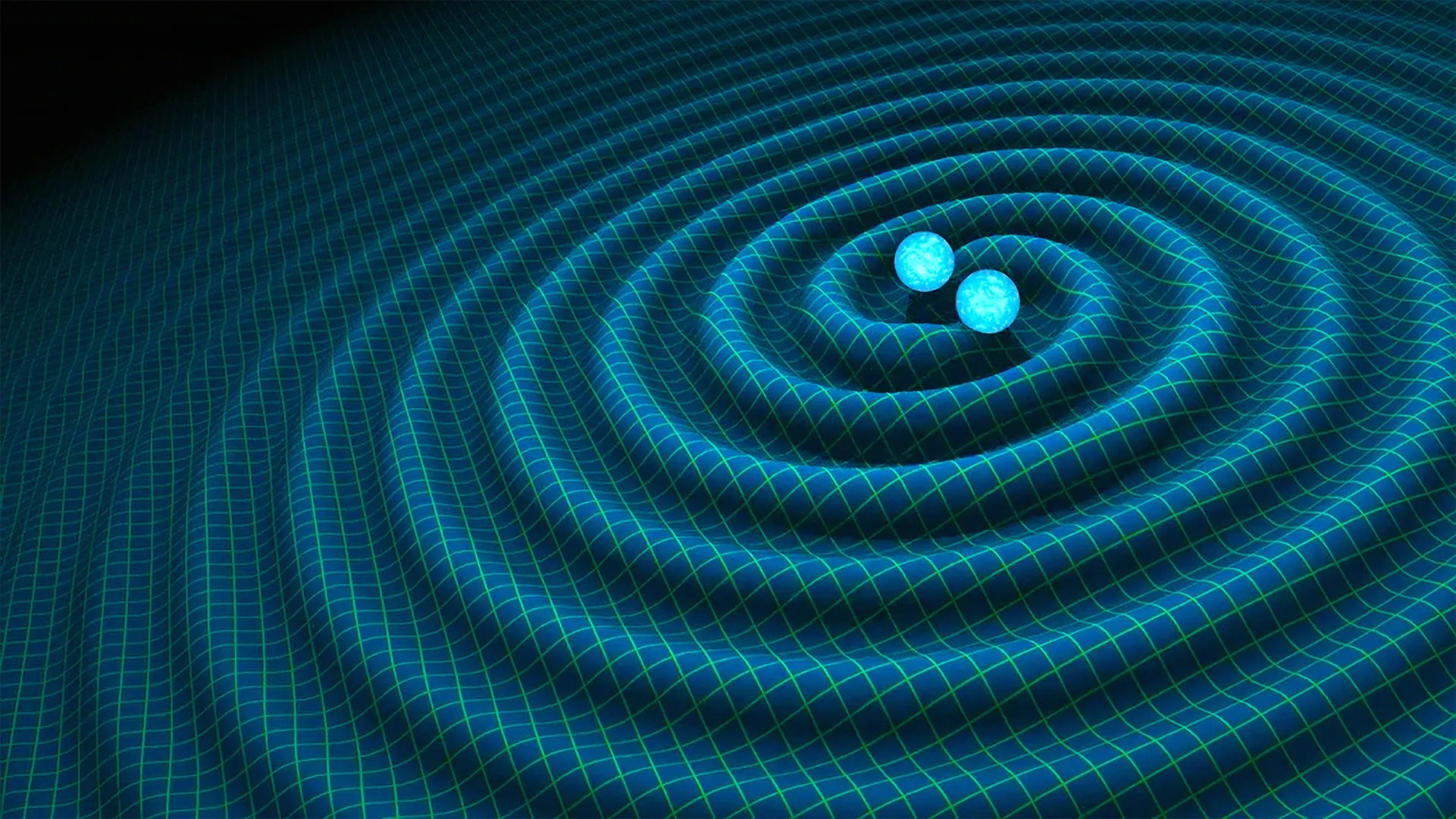
4 Min Read October’s Night Sky Notes: Let’s Go, LIGO! An artist’s impression of gravitational waves generated by binary neutron stars. Credits: R. Hurt/Caltech-JPL by Kat Troche of the Astronomical
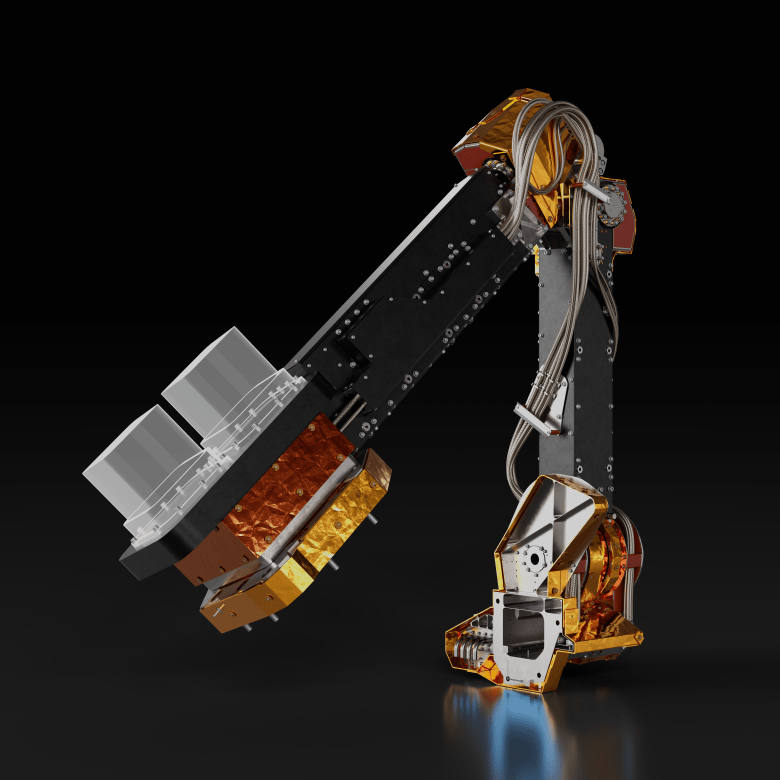
TAMPA, Fla. — Beyond Gravity has secured a contract to deliver robotic arm thruster pointing mechanisms for the small satellites Swissto12 is building for geostationary orbit. The multi-axis Appmax 3
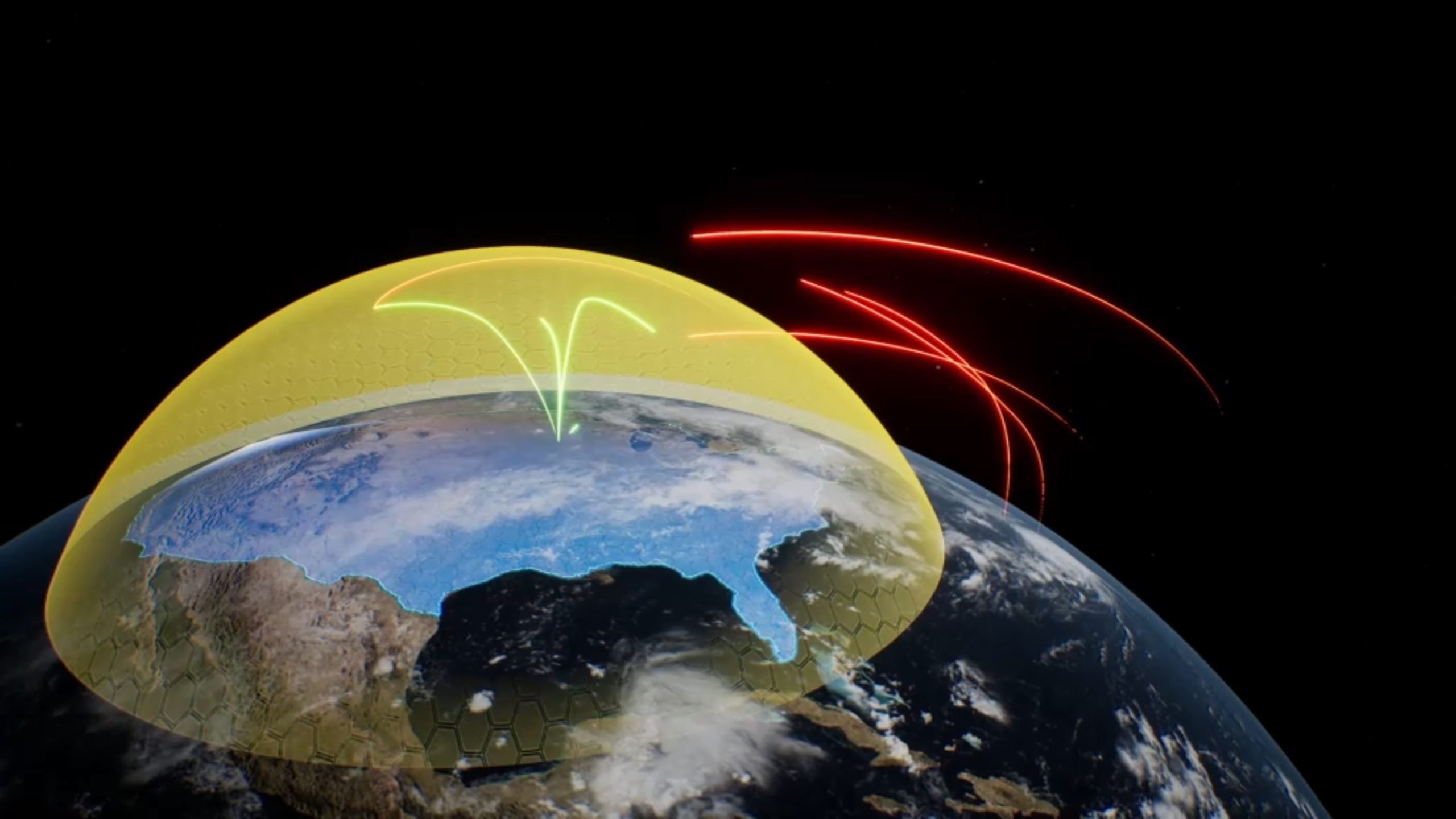
In fewer than 40 months, President Trump’s presidency will end. The question is, will his signature project — the Golden Dome — die with it? It could survive even if
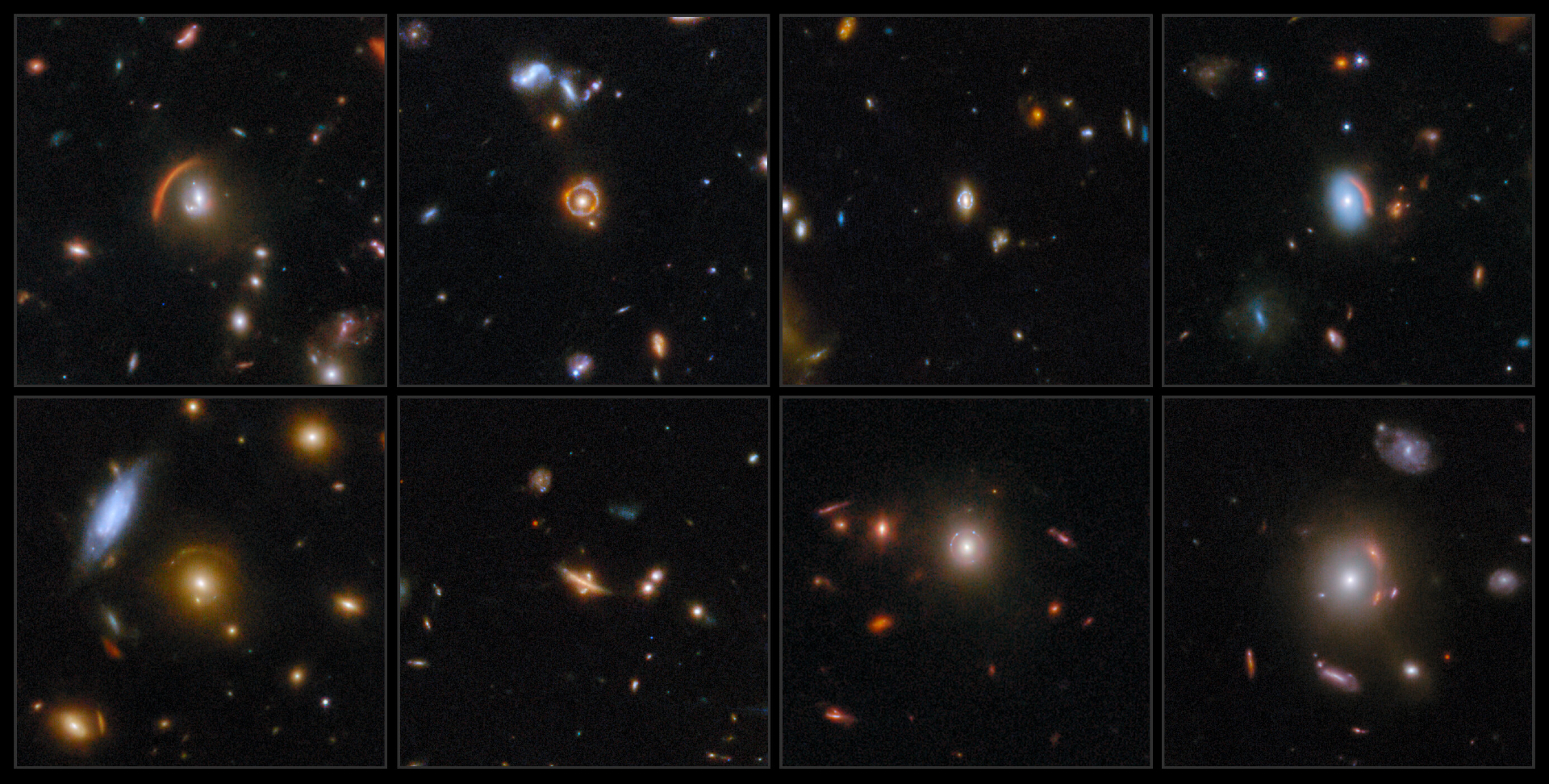
Peering into deep space, NASA’s James Webb Space Telescope has helped astronomers find places to study gravitational lensing, an effect in which massive objects such as galaxies warp space-time itself,