Keith Cowing Explorers Club Fellow, ex-NASA Space Station Payload manager/space biologist, Away Teams, Journalist, Lapsed climber, Synaesthete, Na’Vi-Jedi-Freman-Buddhist-mix, ASL, Devon Island and Everest Base Camp veteran, (he/him) 🖖🏻 Follow on

Keith Cowing Explorers Club Fellow, ex-NASA Space Station Payload manager/space biologist, Away Teams, Journalist, Lapsed climber, Synaesthete, Na’Vi-Jedi-Freman-Buddhist-mix, ASL, Devon Island and Everest Base Camp veteran, (he/him) 🖖🏻 Follow on
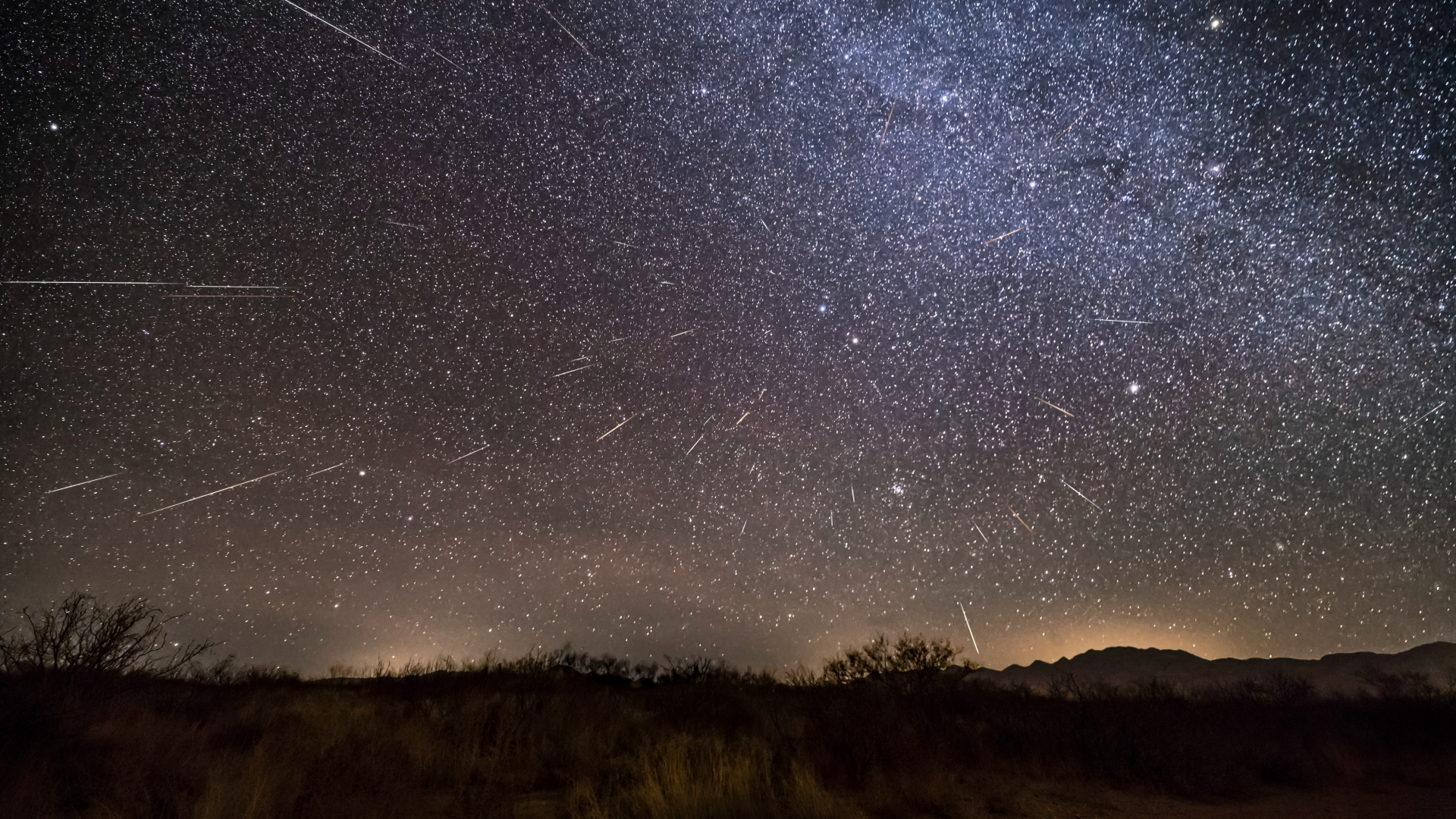
A composite view of the Geminid meteor shower taken from Arizona in the United States. (Image credit: Alan Dyer/VW Pics/UIG via Getty Images) The Geminid meteor shower peaks overnight tonight
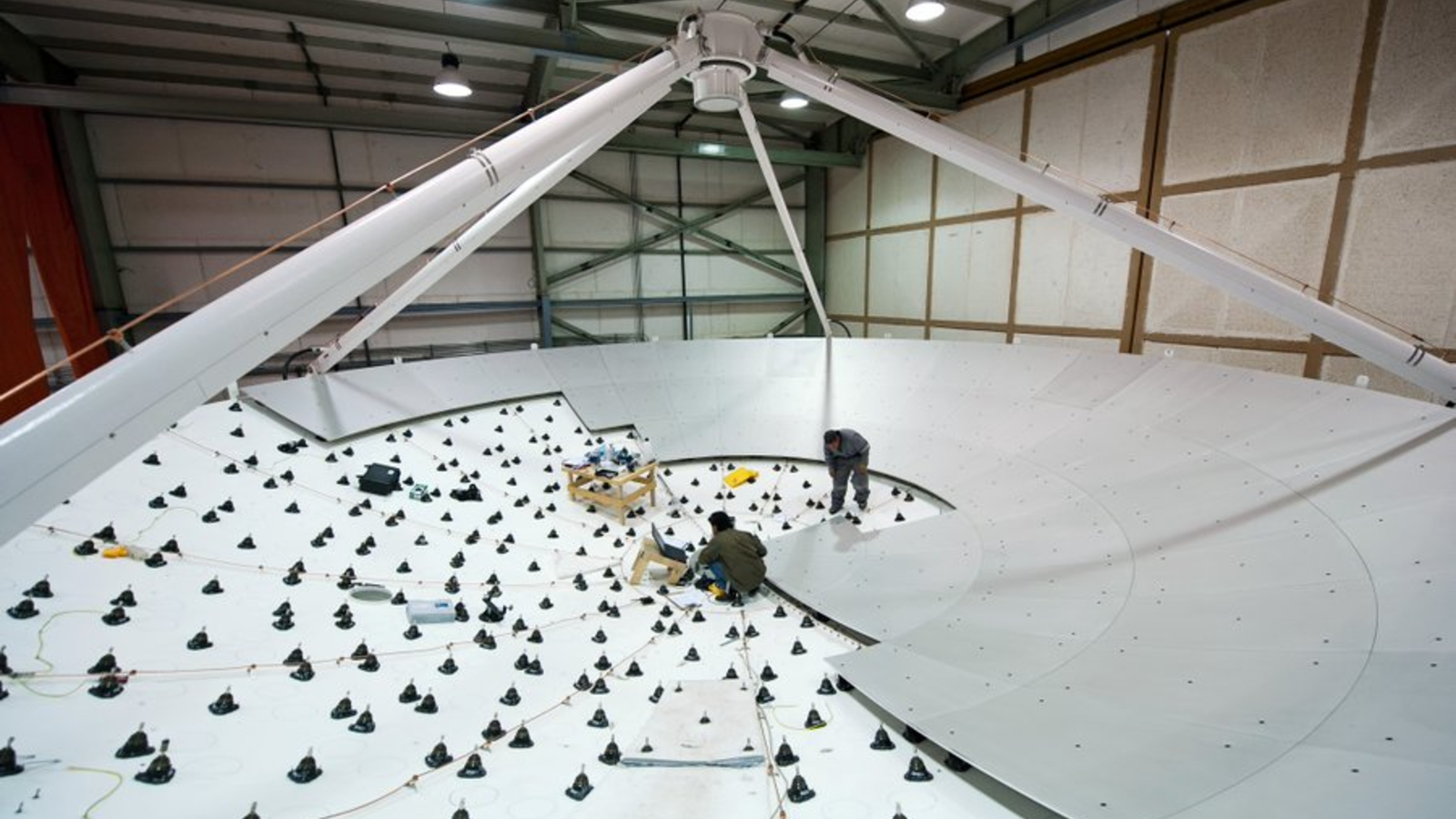
In the high-altitude desert of northern Chile sits the Atacama Large Millimeter/submillimeter Array (ALMA). Conceived as a partnership among scientists in Europe, North America, East Asia, and Chile, ALMA was
Comet 3I/ATLAS is the third ISO ever detected. It was discovered by the Asteroid Terrestrial-impact Last Alert System (ATLAS) station on 1 July 2025. It’s traveling through the inner solar
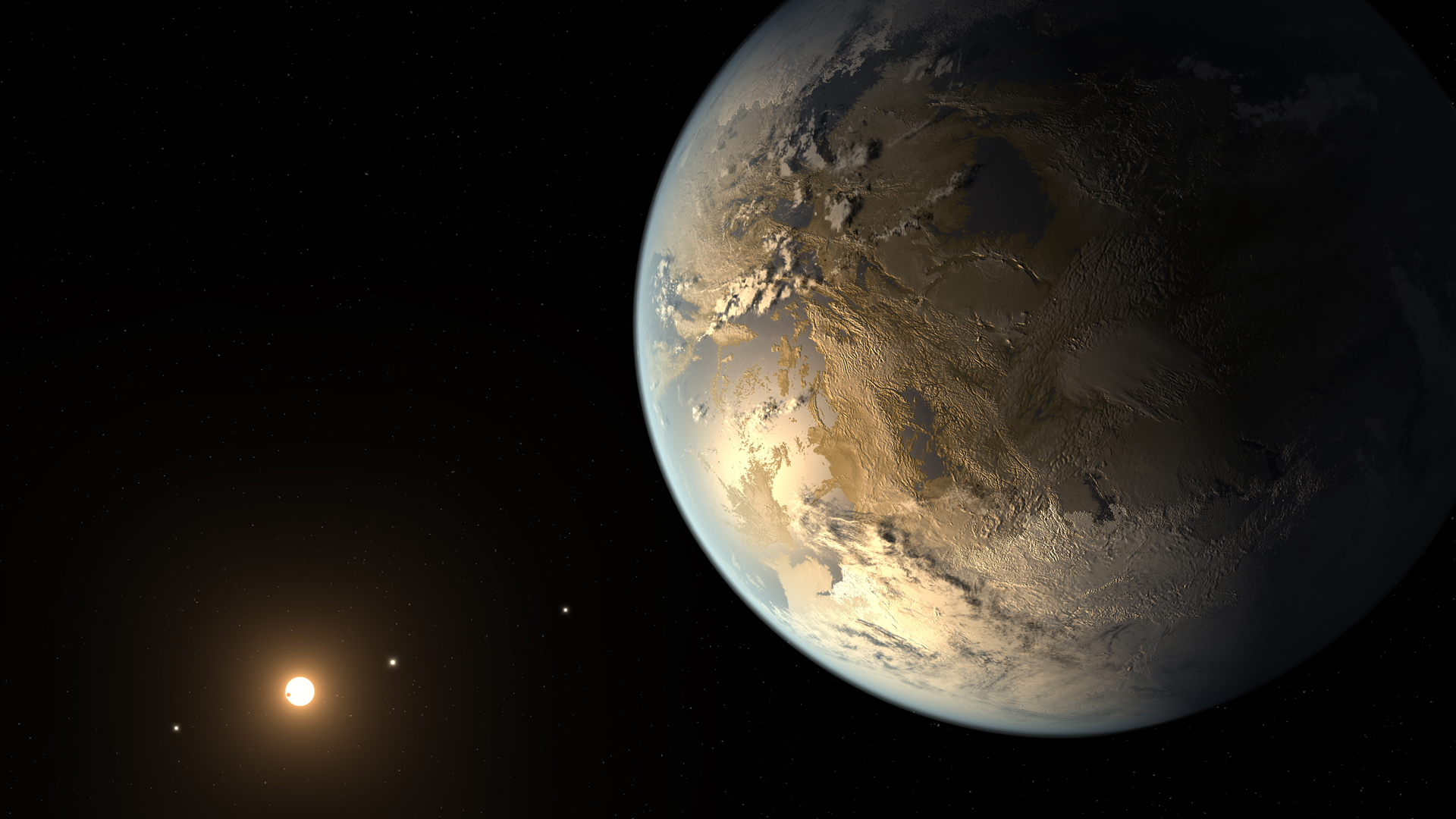
Far beyond the familiar planets of our solar system lies a staggering diversity of alien worlds: exoplanets that orbit distant stars, each with its own story written in starlight. Some

Filamentary structures and anisotropy are observed across the dynamic range of star formation. Starting at the star-forming scale, (1) shows the OMC-1 star-forming filament observed by ALMA+IRAM 30 m in

We now know which people will fly on Blue Origin’s next space tourism mission — most of them, anyway. On Wednesday (Oct. 1), Blue Origin, which was founded by Amazon’s
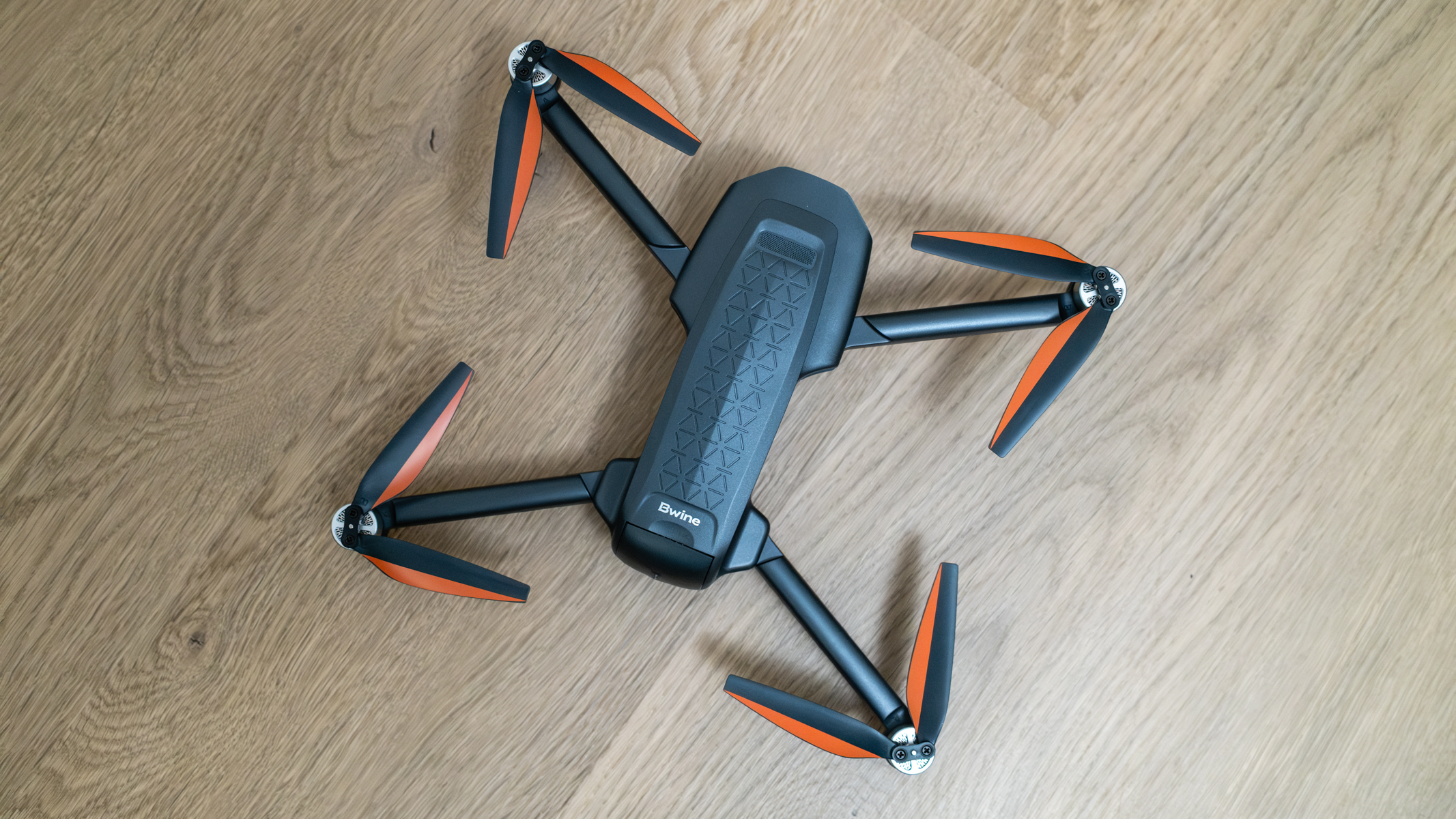
Beginner drones come in many shapes, sizes and styles these days, making the list of the best beginner drones more varied than ever. The Bwine F7GIM is a pretty run-of-the-mill
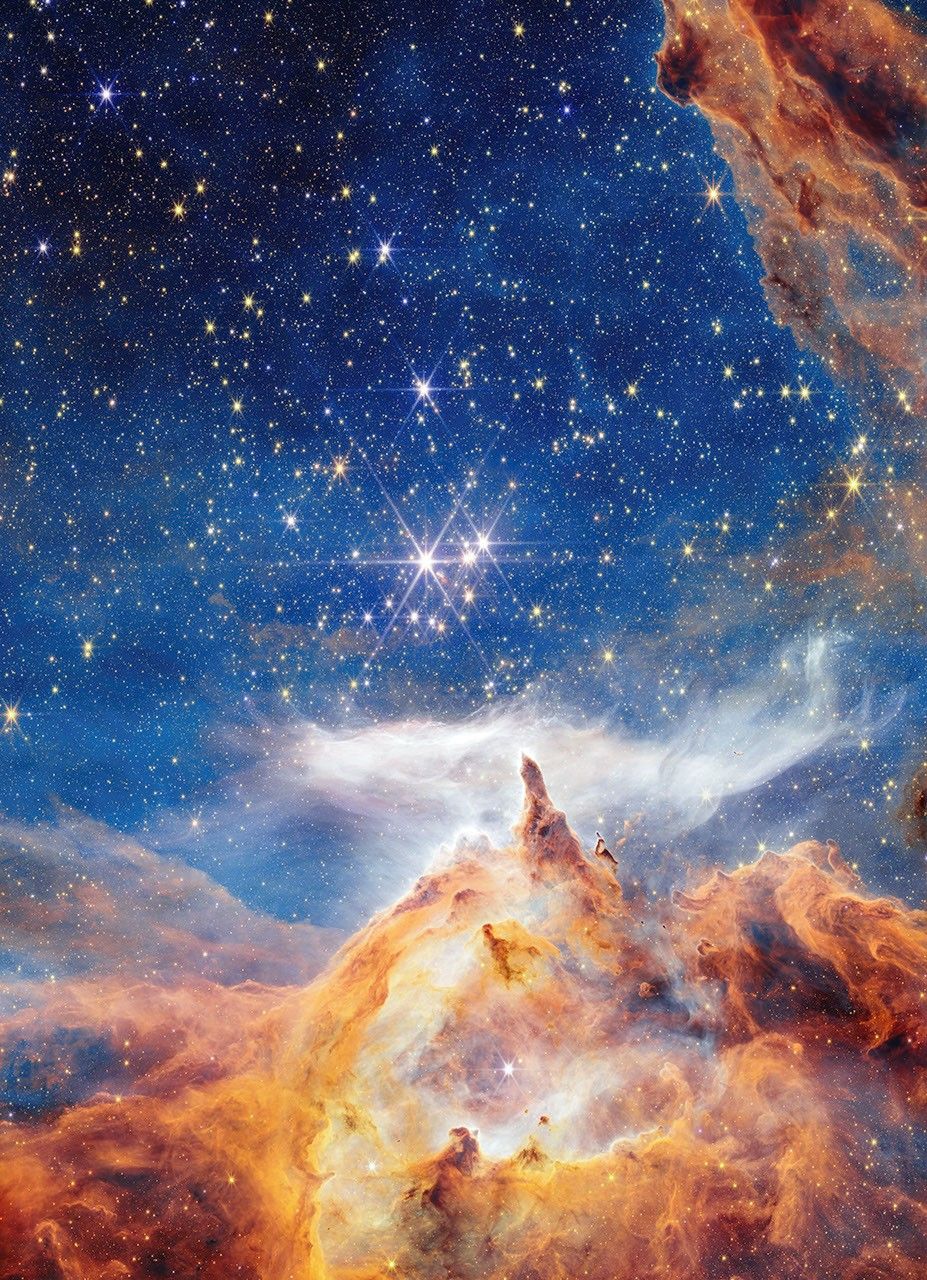
Explore Webb Webb News Latest News Latest Images Webb’s Blog Awards X (offsite – login reqd) Instagram (offsite – login reqd) Facebook (offsite- login reqd) Youtube (offsite) Overview About Who
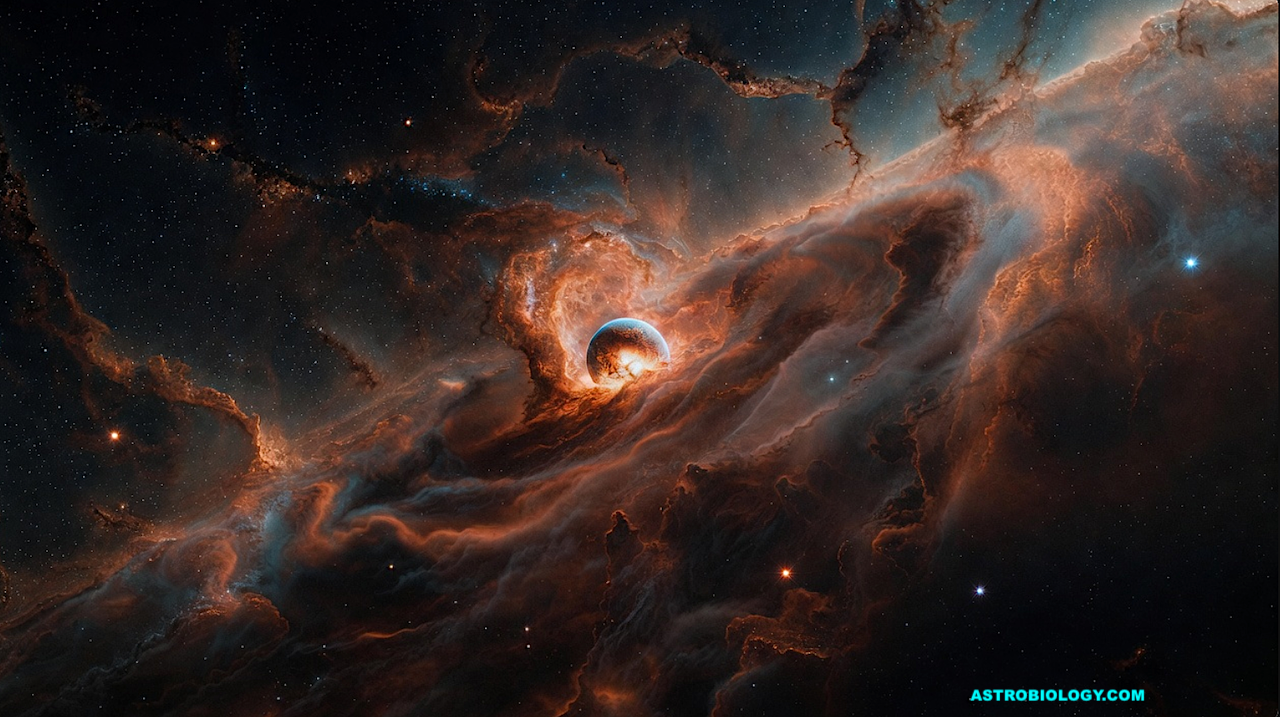
Planetary formation – Grok via Astrobiology.com Southwest Research Institute (SwRI) has created a new space science laboratory to enhance our understanding of the origins of planetary systems. SwRI’s Nebular Origins